 Turin Travel
Guide
Turin Travel
Guide
Paris is known around the world as the “capital of love,” and even if you don't understand the history of Paris at all

2 Hours
£4.68
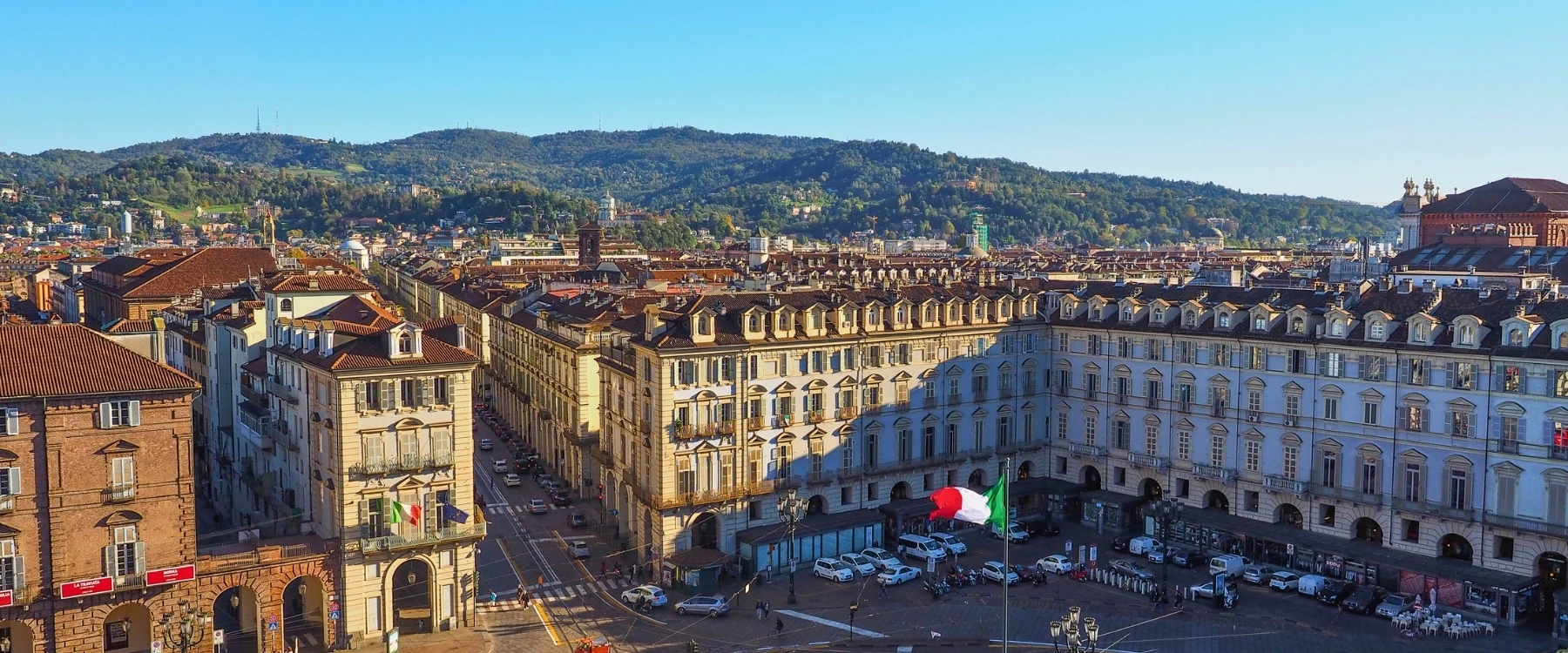
Turin’s palaces and monuments reflect its storied past as the first capital of unified Italy and the seat of the House of Savoy. Visitors can marvel at the Royal Palace (Palazzo Reale) and the adjoining Armory, explore the ornate chapels of the Basilica di Superga perched on a hill overlooking the city, and witness the stately architecture of Piazza Castello. The preservation of historic sites conveys a sense of continuity and grandeur, while guided tours reveal tales of royalty, revolutionary movements, and artistic patronage. This immersion in Turin’s heritage appeals to culture-seekers keen to connect with Italy’s formative chapters.
Learn More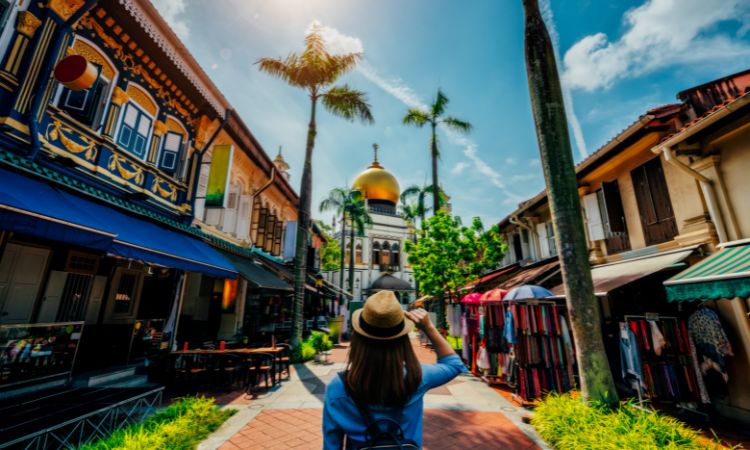
Piedmont is renowned for its gastronomy, and Turin is its culinary heart. Travelers can savor agnolotti (delicate stuffed pasta), robust ragù, and regional cheeses paired with Barolo and Barbera wines from nearby vineyards. Turin’s legacy as the birthplace of gianduja chocolate inspires visits to artisanal chocolatiers, where visitors sample exquisite creations and learn about chocolate-making traditions. Cafés brim with elegant pastries, and markets overflow with local produce. Food tours and cooking classes offer hands-on engagement with Piedmont’s flavors. This blend of tradition and innovation makes Turin a must-book destination for food enthusiasts.
Learn More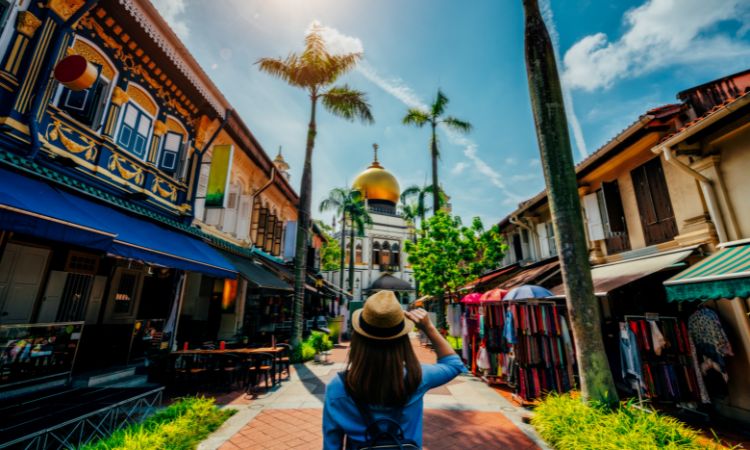
Turin’s museums span ancient civilizations to modern design. The Egyptian Museum houses one of the world’s finest collections of Egyptian artifacts, while the Museo dell’Automobile chronicles Italy’s automotive achievements. Contemporary art spaces, opera at Teatro Regio, and film festivals enrich the cultural calendar. Architecture aficionados admire Baroque façades and modern interventions revitalizing urban areas. Frequent exhibitions and events ensure there’s always something new to discover. Engaging guides and interactive displays cater to diverse interests, making Turin an appealing cultural destination for travelers seeking depth and variety in arts and heritage.
Learn More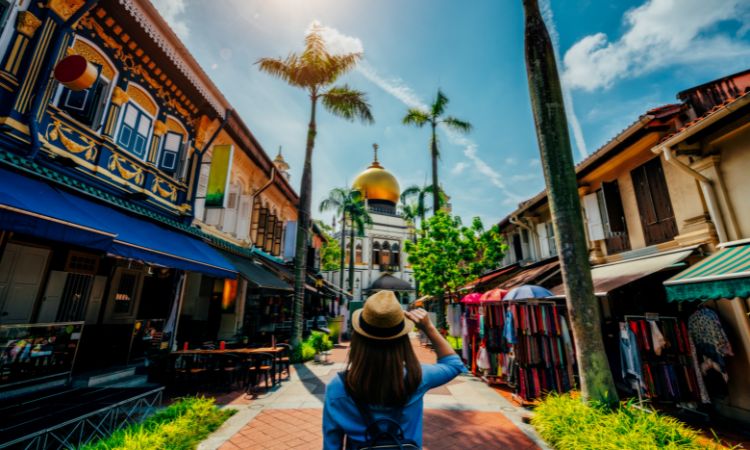
The Alps lie just beyond Turin’s outskirts, enabling day trips to scenic valleys, lakes, and mountain trails. Outdoor enthusiasts can hike or bike in summer and ski or snowboard in winter resorts within easy reach. The Po River and nearby parks provide tranquil green spaces for strolls and picnics. Guided nature walks reveal local flora and fauna, while seasonal excursions—such as autumn foliage tours or winter snowshoeing—appeal to active travelers. This proximity to natural landscapes complements urban exploration, offering a balanced itinerary of culture and adventure.
Learn More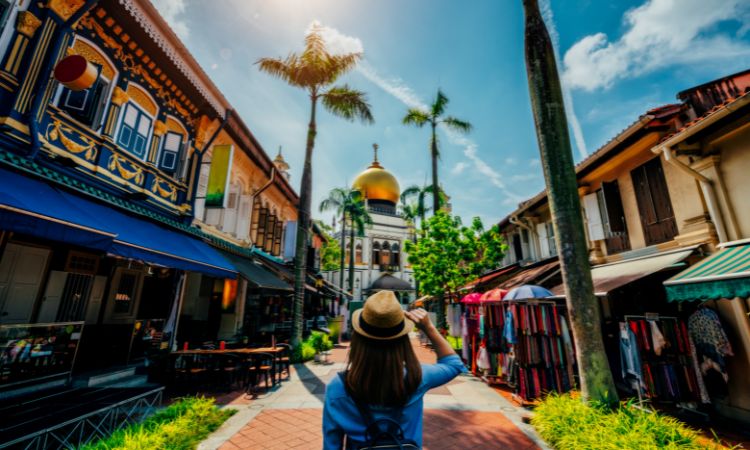
Compared to some other Italian cultural centers, Turin offers relatively affordable pricing for meals, lodging, and attractions without sacrificing quality. Boutique heritage hotels in restored palaces sit alongside modern design properties, providing comfortable stays for various budgets. Dining ranges from traditional trattorias to refined restaurants showcasing Piedmontese cuisine. Public transport is efficient, and many attractions are walkable. This value-conscious environment enables travelers to enjoy rich experiences—museums, tours, culinary treats—while managing costs, making Turin an excellent choice for both short breaks and extended visits.
Learn More
Turin’s calendar features vibrant events year-round: chocolate festivals, film festivals (Torino Film Festival), design and innovation fairs, music concerts, and traditional celebrations. Seasonal markets fill piazzas with local crafts and specialties, while pop-up exhibitions and performances enliven the city. These events showcase Turin’s dynamic spirit, blending heritage with contemporary creativity. Booking in alignment with festivals or exhibitions enriches the visit, offering unique insights into cultural life and opportunities to engage with locals and fellow travelers in festive settings.
Learn More
Lorem ipsum dolor, sit amet consectetur adipisicing elit. At illo adipisci iusto
From

Because more than 268 other customers have loved us too

Demonstrates commitment to user data security through encryption and secure payment practices
Learn More
Demonstrates commitment to user data security through encryption and secure payment practices
Learn More
Demonstrates commitment to user data security through encryption and secure payment practices
Learn More
Demonstrates commitment to user data security through encryption and secure payment practices
Learn More
Quality as judged by customers. Book at the ideal price!


/ person
/ person
/ person
Turin’s heritage exploration invites travelers to immerse themselves in layers of history, from ancient Roman roots through Savoyard grandeur to Italy’s unification era. Begin at the Royal Palace complex (Palazzo Reale), a masterpiece of Baroque architecture once home to the House of Savoy. Wander through opulent apartments adorned with frescoes, gilded details, and period furnishings, imagining courtly life. The Royal Armory adjacent displays armor, weapons, and ceremonial artifacts that echo centuries of dynastic power. Steps away, Piazza Castello—surrounded by elegant façades—serves as the city’s historic heart, where outdoor events often animate the square.Nearby, visit Palazzo Madama, whose layered architecture conceals medieval remains beneath a refined Baroque exterior; its museum offers insights into civic life and art across ages. A short uphill journey leads to the Chapel of the Holy Shroud (Cappella della Sacra Sindone), built to house the Shroud of Turin; even when the relic isn’t on public display, the chapel’s architecture and atmosphere convey reverence. Continuing upward, the Basilica di Superga perches on a hill overlooking Turin. Whether reached by historic rack tram or through a scenic hike, the basilica rewards with panoramic views of the city set against Alpine peaks. Inside, ornate interiors and the Savoy crypts tell stories of faith and lineage.Explore medieval borgo San Paolo with its tucked-away churches and artisan shops, offering a glimpse of traditional crafts. Stroll through restored courtyards and hidden passageways in the Quadrilatero Romano area, where remnants of Roman roads and structures peek out amid lively cafés. Seasonal guided tours—such as evening visits under subtle lighting or thematic walks about risorgimento history—add depth. Interactive exhibits in some heritage sites engage visitors through multimedia, making history vivid for younger travelers and enthusiasts alike.Turin’s heritage exploration is enhanced by occasional events held in historic venues: classical concerts in palace courtyards, art installations in former royal stables, or reenactments on historic streets. Engaging a local guide can reveal symbolic details—heraldic motifs, architectural choices tied to political shifts, or hidden corners with intriguing anecdotes. This category appeals to those drawn to architecture, art, and the narratives shaping a city’s identity. By dedicating time to these royal and historic wonders, visitors gain a comprehensive appreciation of Turin’s evolution—from its strategic location on the Po River to its role as cradle of modern Italy—establishing a meaningful context for all other experiences in the city.
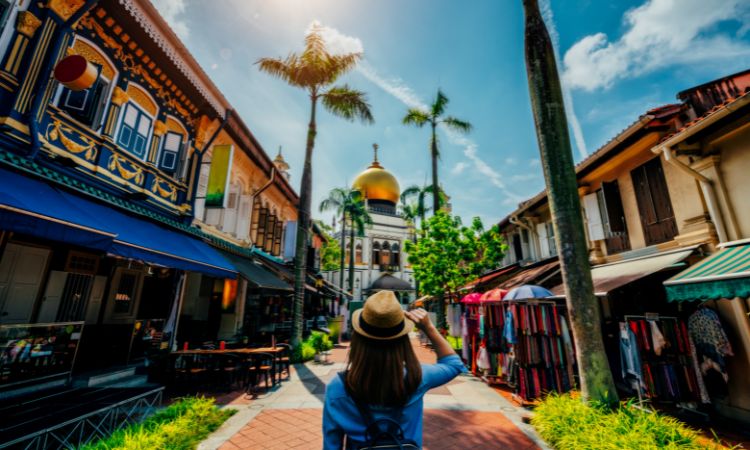
Turin’s culinary indulgence centers on its celebrated chocolate heritage and vibrant café culture, weaving together sensory pleasures and history. Often cited as the birthplace of gianduja (chocolate blended with Piedmont hazelnuts), the city offers many opportunities to taste this silky treat. Begin your journey at historic cafés—some centuries old—where coffee rituals remain refined. Seek out bicerin, a layered concoction of espresso, melted chocolate, and whipped cream served in small glass cups: a signature Turin experience. Sipping bicerin in a heritage café overlooking a historic square evokes a sense of continuity with past generations of locals.Beyond cafés, visit artisanal chocolatiers who open workshops to show traditional methods: roasting and grinding local hazelnuts, tempering chocolate, and crafting pralines. These demonstrations often include tastings showcasing subtle variations in cocoa origin, percentage, or added flavors (e.g., spices, citrus zest). During the annual chocolate festival, makers congregate for tastings, pairings, and limited-edition creations. Even outside festival dates, boutique shops present seasonal specialties: gianduja spreads, chocolate bars infused with Piedmont ingredients, and handcrafted truffles.Culinary indulgence extends into broader Piedmontese gastronomy. Join food tours that guide you through markets like Porta Palazzo, sampling local cheeses (Toma, Robiola), cured meats, and fresh produce. Seasonal highlights include white truffles (in autumn), often shaved over pasta or risotto—an indulgence best enjoyed in dedicated truffle restaurants or through guided truffle-hunting experiences in nearby hills. In spring and summer, lighter dishes such as salads with local greens and vegetables appear, paired with regional wines.Cooking classes offer hands-on immersion: learn to make fresh pasta like agnolotti or tajarin, or prepare delicate desserts reflecting local traditions. Wine tastings in Turin’s enoteca venues introduce Barolo, Barbera, and Nebbiolo, often paired with small bites to highlight flavor interactions. Aperitivo culture thrives: early evening, locals gather in lively bars to sample small plates (salumi, cheeses, vegetables) alongside a glass of local wine or spritz. Opt for venues in rejuvenated neighborhoods for a contemporary twist on tradition.Finally, combine chocolate and cuisine with cultural context: some experiences pair tastings with stories of how chocolate influenced Turin’s social life, cafés as meeting points for intellectuals, or how Piedmont’s agricultural bounty shaped its gastronomy. This guide appeals to travelers eager to explore tastes deeply—sampling, learning, and connecting with local producers—ensuring each bite and sip tells a story of Turin’s culinary excellence.
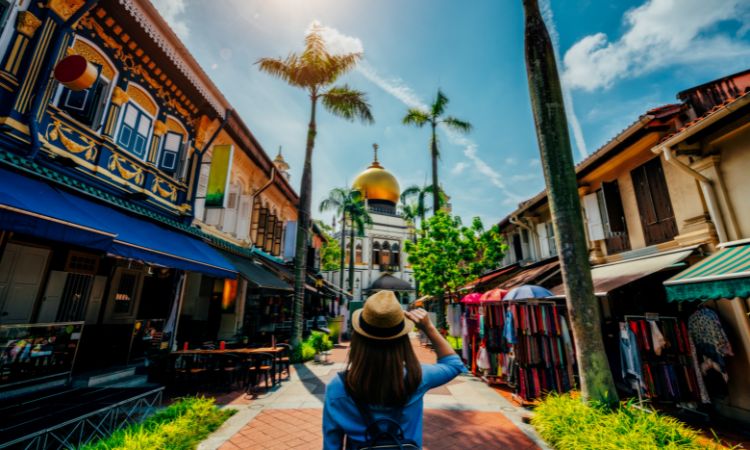
Turin’s cultural immersion spans ancient civilizations, film heritage, automotive innovation, and contemporary art, offering a varied itinerary for inquisitive travelers. Start at the Egyptian Museum, home to one of the world’s most significant collections outside Egypt: artifacts ranging from statuary to daily-life objects provide insight into millennia-old culture. Well-curated displays guide visitors through themes—funerary rites, daily routines, religious beliefs—bringing ancient Egypt to life in the heart of Piedmont.Next, ascend the Mole Antonelliana, Turin’s iconic spire housing the National Cinema Museum. A panoramic glass elevator takes you upward inside the building, unveiling sweeping city views. Inside, immersive exhibits trace film history: from early cinematography to modern techniques, interactive installations invite hands-on engagement. Cinema enthusiasts relish discovering Italy’s contributions to film, viewing memorabilia, and participating in occasional screenings or themed events.Automotive heritage is celebrated at the Automobile Museum: exhibits chronicle the evolution of car design and engineering, reflecting Turin’s role in Italy’s motor industry. Vintage models, concept cars, and multimedia installations illustrate how innovation shaped mobility and culture. Interactive sections may allow virtual driving experiences or design-your-own-car modules, engaging visitors of all ages.Contemporary art venues further broaden cultural immersion. Castello di Rivoli Museum of Contemporary Art, set in a renovated Savoy residence, hosts rotating exhibitions by international artists, blending historic architecture with modern creativity. In the city center, galleries showcase local and emerging talent, often in repurposed industrial spaces. Science and technology centers engage families and curious minds with interactive displays on topics from robotics to environmental innovation.Performing arts form another facet: Teatro Regio stages opera and classical concerts in an elegant setting, while smaller venues host jazz, experimental music, and theatre. Seasonal festivals celebrate film, design, or digital arts, providing opportunities to attend talks, workshops, and performances. Outdoor art installations appear in public spaces, inviting exploration off the beaten path.Self-guided digital tours and audio guides facilitate independent discovery, while guided visits—led by curators or specialists—offer deeper insights into collections, artistic movements, or behind-the-scenes perspectives. Cultural immersion in Turin weaves together past and present: ancient artifacts, cinematic narratives, automotive ingenuity, and avant-garde art coexist, reflecting a city that honors heritage while embracing innovation. This guide suits travelers seeking intellectual engagement, varied experiences, and meaningful connections with Turin’s vibrant cultural ecosystem.
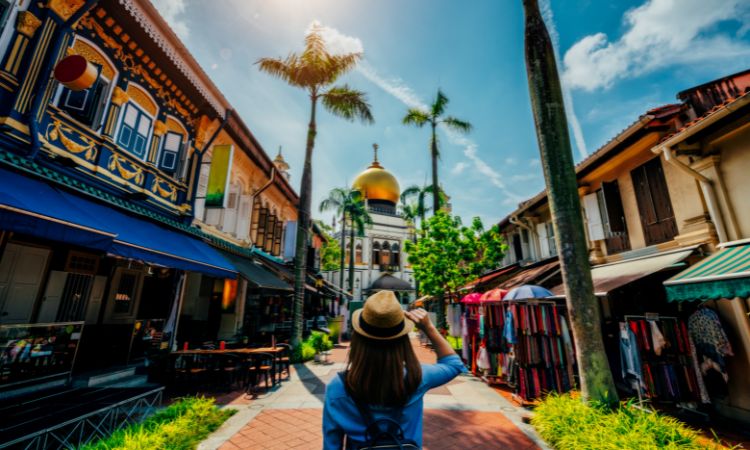
Turin’s proximity to the Alps and surrounding hills transforms it into an ideal base for outdoor pursuits. Within about an hour by train or car lie valleys, trails, and mountain resorts catering to diverse interests and seasons. In spring and summer, hiking paths wind through forests, alpine meadows, and past cascading streams. Trails range from gentle valley walks—suitable for families and casual explorers—to more challenging ascents reaching panoramic viewpoints. Guided nature treks often include insights into local flora and fauna, geology, and mountain traditions. Birdwatchers find opportunities in protected areas, while photography enthusiasts capture dramatic landscapes.Cycling routes appeal both to road cyclists (rolling vineyard landscapes and quiet rural roads) and mountain bikers (forest trails and hillside tracks). Bike rentals and guided tours facilitate exploration, combining exercise with stops at agriturismi or small wineries for refreshments. For a gentler pace, riverside paths along the Po or Dora Riparia within Turin offer green corridors for walking, jogging, or picnicking amid urban nature.When snow arrives, winter sports come into play: ski resorts within easy reach cater to beginners through experts, with slopes for skiing and snowboarding, plus lessons and equipment rental. Snowshoeing and winter hiking provide alternatives for those seeking quieter experiences in snow-covered forests. Scenic train or bus routes traverse snowy landscapes, offering memorable journeys even without skiing.Adventure seekers can engage in rock climbing on alpine crags, canyoning in mountain streams, or paragliding for aerial views—always under professional guidance and safety protocols. Seasonal excursions include autumn foliage tours in beech forests, offering vibrant hues, and spring wildflower hikes when meadows burst with color. Wellness-oriented travelers may choose mountain spas or wellness retreats in lodges, combining hiking with relaxation: thermal baths, massages, and mindful activities set in serene environments.Day-trip logistics are straightforward: Turin’s transport hubs connect to mountain towns; organized excursions handle transfers and equipment. Self-guided trips are feasible for confident travelers with rental cars or train tickets booked in advance. Local guides enrich experiences with stories of mountain life, folklore, and sustainable practices. Outdoor pursuits around Turin balance activity and relaxation, letting visitors breathe fresh mountain air, challenge themselves physically, and return to the city rejuvenated. This guide caters to nature lovers and adventure travelers seeking to complement urban discoveries with the majesty of the Alps and Piedmontese landscapes.
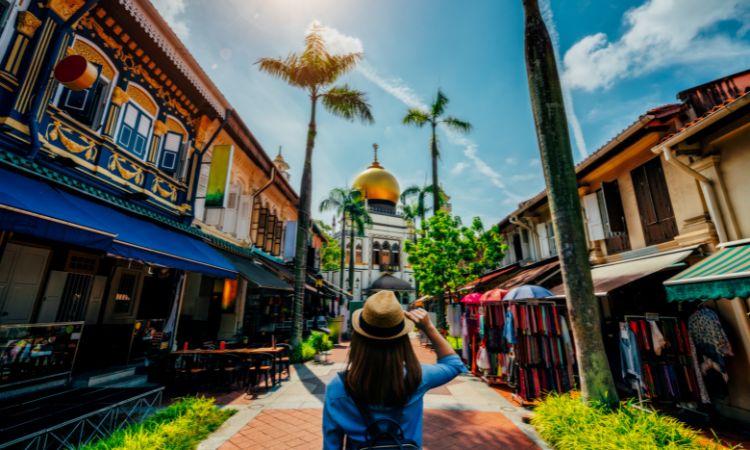
Turin’s setting in Piedmont makes it an excellent launch point for regional discoveries, especially to world-renowned wine country and picturesque villages. The Langhe and Monferrato areas, recognized as UNESCO World Heritage landscapes, lie within a two-hour journey by car or organized tour. These rolling hills are dotted with vineyards producing Barolo, Barbaresco, and Moscato; visiting family-run wineries offers intimate tastings and conversations with winemakers about vine cultivation, harvest practices, and aging methods. Seasonal windows—such as grape harvest time in early autumn—allow participation in grape-picking or festive grape-stomping events.Charming hilltop villages such as Alba, Asti, Neive, and Barolo invite exploration of narrow cobblestone streets, medieval towers, and local markets. Alba’s white truffle fairs (in autumn) draw gourmets and curious travelers: guided tours lead into nearby woods with trained truffle dogs, followed by tastings where shaved truffle transforms simple dishes. In other seasons, villages host craft markets, artisan workshops, and small museums revealing rural traditions. Medieval castles perched on hills—such as Castello di Grinzane Cavour—open for visits, combining history with panoramic views over vineyards.Culinary stops complement wine: agriturismi and local trattorias serve regional specialties—hazelnut-based desserts, meat dishes braised in local wines, and cheese pairings. Olive oil mills (in certain areas) demonstrate pressing methods. Guided food-and-wine itineraries often include multiple stops: vineyard tours, cellar visits, and lunch at a farmhouse, providing a full sensory immersion. For independent travelers, renting a car allows flexible pacing; train and bus connections also link Turin to main towns, though schedules should be checked ahead.Beyond wine, regional discoveries include exploring lesser-known valleys, thermal springs, or artisan villages specializing in ceramics or textiles. Seasonal festivals—wine celebrations, chestnut fairs, or local carnival events—offer authentic cultural insights. Photographers and painters find inspiration in the interplay of light on vineyards and historic rooftops. Regional tours from Turin typically handle logistics—transport, guides, reservations—while self-drive options suit those who prefer spontaneity.These day trips reveal Piedmont’s identity through landscapes, flavors, and traditions beyond the urban core. They balance sensory delights (wine, cuisine, scenery) with cultural immersion, making each excursion a memorable complement to time spent in Turin. Efficient planning, whether via organized tours or careful independent travel, ensures travelers maximize their experience of this celebrated region.
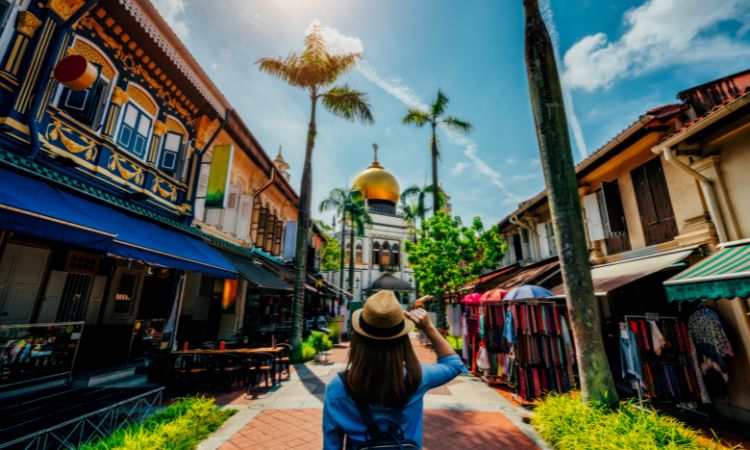
Turin’s urban experiences shine through its markets, shopping districts, and local crafts, offering authentic connections to daily life and design traditions. Head first to Porta Palazzo market—the largest open-air market in Europe—where stalls overflow with fresh produce (vegetables, fruits, mushrooms in season), cheeses, cured meats, and street-food vendors. Browsing here immerses visitors in local rhythms: vendors negotiating prices, shoppers selecting ingredients for home cooking, and food stalls serving quick bites like farinata (savory chickpea flatbread) or panini with regional cold cuts.Beyond food, explore artisan stalls selling textiles, ceramics, and handcrafted items. Many craftspeople maintain small workshops nearby; seeking them out reveals processes behind pottery, leather goods, or bespoke tailoring. Guided artisan tours can be arranged to meet makers, observe techniques, and purchase unique souvenirs. In historic arcades and pedestrianized streets—such as Via Roma and Via Garibaldi—boutiques display Italian fashion, from established brands to emerging designers. Windows feature elegant apparel, accessories, and home décor items reflecting Piedmontese taste.Creative districts, often in repurposed industrial buildings, host galleries, concept stores, and pop-up shops highlighting local designers in fashion, jewelry, and furniture. These areas may also feature cafés and co-working spaces, creating dynamic hubs where contemporary creativity thrives. Seasonal craft fairs and festivals in piazzas showcase handmade products—from candles and soaps to artisanal chocolates—offering opportunities to discover distinctive gifts.For food-centric shopping, specialty delis stock truffle products, artisanal jams, and local wines; enoteche (wine shops) provide tastings and expert recommendations. Visiting these shops deepens understanding of regional flavors and production stories. Turin’s bookstores and design stores further reflect intellectual and aesthetic interests, offering works on art, architecture, and local history.Evening urban experiences include aperitivo in lively neighborhoods: bars serve small plates—crostini, local cheeses, cured meats—paired with wines or cocktails. Observing locals unwind and socialize adds dimension to the shopping-focused itinerary. For those seeking wellness-focused retail, shops offer natural skincare or wellness products inspired by regional botanicals.Efficient public transport and walkable streets facilitate moving between markets, boutiques, and workshops. This guide appeals to travelers wanting to connect with Turin’s contemporary life, support local artisans, and take home tangible memories of design and gastronomy. By blending market visits with curated shopping routes and craft workshops, visitors experience Turin’s urban fabric in an engaging, authentic way..
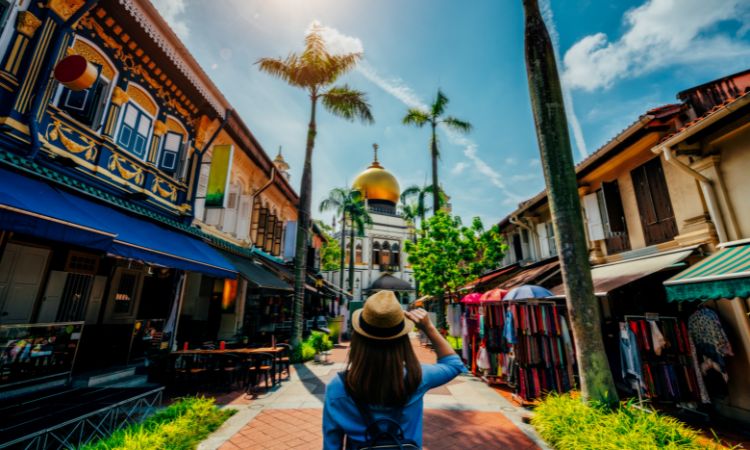
Amid cultural explorations, Turin offers wellness and relaxation options to rest and recharge. Historic thermal traditions in Piedmont underpin spa experiences: some facilities use water therapies inspired by local herbal infusions, while modern wellness centers blend international techniques with regional specialties such as wine-based treatments. Seek out spa hotels or day spas offering massages, aromatherapy, and body treatments incorporating grape seed extracts or local botanicals. After active days exploring museums or hiking, indulging in a restorative massage or sauna session helps soothe muscles and calm the mind.Urban green spaces also support relaxation: Valentino Park along the Po River provides expansive lawns, tree-lined promenades, and riverside benches—ideal for gentle walks, reading, or picnicking. In spring, cherry blossoms or wildflowers enliven the park; autumn brings colorful foliage. Some parks host outdoor yoga or tai chi classes; joining a session connects travelers with locals in serene surroundings. Smaller gardens and hidden courtyards in historic districts offer quiet retreats between sightseeing stops.Wellness extends to mindful culinary experiences: cooking classes focusing on balanced Piedmontese dishes highlight how local ingredients can nourish body and soul. Visiting organic farms or agriturismi in nearby countryside allows sampling fresh produce and learning about sustainable practices, reinforcing holistic well-being. For water-based relaxation, consider a boat ride on the Po River at sunset—calm waters and soft light create a meditative atmosphere.For deeper escapes, weekend retreats in nearby mountain lodges combine outdoor activity with spa facilities: after a morning hike or snowshoe walk, enjoy thermal baths or hot tubs overlooking alpine vistas. Such programs sometimes include guided meditation, breathwork, or wellness workshops integrating local traditions and nature immersion. Accommodation in boutique wellness-focused properties ensures personalized attention and tranquil settings.Mindful shopping—visiting stores offering natural skincare or artisanal wellness products made with regional herbs and extracts—lets travelers take home a piece of Piedmont’s approach to health. Evening relaxation can involve attending a gentle concert in a historic venue or sipping herbal teas in cozy tea rooms. This guide appeals to travelers prioritizing well-being alongside cultural and adventure plans. By weaving spa treatments, nature-based activities, mindful eating, and restful urban moments, Turin visits become balanced journeys nurturing both curiosity and rejuvenation.
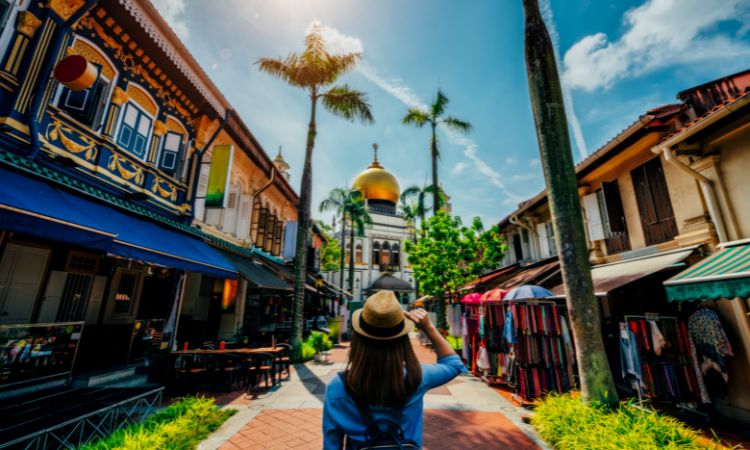
Turin’s calendar brims with festivals, nightlife, and cultural events that animate the city throughout the year. Planning travel around these highlights enriches the experience. In late autumn, the white truffle fairs in nearby Alba draw gourmets and curious visitors for tastings and events focused on this prized ingredient. Simultaneously, wine harvest festivals celebrate local vintages with tastings, vineyard tours, and communal feasts. Winter brings festive markets in piazzas, illuminated streets, and seasonal concerts in historic venues; sipping hot chocolate or mulled wine amid twinkling lights adds a cozy charm.The Torino Film Festival (typically in late autumn/early winter) attracts international and local cinephiles: screenings of independent films, retrospectives, and industry events take place in historic cinemas and modern venues. Enthusiasts can attend Q&A sessions with filmmakers or participate in workshops. Chocolate-themed festivals—celebrating Turin’s confectionery legacy—feature tastings, demonstrations by master chocolatiers, and limited-edition creations.In spring and summer, outdoor events flourish: open-air concerts by classical ensembles or contemporary bands occur in parks, gardens, and courtyards. Outdoor cinema screenings under stars provide relaxed evenings. Design and innovation fairs reflect Turin’s revived creative scene, showcasing local designers, tech start-ups, and interactive installations; attendees engage with emerging trends and network with creatives. Art biennales and photography festivals rotate through galleries and public spaces, offering fresh perspectives on visual culture.Nightlife in Turin balances elegance and vibrancy. Historic cafés may host occasional evening jazz sessions; wine bars in central neighborhoods offer intimate atmospheres for tasting local labels. Trendy cocktail lounges blend classic mixology with Piedmontese ingredients (e.g., infusions featuring regional herbs). Craft beer pubs cater to beer enthusiasts with selections from local microbreweries. Late-night dining spots serve regional snacks for nocturnal appetites.Seasonal thematic tours—guided literary walks exploring Turin’s literary heritage, art trail explorations uncovering street art, or historical reenactments marking significant events—offer immersive ways to engage. Festival schedules often include workshops, tastings, or guided visits, enabling deeper involvement rather than passive observation. Engaging with locals at these events fosters authentic connections: sharing stories over wine at a harvest festival or discussing films with fellow attendees.This guide appeals to travelers eager to sync their visit with Turin’s cultural pulse: whether attending a film screening, tasting chocolate innovations, dancing at music events, or exploring pop-up exhibitions. By weaving festival dates and nightlife options into the itinerary, visitors experience Turin’s dynamic spirit and create memories tied to the city’s seasonal rhythms.
No ads. No trails. No commitments


Alice Roses
London, England
51 ST MATTHIAS ROAD
NOTTINGHAM, NOTTINGHAMSHIRE
NG3 2HF
Hours: 8:00 - 17:00, Mon - Sat
support@johnsonholidays.com