
 Lourdes Travel
Guide
Lourdes Travel
Guide
Paris is known around the world as the “capital of love,” and even if you don't understand the history of Paris at all

2 Hours
£5.50
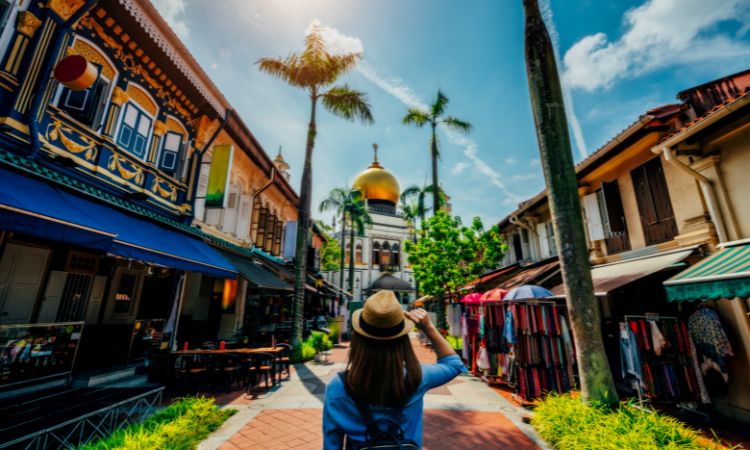
Lourdes is renowned worldwide as a centre of pilgrimage. The Sanctuary of Our Lady of Lourdes, including the Grotto of Massabielle, hosts millions of pilgrims seeking spiritual solace, devotional rituals, and the famed healing baths. Whether you come for faith, reflection, or solidarity, the profound sense of community and shared hope makes Lourdes a singular destination. Many testify to transformations—emotional, spiritual, and sometimes even reported physical improvements—creating a pilgrimage experience unlike any other.
Learn More
Located at the foot of the Pyrenees, Lourdes offers spectacular natural vistas. The river Gave de Pau winds through lush greenery while peaks rise in the distance, providing a tranquil backdrop to the town’s spiritual life. Outside sanctuary visits, travellers can explore riverside walks, botanical gardens, and viewpoints overlooking the valley. This blend of sacred space and mountain scenery appeals to those seeking both contemplation and nature immersion.
Learn More
Despite its global renown, Lourdes remains a manageable, walkable town. Tarbes-Lourdes-Pyrénées Airport lies a short 10 km away, and rail connections link to Toulouse, Paris, and beyond, making it accessible from the UK and Europe. Once there, the compact layout allows easy navigation on foot or via local transport. Yet, the ambiance is serene; you can find quiet corners in chapels, parks, and cafés to reflect, read, or simply absorb the atmosphere.
Learn More
The Sanctuary operates year-round, welcoming visitors in every season. Spring and autumn offer milder weather and fewer crowds, while summer boasts full ceremonies and community events. In winter, Lourdes takes on a quieter, contemplative character, ideal for those seeking a more intimate experience. Regardless of timing, there are always liturgies, processions, and opportunities for personal devotion.
Learn More
Beyond spiritual sites, Lourdes serves as a gateway to Pyrenean adventures—hiking trails, nature reserves, and rivers for rafting or fishing. Local culture thrives in nearby villages with markets showcasing cheeses, charcuterie, and artisan crafts. Seasonal festivals celebrate traditions, music, and cuisine. Visitors can combine pilgrimage with active itineraries, discovering both inner renewal and outdoor exploration.
Learn More
Hotels range from budget-friendly to mid-range 3-4 star establishments offering spa treatments, thermal baths, and mountain views. Many properties cater specifically to pilgrims, providing easy shuttle access to sanctuary sites. After a day of ceremonies or trekking, unwind with local cuisine—mountain soups, cassoulet, and regional wines—or relax in wellness facilities designed to complement the spiritual journey.
Learn More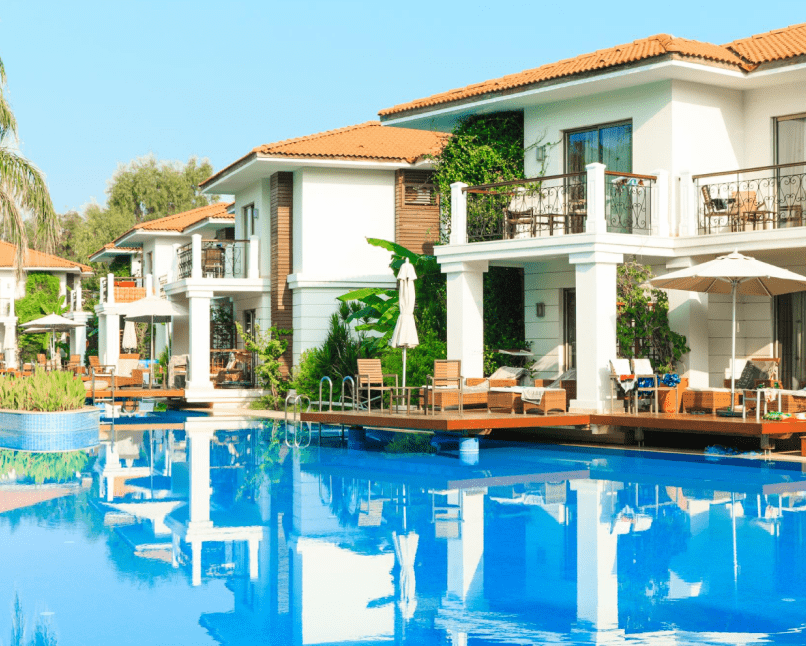
Lorem ipsum dolor, sit amet consectetur adipisicing elit. At illo adipisci iusto
From

Because more than 268 other customers have loved us too

Demonstrates commitment to user data security through encryption and secure payment practices
Learn More
Demonstrates commitment to user data security through encryption and secure payment practices
Learn More
Demonstrates commitment to user data security through encryption and secure payment practices
Learn More
Demonstrates commitment to user data security through encryption and secure payment practices
Learn More
Quality as judged by customers. Book at the ideal price!


/ person
/ person
/ person
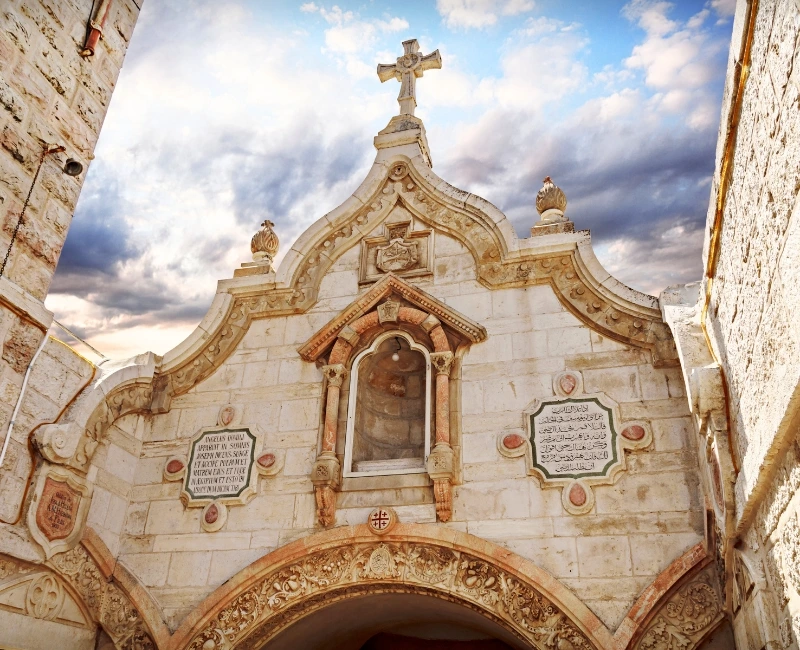
The Grotto of Massabielle forms the sacred core of the Lourdes sanctuary. In 1858, 14-year-old Bernadette Soubirous reported 18 apparitions of the Virgin Mary here, revealing a hidden spring whose waters soon gained a reputation for miraculous healings. Today, pilgrims queue in reverent silence to touch the grotto’s damp rock walls, collect spring water in bottles, or enter the submerged “piscines” to bathe under the grotto’s overhang. These tactile rituals—the cool splash on skin, the weight of a rosary between fingers, the hush broken only by whispered prayers—foster deep communal empathy and spiritual renewal.Plan your visit to coincide with one of the daily processions: at 6 a.m., the sunrise torchlight procession offers a soft glow and an intimate atmosphere; at 9 p.m., the sunset procession sees thousands processing by candlelight in unison, candles donated freely or for a small offering. Participate in multilingual rosary recitals before and after each procession, as volunteers lead prayers in dozens of languages. Visitors should dress modestly—shoulders and knees covered—and observe silence in the sacred precincts.Adjacent to the grotto, the Basilica of Our Lady of the Rosary soars above in neo-Byzantine architecture, its upper and lower levels adorned with mosaics portraying the rosary’s 20 mysteries. Descend to the subterranean Basilica of St. Pius X—an immense hall capped by a low ceiling and lit by stained-glass windows—to attend bilingual Masses or simply meditate in the vast, echoing space.Between devotional activities, allow time to absorb the site’s natural serenity: the gentle flow of the Gave de Pau river, birdsong in the surrounding trees, and the verdant crags of the Pyrenees framing the sanctuary. Free drinking fountains dispense Lourdes water throughout the grounds, and volunteer stewards assist those with mobility concerns. Guided tours, offered in multiple languages, provide historical context on Bernadette’s life, 19th-century Lourdes, and the sanctuary’s evolving architecture.Whether you allocate two hours or two days, the grotto rewards repeated visits: each return deepens your understanding of its layers—geological, historical, and spiritual. Even non-religious travellers often describe a profound stillness, united with strangers in hope and contemplation. The Grotto of Massabielle remains a living testament to faith’s ability to transform both individual hearts and a rural spring into a pilgrimage destination renowned worldwide.
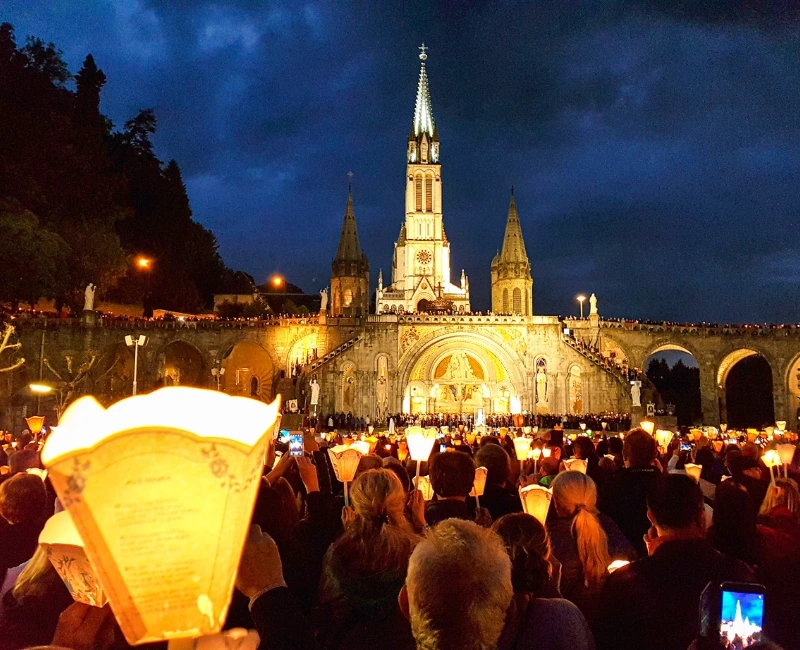
The torchlight procession stands as Lourdes’s most emblematic nightly ritual. Each evening at dusk—and often again at dawn—pilgrims gather by the grotto, candles aloft. As twilight deepens, a river of soft flame winds through the sanctuary grounds, volunteers leading prayers and hymns in languages from Tagalog to Swahili. The somber cadences of the rosary echo against ancient stone, and thousands of flickering points coalesce into a single luminous beacon of faith.To join, arrive at least 30 minutes early: candles are distributed near the grotto free of charge or for a small donation, and multilingual groups assemble in designated sectors. Volunteers carrying banners mark each language group, inviting participants to chant together. Expect to stand or walk slowly for 45–60 minutes; wear sturdy, comfortable shoes and bring a shawl or light jacket, as mountain evenings can be cool even in summer. Photography—especially flash—is discouraged during the prayer to maintain the ceremony’s contemplative mood, but afterward, you may capture the sanctuary bathed in candlelight.Following the procession, many pilgrims attend evening Mass in the underground Basilica of St. Pius X or the upper Basilica of Our Lady of the Rosary. These services unite thousands—clergy robes a spectrum of national liturgical styles—underscoring Lourdes’s global pull. Services are streamed in multiple languages; check the sanctuary’s daily schedule for times and language details.For an alternative, the sunrise torchlight procession offers a more intimate encounter: at around 6 a.m., the air is still, crowds thinner, and the first sun rays illuminate the mountain crest as candles glow beneath. This quieter ritual appeals to early-rising souls seeking reflection before the day’s bustle.Afterward, rest on riverside benches or retreat to late-opening cafés lining Avenue Bernadette, where you can share experiences with fellow pilgrims over herbal tea. Chapels along the route remain open for silent prayer or writing intentions in prayer books provided by sanctuary volunteers.The torchlight procession encapsulates Lourdes’s essence: the transformative power of shared ritual, the symbolism of light dispelling darkness, and the melding of personal petitions into a communal act of devotion. Even visitors without religious affiliations often describe it as profoundly moving—a demonstration of human solidarity that transcends language and culture.
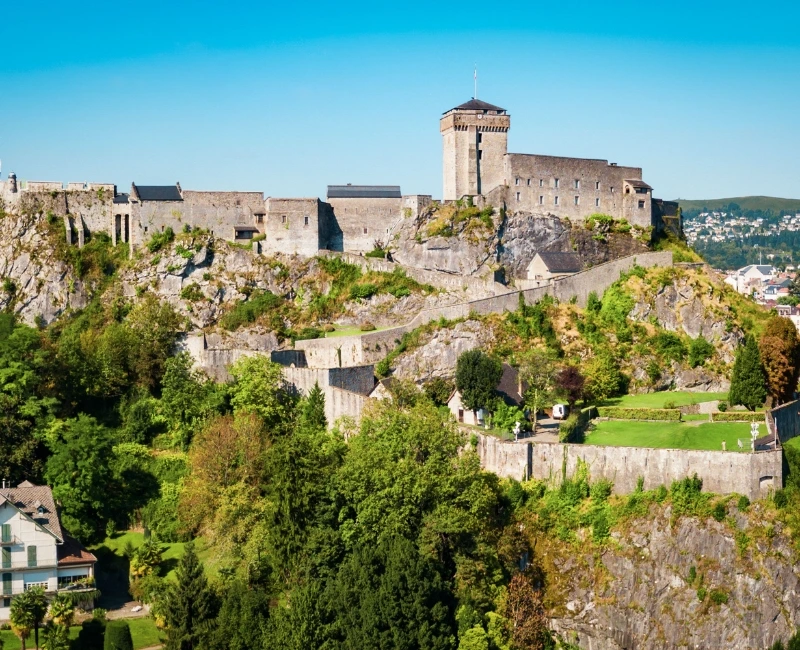
Nestled at the foothills of the Pyrenees, Lourdes serves as a perfect base for hiking enthusiasts of all levels. The riverside promenade along the Gave de Pau offers gentle, shaded trails for morning or evening strolls, with benches spaced at scenic viewpoints—ideal for families and casual walkers. For moderate adventures, take the funicular (operational spring through autumn) to the summit of Pic du Jer (952 m). From there, waymarked paths lead to ridges offering panoramic vistas of the town, the sanctuary spires, and the sweeping valley below.Day-hikers can venture further into the Pyrenees National Park, accessible via guided tours or self-drive excursions. Popular routes include the Cirque de Gavarnie (a UNESCO World Heritage site), where cascades tumble over 400 m cliffs, and the Vallée d’Ossau, known for its alpine meadows and traditional shepherding huts. Local guides enrich treks with insights on Pyrenean flora (edelweiss, mountain pansies) and fauna (vultures, marmots), and often pack regional produce—such as Ossau-Iraty cheese and dried ham—for riverside picnics.Seasonal considerations are vital: spring (April–June) sees wildflower blooms and swollen mountain streams, demanding waterproof boots and trekking poles; summer (July–August) brings warmer temperatures but also midday storms, so start early and carry rain gear; autumn (September–October) offers clear skies, crisp air, and fiery foliage; winter hikes require crampons and professional guidance for snowy or icy trails.For those seeking spiritual echoes, pilgrimage-themed walks link small chapels dotted in the hills, each marking a Marian devotional spot. These quieter paths invite reflection as you ascend through oak woodlands and limestone terraces. Birdwatchers will delight in spotting lammergeiers and golden eagles along cliff faces, while photographers capture mist-clad mornings and mirror-still alpine tarns.After a day on the trails, return to Lourdes’s town centre for a restorative meal—cassoulet or garbure at a local bistro—or indulge in a spa treatment using thermal waters reputed for their soothing properties. Whether you crave panoramic summit views, gentle riverside ambles, or culturally resonant pilgrimage routes, Lourdes’s position at the gateway to the Pyrenees ensures unforgettable alpine experiences.

The restless currents of the Gave de Pau and its mountain tributaries beckon adventure seekers to Lourdes for rafting, kayaking, canyoning, and more. Local outfitters offer half-day and full-day rafting packages tailored to all skill levels. Family-friendly stretches navigate Class I–II rapids, providing safe thrills while you admire limestone gorges and verdant banks. For adrenaline aficionados, upstream runs near Pierrefitte-Nestalas present Class III–IV rapids—swift hydraulics and tight bends demanding precise maneuvering. All tours include professional guides, helmets, life jackets, and transfers between Lourdes and launch sites.Canyoning excursions immerse participants in narrow mountain gorges: you’ll scramble over boulders, slide down natural rock chutes, and abseil small waterfalls under expert supervision. Each operator ensures rigorous safety protocols—briefings, waterproof harnesses, and group headcounts—so that adventurers from ages 12 and up can participate with confidence.If you prefer calmer waters, kayak or paddleboard rentals are available on placid stretches of the Gave de Pau. Glide at your own pace, dipping your paddle alongside herons and kingfishers, pausing to picnic on gravel bars or explore riverbank caves. Guided eco-tours introduce you to the river’s biodiversity—otter tracks in the mud, brown trout in clear pools—and discuss watershed conservation efforts.Seasonal water levels dictate conditions: spring snowmelt swells rivers, heightening thrills and sometimes requiring advanced booking; summer lows yield gentler flows ideal for beginners; autumn rains refresh the channels but can cause sudden surges—always confirm conditions with local centres. After your aquatic exploits, unwind in Lourdes’s thermal baths or soak tired muscles in a riverside spa featuring mineral pools.Evenings back in town offer opportunities to share tales of rapids and rocky descents over cassoulet and local wine. Photographers will find endless inspiration in mist rising from canyon walls at dawn or the interplay of golden light and roiling water. By blending sacred pilgrimage moments at the grotto with high-octane outdoor pursuits, Lourdes crafts a uniquely balanced itinerary—one where spiritual reflection and natural exhilaration meet.
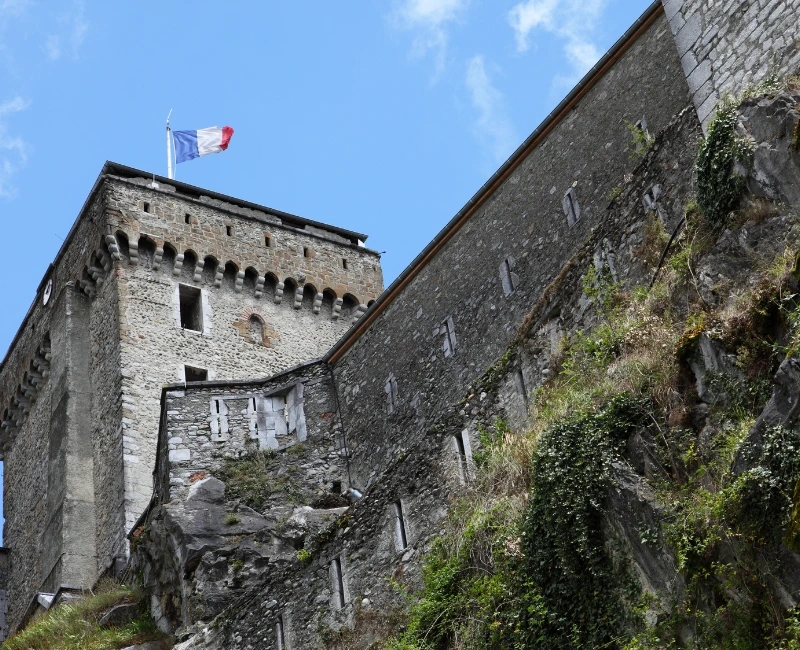
Beyond its spiritual renown, Lourdes and its environs boast a rich tapestry of history and culture. Dominating the town skyline, the Château Fort de Lourdes—an ancient fortress perched atop the rock of Pic du Château—houses the Musée Pyrénéen. Here, regional archaeology, ethnography, and art collections chronicle mountain life: prehistoric tools, 17th-century wool weaving looms, and traditional shepherding gear. A panoramic lift or a stairway hike leads you to battlements where sweeping views stretch from the Pyrenean peaks to the sanctuary spires below.Close by, the Espace Bernadette Soubirous museum delves into the life of the local miller’s daughter turned visionary saint. Multimedia displays include original documents from 1858, personal items like Bernadette’s rosary, and immersive audiovisual narratives reconstructing the apparitions. Interactive exhibits explain the evolution of Marian devotion in Lourdes and its impact on Catholic pilgrimage practices worldwide.Wander the old town’s winding streets to discover 18th- and 19th-century stone houses, hidden courtyards, and centuries-old chapels such as Saint-Pierre and Saint-Étienne. Small galleries and artisan workshops showcase local crafts—hand-painted ceramics, intricately carved rosaries, and woven textiles—preserving Pyrenean artistic traditions. Weekly markets in Place Capdevielle bring villagers together to vend honey, cheeses like Ossau-Iraty, and cured meats, offering a taste of rural gastronomy.Seasonal cultural events punctuate the calendar: in July, open-air concerts of classical and folk music resound in the basilica courtyards; in August, Occitan festivals animate the streets with traditional dance and language workshops. Town squares host book fairs, photography exhibitions, and gastronomy festivals highlighting foie gras, black truffles, and local wines from Jurançon and Madiran.Day trips to neighboring villages—Gavarnie with its horseshoe-shaped cirque, Saint-Savin with its UNESCO-listed Romanesque murals—expand your historical immersion. Knowledgeable local guides lead walking tours tying together political history, architectural evolution, and the social fabric that shaped the Lourdes region.By exploring these historic sites and museums, travellers enrich their pilgrimage experience with contextual understanding of the Pyrenees’ heritage—where medieval fortresses, mountain folklore, and the story of Bernadette converge in a living tapestry of faith and tradition.
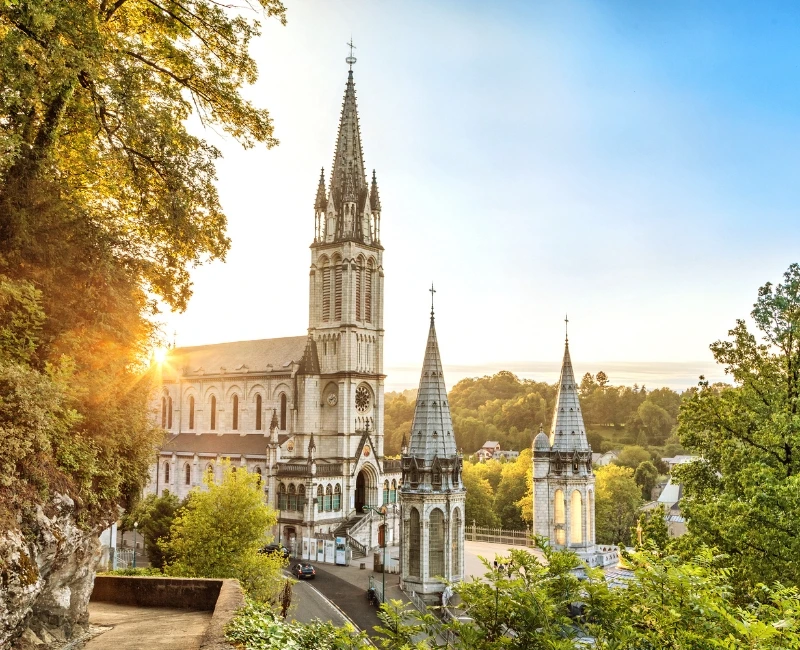
Lourdes’s festive calendar weaves together solemn liturgical observances and vibrant regional celebrations. The high points of the Marian year include the Feast of the Immaculate Conception on December 8, drawing tens of thousands for candlelit processions and special Masses; the National Pilgrimage in August, when bishops and pilgrims assemble for multilingual ceremonies; and the Feast of Our Lady of Lourdes on February 11, commemorating the first apparition. These occasions feature elaborate flower offerings, musical ensembles in the basilicas, and extended opening hours for devotional activities.Beyond ecclesiastical events, the town bursts into life with secular festivals showcasing Occitan and Pyrenean culture. In July, the Festival of the Pyrenees Concert Series brings classical, jazz, and world-music performances to open-air stages at the sanctuary precincts and the Château Fort ramparts. Food lovers gather at autumn’s “Fête de la Truffle” in nearby villages, sampling gourmet dishes infused with black truffles and regional wines. Summer markets in Place Capdevielle celebrate artisanal crafts—hand-woven linen, shepherd’s flutes, and traditional shepherding garments—while showcasing street theatre and dance.Occitan cultural festivals revive medieval traditions: costumed processions, folk-dance workshops, and storytelling sessions recounting local legends of mountain spirits and shepherds’ feasts. In December, the Christmas Market at the grotto illuminates stone arches with twinkling lights; stalls offer handcrafted nativity scenes, spiced cakes, and mulled wine, creating a contemplative holiday ambiance.For those seeking immersive experiences, volunteering opportunities abound: assist in the sanctuary’s candle distribution, help with multilingual prayer groups, or support local charities serving pilgrims and residents alike. Engaging as a volunteer fosters meaningful connections and unveils Lourdes’s community spirit beyond official pilgrim channels.Event schedules vary annually—consult the official Lourdes tourism website or the sanctuary’s bulletin board for precise dates—and book accommodations early for major festivals when hotels fill quickly. Participating in these local gatherings allows travellers to witness how faith, tradition, and communal celebration intertwine in Lourdes, offering a deeper appreciation of the town’s living culture..
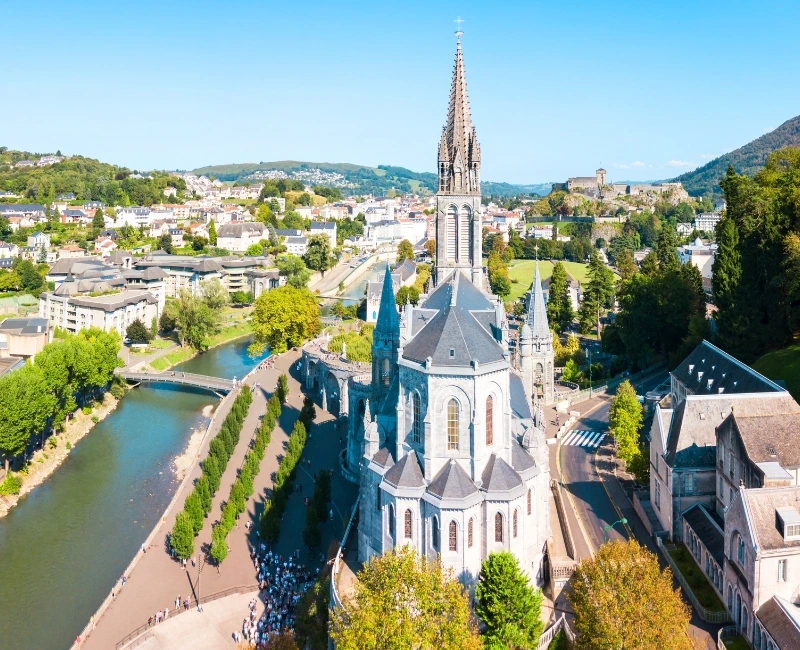
Lourdes’s culinary tapestry is woven from the hearty flavors of the Pyrenees and southwestern France. Every Tuesday, Thursday, and Saturday morning, Place Capdevielle transforms into a bustling market: stalls groan under crates of seasonal produce—purple plums, chestnut mushrooms, garlic braids—and local cheeses like the nutty Ossau-Iraty. Artisanal charcuterie vendors slice jambon de Bayonne and saucisson sec mid-slice, while pastry stands tempt with croustades (apple turnovers) and tourtière (dense fruit tarts). Sampling regional honey, chestnut spreads, and mountain-grown herbal teas offers a taste of rural terroir.Cooking workshops led by local chefs guide visitors through crafting garbure—a rustic cabbage and bean soup—and cassoulet simmered with confit duck and white beans. These hands-on classes often conclude with a shared meal paired with Madiran or Jurançon wines, whose tannic structure and delicate acidity complement the rich dishes. For a more leisurely experience, wine bars in the town centre offer tasting flights of Bergerac and Fronton appellations, accompanied by cheese boards featuring tomme and brebis varieties.Bistros and brasseries near the sanctuary cater to pilgrim budgets: for around €12–€15, enjoy plat du jour options like sautéed trout or roast chicken with gratin dauphinois. Mid-range restaurants in the old quarter present prix-fixe menus (€25–€35) with entrée, plat, and dessert—think duck magret with cherry sauce or crème brûlée infused with local Armagnac. Vegetarian and vegan options are growing, though advance notice helps kitchens prepare dishes like ratatouille or chickpea-based cassoulet variants.For a deeper dive, join guided food tours that pair market visits with tastings at family-run charcuteries, cheese caves, and local bakeries. These tours illuminate the agricultural rhythms underpinning Lourdes’s gastronomy—from winter chestnut harvests to spring lambing seasons.Don’t leave without browsing artisan shops selling hand-blown glass rosaries, scented beeswax candles, and pottery painted with Marian motifs—ideal souvenirs that carry the essence of Lourdes home. Through market exploration and culinary immersion, visitors nourish body and spirit, forging intimate connections with the region’s land and traditions.
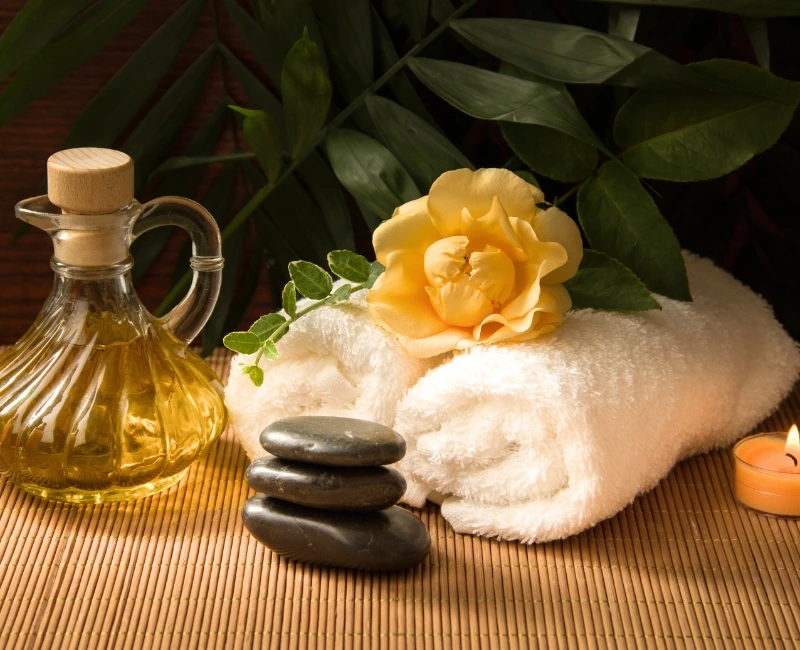
Lourdes extends its healing reputation beyond spiritual waters into comprehensive wellness offerings rooted in Pyrenean springs and traditional therapies. Several spa centers in town and nearby villages harness mineral-rich thermal water—sourced from the massifs above—to power hydrotherapy circuits featuring thermal pools, jacuzzis, and contrasting hot-and-cold immersion baths. These treatments aim to soothe musculoskeletal ailments and stress, echoing the sanctuary’s emphasis on physical healing.Many hotels integrate spa packages that include full-body massages using local chestnut-wood massage tools or essential oils distilled from mountain lavender and helichrysum. For those seeking holistic renewal, yoga and meditation classes are offered in tranquil gardens or repurposed chapel spaces, often accompanied by gentle chanting or ambient flute music to deepen relaxation. Forest-bathing sessions led by trained guides introduce you to sylvotherapy—mindful immersion in woodland atmospheres—promoting mental clarity and immune support.Retreat centers perched on hillside overlooks schedule sunrise mindfulness walks, followed by healthy mountain-inspired breakfasts: buckwheat porridge, goat-cheese omelets, and fruit compotes sweetened with local honey. Afternoon tea ceremonies feature tisanes brewed from foraged herbs—thyme, pennyroyal, and meadowsweet—each attributed calming or digestive properties.Seasonal variations shape wellness options: indoor thermal circuits are especially restorative during autumn’s crisp days and winter’s cooler months, while outdoor spa terraces offer heated plunge pools with uninterrupted Pyrenean panoramas in spring and summer. Many facilities recommend booking at least two weeks in advance during pilgrimage peaks to ensure availability.Integrating a dedicated wellness day amidst pilgrimage rituals and outdoor adventures helps travellers process their experiences—both spiritual and physical—while replenishing energy reserves. This balanced approach underscores Lourdes’s enduring appeal as a sanctuary of faith, nature, culture, and self-care, where every visitor can find a path to restoration tailored to body, mind, and spirit.
No ads. No trails. No commitments


Alice Roses
London, England
51 ST MATTHIAS ROAD
NOTTINGHAM, NOTTINGHAMSHIRE
NG3 2HF
Hours: 8:00 - 17:00, Mon - Sat
support@johnsonholidays.com