 Bruges Travel
Guide
Bruges Travel
Guide
Paris is known around the world as the “capital of love,” and even if you don't understand the history of Paris at all

1.3 Hours
£4
Bruges’s medieval core is remarkably well-preserved, offering travelers a living museum of Gothic and Renaissance architecture. From the soaring Belfry overlooking the Markt to the ornate façades of guild halls and the serene Church of Our Lady with its sculptural treasures, every corner reveals historical depth. Wandering along narrow cobbled lanes, you encounter hidden courtyards, centuries-old bridges arching over quiet canals, and meticulous restoration work that maintains authenticity. This architectural tapestry immerses visitors in centuries of European history, allowing you to experience the Middle Ages through art, monuments, and the very layout of the city. For history enthusiasts and curious travelers alike, Bruges is an open-air archive where each building tells a story, making every stroll a journey through time.
Learn More
Bruges’s network of canals weaves through the city like ribbons of silver, creating a tranquil ambiance that enchants couples and solo explorers. A gentle boat cruise under stone bridges and past medieval façades offers a unique vantage point to admire architectural details and lush greenery that lines the waterways. Whether at dawn, when mist hovers over the water, or at dusk, when lampposts cast a warm glow, canal rides provide romantic moments and photographic opportunities. Beyond the guided tours, you can rent small boats or join rowing excursions to explore lesser-known waterways, discovering secluded spots perfect for quiet reflection. This serene waterborne perspective highlights Bruges’s timeless charm and fosters intimate connections with the city’s character.
Learn More
Bruges is a paradise for food and drink aficionados, offering world-renowned Belgian chocolates, crisp waffles topped with local berries or whipped cream, and a flourishing beer scene. Artisan chocolatiers craft truffles, pralines, and artisanal bars, inviting tastings that reveal the region’s dedication to quality ingredients and traditional techniques. Waffle stands and charming cafés serve piping-hot treats, perfect for savoring while exploring. Beer lovers can embark on brewery tours—both historic breweries and innovative craft producers—sampling rich ales, fruity lambics, and robust saisons. Many establishments pair local beers with regional dishes such as mussels in beer sauce or Flemish stew, creating memorable dining experiences. This culinary landscape makes Bruges an ideal destination for indulgence and discovery of Belgian gastronomic heritage.
Learn More
Throughout the year, Bruges hosts a variety of cultural events that animate its historic squares and venues. In winter, the Christmas market transforms the city into a festive wonderland with artisanal stalls, ice skating, and seasonal treats. Spring and summer bring outdoor concerts, film festivals, and open-air exhibitions, often set against medieval backdrops that enhance the atmosphere. Art biennales showcase contemporary installations alongside classic Flemish masterpieces, while theater performances and classical music recitals occur in intimate chapels or grand halls. For those who time their visit to coincide with local festivals—such as lace-making demonstrations, gastronomic fairs, or music events—Bruges reveals its dynamic cultural heartbeat. This year-round calendar ensures that whether you visit in high season or shoulder months, there’s always something engaging to experience.
Learn More
Bruges’s compact size is one of its greatest assets: most key attractions lie within a comfortable walking distance, allowing travelers to explore without the stress of long transfers or complex transport systems. Beyond the main squares, winding side streets lead to hidden gems: secluded gardens, quiet chapels, artisan workshops, and local markets. This walkable nature encourages spontaneous discovery—perhaps stumbling upon a contemporary art gallery in a repurposed warehouse, a charming bookshop tucked behind a canal, or a tranquil park ideal for a picnic. The pedestrian-friendly layout ensures that each day offers surprises, rewarding those who take time to wander. This intimacy fosters a personal connection with the city, making Bruges feel like a living tapestry rather than a checklist of sights.
Learn More
While Bruges itself is a destination worthy of several days, its strategic location in West Flanders makes it an excellent base for exploring the wider region. Fast train connections lead to Ghent, Antwerp, and Brussels, while cycling routes traverse picturesque countryside dotted with windmills and historic villages. Day trips to the Belgian coast—Ostend or Knokke—offer sandy beaches and seaside ambiance, contrasting with Bruges’s medieval charm. History buffs may venture to World War I battlefields and memorials in Flanders Fields. This connectivity allows travelers to craft diverse itineraries, balancing immersive city experiences with countryside escapes. Bruges’s role as a gateway enhances its appeal for multi-destination trips while still providing enough substance for a dedicated stay.
Learn More
Lorem ipsum dolor, sit amet consectetur adipisicing elit. At illo adipisci iusto
From

Because more than 268 other customers have loved us too

Demonstrates commitment to user data security through encryption and secure payment practices
Learn More
Demonstrates commitment to user data security through encryption and secure payment practices
Learn More
Demonstrates commitment to user data security through encryption and secure payment practices
Learn More
Demonstrates commitment to user data security through encryption and secure payment practices
Learn More
Quality as judged by customers. Book at the ideal price!


/ person
/ person
/ person
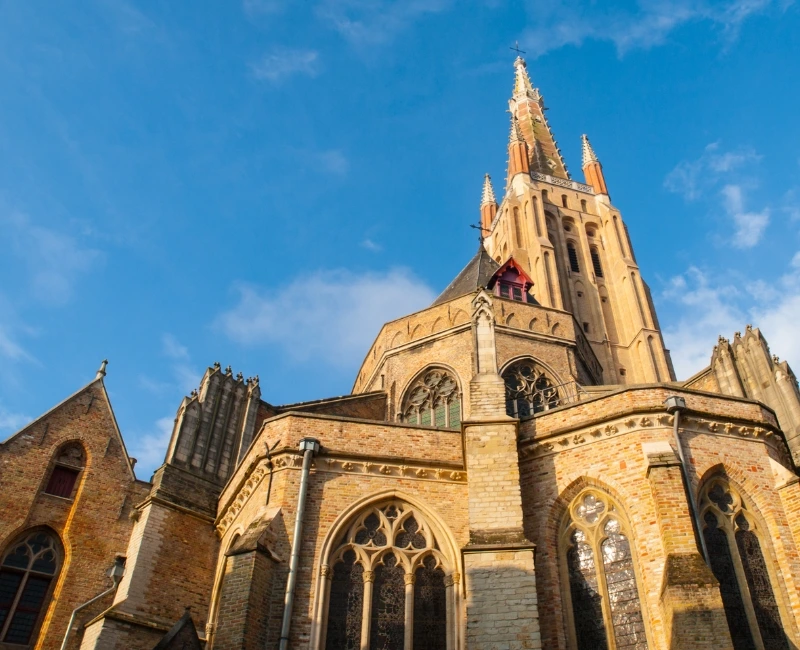
Bruges’s medieval heritage lies at the heart of its allure. Begin at the Markt, where the Belfry towers above a vibrant square; climbing its 366 steps rewards you with panoramic views over red-tiled roofs, winding canals, and distant spires. Nearby, the Burg Square hosts the ornate City Hall and the Basilica of the Holy Blood, which houses a revered relic linked to the Passion. These landmarks exemplify late medieval and early Renaissance architecture, showcasing intricate façades and finely carved stonework. Wander into quiet side streets to discover historic guild halls, once meeting places for merchants and artisans; their façades bear coats of arms and sculptural details that speak of medieval commerce and civic pride.Visit the Church of Our Lady, which shelters Michelangelo’s Madonna and Child sculpture—one of the few works by the master to reside outside Italy. The church’s soaring vaults and stained-glass windows envelop visitors in a serene atmosphere, bridging art and spirituality in a medieval setting. Nearby, the Gruuthuse Museum offers insight into noble life: period furniture, tapestries, and artifacts that animate Bruges’s past. For an immersive experience, join a guided walking tour focusing on legends of medieval Bruges—stories of wealthy merchants, guild rivalries, and the city’s role in the Hanseatic League, which connected it to trade networks across Europe.Venture to the Begijnhof (Beguinage), a peaceful enclave once home to lay religious women. Its white-painted houses around a verdant courtyard convey contemplative charm, while nearby convents maintain traditions of lace-making—a craft with deep roots in Flanders. Observing lace artisans at work connects you with centuries of local craftsmanship. The winding canals around the Begijnhof reflect the tranquility that medieval religious communities sought, offering a counterpoint to busier squares.For deeper exploration, visit museums such as the Groeninge Museum, which houses Flemish primitives—masterpieces by Jan van Eyck and Hans Memling—and trace the evolution of Northern Renaissance art. The Memling Museum (in the Hospices of St. John) reveals medieval hospital life and displays evocative altarpieces. Each visit ties you back to the social and religious contexts of medieval Bruges, revealing how art and daily life intertwined.Strolling after sunset illuminates another facet: monuments lit softly against the night sky, shadows playing across stone carvings, a hush over canals as streetlights reflect on water. This nocturnal ambiance evokes the medieval past, when lamplight guided travelers through narrow lanes. Throughout your visit, remain attentive to architectural details—ornate door knockers, carved gargoyles, and inscriptions that whisper stories of bygone eras. Exploring Bruges’s medieval heritage is not merely about sightseeing; it is a sensory journey into a living past, where history remains woven into the city’s very fabric.
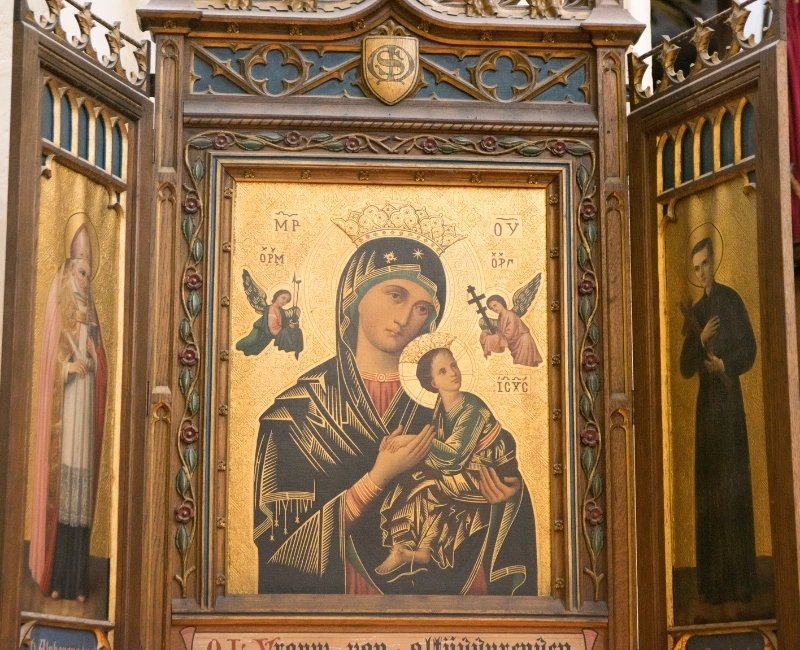
Bruges’s cultural scene extends beyond medieval monuments to encompass rich museum collections and vibrant arts. The Groeninge Museum stands as a prime destination for art enthusiasts: its galleries chart Flemish painting from the 15th century to modern times. Here you encounter luminous works by Jan van Eyck, Hans Memling, and early Netherlandish masters whose meticulous detail and symbolic depth influenced European art. Interpreting these paintings reveals insights into religious practices, merchant patronage, and social mores of the era.Adjacent to the Groeninge, the Arentshuis often features rotating exhibitions of contemporary art or photography, providing a contrast to historic works and demonstrating Bruges’s ongoing engagement with creative expression. Smaller galleries nestle in backstreets: local artists showcase paintings, sculptures, and installations reflecting Belgian culture and global influences. Visiting studios and workshops—sometimes open to the public—allows interaction with creators and understanding of modern artistic processes.The Memling Museum, housed in the medieval Hospices of St. John, merges history and art: the structure itself is historic, once serving pilgrims, while its collection includes altarpieces and artifacts. Exploring the architectural layout conveys insights into charitable practices in medieval Bruges. Nearby, the Gruuthuse Museum offers a window into decorative arts: tapestries, embroidery, silverware, and porcelain illustrate domestic life among Bruges’s elite centuries ago.Literary culture thrives too: bookshops specializing in art, history, and travel line quiet streets; occasional readings or literary events occur in historic settings. Bruges’s film festival and open-air cinema events bring European cinema to unique locations such as canalside squares or converted warehouses, blending contemporary culture with historic ambiance.Music also plays a key role: concerts of classical, jazz, and folk often take place in churches or small concert halls. The Belfry’s carillon concerts—hand-carved bells chiming melodies—offer a quintessentially Flemish auditory experience. Seasonal events, such as choir performances during Christmas or early music festivals in historic chapels, deepen appreciation for Bruges’s acoustic heritage.For hands-on cultural immersion, participate in workshops: lace-making classes in heritage houses teach an age-old craft; chocolate workshops let you create pralines under guidance of master chocolatiers; brewery masterclasses explain brewing techniques and tasting methods. These interactive experiences transform you from passive observer to engaged participant, forging personal connections with local traditions.Cultural trails guide you through thematic routes—e.g., “Bruges by Night” tours focusing on illuminated monuments, or “Literary Bruges” exploring sites linked to writers and legends. Audio guides and mobile apps enrich self-guided exploration, but nothing replaces the pleasure of discovering a small gallery tucked behind a canal or pausing before a quiet courtyard to reflect on centuries of creative output. In Bruges, art and culture are woven into daily life: from grand museums to intimate ateliers, the city invites you to immerse in its cultural tapestry and witness how past and present converge in creative expression.

Bruges’s culinary landscape celebrates both time-honored traditions and contemporary innovation. Begin with iconic Belgian waffles: freshly made and crispy, often topped with seasonal fruits, whipped cream, or a drizzle of Belgian chocolate. Sampling waffles from different vendors—each with their own twist—offers insight into local variations. Next, indulge in Belgian chocolates: Bruges abounds with artisanal chocolatiers who craft pralines, truffles, and ganache-filled delights. Visiting workshops allows you to observe tempering techniques and packaging rituals, while tasting sessions reveal nuanced flavor profiles—dark, milk, or infused with local liqueurs.Seafood plays a starring role: Belgium’s North Sea proximity ensures fresh mussels, shrimps, and fish. Mussels cooked in beer or white wine, accompanied by fries (moules-frites), are a classic dish; pairing with a local ale elevates the experience. Other regional specialties include waterzooi (creamy fish or chicken stew) and carbonnade flamande (Flemish beef stew braised in beer), perfect for a comforting meal in a cozy brasserie. Many restaurants focus on seasonal, locally sourced ingredients—vegetables from nearby farms, artisanal cheeses, and charcuterie—reflecting a farm-to-table ethos.Bruges’s fine-dining scene has grown, with chefs reinventing Belgian classics using modern techniques, presenting tasting menus that highlight regional produce. Reservations are advisable for renowned establishments; however, bistros and casual eateries also deliver high-quality fare at moderate prices. Street food markets and pop-up stalls appear during festivals, offering everything from creative snacks to fusion dishes, blending international influences with Belgian roots.Breakfast and brunch options abound: cozy cafés serve fresh pastries, breads, and specialty coffee. Visiting a local bakery early in the morning rewards you with warm croissants or brioche. For a light midday meal, explore salad bars or sandwich shops featuring local cheeses and charcuterie. Sweet tooths can sample speculoos biscuits—a spiced shortcrust pastry—and inventive desserts in patisseries.Beer culture intersects with cuisine: many restaurants and taverns offer beer-pairing menus, guiding you through selections of Trappist ales, lambics, saisons, and darker brews. Brewery tours conclude with tasting sessions, often accompanied by cheese or chocolate pairings that highlight complementary flavors. For enthusiasts, attending a beer festival or visiting a nearby brewery adds depth to understanding Belgium’s brewing heritage.For a hands-on experience, join cooking classes led by local chefs: learn to prepare classic dishes such as carbonnade flamande or prawn croquettes. These workshops often include market visits to source ingredients, providing insight into how Belgians select and combine produce. Similarly, chocolate-making workshops let you craft and decorate pralines to take home.Evening dining can be a romantic affair: candlelit tables in historic cellars or terrace seating overlooking canals create memorable ambiance. After dinner, enjoy a digestif at a cozy bar, sampling local gin or Belgian genever. For night owls, late-evening chocolate tastings or night-time canal views with a warming drink offer a perfect end to a day of exploration.In Bruges, food and drink are integral to cultural immersion. Whether savoring street treats or indulging in gourmet meals, you experience Belgian hospitality and craftsmanship. Every bite tells a story of regional traditions, artisanal dedication, and evolving culinary creativity—making Bruges a destination for both casual gourmands and serious epicureans.
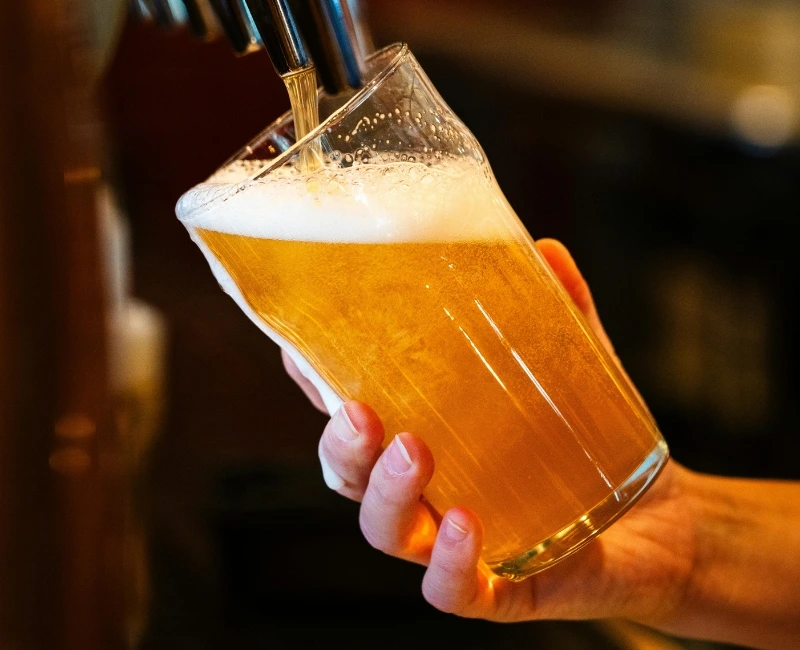
Belgium’s reputation as a beer capital finds a charming embodiment in Bruges, where historic breweries and modern craft producers invite exploration. Begin with an overview of Belgian beer styles: Trappist ales, abbey beers, lambics, saisons, dubbels, tripels, and more. In Bruges itself, notable breweries such as De Halve Maan offer guided tours that reveal brewing processes, fermentation methods, and the story behind flagship beers. At De Halve Maan, a rooftop tour provides scenic views of the city while explaining how water, malt, hops, and yeast combine to create distinctive flavors. Tastings allow sampling fresh brews directly from the tank or barrel.Beyond established breweries, a wave of craft beer bars and microbreweries has invigorated Bruges’s beer scene. These venues often feature rotating taps showcasing Belgian and international craft beers, offering adventurous palates the chance to compare styles side by side. Bartenders and brewers are typically passionate and knowledgeable, eager to explain flavor notes, pairing suggestions, and brewing techniques. Many bars pair beers with local cheeses, charcuterie, or chocolates, demonstrating how flavors can complement or contrast.For lambic enthusiasts, consider guided excursions to nearby regions where spontaneous fermentation yields sour, fruity beers aged in oak barrels. While Bruges itself may not produce lambics, day trips to the Pajottenland region or Brussels can highlight this tradition. Back in Bruges, specialty bars carry imported lambics, gueuzes, and krieks, allowing sampling without lengthy travel.Seasonal events such as beer festivals bring breweries together in one venue, offering limited-edition releases, experimental batches, and opportunities to meet brewers. These festivals are festive gatherings where locals and visitors mingle, share tasting notes, and celebrate Belgian brewing heritage. Check local event calendars to align your visit with such events for an immersive experience.For a deeper dive, attend beer-pairing dinners hosted by restaurants or brewpubs, where multi-course menus are curated alongside specific beers. Chefs and brewers collaborate to highlight how recipes and brews interact—perhaps a spicy dish balanced by a crisp saison, or a rich stew complemented by a robust dubbel. These dinners not only satisfy the palate but also teach about flavor science and cultural context of Belgian cuisine.Homebrewing enthusiasts may seek workshops or brewery open days to learn hands-on techniques: mashing grains, managing fermentation temperatures, and experimenting with hops. While not always widely available, occasional masterclasses or private sessions can be arranged through local beer clubs or breweries.Visiting beer museums or exhibitions in Bruges or nearby cities offers historical context: how monastic brewing influenced local economies, the evolution of beer styles, and the role of beer in social life. Such insights enrich tastings by connecting flavor profiles to cultural narratives.Finally, embrace responsible enjoyment: Bruges’s compact layout makes it easy to explore on foot or bicycle between tasting venues. Pair beer exploration with other activities—canal-side picnic featuring beers and local snacks, sunset tasting at a terrace overlooking canals, or layering a brewery visit with a museum tour for balanced pacing. Beer culture in Bruges is not only about drinking; it’s about community, history, craftsmanship, and conviviality, offering a multifaceted adventure for beer lovers of all kinds.
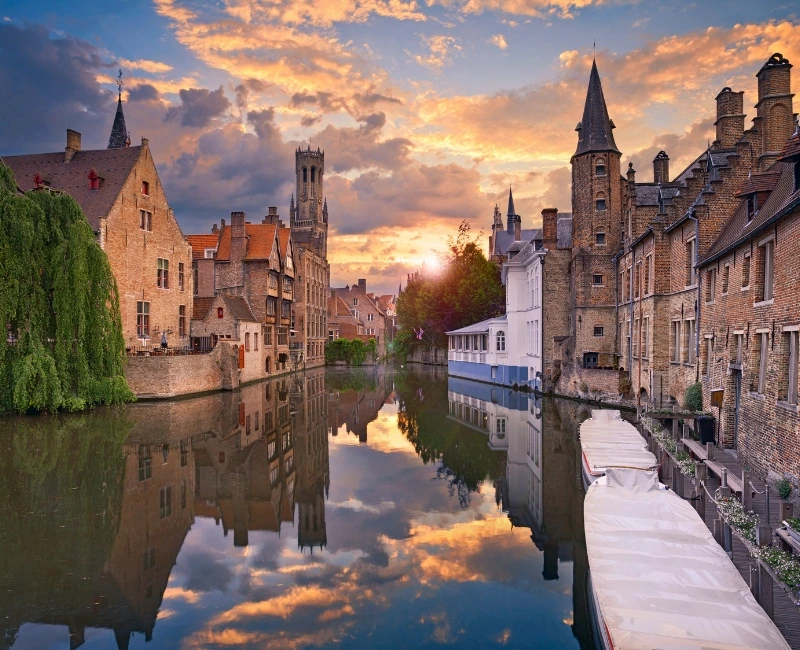
The canals of Bruges are its lifeblood, shaping both its historic development and modern-day charm. Experiencing Bruges from the water is essential: gentle boat cruises glide beneath medieval bridges and past timber-framed houses reflected on glassy surfaces. Guided tours often include commentary on architectural highlights: former warehouses, merchants’ houses, and hidden gardens accessible only by boat. Photographers will appreciate the changing light as reflections dance on water, revealing perspectives impossible to see from land.For a more active experience, consider rowing or pedal boats available seasonally, allowing you to steer through quieter tributaries at your own pace. This autonomy reveals overlooked corners: peaceful canals bordered by weeping willows, small docks where locals tie up boats, and secluded façades that appear deceptively simple until viewed from water. Early morning or late afternoon trips avoid crowds, offering serene solitude and the chance to hear only the soft lapping of water.Beyond the city center, waterways lead to green outskirts. Guided excursions may venture to Minnewater Park, whose “Lake of Love” offers a romantic ambiance and pleasant walking paths. Here, swans glide across placid water framed by lush trees. Parks along canal banks provide picnic spots: bring local cheese, bread, and beverages to enjoy riverside. Birdwatchers may spot waterfowl or listen to songbirds in these tranquil settings.Cycling alongside canals extends exploration: dedicated bike paths run parallel to waterways, leading to windmills on the city’s edge. The four historic windmills near Sint-Janshuismolen and Koeleweimolen offer glimpses into traditional milling and picturesque photo opportunities. From there, trails continue into rural Flanders: flat terrain, green fields, and villages with historic churches and cafés. Renting a bicycle in Bruges and following marked routes allows you to tailor day trips: perhaps to Damme, a quaint town a few kilometers away, where canals converge and local bakeries serve specialties.Photography tours often combine canal and cycling experiences: capturing sunrise reflections, misty mornings, or golden-hour light on medieval façades. Painting workshops sometimes set up near canals, inviting artists to sketch or paint scenes under guidance, blending creativity with scenic immersion.In winter or off-season, canal-side walks remain appealing: crisp air, quieter streets, and subtle beauty in leafless trees framing waterways. Cafés with canal views become cozy refuges for warm drinks after a walk. Seasonal variations—autumn foliage, spring blossoms along banks—offer different vistas throughout the year. This variety ensures that revisiting Bruges yields fresh impressions.Boating and canal-side exploration also connect to local stories: legends of hidden treasures, medieval trade routes, and how canals shaped Bruges’s economic rise. Tour guides often share anecdotes that enrich the visual experience with narrative depth. Ultimately, Bruges’s canals are both backdrop and pathway, offering a dynamic lens through which to experience the city’s history, artistry, and natural beauty.
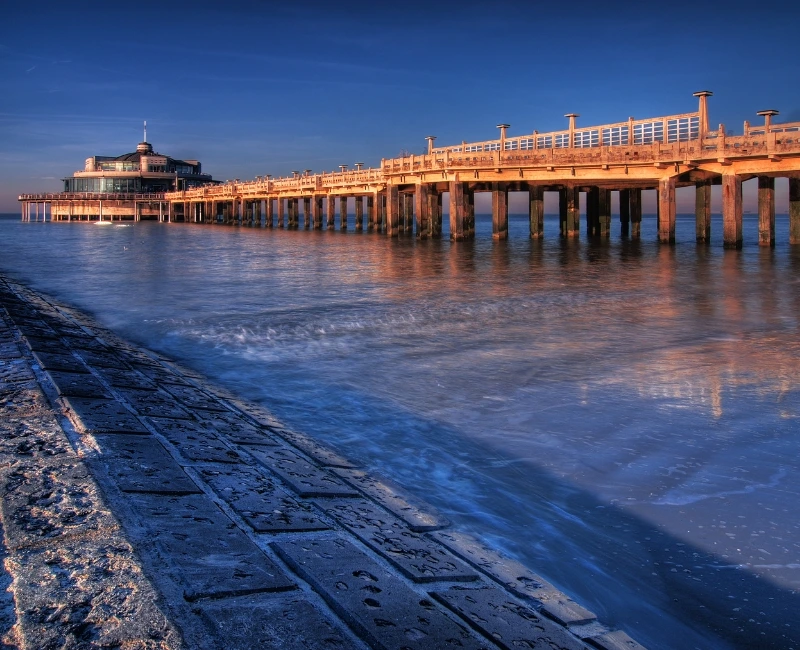
Bruges and its surroundings form a paradise for cyclists, with flat terrain, well-marked paths, and scenic landscapes. Within the city, bike rentals are widely available; cycling allows you to cover more ground quickly while still immersing in local life. Pedal through quiet residential neighborhoods to witness everyday Flemish scenes: bicycles parked outside brick houses, local markets in neighborhood squares, and tree-lined lanes leading away from tourist hubs.Recommended day-trip routes radiate from Bruges: one leads to Damme, about 7 km northeast, following a canal-side path. This quaint town features historic windmills, a picturesque market square, and charming cafés ideal for a mid-ride rest. Continue further to Sluis in the Netherlands for a cross-border excursion, enjoying flat roads flanked by fields and occasional canal locks—a rewarding blend of cultural contrast and restful scenery.Another route heads west toward the Belgian coast: about 20-25 km to Ostend or Blankenberge. Cyclists can experience coastal breezes, sandy beaches, and seaside promenades. These rides may be longer, so plan for stops at beach cafés or seafood stands offering fresh shrimp croquettes. Cycling alongside dunes and polders reveals characteristic Flemish countryside: grazing cattle, windmills in the distance, and wide-open skies.In the opposite direction, head southward into rural West Flanders: fields of crops, historic villages, and occasional chapels by the roadside. Maps and cycling apps provide curated loops of various lengths, from half-day to full-day. Organized cycling tours sometimes include picnic boxes featuring local specialties—bread, cheese, charcuterie, and beer—to enjoy amid scenic surroundings.For more challenging rides, join group cycling events or sportive rides organized seasonally. These often follow longer circuits through multiple towns, combining communal enthusiasm with sightseeing. Even casual cyclists benefit from well-maintained paths and signage indicating distances and directions.In winter, cycling remains feasible with proper attire; routes through misty fields and frost-covered canals have a serene beauty. Cafés along the way welcome cyclists for warming drinks and hearty snacks. Local rental shops may offer winter-ready bikes or advice on safe routes under seasonal conditions.If you prefer guided experiences, join a cycling tour that includes commentary on history, ecology, and local life. Guides may pause at farms where you can sample regional produce or at heritage sites off the beaten path. Solo cyclists can also use GPS-based guides or printed maps from tourist offices, enabling self-guided adventures at one’s own pace.Cycling fosters a sense of freedom and discovery: the gentle exertion connects you to the environment, whether breezing past canals or winding through villages. It complements city exploration: after biking in the countryside, return to Bruges for a canal cruise or museum visit, offering balanced days blending activity and culture. For active travelers and nature lovers alike, cycling in and around Bruges reveals Flanders’s diverse landscapes and deepens appreciation for this region’s charm..
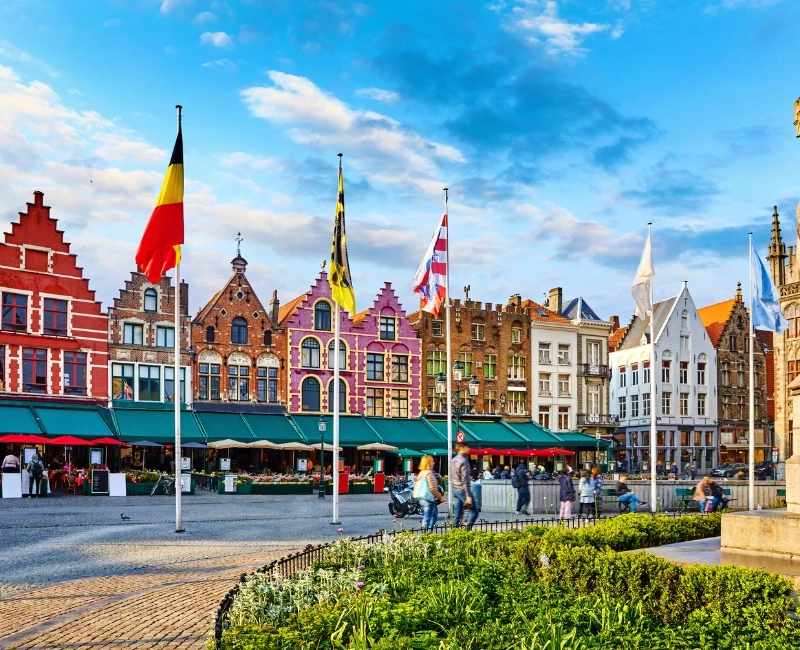
Bruges’s calendar is peppered with festivals and markets that animate the city’s historic setting, offering seasonal highlights that enhance any visit. In late November through December, the Christmas market transforms the Markt into a festive tableau: wooden chalets brim with handcrafted gifts, seasonal treats like mulled wine and speculoos biscuits fill the air with aroma, and an ice rink invites families and friends to glide beneath twinkling lights. The nearby canals reflect festive illuminations, creating a storybook ambiance. Attending carillon concerts or choir performances in candlelit churches adds a spiritual dimension to holiday celebrations.Spring brings flower markets and cultural events: Easter weekend may feature special services in medieval churches, while spring festivals showcase music, dance, and outdoor exhibitions. As temperatures rise, open-air concerts fill squares and parks; film screenings under the stars take place along canals, blending cinematic art with historic scenery. Bruges Jazz Festival or chamber music recitals in intimate venues introduce visitors to Belgium’s vibrant music scene. The Begijnhof garden blooms with spring flowers, offering a tranquil retreat where seasonal changes are most evident.Summer is peak season: larger festivals occur, often combining gastronomy, music, and art. Food fairs spotlight regional produce—cheeses, beers, chocolates, and seafood—allowing tastings under warm skies. Outdoor theater and cultural performances animate plazas; medieval reenactments might take place in heritage sites, inviting audiences to witness historical crafts, costumes, and demonstrations. For families, themed events cater to children, such as treasure hunts through the old town or interactive museum workshops. Early morning or evening visits avoid midday crowds, letting you experience events in comfortable light.Autumn heralds harvest-themed markets: local farmers offer seasonal produce—apples, pears, pumpkins—while pilgrims celebrate culinary traditions tied to the land. Beer festivals in autumn coincide with newly brewed batches, inviting sampling of limited-edition brews. Cultural weekends may focus on literature or art, with exhibitions in galleries and workshops for visitors. The backdrop of autumn foliage along canals and in parks adds visual richness to events.Throughout the year, smaller niche events occur: lace festivals celebrating Flanders’s lace-making heritage; chocolate-themed weekends with tastings and workshops; craft fairs showcasing local artisans. Checking the Bruges events calendar before travel helps align your visit with experiences that resonate with your interests. Many events are free or low-cost, making spontaneous participation easy.For a unique perspective, attend early-morning or twilight events: a dawn canal cruise followed by a sunrise concert, or a lantern-lit evening walk during a festival. Such experiences blend sensory impressions—music, aroma, light—with Bruges’s evocative setting, creating indelible memories. Seasonal variation ensures that Bruges reveals new facets each time you return: whether enveloped in winter magic or basking in summer vibrancy, the city’s festivals and markets animate its heritage in bright, communal ways.
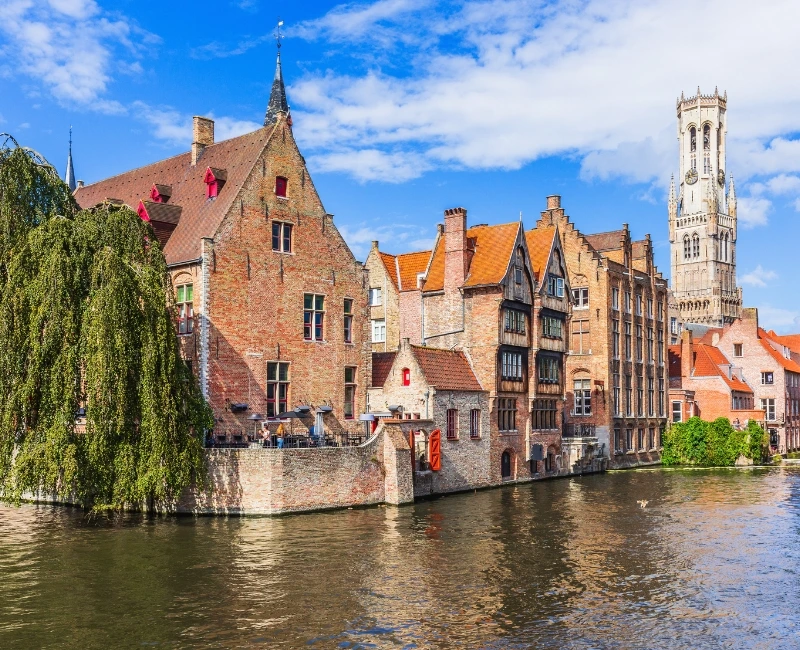
Bruges is synonymous with romance: winding canals, intimate cafés, and historic charm create an ideal backdrop for couples seeking connection and enchantment. Begin with a private boat ride at dusk, as streetlights shimmer on water and the city’s silhouette softens in twilight. Drifting beneath arches and past silent façades, you share a sense of timelessness and tranquility. For a more secluded experience, request a smaller boat or choose an off-peak hour to avoid crowds, allowing private moments on serene waterways.Stroll through the Begijnhof’s tranquil courtyard hand in hand, admiring white-painted houses and lush greenery. In spring or summer, blooming flowers and singing birds enhance the serene atmosphere; in autumn, golden leaves carpet the grounds; in winter, a light dusting of snow or crisp air adds quiet magic. The Begijnhof’s sense of sanctuary fosters intimate conversation and reflection amid historical surroundings.Dining experiences in Bruges cater to romance: reserve a table in a candlelit cellar restaurant tucked beneath medieval walls or a terrace overlooking a canal. Menus often feature seasonal Belgian cuisine with modern twists; pairing local beers or fine Belgian wines elevates each dish. Sharing artisanal chocolates or a decadent dessert at a cozy patisserie afterward extends the evening’s sweetness. For a surprise touch, arrange a chef’s tasting menu or private dining experience, ensuring personalized attention and memorable flavors.Sunset viewpoints add drama: climb the Belfry early in the evening to witness the sun setting over rooftops, or seek a rooftop bar offering panoramic vistas. Toast with a local brew or sparkling wine as the city lights emerge. Alternatively, find a quiet bench along the Dijver Canal, where reflections of historic buildings create a mirror-like setting—ideal for photos or simply sitting close and soaking in the ambiance.Couples seeking active yet romantic experiences can rent tandem bicycles to explore canalside paths and countryside routes, pausing at windmills or village cafés for refreshments. Pack a picnic with local cheese, charcuterie, fresh bread, and a bottle of Belgian beer or sparkling beverage; choose a scenic spot by the water or in a park to share. These simple pleasures combine adventure with intimacy.For art-loving couples, attend an evening concert in a historic church or a special exhibition opening. The shared experience of culture in an evocative setting deepens connection. In winter, join a Christmas market together: sip hot chocolate or mulled wine, browse handcrafted gifts, and enjoy festive music. Ice skating under twinkling lights adds playful romance.Hidden gems await discovery: a small rooftop garden with city views, a tucked-away bookshop perfect for browsing together, or a quiet courtyard café serving specialty drinks. Seek out locally recommended spots rather than mainstream venues to foster a sense of exclusivity. Engaging with locals—perhaps through a cooking or chocolate workshop—creates shared memories and insights into Bruges’s traditions.End your stay with a memorable departure: a sunrise canal walk before departure, a final breakfast in a charming café, or a gift of handmade lace or chocolate as a keepsake. Bruges’s romantic ambiance makes it easy to weave moments of connection into every itinerary, ensuring that couples leave with hearts full of shared experiences and a longing to return.
No ads. No trails. No commitments


Alice Roses
London, England
51 ST MATTHIAS ROAD
NOTTINGHAM, NOTTINGHAMSHIRE
NG3 2HF
Hours: 8:00 - 17:00, Mon - Sat
support@johnsonholidays.com