 Cote d'Azur Travel
Guide
Cote d'Azur Travel
Guide
Paris is known around the world as the “capital of love,” and even if you don't understand the history of Paris at all

2 Hours
£5.95
The Cote d'Azur’s coastline is famed for its radiant waters and varied shorelines—pebble beaches in Nice, sandy stretches near Cannes, hidden coves around Cap d’Antibes and Pointe Croisette. Long promenades lined with palm trees invite leisurely strolls at sunrise or sunset, while chic beach clubs offer sunbed rentals, attentive service and Mediterranean views. Whether you prefer lively public beaches with water-sport facilities or secluded bays accessible by boat, the Riviera’s seaside settings cater to sun worshippers, swimmers, snorkelers and those simply seeking to unwind beside the sea.
Learn More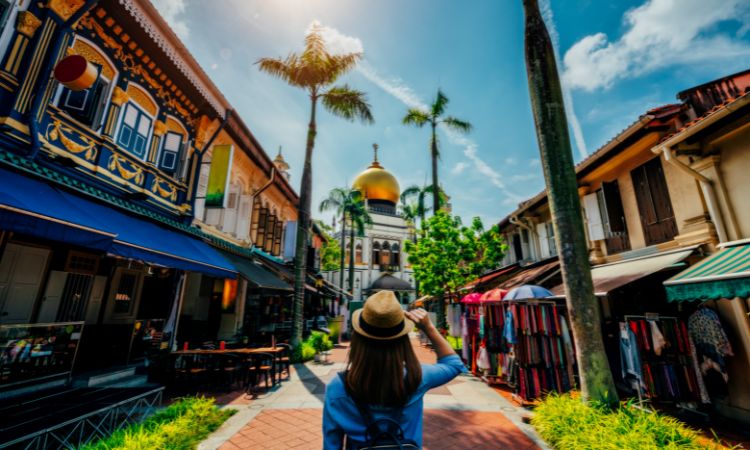
From the medieval lanes of Vieux-Nice and hilltop villages like Eze to grand events such as the Cannes Film Festival and Nice Jazz Festival, the region pulsates with culture year-round. Art enthusiasts can explore museums dedicated to Matisse and Chagall in Nice, visit the Picasso Museum in Antibes, or discover contemporary galleries dotted across coastal towns. Historic sites—Roman ruins in Fréjus, baroque churches in Menton—blend with modern-day celebrations, offering a dynamic cultural tapestry that appeals to both casual visitors and aficionados.
Learn More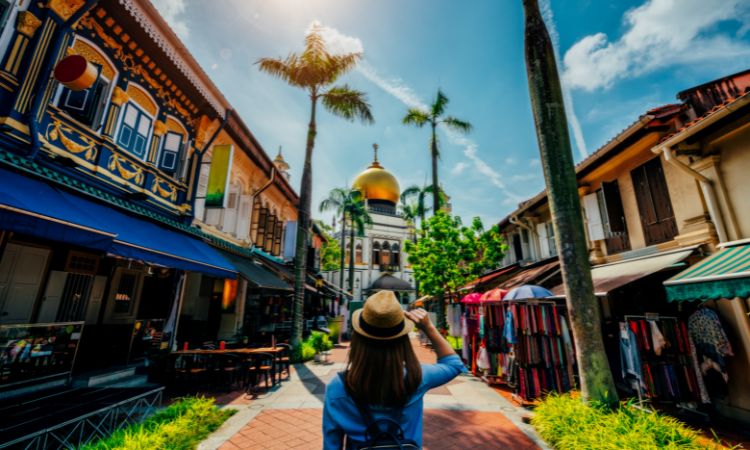
Provençal cuisine shines along the Riviera: markets brim with sun-ripened produce, olive oils, herbs and fresh seafood. Dine at seaside bistros serving salade niçoise, bouillabaisse, socca or delicate pastries. Nearby vineyards produce rosé and red wines that complement coastal dishes. Culinary experiences extend to cooking classes in authentic kitchens, market tours led by local chefs, and wine-tasting excursions into Provence. The blend of Mediterranean flavors, regional traditions and haute gastronomy ensures memorable meals for every palate.
Learn More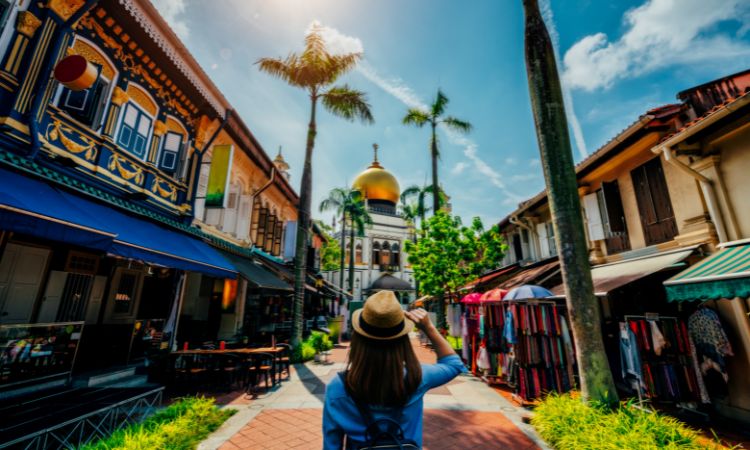
Beyond the shore lies a playground of hills and mountains: the Esterel Massif’s red-rock ridges, Mercantour foothills with alpine trails, and coastal paths offering panoramic sea vistas. Hikers and cyclists can explore well-marked routes through fragrant pine forests and vistas over azure bays. Water-based adventures include sailing, kayaking, paddleboarding and diving. For adrenaline seekers, paragliding off cliffside takeoff points provides bird’s-eye views of the Riviera’s dramatic coastline. Nature lovers enjoy bird-watching in wetlands near Hyères or botanical gardens showcasing Mediterranean flora.
Learn More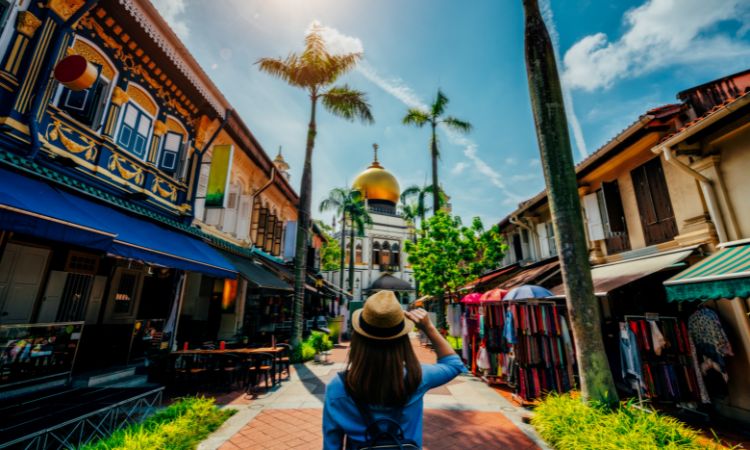
The Riviera’s reputation for luxury extends to its shopping districts: designer boutiques along La Croisette in Cannes, high-end labels in Saint-Tropez, artisanal shops in Nice’s old town. Evening entertainment ranges from seaside bars with live music to upscale lounges and nightclubs that draw an international crowd. Casino gaming, gala events and stylish rooftop venues allow for glamorous nights out. Even in smaller towns, intimate wine bars and local cafés foster convivial evening atmospheres.
Learn More
Nice Côte d'Azur Airport offers international connections across Europe and beyond, making the Riviera accessible. Regional train lines link coastal towns and extend into Provence and Italy; well-maintained roads enable scenic drives along the Corniche routes. Public transport within cities is reliable, and car rentals facilitate hinterland exploration. Well-developed infrastructure means visitors can optimize time between beaches, cultural sites and day trips.
Learn More
Lorem ipsum dolor, sit amet consectetur adipisicing elit. At illo adipisci iusto
From

Because more than 268 other customers have loved us too

Demonstrates commitment to user data security through encryption and secure payment practices
Learn More
Demonstrates commitment to user data security through encryption and secure payment practices
Learn More
Demonstrates commitment to user data security through encryption and secure payment practices
Learn More
Demonstrates commitment to user data security through encryption and secure payment practices
Learn More
Quality as judged by customers. Book at the ideal price!


/ person
/ person
/ person
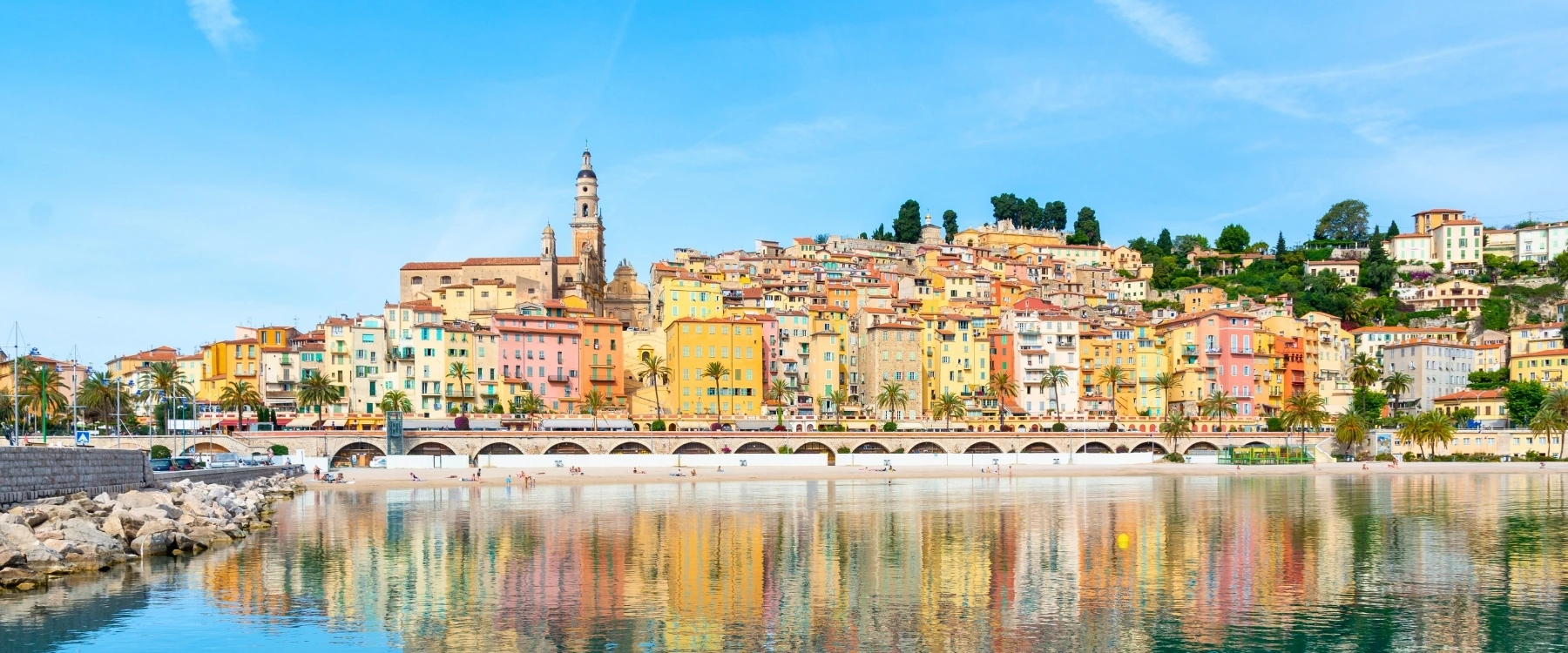
The beaches of Nice form an emblematic entry point to the Cote d’Azur experience. Stretching along the iconic Promenade des Anglais, these pebble-scattered shores welcome travelers to bask beside crystalline Mediterranean waters. Although pebbles may differ from sandy expectations, they lend a distinctive charm: smooth, colorful stones warmed by the sun, set against azure waves. The central public beach in Nice offers sunbed rentals and facilities, while beach clubs further east and west provide a touch of luxury. Clubs like the private establishments near the port feature sun loungers, umbrellas, and attentive service including refreshments delivered to your spot.Early risers can witness serene sunrises over the sea before the beach crowds arrive. With clear water often within easy wading depth, swimmers appreciate the refreshing dip, especially on hot summer days. Snorkeling along rocky outcroppings near the harbor can reveal small schools of fish browsing the underwater scrub. For families, designated zones with lifeguard presence ensure safety for children exploring shallow waters, and occasional paddleboard or pedalo rentals add activity options.Venturing west along the Promenade, the pebbled landscape gradually transitions into areas with gentle ramps, facilitating easier access for those with mobility considerations. Facilities such as showers, restrooms, and nearby cafés ensure comfort for extended stays. Beachside promenades teem with joggers, cyclists, rollerbladers and strollers, offering a dynamic seaside ambiance that merges recreation and relaxation.For a quieter experience, one can head east toward Villefranche-sur-Mer or west toward Antibes, where small sandy coves provide contrast. Villefranche’s sheltered bay features golden sand and shallow waters, ideal for families and snorkelers curious about underwater life. The picturesque harbor and pastel-hued façades create a postcard-perfect backdrop. Antibes’ beaches range from public stretches near the historic ramparts to private clubs offering refined experiences with sunbeds, cabanas and seaside dining. Each spot exudes its own character: some bustle with water sports activity, others invite tranquil lounging.Beyond sunbathing and swimming, the beachfront in Nice and adjacent towns hosts seasonal events: open-air concerts, fitness classes at dawn, and art installations inviting exploration. Culinary stops include seaside grills specializing in Provençal seafood or light salads paired with local rosé, allowing intermittent breaks between dips in the sea. As evening approaches, beachfront bars light up with subtle ambiance, offering cocktails infused with lavender or citrus and views of the sunset casting golden hues over the water.Seasonally, Nice’s beaches open from late spring through early autumn, with peak crowding in July and August. Visiting in May or September yields milder temperatures, fewer visitors, and pleasant waters warmed by summer sun—ideal for those seeking balance between activity and tranquility. Regardless of timing, the beaches of Nice embody the Riviera’s allure: luminous light, vibrant seaside culture, and the simple pleasure of Mediterranean sea and sky meeting at the horizon.
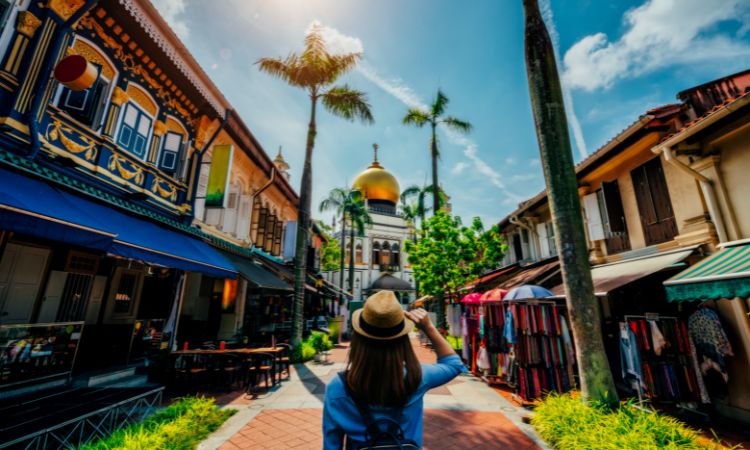
While Nice and Cannes beaches draw the crowds, the Cote d’Azur abounds with lesser-known coves and small bays offering secluded escapes. Around Cap d’Antibes, winding trails reveal private inlets where pebbles or golden sand meet clear waters. Hikers following coastal paths encounter hidden spots ideal for a quiet swim or picnic away from busy promenades. These coves often require a short walk or boat access, rewarding explorers with pristine settings framed by Mediterranean pine and rock.To the east, Villefranche-sur-Mer’s bay offers more than its main sandy beach: secluded corners nearer the cliffs host crystal-clear waters where snorkelers can observe marine life around submerged rocks. Early mornings and weekdays outside peak season provide the best chance to enjoy these quieter zones. Nearby, Saint-Jean-Cap-Ferrat peninsula features small beaches like Paloma Beach or Paloma Valley’s pebble stretches—some accessible by a scenic coastal walk or water taxi. These spots combine natural charm with refined offerings: small cafés or beach clubs nestled into the landscape, providing light refreshments without overwhelming the tranquil ambiance.Boat excursions from Nice or Monaco reveal remote anchors: secluded bays reachable only by sea, such as those near Cavalaire or Porquerolles (a short boat ride from Hyères). Although slightly farther afield, these islands and peninsulas reward with azure coves and calm waters, often less crowded due to access constraints. Day trips include guided boat tours with snorkeling stops, or private yacht charters for ultimate privacy—allowing travelers to anchor in peaceful bays, snorkel among rocky reefs or simply lounge aboard with panoramic vistas.On the western end, near Saint-Tropez, coastal paths lead to hidden inlets between Pampelonne and Gigaro. These sands, at times accessible via hiking or local shuttle services, offer quieter alternatives to the famed beach clubs. Inland, olive groves and vineyards fringe the coast, providing scenic picnic spots overlooking the sea. Autumn and spring visits yield cooler water but offer solitude and unique atmospheric light for photography enthusiasts.For those without a boat, coastal trains and buses drop you at small stations or stops near hike beginnings. Renting a kayak from ports like Antibes or Villefranche lets you paddle along the shoreline, discovering creeks accessible only by water. Safety precautions—checking tides, weather, and carrying essentials—ensure enjoyable exploration. Each hidden gem reveals the Riviera’s dual nature: vibrant hubs and secret retreats. Embracing both yields a comprehensive Riviera experience—moments of sociable beach life balanced with serene moments amid nature’s elegance.
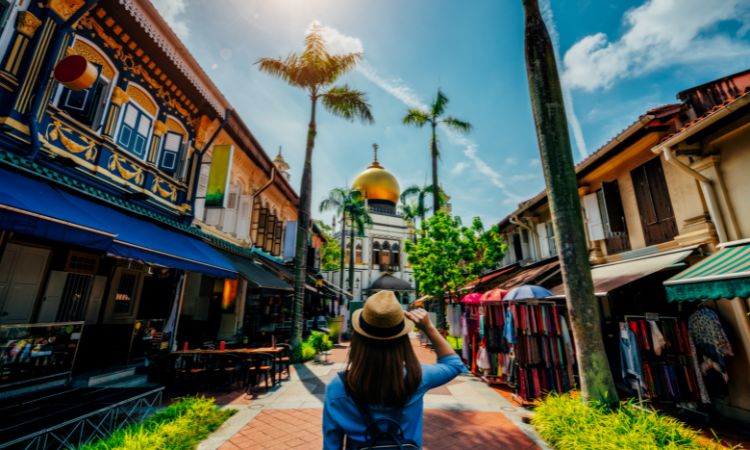
Inland from the glittering coast, the hills above Nice, Cannes and Grasse host medieval villages perched on rocky spurs, offering panoramic views and insight into Provençal heritage. Villages such as Eze, Saint-Paul-de-Vence, Gourdon and Mougins exemplify this: narrow cobblestone lanes winding past stone houses draped in wisteria, artisan shops, galleries and cafés overlooking the sea and hinterland. Each village carries its own story: Eze’s cliff-top exotic gardens with sweeping vistas, Saint-Paul-de-Vence’s artistic legacy attracting modern artists, and Gourdon’s baroque church with vantage over the valley.These hill towns were historically defensive settlements; their elevated positions afforded protection and allowed inhabitants to monitor coastal approaches. Today, visitors traverse centuries-old streets, discovering local crafts—pottery, perfumed soaps, art studios—and sampling regional specialties at family-run restaurants. Early arrival helps avoid tour-bus crowds; late afternoons yield softer light for photography and golden-hour panoramas. Many villages host artisanal markets and seasonal festivals celebrating local produce, music and culture.Grasse, known as the perfume capital, lies slightly inland. Perfumeries offer tours explaining extraction of lavender, jasmine and rose essences. Visitors can craft personalized fragrances in workshops led by master perfumers. This blend of nature, tradition and craft underscores the Riviera’s broader heritage—where fragrant fields feed global perfumery. Nearby Valbonne’s market square buzzes weekly with farmers selling produce, cheeses and Provençal specialties, providing authentic local encounters.Arles-inspired architecture persists: Roman remains in nearby Fréjus complement medieval sites in Vence and Antibes’ ramparts. These destinations can be combined into day trips: rent a car or join guided tours exploring multiple villages in a day. Hiking trails connect some villages, offering active exploration through olive groves and oak forests, with occasional vineyard panoramas. Sunrise visits reveal mist in valleys below before the day warms; evenings allow leisurely dining under stars, with mountain breezes carrying scents of pine and herbs.Whether drawn by history, art or scenic vistas, exploring these villages deepens appreciation of Provence’s rhythms: slower pace, connection to land and traditions, and community warmth. The contrast between bustling coastal resorts and tranquil hilltop enclaves embodies the Riviera’s layered character, inviting travelers to balance sun-filled beach days with cultural immersion amid timeless landscapes.
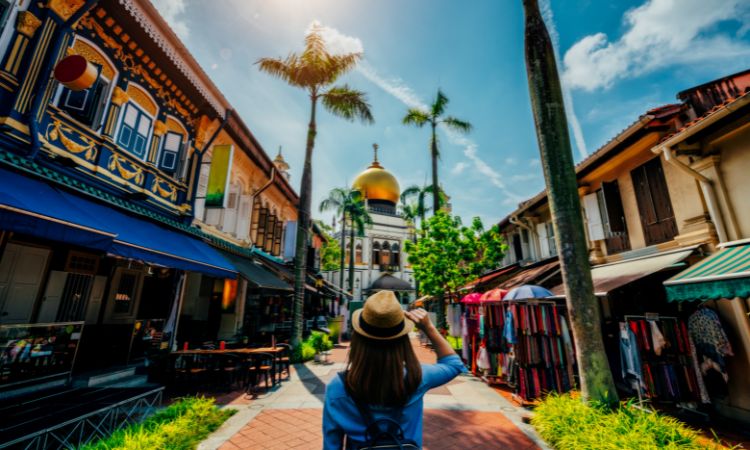
The Cote d’Azur’s artistic heritage spans centuries: from ancient Greek settlement at Nice’s Terra Amata to modern art movements inspired by light and landscape. Museums in Nice honor this: Musée Matisse and Musée Marc Chagall display works created in and inspired by the region; Musée d’Art Moderne et d’Art Contemporain hosts rotating exhibitions. In Antibes, the Picasso Museum occupies a fortified château, exhibiting pieces painted while the artist stayed in the area. Monaco’s Oceanographic Museum and Monte Carlo’s art venues add variety.Annual festivals amplify the Riviera’s cultural calendar: the Cannes Film Festival attracts international celebrities each May, generating global buzz and red-carpet glamour. Artists, filmmakers and press converge, and while access to major events may require accreditation, public screenings, associated exhibitions and the festival atmosphere can be enjoyed in town. Nice Jazz Festival, one of Europe’s oldest jazz gatherings, brings acclaimed musicians and emerging talents each summer. Other music festivals—classical recitals in hilltop chapels, electronic music events along the coast—cater to diverse tastes.Local cultural events include Provencal traditions: olive harvest celebrations, lavender festivals inland, and village fairs showcasing folk music and cuisine. Outdoor opera performances or open-air cinema screenings foster communal experiences under starry skies. Galleries scattered through Cannes, Nice and lesser-known towns display contemporary artists influenced by Mediterranean motifs—light, sea, vegetation. Art walks and guided tours explain regional art history and current movements.For film buffs, the Riviera’s cinematic legacy extends beyond Cannes: settings for classic movies (e.g., “To Catch a Thief”), and film-related tours trace locations. Literary heritage also runs deep: writers and philosophers, from Nietzsche to Pagnol, found inspiration here, and local museums or guided walks highlight these connections. Culinary events—wine harvest celebrations, olive oil tastings—blend gastronomy with culture, often accompanied by music and exhibitions celebrating local craftsmanship: pottery, textiles, perfumery.Participation in workshops—painting en plein air, photography tours capturing sunrise over the Baie des Anges, or craft demonstrations—enrich understanding of how the Riviera’s unique light and landscape foster creative expression. This blend of museums, festivals and artisanal experiences makes the Cote d’Azur a dynamic cultural destination, appealing to travelers eager to blend relaxation with creative enrichment.
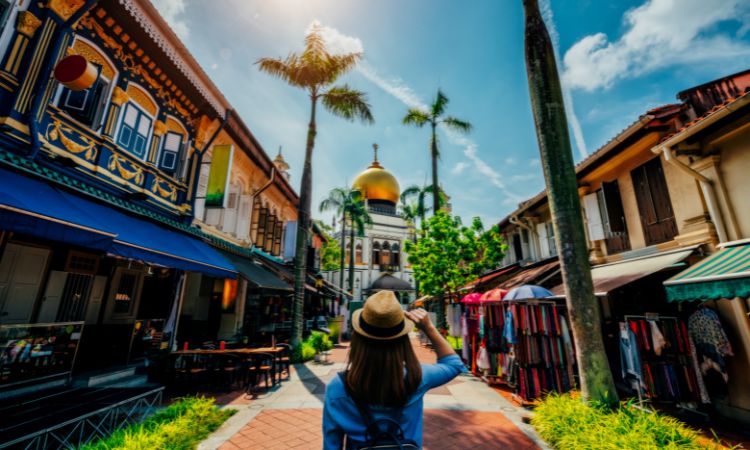
The Riviera’s topography lends itself to scenic exploration: coastal paths and cliffside trails afford breathtaking sea views, while winding roads reveal hidden beaches and hilltop villages. The coastal trail from Nice to Villefranche-sur-Mer offers a gentle seaside walk; further along, the Nietzsche Path from Eze-sur-Mer ascends to Eze Village through fragrant Mediterranean shrubland, rewarding hikers with panoramic vistas of the Baie des Anges. For more challenging treks, the Esterel Massif west of Cannes features red-ochre rocks contrasting with deep-blue sea below; trails vary in difficulty and can be tackled independently or with guided outings.Driving along the Grande Corniche or Moyenne Corniche roads between Nice and Monaco presents dramatic drop-offs to the sea; stops at viewpoints permit photo opportunities. The Moyenne Corniche also connects to hill villages such as La Turbie and Peille. Inland, road trips into Provence’s lavender fields and vineyards can be combined with visits to historic towns like Grasse and Saint-Vallier-de-Thiey. Renting a car or joining small-group tours ensures flexibility to pause at scenic overlooks, sample local produce in roadside markets, or detour to lesser-known attractions.Cyclists can challenge themselves on famous climbs used in cycling events—Col d’Eze or Col de Vence—or enjoy gentler coastal rides between towns on well-surfaced roads. Mountain biking routes traverse forested tracks inland, with varying levels suited to beginners or experienced riders. For those preferring guided adventures, local outfitters organize multi-day hiking or cycling itineraries, including accommodation in charming rural guesthouses.Boat-based exploration complements land routes: kayak or paddleboard along cliffs, discovering sea caves and hidden beaches accessible only by water. Sailing excursions offer the chance to anchor in secluded bays for snorkeling. Diving centers along the coast guide divers to underwater reefs and wreck sites. Paragliding flights launch from perched takeoff points above Nice or Eze, descending toward the sea and offering unique aerial perspectives.Seasonality affects comfort: spring and autumn yield comfortable temperatures for hiking; summer mornings and late afternoons are best to avoid midday heat, with hydration and sun protection essential. Winter hikes remain possible on milder days but require warmer gear. Planning in advance—checking trail conditions, weather forecasts and transport options—ensures safe, rewarding outdoor experiences. Whether by foot, bike, car or sea, exploring the Riviera’s landscapes reveals the interplay of mountains meeting the Mediterranean, offering adventures that balance exhilaration with scenic wonder.
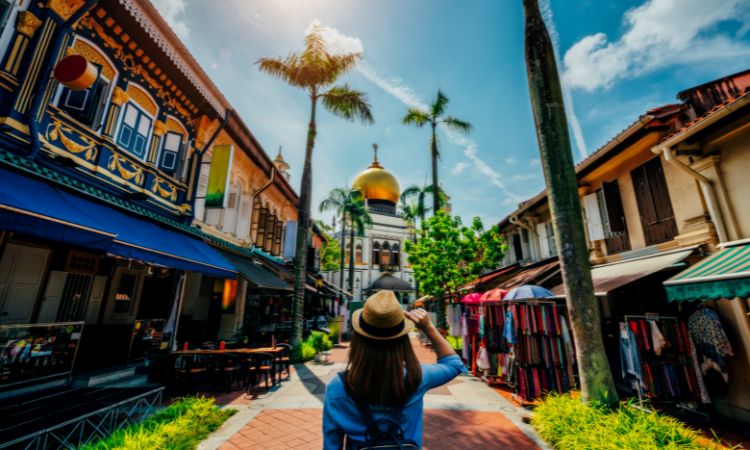
The Mediterranean coastline of the Cote d’Azur caters to diverse marine activities. Yacht charters from ports such as Nice, Antibes or Saint-Tropez allow day cruises along the coast, visiting hidden coves and enjoying onboard dining or swimming stops. For smaller-scale adventures, kayak and paddleboard rentals offer active exploration of bays, estuaries and sea caves—Villefranche-sur-Mer, Cap d’Antibes and Porquerolles island being popular locales. Guided kayak tours may include snorkeling over underwater reefs, highlighting marine biodiversity.Scuba diving centers along the Riviera introduce beginners to sea life and train advanced divers on wreck dives and deeper reefs. Underwater visibility is generally good, with opportunities to observe colorful fish, sea fans and rocky formations. Boat operators provide equipment and guidance, ensuring safety. Snorkelers at shallow coves benefit from clear waters where fish gather near submerged rocks.For thrill-seekers, jet-ski rentals or flyboard experiences add adrenaline to sea excursions. Parasailing from beaches such as Cannes or Saint-Tropez offers aerial views of the coastline and sea below. Sailing lessons and catamaran cruises cater to those wanting to learn or refine nautical skills. Fishing charters can be arranged for sport fishing or relaxed local fishing experiences.Beach clubs along the Riviera often coordinate water-sport activities—windsurfing, kitesurfing or sailing in suitable bays. Seasonal wind conditions (Mistral breezes) affect suitability for wind-based sports; local outfitters advise on optimal times. Summer months see the highest activity levels; off-season exploration may require checking availability but can offer more personalized experiences.Evening boat trips, such as sunset cruises departing Nice or Cannes, combine sightseeing with dining on board, often featuring regional wines and seafood tapas. For families, safe zones for paddleboarding and snorkeling near shorelines allow children to engage under supervision. For environmental awareness, some operators offer eco-tours focusing on marine conservation, educating participants about local ecosystems and encouraging responsible tourism.Whether seeking relaxation on a private yacht, active paddling along cliffs, or high-adrenaline water sports, the Cote d’Azur’s maritime offerings satisfy diverse preferences. The combination of clear waters, scenic coastal settings and professional outfitters ensures memorable marine adventures for visitors of all ages and interests..
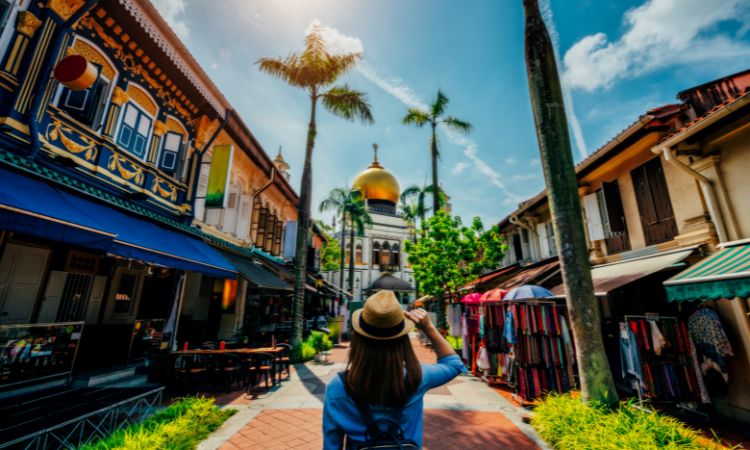
The gastronomic tapestry of the Cote d’Azur blends Mediterranean flavors, Provençal traditions and refined culinary artistry. Coastal towns feature seafood-centric menus: bouillabaisse or fish stew in fine-dining restaurants, grilled sardines and local shellfish in casual bistros. Inland markets brim with tomatoes, peppers, olives, artichokes and fragrant herbs—thyme, rosemary, basil—forming the basis of dishes like ratatouille or salade niçoise. Local olive oil, prized for its fruitiness, elevates dishes from simple salads to roasted vegetables.Wine regions just north of the coast produce rosé, red and white wines that complement local fare. Day trips to Provence vineyards include guided tastings in family-run domaines, where visitors learn about grape varieties (Grenache, Syrah, Cinsault) and wine-making traditions. Some estates offer vineyard tours by foot or bicycle, ending with seated tastings overlooking vine-covered hills. Seasonal events celebrate harvests with communal meals, music and grape-stomping demonstrations.Culinary experiences extend to cooking classes led by Provençal chefs: market tours to select fresh ingredients followed by hands-on preparation of regional recipes—pissaladière, tapenade, aioli, tian of vegetables—culminating in shared meals paired with local wines. Olive oil mills open seasonally for visitors to observe pressing processes and sample different varietals, gaining insight into production and quality distinctions.Truffle-hunting excursions in nearby hinterlands allow guests to accompany trained dogs in search of black truffles, followed by meals showcasing truffle-infused dishes. For sweet-tooth experiences, patisseries in Nice and Cannes offer socca-inspired treats and pastries incorporating regional fruits like figs and oranges. Artisanal gelato shops near the promenade feature Mediterranean flavors, while evening promenades often include stops for light desserts paired with espresso or local herbal infusions.Food festivals punctuate the calendar: seafood festivals along the coast celebrate seasonal catches; olive festivals in autumn highlight new oil; wine fairs gather producers for tastings paired with regional cheeses. Evenings in town can include wine bars showcasing local labels, small plates for sharing and live music performances. This combination of tasting, cooking, exploring and celebrating ensures that gastronomic tourism in the Riviera engages all senses and fosters deep appreciation of Provençal culinary heritage.
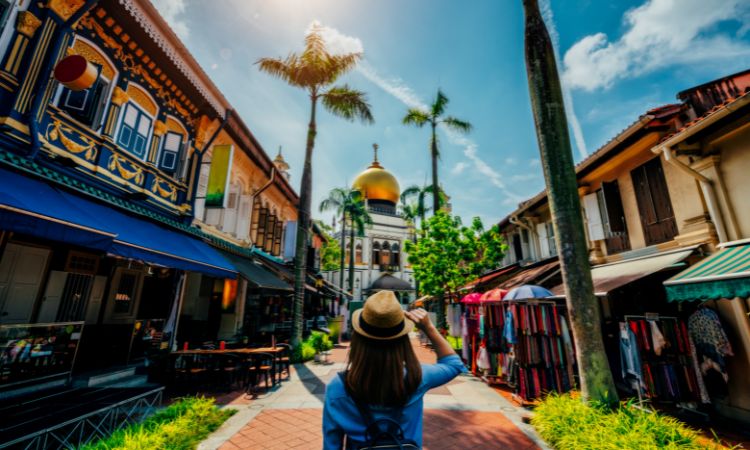
The Cote d’Azur’s appeal extends to wellness retreats and refined evening entertainment. Seaside wellness centers and luxury spas in towns like Nice, Cannes and Monte Carlo offer treatments inspired by Mediterranean ingredients: marine therapies using seawater, salt scrubs incorporating local sea salt, and olive oil-based massages. Yoga classes on cliffs at sunrise or sunset sessions on quiet beaches allow holistic connection with the sea and sky. Wellness retreats inland focus on hiking in nature, mindful breathing among pine forests, and healthy Provençal cuisine workshops emphasizing fresh, seasonal produce.Thermal spa facilities near the Riviera provide mineral-rich waters and wellness programs combining hydrotherapy, thermal baths and relaxation lounges. Retreat packages may include personalized fitness, nutritional guidance and mindfulness sessions, set in serene environments overlooking valley or sea vistas. Boutique wellness hotels integrate spa treatments into daily stays, offering tranquility away from busy coastal centers.Evenings on the Riviera balance elegance and conviviality. Sunset cocktail bars overlooking the Mediterranean create intimate settings: signature drinks infused with lavender, citrus or local liqueurs, paired with small tasting plates. Dinner venues range from beachfront seafood restaurants to hillside bistros with panoramic night views. For a lively night, upscale lounges and nightclubs in Nice or Cannes host DJs and themed events, attracting international crowds. Casino evenings in Monte Carlo or Nice offer glamorous gaming experiences for those seeking luxury thrills.More understated options include outdoor cinema screenings in summer, live jazz sessions in intimate clubs, or cultural performances—opera, theater and dance—in historic venues. Seasonal festivals often extend into the night with concerts, fireworks displays and celebrations under starlit skies. For a memorable finale, private yacht cruises departing at dusk offer a romantic perspective of the Riviera illuminated against the dark sea, with champagne and hors d’oeuvres on deck.Whether prioritizing rest and rejuvenation in a seaside spa or indulging in refined nightlife, the Cote d’Azur caters to diverse tastes. The region’s blend of wellness traditions, natural beauty and cosmopolitan entertainment ensures days of relaxation and nights of sophistication.
No ads. No trails. No commitments


Alice Roses
London, England
51 ST MATTHIAS ROAD
NOTTINGHAM, NOTTINGHAMSHIRE
NG3 2HF
Hours: 8:00 - 17:00, Mon - Sat
support@johnsonholidays.com