 New Jersey Travel
Guide
New Jersey Travel
Guide
Paris is known around the world as the “capital of love,” and even if you don't understand the history of Paris at all

7.5 Hours
$7.80
New Jersey’s strategic location between New York City and Philadelphia provides travellers with the best of both worlds: easy access to two world-class urban centres while enjoying more relaxed accommodation rates and a quieter pace. A short journey via train or car connects visitors to Broadway shows, major sporting events, and renowned museums, yet returning to the Garden State means less congestion and often more space. This proximity enables flexible itineraries—day trips to Manhattan or Philly combined with evening relaxation by the shore or in a small-town setting. The seamless connectivity appeals to travellers seeking urban thrills without sacrificing comfort or budget considerations.
Learn More
New Jersey’s coastline stretches over 200 kilometres, featuring iconic boardwalks, sandy beaches, and charming seaside towns. Whether sun-seeking families head to Cape May’s historic Victorian architecture, thrill-seekers pursue amusement rides in Atlantic City, or surfers chase waves at spots like Manasquan Inlet, there’s a coastal retreat for everyone. The shore’s dynamic landscape evolves with the seasons: summer brings festivals and water sports, autumn offers quieter walks along dunes, and occasional winter sunsets over the Atlantic deliver serene vistas. Oceanfront resorts, boutique inns, and family-run motels cater to varied preferences, ensuring that every visitor can tailor their beachside experience.
Learn More
Steeped in colonial and revolutionary history, New Jersey offers heritage trails and preserved landmarks that bring America’s early chapters to life. Morristown’s historic district recounts revolutionary-era stories, Princeton showcases Ivy League heritage, and cross-state journeys reveal industrial-era towns with museums illuminating local craftsmanship. Cultural festivals celebrate diverse immigrant influences, from Italian feasts in small towns to Latino street fairs. The state’s art scene includes galleries, performance venues, and public art initiatives—particularly in cities like Newark and Jersey City—showing that culture thrives beyond the major metropolises nearby.
Learn More
Nature lovers find New Jersey surprisingly varied: the Appalachian Ridge in the northwest offers hiking and panoramic overlooks; the Pine Barrens present unique ecology and kayaking opportunities; and the Delaware Water Gap National Recreation Area allows multi-day treks, river tubing, and wildlife spotting. State parks feature well-maintained trails, camping facilities, and guided programmes for birdwatching or star-gazing. In autumn, foliage tours highlight vibrant colours, while winter’s milder snow in some regions still attracts cross-country skiing or cozy cabin stays. These outdoor options complement coastal and urban attractions, making New Jersey a year-round destination for active travellers.
Learn More
New Jersey’s culinary identity reflects its multicultural population and agricultural heritage. Farm-to-table restaurants source local produce, dairy farms supply artisanal cheeses, and coastal towns offer fresh seafood. Urban centres showcase international cuisines—Indian, Korean, Latin American—alongside classic American diners renowned for breakfast, sandwiches, and signature desserts. Craft breweries and wineries flourish in various counties, offering tasting tours that highlight regional flavours. Food festivals, seasonal farmers’ markets, and roadside farm stands add immediacy to the gastronomic journey, inviting travellers to taste the Garden State’s bounty.
Learn More
Families enjoy interactive museums, aquariums, and theme parks, such as educational centres in suburban regions and beachfront amusements. Animal sanctuaries and nature centres offer children hands-on learning about wildlife and conservation. Seasonal events—holiday light displays, summer carnivals, harvest festivals—provide entertainment for all ages. Many attractions offer combination passes or packages that help manage budgets, while family-oriented accommodations often include pools and recreational programmes. The state’s compact size ensures families can mix educational outings with downtime at the beach or picnics in scenic parks.
Learn More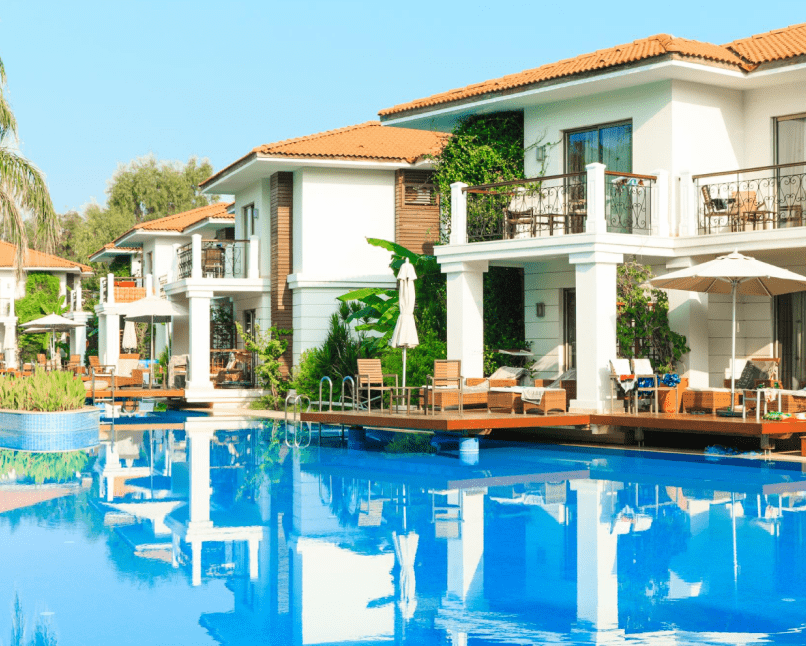
Lorem ipsum dolor, sit amet consectetur adipisicing elit. At illo adipisci iusto
From

Because more than 268 other customers have loved us too

Demonstrates commitment to user data security through encryption and secure payment practices
Learn More
Demonstrates commitment to user data security through encryption and secure payment practices
Learn More
Demonstrates commitment to user data security through encryption and secure payment practices
Learn More
Demonstrates commitment to user data security through encryption and secure payment practices
Learn More
Quality as judged by customers. Book at the ideal price!


/ person
/ person
/ person
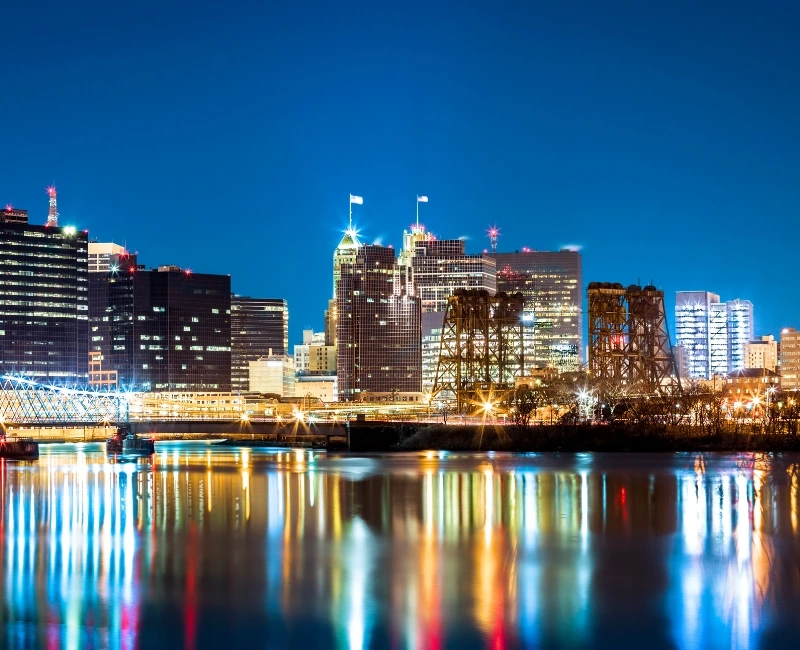
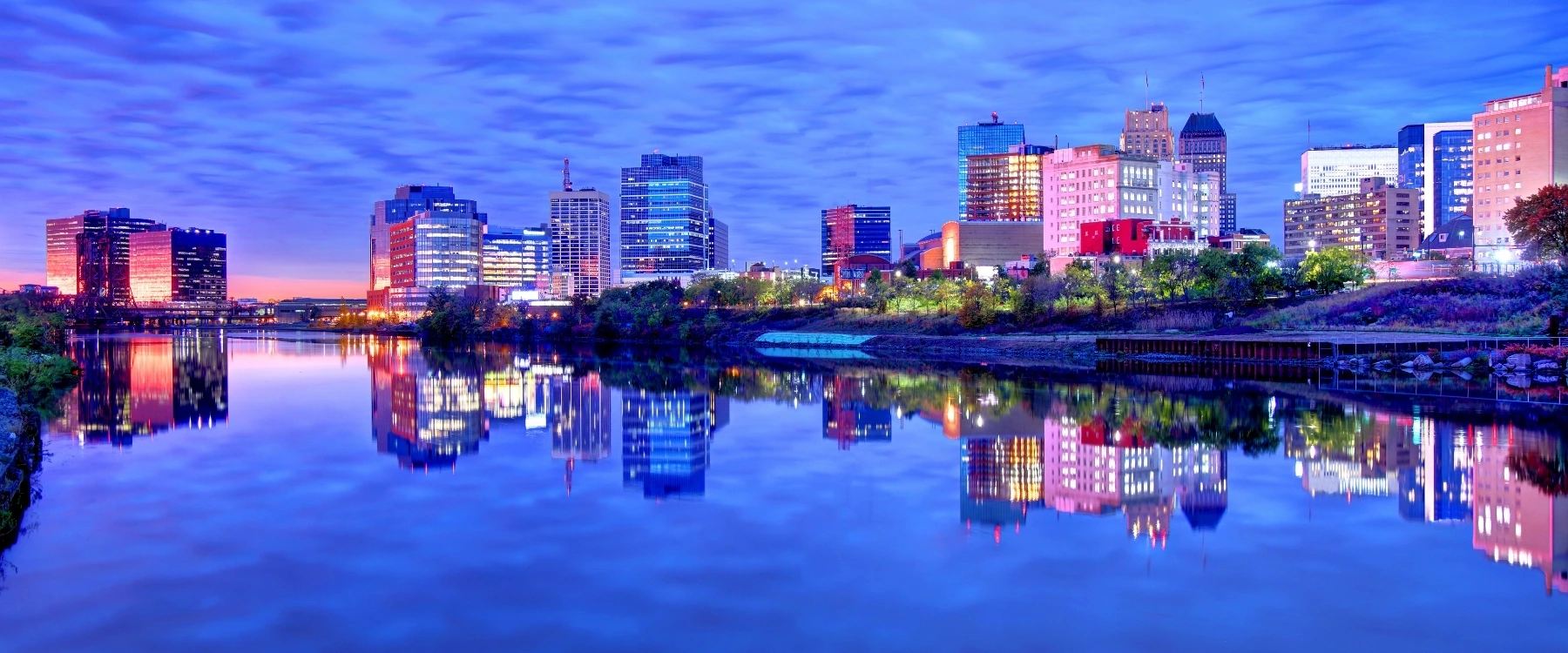
Newark, New Jersey’s largest city, has emerged from decades of revitalization to become a hub of urban energy infused with cultural depth. Begin your exploration in the heart of the city’s downtown, where the stately façade of the New Jersey Performing Arts Center (NJPAC) sets the tone for a world-class performance calendar—ballets, symphony concerts and Broadway touring shows draw audiences from across the region. A short walk brings you to the Prudential Center, a multipurpose arena where major-league sports games, superstar concerts and family spectaculars fill the schedule year-round. Surrounding both venues lie a burgeoning restaurant and nightlife scene: sophisticated rooftop lounges perch above the skyline, craft cocktail bars mix inventive libations behind exposed-brick walls, and contemporary eateries reinterpret global cuisines with locally sourced ingredients.Venture east to Newark’s famed Ironbound district, a tight-knit community shaped by waves of Portuguese, Spanish and Brazilian immigrants. Here, tree-lined streets hide hole-in-the-wall cafes and lively taverns where you can feast on churrasco-style grilled meats, comforting bacalhau dishes and pastel de nata fresh from the ovens. The rhythmic pulse of samba and fado music spills onto the sidewalks on weekend nights, giving the neighborhood the feel of a little Lisbon or São Paulo.For art and history lovers, the Newark Museum of Art provides an unexpected haven. Its encyclopedic collections range from Himalayan textiles and 19th-century Americana to contemporary installations by local artists, while an adjacent science wing—complete with planetarium—invites families to engage with interactive exhibits. Nearby, the Newark Public Library’s classical Beaux-Arts building and adjacent military museum chronicle the city’s past, and guided walking tours through historic Ironbound and Forest Hill reveal Victorian mansions, Art Deco apartment blocks and remnants of Newark’s industrial heyday.A stroll along the Passaic River waterfront delivers scenic relief, with panoramic views of the city’s skyline mirrored in the water. The pulsing energy of community events—the weekly Ironbound farmers’ market, outdoor concerts in Military Park and pop-up art fairs—showcases a grassroots vitality that contrasts with the formal grandeur of the city’s cultural landmarks.Connectivity is Newark’s hallmark: Newark Liberty International Airport places the world within reach, while the PATH train, Amtrak and New Jersey Transit stations let you access Manhattan in under 20 minutes, yet returning to Newark feels like stepping into a more authentic, unvarnished urban experience. Whether your interest lies in highbrow performances, global flavors, local history or riverside serenity, Newark Urban Delights unveils a city reinvented—New Jersey’s urban heart now beating to its own vibrant rhythm.
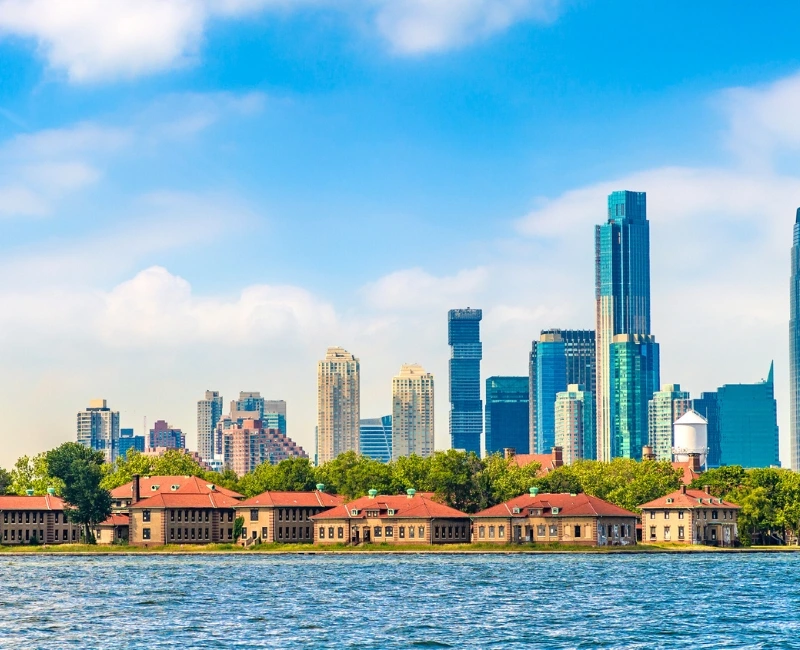
Situated directly across the Hudson River from Manhattan, Jersey City has quietly transformed itself into one of the Northeast’s most attractive waterfront destinations. Begin your visit along the scenic Harborside promenade in Liberty Harbor, where wide boardwalks give unobstructed views of the Manhattan skyline, the Statue of Liberty and the Verrazzano-Narrows Bridge. Joggers and cyclists share the smooth path at dawn, while families gather at benches to watch the sunrise paint the skyscrapers in rose-gold hues. Just inland, the sprawling lawns of Liberty State Park offer a vivid contrast to the urban backdrop—picnic groves, playgrounds and fishing piers invite long, lazy afternoons, and the park’s historic Central Railroad of New Jersey Terminal serves as the departure point for ferries bound for the Statue of Liberty and Ellis Island, tying visitors directly to America’s immigrant story.Downtown Jersey City’s architectural tapestry blends new glass-clad high-rises with the early-20th-century brick façades of neighborhoods like Hamilton Park and Van Vorst Park. In these quieter enclaves, shaded squares host artisan markets on weekends, where local bakers present sourdough loaves and craft breweries pour IPAs infused with regional hops. Galleries such as Mana Contemporary curate rotating exhibits by emerging artists, while studios open their doors for First Fridays, turning streets into impromptu art walks.Culinary exploration here runs the gamut from artisanal coffee at cafes humming with remote workers to Michelin-recommended restaurants serving Nikkei cuisine, inventive vegan fare or elevated American comfort dishes. Food halls like Hudson & Co. gather multiple vendor stalls under one roof, featuring everything from Korean barbecue tacos to gluten-free doughnuts, and the beverage scene includes riverside wine bars and cocktail lounges with mixologists who treat each drink as a work of liquid art.Public art enlivens Journal Square and Newark Avenue, where massive murals tell stories of local heroes and social movements, and occasional pop-up performances—dance troupes, outdoor DJs—animate plazas on warm nights. Annual festivals, such as the Jersey City Jazz Festival and the multicultural Liberty State Park Day, draw crowds for live music and international food stalls against the backdrop of sailboats drifting by.Getting around is seamless: the PATH train links Journal Square, Grove Street and Exchange Place to Manhattan in under 15 minutes, while ferries from Paulus Hook deliver you to the Battery maritime terminal. Boutique hotels in downtown neighborhoods and boutique-style inns near the waterfront ensure you can wake up to shimmering river views. With its blend of panoramic vistas, cultural richness and residential warmth, Jersey City Waterfront Charm offers visitors the chance to experience urban convenience framed by open-air beauty—one of New Jersey’s most compelling city escapes.
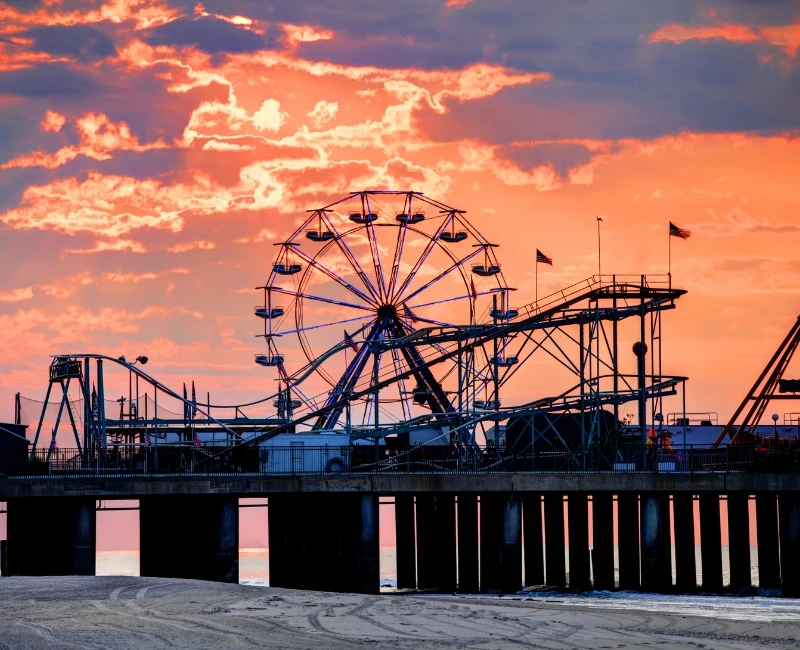
Atlantic City stands as New Jersey’s marquee seaside resort, where the storied boardwalk—first constructed in 1870—continues to define the city’s character. Stretching nearly five miles along the Atlantic shoreline, this promenade packs a century’s worth of attractions: classic amusement piers like Steel Pier, where thrill rides loom above crashing waves; retro arcades dispensing cotton candy and saltwater taffy; and bold storefronts hawking boardwalk fries, funnel cakes and fudge made fresh behind glass windows. Just steps away, expansive beaches unfurl soft, golden sands meeting rollicking surf—lifeguards patrol designated swimming areas seasonally, and beach chair rentals make long, lounging days effortless.Resilient casino resorts anchor the city’s entertainment landscape: Ocean Casino Resort, Caesars, Golden Nugget and Bally’s each combine high-stakes gaming floors with headline-show theaters attracting A-list musicians, Chris Rock–style comedians and extravagant production spectacles. Culinary offerings span the spectrum from casual eateries serving cheap eats at the Quarter at Tropicana to celebrity-chef outposts like Gordon Ramsay Pub & Grill at Caesars, where gourmet burger creations meet sea views. Over time, Atlantic City has diversified to include family-friendly experiences—miniature golf courses twinkle under string lights, indoor water parks splash with laughter and high-ropes courses test courage above the sand.In recent years, the city has invested in non-gaming venues to broaden its appeal. The Borgata hosts the Atlantic City Airshow each summer, drawing aerobatic teams that streak across the morning sky. Outdoor amphitheaters in Bader Field, once an airstrip, now welcome music festivals and food truck gatherings, while the revitalized Gardner’s Basin area features paddleboat cruises, a marine education center and artisanal seafood markets offering the day’s catch.Seasonal events punctuate the calendar: Spring’s Seafood Festival celebrates the region’s clams and oysters, Summer’s Beer & Music Fest gives rise to local microbrews and rock bands, and Fall’s Sand Sculpting Competition transforms beach squares into galleries of ephemeral art. The city caps each night with spectacular fireworks displays over the ocean, mirrored in the gentle swell.Aside from lavish resorts, lodging options include oceanfront boutique hotels with Mid-Century decor and modest motels just a block from the boardwalk—many offering private balconies overlooking the surf. Accessible by car via the Atlantic City Expressway or by rail through NJ Transit’s Atlantic City line, the city also operates shuttle services connecting casinos and parking lots, ensuring seamless transit during busy weekends.By blending nostalgic boardwalk traditions, high-end nightlife and family-oriented attractions against a backdrop of sun and surf, Atlantic City Boardwalk & Entertainment remains a perennial draw—offering something for gamblers, sun worshippers, foodies and festivalgoers alike.
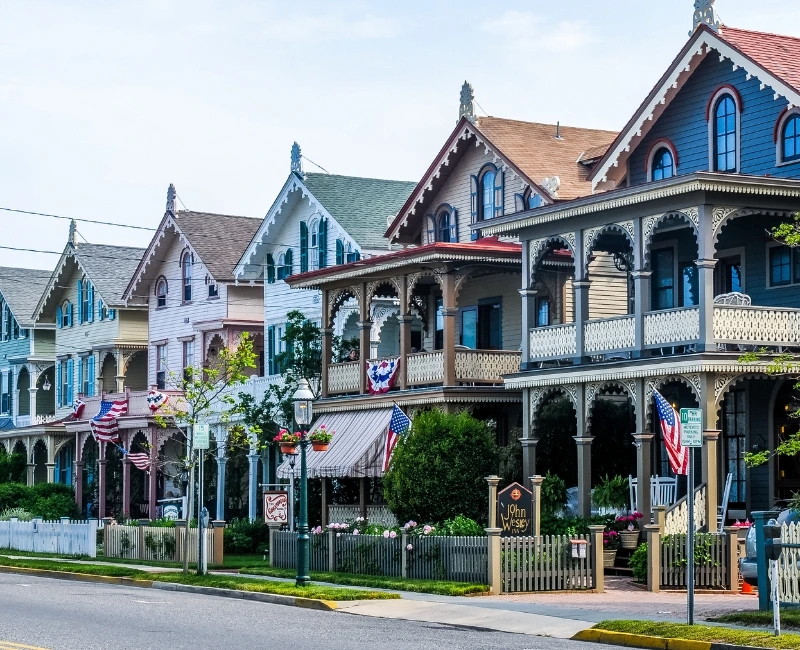
At New Jersey’s southernmost point lies Cape May, a seaside enclave renowned for possessing one of the nation’s most intact collections of Victorian architecture. Designated a National Historic Landmark City, Cape May rewards visitors who arrive prepared to wander deliberately. Pastel-painted gingerbread cottages—some decked out in elaborate fretwork—line wide avenues shaded by hackberry trees; guided walking tours narrate the stories of 19th-century ship captains and railroad barons who once summered here. Grand beachfront hotels such as the Congress Hall, originally built in 1816 and rebuilt after fires, invite you to step into elegant parlors and wide verandas overlooking the Atlantic.Cape May’s family-friendly beaches stretch for miles, with gentle surf—ideal for swim lessons—soft sands and seasonal lifeguard stands ensuring safe, supervised enjoyment. Beyond sunbathing, visitors can charter fishing boats, enroll in surfing or stand-up paddleboard lessons, or simply comb the tide line for sea glass. The adjacent Cape May Point State Park, perched on dunes at the island’s tip, provides a contrasting natural setting: climb the Cape May Lighthouse for panoramic seascapes; observe migratory songbirds and raptors along the Fall Migration Route; and hike woodland trails dotted with interpretive signage on local ecosystems.Washington Street Mall, closed to cars and lined with Victorian storefronts, serves as the town’s commercial heart. You’ll find artisan boutiques selling handcrafted jewelry, coastal-inspired home décor and local honey, alongside galleries showcasing maritime art. The Mall’s casual eateries—clam shacks, gourmet ice-cream parlors—compliment upscale bistros where seafood towers and locally brewed ales spotlight Cape May’s fishing heritage.Seasonal festivals enliven Cape May’s cultural calendar: the Mid-Atlantic Center for the Arts & Humanities organizes Victorian Weekend, where costumed reenactors parade in period garb; the Cape May Music Festival invites classical musicians to perform in historic venues; and Harbor Fest celebrates seafood with cooking demos and wine pairings. Evening options include ghost tours of haunted inns and open-air jazz concerts at the historic Physick Estate.Accommodations range from intimate bed-and-breakfasts—each uniquely decorated in period style and offering sumptuous breakfasts—to modern oceanfront inns with spa services and rooftop lounges. For a truly immersive experience, book a room in a Victorian mansion converted into a guesthouse, complete with clawfoot tubs and four-poster beds.By balancing leisurely beach days with architectural immersion, nature excursions and refined dining, Cape May Victorian Charm creates an idyllic coastal retreat—where every pastel facade and ocean breeze whispers the romance of the Victorian era against the enduring rhythms of the sea.
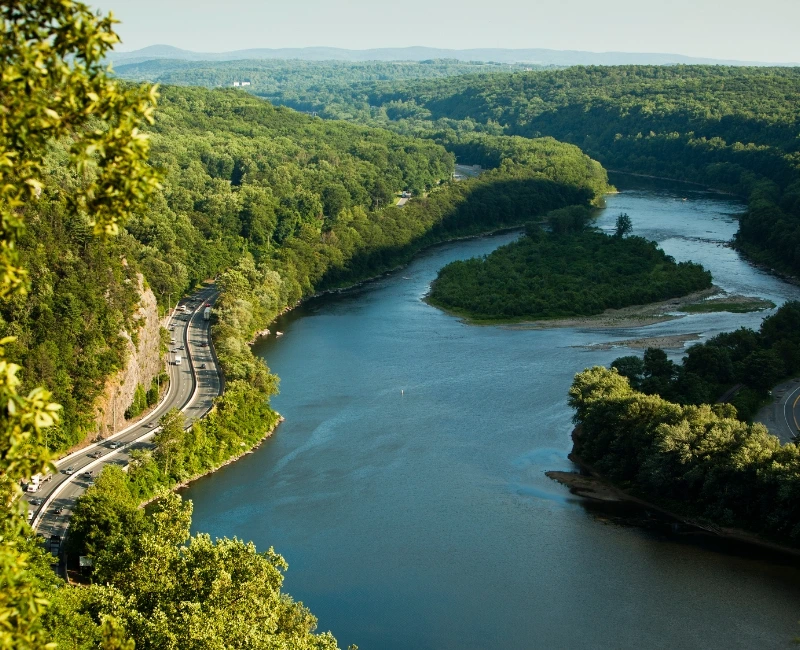
Straddling the border between New Jersey and Pennsylvania, the Delaware Water Gap National Recreation Area encompasses more than 70,000 acres of rugged river valley, hardwood forests and rocky ridges—creating a haven for outdoor enthusiasts year-round. The town of Port Jervis in New York also lies nearby, making the Gap accessible from multiple states via Interstate 80 and State Route 94.Hiking is the park’s signature pursuit. The Mount Tammany Trail on the New Jersey side provides a challenging 4-mile loop with a 1,200-foot ascent rewarded by sweeping overlooks of the swirling Delaware River. On the Pennsylvania side, the gentler Mount Minsi Trail offers a less strenuous climb to similar river vistas. For a moderate, family-friendly excursion, the Dingmans Creek Trail leads to an 80-foot waterfall and historic grist mill ruins. Beginners and casual walkers often opt for the Old Mine Road, one of the nation’s oldest continuously used highways, which parallels the river and offers interpretive signs on early colonial and Lenape history.Water-based activities draw paddlers to the Delaware River’s calm flatwater sections for canoeing, kayaking and tubing—outfitters in Milford (PA) and Columbia (NJ) provide rentals and shuttle services. Anglers chase smallmouth bass, trout and catfish in well-managed river stretches; winter stockings of trout allow year-round fishing at designated spots.Camping and Cabins: Several campgrounds—Worthington State Forest, Sunfish Pond backcountry sites and Pahaquarry Group Campsite—allow tent camping within earshot of the river. Rustic cabins at Millbrook Village provide an immersive historical experience amid preserved 19th-century structures.Seasonal Highlights:Spring wildflowers blanket floodplains and upland ridges in vibrant hues of trillium, columbine and lupine.Summer brings lush green canopies and long daylight for extended hikes and river outings.Autumn sees peak foliage from mid-September to mid-October—the Gap’s steep topography intensifies color displays, drawing photographers and leaf-seekers.Winter hushes the valley, inviting cross-country skiing, snowshoe treks and ice-climbing along frozen waterfalls (when conditions allow).Education & Interpretation: Ranger-led programs—including geology walks at Sunfish Pond and night-sky viewing events—offer deeper insights into the region’s rock formations, forest ecology and dark-sky conservation. Visitors learn about the Lenape people’s traditional uses of plants, the industrial-era role of the Gap as a transportation corridor, and ongoing preservation efforts.With its mix of adrenaline-fueling climbs, tranquil paddles and immersive nature curricula, the Delaware Water Gap offers a comprehensive adventure destination—just 90 minutes from New York City and Philadelphia—where every crest and bend reveals a new dimension of northeastern wilderness.
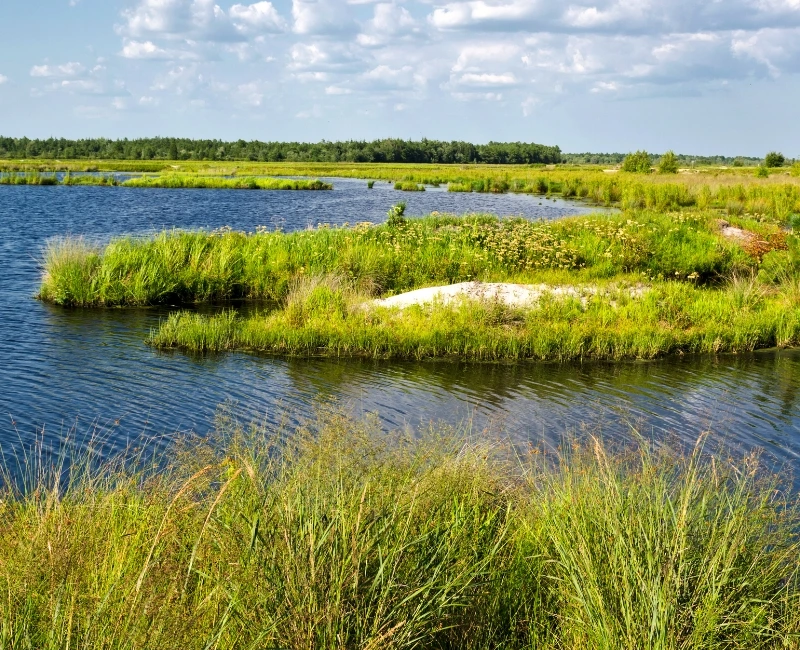
Sneaking across one-quarter of New Jersey’s landmass, the Pinelands National Reserve—commonly known as the Pine Barrens—presents a sprawling 1.1 million-acre tapestry of pitch pine forests, cedar swamps, cranberry bogs and vast wetlands. Established as the nation’s first National Reserve in 1978, this UNESCO-designated biosphere preserve offers eco-conscious travelers a rare glimpse into a region steeped in both ecological significance and folklore.Guided Eco-Tours: Local outfitters lead interpretive kayak and canoe trips through labyrinthine cedar swamps off the Mullica and Great Egg Harbor Rivers. Paddlers glide beneath arching pine boughs while guides explain the unique acidic, tea-colored waters—colored by tannins from sphagnum moss—and introduce you to wetland wildlife: songbirds such as pine warblers, herons stalking shallow pools and the occasional painted turtle sunning on submerged logs. Off-water, eco-tours on foot immerse visitors in upland pine forests where you can identify carnivorous pitcher plants in seasonal bogs, track signs of white-tailed deer and learn how early European settlers tapped pine trees for resin.Cultural Heritage & Folklore: The Pine Barrens resonate with tales of the Jersey Devil, a winged creature purported to haunt The Pines since the 18th century. Guided “creepy” night tours combine local lore with starlit forest treks, exploring abandoned ghost towns like Batsto Village—an 18th-century ironworks complex now restored as an open-air museum. Interpretive staff at Batsto demonstrate 19th-century smithing, glassworks and cranberry processing, providing hands-on workshops in traditional crafts.Seasonal Treasures:Spring: Wild blueberries and Pinus rigida blossoms mingle with flickers of pink bog rosemary.Summer: Cranberry bogs fill with fuchsia flowers, and guided harvest tastings reveal how this fruit shaped New Jersey’s agricultural economy.Autumn: The yellow needles of pitch pines contrast with deep cranberry bogs, creating a unique fall palette.Winter: Snow-laden pines and quiet, frozen bogs offer solitary beauty, with fewer crowds and crisp air perfect for photography.Sustainable Lodging & Volunteering: Eco-friendly cabins and wilderness lodges—run by conservation organizations—offer rustic accommodations powered by solar panels and built with sustainable materials. Many hosts partner with the Pinelands Preservation Alliance or other nonprofits, inviting guests to volunteer in tree-planting, invasive-species removal or water-quality monitoring programs.Conservation Education: The Pine Barrens Institute and local environmental centers organize school-group programs and public lectures on Pine Barrens ecology, guiding guests to recognize the importance of this globally rare ecosystem. They emphasize proper stewardship—staying on marked trails, carrying out waste, and respecting wildlife habitats—ensuring that the region remains pristine for future generations.Whether you arrive seeking solitude among whispering pines, a hands-on dive into colonial crafts or the thrill of canoeing under a cathedral of cedars, Pine Barrens & Eco-Tours illuminate a lesser-known realm—an ecological sanctuary carved from sand and water, offering a living classroom for naturalists and adventure seekers alike..
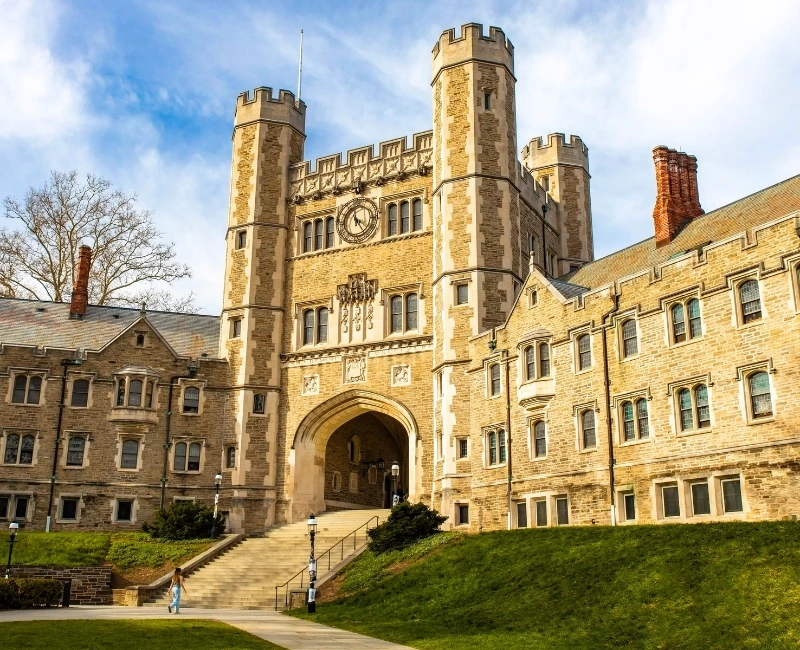
Nestled between the buzzing metropolises of Philadelphia and New York lies Princeton, a town whose name evokes centuries of academic prestige and historic resonance. At its core sits the Princeton University campus, founded in 1746. Stroll through Harvard- and Collegiate Gothic–style buildings, their limestone façades and spired towers accented by verdant lawns and shade trees. Don’t miss the University Chapel, an architectural marvel with towering stained-glass windows, or Nassau Hall, where the U.S. Congress once convened in 1783. Guided campus tours—led by student ambassadors—offer insider glimpses into storied traditions, Nobel Prize–winning alumni and hidden corners such as the Prospect House rose garden.Across Nassau Street, the town’s compact center beckons with Palmer Square, a pedestrian-friendly enclave of boutique shops, bookstores like Labyrinth and cozy cafés perfect for sampling local roasts or reading campus lit mags. Seasonal farmers’ markets on the square feature heirloom tomatoes, cheese curds from nearby dairy farms and artisanal bread—ideal picnic fare for days spent pondering by the Delaware & Raritan Canal State Park towpath, where towboats once carried coal and farm produce.Cultural institutions pepper the town: the Princeton University Art Museum boasts a diverse collection spanning ancient Greek pottery, Chinese scrolls and modern American painting; admission is free, making it an accessible treat. The McCarter Theatre Center, just steps away, presents Tony-winning plays and innovative dance troupes. For music, the Princeton Festival in summer stages operas and orchestral concerts across campus venues.History buffs delight in off-campus sites: Morven Museum & Garden, the former New Jersey governor’s mansion, showcases colonial portraits and decorative arts in restored Federal-style rooms, while the Princeton Battlefield State Park and adjacent Thomas Clarke House tell the story of Washington’s decisive 1777 victory over British forces. Interpretive plaques and ranger programs enrich the narrative.Dining in Princeton ranges from farm-to-table upmarket establishments—serving local produce with modern spins—to student-friendly diners offering late-night comfort dishes. For an immersive local experience, try a lecture-and-dinner package during Princeton University’s Arts & Transit symposium, where faculty present cutting-edge research alongside wine-paired small plates.Accommodations blend historic charm and modern comfort, from the elegant Inn at Montchanin Village just outside town to boutique hotels within walking distance of campus and train station. Newark Liberty and Philadelphia International airports lie under an hour away by car or train, making Princeton highly accessible for conference attendees, families and solo travelers alike.Whether your interest lies in academic lore, Revolutionary War reminiscence, art, or simply basking in a quintessential college-town atmosphere, Princeton History & Academia presents a multilayered portrait of a community where scholarship, history and small-town hospitality seamlessly intertwine.

New Jersey’s gastronomic landscape extends far beyond classic roadside diners to embrace a sophisticated network of culinary trails, family-run wineries and farm-to-table innovators that celebrate the state’s moniker—the Garden State. The South Jersey Wine Trail winds through the Outer Coastal Plain AVA, where sandy soils and a temperate maritime climate yield award-winning Chardonnays, Cabernet Francs and crisp Vidal Blancs. Tasting rooms at Balic Winery in Landisville and Sharrott Winery in Hammonton invite you to sample flights accompanied by artisanal cheeses, charcuterie boards and ocean-salt caramels crafted by local chocolatiers. Many vineyards offer vineyard tours in 4×4 vehicles, explaining sustainable soil-management practices and grape varietal selections, while evening bonfire tastings—complete with live acoustic music—extend visits into the golden hours.Craft breweries have flourished from the Hudson River’s edge to the Delaware Water Gap. Cape May Brewing Company and Carton Brewing blend traditional Belgian and German brewing methods with New Jersey’s hop varieties, producing IPAs with citrus undertones and rich stouts brewed with locally sourced coffee. Taprooms host trivia nights, collaboration brew releases and brewery tours that peel back the curtain on fermentation science.Farmers’ markets, such as Trenton Farmers Market and Maplewood Farmers Market, showcase seasonal produce—heritage tomatoes, Jersey sweet corn, heirloom beans—alongside ready-to-eat offerings: Russian pierogi, Jamaican patties and Korean kimchi, reflecting the state’s cultural mosaic. Pop-up dining series like Boardwalk Bites in Atlantic City curate chef-run food carts, bringing elevated street food—bao buns, gourmet tacos and artisanal ice creams—to beachfront crowds.In North Jersey, the Garden State Craft Guild organizes farm-to-fork dinners on working farms, where chefs prepare multicourse meals using fields and orchards as open-air kitchens. Educational workshops on cheesemaking, beekeeping and artisanal bread baking invite hands-on participation.Seafood lovers can follow the Jersey Shore Seafood Trail, sampling clam bakes on Schaefer’s dock in Pt. Pleasant, crab cakes in Cape May, and sushi-grade bluefish from Monmouth County’s charter boats. Seasonal clam-shucking demonstrations on beach piers and oyster farm visits in Atlantic County deepen understanding of sustainable aquaculture.Culinary festivals—including SummerFest in Hoboken, the Atlantic City Beer & Music Festival and Harvest Fest in Sussex County—anchor the state’s food calendar, drawing regional chefs, sommeliers and craft brewers for tasting seminars, live cooking demos and local produce showcases.Thus, New Jersey’s Culinary Trails & Wineries guide reveals a state where farmland and coastline converge to produce flavors both time-honored and avant-garde—an epicurean odyssey across vineyards, breweries, markets and seaside shacks that proves the Garden State’s bounty can satisfy every palate.
No ads. No trails. No commitments


Alice Roses
London, England
51 ST MATTHIAS ROAD
NOTTINGHAM, NOTTINGHAMSHIRE
NG3 2HF
Hours: 8:00 - 17:00, Mon - Sat
support@johnsonholidays.com