 Kanchanaburi Travel
Guide
Kanchanaburi Travel
Guide
Paris is known around the world as the “capital of love,” and even if you don't understand the history of Paris at all

12 Hours
£1.82
Kanchanaburi’s most compelling draw is its poignant World War II heritage—home to the Bridge on the River Kwai, the Thailand-Burma Railway Centre, JEATH War Museum, and solemn war cemeteries commemorating Allied POWs and Asian laborers. Exploring these sites provides deep insights into wartime history and human resilience, making it a meaningful journey for history enthusiasts and reflective travelers alike. The museums feature artifacts, personal accounts, and interactive exhibits that honor those who suffered and perished, inviting respectful remembrance and understanding of a significant chapter in global history.
Learn More
Framed by mountains and rivers, Kanchanaburi offers lush natural settings such as Erawan National Park’s multi-tiered waterfalls, Sai Yok Noi Waterfall, and nearby caves and jungle trails. These scenic spots allow travelers to immerse in verdant wilderness, cool off in freshwater pools, and enjoy photography or picnicking amid dramatic landscapes. The region’s forests harbor diverse flora and fauna, and guided treks lead to hidden viewpoints overlooking river valleys, ideal for nature lovers and outdoor enthusiasts seeking both tranquility and adventure.
Learn More
For adrenaline seekers, Kanchanaburi delivers river rafting on the Khwae River, kayaking, bamboo rafting, jungle trekking, and zip-lining through canopy tours. Many operators offer half-day or multi-day excursions, catering to both beginners and experienced adventurers. Activities such as elephant encounters at ethical sanctuaries (ensuring no riding, focusing on welfare), canoe tours, and cycling routes through rural villages provide immersive experiences. With weather optimal in the dry season (November–March), conditions favor safe and enjoyable outdoor pursuits.
Learn More
Beyond nature and history, Kanchanaburi’s local markets, riverside eateries, and temples offer cultural immersion. Sample regional Thai dishes—spicy curries, river-caught fish, and tropical fruits—while enjoying views of flowing waters. Participate in Buddhist temple visits, meditation sessions, or local festivals like Loy Krathong (floating lanterns) and Songkran (Thai New Year water celebrations) to connect with Thai traditions. Friendly local communities welcome visitors, and homestay options or boutique guesthouses often include home-cooked meals and insights into daily life in western Thailand.
Learn More
Kanchanaburi is more budget-friendly compared to Bangkok or beach resorts, with lower costs for accommodation, meals, and activities—yet offering high-quality experiences. Local transport (trains, buses) from Bangkok is straightforward, taking around 2–3 hours over ~116 km by road or rail. Day trips from Bangkok are feasible, but staying overnight enhances immersion. Currency is Thai Baht (THB), and exchange rates mean good value for British travellers, with typical meal prices and local services costing a fraction of Western rates.
Learn More
Whether traveling solo, as a couple, family, or group, Kanchanaburi caters to varied interests: history buffs, adventure travelers, nature lovers, and cultural explorers. It can be integrated into longer Thailand itineraries (Bangkok → Kanchanaburi → northern or southern Thailand) or enjoyed as a standalone retreat. With comfortable lodgings ranging from riverside resorts to eco-lodges, flexible activity options, and tranquil natural settings, it provides a balanced getaway combining reflection, excitement, and relaxation.
Learn More
Lorem ipsum dolor, sit amet consectetur adipisicing elit. At illo adipisci iusto
From

Because more than 268 other customers have loved us too

Demonstrates commitment to user data security through encryption and secure payment practices
Learn More
Demonstrates commitment to user data security through encryption and secure payment practices
Learn More
Demonstrates commitment to user data security through encryption and secure payment practices
Learn More
Demonstrates commitment to user data security through encryption and secure payment practices
Learn More
Quality as judged by customers. Book at the ideal price!


/ person
/ person
/ person
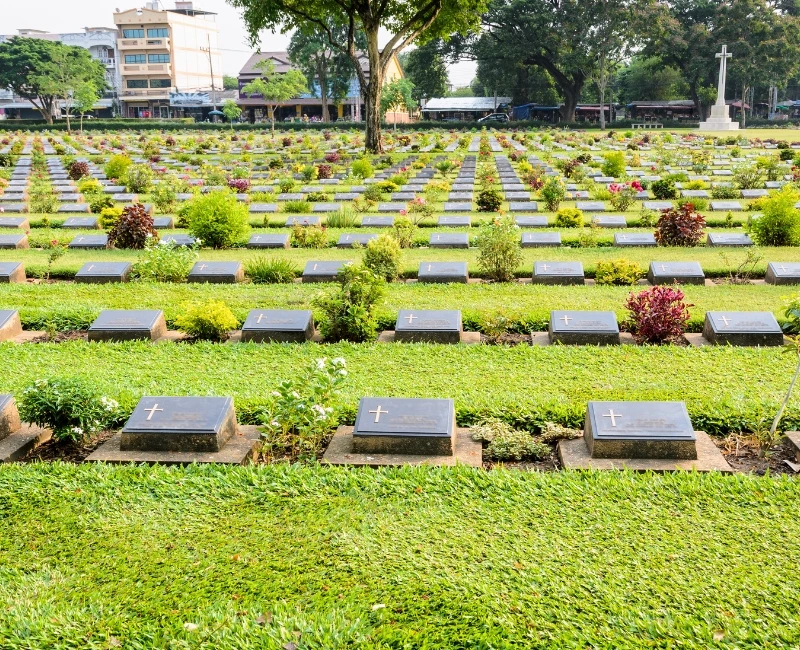
Kanchanaburi’s WWII legacy forms the cornerstone of its historical attractions. The construction of the Death Railway by Allied prisoners of war and Asian laborers under Japanese control is commemorated through several key sites. Begin at the iconic Bridge on the River Kwai: though the film dramatization differs from historic reality, the bridge remains a potent symbol. Visitors can walk across it, view the railway line, and absorb riverside vistas. Adjacent, the Thailand-Burma Railway Centre offers comprehensive exhibits: maps, photographs, and testimonies detailing the railway’s construction, conditions endured by laborers, and strategic significance in the broader war context.Nearby, the JEATH War Museum (Japanese-English-American-Australian-Thai-Holland) presents artifacts and dioramas illustrating POW life. While some exhibits are reconstructed, they underscore the hardships faced during construction: malnutrition, disease, and forced labor. The Kanchanaburi War Cemetery (Don Rak) and Chungkai War Cemetery are maintained by the Commonwealth War Graves Commission, where white headstones amidst well-tended grounds honor soldiers and laborers who perished—providing a solemn atmosphere for reflection.Guided tours often include Tamarkan POW camp site and memorials in outlying areas, offering deeper insight into daily life under harsh conditions. Museums combine personal narratives—including letters and diaries—with contextual historical analysis, helping visitors appreciate the human cost of conflict. Photography at these sites should be approached respectfully. Visiting during the dry season (November–March) ensures comfortable weather for walking between dispersed memorials and moving along the railway paths. Many travelers plan an entire day to absorb these experiences slowly, combining museum visits with riverside dining at cafés offering views of the Kwai River.Evening activities sometimes include cultural performances or presentations about local history, so check schedules at visitor centers. Visiting local villages along the railway route can also reveal stories passed down by families; some community-based tours share firsthand accounts and traditional crafts linked to wartime memory. By engaging with these heritage sites, travelers contribute to remembrance and support maintenance efforts for these historically significant landmarks.
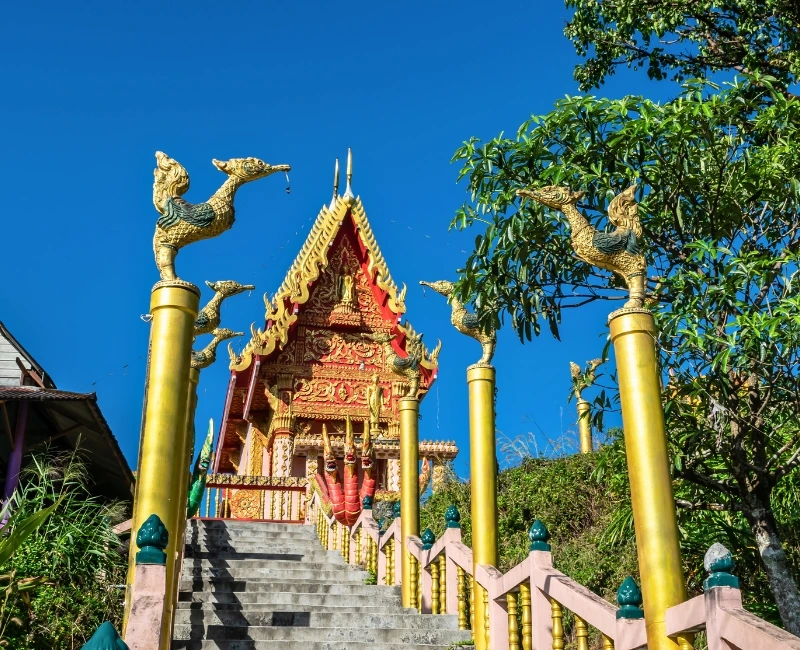
Beyond wartime heritage, Kanchanaburi harbors cultural richness conveyed through its temples, festivals, and local customs. A prominent site is Wat Tham Phu Wa: located a short drive from town, this temple complex integrates limestone caves with Buddha statues in grottoes, offering a serene retreat. The cave environment, with natural light filtering through openings, creates a contemplative atmosphere; visitors may join meditation sessions or simply appreciate the fusion of geology and spirituality.In town, Wat Thammikaram (Wat Thong Pha Phum) showcases classic Thai temple architecture with vibrant murals, gilded statues, and ornate rooflines. Attend morning alms-giving rituals or witness monk chanting ceremonies when available; these experiences provide insight into Theravada Buddhist practices integral to Thai life. Nearby, local craft villages preserve traditional arts: pottery, weaving, or woodcarving workshops sometimes welcome visitors to participate and bring home handmade souvenirs that support community artisans.Seasonal festivals punctuate the calendar: Loy Krathong (usually November) sees locals floating decorated baskets on rivers, symbolizing letting go of misfortune and honoring waterways—a moving sight at dusk. Songkran (mid-April Thai New Year) involves water blessings and playful water fights; participating respectfully fosters connection with local joyful traditions. Other local events include riverboat races or agricultural festivals in surrounding villages, celebrating harvest cycles and community solidarity. Checking local tourism boards or guesthouse hosts can unveil lesser-known celebrations offering authentic immersion.Cuisine forms another facet of culture: riverside markets and eateries serve regional specialties like pla pao (salt-crusted grilled fish), spicy som tam (papaya salad), and freshwater river fish dishes. Street-side stalls often offer noodle soups with flavors distinct to western Thailand. Cooking classes may be arranged through local operators, teaching preparation of curries, stir-fries, and desserts using fresh produce and aromatic herbs—skills travelers can bring home. Evening walking street markets present opportunities to mingle with locals, sample snacks, and browse handicrafts.Accommodations sometimes include homestays in rural settings, providing deeper engagement with daily Thai life: helping with simple chores, tasting home-cooked meals, and learning local etiquette. Language exchange with hosts (Thai-English) enriches cross-cultural understanding. Throughout, maintain respectful dress codes at temples (covered shoulders, knees) and observe local customs, such as removing shoes before entering sacred spaces. By exploring Kanchanaburi’s cultural tapestry, travelers gain appreciation for contemporary Thai life intertwined with historical legacies and natural surroundings.
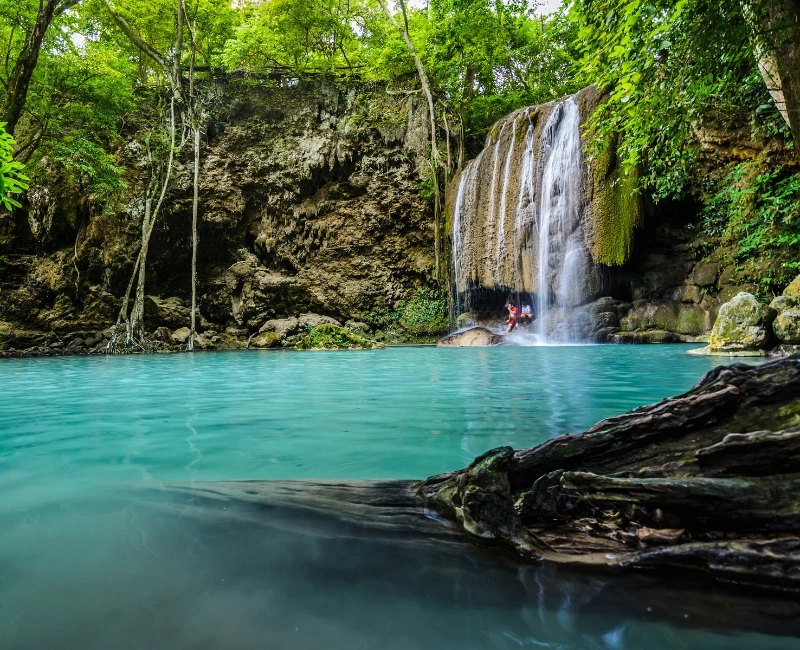
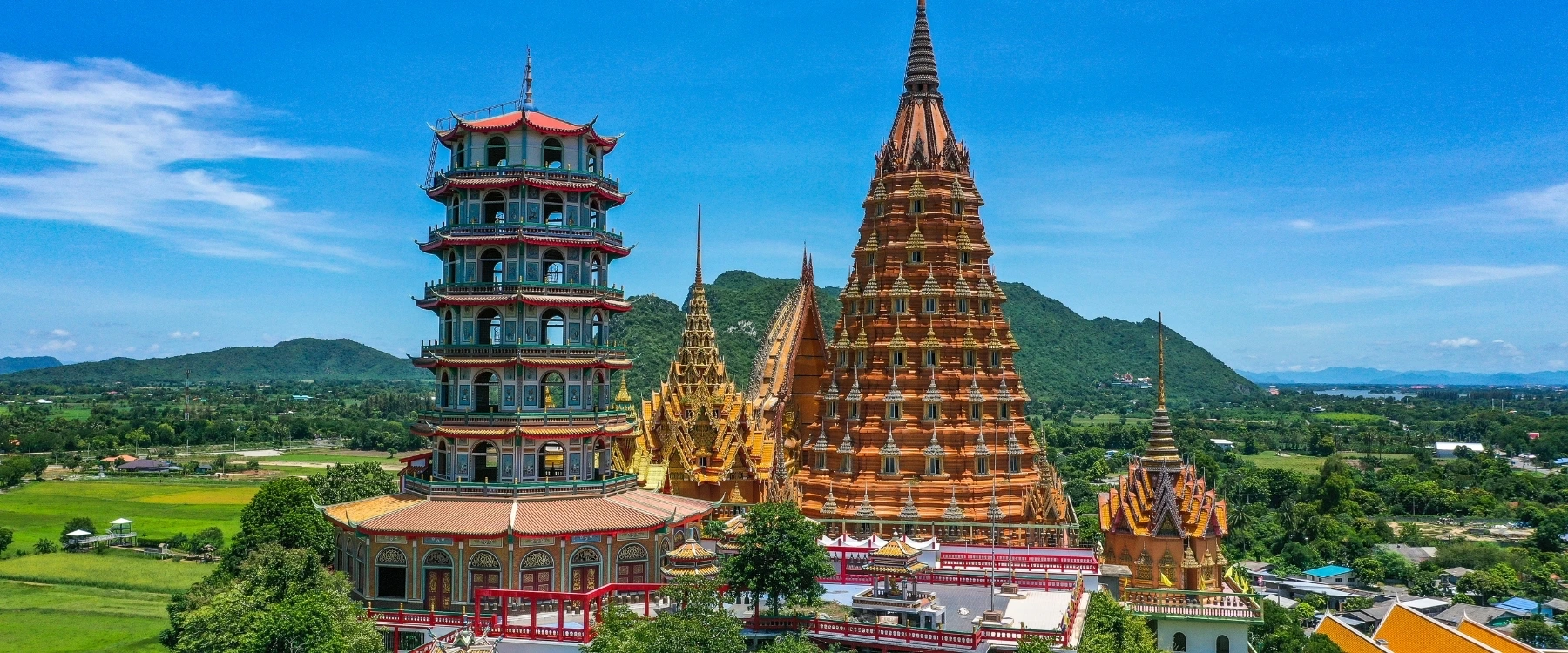
Erawan National Park, located northeast of Kanchanaburi town, is celebrated for its seven-tiered Erawan Waterfall, whose emerald pools and limestone formations invite exploration and relaxation. The trail to each tier is well-marked: visitors pay a modest entrance fee, then follow footpaths ascending through forested terrain. Along the way, signage highlights flora and fauna; occasional limestone caves provide detours for adventurous trekkers. Each waterfall tier offers unique characteristics: lower tiers are gentler, suitable for families to swim in clear pools, while upper tiers present more secluded spots with cooler waters and fewer crowds.Plan early arrival (park opens around dawn) in peak season (dry months November–March) to avoid midday heat and larger groups. Bring water, sturdy footwear, and swimwear under clothing for spontaneous dips. Wildlife sightings include birds, butterflies, and small mammals; guided nature walks can enhance knowledge of endemic species and conservation efforts. Rangers may offer brief talks on park ecology—an opportunity to learn about reforestation and river protection initiatives in the region.Beyond Erawan, Sai Yok National Park features Sai Yok Noi Waterfall and jungle trails leading to viewpoints and historic WWII-era sites along the old railway line. Boat tours on the River Kwai within park boundaries allow visitors to float past dense forest banks, spotting wildlife and enjoying tranquility. Some tours include stops at caves or local villages reachable only by river. Rainy season (June–October) brings lush greenery and stronger waterfall flows, though trails can be slippery—exercise caution. Park facilities include simple eateries and rest areas, but packing snacks is advisable.For birdwatchers and wildlife enthusiasts, guided morning tours can unveil bird species like hornbills and kingfishers along riversides. Night safaris or nocturnal walks (where available and permitted) reveal different fauna. Conservation-focused programs occasionally allow volunteers to assist in habitat restoration, tree planting, or wildlife monitoring—suitable for travelers seeking meaningful participation.Overall, Kanchanaburi’s natural attractions balance accessibility and wilderness: well-established parks with infrastructure for day visits coexist with opportunities for off-the-beaten-path trekking. Whether cooling off beneath cascading falls or drifting on bamboo rafts along serene rivers, travelers engage deeply with Thailand’s western jungle landscapes.
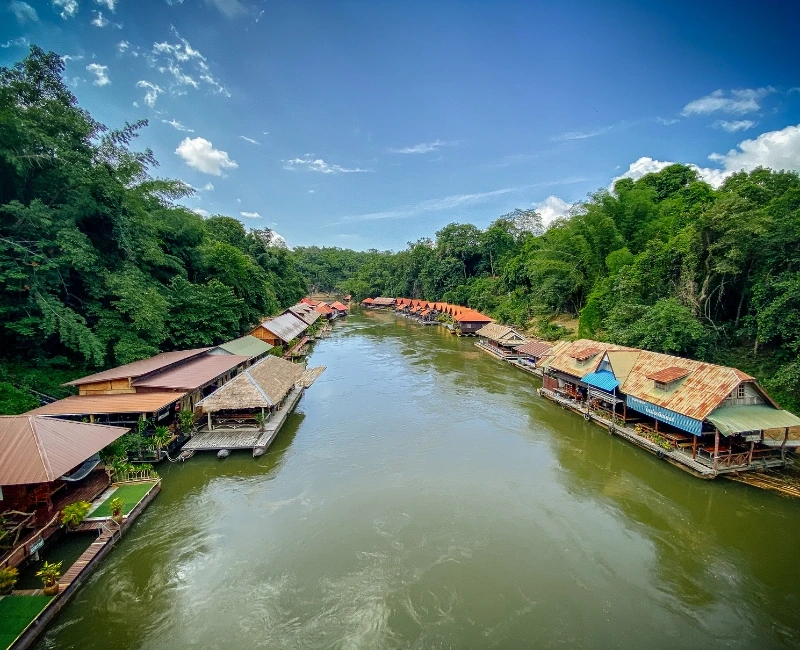
The Khwae Yai and Khwae Noi rivers carve through Kanchanaburi’s landscapes, offering distinctive aquatic experiences: leisurely river cruises, bamboo rafting, and kayaking. Day cruises typically depart from piers near the Bridge on the River Kwai, combining scenic views of riverbanks, small villages, and forested hills. Some cruises include lunch on board featuring local dishes, accompanied by riverside commentary about historical events and ecological aspects.Bamboo rafting provides a more intimate connection with the river: guides navigate simple bamboo platforms downstream, often passing under overhanging trees and glimpsing riverbank life. Sessions may end with stops at riverbank eateries or natural pools for swimming. For those seeking gentle adventure, kayaking on calmer stretches allows control over pace and direction; equipment rental and basic instruction are available at local outfitters. Early morning or late afternoon sessions avoid midday heat. Dry season ensures manageable water levels; rainy season can raise water flow, requiring experienced guides and safety precautions.Sunset cruises on the River Kwai offer romantic ambiance: golden light reflecting off water, silhouettes of riverside foliage. Some operators combine cruise with cultural performances on floating stages or riverside stages at dinner venues. These often feature traditional music, dance, and storytelling about the region’s heritage, enriching evening experiences. Booking in advance during peak season (November–March) is recommended.For multi-day trips, houseboat stays on river sections upstream offer unique accommodation: simple rooms on a boat moored in tranquil river stretches, with meals prepared onboard or at riverside huts. These immersive stays let travelers wake to mist rising from the river and sounds of wildlife. Ensure that operators adhere to environmental guidelines to minimize impact on river ecosystems.Ecotourism initiatives sometimes include river clean-up activities or educational talks about river ecology, highlighting efforts to preserve water quality and protect aquatic species. Participating supports local sustainability projects. Regardless of chosen activity, always use biodegradable sunscreen and avoid littering to maintain river health. Proper safety gear (life jackets) and guides for unfamiliar river sections are essential.Through river-based activities, visitors appreciate Kanchanaburi’s landscapes from a fresh perspective: the gentle flow of the Khwae River serves as both a historical conduit and a serene natural corridor, offering relaxation and adventure intertwined with cultural narratives.
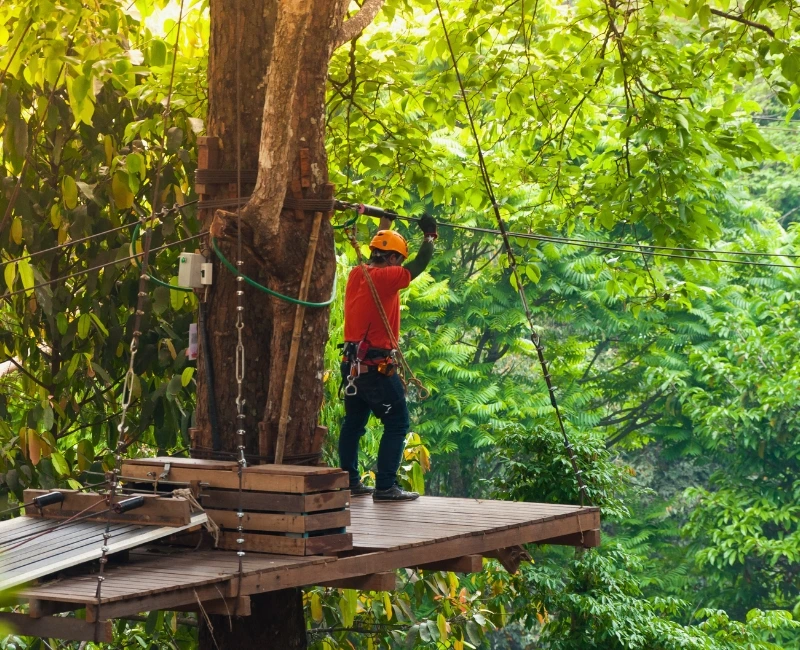
Kanchanaburi’s hinterlands host jungle trails ranging from short nature walks to multi-day treks, suitable for varied fitness levels. Popular routes lead through evergreen and deciduous forests, past waterfalls, and up to viewpoints overlooking river valleys. Local guides enhance experiences by identifying flora (orchids, medicinal plants) and fauna (birds, insects, occasional larger mammals). Trekking during dry season (November–March) ensures safer, less slippery paths; rainy season (June–October) yields lush vegetation but requires caution due to muddy trails and sudden downpours.Day treks can include visits to hill-tribe villages or small communities, offering cultural exchange opportunities: sample local foods, learn about traditional crafts, and understand rural lifestyles. Respectful engagement supports community livelihoods. For extended treks, some operators provide camping gear, meals prepared over campfires, and instruction on basic survival skills. Ensure the operator emphasizes low-impact camping and follows Leave No Trace principles to protect delicate ecosystems.Wildlife encounters vary by season and location: birdwatchers may spot hornbills, kingfishers, and various songbirds along river corridors. Guided nocturnal walks can reveal nocturnal creatures such as civets or small mammals, though sightings are not guaranteed. Visiting ethical elephant sanctuaries (where elephants are rescued and welfare prioritized) allows observation and participation in feeding or bathing routines without riding. Confirm the facility’s policy aligns with humane practices.For thrill-seekers, zip-line and canopy tours offer aerial views of jungle canopy and river valleys. Safety standards vary—choose operators with certified equipment and trained guides. Some adventure parks combine zip-lines with rope bridges and climbing elements, suitable for families or solo travelers seeking controlled adrenaline experiences. Booking in advance for popular dry-season months ensures availability.Pack essential items: lightweight long-sleeve shirts, trousers, insect repellent, sun protection, sturdy hiking shoes, rain gear (if trekking near rainy season), and sufficient water. Inform guides of any health concerns. Travel insurance covering adventure activities is advisable. Guides often share knowledge of local medicinal plants and traditional healing practices, enriching understanding of the region’s natural heritage. By combining physical challenge with cultural insight, jungle trekking in Kanchanaburi becomes both exhilarating and educational.
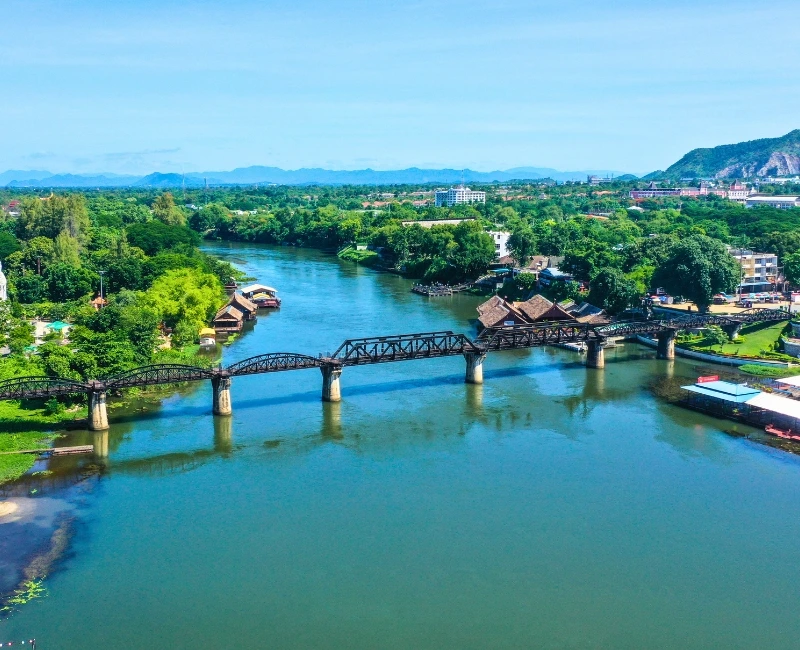
Cycling in Kanchanaburi offers immersive exploration of rural landscapes, rice paddies, and village life away from main tourist trails. Day trips typically start from town or nearby villages, following designated cycling paths or quiet country roads. Routes may pass through sugarcane fields, along canals, and to local markets where cyclists can pause for refreshments and observe daily routines. Many operators rent bicycles (mountain or hybrid) and provide helmets, maps, and support vehicles if needed .Popular cycling tours include loop routes taking in scenic viewpoints over river valleys or temple visits tucked into countryside settings. Early morning departures avoid midday heat; dry season offers more predictable conditions, while rainy-season routes may be muddier but feature vibrant green scenery. Guides often coordinate with local communities, arranging homestay opportunities where cyclists stay overnight, share meals, and engage in cultural exchanges. These homestays support rural incomes and provide authentic immersion in Thai village life.Some cycling experiences combine visits to historical sites: small cemeteries or remnants of railway construction in outlying areas, illuminating wartime history in less frequented spots. Guides narrate stories passed down by villagers whose ancestors lived through those times. Respectful conduct and seeking permission before photographing locals is essential.For fitness-oriented travelers, multi-day cycling adventures connect Kanchanaburi to other western Thailand destinations, though planning should account for accommodation availability and support logistics. E-bike options are becoming more available, aiding those less accustomed to long distances or hillier terrain. Always check battery charging options in advance if using e-bikes.Safety considerations: wear reflective gear if cycling near roads, carry basic repair kits, first aid supplies, and sufficient water/energy snacks. Weather can shift quickly; carry light rain jackets. Tour operators often include vehicle support for emergencies. Ecotourism-focused tours emphasize minimal impact: avoiding sensitive habitats, not disturbing wildlife, and using local services.Cycling through Kanchanaburi’s countryside reveals everyday Thai life: buffalo grazing, local farmers tending fields, children commuting to school, and small temples anchoring communities. This paced exploration contrasts with busier tourist circuits, granting deeper appreciation of region’s rhythms and landscapes..
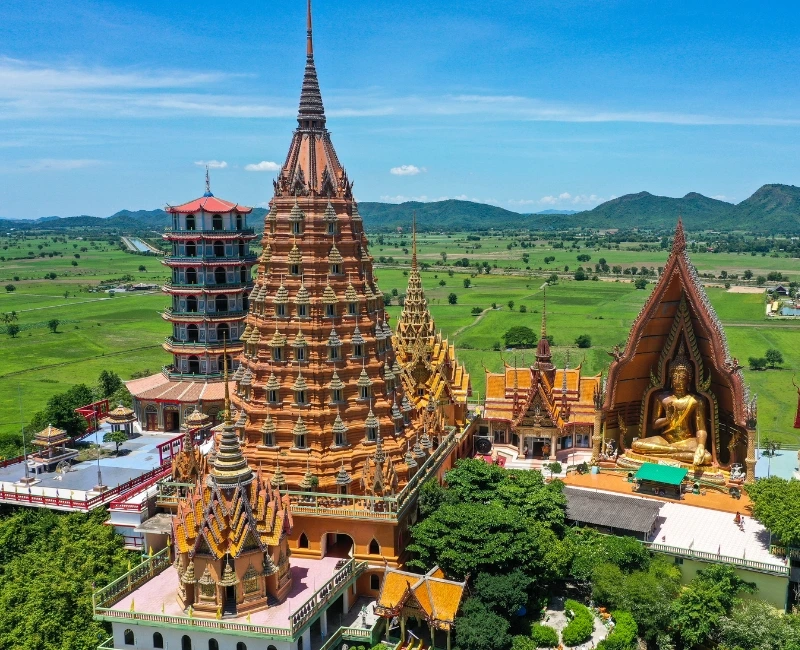
Kanchanaburi offers diverse accommodation options: riverside resorts, boutique hotels, eco-lodges, guesthouses, and community homestays. Riverside lodging often includes balconies overlooking the Khwae River, offering tranquil waking views of mist rising over water and birdsong. Many venues provide spa and wellness services: Thai massage, yoga classes, meditation sessions, capitalizing on the serene environment. Wellness retreats may offer multi-day programs combining mindfulness practices, healthy Thai cuisine cooking workshops, and light trekking in nearby forests.Eco-lodges emphasize sustainable practices: solar-powered facilities, locally sourced materials, organic gardens supplying restaurants, and waste reduction initiatives. Staying in such accommodations aligns with responsible travel values, supporting conservation and local communities. Community-based lodgings allow deeper cultural immersion: hosts share family histories, regional cooking traditions, and may include simple wellness activities such as herbal sauna or meditation guided by local monks or wellness practitioners.For longer stays, many accommodations offer discounts and packages including excursions (waterfall visits, cycling tours, cooking classes). Booking during shoulder seasons (e.g., late February, early March) can yield better rates while still enjoying favorable weather. However, high season (November–February) sees peak occupancy and higher prices, so early booking is advisable. Check cancellation policies and confirm amenities, especially for remote lodges where internet or electricity may be limited—plan accordingly if remote work or connectivity is needed.Safety and health considerations: access to medical facilities in town is adequate for minor issues; travel insurance covering adventure activities is recommended. For wellness travelers, note air quality can vary during burning season (dry season lands clearing), so check local advisories if sensitive. Bring necessary medications, insect repellent, sunscreen, and reusable water bottles (many lodges provide refill stations). Respect local customs: quiet hours, dress codes for communal wellness spaces (e.g., modest clothing for meditation).Well-being in Kanchanaburi extends beyond spa treatments: the region’s natural settings—riverside walks, jungle treks, birdwatching—promote mental relaxation. Participating in community-based projects (tree planting, river clean-ups) can provide a sense of purpose and connection. Overall, combining comfortable stays, wellness therapies, and nature immersion fosters restorative travel experiences.
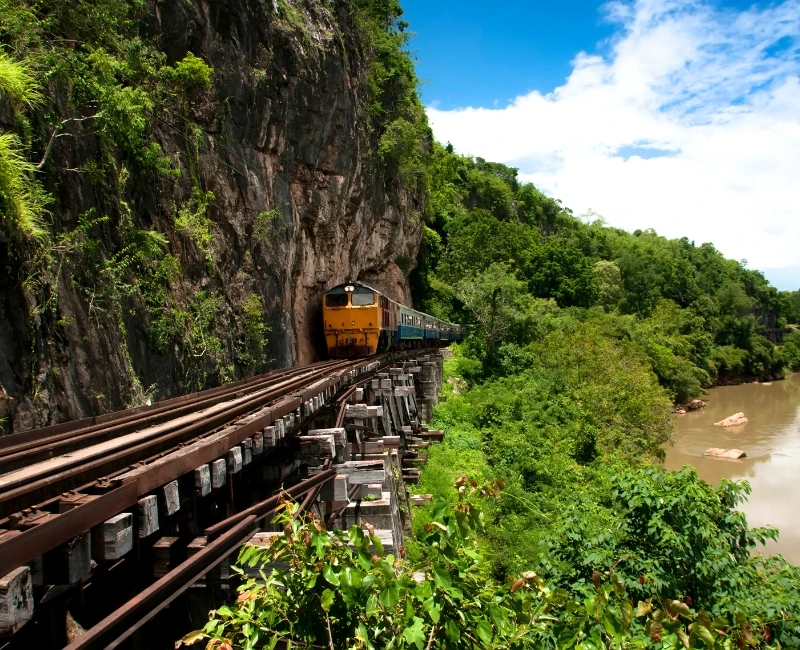
Navigating Kanchanaburi starts with planning arrival and local transport. From Bangkok, regular buses and trains depart from Bangkok’s Southern Bus Terminal or Thonburi Train Station, taking approximately 2.5–3 hours over ~116 km by road or rail. Private transfers or minivans provide door-to-door service. Within Kanchanaburi town, songthaews (shared pickups), tuk-tuks, and motorbike taxis cover short distances; renting a motorbike or bicycle offers greater flexibility for nearby explorations but requires caution: observe local traffic rules, wear helmets, and ensure valid license coverage under travel insurance. Car rentals are available but driving on rural roads demands attentiveness due to variable road conditions.For day trips to national parks or waterfalls, many lodges and tour operators arrange guided transfers, often including park fees and lunch. Booking combo packages (e.g., Erawan Waterfall plus nearby cave visits) can streamline logistics. In wet season, some roads may be slippery; confirm accessibility with hosts or guides. River-based transfers (longtail boats) serve certain riverside accommodations; agree on fares and safety gear (life jackets) in advance.Safety: Kanchanaburi is generally safe for tourists, but standard precautions apply: secure valuables, avoid isolated areas at night alone, and follow guides’ advice during adventure activities. Check weather forecasts before jungle treks or river rafting; heavy rains can alter river conditions rapidly. Always use licensed guides for activities like rafting or zip-lining. Travel insurance covering medical emergencies and evacuation is advised.Responsible travel: support local businesses (family-run guesthouses, community restaurants, artisan workshops). Avoid interactions that exploit wildlife (decline riding elephants or attending shows that harm animals). Choose ethical sanctuaries focusing on rehabilitation. For river activities, use biodegradable toiletries to protect waterways. Respect local culture: dress modestly when visiting temples, ask permission before photographing individuals, and learn a few basic Thai phrases to show courtesy. Minimize plastic use by carrying reusable water bottles and bags; many establishments offer refill stations. Participate in community conservation efforts when possible (river clean-ups, tree planting), contributing positively to the region.Health: stay hydrated, use insect repellent to guard against mosquitoes (monsoon season can increase insect activity), and take precautions for heat (light clothing, sunscreen, rest during peak heat hours). Tap water is not drinkable—use bottled or filtered water. Medical facilities in town handle minor issues; major hospitals are in Bangkok. Carry essential medications and know nearby clinic locations.By planning transport wisely, adhering to safety guidelines, and practicing responsible travel habits, visitors ensure a smooth, respectful, and enriching experience in Kanchanaburi.
No ads. No trails. No commitments


Alice Roses
London, England
51 ST MATTHIAS ROAD
NOTTINGHAM, NOTTINGHAMSHIRE
NG3 2HF
Hours: 8:00 - 17:00, Mon - Sat
support@johnsonholidays.com