 Ghent Travel
Guide
Ghent Travel
Guide
Paris is known around the world as the “capital of love,” and even if you don't understand the history of Paris at all

1.5 Hours
£3.80
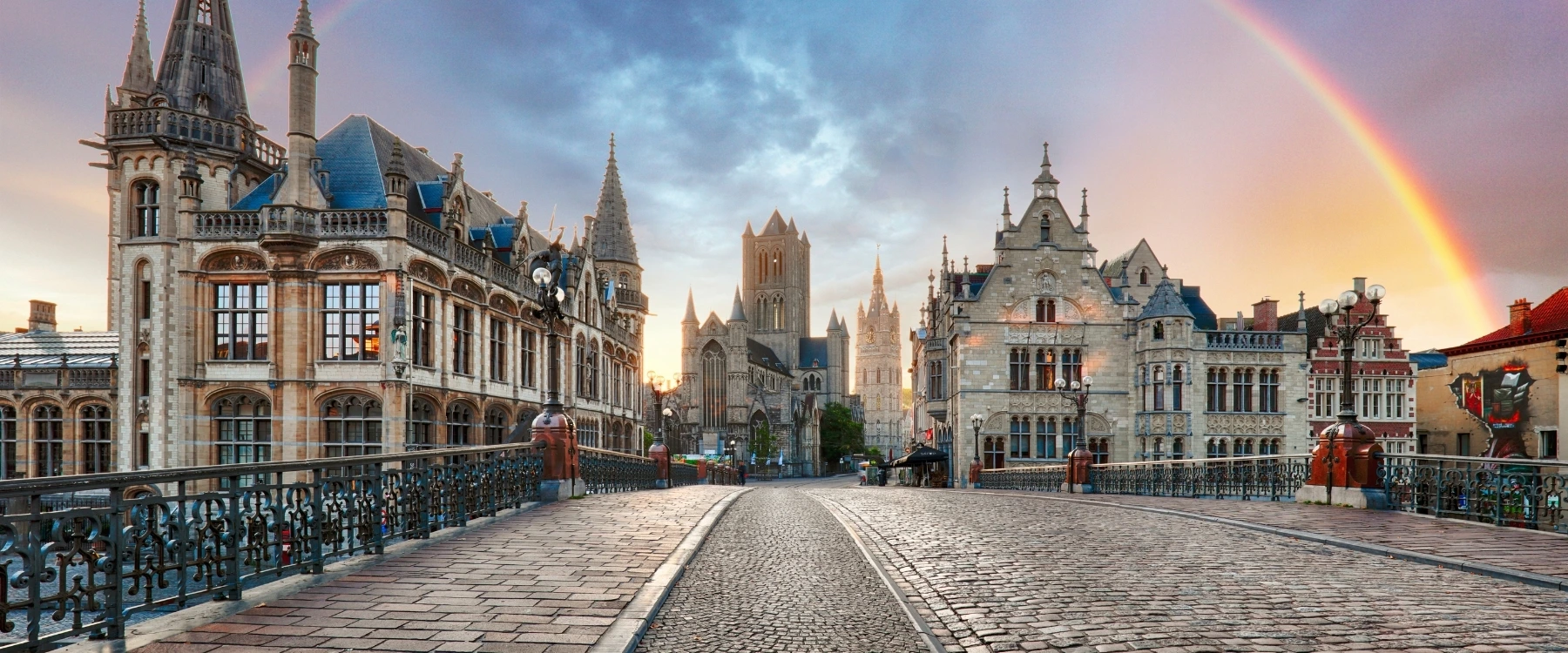
Ghent’s medieval heritage manifests in grand structures like St. Bavo’s Cathedral, home to the famed “Ghent Altarpiece,” and the imposing Gravensteen castle. Wandering the cobbled streets, you encounter Gothic façades and centuries-old guild houses lining the Leie River. This immersive architectural tapestry offers history enthusiasts meaningful layers: each monument tells a story of trade, religion, or civic pride. Whether you scale the Belfry’s tower for city vistas or explore atmospheric interiors, Ghent’s authentic medieval ambiance stands apart from more tourist-saturated destinations. Booking Ghent means encountering well-preserved history woven into everyday life.
Learn More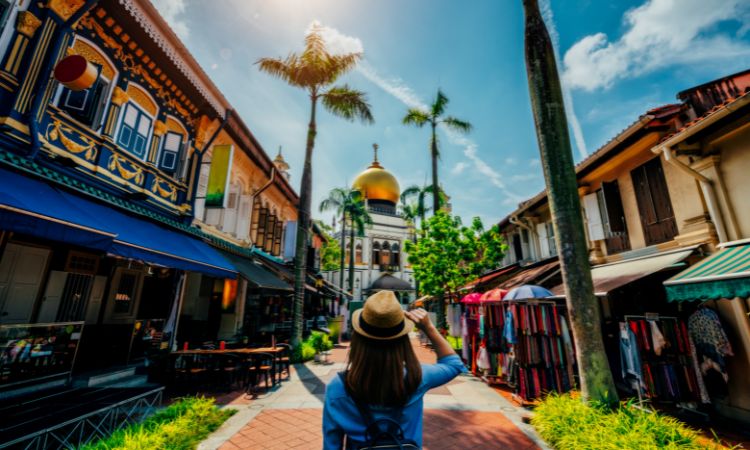
Ghent’s culinary offerings range from traditional Flemish stews to avant-garde plant-based cuisine, reflecting a dynamic food culture. Local eateries serve specialties such as waterzooi and croquettes, while street markets present fresh produce and artisanal treats at around £10–£15 per meal. Belgian beer aficionados will delight in craft breweries and historic pubs: expect to pay about £3.80 for a pint of locally brewed ale. The city’s focus on sustainability has spurred farm-to-table venues and vegetarian-friendly cafés, ensuring every palate finds satisfaction. Booking Ghent is ideal for food and drink exploration in a convivial setting.
Learn More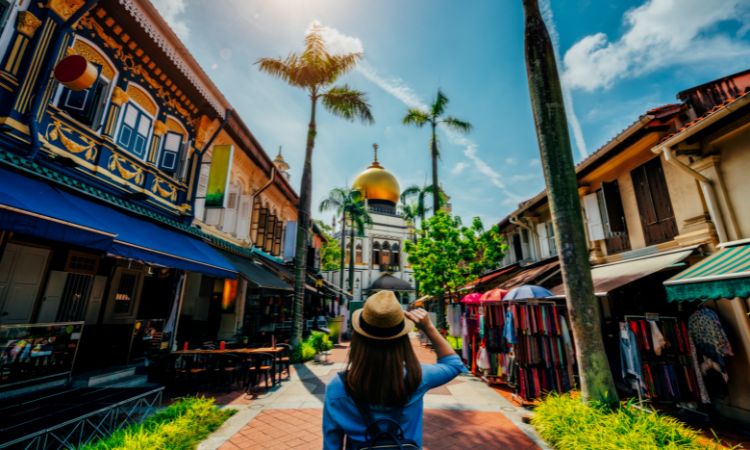
Ghent pulses with cultural energy year-round, highlighted by the Gentse Feesten in July, a ten-day festival featuring music, street performances, and open-air parties. Art lovers can visit SMAK and MSK for contemporary and classical exhibitions (entry around £8.50–£10). Indie cinemas screen international and Belgian films, while live music venues cater to diverse tastes. The city’s commitment to creativity extends to design shops and galleries in repurposed industrial zones. Booking Ghent ensures access to a calendar of events that bring residents and visitors together in celebration of art and community spirit.
Learn More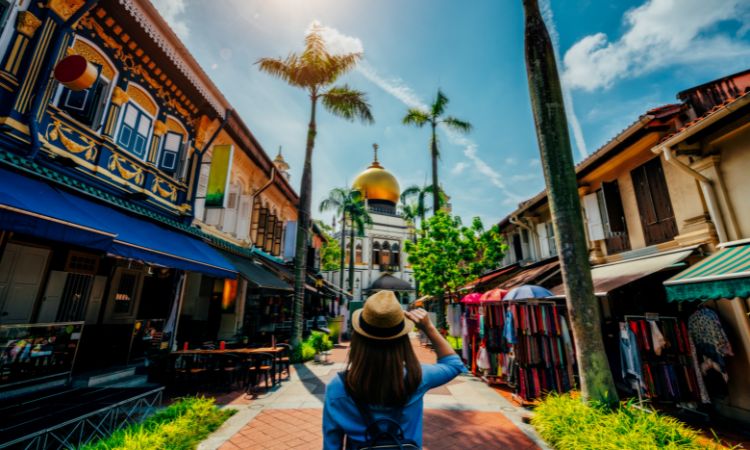
Ghent’s compact city center is exceptionally walkable and bike-friendly, with scenic canal-side paths revealing architectural gems around every bend. Strolling along Graslei and Korenlei, you experience postcard views of guild houses reflected in tranquil waters. Cycling routes lead to green spaces like Citadel Park or the botanical garden, while boat tours (around £12–£14) provide a unique vantage point. Convenient public transport and pedestrian zones enhance exploration. Booking Ghent means enjoying a relaxed pace where major attractions lie within easy reach on foot or by bike.
Learn More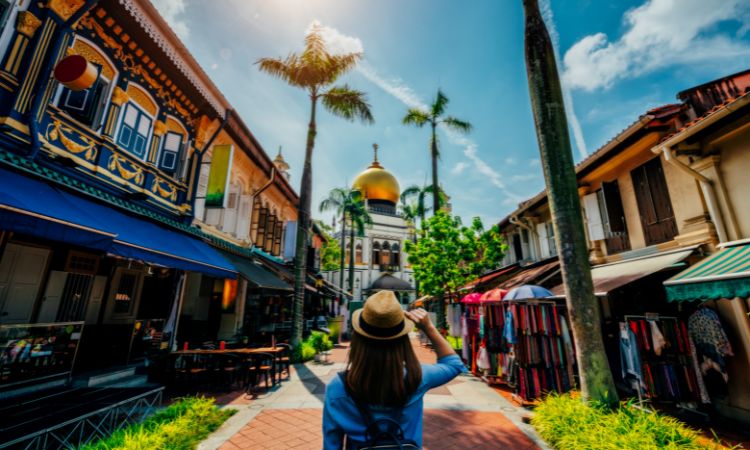
Ghent’s strategic position in Belgium makes it an excellent base for regional exploration: Brussels, Bruges, and Antwerp are reachable by train in 30–50 minutes. Whether you wish to extend your trip to iconic Belgian landmarks or combine city breaks, Ghent offers efficient rail connections. For travelers seeking balance between a lively city stay and nearby excursions, Ghent’s accessibility is a major draw. Booking here maximizes your itinerary flexibility without compromising on an enriching on-site experience.
Learn More
Home to a large student population, Ghent radiates youthful energy after dark. Canal-side bars, craft beer pubs, and live-music venues attract a diverse crowd. Whether sampling Belgian ales or dancing to local bands, visitors find an authentic and unpretentious nightlife scene. Late-night food stalls satisfy post-event appetites, and terraces by the water buzz with conversation. Booking Ghent ensures you experience an engaging nightlife that balances lively social spots with a cozy, community feel.
Learn More
Lorem ipsum dolor, sit amet consectetur adipisicing elit. At illo adipisci iusto
From

Because more than 268 other customers have loved us too

Demonstrates commitment to user data security through encryption and secure payment practices
Learn More
Demonstrates commitment to user data security through encryption and secure payment practices
Learn More
Demonstrates commitment to user data security through encryption and secure payment practices
Learn More
Demonstrates commitment to user data security through encryption and secure payment practices
Learn More
Quality as judged by customers. Book at the ideal price!


/ person
/ person
/ person
Ghent’s history comes alive through its remarkable landmarks, each narrating episodes of medieval prominence, civic ambition, and artistic achievement. Begin at St. Bavo’s Cathedral, a Gothic marvel whose origins date to the 10th century. Inside lies the world-famous Ghent Altarpiece by the Van Eyck brothers—an intricate polyptych revered as a pinnacle of Early Netherlandish painting. Visitors are drawn to study its panels, witnessing detailed craftsmanship that revolutionized oil painting. Spend time admiring carved choir stalls and chapels dedicated to saints, absorbing the serene atmosphere.A short walk leads to the Belfry of Ghent, a UNESCO-listed tower symbolizing the city’s autonomy. Ascend its ramparts for sweeping panoramas: red-tiled roofs, winding canals, and the distant modern silhouette of the port. The carillon’s chimes echo Ghent’s historical narrative, marking time as they have for centuries. Explore adjacent Cloth Hall remnants, recalling Ghent’s once-thriving textile trade that made it one of Europe’s wealthiest cities in the Middle Ages.Next, Gravensteen castle stands as a fortress in the city center. Erected in the 12th century, this “Castle of the Counts” exhibits battlements, turrets, a drawbridge, and a moat that evoke feudal power. Inside, multimedia displays reconstruct medieval life, judicial practices, and defensive strategies. Walking atop its walls, visitors gain insight into how Ghent defended its interests and negotiated autonomy. The castle’s looming presence against modern buildings highlights the dialogue between old and new.Wander through Patershol, a labyrinth of narrow streets lined with renovated houses. This district retains a village-like charm, where centuries-old façades conceal contemporary cafés and galleries. Spot carved stone reliefs above doorways, indicators of past guild influences. Explore hidden courtyards that reveal intimate corners of daily medieval life. As you stroll, imagine merchant carts negotiating these lanes centuries ago, transporting fabrics or spices.For a different perspective, embark on a boat tour along the Leie River. Glide beneath historic bridges and past guild houses whose gables reflect in calm waters. The narrated trip contextualizes architectural styles and historical anecdotes, bringing Ghent’s past to life. The route often highlights lesser-known landmarks, such as medieval mills or renovated dock buildings now housing cultural venues.Ghent’s landmarks illustrate a layered history: from Roman camps to medieval commerce, through Renaissance art to industrial reinvention. Visiting these sites provides a cohesive narrative: how wealth from textiles shaped civic identity, how art and religion intertwined in the cathedral, and how modern Ghent embraces heritage through adaptive reuse. This guide encourages travelers to allocate at least two days to fully explore these historical treasures; delve into museum exhibits, take guided walks offered by local experts, and photograph façades under varied light. The result is a profound appreciation of Ghent’s enduring spirit and the architectural legacy that frames daily life.
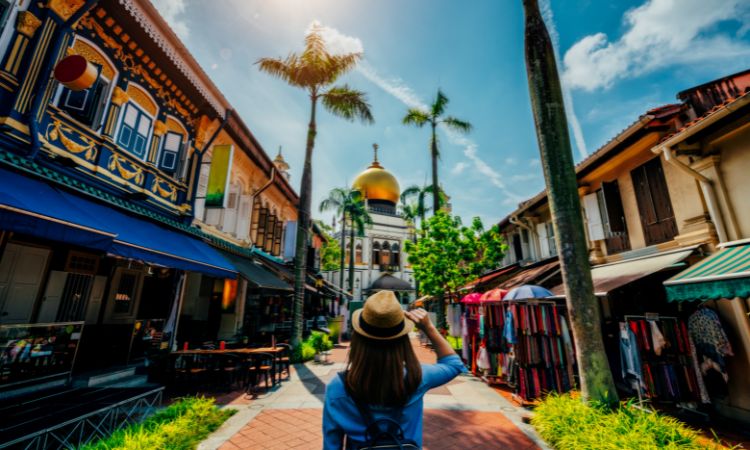
Ghent’s museums reveal diverse facets of art, history, and contemporary creativity. Start at MSK (Museum of Fine Arts), housing collections spanning medieval sculpture, Flemish primitives, Baroque paintings, and modern works. Exhibits may include works by Rubens, Hieronymus Bosch, and Belgian artists from the 19th and 20th centuries. The museum’s layout encourages thematic exploration: religious art juxtaposed with modernist experiments, prompting reflection on artistic evolution. Entry fees hover around €10–€12 (approx. £8.50–£10), offering excellent value for the depth of collections.Adjacent lies SMAK (Municipal Museum of Contemporary Art), showcasing provocative installations, multimedia exhibits, and emerging artists. The dynamic programming engages visitors in dialogues about social issues, design innovation, and visual culture. Allocate time for rotating exhibitions that challenge perceptions; benches and reading areas provide space for contemplation. Interactive elements often invite participation, making SMAK appealing for both art aficionados and curious travelers.For history enthusiasts, the Ghent City Museum (STAM) provides a comprehensive overview of Ghent’s development from its origins through industrialization to present-day urban life. Multimedia displays, scale models, and archival photographs illustrate how the city’s fabric and inhabitants evolved. STAM is especially valuable for understanding the context behind architectural landmarks and cultural traditions encountered elsewhere. Entry is similarly priced around €10 (approx. £8.50), a worthwhile investment in deeper insights.The Design Museum Gent highlights decorative arts, design objects, and applied arts from various eras. Exhibitions range from historic furniture to contemporary graphic design, demonstrating Ghent’s role in design thinking and craftsmanship. Rotating shows often collaborate with international designers, revealing trends and local influences. Entry fees align with other museums, ensuring balanced budgeting.For niche interests, visit the Museum of Theater, Cinema & Sound, exploring the history of performance arts and audiovisual media. Interactive displays allow visitors to experience early film projection or theater stagecraft. Families and curious adults alike find immersive experiences here, and occasional workshops or guided tours add educational dimensions.Culinary heritage finds a place at specialized food-related exhibitions or temporary events in museums, offering tasting sessions or talks on Belgian beer and chocolate traditions. Expect small tasting fees; these experiences provide context for Ghent’s gastronomic prominence.Plan ahead by checking opening hours and any required bookings, especially for popular exhibitions. Many museums offer discounts for students, seniors, or combined tickets for multiple venues. Allocate at least half a day per major museum to move at a relaxed pace, absorb exhibits, and take breaks in café spaces.Visiting Ghent’s museums enriches your stay by connecting architectural encounters to deeper narratives: artistic milestones, social change, and innovative design. Whether drawn to classical masterpieces or experimental installations, travelers find museum visits both intellectually stimulating and emotionally resonant. This guide encourages selecting a curated mix of venues based on interests, balancing time between history-focused museums and contemporary art spaces to capture the full spectrum of Ghent’s cultural landscape.
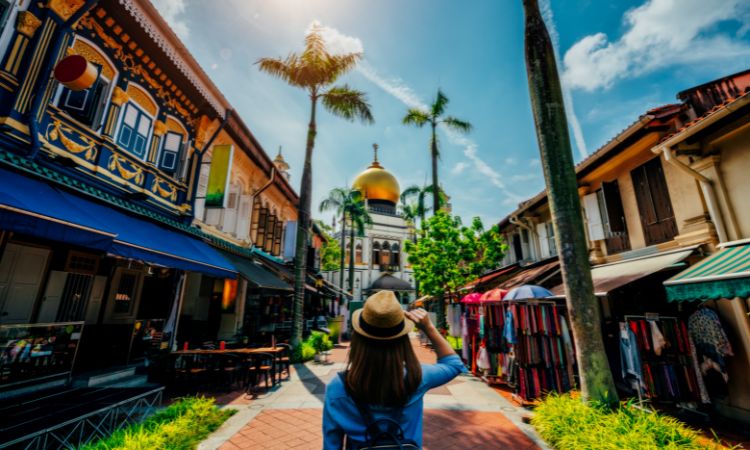
Ghent’s culinary scene reflects both Flemish tradition and modern innovation, making it a destination for food enthusiasts. Local specialties anchor the experience: begin with waterzooi, a creamy chicken or fish stew that exemplifies comfort food, often priced around €18–€22 (approx. £15–£19). Sample croquettes stuffed with shrimp or cheese as a snack in cafés along canals, where a portion costs about €6 (approx. £5). For those with an adventurous palate, discover Gentse stoverij—beef stewed in dark beer, often served with fries; expect to pay around €20 (approx. £17) for a hearty meal.Beyond traditional fare, Ghent has emerged as a gastronomic innovator. Vegetarian and vegan restaurants flourish, some earning international acclaim for creative plant-based dishes. These venues showcase local produce and seasonal ingredients, with tasting menus priced around €40–€60 (approx. £34–£51). Even if you’re not vegetarian, sampling these offerings provides insight into Ghent’s forward-thinking food culture. Food markets, such as Vrijdagmarkt on Fridays, feature stalls selling artisanal cheeses, breads, pastries, and local delicacies. Budget around £10–£15 for sampling multiple items, from cheese tastings to fresh pastries.Belgian beer culture is integral: Ghent hosts brewpubs and craft breweries where visitors can sample trappist ales, sour beers, and regional specialties. Tours often include tasting flights (four or five beers) for around €15–€20 (approx. £13–£17). For a relaxed evening, pair a pint (approx. £3.80) with local snacks in canal-side bars. Beer aficionados can attend brewery visits slightly outside the center, combining transport and tasting into a half-day excursion.Coffee culture is vibrant: specialty cafés roast beans locally, serving espresso and filter coffee with precision. Enjoy pastries or small bites alongside your coffee for around £5–£7. Many cafés offer cozy atmospheres conducive to people-watching or remote work. Afternoon tea time often includes waffles or Belgian chocolate desserts; expect to pay around €8 (approx. £7) for a sweet treat.For experiential dining, consider cooking workshops or guided food tours led by locals. These experiences may cost around €50–€70 (approx. £43–£60) but include insights into ingredient sourcing, traditional recipes, and preparation techniques. Such activities are ideal for travelers seeking immersive cultural connections beyond mere tasting.Ghent’s multicultural population introduces global flavors: find eateries serving Middle Eastern mezze, Asian fusion, or Latin American dishes, typically priced between €12–€18 (approx. £10–£15). Exploring neighborhoods like Ghent’s multicultural districts reveals how the city embraces diversity through cuisine.Whether dining in a historic setting overlooking canals or in a minimalist modern restaurant, Ghent’s food scene offers contrasts that delight the senses. Budget travelers can find satisfying meals in markets and casual bistros, while gourmands can book fine-dining establishments for memorable tasting menus. This guide encourages planning a balanced itinerary: allocate mornings for markets and coffee stops, afternoons for casual lunches or cooking experiences, and evenings for sit-down dinners paired with local beers or wines. The result is a culinary journey that celebrates Ghent’s traditions and contemporary creativity.
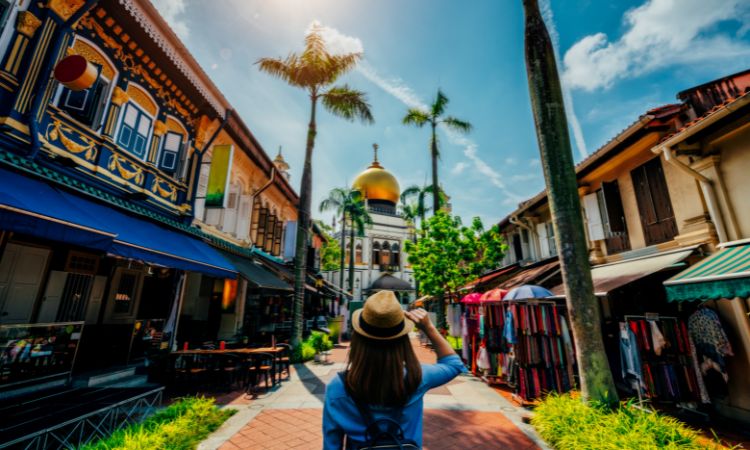
Belgian beer culture is world-renowned, and Ghent offers a concentrated exploration of this tradition alongside a dynamic nightlife. Begin with a beer itinerary that visits iconic pubs and modern brewpubs. In the historic center, cozy taverns present classic Belgian ales—Trappist beers, dubbel, tripel, and saisons—at around £3.80 per pint. Knowledgeable bartenders guide selections, and tasting flights of four beers may cost approximately €15–€20 (approx. £13–£17). Venture to craft breweries slightly outside the center for brewery tours: learn brewing processes, sample fresh batches, and purchase bottles to take home.Pair beer tasting with local snacks: cheese boards featuring regional varieties, charcuterie plates, or Flemish fries with aioli. These pairings, priced around €10–€15 (approx. £8.50–£13), enhance the tasting experience and give context to local flavors. Some establishments host beer-pairing dinners, combining multi-course meals with recommended brews—a memorable splurge at around €50–€70 (approx. £43–£60) per person.As evening falls, Ghent’s nightlife scene comes alive. Canal-side bars and terraces are popular gathering spots, especially in Patershol and around Korenmarkt. The student population ensures lively atmospheres; expect live music nights, DJ sets, and open-mic events. Many venues have no cover charge or modest entry fees (~€5, approx. £4). For live music, check local listings; genres range from jazz to electronic. Cocktail bars and wine lounges offer alternatives for those seeking quieter evenings, with drinks priced around €8–€12 (approx. £7–£10).Ghent’s nightlife also includes cultural events: outdoor film screenings in summer, pop-up bars during festivals, and late-night museum openings on special occasions. During Gentse Feesten, the city transforms: stages pop up across neighborhoods, offering free and ticketed concerts. Plan around festival dates for an immersive experience, with food and drink stalls keeping energy high well into the night.For a different perspective, consider evening canal cruises or illuminated walking tours highlighting Ghent’s monuments under night lighting. These tours (around €12–€14, approx. £10–£12) showcase the city in a romantic glow and often include anecdotes about legends and historical events.Safety is generally good: Ghent’s compact center means short distances between venues, and public transport or taxis are available late. However, as with any nightlife, remain mindful of belongings and travel responsibly. For transport, check tram schedules or use ride-share apps; plan return to accommodation ahead of time.This guide recommends pacing: start with early-evening beer tastings, progress to dinners or snacks, then explore bars or live venues. For those preferring quieter nights, seek out wine bars or lounges tucked in side streets. For adventurous travelers, join pub crawls organized by local guides to discover hidden gems. Overall, Ghent’s beer and nightlife routes offer both traditional Belgian experiences and contemporary twists, ensuring memorable evenings that complement daytime explorations of this multifaceted city.
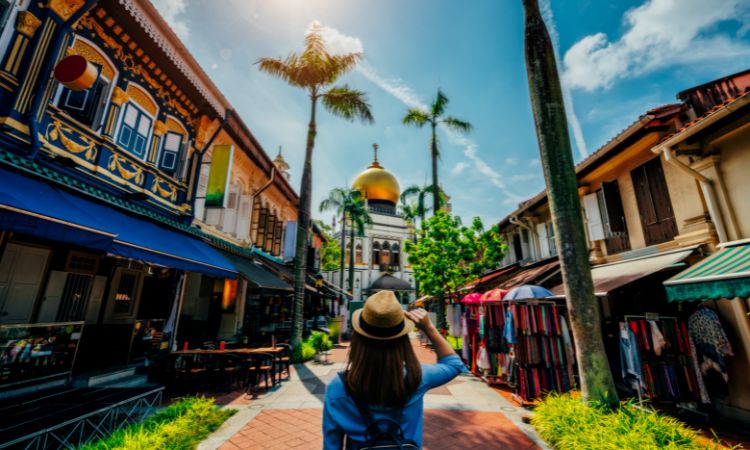
Beyond its historic center, Ghent offers refreshing green spaces and outdoor experiences that balance urban exploration. Citadel Park (Citadelpark) sits near the museum quarter: formerly a military site, it now welcomes joggers, picnickers, and art lovers. Sculptures and exhibition pavilions dot open lawns, and tree-lined paths invite leisurely strolls. In spring and summer, flower beds and ponds create tranquil spots to relax after museum visits. Families appreciate playgrounds and open-air cafés serving light refreshments (approx. £5–£7).The botanical garden (Botanische Tuin) of Ghent University offers a peaceful retreat with themed plant collections, glasshouses showcasing exotic species, and informative signage. Entry is free or modestly priced, making it an accessible option for plant enthusiasts. The layout encourages wandering: observe native Belgian flora as well as tropical specimens under glass. Guided tours (if available) provide deeper botanical insights.Cycling is integral to Flemish life, and Ghent’s bike-sharing schemes or rental shops allow visitors to explore extended routes. Follow the Leie River paths toward the outskirts: you’ll encounter riverside villages, watermills, and pastoral landscapes. A cycle route from the center to Destelbergen or Sint-Martens-Latem takes roughly 1–2 hours round trip, offering a mix of nature and local life. Pack water and snacks (market purchases around £5–£10) for a picnic by the riverside.For water-based activities, consider kayaking or canoeing on the Leie. Guided rentals (approx. £20–£30 per person) let you paddle along quiet stretches, observing wildlife and scenic banks. These excursions combine light exercise with unique views of Ghent’s architecture from the water.In winter, parks offer crisp-air walks; in autumn, foliage colors add warmth to cityscapes. Seasonal events in green spaces include open-air concerts or markets. During summer, outdoor yoga or fitness classes sometimes occur in parks; check local listings for schedules and modest fees (~€10, approx. £8.50).For panoramic views, head to the Rooftop of a city-center hotel or designated viewpoint, many accessible via elevator or short stair climbs. These vantage points provide sweeping perspectives of Ghent’s mix of spires, canals, and modern developments.Nature near Ghent includes De Bourgoyen-Ossemeersen, a protected wetland area reachable by bike or short drive. Guided nature walks (seasonal) highlight birdwatching opportunities and wetland ecology. Expect guided tours to cost around €10–€15 (approx. £8.50–£13). Such excursions enrich understanding of local ecosystems and illustrate how Ghent integrates biodiversity conservation with urban living.This outdoor guide emphasizes planning for varied weather: pack comfortable walking shoes, a light rain jacket, and layers. Early mornings offer calm ambiance for jogging or photography; evenings showcase golden light along canals. By incorporating green spaces into your itinerary, you balance cultural immersion with restorative outdoor moments, ensuring a holistic Ghent experience that nurtures both mind and body.
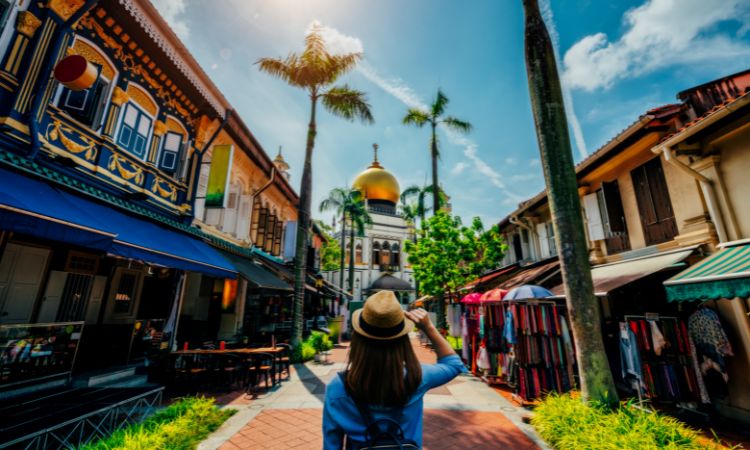
Ghent’s parks and river trails provide serene escapes amid urban bustle, inviting active exploration and relaxation alike. The Leie River’s network of walkways and cycle paths extends beyond the historic core, offering varied routes. Begin with a riverside stroll from the city center toward the Citadelpark area, where tree-lined banks reveal glimpses of contemporary art installations and waterbird habitats. Benches along the way allow pauses for reflection or scenic photography.Cyclists will appreciate designated bike lanes connecting to suburbs and nearby villages. Rent a bike via city bike-sharing or local rental shops; routes to Destelbergen, Sint-Martens-Latem, or Wondelgem showcase Flemish countryside interspersed with charming hamlets. Total distances range from 20–30 km round trip, manageable for moderately fit riders. Plan for stops at cafés or picnic spots: local bakeries supply pastries and sandwiches for around £5–£7.In the heart of Ghent, Blaarmeersen Recreation Area offers a lakeside setting with beaches (for swimming in summer), trails, and sports facilities. Entry may involve a small fee, and on warmer days, locals flock here for sunbathing and water sports. Kayak or paddleboard rentals (approx. £15–£25) enable water-based fun; families and active travelers find this a lively complement to historic sightseeing.Citadel Park itself features open lawns, shaded groves, and an open-air concert space. During warmer months, the park hosts free or low-cost events: concerts, yoga sessions, or film screenings under the trees. Art installations scattered throughout create an outdoor museum atmosphere. Park cafés serve light dishes and beverages (approx. £5–£10), making it easy to linger.For a unique perspective, join a guided nature walk along the Leie’s lesser-known tributaries. These excursions (approx. £8.50–£13) highlight local flora, birdlife, and historical water management practices that shaped Ghent’s development. Guides often point out hidden relics: medieval mills, old sluice mechanisms, or renovated riverfront warehouses now repurposed as cultural venues.Seasonal variations enhance the experience: spring brings blooming blossoms along riverbanks; autumn paints foliage in gold and crimson; winter offers crisp walks with frosty views of spires. Early morning fog over waterways can yield atmospheric photography opportunities. Equip yourself with appropriate clothing for weather changes, and carry water and snacks sourced from local markets (approx. £5).This guide suggests dedicating half to full days to outdoor activities, alternating between cultural days in the center and nature-focused explorations. The combination ensures fresh perspectives: after exploring museums or castles, recharge with riverside cycling or park picnics. By engaging with Ghent’s parks and river trails, travelers connect with the city’s environmental ethos and enjoy balanced experiences that honor both heritage and natural surroundings..
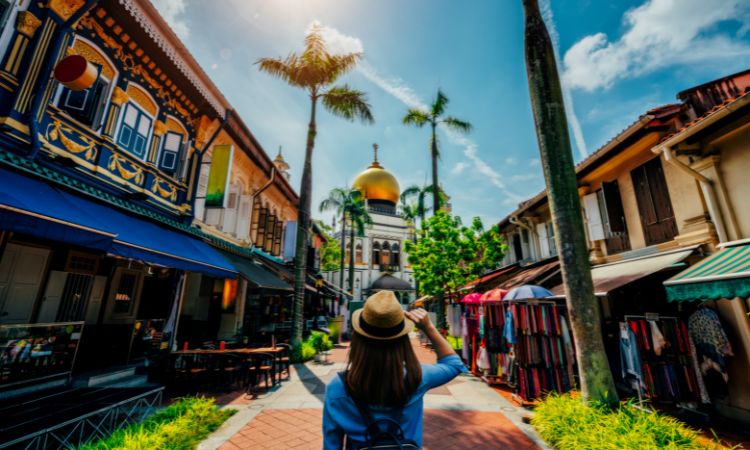
Ghent’s central location in Belgium makes it an ideal hub for day trips to charming nearby destinations, enriching your itinerary with varied cultural and scenic experiences. Bruges, often called the “Venice of the North,” lies roughly 50 minutes by train (around €15–€20 round trip, approx. £13–£17). Explore its canals, medieval squares, and iconic Belfry; consider an early start to avoid crowds. Sample local specialties like Belgian waffles and chocolate in atmospheric cafés, budgeting about £10–£15 for tastings.Antwerp, about 40 minutes by train (approx. €12–€18 round trip, £10–£15), offers a dynamic port city vibe with fashion boutiques, diamond district tours, and the Cathedral of Our Lady, housing Rubens’ masterpieces. Wander the historic center, browse avant-garde galleries, or visit the MAS museum overlooking the harbor. Allocate most of a day to appreciate Antwerp’s blend of heritage and modern flair.Brussels, Belgium’s capital, is reachable in about 30 minutes by train (approx. €15–€20 round trip, £13–£17). While some may reserve Brussels for its own multi-day stay, Ghent-based travelers can spend a focused day: visit Grand Place, the Royal Gallery, and sample Belgian fries or chocolates (budget £10–£15). Return evening trains allow dinner back in Ghent.For more off-the-beaten-path options, consider Leuven, a university town 1 hour by train (approx. €12–€18 round trip, £10–£15). Its lively student scene brings cafes, breweries, and historic architecture. Alternatively, the coastal town of Ostend (Oostende) is reachable in around 1.5 hours (train plus connection, approx. €20–€25 round trip, £17–£21). Walk along the North Sea promenade, try seafood specialties, and enjoy beach vistas if weather permits.Cycling excursions to nearby villages like Sint-Martens-Latem or Deinze offer a more active day trip. Rent a bike in Ghent and follow riverside routes (as described in Outdoor guides). Pack snacks (market purchases around £5–£10) and plan rest stops in village cafés. Such trips provide insight into rural Flanders’ charm and complement urban experiences.For history buffs, visit the Battlefields region near Ypres, accessible by train and bus (longer day trip with early start). Guided tours cost around €50–€70 (approx. £43–£60) including transport and admission to memorial sites. These trips require advance planning but offer profound historical context related to World War I.When planning day trips, check train schedules in advance, purchase tickets online or at stations, and consider rail passes if visiting multiple Belgian cities. Factor in return times to avoid late-night travel stress. For convenience, store luggage in Ghent accommodations and travel light for day outings.This guide encourages balancing iconic destinations with lesser-known spots. Start early to maximize daylight, and tailor trips to interests: art and architecture in Antwerp, medieval ambiance in Bruges, cosmopolitan flair in Brussels, or coastal breezes in Ostend. Returning to Ghent each evening allows you to enjoy the city’s relaxed dining, nightlife, and atmosphere, making Ghent an optimal base for exploring Flanders and beyond.
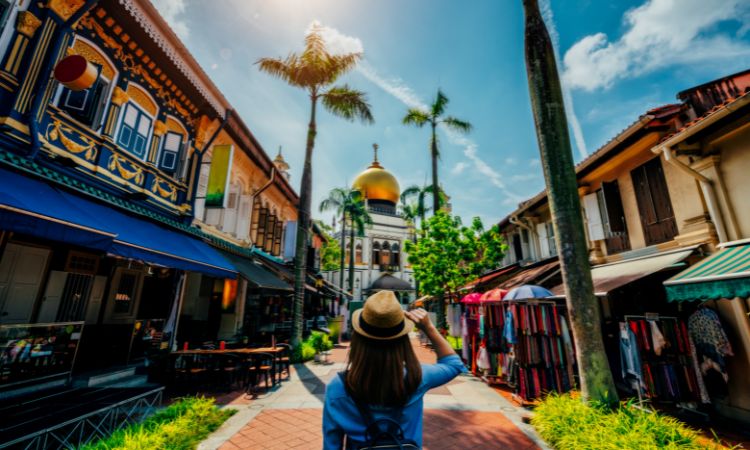
Ghent’s calendar brims with seasonal events and festivities that showcase local traditions and international flair. Timing your visit around key events enhances the experience, adding layers of celebration and community engagement. In spring (April–May), Ghent revives outdoor markets and garden openings. Blooms appear in parks and along canals, and events like the Plantentuin spring festival celebrate botanical life. Expect brunch spots to offer seasonal dishes featuring asparagus and early produce, budget around £12–£18 for special menus.Summer (June–August) brings long daylight hours and festival season. Gentse Feesten in July is the highlight: a ten-day extravaganza of free and ticketed concerts across genres, street performances, theater acts, and pop-up bars. Food stalls line streets, offering local snacks and international street food—budget about £10–£15 per meal. Beer gardens open along canals, creating convivial atmospheres well into the night. For classical music lovers, there are open-air concerts in heritage venues. Summer also sees outdoor cinema screenings in parks; tickets around €8 (approx. £7). Book accommodation early, as Ghent becomes especially lively.Autumn (September–October) showcases cultural events such as museum exhibit launches and gastronomic festivals celebrating local harvests and Belgian beer. The Ghent International Film Festival may occur in autumn, drawing cinephiles to screenings and discussions. Food festivals highlight local apples, game dishes, and artisanal products; expect tasting session costs around £10–£20. Cooler temperatures and golden foliage along canals create picturesque walking conditions, ideal for photographers and romantics.Winter (November–December) transforms Ghent into a festive wonderland. Christmas markets appear in squares like Korenmarkt, offering crafts, warm drinks, and seasonal treats. Mulled wine or hot chocolate stalls serve beverages around €4–€5 (approx. £3.50–£4.25). Illumination displays accentuate historic buildings, and ice-skating rinks provide family-friendly fun (rental fees approx. €8–€10, £7–£8.50). Museums often host special exhibitions linked to winter themes. Candlelit concerts in churches add a magical ambiance. Booking in early November secures better rates as winter approaches.Throughout the year, Ghent hosts conferences, seminars, and trade shows that can coincide with leisure visits. Business travelers benefit from combining work with cultural exploration; hotel rates and availability vary, so check local schedules. Student-related events also contribute to the city’s vibrant pulse, with university open days and cultural showcases.For nature-oriented visitors, seasonal bird migrations along the Leie riverbanks can be observed in spring and autumn; guided birdwatching tours (approx. £8.50–£13) offer expert insights. Seasonal cycling tours, such as autumn foliage rides, provide dynamic ways to experience changing landscapes. Outdoor photography workshops often occur during “golden hour” sessions in autumn and winter.Plan your Ghent visit by reviewing event calendars several months ahead, especially for major festivals. Reserve tickets for concerts or special exhibitions early, and consider package deals combining accommodation and event access. This guide encourages flexibility: include at least one seasonal highlight in your itinerary—whether it’s attending Gentse Feesten, exploring Christmas markets, or enjoying autumnal canal walks—to create lasting memories tied to Ghent’s rhythm of seasons.
No ads. No trails. No commitments


Alice Roses
London, England
51 ST MATTHIAS ROAD
NOTTINGHAM, NOTTINGHAMSHIRE
NG3 2HF
Hours: 8:00 - 17:00, Mon - Sat
support@johnsonholidays.com