 Bergen Travel
Guide
Bergen Travel
Guide
Paris is known around the world as the “capital of love,” and even if you don't understand the history of Paris at all

2 Hours
£7
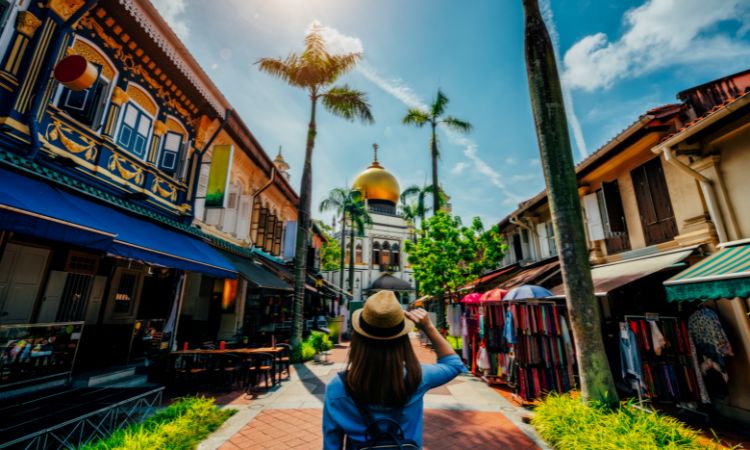
Bergen’s prime harbor location makes it the perfect departure point for fjord adventures of all durations. Classic day cruises navigate into UNESCO-listed waterways like Sognefjord and Hardangerfjord, revealing steep mountainsides, cascading waterfalls, and secluded hamlets accessible only by boat. Longer voyages combine scenic rail segments or overnight stays in fjord villages, offering deeper immersion in rural Norwegian life. Commentary aboard vessels illuminates geology, folklore, and wildlife; keep watch for seals or porpoises in calm waters. Summer’s extended daylight enhances photo opportunities as mist drifts across fjord surfaces. Be prepared with layered clothing and waterproof gear to handle rapid weather shifts. Many tours include meals featuring local specialties—fresh salmon or hearty reindeer stew. For hikers, some itineraries offer guided land excursions at fjord-side stops. Whether you opt for a half-day cruise or an extended fjord circuit, Bergen’s connectivity and infrastructure streamline planning, making these natural wonders readily accessible from the city center.
Learn More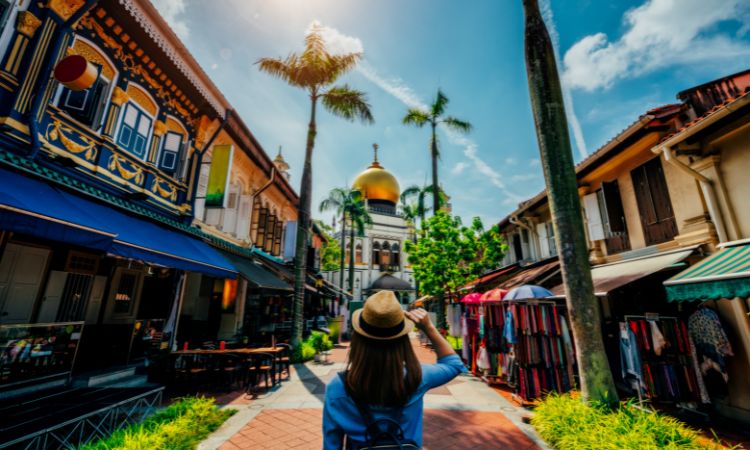
Steeped in Hanseatic history, Bergen’s Bryggen Wharf showcases timber-fronted buildings reflecting centuries of Northern European trade . Navigate narrow alleys between colorful façades to visit the Hanseatic Museum, where preserved merchant interiors and period artifacts illustrate life in medieval Bergen. The Bryggens Museum displays archaeological finds unearthed after fires, deepening understanding of daily commerce and crafts. Beyond Bryggen, KODE art museums house collections from Edvard Grieg manuscripts to modern Nordic art, while Troldhaugen offers musical recitals in the composer’s former lakeside home. Annual festivals—Bergen International Festival and Nattjazz—bring world-class performances across venues, from intimate halls to open-air stages. Literary heritage, folk traditions, and contemporary arts converge in guided cultural walks. This blend of history and ongoing creativity ensures that visitors experience both Bergen’s storied past and its dynamic present.
Learn More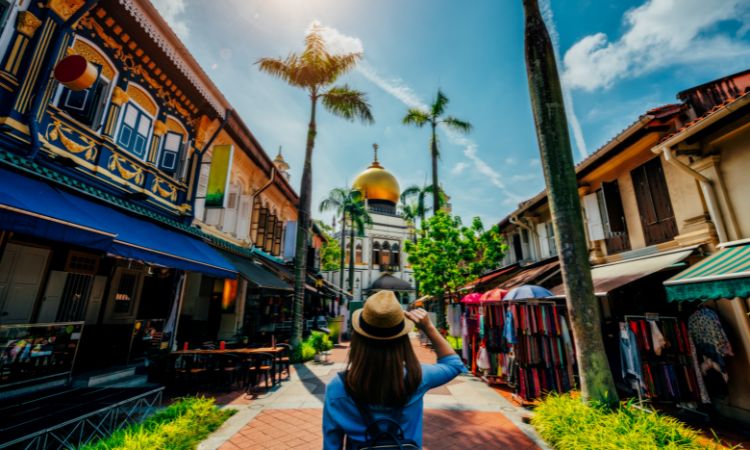
Surrounded by seven mountains, Bergen offers quick access to exhilarating hikes and panoramic viewpoints. The Fløibanen funicular provides a gentle ascent to Mount Fløyen, where family-friendly trails wind through pine forests, past lakes, and to viewpoints overlooking the city and harbor. For experienced hikers, routes connect from Fløyen ridge to Mount Ulriken, or ascend via the Ulriken Cable Car with trails descending back toward town. These hikes reward with sweeping vistas that juxtapose urban rooftops against fjord backdrops. Guided treks include insights on local flora, fauna, and folklore, often culminating at traditional mountain lodges (“turisthytte”) serving simple Norwegian fare. In summer, long daylight facilitates extended exploration; autumn’s crisp air and golden foliage add drama to the scenery. Weather can shift rapidly: waterproof layers and sturdy boots are essential. Well-marked trails and friendly locals make navigation accessible, while the sense of accomplishment and connection to nature leaves a lasting impression of Norway’s wild beauty.
Learn More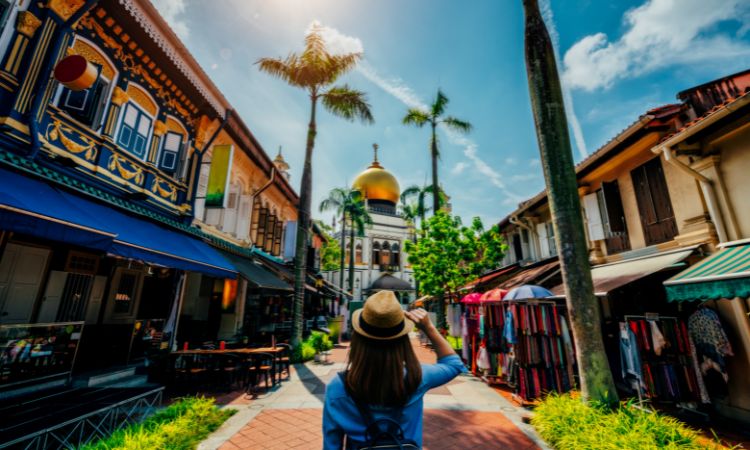
Bergen’s vibrant fish market is a hub for fresh catches—salmon, shrimp, king crab, and shellfish—where visitors can sample on-site or select ingredients for self-catering accommodations. Waterfront restaurants range from casual stalls serving fish soup (“fiskesuppe”) to fine-dining establishments showcasing modern Nordic cuisine with local produce. Adventurous diners can try traditional dishes like stockfish preparations, while vegetarian and international options also flourish. Craft breweries and aquavit pairings complement meals. In summer, outdoor patios overlook the harbor, taking advantage of long daylight. Coffee culture thrives in independent cafés offering artisanal brews and pastries such as cinnamon buns (“kanelbolle”), perfect before rainy-day explorations. Culinary tours led by locals reveal hidden gems: family-run bakeries, artisanal chocolatiers, and small-scale producers of cheeses or preserves. Though dining costs are higher—e.g., a pint averages around 100–115 NOK (~£7–8) —the emphasis on freshness, quality, and regional character makes each meal memorable. Leveraging lunch specials and the Bergen Card’s discounts can help manage budgets while savoring coastal flavors.
Learn More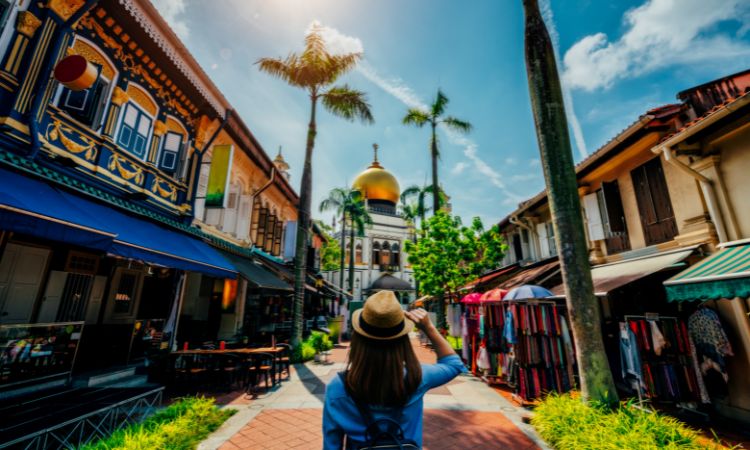
Each season in Bergen offers distinct charms. Summer (June–August) brings long daylight, mild temperatures, and bustling festivals—ideal for fjord cruises, mountain hikes, and open-air concerts. Shoulder seasons (May, September) strike a balance with fewer crowds, moderate weather, and operational excursions, often at lower rates. Spring (April–May) showcases blossoming cherry trees in parks and early hiking conditions, though weather remains variable. Autumn (September–October) features vibrant foliage along fjord banks and atmospheric sunsets, with shorter daylight requiring careful itinerary planning. Winter (November–February) invites cozy indoor activities—festive Christmas markets, museum visits, and candlelit cafés—plus potential Northern Lights tours in nearby areas; however, expect wetter weather and limited daylight. Seasonal insights and packing tips ensure visitors make the most of each period: advanced bookings in peak months, flexible scheduling during unpredictable weather, and layering for comfort. Bergen’s adaptability to year-round exploration underscores its appeal whether seeking lively summer energy or tranquil winter ambiance.
Learn More
Bergen’s compact city center encourages exploration on foot, connecting historic sites, boutiques, cafés, and scenic viewpoints without lengthy transfers. The Bergen Card offers free or discounted access to public transport (buses, light rail, funicular) and attractions, streamlining budgets and logistics. Bergen Airport is reachable via light rail or shuttle bus in under an hour; advance ticket purchase ensures a hassle-free arrival. For fjord cruises, book departures from Bryggen harbor early during peak season to secure preferred times. Ferries connect to nearby islands and fjord terminals, with schedules varying by season—check timetables in advance. Car rentals facilitate deeper exploration of surrounding regions but are optional given reliable transport infrastructure. In-city navigation remains straightforward: pedestrian-friendly streets lead to cultural attractions and dining spots. This connectivity allows visitors to maximize time enjoying Bergen’s offerings rather than transit, making multi-day stays efficient and stress-free.
Learn More
Lorem ipsum dolor, sit amet consectetur adipisicing elit. At illo adipisci iusto
From

Because more than 268 other customers have loved us too

Demonstrates commitment to user data security through encryption and secure payment practices
Learn More
Demonstrates commitment to user data security through encryption and secure payment practices
Learn More
Demonstrates commitment to user data security through encryption and secure payment practices
Learn More
Demonstrates commitment to user data security through encryption and secure payment practices
Learn More
Quality as judged by customers. Book at the ideal price!


/ person
/ person
/ person
Embarking on a classic fjord cruise from Bergen is a quintessential Norwegian experience, blending sea-borne tranquility with dramatic landscapes. Departing directly from Bergen’s harbor, vessels navigate into the labyrinthine fjords where steep cliffs plunge into glassy waters and waterfalls cascade from great heights. On board, expert commentary illuminates the geological forces sculpting fjords over millennia, local folklore tied to these waterways, and sightings of marine life such as seals or porpoises. Many operators offer flexible itineraries: half-day excursions suit those pressed for time, while full-day or overnight fjord circuits—often combining rail travel through mountain passes—allow deeper immersion into rural fjord communities.In summer, nearly endless daylight bathes fjord walls in soft light, enhancing photographic opportunities. Passengers should pack waterproof outer layers, sturdy footwear for brief shore stops, and layered clothing to adapt to changing conditions on the water. Excursions frequently include meals featuring regional specialties: fresh salmon, hearty stews, or reindeer dishes served in cozy dining areas aboard or at fjord-side cafés. Stops at villages accessible only by boat provide glimpses of traditional wooden houses, small farms, and local craftspeople sustaining centuries-old livelihoods. Guided shore walks may lead to short hikes revealing hidden viewpoints or cascading ravines. For photography enthusiasts, the interplay of light, mist, and rugged terrain delivers striking imagery; for nature lovers, the sense of quiet grandeur and connection to Norway’s wild heart is profound.Booking in peak months (June–August) requires advance reservations, as fjord cruises rank among Norway’s most sought-after experiences. Shoulder seasons (May, September) offer fewer crowds, slightly cooler temperatures, and equally stunning vistas. During winter or early spring, specialized shorter cruises may run, though daylight and weather conditions limit longer itineraries. Regardless of season, embarking from Bergen ensures efficient logistics: clear signage at Bryggen harbor, reliable transport links into the city, and a range of operators catering to different preferences—from comfortable larger boats to smaller, intimate vessels. The classic fjord cruise embodies Norway’s natural splendor and cultural heritage, making it an unmissable part of any Bergen itinerary.
Bergen’s dramatic skyline is defined by seven surrounding peaks, of which Mount Fløyen and Mount Ulriken stand out for accessibility and panoramic rewards. The Fløibanen funicular provides a gentle ascent to Mount Fløyen’s ridge, accessible to families and casual walkers. At the summit station, a network of well-marked trails weaves through verdant pine forests, past tranquil lakes, and to viewpoints offering sweeping vistas over Bergen’s rooftops cascading toward the fjord. Informational signage shares insights on local flora, fauna, and the city’s geography. On clear days, the interplay of cityscape and fjord waters below creates postcard-worthy scenes. Trails vary in length and difficulty: short loops near the summit suit relaxed explorations, while extended routes connect across ridges to neighboring peaks.For more seasoned hikers, Mount Ulriken beckons. Visitors may ascend via the Ulriken Cable Car or tackle trails from the city’s outskirts for a more strenuous adventure. From Ulriken’s summit, expansive views stretch over Bergen, intersecting fjord arms and island-studded waters. A popular route links Fløyen and Ulriken summits—a ridge traverse offering changing perspectives and varied terrain, though hikers should allow several hours and prepare with proper gear. Guided treks provide context on local legends, geological formations, and historic mountain lodges (“turisthytte”) where hikers can rest and sample simple Norwegian fare like soups or sandwiches. In summer, long daylight extends hiking windows; autumn introduces crisp air and vivid foliage that transforms forests and mountainsides with golden hues, enhancing the sensory experience.Weather in Bergen can shift rapidly: pack waterproof jacket and trousers, breathable mid-layers, and reliable hiking boots with good grip. A daypack should include extra socks, snacks, and water. In winter or early spring, conditions may be icy or snowy; check local trail updates, consider guided tours with experienced leaders, and equip appropriate winter gear (crampons, gaiters). Even in colder months, clear days reward with spectacular winter vistas and a sense of solitude above the city. Whether seeking gentle forest walks near Fløyen or challenging ridge routes to Ulriken, hiking Bergen’s mountains connects travelers to Norway’s outdoor ethos (“friluftsliv”) and offers unparalleled panoramas that define the city’s unique setting between mountains and fjords.
Bryggen Wharf stands as Bergen’s emblematic heritage site, its row of colorful wooden buildings lining Vågen harbor testifying to centuries of Hanseatic trade . Established as a trading outpost by the Hanseatic League in the 14th century, Bryggen’s structures have endured fires yet been meticulously reconstructed following traditional methods, preserving medieval urban patterns. Wander narrow alleys between façades to discover artisan workshops producing rosemaling (decorative painting) and wool textiles, alongside galleries and small cafés nestled within historic walls. The Hanseatic Museum offers a window into merchant life: preserved interiors reveal storage methods for stockfish and grain, ledgers record transactions, and exhibits contextualize Bergen’s role in Northern European commerce.Adjacent, the Bryggens Museum displays archaeological artifacts unearthed after fires, from everyday tools to personal items, painting a vivid picture of medieval city life. Informational panels trace the evolution of building techniques and the social fabric of Bergen across centuries. Beyond static exhibits, guided walking tours weave stories of merchants, sailors, and local residents whose lives intersected at this bustling port. Photographers find endless motifs in Bryggen’s timber frames, steep gables, and reflections on harbor waters. Early mornings or late afternoons offer quieter moments to absorb the atmosphere before crowds arrive. Evenings bring cultural events in nearby assembly halls (Schøtstuene) or intimate concerts in atmospheric venues, blending history with contemporary creative expression. Exploring Bryggen immerses visitors in Norway’s maritime legacy, bridging past and present while highlighting Bergen’s enduring character as a historic World Heritage City.
Bergen’s cultural tapestry encompasses music, art, and festivals reflecting Norway’s artistic heritage and modern creativity. Begin at Troldhaugen, composer Edvard Grieg’s former home nestled by a serene lake; guided tours of the villa explore his life and works, while the adjoining concert hall hosts performances of Grieg’s compositions and contemporary pieces in an intimate lakeside setting. KODE art museums span multiple venues, housing collections from classical Norwegian painters to avant-garde installations; rotating exhibitions ensure fresh perspectives on Nordic art. The Maritime Museum and Bergenhus Fortress exhibitions delve into seafaring traditions, naval history, and the city’s defensive architecture.Annual events anchor Bergen’s calendar. The Bergen International Festival (late May–early June) showcases classical music, opera, dance, and theater across venues—concert halls, outdoor stages, and historic buildings. Nattjazz, running concurrently, brings jazz performances to clubs and larger halls, blending international artists with local talents. Summer evenings feature open-air concerts in parks, street performances, and cultural happenings in waterfront spaces. Culinary festivals celebrate local ingredients: seafood tastings highlight coastal flavors, while craft beer and regional produce fairs engage gourmands. Literary events, design showcases, and film screenings further diversify offerings. Outside festival seasons, the city maintains a lively cultural scene: intimate concerts in church venues, gallery openings, and community events reflect Bergen’s creative vitality. Guided cultural walks and thematic tours—covering topics from local folklore to contemporary street art—provide deeper insights. Engaging with Bergen’s museums, music venues, and festivals reveals Norway’s artistic soul, offering memorable experiences that resonate beyond the trip.
Bergen’s seafood market pulses with activity as fishermen deliver the day’s catch—salmon, cod, shrimp, shellfish, and occasionally king crab. Stroll among market stalls sampling shrimp straight from ice beds or tasting mussels served in garlic butter. For self-caterers, selecting fresh ingredients here allows cooking in private accommodations, while on-site kiosks serve quick bites such as fish cakes or smoked salmon sandwiches. Surrounding restaurants cater to a range of tastes: casual eateries feature fish soup (“fiskesuppe”) and open-faced seafood sandwiches, whereas upscale establishments elevate local produce into modern Nordic creations. Adventurous diners can seek specialty dishes like stockfish preparations or regional delicacies, though menus also include vegetarian and international options.Dining in Bergen commands higher budgets—mid-range three-course meals often exceed local currency norms—yet the emphasis on freshness justifies costs. A pint in a pub averages 100–115 NOK (~£7–8) . To optimize budgets, consider lunch specials or casual cafés serving soups, sandwiches, and pastries. Bergen Card holders enjoy discounts at select restaurants. Pair meals with Norwegian craft beers or aquavit for authentic flavors. In summer, waterfront patios offer alfresco ambiance as daylight lingers; in cooler months, cozy interiors with warm lighting provide respite from rain. Coffee culture thrives: independent cafés roast beans locally, serving quality brews alongside sweet treats like “kanelbolle” (cinnamon buns). Culinary tours led by local guides reveal hidden gems: family-run bakeries, artisanal chocolatiers, and producers crafting cheeses or preserves. Visiting nearby farms or producers, when available, deepens appreciation for Norway’s emphasis on sustainable, locally sourced ingredients. Whether savoring seafood at the market, indulging in fine dining with fjord views, or discovering off-the-beaten-path eateries, Bergen’s food scene immerses visitors in coastal flavors and culinary traditions woven into daily life.
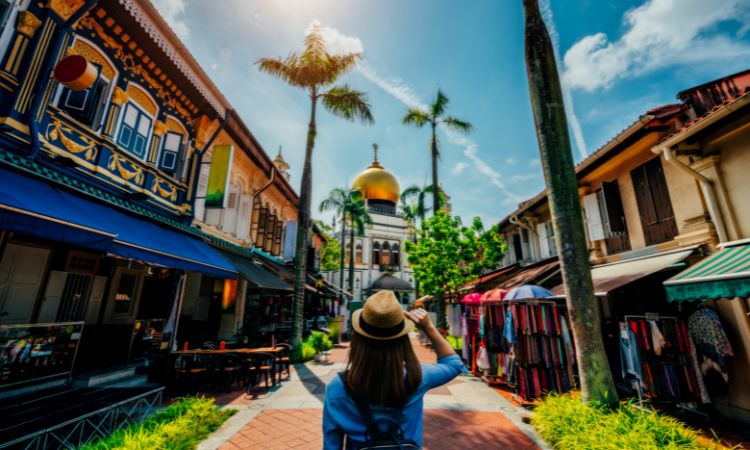
Beyond the famed harbor, Bergen’s neighborhoods unfold distinct atmospheres that invite exploration on foot or via short transport links. In Vågen, Bryggen’s narrow lanes reveal artisan workshops, galleries, and tucked-away cafés offering local pastries and coffee. Nordnes peninsula, reachable via a brief walk or ferry, features leafy parks overlooking the sea, a coastal walkway with views of passing vessels, and the Bergen Aquarium—a family-friendly stop highlighting marine life of the region. In Sandviken, colorful wooden houses cascade hillside streets; meander through residential lanes to encounter local bakeries, small eateries, and viewpoints framing the harbor.Downtown districts blend historical and modern architecture: design shops, galleries, and contemporary cafés line streets where students, professionals, and travelers converge. Public squares like Torgallmenningen host occasional markets and events; surrounding buildings house cultural institutions, boutiques, and eateries. For seaside escapes, ferries depart to islands such as Askøy or Sotra, where quaint coastal villages and hiking trails await. Seasonal ferry schedules vary, so plan ahead for island visits. Guided walking tours throughout these neighborhoods share anecdotes on architecture, folklore, and local life—insights often missed when exploring independently. Visit evening gatherings in local bars or beer halls to experience Bergen’s social rhythms, engaging with residents over craft brews or aquavit tastings. Participating in community events—whether a small concert, local festival, or open-air market—offers authentic immersion. Navigating these neighborhoods reveals Bergen’s multifaceted identity: a city where maritime heritage, artistic expression, and everyday life intersect, inviting travelers to discover layers beyond postcard vistas..
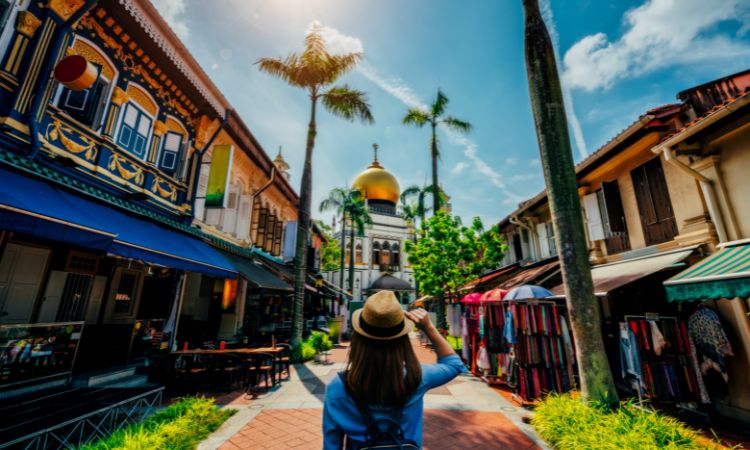
Navigating Bergen efficiently enhances the travel experience. The city’s compact layout suits walking for most central attractions; pedestrian-friendly streets link Bryggen, shopping districts, and cultural sites. For broader coverage, the Bergen Card provides unlimited public transport (buses, light rail, Fløibanen funicular) and discounts on attractions. Bergen Airport (BGO) lies approximately 18 km from the center; the light rail (Bybanen) connects airport to city in about 45 minutes, with regular departures—purchase tickets via machines or mobile app in advance to avoid queues. Shuttle buses also serve the route; taxis offer direct transfers but at higher cost.Fjord cruise departures cluster at Bryggen harbor; during peak season (June–August), book early to secure preferred times. Ferries to nearby islands and fjord terminals operate on seasonal schedules—check timetables soon after arrival. Car rentals facilitate exploration of surrounding countryside but can be unnecessary given reliable public transport; parking in Bergen may be limited and costly. Biking suits fair-weather days but requires caution on wet streets. In winter or adverse weather, monitor forecasts: rain or snow can slow road traffic, so allow extra time for transfers. For heavy luggage or groups, pre-booked private transfers add comfort at premium rates. Mobile apps for ride-hailing or transport schedules aid planning. Always have offline maps or downloaded schedules in case of connectivity issues. Display prices in British pounds for reference, but use local currency (NOK) for purchases; ATMs are widespread. Efficient transport planning ensures more time exploring Bergen’s offerings rather than logistics.
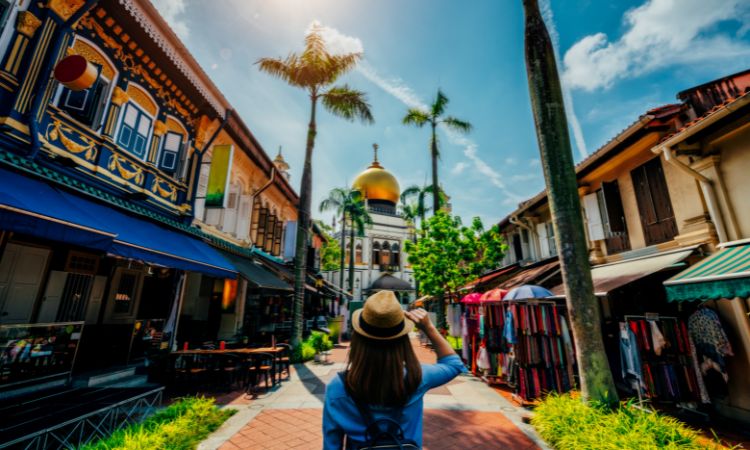
Bergen’s famously variable coastal climate demands thoughtful packing and seasonal awareness. Layers are paramount: waterproof outerwear (jacket and trousers), breathable mid-layers (fleeces, wool sweaters), and base layers for warmth. In summer (June–August), long daylight hours invite prolonged outdoor activities; include lighter clothing for warm midday hikes or dining on patios, but pack a warm layer and waterproof jacket for cool evenings and sudden showers. Autumn (September–October) brings crisp air and vibrant foliage; waterproof, wind-resistant layers and sturdy boots handle wet trails and urban exploration. Winter (November–February) features shorter daylight and chilly, damp conditions; thermal layers, insulated waterproof boots, gloves, hat, and possibly microspikes for icy patches ensure safety and comfort. Spring (March–May) remains unpredictable: combine lightweight items with reliable rain gear and warmer layers as temperatures fluctuate.Daypack essentials include extra socks, reusable water bottle, snacks for hikes, and waterproof phone case or dry bag for electronics on fjord cruises. Electrical adapters (Type C/F) are needed for charging devices. Download transport apps and offline maps before arrival. Research ferry and excursion schedules early, especially for seasonal services to fjords or islands. Book accommodation and popular activities (fjord cruises, festival events) well in advance during peak months to secure availability and favorable rates. Bring suitable attire for indoor cultural events—smart-casual outfits for concerts, theater, or fine dining. For photography, pack protective gear for camera equipment given frequent rain. If planning specific activities like kayaking or guided wilderness tours, confirm gear requirements with providers. Travel insurance covering weather-related disruptions adds peace of mind. Following these packing and seasonal tips equips visitors to embrace Bergen’s offerings—historic sites, natural wonders, and cultural experiences—regardless of weather variations, ensuring a comfortable and memorable journey.
No ads. No trails. No commitments


Alice Roses
London, England
51 ST MATTHIAS ROAD
NOTTINGHAM, NOTTINGHAMSHIRE
NG3 2HF
Hours: 8:00 - 17:00, Mon - Sat
support@johnsonholidays.com