 Luxor Travel
Guide
Luxor Travel
Guide
Paris is known around the world as the “capital of love,” and even if you don't understand the history of Paris at all

6.5 Hours
£2
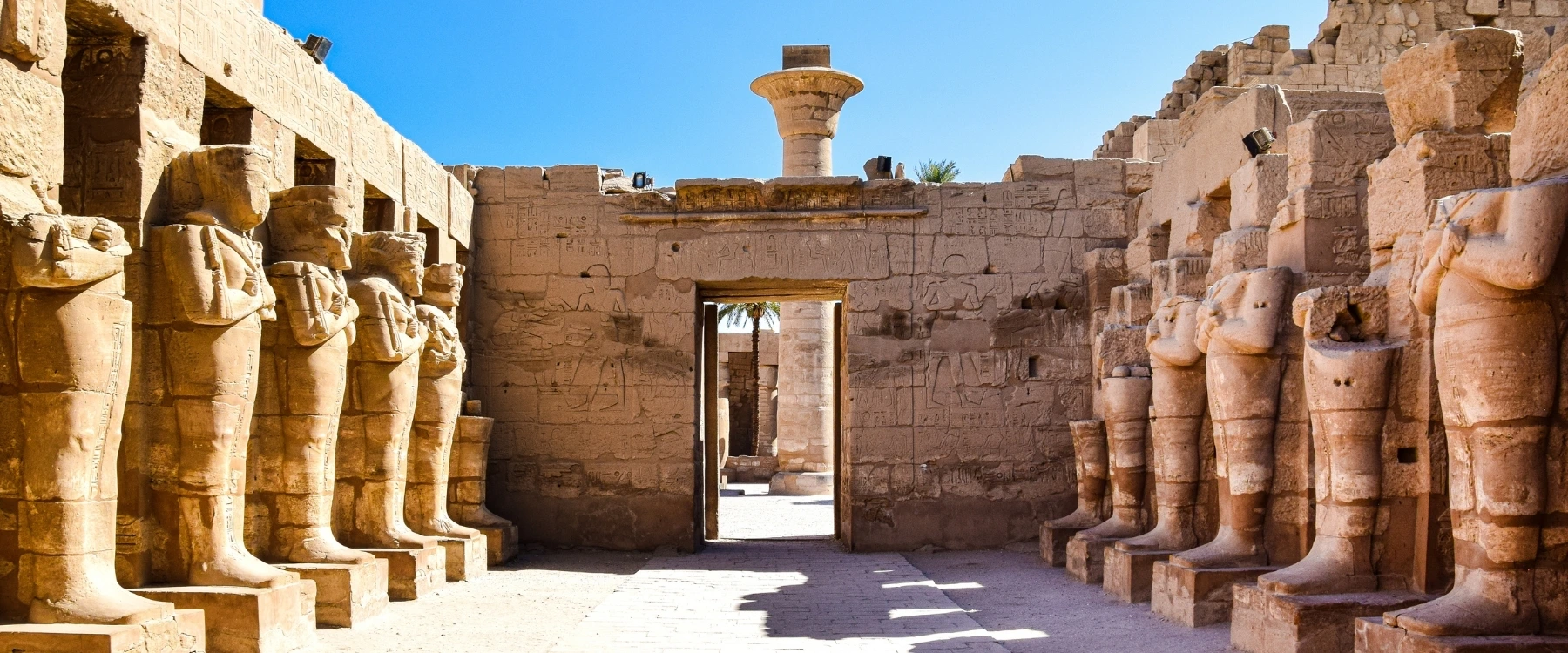
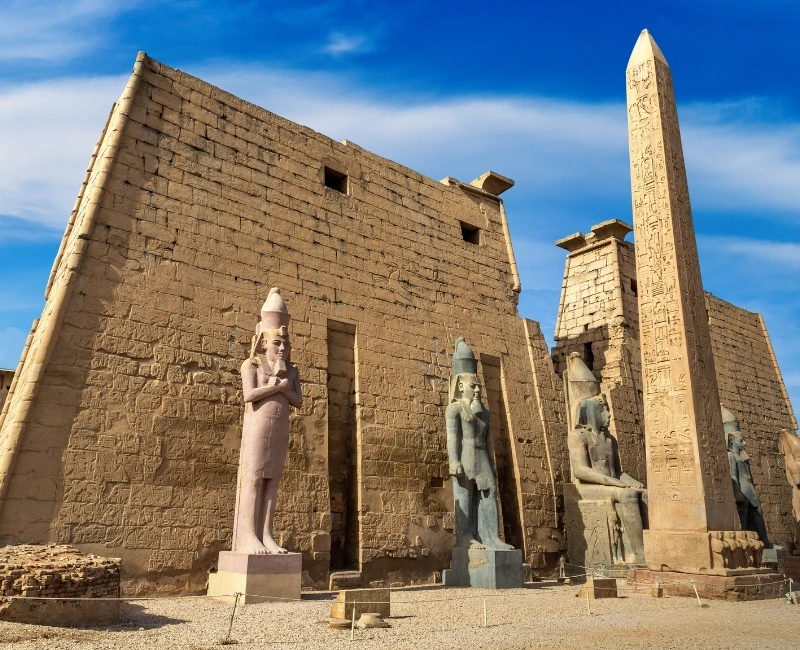
Luxor stands as the epicenter of Egypt’s New Kingdom heritage, housing monumental sites such as Karnak Temple, Luxor Temple, and the Valley of the Kings. Travelers can witness colossal columns, intricately carved reliefs, and royal tombs adorned with vivid paintings—each location offering deep insights into pharaonic rituals, deities, and the lives of ancient rulers. A guided exploration brings stories of Tutankhamun, Ramses II, and Hatshepsut to life, revealing the engineering ingenuity and spiritual beliefs that shaped one of history’s greatest civilizations. By booking Luxor, you secure access to these transformative encounters with the past.
Learn More
The Nile River is the lifeblood of Luxor, and booking here means embracing unique river experiences: felucca sails at dawn, overnight cruises to nearby islands, and dinner cruises under starry skies. These tranquil journeys provide a respite from temple touring and offer glimpses of rural riverside life—farmers tending fields, children playing by the water, and timeless landscapes framed by palm groves. Early morning boat rides reveal wildlife along the banks and mist drifting above the water, creating unforgettable photographic moments.
Learn More
Luxor’s desert plains and temple ruins are best appreciated from the air. Hot air balloon flights at sunrise are a highlight: floating silently above the Valley of the Kings and the Nile floodplain as the sun paints the sky in golden hues. This aerial perspective reveals patterns of archaeological sites scattered across the landscape and offers unparalleled panoramic views. Booking a balloon ride ensures an exhilarating and serene experience, often including hotel transfers and breakfast, all priced in British pounds for transparency.
Learn More
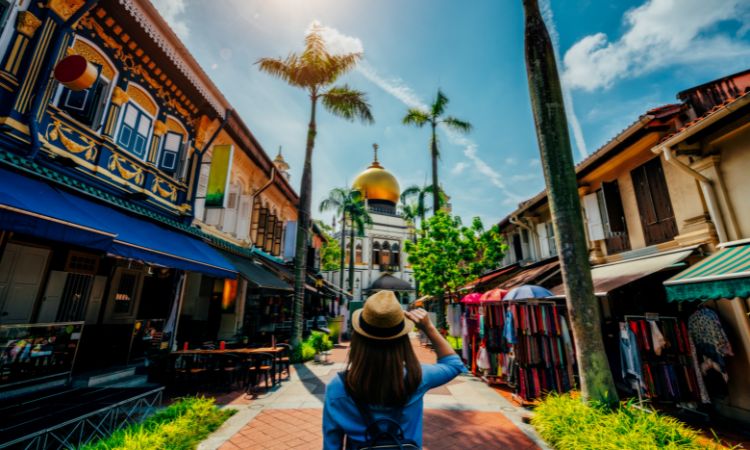
Beyond monuments, Luxor’s charm lies in its living culture: bustling souks offering spices, textiles, and handcrafted souvenirs; local cafés serving traditional dishes; and craft workshops where artisans produce alabaster carvings and papyrus art. Engaging with friendly vendors, sampling street food like koshari or falafel, and observing traditional coffee preparation in a local café add depth to your journey. Booking Luxor means planning these authentic interactions with respect and awareness of local customs and etiquette.
Learn More
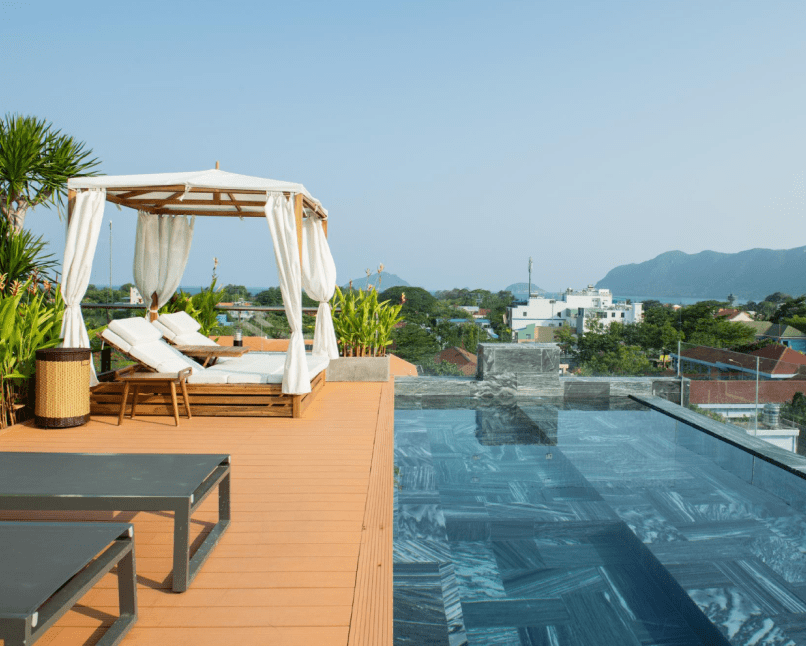
Luxor’s accommodation spectrum ranges from budget guesthouses overlooking the Nile to boutique hotels in historic buildings, and luxury resorts with pools, spa services, and rooftop views of temple silhouettes. Many properties offer unique features: rooftop terraces ideal for sunset views, traditional Egyptian décor combined with modern comforts, and personalized service from hosts knowledgeable about local insights. Booking early secures better rates (quoted in £) and preferred room types, especially in peak months.
Learn More
Egyptian cuisine in Luxor offers hearty and flavorful dishes: ful medames, ta’amiya, grilled meats with aromatic spices, and fresh salads, complemented by sweet treats like basbousa. Cooking classes may be arranged, allowing hands-on experience with local recipes. Spa treatments in higher-end hotels incorporate essential oils and traditional techniques, providing relaxation after days of exploration. Booking in advance ensures reservations at popular restaurants and spa appointments, with pricing shown in British pounds for ease.
Learn More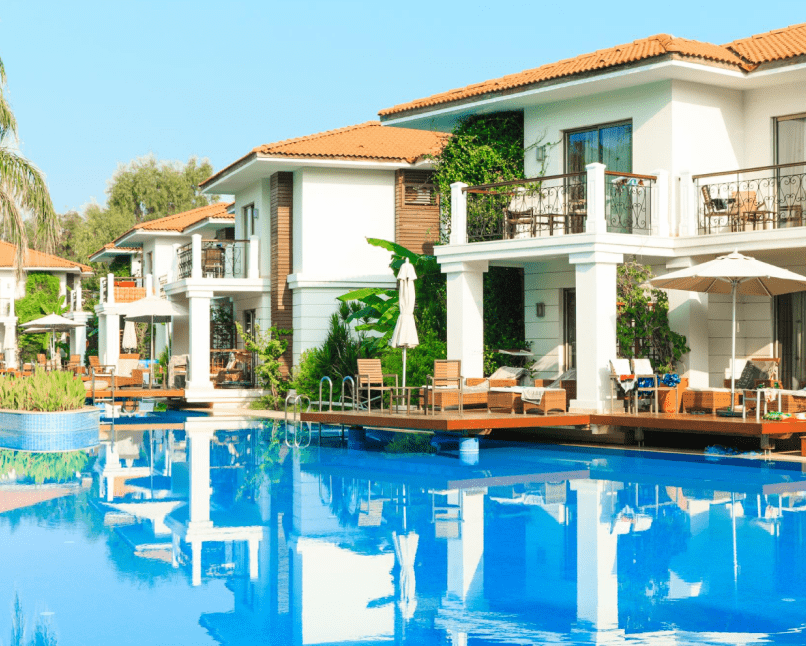
Lorem ipsum dolor, sit amet consectetur adipisicing elit. At illo adipisci iusto
From

Because more than 268 other customers have loved us too

Demonstrates commitment to user data security through encryption and secure payment practices
Learn More
Demonstrates commitment to user data security through encryption and secure payment practices
Learn More
Demonstrates commitment to user data security through encryption and secure payment practices
Learn More
Demonstrates commitment to user data security through encryption and secure payment practices
Learn More
Quality as judged by customers. Book at the ideal price!


/ person
/ person
/ person
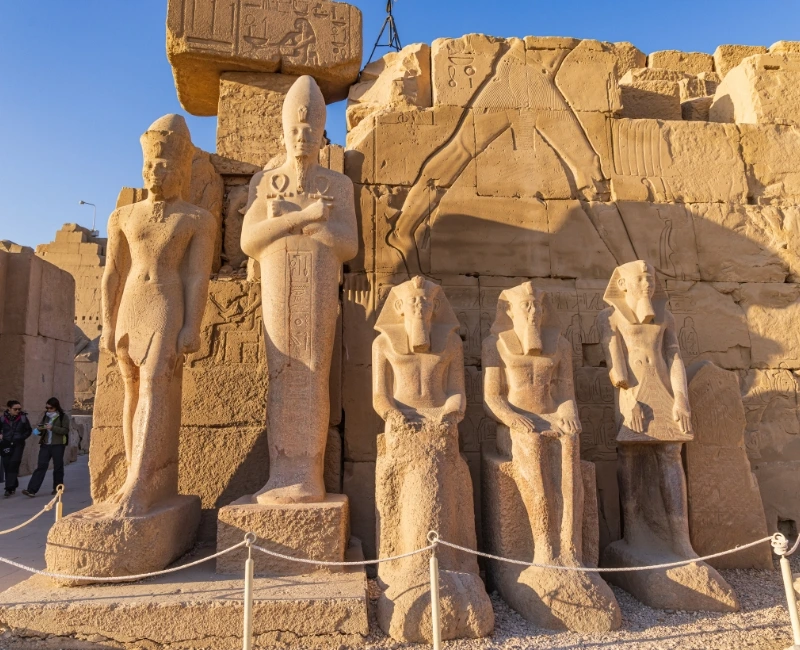
Karnak Temple, covering over 100 hectares, ranks among the largest religious complexes ever built. Successive pharaohs expanded precincts dedicated to Amun-Ra, Mut, and Montu. The Hypostyle Hall—16 rows of 134 colossal papyrus- and lotus-columned pillars—creates an awe-inspiring “stone forest.” Hieroglyphs and reliefs on the columns narrate military victories, religious ceremonies, and offerings.Key landmarks include the Great Court—where pharaohs once paraded—Hatshepsut’s Obelisk, and the Sacred Lake used for priestly purification rites. A guided tour reveals symbolism in column shapes, astronomical alignments, and the clerestory lighting that once illuminated inner sanctuaries. Visiting in the soft morning glow highlights relief details; some operators offer rare evening illumination tours that bathe facades in golden light, transforming the complex into a magical setting.On-site museums nearby display statues, inscriptions, and everyday objects excavated here, grounding Karnak’s grandeur in archaeological context. Entry fees are paid in Egyptian pounds but are often listed in British pounds for clarity; audio guides or private Egyptologist-led tours add depth. Allow at least half a day—combine self-guided wandering among towering columns with expert commentary at key points like the Fifth Pylon. Photographers should look for dramatic light-and-shadow interplay between pillars and capture close-ups of intricate relief work.Whether you explore independently or with a guide, Karnak’s layered history—from Middle Kingdom beginnings to Ptolemaic enhancements—unfolds across its vast courtyards, chapels, and avenues of sphinxes. This monumental site exemplifies ancient Egypt’s architectural ambition and enduring legacy.
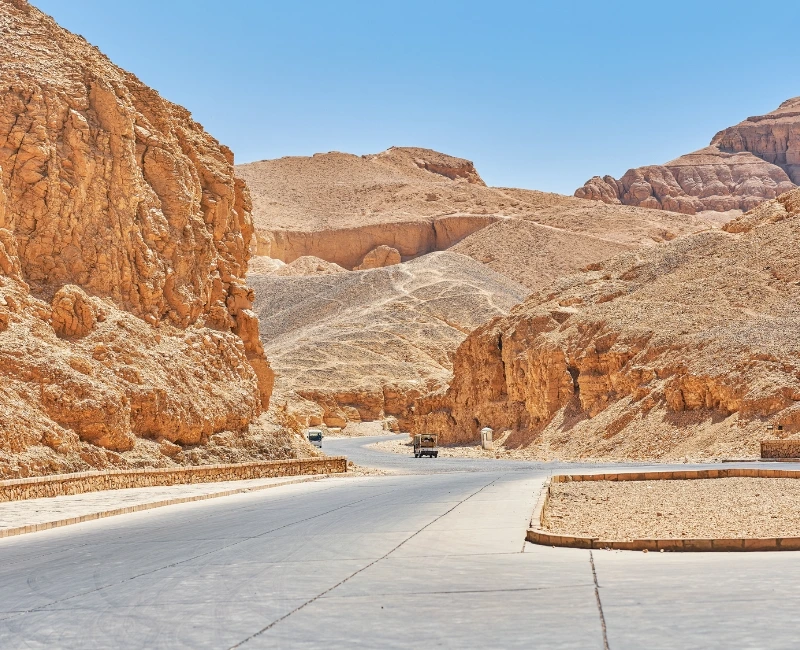
The Valley of the Kings, on Luxor’s west bank, served as the New Kingdom’s royal necropolis. Pharaohs—Tutankhamun, Seti I, Ramses II—were interred in rock-cut tombs adorned with vivid frescoes depicting their passage through the afterlife, gods such as Osiris and Anubis, and protective spells from the Book of the Dead.Access requires an entry ticket (additional fees apply for high-profile tombs) purchased in Egyptian pounds, often displayed in British pounds for tourists. A licensed guide or quality audio guide enriches your visit, explaining ceiling astronomical scenes, the purpose of burial chambers, and rituals intended to secure the pharaoh’s soul. To avoid crowds, arrive early—some tombs rotate access daily to preserve the art from humidity.Beyond the main valley, the quieter Valley of the Queens and the Tombs of the Nobles offer insight into royal family and aristocratic burials. Regulations prohibit large bags and flash photography; wear comfortable shoes and breathable clothing for uneven paths and slight climbs.Finish at the visitor center’s exhibits on mummification, funerary goods, and archaeological discoveries. Combine this with visits to nearby Mortuary Temple of Hatshepsut and Colossi of Memnon, and you’ll gain a comprehensive view of Luxor’s funerary landscape—where solemn reflection meets fascination with ancient beliefs about death and immortality.
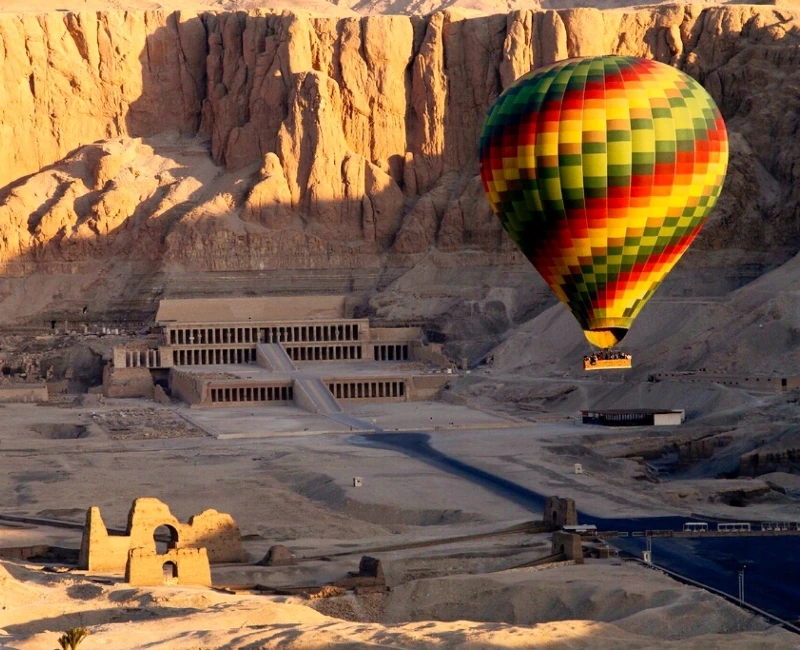
A sunrise hot-air balloon flight over Luxor is unforgettable. Pre-dawn pickup from your hotel brings you to the desert launch site. As balloons inflate against the pastel sky, you board a shared basket (up to 16 passengers) and lift off silently.Drifting over the Nile’s ribbon of green farmland, you see the Valley of the Kings, Luxor Temple, and Karnak precinct from a bird’s-eye view. Pilots steer across palm groves and fields where local farmers begin their day. Flights last 45–60 minutes, ending with a gentle landing in the desert; a celebratory juice or sparkling drink follows (priced in British pounds), plus photo certificates and breakfast at a nearby café or back at your hotel.Operators provide English safety briefings and reschedule if winds are unsuitable. Dress in layers—early mornings can be cool before warming rapidly at sunrise. Bring a camera with spare batteries and a light wind-breaker.This aerial perspective reveals how ancient monuments align along the Nile’s east-west axis for religious significance. Booking well in advance—especially October–April peak season—is advised. Expect to pay around £70–£100 per person (paid in pounds), inclusive of transfers, flight, and refreshments.
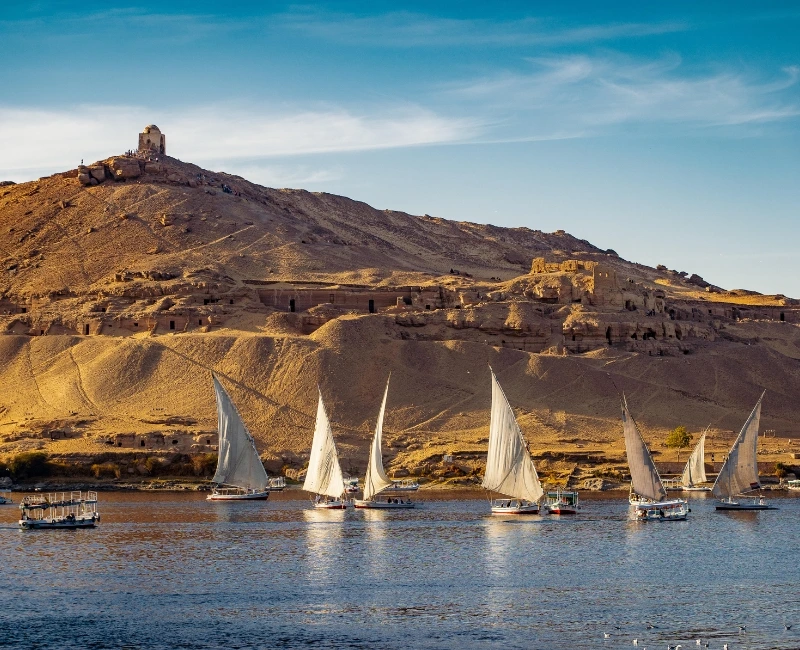
Sailing Luxor’s Nile on a felucca—a traditional wooden dhow—is a serene complement to temple touring. Afternoon departures glide past riverbank scenes: farmers tending fields, children playing by the water. Shared sails (2–3 hours) cost about £10–£15 per person; private charters run £40–£60 or more, depending on duration and group size.Short trips circle nearby islets like Gezira al-Mozh; overnight sails to more distant islands allow sleeping under the stars on deck or in simple tents, with onboard snacks of bread, cheese, fruit, and mint tea. Navigate afternoon breezes to enjoy vivid sunsets. Guides—often local fishermen—share Nile lore; tipping in EGP or pounds is customary.Pack a lightweight sleeping bag or sheet for overnights, plus sunscreen, water, and a hat. Felucca tours offer insight into life along the Nile: traditional boat-building, riverbank dwellings, and sustainable, engine-free travel. Family-friendly short sails and adventurous multi-night trips alike showcase Luxor’s living connection to Egypt’s lifeline. Booking through your hotel or reputable operator ensures safety and transparent pricing quoted in pounds.
Maximize your Luxor visit by planning ahead. Travel October–April to avoid extreme summer heat. Book flights—via Luxor International Airport (LXR) or Cairo connections—in advance to secure competitive fares, quoted in British pounds. Choose Nile-view hotels for easy access to dawn and dusk vistas; compare rates early, as high-season rooms fill quickly.Visas: apply online for an e-visa or acquire one on arrival; fees (US $25) convert to roughly £20–£25. Ensure your passport is valid for six months beyond entry. Health: carry prescription medications, first-aid basics, and bottled water (£0.50–£1 per litre).Pack lightweight, breathable clothing covering shoulders and knees for temple visits; include a sunhat, sunglasses, and sturdy walking shoes. Add a light jacket for early-morning balloon rides. Bring a universal Type C/F plug adapter for charging devices.Transport: arrange hotel transfers or pre-book taxis, agreeing on fares in pounds or insisting on meter use. Avoid crowded public buses; consider private cars for day tours. Purchase a local SIM card (from £5–£10) for reliable data, or rely on hotel Wi-Fi.Guides: hire licensed Egyptologists for key sites—tomb tours start around £30 for half-day excursions. For solo travelers, small-group tours offer safety and companionship. Confirm cancellation policies and payment currencies in advance.Money: carry small denominations of Egyptian pounds and British-pound equivalents. Tipping: £1–£5 per service encounter (guides, drivers, hotel staff). Always check weather and local festival calendars to align site openings and avoid unexpected closures.Balance temple marathon days with rest—poolside relaxation or a spa treatment—and integrate cultural immersion, such as attending a traditional music performance or visiting a local market. With thoughtful planning, your Luxor adventure will be safe, comfortable, and richly memorable.
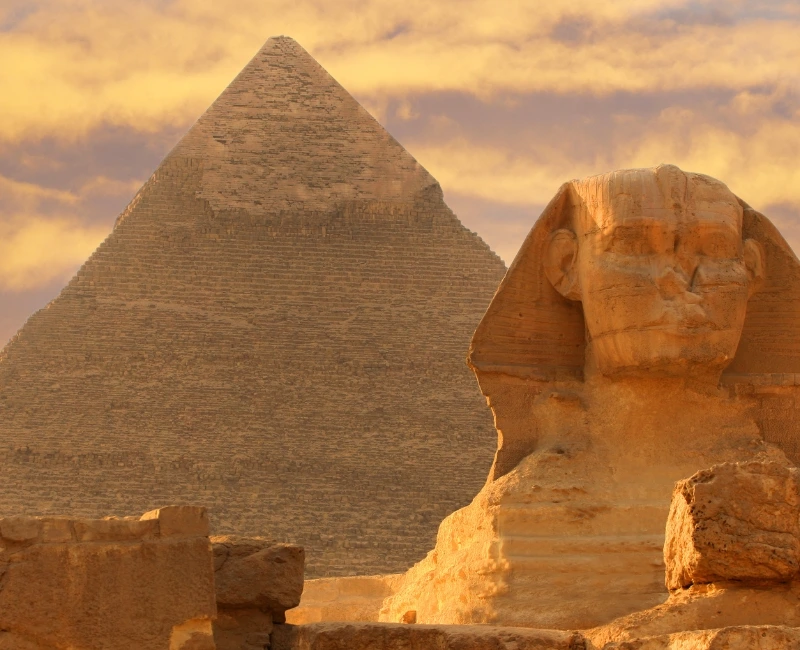
Efficient transport and reliable connectivity are vital in Luxor. Upon arrival at Luxor International Airport, arrange pre-booked hotel transfers—quoted in pounds or EGP—to avoid waiting. Taxis: negotiate a flat rate in advance or confirm meter use; ride-share apps are limited. For early-morning temple visits or balloon pickups, request hotel wake-up calls.Nile crossings: public ferries and motorboats shuttle between East and West Banks for £0.20–£0.50 per person; private boatmen charge about £2–£3. For scenic travel, book felucca sails by the hour or overnight (£10–£60 depending on service).Intercity travel: sleeper trains from Cairo to Luxor offer air-conditioned cabins (book via Egypt Railways site or local agent). Domestic flights via EgyptAir connect Luxor with Cairo and Hurghada; book early for best rates.Connectivity: purchase a prepaid local SIM (Vodafone, Orange) at the airport; data packages from £5–£10 enable mapping, translation apps, and social media. Hotel Wi-Fi is common but variable in speed—use a power bank for extended outings. Download offline maps for temples and Valley of the Kings.Electrical: bring Type C/F plug adapters; voltage is 220 V. For emergencies, save embassy contact details and nearest hospital location on your phone.Within the city: explore on foot around the Nile Corniche and Luxor Temple area; distances are walkable (under 2 km). For longer routes, hire private drivers or arrange guided excursions. Always carry water, sun protection, and identify meeting points if separated from your group.With transport and connectivity sorted, you’ll move smoothly between ancient wonders, Nile experiences, and contemporary comforts..
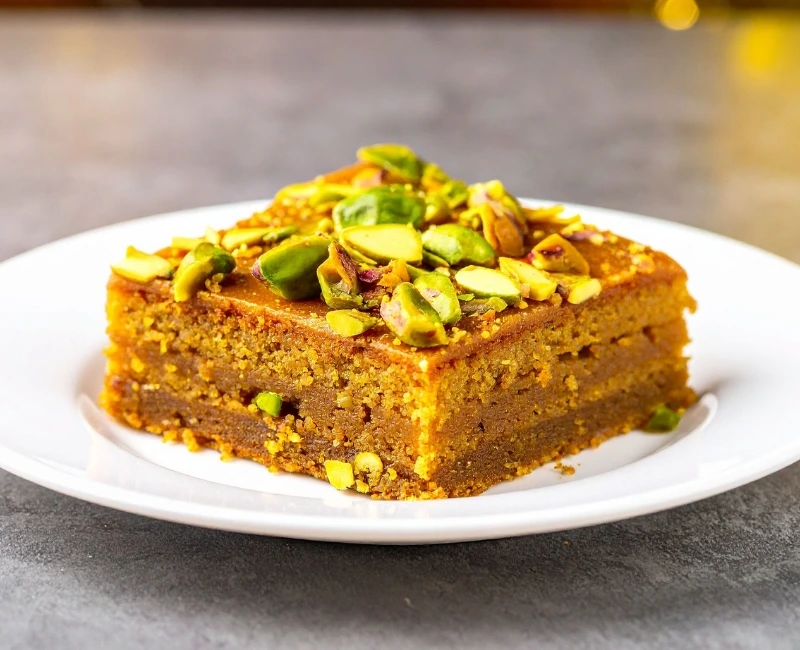
Luxor’s dining scene spans street-food stalls to upscale hotel restaurants. Budget meals—koshari, ful medames, ta’amiya—cost £2–£5; mid-range dinners run £15–£25 per person including a soft drink. Try Nile tilapia grilled with local spices, falafel wraps, or shawarma sandwiches. Sweet treats include basbousa, konafa, and baklava. Coffee comes Turkish-style or modern café variations; tea service often features mint and hibiscus blends.Evening entertainment often centers in hotel gardens or rooftop bars, where belly-dance shows and traditional music accompany multi-course dinners (£30–£50 pp). Dinner cruises on the Nile include live performances and Egyptian buffet menus.Shopping: the Luxor souk (near Luxor Temple) offers spices (saffron, cumin), papyrus art, alabaster carvings, and textiles. Haggling is expected—start at 50–60% of asking price and settle on a fair middle ground, clarifying totals in pounds. Small souvenirs (magnets, scarves) cost £1–£5; higher-craft alabaster bowls or jewelry range £20–£50.For genuine craftsmanship, visit artisan workshops: alabaster studios, papyrus painters, and leatherworkers. Buying directly supports local families and may offer better prices. Pack fragile items carefully for transport.Tipping is customary: £1–£3 for café or market help, £5–£10 for tour guides. Attempt basic Arabic greetings—“Shukran” (thank you), “As-salāmu ʿalaykum” (hello)—to enrich shopping interactions.Luxor’s blend of flavorful street bites, elegant dinners, and bustling markets immerses you in Egyptian hospitality and culture, creating lasting culinary and retail memories.
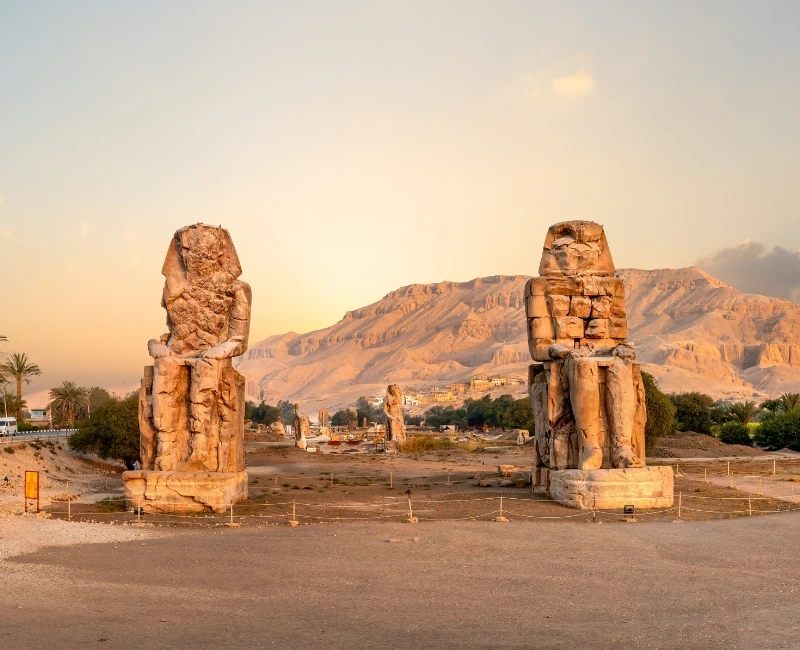
After temple touring, unwind at Luxor’s wellness venues. Hotel spas offer massages (Swedish, hot stone) incorporating local oils; sessions run £25–£50 depending on duration. Hammam treatments—steam, exfoliation, cleansing—deliver ancient bathing rituals; book in advance.For active relaxation, join sunrise yoga on a terrace overlooking the Nile (£10–£20 per class). Private instructors also lead meditation or stretching routines by the riverbank, enhancing morning serenity.Poolside at Nile-view hotels, spend afternoons swimming and reading; drinks and light snacks cost around £10–£15. Many properties host live traditional music in the evenings—belly dancers and oud performances—often included in dinner packages booked at £30–£50 per person.Creative workshops double as wellness activities: watercolor painting on temple ruins at sunset (£30–£40), or photography classes capturing dawn light on the Nile (£35–£45). The focus on mindful art fosters relaxation and deep connection to the landscape.For a deeper cultural-wellness blend, participate in herbal-remedy workshops at local farms: learn about desert plants used in traditional Egyptian medicine and mix oils or teas to take home. Costs vary but typically start at £20 per session.Bring yoga attire, swimwear, and a lightweight cover-up for spa areas. Confirm hygiene standards at treatment facilities. Schedule wellness days between temple visits to recharge.With massages, yoga, creative retreats, and serene felucca sails, Luxor offers holistic experiences that soothe body and mind, making your journey both enriching and restorative.
No ads. No trails. No commitments


Alice Roses
London, England
51 ST MATTHIAS ROAD
NOTTINGHAM, NOTTINGHAMSHIRE
NG3 2HF
Hours: 8:00 - 17:00, Mon - Sat
support@johnsonholidays.com