 Koh Lanta Travel
Guide
Koh Lanta Travel
Guide
Paris is known around the world as the “capital of love,” and even if you don't understand the history of Paris at all

16–18 Hours
£1.50
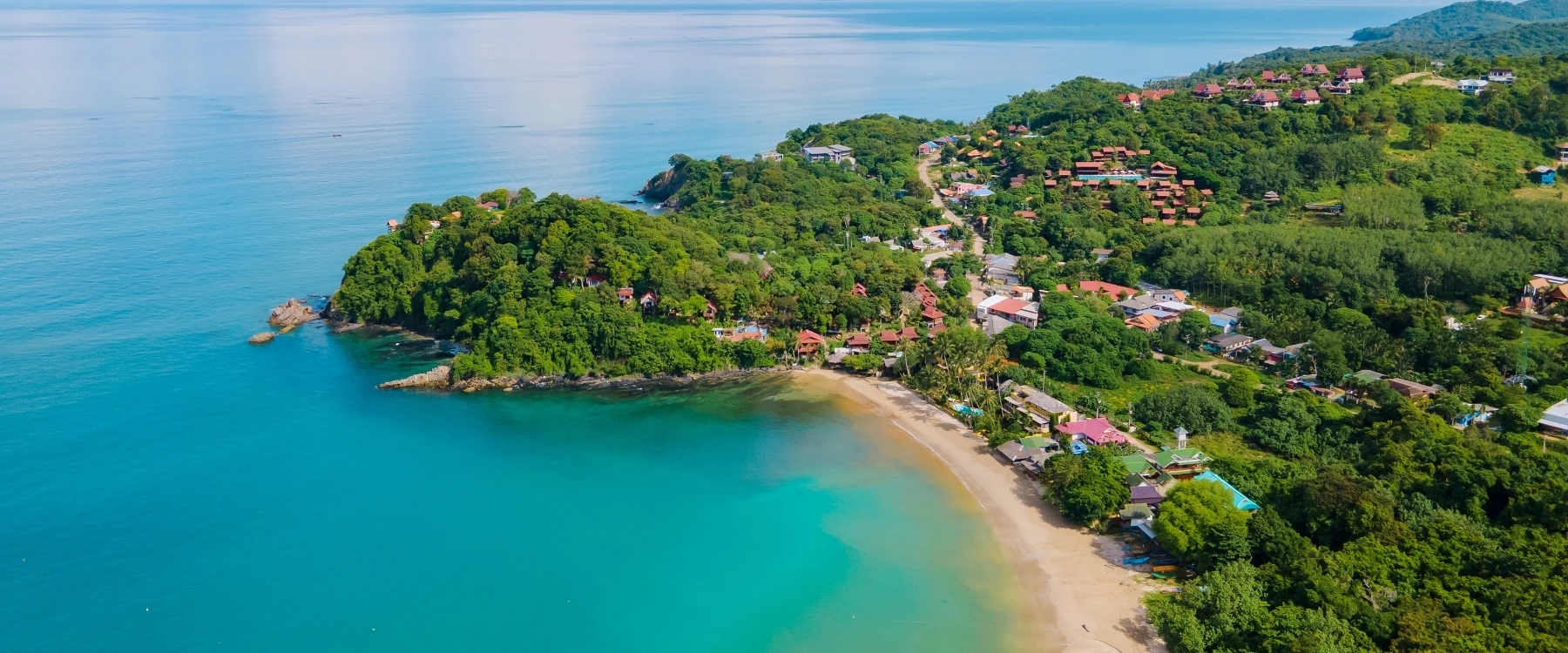
Koh Lanta’s beaches stretch uninterrupted for kilometers, offering soft golden sand and calm sea ideal for leisurely swims or sunbathing. Unlike more commercialized Thai islands, you’ll often find large stretches of shoreline with very few people—perfect for those seeking peace and privacy. Early mornings and late afternoons bring spectacular sunrises and sunsets over the Andaman Sea. Beachfront accommodations range from simple bungalows to boutique resorts, so you can wake up to palm-fringed views or enjoy an evening stroll under twinkling stars. The laid-back atmosphere ensures you can unwind fully, whether reading a book by the water or enjoying fresh seafood at a local beach shack just steps from the sand.
Learn More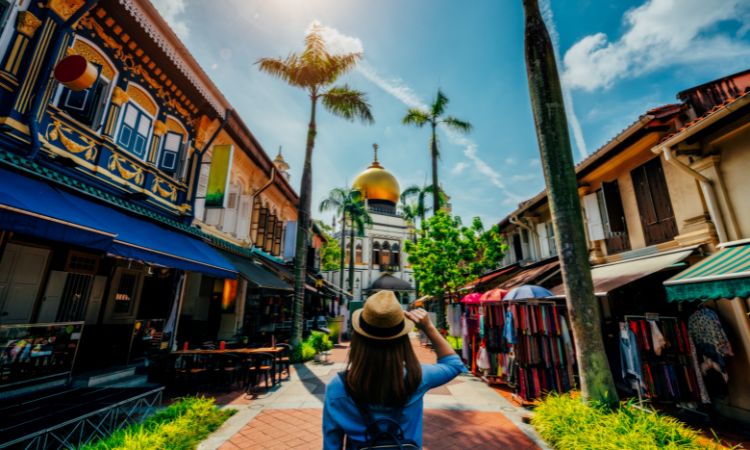
Koh Lanta is a gateway to some of Thailand’s best dive sites. Nearby reefs at Koh Haa, Koh Rok, and Hin Daeng attract divers and snorkelers with clear waters, colorful coral gardens, and abundant tropical fish. Seasonal sightings include manta rays and whale sharks, making it a bucket-list destination for underwater enthusiasts. Numerous dive schools on Koh Lanta cater to all levels, offering PADI certifications and guided day trips. Snorkeling trips suit non-divers as well, with shallow coral reefs reachable by speedboat. Even beginners can experience marine wonders safely. For those preferring shallow water, longtail boat operators take small groups to sheltered bays where the water remains calm and visibility excellent.
Learn More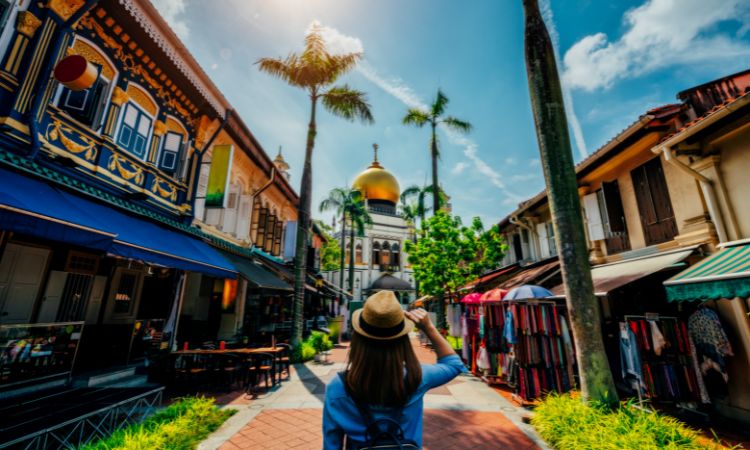
Beyond beaches, Koh Lanta’s villages preserve authentic Thai island life. In Lanta Old Town, stilted wooden houses reflect Chinese-Muslim heritage; wander narrow lanes to see traditional shops, small seafood markets, and family-run eateries. Sampling local dishes—such as grilled fish with chili dip, fresh coconut desserts, and simple noodle soups—offers insight into daily rhythms. Community-based tours let you visit rubber plantations, learn about mangrove ecosystems, or participate in cooking classes led by local hosts. Hospitality on Koh Lanta feels personal: many operators are small, family-run businesses, and you’ll often converse directly with owners. This closeness fosters meaningful exchanges and supports sustainable tourism, giving back to the community.
Learn More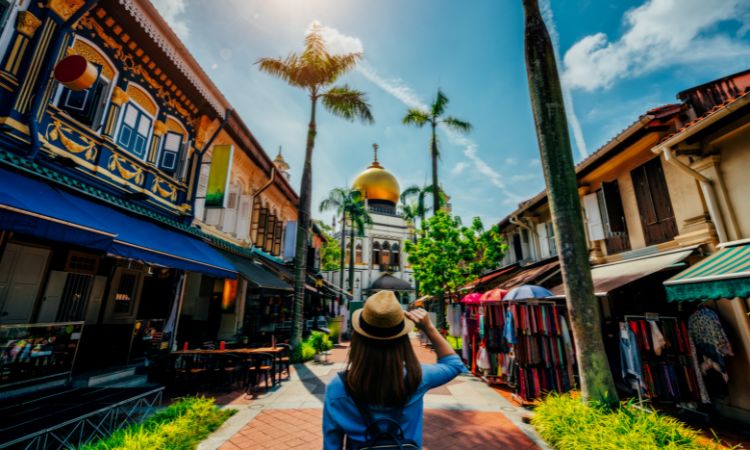
For active travelers, Koh Lanta delivers diverse experiences. Kayaking through mangrove forests reveals wildlife such as monitor lizards and colorful birds; hiking trails lead to viewpoints with panoramic island vistas. Rock climbing at Khao Mai Kaew Cave offers routes for varying skill levels, culminating in rewarding sea views. Cycling or scooter rides across the island pass rubber tree groves, rice fields, and hidden beaches. Even fishing enthusiasts can arrange traditional longtail excursions to learn local techniques. For adrenaline seekers, kiteboarding and stand-up paddleboarding are available in season. Day trips to national parks and waterfalls inland add another layer of exploration beyond the shore.
Learn More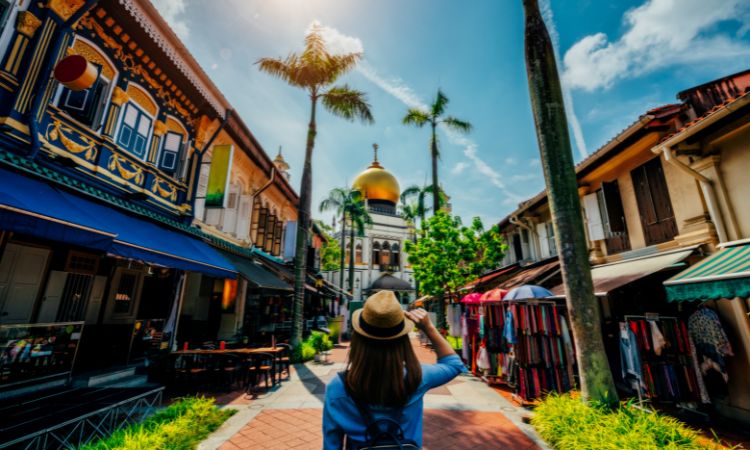
Koh Lanta’s gentle waters and relaxed pace make it ideal for families. Beaches have gradual entry, allowing children to paddle safely, while lifeguards and family-oriented resorts add extra reassurance. Many accommodations offer family rooms or adjoining bungalows, plus amenities like kids’ menus and casual playgrounds. Day trips—such as snorkeling in calm bays or visiting animal sanctuaries—are tailored to younger travelers, with experienced guides who understand child-friendly pacing. Even in low season, the island remains welcoming, and medical facilities on Koh Lanta and nearby Krabi ensure peace of mind. The community’s friendly nature and low crime rate contribute to a secure holiday environment for all ages.
Learn More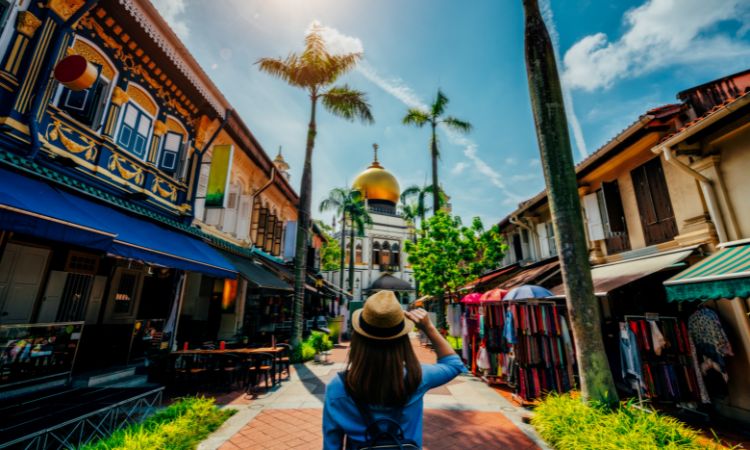
Thailand is known for affordability, and Koh Lanta exemplifies this: you can find comfortable beachfront stays for around £40–£70 per night, local meals for under £5, and budget-friendly tours. Even higher-end villas and boutique retreats remain competitively priced compared to other tropical destinations. Transportation options include ferries from Krabi and Phuket, private transfers, or budget flights into Krabi (KBV) or Trang (TST) followed by short road transfers. Flexibility extends to booking: many small operators allow free cancellations or date changes, especially in shoulder season. Whether on a tight budget or seeking a splurge, Koh Lanta delivers value without sacrificing quality or experience.
Learn More
Lorem ipsum dolor, sit amet consectetur adipisicing elit. At illo adipisci iusto
From

Because more than 268 other customers have loved us too

Demonstrates commitment to user data security through encryption and secure payment practices
Learn More
Demonstrates commitment to user data security through encryption and secure payment practices
Learn More
Demonstrates commitment to user data security through encryption and secure payment practices
Learn More
Demonstrates commitment to user data security through encryption and secure payment practices
Learn More
Quality as judged by customers. Book at the ideal price!


/ person
/ person
/ person
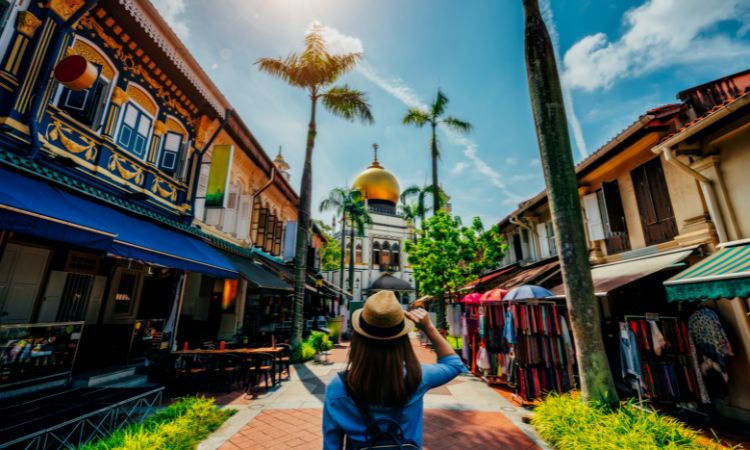
Koh Lanta’s western shores transform into an artist’s palette at dusk, with beaches offering unobstructed views of the sinking sun. Long Beach (Phra Ae) is the quintessential spot: its broad arc of soft, golden sand meets gentle waves, ideal for evening strolls and playful dips. As the horizon glows, beach bars line the coast, serving chilled fruit smoothies (≈£2.50) and cocktails (≈£5–£7), often with live acoustic music or fire‑dance performances. Facilities include sunbeds, umbrellas, and beachside hammocks; local vendors peddle snacks—kalamare (grilled squid) and banana‑pancake wraps—perfect for a picnic as the sky deepens to purples and reds.For a quieter vantage, head to the western tip of Klong Dao Beach. Here, limestone outcroppings frame the view, and the smaller crowds create an intimate atmosphere. Photographers love this spot for its composition: rock silhouettes against pastel skies. Pack a light sweater; December–January evenings can carry a cool sea breeze. If you crave complete seclusion, explore nearby coves accessible via short jungle paths—keep an eye on local tide charts, as some coves shrink at high tide.Sunset cruises depart from Saladan Pier, offering panoramic island-to-island silhouettes while sipping a chilled Singha beer. Guides often point out geological features—sea cliffs and hidden bays—illuminated by golden-hour light. At day’s end, beachfront cafés line Kai Bae and Kantiang Bays, serving simple seafood platters (≈£6–£10) timed to coincide with sunset. Lobster, grilled prawns, and fresh fish arrive hot off charcoal grills, paired with tangy salads and sticky rice.After the sun sets, the island’s nightlife unfolds softly: tiki torches flicker at Lanta Old Town riverfront bars, and lantern-lit lanes invite a moonlit stroll. Turtle‑nesting zones along remote beaches glow faintly with conservation lights—observe respectfully from marked paths. Sunset on Koh Lanta isn’t just a photo opportunity; it’s a communal ritual that unites families, friends, and solitary travelers in shared awe of nature’s finale each day.
A 90‑minute speedboat ride from Koh Lanta deposits snorkelers in the crystalline waters surrounding Koh Rok Nok and Koh Rok Nai—two uninhabited gems famed for their flourishing coral gardens. Tour operators provide reef‑safe sunscreen, masks, fins, and expert guidance on preserving delicate marine habitats. In the shallow bays, novice snorkelers float above swaying sea fans and vibrant brain corals, encountering parrotfish, butterflyfish, and the occasional green turtle grazing on seagrass. The deeper drop-offs attract more seasoned adventurers, who may spot blacktip reef sharks patrolling sandy slopes.Morning departures (≈8 AM) capitalize on calm seas and peak visibility (up to 30 m in the dry season). Tours—priced around £25–£35—include transfers to main beaches, onboard light refreshments (water, fruit, tamarind candies), and a picnic lunch of grilled chicken skewers, Thai salads, and sticky rice served on white‑sand beaches. After lunch, some itineraries continue to Koh Ha, a mangrove‑fringed island with intricate limestone caves and sheltered lagoons—ideal for a second snorkeling session among schools of bannerfish and juvenile batfish.Sustainability is central: operators anchor to mooring buoys, perform underwater clean‑ups, and educate guests on no‑touch policies. Underwater photographers—whether using action cameras or rental housings—capture kaleidoscopic reef scenes during surface intervals. Post‑snorkel, stories and videos are shared over fresh coconuts or iced lattes at beachfront cafés on Koh Lanta.Seasonal considerations: the dry season (November–April) offers the calmest conditions and best clarity; the rainy season brings plankton blooms that reduce visibility but can attract larger species like manta rays. Regardless of timing, snorkeling at Koh Rok and nearby reefs is an immersive highlight of any Koh Lanta itinerary, seamlessly blending adventure, education, and nature conservation.
Koh Lanta’s eastern shoreline is fringed by dense mangrove forests—natural nurseries vital to coastal ecology. Guided kayaking tours, launching from serene beaches like Klong Jark or Klong Nin, navigate a labyrinth of tidal channels lined with arching roots and towering palms. Paddlers glide over glassy water, spotting monitor lizards sunning on exposed roots and kingfishers diving for fish below. Your guide explains the critical role mangroves play in wave attenuation, carbon sequestration, and fish nurseries, fostering deeper ecological appreciation.Tours offer double kayaks, making them ideal for families or pairs; half‑day excursions (≈£20–£25) explore main watercourses and include a riverside lunch of grilled fish, papaya salad, and sticky rice (≈£5–£8 per meal). Full‑day adventures extend upriver to Sala Dan fishing villages, where you can witness traditional crab‑trapping and sample fresh‑caught seafood at rustic shacks.For seasoned paddlers, multi‑day camping trips venture deeper into the forest, sleeping under canvas on secluded sandbanks. Wake to dawn reflections and the chorus of cicadas and wetland birds—an immersive encounter with island rhythms. Seasonal paddling windows open with high tide on spring tides, allowing access to higher branches and richer wildlife sightings; low tide reveals expansive mudflats teeming with crabs and shrimps.Tours emphasize eco‑responsibility: no single‑use plastics, guided replanting of mangrove saplings, and modest group sizes (max 10 kayaks) to minimize disturbance. Photographers find unlimited composition angles—from root‑drama close-ups to rippling canopy reflections. Bring sun protection, insect repellent, and a waterproof camera case. Kayaking through Koh Lanta’s mangroves is a peaceful yet enlightening adventure, linking adventure sport with environmental stewardship.
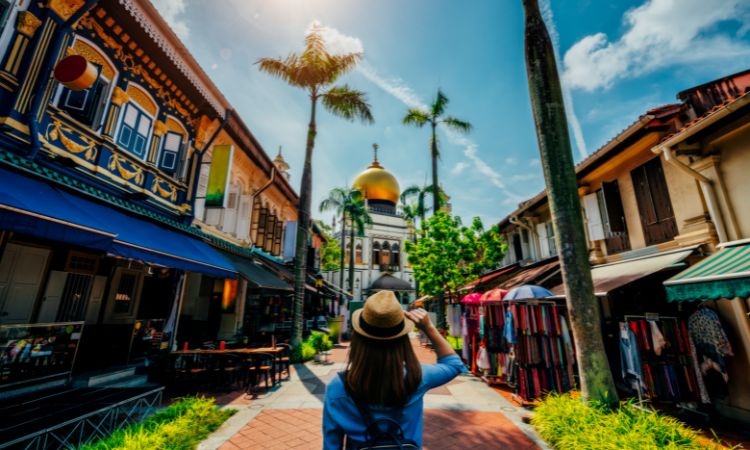
Beyond Koh Lanta’s beaches, rolling hills and limestone karsts beckon hikers and spelunkers alike. The most popular viewpoint trek starts near Saladan, ascending through secondary forest and small rubber‑tree plantations. The 1.5 km trail—moderate in difficulty—rises to a plateau offering 360° panoramas: patchwork rice fields, Andaman Sea vistas dotted with islands, and the sinuous shape of Koh Lanta’s beaches. Depart pre‑dawn to avoid midday heat; the sunrise spectacle paints the clouds in fiery reds, best witnessed from this elevated perch. Equip yourself with sturdy hiking boots, headlamp for early starts, and at least 2 L of water per person.For subterranean thrill-seekers, Khao Mai Kaew Cave tours navigate limestone corridors adorned with stalactites and stalagmites. Guided expeditions include rock‑climbing segments, rope‑assisted descents, and squeezes through narrow chambers illuminated by helmet lamps. Expect 2–3 hours underground; safety gear and experienced instructors ensure novices can participate. On-site, you’ll learn about the cave’s geological formation and local folklore—stories of lost monks and hidden underground rivers. Seasonal cave tours run October–April, when heavy monsoon runoff keeps inner passages accessible yet safe.Combine both activities in a full‑day adventure: morning hike to the viewpoint, followed by a packed lunch in the forest canopy, then afternoon spelunking and a refreshing dip in the base-level freshwater pool near the cave entrance. Plans adjust for the rainy season (May–October), when trails become slippery and cave entrances may flood—opt instead for morning trips after overnight drainage and reserve afternoon for cultural tours or spa time.Local guides tailor routes to group fitness and interest: families may choose shorter loops and shallow cave sections, while adrenaline seekers tackle advanced rope work. Whether gazing over Koh Lanta’s beaches from above or venturing into its limestone heart, hiking and caving unlock a thrilling, off-beach dimension of the island’s natural tapestry.
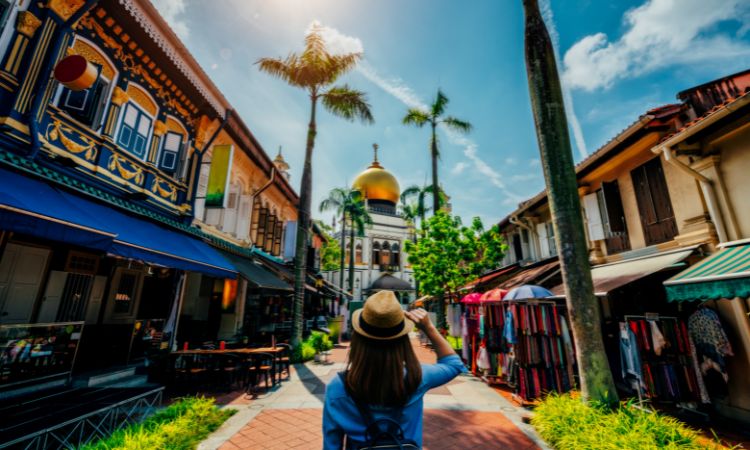
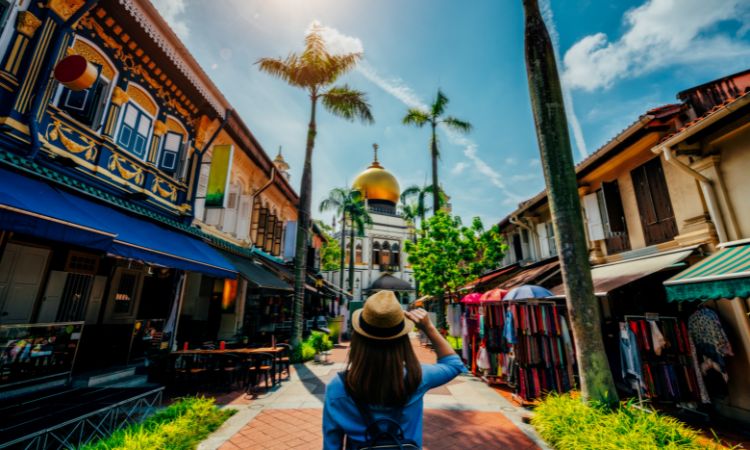
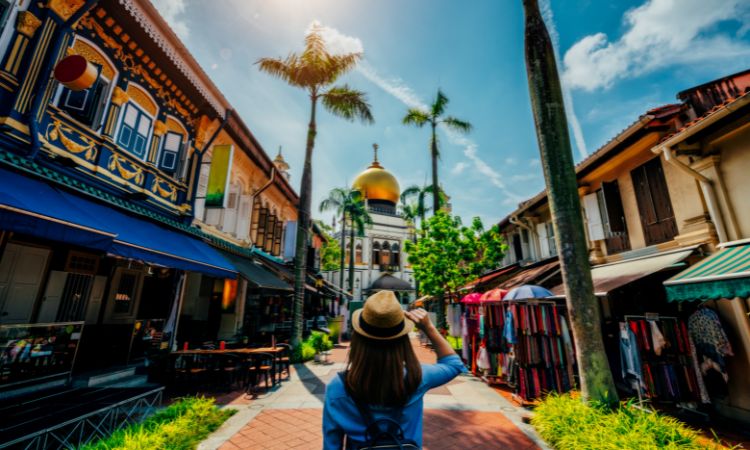
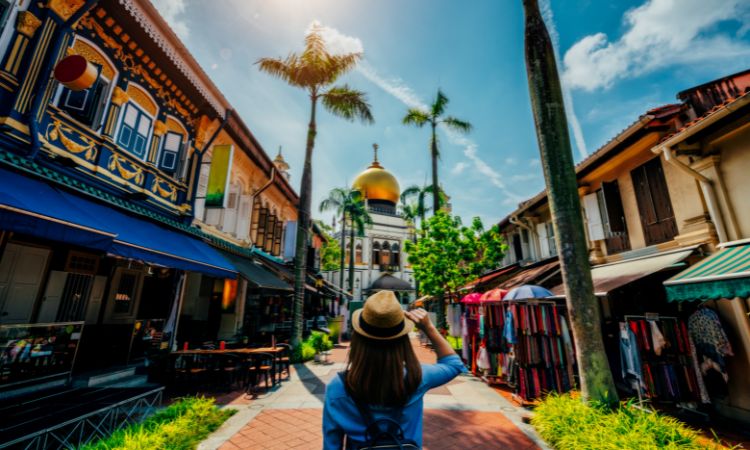
Perched on Koh Lanta’s eastern shoreline, Lanta Old Town preserves a unique fusion of Sino-Thai and Muslim cultures in its stilted wooden houses and winding lanes. Begin your visit at dawn, when fishermen moor traditional wooden long‑tails at the central pier, unloading daily catches of snapper, grouper, and squid. Venture to the bustling Saladan Market, where stalls overflow with tropical fruit—mangos, rambutans, and durians—and vendors carve ice‑cold coconut halves to order.Wander past family-run seafood eateries, where you’ll sample pla pao (salt‑crusted grilled fish) cooked over coconut‑charcoal embers (≈£3–£5). Chat with cooks as they season fish with local sea salt and wrap it in banana leaves, learning the significance of fresh, simple ingredients.Artisanal shops showcase hand‑woven baskets, batik sarongs, and wood‑carved homewares, each piece reflecting generational craftsmanship. Purchasing directly from makers ensures community support and authentic souvenirs. A short walk leads to a rubber‑tree plantation, where local farmers demonstrate traditional latex tapping and discuss how rubber sustains rural livelihoods.Enhance your cultural immersion with a family‑hosted cooking class: shop alongside your host family at the old‑town market, selecting galangal, lemongrass, and local chilies. Return to a home kitchen for hands‑on preparation of southern Thai curries—coconut‑milk‑based, fiery, and fragrant—and finish with khao tom bua (sweet rice‑flower pudding). The communal meal afterward fosters genuine cultural exchange.Respectful behavior is essential: dress modestly—cover shoulders and knees—when entering family homes or visiting the small mosques and shrines dotting the town. Remove shoes before entry, and ask permission before photographing individuals or ceremonies.In the evenings, Old Town’s wooden walkway lights up with lanterns, and riverside cafés fill with soft chatter. A boat cruise along the mangrove‑lined canals reveals stilt houses reflected in still water, while storytellers recount Old Town’s maritime heritage.By exploring Lanta Old Town—through its architecture, markets, culinary traditions, and community hospitality—you gain a deeper understanding of the island’s heart and contribute directly to preserving its living heritage.
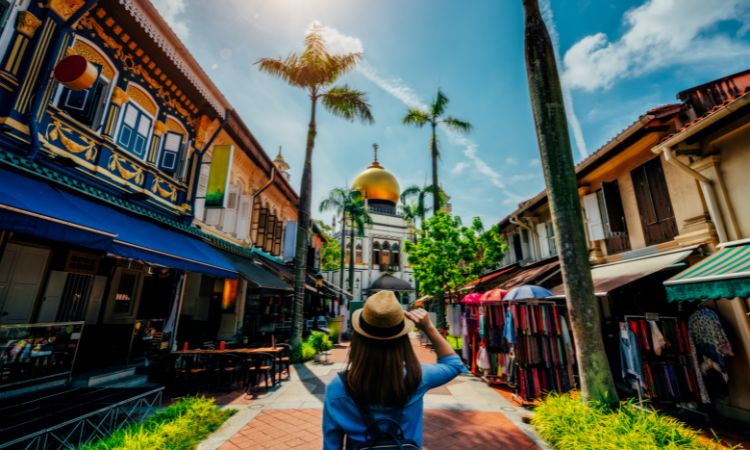
Koh Lanta’s culinary scene invites you to discover the art and science behind Thai flavors. Many cooking workshops begin with a market tour—accompanied by a local chef—to select the freshest ingredients: galangal, kaffir lime leaves, coconut milk from hand‑split husks, and the island’s renowned seafood. Learn to judge fish for firmness and eyes‑clear clarity, ensuring you cook only the best.Back in an open‑air kitchen, you’ll learn to replicate dishes such as Tom Yum Goong—mastering the perfect balance of lemongrass, lime, chilies, and galangal—and Panang Curry, achieving the silky richness of roasted chili paste and coconut. A specialty of southern Thailand, Gaeng Tai Pla (fermented fish curry) introduces you to local ingredients and potent, tangy profiles. Classes also cover Khao Yam, a spicy rice salad bursting with herbs, shredded coconut, and toasted coconut bits, illustrating the Thai skill of layering textures.Workshops typically conclude with a communal feast where participants taste each other’s creations over lively discussion of techniques and regional variations. Vegetarian, vegan, and gluten‑free adaptations are available—just notify the instructor in advance.For street‑food aficionados, sign up for an evening food tour through Lanta Old Town and Klong nin Junction. Small groups sample a curated selection: roti stuffed with banana and condensed milk, khanom jeen (rice noodles with fish curry), and moo satay (grilled pork skewers). Tour guides—often former cooking‑school chefs—reveal hidden stalls and recount family recipes that span generations.Some culinary experiences pair cooking with boat trips: fish markets at sunrise, followed by fishing alongside local crews. Catch your own fresh fish, then return for a hands‑on lesson in preparing it according to age‑old island methods.Prices range from £25–£50 for half‑day workshops and £10–£15 for street‑food tours, representing excellent value for cultural immersion. Participants leave not only with new kitchen skills but also with recipe cards and the confidence to recreate Thai dishes at home—ensuring Koh Lanta’s vibrant flavors endure long after departure..
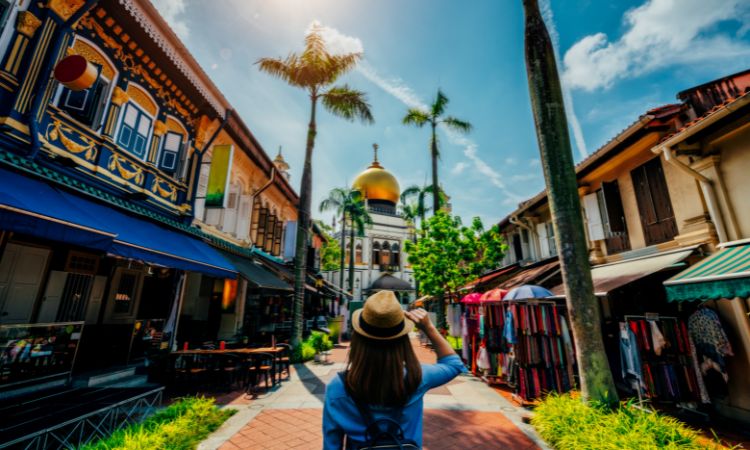
Koh Lanta’s tranquil landscapes and gentle sea breezes nurture the island’s growing reputation as a wellness haven. From beachfront yoga studios to jungle‑hidden spa sanctuaries, you’ll find holistic experiences that restore mind, body, and spirit.Begin each day with sunrise yoga on a wooden deck overlooking Klong Dao Beach, where instructors guide mixed‑level Vinyasa or Yin sessions. The rhythmic morning surf and birdcalls deepen focus, while group sizes (max 12 participants) ensure personalized attention. Single sessions cost around £8, while multi‑day retreat packages—spanning 3–7 days—include daily yoga, meditation workshops, and sound‑healing experiences using Himalayan bowls.Spa treatments leverage local botanicals: therapists perform herbal compress massages—poultices filled with lemongrass, turmeric, and kaffir lime—followed by deep-tissue Thai massages to release tension. Coconut‑oil scalp treatments and sea-salt body scrubs refresh skin, all priced between £15–£30 per treatment. Standalone spa days and wellness weekends combine multiple modalities—sauna sessions, foot reflexology, and aromatherapy rituals—into cohesive self-care programs.Retreat centers nestled in the jungle, such as Blue Sabbath or The Yoga Retreat, integrate farm-to-table vegetarian meals featuring local produce, detox juices made with butterfly-pea flower, and educational talks on Thai herbal medicine. Guests might participate in herb-gathering walks alongside guides, learning to identify plants used in traditional healing.Facilities often include meditation pavilions, jacuzzi gardens, and nutrition workshops emphasizing clean eating and mindful cooking. Workshops cover breath techniques (pranayama), basic anatomy for self-massage, and stress-management strategies you can carry home.For families, some studios offer kids’ yoga—playful sessions that introduce mindfulness and movement to younger participants—while parents enjoy adult classes. Intergenerational retreat options accommodate diverse needs, ensuring both relaxation and bonding.Seasonal packages align with Koh Lanta’s rhythms: dry‑season mornings for beach yoga; monsoon‑season spa escapes when indoor heat brings extra coziness. Early booking is advised for full‑moon yoga events on the beach. Regardless of your chosen path—solo retreat, couple’s getaway, or family wellness program—Koh Lanta’s integrative offerings promise a rejuvenating escape set against the island’s sublime natural backdrop.
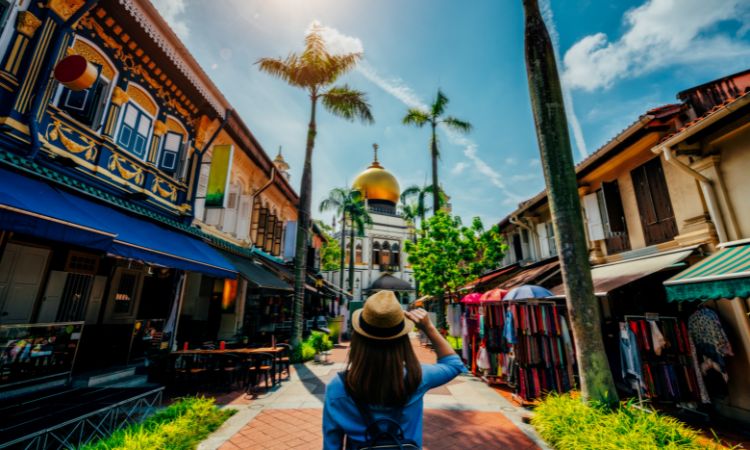
Koh Lanta’s lush habitats and dedicated conservation initiatives create enriching eco-experiences ideal for families. A highlight is the sea turtle conservation program at Ao Leuk, where children don gloves to help transfer eggs from vulnerable nests to protected hatcheries. During hatchling season (March–May), guided evening releases let families gently guide baby turtles into the surf—an unforgettable lesson in life’s fragility and resilience.Mangrove reforestation tours begin with interactive paddles through Khlong Lanka channels in double kayaks. Under the guidance of marine biologists, participants learn to identify native mangrove species and the importance of these forests for shoreline protection. Families plant mangrove seedlings in small, supervised plots—contributing directly to habitat restoration while instilling environmental stewardship in young minds.At the animal rescue center near Ban Saladan, rescued stray cats, dogs, and occasional wild birds find care. Children help caregivers prepare food, clean enclosures, and assist with basic enrichment activities. Staff emphasize gentle handling and respect for animal boundaries, teaching compassion and responsibility.Daytime birdwatching excursions, led by local ornithologists, explore interior ponds and forest edges. Equipped with binoculars, families spot kingfishers flickering over water, Asian koel calls echoing from treetops, and, if lucky, a white‑bellied sea eagle soaring overhead. Guides provide child‑friendly spotting charts and simple ecology talks.Seasonally, dolphin‑watching cruises depart from Saladan Pier, with opportunities to observe Irrawaddy dolphins in coastal waters. Naturalists on board explain dolphin behavior and regional conservation efforts; children receive activity sheets to identify species and record sightings.Ecotours emphasize leave‑no‑trace principles: no feeding wildlife, proper waste disposal, and maintaining safe distances. Fees—typically £10–£20 per person—fund local research and community conservation. Resorts partner with these programs, offering combined packages that include accommodation, meals, and eco‑tour credits.By engaging in Koh Lanta’s family‑friendly wildlife and eco experiences—from turtle releases to mangrove planting—families forge meaningful connections with nature and each other, creating shared memories and fostering a generation of environmentally conscious travelers.
No ads. No trails. No commitments


Alice Roses
London, England
51 ST MATTHIAS ROAD
NOTTINGHAM, NOTTINGHAMSHIRE
NG3 2HF
Hours: 8:00 - 17:00, Mon - Sat
support@johnsonholidays.com