 Scotland Travel
Guide
Scotland Travel
Guide
Paris is known around the world as the “capital of love,” and even if you don't understand the history of Paris at all

2 Hours
£4
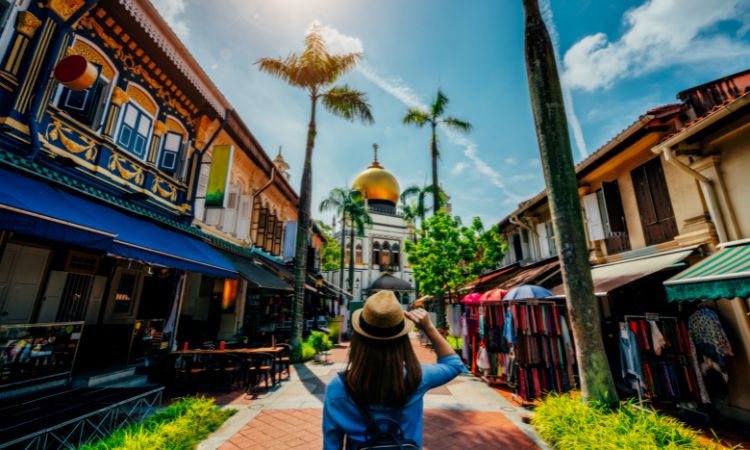
Immerse in genuine Highland adventures with knowledgeable local guides. Trek remote glens where legends linger, observe wildlife like red deer and golden eagles in their natural habitats, and camp under starlit skies away from light pollution. Our curated itineraries balance thrill and safety: guided ascents of peaks, exploration of hidden waterfalls, and educational insights into ecology and folklore. Each experience supports conservation and local communities, ensuring sustainable tourism. After a day outdoors, unwind in cosy lodges serving hearty regional dishes. By choosing our services, you gain access to lesser-known routes and insider knowledge that transform a journey into a profound connection with Scotland’s raw landscapes and traditions.
Learn More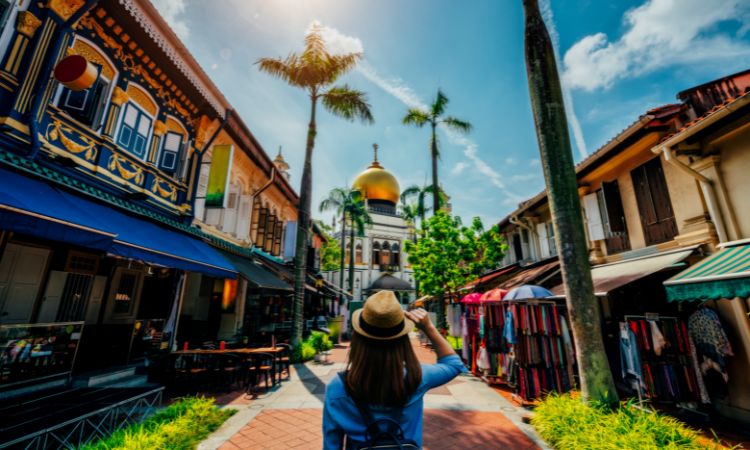
Delve into Scotland’s layered history through UNESCO sites, historic castles, and family-run distilleries. Enjoy Gaelic music sessions in intimate settings, attend Highland games showcasing athleticism and pageantry, and explore literary landmarks that inspired renowned authors. Our local partners grant behind-the-scenes access: private distillery tours, after-hours castle visits, and off-menu tastings. Engage with clan historians to trace ancestry or learn about tartans. Whether wandering medieval closes in Edinburgh or discovering Gaelic traditions on islands, our curated experiences offer depth beyond surface tourism, fostering meaningful engagement with Scotland’s evolving cultural tapestry.
Learn More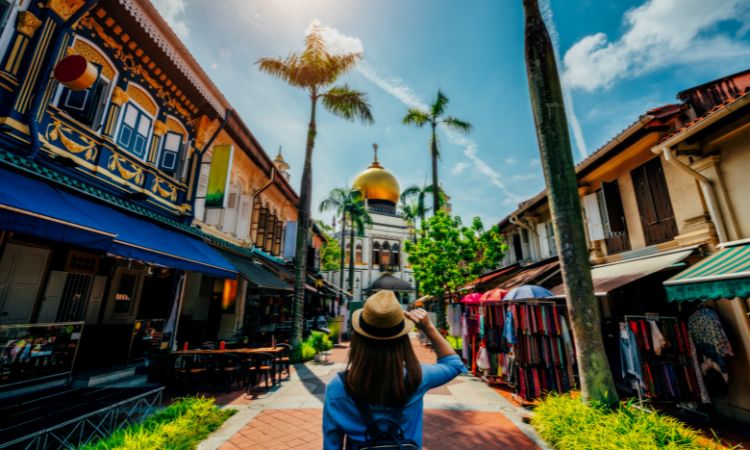
Venture beyond popular routes to secluded beaches, hidden viewpoints, and tranquil villages. Travel winding single-track roads to discover secret vantage points at dawn and dusk, with photo-worthy scenes of misty moors and shimmering lochs. Enjoy balanced itineraries with comfortable rest stops, local dining experiences showcasing fresh seafood and farm produce, and opportunities for spontaneous detours guided by local insight. These bespoke journeys reveal Scotland’s authentic character—quiet solitude, genuine hospitality, and landscapes untouched by mass tourism—ensuring each trip feels uniquely yours.
Learn More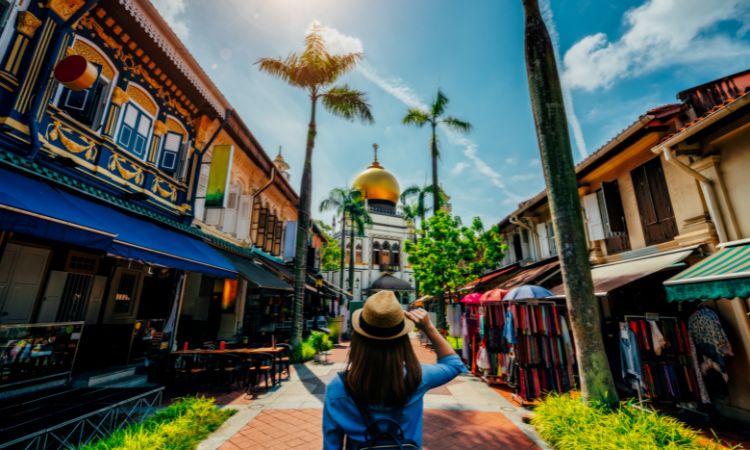
Our team tailors plans to Scotland’s variable seasons: extended daylight activities and festivals in summer; crisp autumn hikes with russet scenery; winter snow sports, Northern Lights tours, and cosy indoor experiences; spring’s blossoming nature and fewer tourists. Schedules remain flexible, allowing spontaneous detours when unexpected gems appear. Local weather briefings and contingency options ensure safety and enjoyment despite changeable conditions. This seasonal expertise maximizes your time and deepens appreciation for Scotland’s varying moods.
Learn More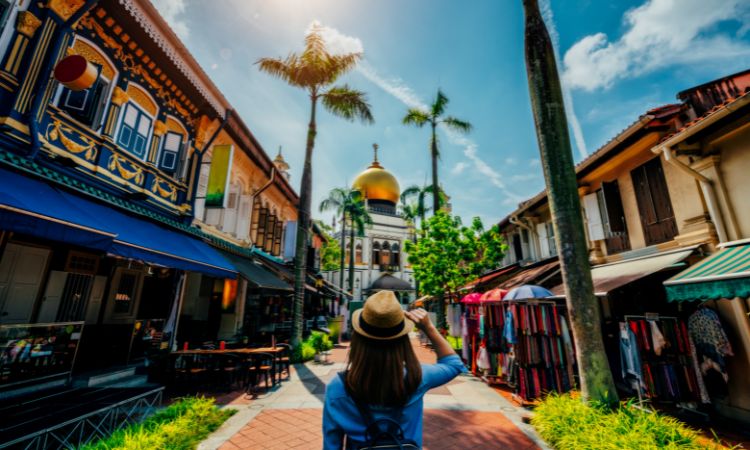
Benefit from guides born and raised in Scotland who share personal anecdotes, Gaelic phrases, and insider tips. Access family-run distilleries and producers of seafood, cheese, and crafts unavailable to general visitors. Learn about regional customs, navigate remote roads safely, and participate in local events. This insider access enriches your journey, supports small enterprises, and fosters authentic connections that reveal the heart of Scottish communities.
Learn More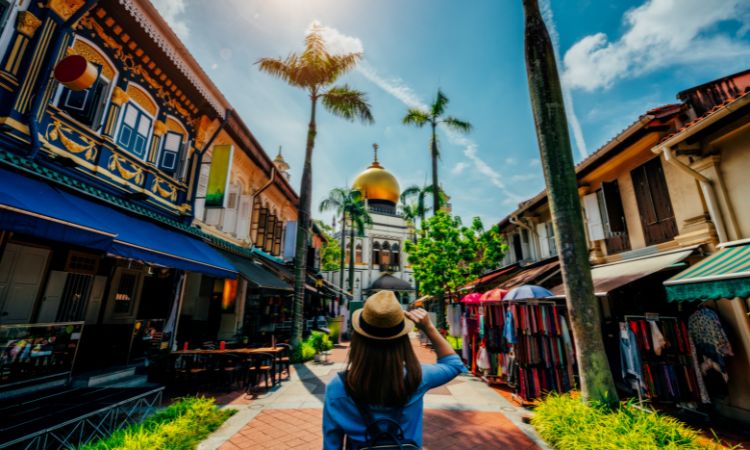
We provide clear, all-inclusive pricing in British pounds with no hidden fees. Through partnerships with accommodations, transport providers, and activity operators, we secure competitive rates without compromising quality. Customize packages to match budgets: luxury castle stays or cosy guesthouses; private tours or group excursions. Upfront cost estimates for meals and optional activities help you plan confidently. Enjoy Scotland’s best offerings without surprises, knowing each element is vetted for value and reliability.
Learn More
Lorem ipsum dolor, sit amet consectetur adipisicing elit. At illo adipisci iusto
From

Because more than 268 other customers have loved us too

Demonstrates commitment to user data security through encryption and secure payment practices
Learn More
Demonstrates commitment to user data security through encryption and secure payment practices
Learn More
Demonstrates commitment to user data security through encryption and secure payment practices
Learn More
Demonstrates commitment to user data security through encryption and secure payment practices
Learn More
Quality as judged by customers. Book at the ideal price!


/ person
/ person
/ person
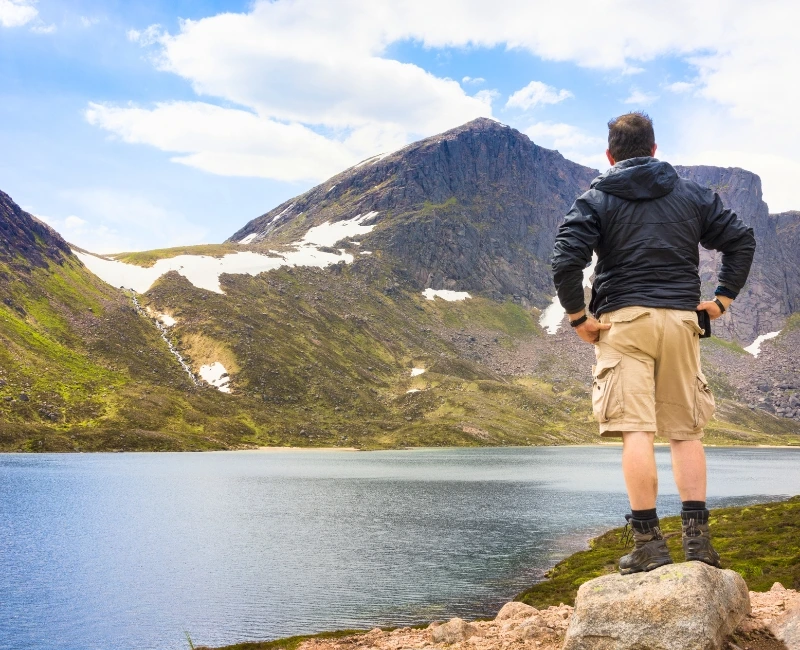
The Scottish Highlands offer a rich tapestry of rugged peaks, sweeping glens, and tranquil lochs that beckon outdoor enthusiasts of all stripes. While the West Highland Way is Scotland’s most celebrated long-distance route, many lesser-known trails carve through hidden valleys and remote passes seldom trodden by tourists. Local guiding companies can arrange bespoke treks, leading you across terrain dotted with ancient cairns and mossy drystone walls. For those craving summit glory, Ben Nevis—Britain’s highest peak—presents the classic ascent via the Pony Track (also known as the Tourist Route). Though well‑marked, its 17‑km round trip demands fitness and caution, as weather can shift from bright sunshine to dense fog and sleet in a matter of hours.To escape the crowds, consider summiting quieter giants such as An Teallach in Wester Ross or the Mamores range near Fort William. These challenges often require scrambling and route‑finding skills; hiring a qualified mountain guide ensures both safety and deeper insight into mountain lore, local wildlife, and Gaelic place‑names that still echo ancient stories. In autumn, the Highlands blaze with russet bracken and fiery rowan berries, offering crisp air and fewer fellow walkers. Spring ushers in carpets of bluebells and wildflowers along stream banks, while winter, though demanding, rewards hardy adventurers with spectacular ice‑encrusted ridges and the possibility of witnessing rare Ptarmigan in their white plumage.Within Cairngorms National Park, the high plateaus—accessible by chairlift from Cairngorm Mountain—lead to summits like Ben Macdui and Braeriach, the second and third highest peaks in the UK. Beneath the peaks lie fragments of ancient Caledonian pine forest, where red squirrels, capercaillie, and red deer roam. Multi-day expeditions often rely on simple mountain bothies—basic shelters free to use—or small, community‑run lodges where you can swap stories with fellow trekkers over hot tea.Don’t confine your Highland adventure to walking alone. Expert‑led mountain biking tours carve adrenaline‑fuelled descents on sculpted trails at Glentress and Nevis Range Bike Park, while via ferrata routes near Fort William combine climbing and zip‑wire thrills suspended above glacial ravines. Each adventure underscores Scotland’s rugged character—a landscape shaped by ancient geology, centuries of human endeavour, and resilient ecosystems.Practical planning is essential: arrange transport to remote trailheads, pre-book lodge or bothy permissions where required, and check the Mountain Weather Information Service for up‑to‑date forecasts. Essential kit includes waterproof outer layers, layered clothing, map and compass (plus the knowledge to use them), and sturdy boots with ankle support. By weaving summit ambition with moments of serene reflection at a hidden loch or beside a flickering peat fire, your Highland treks become transformative journeys—connecting you with Scotland’s untamed spirit and creating memories that linger long after the final descent.
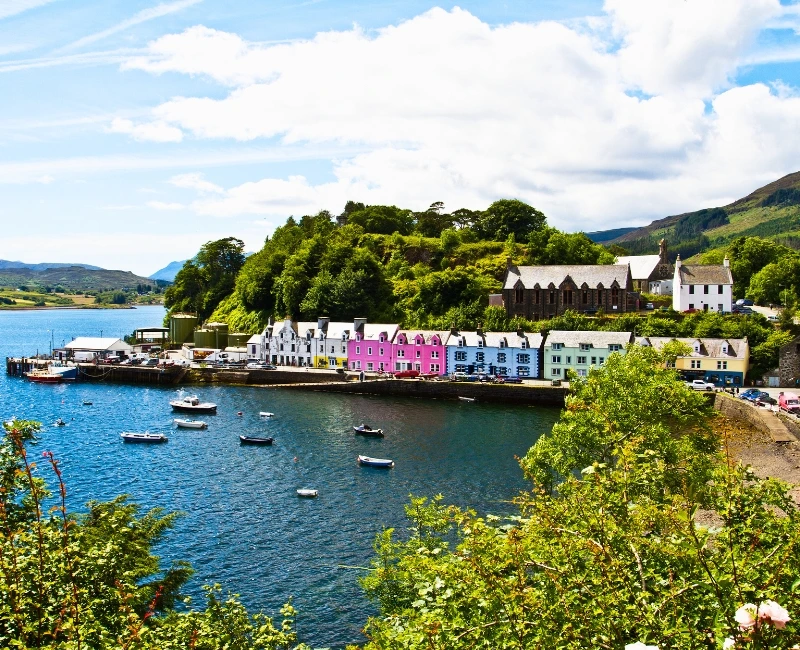
Scotland’s islands and indented coastline reveal a panorama of contrasts—from windswept moors and white‑sand beaches to storm‑lashed cliffs and sheltered coves. Begin your archipelago odyssey on the Isle of Skye, where the Fairy Pools cascade in ethereal shades of aquamarine, beckoning photographers and wild swimmers alike. Hike the Quiraing, an otherworldly landscape carved by ancient landslips, to gaze upon dramatic ridges and hidden plateaus. At Neist Point, a solitary lighthouse perches on basalt cliffs, offering an unforgettable vantage for sunset, and if you linger until dusk, you may glimpse orcas gliding offshore.On Mull, vibrant Tobermory greets visitors with pastel‑coloured houses lining the harbour. Wildlife tours here promise encounters with otters hunting along rocky shores and white‑tailed sea eagles cruising overhead. From Oban, ferries connect to Colonsay and Jura, the latter famed for its rugged mountains and remote tranquillity—ideal for those seeking solitude amid heather‑clad hills.Whisky aficionados chart a course to Islay, renowned for its peaty single malts. Distilleries such as Laphroaig, Lagavulin, and Ardbeg offer immersive tours: sample maritime‑smoked spirits in centuries‑old warehousing rooms and learn about the essential role of the salty Atlantic breeze in maturation. Extend your island repertoire by sailing to Orkney, where the neolithic settlement of Skara Brae predates the pyramids, and the tomb of Maeshowe reveals Viking runic graffiti within its stones.In the Outer Hebrides, Lewis and Harris deliver white beaches that rival sub‑tropical coastlines—Luskentyre stretches across turquoise shallows, but the chilly Atlantic currents remind you of this land’s northern latitude. Cultural events, like the Hebridean Celtic Festival each July, blend Gaelic music and dance with seafood feasts and local tales.Practicalities hinge on ferry schedules: many routes close or reduce frequency in winter, so book vessels and accommodations early for summer travel. Remote islands may lack supermarkets and ATMs, so arrive with essentials—snacks, medications, cash—and respect local rhythms by accommodating limited store hours. Eco‑lodges and croft‑stay B&Bs integrate sustainable practices, offering solar‑heated rooms and locally sourced breakfasts.Culinary highlights across islands include langoustines on Skye, crab sandwiches on Mull, and hand‑picked seaweed salts on the Western Isles. Guided wildlife cruises reveal pods of dolphins, basking sharks, and even minke whales, while coastal walks—from the Capercaillie Trail on Harris to the Clifftop Path on Shetland—immerse you in ever‑changing seascapes.Whether island‑hopping via ferry or weaving a coastal road‑trip along the North Coast 500, these escapes blend adventure, tranquillity, and cultural immersion. Each shoreline, village, and tidal pool deepens your connection to Scotland’s maritime identity—an unhurried world where the sea’s vastness and island lore shape unforgettable experiences.
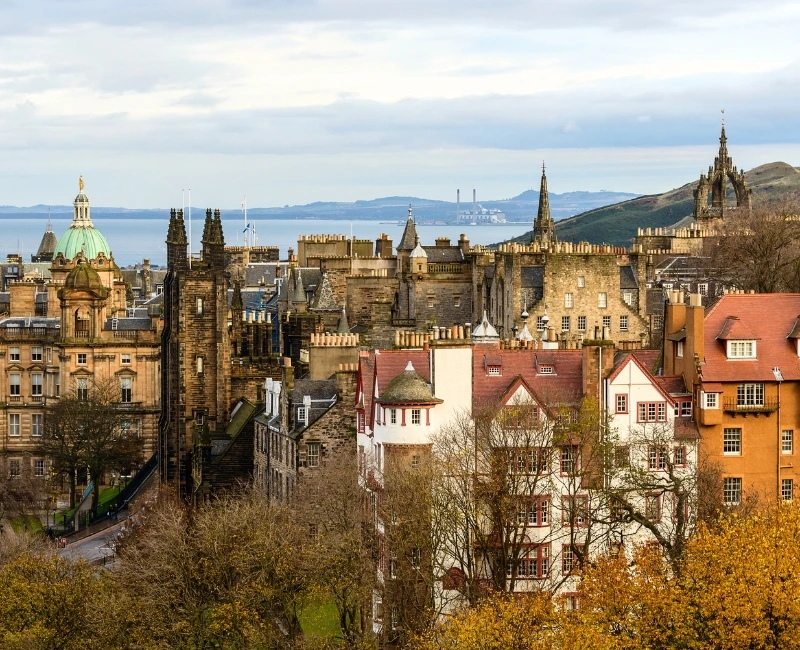
Edinburgh stands at the crossroads of ancient heritage and contemporary creativity, its skyline defined by the volcanic silhouette of Castle Rock and the sweeping green expanse of Holyrood Park. Begin your journey atop Edinburgh Castle, exploring the Crown Jewels, regimental museums, and the strategic vantage points that have overseen centuries of conflict and ceremony. Descend the Royal Mile, passing the gothic St Giles’ Cathedral, the closes—narrow alleyways hiding secret courtyards—and discover the Writers’ Museum dedicated to Robert Burns, Sir Walter Scott, and Robert Louis Stevenson.Climb Calton Hill for panoramic views of the city’s neoclassical monuments—Nelson’s Monument and the unfinished National Monument—and trace out Edinburgh’s concentric urban layers. Wander into New Town, a UNESCO World Heritage site, where Georgian townhouses form elegant crescents around Princes Street Gardens. Here you’ll find boutiques, art galleries, and commanding views of the castle rising above the Old Town.Timing your visit can transform the experience. Each August, the city erupts into the Edinburgh Festival Fringe, the largest arts festival on earth, featuring thousands of shows—comedy, theatre, dance, and experimental performance—all staged in venues ranging from grand theatres to repurposed classrooms. Simultaneously, the Edinburgh International Festival curates world‑class music, opera, and visual art showcases. Booking tickets and accommodations six to nine months in advance is essential.Outside August, Edinburgh still pulses with cultural life. The International Science Festival in spring, Book Festival in summer, and Jazz & Blues Festival in July draw aficionados. In winter, Hogmanay celebrations on 31 December feature torchlight processions up the Royal Mile, open‑air concerts in Princes Street Gardens, and a spectacular midnight fireworks display above the castle.Local guides enhance immersion: a ghost tour through hidden vaults beneath the South Bridge, a literary walk tracing the steps of Sir Arthur Conan Doyle and Ian Rankin, or a food tour sampling traditional haggis, Cullen skink soup, and squeaky brushed cheese. For a quieter morning, stroll through the Royal Botanic Garden, where glasshouses display subtropical plants and the views back to the Old Town remind you of Edinburgh’s natural chemistry.Dining options span casual pubs—serving locally brewed ales and steaming bowls of Scotch broth—to Michelin‑starred establishments crafting tasting menus using seasonal Scottish ingredients. Whisky bars in the Old Town offer flights of single malts from Islay, Speyside, and the Highlands, with expert-led tastings that delve into peated styles and maturation processes.Accommodation ranges from historic inns in the Old Town, where you can fall asleep beneath vaulted medieval ceilings, to boutique hotels in New Town’s Georgian mansions. Whatever your choice, pack for variable weather—layers, waterproofs, and sturdy walking shoes are non‑negotiable, even in summer.Edinburgh’s ability to juxtapose medieval closes with avant‑garde performances, hallowed halls with buzzy street art, and centuries‑old traditions with cutting‑edge innovation ensures a visit that resonates deeply—inviting you to uncover both the city’s storied past and its vibrant present.
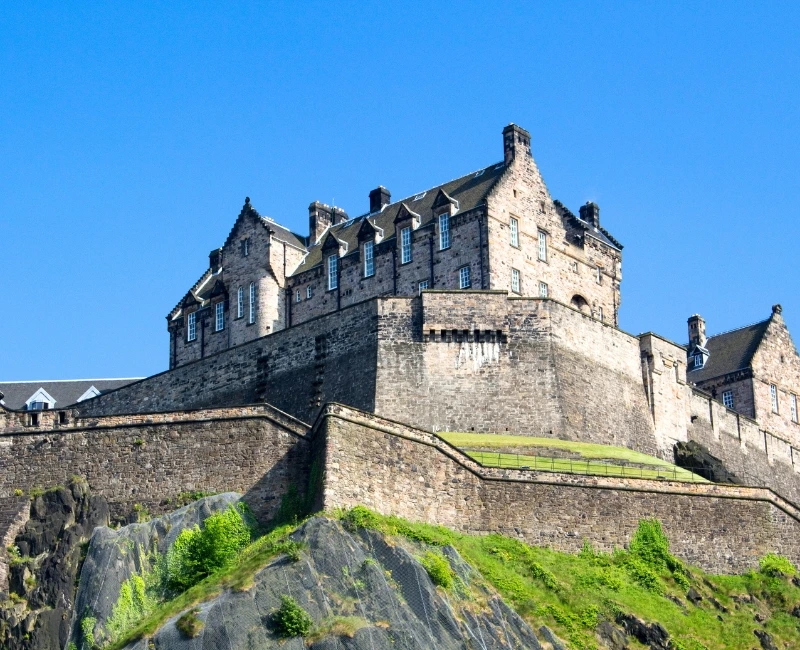
Scotland’s past is etched into its rugged terrain, where countless castles and heritage routes invite exploration of clan rivalries, royal intrigue, and architectural grandeur. Stirling Castle, dominating a volcanic crag above the River Forth, epitomizes strategic importance—James V’s elaborate palace and the great hall convey 16th‑century Renaissance ambition. Nearby, the Wallace Monument commemorates the hero of Stirling Bridge, offering sweeping vistas after a climb up its 246 steps.On the west coast, Eilean Donan Castle sits majestically on a tidal island where three sea lochs converge. Its restoration in the early 20th century makes it one of the most photographed castles in Britain. Southward on the Black Isle, Cawdor Castle enchants with its lush woodland walks, Shakespearean associations, and well‑preserved interiors. For an evocative ruin, head to Urquhart Castle on Loch Ness—stripped by Cromwell’s forces in 1692—where the fragments of walls and towers frame views across the mysterious waters of Nessie lore.Delve deeper into clan heritage along the Speyside Whisky Trail, stopping at distilleries like Glenfiddich and The Glenlivet. Here, knowledgeable guides explain how barley, water source, and regional climate shape distinct malt profiles. Pair these tastings with visits to Cragganmore or boutique craft distilleries for a contrasting experience.The Border Abbeys Way—a 109‑mile walking route linking Dryburgh, Kelso, Melrose, and Jedburgh—traces Cistercian and Augustinian abbey ruins that once rivalled European centers of learning. Interpretive signage and optional guided tours illuminate monastic life, the Reformation’s impact, and the later romantic revival that restored some cloisters to picturesque decay.Clan societies and heritage centers—such as the Clan MacLeod Museum at Dunvegan Castle on Skye—welcome visitors with clan tartans, genealogical resources, and demonstrations of traditional crafts. Plan a stay in a castle‑hotel or manor‑house B&B to experience period ambiance: dine by candlelight in great halls and wander formal gardens at dawn.For those tracing family roots, many local archives and visitor centers facilitate genealogical research. Experts can guide you through parish records and local lore to piece together ancestral connections.Respect each site’s conservation needs: stick to marked footpaths, observe photography policies, and support restoration efforts through admission fees or donations. Seasonal events—medieval banquets, Highland gatherings with piping competitions, and storytelling evenings—immerse guests in cultural living history.Whether seeking the mighty stone keeps of royalty or the intimate chapels of monastic devotion, Scotland’s castles and heritage trails weave a narrative of resilience, artistry, and community. These excursions forge a deep appreciation for a land where every stone tells a story, and every pathway connects past and present in an enduring tapestry of identity.
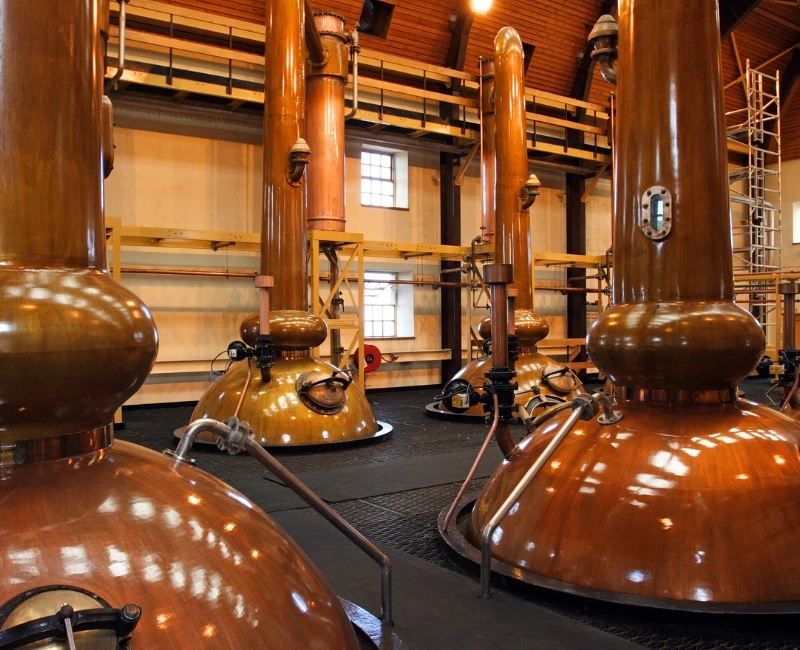
Scotch whisky stands as Scotland’s most iconic export, and embarking on a whisky trail unveils both craftsmanship and cultural heritage. Speyside claims the highest concentration of distilleries—over 50 in under 30 miles—where producers from household names like Glenfiddich and Macallan to boutique operations open their doors. Each distillery tour begins at the heart of production: barley malting floors (where traditional floor malting may still occur), mash tuns converting starch to fermentable sugars, and the still house where copper pot stills give each spirit its character.Guided tastings reveal the delicate interplay of cask type—American oak, sherry butts, or sometimes ex‑wine casks—and maturation duration in warehouses exposed to varying temperatures and humidity. Experts guide novices through nosing and tasting techniques: swirling sample glasses to release esters, noting fruity, floral, or spicy notes, and detecting peat smoke levels with Islay malts such as Laphroaig or Ardbeg.Beyond whisky, Scotland’s craft beverage scene is flourishing. Gin distilleries such as Daffy’s in Perthshire and The Botanist on Islay harness foraged botanicals—heather, ground ivy, and seaweed—creating complex, terroir‑driven gins. Microbreweries like Inveralmond and Brewdog bottle innovative ales, stouts, and lagers celebrating local ingredients and bold experimentation.Pairing experiences elevate these tours. Many distilleries host whisky and chocolate or whisky and cheese evenings, where curated pairings highlight complementary flavor profiles. Some estates offer barrel‑tasting sessions, where enthusiasts sample the same spirit at different maturation stages directly from casks.Responsible transportation is crucial: book designated driver services, join small‑group whisky bus tours, or enlist private drivers to ensure safe enjoyment. Non‑drinkers can participate in behind‑the‑scenes tours and enjoy non‑alcoholic botanical infusions at distillery cafés.To deepen context, visit cooperages to see skilled artisans maintain oak casks, or journey to malt barns detailing historical barley drying methods. Seasonal events—Feis Ile on Islay each May—draw crowds for distillery open days, parades, and special bottlings.Whether you’re a seasoned connoisseur or a curious newcomer, Scotland’s whisky and distillery experiences offer sensory immersion and narrative depth. Each dram reflects a specific place, process, and people—uniting geology, hydrology, and human ingenuity in a single, profoundly cultural glass.
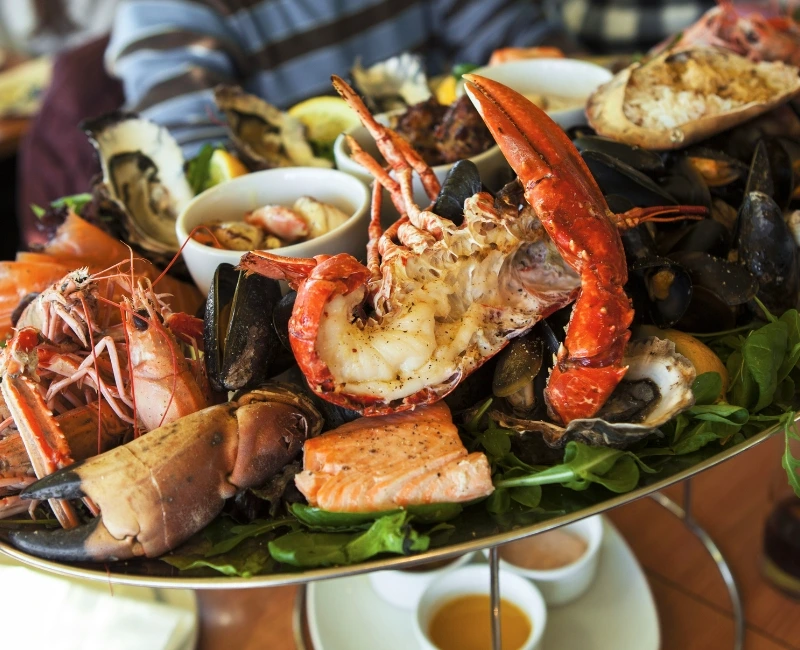
Scotland’s culinary scene has evolved beyond hearty staples to emphasize seasonality, sustainability, and local provenance. Explore vibrant farm‑to‑table restaurants that partner directly with producers—be it a Highland croft growing heritage barley, an Orkney seafood cooperative, or a Borders orchard specializing in culinary apples. Chefs craft menus that shift daily, spotlighting foraged wild garlic in spring, soft‑shell crab in summer, game in autumn, and root‑vegetable blends in winter.In coastal towns like Stonehaven, simple family‑run fish and chip shops serve fresh haddock or Atlantic prawns alongside a pint of locally brewed ale. In Glasgow and Edinburgh, innovative bistros reimagine classics: Cullen skink may arrive as a velouté garnished with crispy bacon, while haggis finds new life as a sausage accompanied by neeps purée and whisky‑infused jus.Food festivals—such as the Orkney Food and Drink Festival in August—bring artisans and producers together, offering tastings of cheeses like Orkney cheddar, shellfish, and island‑grown vegetables. Farmers’ markets in Edinburgh’s, Glasgow’s, and Ayr’s weekly gatherings provide direct access to heritage pork, organic eggs, and seasonal game—perfect settings to chat with stallholders about traditional farming practices and evolving sustainability efforts.Cooking workshops on working farms or in castle kitchens teach hands‑on skills: making oatcakes over an open fire, braiding stovies, or preparing whisky‑cured salmon. These experiences blend cultural understanding with sensory engagement—participants often tour fields or smokehouses before breaking into small groups to cook and dine together.For fine‑dining enthusiasts, several Michelin‑starred establishments—Restaurant Martin Wishart in Leith, The Kitchin in Edinburgh, and The Wee Restaurant on Arran—design tasting menus that chronicle Scotland’s environmental diversity. Expect courses showcasing Shetland lamb with braised cabbage, Highland venison paired with wild berries, and desserts featuring foraged nettles or wild strawberries.Complement meals with regional beverages: craft ciders from Scottish orchards, beers from Fyne Ales, or a dram from a nearby distillery. Non‑alcoholic options like botanically infused sodas crafted by small producers offer approachable alternatives for designated drivers and younger guests.Dine in historic settings—a 16th‑century castle restaurant, a converted barn in Aberdeenshire, or a cliff‑top café overlooking the Pentland Firth—to fully immerse yourself in place. These culinary journeys reveal how Scotland’s people connect to the land, sea, and seasons—transforming humble ingredients into memorable feasts that echo heritage and innovation alike..
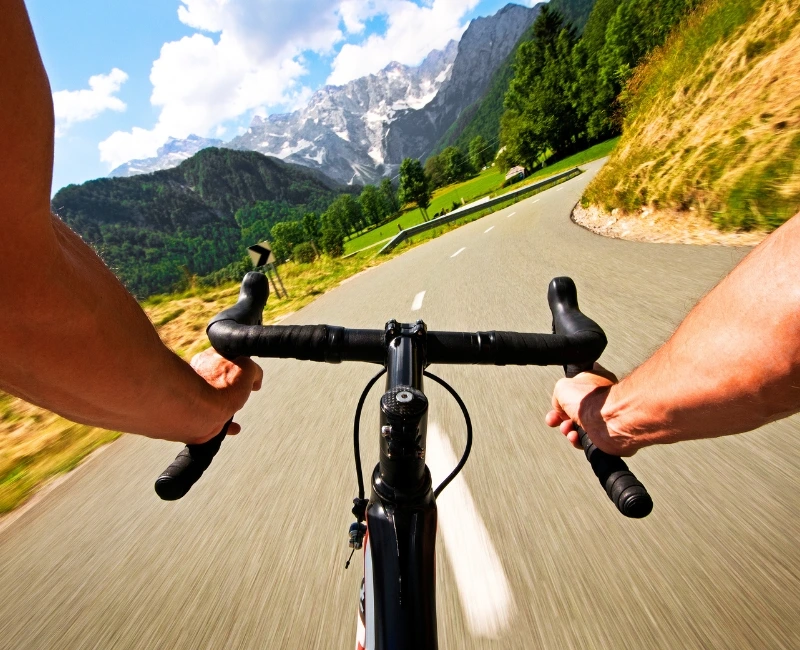
Scotland’s wild landscapes present boundless opportunities for hiking, cycling, and other outdoor adventures that cater to novices and experienced thrill‑seekers alike. Hiking routes range from gentle coastal promenades on the Isle of Arran, winding through forest glades and past sculpted rock formations, to demanding mountain endeavors like the Cuillin Ridge on Skye, where narrow scrambles and anchor points reward climbers with unmatched sea‑to‑sky panoramas. Within Scotland’s two national parks, Cairngorms and Loch Lomond & The Trossachs, well‑maintained trails lead to summits—Ben Macdui, Ben Lomond—and through ancient Caledonian pinewoods harboring red squirrels and capercaillie.Diverse cycling experiences include tackling sections of the North Coast 500, a celebrated 800‑km route that loops around the northern Highlands, combining remote coastal scenery with castle ruins and quaint villages. For families or casual riders, the Borders Abbeys Way, repurposed from old railway lines, offers gentle gradients, scenic viaducts, and stops at historic abbeys. Mountain bikers flock to purpose‑built trail centres like Glentress in Tweed Valley, where graded green to black runs and skills parks accommodate all levels, plus guided sessions and equipment hire.Water‑based activities abound: sea kayaking on sheltered lochs such as Loch Lomond, paddleboarding against the backdrop of sweeping hills, or adrenaline‑fuelled white‑water rafting on the River Tay. Wildlife‑focused boat trips from Oban or John O’Groats promise orca, dolphin, and seal sightings in the Inner Hebrides or Pentland Firth. Rock climbers scale granite cliffs at Quiraing or coastal stacks on Mull, while deep‑water soloing is gaining traction in sheltered coves where high tide transforms cliffs into natural diving platforms.For winter sports enthusiasts, ski resorts at Glenshee, Cairngorm, and Nevis Range host skiing, snowboarding, and snowshoeing routes, with lessons for all ages. Seasonal events like Trail‑Running Festivals in Perthshire and Cyclocross races in Ayrshire draw competitive riders and runners seeking varied terrains.Safety hinges on proper preparation: local guides provide detailed weather briefings, navigation training, and equipment checks. Always carry the Essential Four for Scottish hills: map, compass (plus nav skills), waterproofs, and emergency supplies. For longer treks, know bothies etiquette and consider GPS emergency beacons.By weaving together hiking mornings, cycling afternoons, and wildlife sorties at dawn or dusk, you’ll experience the full spectrum of Scotland’s great outdoors. Each pursuit fosters camaraderie, self‑reliance, and a profound appreciation for landscapes shaped by ice, fire, and centuries of stewardship—ensuring an adventure as enriching as it is exhilarating.
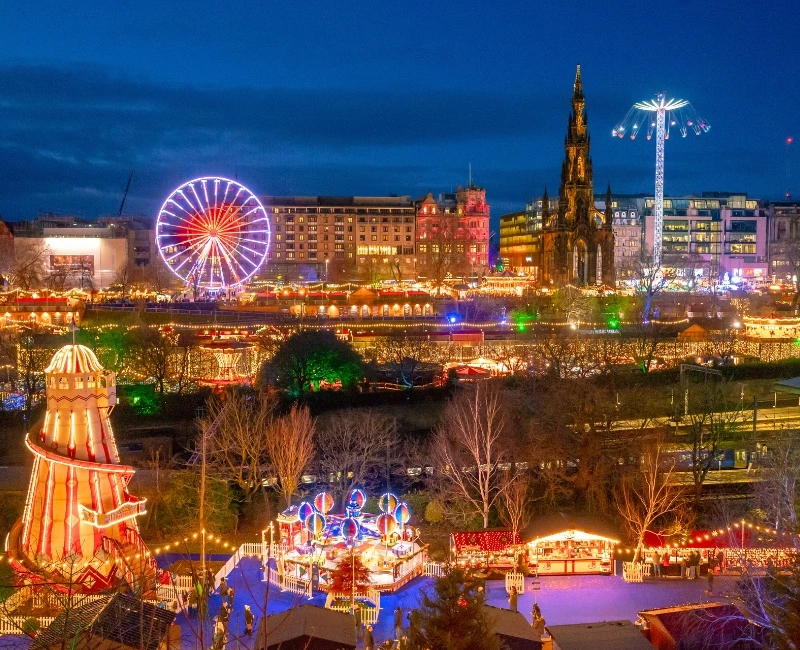
Scotland’s cultural calendar pulses year‑round with festivals and events that invite visitors to share in centuries‑old traditions and contemporary celebrations. Summer is synonymous with the Edinburgh Festival Fringe (August), where open‑access performances—comedy, dance, experimental theatre—sprout in every available venue, from historic churches to city streets. Parallel to Fringe, the Edinburgh International Festival presents curated performances in music, opera, and ballet at prestigious venues like the Festival Theatre. Advance planning—booking tickets and lodging six to nine months out—is essential to secure access and favorable rates during this blockbuster season.Outside the capital, the Highland Games circuit peaks between May and September, uniting athletic feats—caber‑toss, hammer‑throw—with piping contests, Highland dancing, and clan gatherings. Each locale—from Braemar to Dornoch—adds local flair: highland cattle displays, craft stalls, and traditional cuisine like steak pies and scones served in community halls.Winter in Scotland brings Hogmanay celebrations (New Year’s Eve), best experienced in Edinburgh with a torchlight procession up the Royal Mile, street parties in Princes Street Gardens, and a fireworks extravaganza over Edinburgh Castle at midnight. Smaller towns—from Stonehaven to Perth—host their own torchlit celebrations and ceilidhs, where visitors swirl to fiddle and accordion accompaniment.Seasonal festivals such as the Celtic Connections in Glasgow (January), celebrating folk and world music, or the Beltane Fire Festival in Edinburgh (30 April), a theatrical revival of ancient Celtic rituals with fire parades and masked performances, offer immersive cultural encounters. Literary festivals in St Andrews and Inverness draw authors and booklovers, while the Orkney Folk Festival showcases Gaelic song and island hospitality each autumn.Local food and drink events—the Orkney Brewing Festival, Isle of Skye Gin Festival, and Scotch Whisky Fringe—celebrate regional produce, distilling heritage, and contemporary craft. Seafood festivals along the coast, chestnut fairs in Perthshire, and farmers’ markets spotlight seasonal harvests, forging direct ties between producers and consumers.Rural communities host music sessions in village halls, storytelling evenings recounting clan histories, and seasonal agricultural shows showcasing livestock and produce. Outdoor film screenings and open‑air theatre appear in castle courtyards, blending heritage backdrops with modern entertainment.Timing your visit around these events transforms a tour into a participatory journey—whether dancing at a Ceilidh under starlit skies, sampling new whisky releases with distillers, or witnessing the dawn of a new artistic work at Fringe. By integrating festivals and seasonal highlights into your itinerary, you gain authentic insights into Scotland’s past and present, celebrating community spirit against a backdrop of breathtaking landscapes and storied traditions.
No ads. No trails. No commitments


Alice Roses
London, England
51 ST MATTHIAS ROAD
NOTTINGHAM, NOTTINGHAMSHIRE
NG3 2HF
Hours: 8:00 - 17:00, Mon - Sat
support@johnsonholidays.com