 Rimini Travel
Guide
Rimini Travel
Guide
Paris is known around the world as the “capital of love,” and even if you don't understand the history of Paris at all

2.3 Hours
£3.00
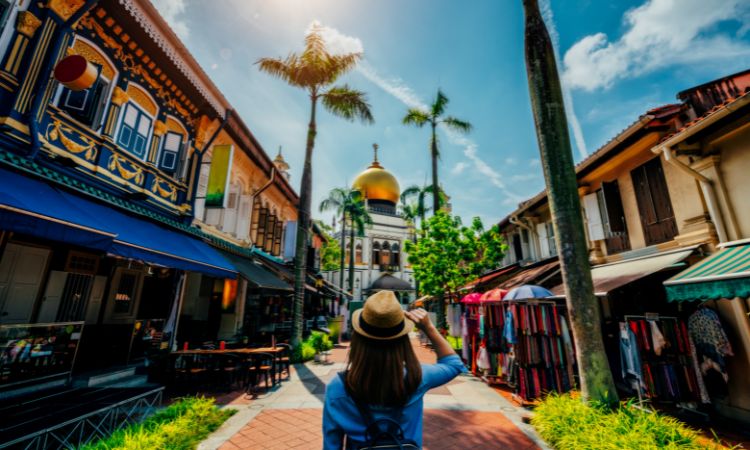
Rimini is renowned for its extensive sandy coastline, offering endless sunbathing opportunities against the backdrop of the Adriatic Sea. The gently shelving beaches make it safe and comfortable for swimmers of all ages, while well-equipped beach clubs provide loungers, umbrellas, and beachside service. Visitors can choose between lively stretches with beach bars and quieter coves for a more laid-back experience. The clear, shallow waters are ideal for families, and sunrise or sunset strolls along the shore create unforgettable moments. With beach facilities often offering water-sport options—such as paddleboarding or sailing—guests can combine relaxation with gentle activities. In British pounds, beach club day passes and amenities often deliver excellent value, making Rimini’s beaches a compelling draw for holidaymakers seeking both comfort and seaside fun.
Learn More
Beyond sun and sea, Rimini’s historic centre reveals layers of history dating back to Roman times. Landmark sites include the Arch of Augustus and Tiberius Bridge, free to explore and offering glimpses into ancient engineering. Renaissance and medieval structures—such as the Malatesta Temple—showcase artistic and architectural achievements, while narrow streets hide local artisan shops and traditional cafés. Museums display archaeological finds, offering context for Rimini’s role in regional history. Walking tours guide visitors through piazzas where locals gather, enabling authentic cultural immersion. The city’s calendar hosts festivals celebrating music, film, and local traditions, providing additional reasons to visit beyond peak beach season. For travelers seeking substance alongside leisure, Rimini combines seaside relaxation with enriching heritage experiences.
Learn More
As the sun sets, Rimini transforms into a lively playground for night owls. Seaside clubs host themed parties, live DJs, and beachside lounges that stay open late. The historic centre features wine bars, craft cocktail lounges, and traditional osterias serving evening aperitifs. For those preferring a more relaxed pace, moonlit walks along the shore or gelato tastings in atmospheric squares offer memorable nights. Seasonal open-air cinemas and live-music events add local flavor. Importantly, Rimini caters to varied budgets: from free-entry beachfront gatherings to upscale cocktail venues, there’s something for everyone in British-pound-friendly pricing. Travelers seeking evenings filled with dancing, socializing, or simply soaking in the Italian seaside ambiance will find Rimini’s nightlife hard to resist.
Learn More
In Rimini, gastronomy reflects Emilia-Romagna’s celebrated food culture, widely regarded as Italy’s culinary heartland. Seaside trattorias serve the freshest Adriatic seafood: grilled fish, mussels, and calamari prepared in simple, authentic styles. Inland specialties—like handmade pasta (e.g., tagliatelle with ragù) and piadina flatbreads—delight food lovers seeking traditional flavors. Regional wines and local olive oils complement meals, while gelaterias tempt with artisanal ice creams made from seasonal ingredients. Dining in Rimini often feels like a cultural journey: family-run establishments welcome guests with warmth, and menu prices converted into pounds typically offer excellent value compared to major European capitals. Food tours and cooking classes allow travelers to deepen their appreciation of Italian cuisine, making Rimini an attractive choice for culinary-minded visitors.
Learn More
Rimini is well-suited to families thanks to safe beaches, shallow waters, and organized play areas. Many hotels offer family rooms and children’s clubs, ensuring parents can relax while kids are entertained. Nearby theme parks—such as amusement parks and waterparks within easy reach—provide full-day excursions. Educational activities, like exploring local farms or visiting small museums, cater to curious young minds. Seasonal festivals often include family-focused events, from outdoor puppet shows to street performances. Meal times are family-oriented, with menus accommodating children’s preferences alongside authentic local dishes. When budgeting in British pounds, family-friendly packages often include inclusive options (accommodation plus meals), delivering peace of mind and value. Rimini’s mix of leisure and educational offerings makes it an ideal destination for multigenerational holidays.
Learn More
Compared to some Mediterranean hotspots, Rimini offers competitive pricing on accommodation, dining, and activities when converted to British pounds. A variety of lodging options—from budget B&Bs to boutique seaside resorts—ensures travelers can find suitable choices within their budget. Dining out often costs less than in larger Italian cities, especially when favoring trattorias and local eateries. Beach services and water sports packages are generally well-priced, and public transport links make day trips affordable. Seasonal promotions frequently bundle stays with meals or local experiences, further enhancing value. Even in peak months, early booking and local deals yield savings. For holidaymakers seeking an Italian Riviera experience without premium pricing, Rimini delivers high-quality offerings at reasonable cost.
Learn More
Lorem ipsum dolor, sit amet consectetur adipisicing elit. At illo adipisci iusto
From

Because more than 268 other customers have loved us too

Demonstrates commitment to user data security through encryption and secure payment practices
Learn More
Demonstrates commitment to user data security through encryption and secure payment practices
Learn More
Demonstrates commitment to user data security through encryption and secure payment practices
Learn More
Demonstrates commitment to user data security through encryption and secure payment practices
Learn More
Quality as judged by customers. Book at the ideal price!


/ person
/ person
/ person
Rimini’s beaches form the heart of its coastal appeal. Stretching for several kilometers, the sandy shore is divided into public and private (beach club) sections. Public beaches allow free access to the sea, with visitors often bringing their own towels and seeking shade under rented umbrellas. Private beach clubs, identifiable by orderly rows of deck chairs and branded umbrellas, offer services such as beachside food and drink service, showers, restrooms, and water-sport equipment rental. When budgeting in British pounds, a day pass at a beach club might cost around £15–£25, depending on season and services included, often with discounts for multi-day bookings or off-peak times.Morning routines often start with an invigorating swim in calm, shallow waters ideal for families and novice swimmers. Lifeguards monitor key stretches during peak months, ensuring safety. The sand here is soft and well-maintained; children build sandcastles under parental supervision while adults soak in the sun. Midday can be spent sampling panini or piadina from beach kiosks—prices converted to pounds remain reasonable, offering a quick, satisfying lunch without needing to leave the shoreline. As afternoon light softens, many beachgoers partake in gentle activities: beach volleyball, Frisbee, or simply reading under an umbrella.For active visitors, water-sport rentals abound: paddleboarding, canoeing, and sailing lessons are available at beach clubs, often priced competitively in GBP equivalents. Booking in advance or as part of a package can save money. Sunset on Rimini Beach is a highlight: the sky transforms into pastel hues, and many choose to linger for evening aperitifs at beachfront bars. Nighttime beach events—movie screenings, live music, themed parties—frequently occur in summer, offering memorable experiences without needing extra travel. Even outside peak hours, early morning or late afternoon visits provide tranquil moments, with fewer crowds and gentle sea breezes.Exploring beyond the main beachfront, quieter stretches near river mouths or slightly further from the port area allow more privacy. Renting a bicycle or e-bike for a coastal cycle ride is another way to discover hidden coves and quieter spots. Photographers appreciate the interplay of light on the water and sand, while wellness seekers join sunrise yoga sessions on the beach, often organized by local instructors. Seasonal festivals sometimes include beachside cultural performances, blending sun, sea, and art. Overall, Rimini’s beach culture caters to varied holiday styles: from energetic days filled with sports to leisurely afternoons spent reading under an umbrella, to romantic sunset strolls. With infrastructure supporting comfort and safety, and pricing that remains attractive in British pounds, Rimini’s beaches deliver a quintessential Italian Riviera experience.
For travelers seeking more than sunbathing, Rimini offers diverse water-sport and coastal adventure options. The Adriatic’s calm waters are ideal for beginners and families, while more experienced enthusiasts can find activities to suit their skill level. Many beach clubs provide equipment rental and lessons for paddleboarding, kayaking, windsurfing, and sailing. Typical one-hour paddleboard rentals cost around £8–£12, with multi-hour or half-day packages offering better per-hour rates. Lessons with certified instructors ensure safe technique and often include tips on local conditions.Kayaking along the shoreline reveals Rimini’s coastal landscape from a new perspective. Guided tours may lead you to nearby nature reserves at river mouths, where birdwatching and gentle currents combine into a serene excursion. Prices for guided kayak tours, when converted into British pounds, generally range from £20 to £35 per person for a two-hour session. Windsurfing and kitesurfing lessons are available during windier periods; equipment rental and instructor fees are usually bundled into half-day or full-day courses, costing approximately £50–£80 in GBP for novices. Sailing schools welcome beginners to learn the basics or allow experienced sailors to charter small boats for coastal cruises; half-day charters can be priced around £100–£150, split among participants.For thrill-seekers, jet-ski rentals (where permitted) can be arranged through authorized operators, though travelers should verify local regulations and insurance requirements. Banana boat rides and towed inflatables also add fun group activities, often organized at busier beach clubs. Divers and snorkelers can explore shallow underwater areas near piers or arrange excursions to slightly deeper spots, with local dive centers providing guided snorkel or introductory diving sessions. Equipment rental and guided snorkel sessions are priced in British pounds around £20–£40, including mask, snorkel, and sometimes wetsuit.Fishing trips departing from Rimini’s port offer half-day or full-day excursions. Local fishermen guide visitors to productive spots, and catches can sometimes be prepared at seaside restaurants afterward. Prices vary by group size and duration, but budgeting in GBP approximately £60–£100 per person for a half-day trip is common. For nature lovers, boat excursions to observe dolphins or coastal ecosystems combine relaxation with wildlife spotting; these tours often include refreshments and commentary from guides, costing around £40–£60 per person.Safety is prioritized: most operators provide life jackets and safety briefings. Booking in advance—especially during peak months—secures spots and can yield discounts. Combining water-sport activities with beach club day passes often reduces overall costs. Evening or early-morning sessions cater to those seeking quieter experiences or cooler temperatures. Regardless of chosen activity, Rimini’s water-sport offerings provide an active dimension to the holiday, balancing relaxation with adventure. Whether paddling at sunrise or sailing into sunset, these coastal experiences deepen appreciation of Rimini’s natural beauty, all at prices that remain attractive when calculated in British pounds.
Rimini’s historic centre unfolds layers of history from Roman foundations through medieval and Renaissance transformations. Begin at the Arch of Augustus—Italy’s oldest surviving Roman arch—erected in 27 BC. Standing under its ancient stones, visitors gain perspective on Rimini’s role as a key Adriatic port. Nearby, the Tiberius Bridge (still in use) spans the Marecchia River: originally built in early 1st century AD, its enduring structure is a testament to Roman engineering. Exploring these landmarks is free, making them accessible in any budget when planning in British pounds.Strolling through narrow alleys reveals artisan shops, local markets, and cafés where one can pause for Italian espresso or gelato—costs in GBP remain lower than many European city centres. The Malatesta Temple (Tempio Malatestiano), a Renaissance masterpiece redesigned by Leon Battista Alberti in the 15th century, houses striking artworks and an atmosphere that fuses art, architecture, and history. Entrance fees (modest when converted to pounds, often under £5) support conservation efforts. Nearby, Castel Sismondo, a fortress commissioned by Sigismondo Pandolfo Malatesta, offers insights into medieval power dynamics and occasional cultural events in its courtyards.Local museums—such as the City Museum in Piazza Cavour—display archaeological finds, medieval artifacts, and exhibitions on Rimini’s social history. Modest admission prices (around £3–£6) provide value for those interested in deeper context. Guided walking tours, available via local operators, cost approximately £15–£25 per person in GBP for a 1.5–2-hour tour, including commentary on history, architecture, and local legends. Some tours focus on specific themes: Roman ruins, Renaissance art, or even cinematic heritage (Rimini is the birthplace of filmmaker Federico Fellini). Booking directly or via accommodation desks often yields small group sizes for a personalized experience.Churches in the historic centre—such as San Giuliano Martire—offer architectural and artistic treasures: frescoes, sculptures, and centuries-old altarpieces. Entry is typically free or donation-based. Visiting on weekdays avoids weekend crowds, enabling contemplative exploration. Seasonal cultural events—classical concerts in historic venues, literary festivals, and open-air theatre—enhance the experience; tickets priced in British pounds usually remain affordable (e.g., £10–£20). For film aficionados, Rimini hosts occasional retrospectives or screenings honoring local cinematic heritage.Culinary stops within the centre blend tradition and innovation: small osterias serve handmade pasta dishes, local salumi, and regional wines by the glass. Lunch or aperitivo in historic piazzas allows immersion in local daily rhythms. Budgeting for meals in GBP: a multi-course lunch at a mid-range trattoria might cost around £20–£30 per person. Souvenir shopping focuses on artisanal products—ceramics, local food items packaged for travel, and craft souvenirs—often priced fairly when converted to pounds.Photography opportunities abound: ancient stones bathed in morning or evening light, bustling markets, and hidden courtyards. Aim to explore early morning to capture quiet streets before cafés open, or late afternoon when the golden hour highlights architectural details. Combining historic exploration with culinary and cultural experiences ensures a well-rounded stay. Rimini’s centre invites multi-day visits: initial days can focus on major landmarks, with later exploration diving into lesser-known corners, local events, and thematic routes, delivering meaningful insights into this Adriatic gem.
Rimini’s cultural calendar extends beyond its historic landmarks, offering museums, art exhibitions, and vibrant festivals year-round. The City Museum (Museo della Città) in Piazza Cavour hosts archaeological sections showcasing Roman-era artifacts, medieval objects, and temporary exhibitions on local heritage. Admission fees, modest when converted to British pounds (around £4–£6), grant access to curated displays that deepen understanding of Rimini’s evolution. Art lovers can also visit smaller galleries featuring contemporary local artists, often within converted historic buildings—many free or low-cost.Federico Fellini’s legacy permeates Rimini: the Fellini Museum (Museo Fellini) celebrates the famed director’s life and work through photographs, film excerpts, and memorabilia. Tickets priced around £6–£8 in GBP offer insight into the cinematic heritage that influenced global film. Special screenings and events—sometimes held in summer film festivals—draw cinephiles and casual visitors alike. Checking local event listings (available through accommodation or tourist offices) helps plan visits aligned with exhibitions or film nights.Seasonal festivals enliven Rimini with music, theatre, and cultural celebrations. Summer sees open-air concerts on the beach or in historic courtyards: genres range from classical ensembles to contemporary bands. Ticket prices vary: free community events to paid concerts (£10–£25, depending on performers). Literary festivals and book fairs attract writers and readers, featuring talks, workshops, and readings in historic venues. Art biennales or craft fairs showcase regional artisans, offering visitors chances to purchase unique works while supporting local creativity.Rimini’s carnival traditions and religious processions—especially around Easter—offer immersive local experiences. Observing these events provides cultural insight; participation often involves no ticket, but local guidance ensures respectful engagement. Gastronomic festivals celebrate seasonal produce: seafood festivals in spring, wine events in autumn in nearby Emilia-Romagna inland towns (short day-trips), where tasting fees convert attractively into British pounds. Combining Rimini visits with these inland festivals enriches the itinerary.For families, interactive museum programs may include workshops for children, blending education with play. Booking in advance for popular festival events ensures entry, especially in peak season. Many venues offer bilingual signage or guides in English; guided tours may include English commentary, priced around £15–£20 per person. Evening events in historic settings—such as concerts at Castel Sismondo—blend ambiance with culture. Attending a performance under the stars, perhaps followed by an evening gelato, encapsulates the Italian summer spirit.Artisans’ workshops occasionally open doors for visitors to observe traditional crafts—ceramics, textiles, or food production. Engaging directly with creators fosters appreciation for local craftsmanship. Some workshops allow hands-on participation (e.g., simple pottery sessions), with fees around £20–£30 per person. Photography exhibitions and pop-up galleries often appear in summer, reflecting Rimini’s evolving art scene. Checking local cultural calendars upon arrival ensures you don’t miss temporary exhibits.In summary, Rimini’s museums, art spaces, and festivals offer cultural depth that complements its beach reputation. With affordable entry costs when budgeting in British pounds, these experiences fit a wide range of travelers. From Fellini tributes to open-air concerts and artisanal workshops, the city’s cultural offerings transform a seaside break into a rich, multifaceted journey. Plan ahead, mix free and paid events, and allow time for spontaneous discoveries to fully embrace Rimini’s vibrant cultural life.
Emilia-Romagna is hailed as Italy’s gastronomic heart, and Rimini serves as an excellent base to sample these renowned flavours. Seafood dominates coastal menus: starters often feature mixed seafood platters with prawns, mussels, and calamari, prepared simply to highlight freshness. Main courses include spaghetti alle vongole (clams), risotto with fish stock, and grilled catch of the day. Dining at mid-range seaside trattorias typically costs around £20–£30 per person in British pounds, including wine. For budget-friendly meals, small osterias and family-run eateries in the historic centre offer set menus or daily specials featuring local produce, often priced under £15–£20 per person.Handmade pasta is a regional specialty: tagliatelle al ragù, cappelletti in brodo (broth-filled pasta), and passatelli showcase traditional recipes passed down generations. Many restaurants allow diners to watch pasta being prepared in open kitchens. Pair pasta dishes with regional wines: Sangiovese-based reds or white wines from Romagna, available by the glass at approximately £4–£6 in GBP. Wine tasting tours in nearby vineyards (short drives inland) allow sampling multiple varietals; tours and tastings cost around £25–£40 per person, including transportation and light snacks when booked in advance.Piadina Romagnola—a thin flatbread filled with cured meats, cheeses, and greens—is a casual yet iconic snack. Street-food stalls and café counters serve piadina at roughly £3–£5 each in British pounds, making it perfect for on-the-go lunches or beach snacks. Sampling local salumi (prosciutto, coppa, mortadella) and cheeses (e.g., squacquerone) at markets or delicatessens offers insight into regional charcuterie traditions; purchasing items to assemble a picnic on the beach is a popular, budget-friendly option.Desserts and sweet treats highlight local ingredients: gelato shops in Rimini pride themselves on artisanal flavours—seasonal fruits, nuts, and ricotta-based creations. A cone of two scoops typically costs around £2–£3. Pastry shops offer treats like ciambella (ring-shaped cakes) and pastries filled with custard or jam, ideal for breakfast or afternoon coffee.For drink enthusiasts, beachfront bars serve aperitifs—spritzes, Aperol-based cocktails, or local spritz variations—priced around £5–£7 in GBP. Craft beer venues and wine bars in the historic centre introduce travelers to Italian microbreweries and lesser-known regional wines. Tasting sessions often include small plates of cheese and charcuterie for around £15–£20 per person, offering a convivial evening experience. Coffee culture in Rimini means espresso or cappuccino stops are part of daily routines; a coffee break typically costs under £2, providing an affordable way to observe local life.Cooking classes and food tours deepen culinary understanding. Hands-on pasta-making workshops in Rimini or nearby towns last around 2–3 hours, including tasting, at prices around £50–£70 per person in British pounds. Market tours with a local chef introduce seasonal produce and cooking techniques. Booking these experiences in advance ensures availability, especially in summer months.Special events such as seafood festivals, truffle fairs inland, or olive oil tastings in autumn create opportunities for day trips combining cultural exploration with culinary delights. Budget for transport (train or rental car) and event fees (£10–£20) when planning. Overall, Rimini’s culinary scene—from casual piadina by the beach to refined seafood dinners—offers memorable tastes and experiences that appeal to food lovers and casual diners alike, all at prices that feel fair when converted into British pounds.
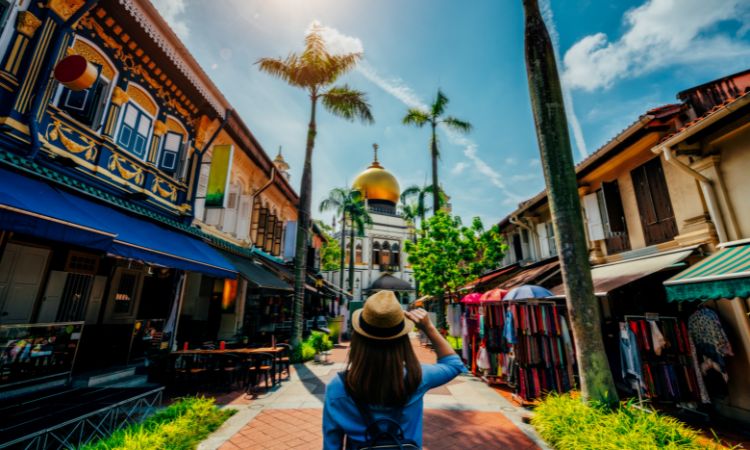
Rimini’s proximity to Emilia-Romagna’s vineyards makes it an ideal base for wine-focused excursions. The region produces notable reds—Sangiovese di Romagna and Sangiovese di Romagna Superiore—and crisp whites like Albana di Romagna. Many vineyards offer guided tours explaining grape varieties, winemaking processes, and the region’s terroir. Tours typically include tastings of multiple wines paired with local cheeses, cured meats, and bread; pricing in British pounds ranges around £30–£50 per person for half-day experiences. Booking with small-group operators ensures personalized attention and comfortable transport from Rimini, often by minivan or small coach.Some wineries feature historic cellars or converted farmhouses where visitors learn about traditional fermentation methods and modern innovations. Seasonal harvest experiences (generally in late summer/early autumn) allow hands-on participation: grape picking, crushing demonstrations, and communal lunches featuring freshly harvested produce. These immersive experiences cost slightly more (around £60–£80 per person) but yield lasting memories. In winter and spring, tours focus more on cellar work, barrel aging, and tastings of reserve vintages—providing insight into the full annual cycle of winemaking.Back in Rimini, wine bars showcase local labels alongside offerings from other Italian regions. Tasting flights—three to five small pours—cost approximately £10–£15, accompanied by informative menus or sommeliers who explain characteristics and pairing suggestions. Combining wine tasting with small plates (cheese boards, charcuterie, bread) transforms an evening into a culinary exploration. Pricing remains accessible in GBP, making repeated visits to different wine bars feasible.For craft beer enthusiasts, Rimini hosts microbreweries and brewpubs offering Italian-style craft beers, including ales and lagers infused with local ingredients. Tasting sessions or brewery tours (where available) cost around £15–£25 per person. These venues often pair beers with snacks or host themed nights with live music.Aperitivo culture in Rimini blends drinks with light bites in early evening. Beachfront lounges and city bars offer aperitif specials: a cocktail or glass of wine plus a buffet of small snacks, priced around £7–£10 in British pounds. Aperitivo is a social ritual—a chance to unwind after a day exploring, meet fellow travelers or locals, and sample local appetizers without committing to a full meal.For non-alcoholic options, Rimini cafés serve Italian-style coffee drinks and fresh fruit juices. Some venues offer mocktail versions of popular aperitifs. Health-conscious travelers can find smoothie bars or wellness cafés serving fresh blends, often priced under £5.Whether through vineyard excursions, wine bar visits, brewery tours, or relaxed aperitivo sessions, Rimini and its surroundings provide varied drink experiences. Planning in advance and grouping visits geographically maximizes time and value when budgeting in British pounds. These activities enrich the holiday by connecting travelers with Emilia-Romagna’s rich beverage traditions, complementing the sun and sea of Rimini’s coast..
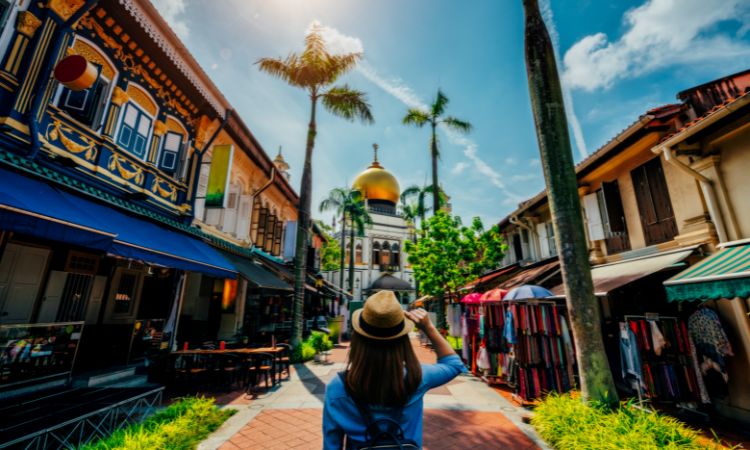
While Rimini’s beaches attract sunseekers, the surrounding region offers outdoor adventures and rewarding day trips. Just inland, rolling hills and medieval villages beckon: renting a car or joining guided tours allows exploration of scenic roads dotted with vineyards, olive groves, and historic hamlets. Day trips to San Marino—a short drive or bus ride—offer dramatic views from mountaintop fortresses and duty-free shopping; costs including transport and minor entrance fees remain modest when converted to British pounds (around £20–£30 total for transport plus minimal local expenses). Cycling enthusiasts can tackle coastal bike paths or more challenging inland routes; bicycle rental in Rimini costs approximately £10–£15 per day. E-bike options, at around £25–£35 per day, help less-experienced riders manage hillier terrain.Nature lovers can visit nearby natural parks—such as the Parco del Marecchia—where hiking trails follow rivers, gorges, and woodlands. Guided nature walks (costing roughly £15–£25 in GBP) provide local insight into flora, fauna, and geography. Birdwatching at wetland areas near river mouths can be arranged through local eco-tours. For a blend of history and nature, guided tours of ancient rural churches and monasteries nestled in countryside settings enrich understanding of regional heritage.Theme parks in Emilia-Romagna—such as Mirabilandia—offer full-day thrills with roller coasters, water rides, and family attractions. Tickets often include transport packages from Rimini; pricing in British pounds for a standard entry ticket plus transport ranges around £45–£60 per person. Booking online in advance may yield savings. Water parks closer to the coast provide fun for families on hot days, with slides, pools, and relaxation areas; entry prices around £20–£30 per person.Golf enthusiasts can find courses within reasonable driving distance; green fees vary but budgeting around £40–£60 per round works when converted into GBP. Horseback riding experiences in the countryside present another way to explore landscapes; half-day rides cost approximately £30–£45 per person. Adventure parks with treetop courses and zip lines near Rimini cater to adrenaline seekers; entry and equipment rental usually total around £25–£35 per person.For those preferring organized tours, many companies offer combination day trips: for example, visiting art cities like Ravenna (famous for mosaics) or Bologna (gastronomy and porticos) with guided commentary. Full-day guided tours including transport and entry fees cost around £60–£80 per person. Train connections also make independent travel feasible: a return train to Ravenna is affordable (around £10–£15), plus modest museum fees.Nature cruises along the coast or riverboat excursions offer alternative perspectives on the region. Short boat trips for dolphin spotting or coastal sightseeing cost around £25–£35 per person. Sunset cruises with aperitif included create romantic experiences around £30–£40 per person.Planning outdoor activities in Rimini involves balancing beach days with inland exploration, ensuring travelers experience the region’s diversity. Budgeting in British pounds and booking in advance (especially in peak season) secures availability and often yields lower rates. Whether cycling along the coast, hiking in hills, or enjoying theme-park thrills, Rimini’s surroundings provide ample adventures beyond the shoreline.
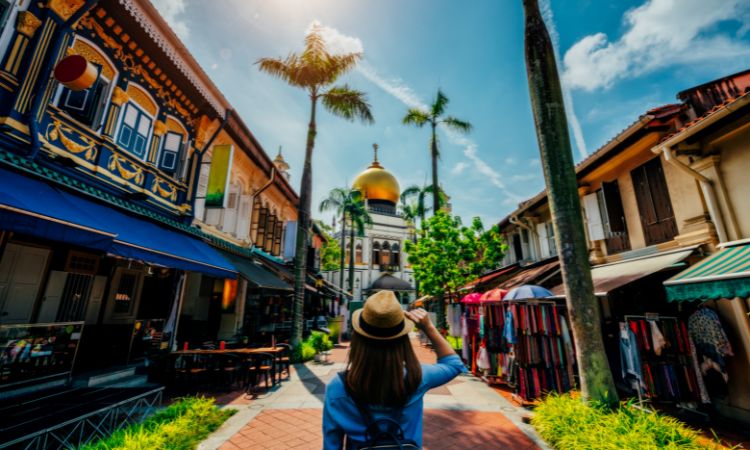
Rimini’s reputation for nightlife complements its daytime attractions. As evening falls, beach clubs along Marina Centro host lively parties, often with themed nights featuring guest DJs or live bands. Entry fees vary; some events include a drink and range from £10–£20 in British pounds, while others are free until a certain hour. The atmosphere is energetic: dancing on the sand under lights, with the sound of waves in the background. Reservations or early arrival ensure entry on busy summer nights.In the historic centre, wine bars and cocktail lounges offer a more relaxed evening. Tasting flights of local wines accompanied by small plates let visitors unwind and socialize. Aperitivo hour (early evening) often features buffet-style snacks included with a drink purchase (around £7–£10). Later, diners can transition to full meals in trattorias or pizzerias—prices around £15–£25 per person for a multi-course meal with wine when converted to pounds.Cultural events add variety: open-air cinema nights on the beach or in piazzas, summer theatre performances, and live-music concerts in historic courtyards. Tickets are typically affordable (£5–£20) and provide memorable settings under starry skies. Checking local event listings upon arrival helps identify performances aligning with your interests. Seasonal festivals often feature street performers, food stalls, and artisan markets, creating festive nighttime ambiance without requiring extra travel.For traditional Italian entertainment, some venues host folk music evenings or dance events showcasing regional traditions. Participating or simply observing connects travelers with local culture. Karaoke bars and live-music pubs attract younger crowds or families seeking casual fun. For those seeking sophistication, select hotels and beach clubs host jazz nights or piano bars; drinks may be slightly higher priced (£8–£12 per cocktail) but paired with elegant settings.Cinema and theatre venues offer film screenings (sometimes in original English with Italian subtitles) and stage performances; ticket prices converted to GBP are generally under £15. Booking ahead is advisable for popular shows or festivals. Late-night cafés and gelaterias remain open well into the evening, providing sweet treats after dinner or a night out.Safety and transport: Rimini’s nightlife areas are relatively compact, so walking between venues in Marina Centro and the historic centre is common. Licensed taxis and ride-sharing operate into late hours; budgeting around £5–£10 for short rides ensures convenience. Drink responsibly and be mindful of local guidelines—Rimini’s beach parties and clubs maintain safety measures during peak seasons.Special events—such as New Year’s celebrations, summer festivals, or music festivals—attract visitors from across Italy and beyond. Planning travel dates around these can enrich the experience, though accommodation prices may rise; early booking helps secure better rates. Overall, Rimini’s nightlife and entertainment offerings span energetic beach parties, cultural performances, relaxed wine bar evenings, and family-friendly activities, ensuring that after the sun sets, the Adriatic coast continues to sparkle with possibilities.
No ads. No trails. No commitments


Alice Roses
London, England
51 ST MATTHIAS ROAD
NOTTINGHAM, NOTTINGHAMSHIRE
NG3 2HF
Hours: 8:00 - 17:00, Mon - Sat
support@johnsonholidays.com