 Liguria Travel
Guide
Liguria Travel
Guide
Paris is known around the world as the “capital of love,” and even if you don't understand the history of Paris at all

2.5 Hours
£4
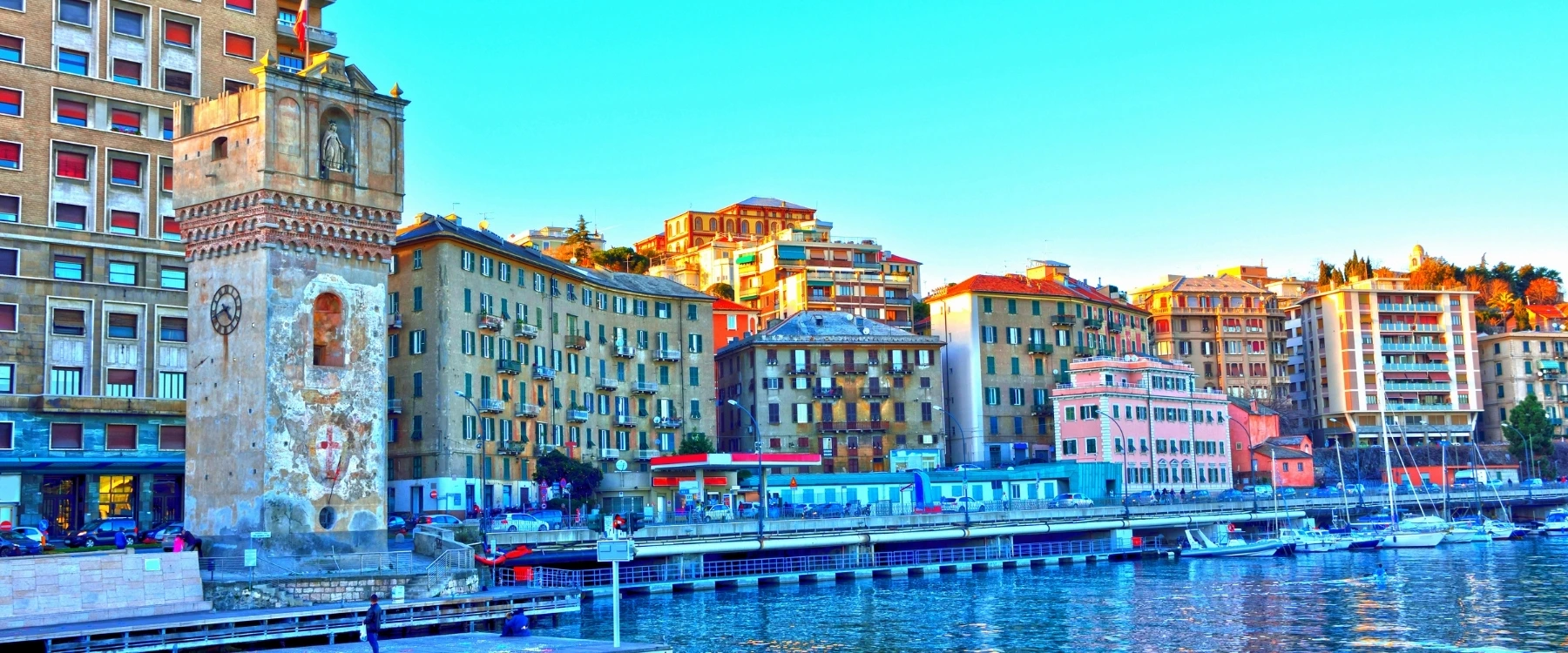
Liguria’s coastline is nothing short of cinematic: steep cliffs plunge into the Mediterranean, unveiling hidden coves, pebble beaches, and crystalline waters. Winding coastal roads and cliffside hiking trails deliver panoramic vistas at every turn. From sunrise over Monterosso al Mare’s golden sands to sunset illuminating Portofino’s harbor in rosy hues, the region’s natural beauty captivates. Inland, emerald hills dotted with vineyards and olive groves offer a verdant contrast to shimmering seas. Whether you stroll seaside promenades, sail along the Riviera, or hike ancient mule tracks linking villages, Liguria’s landscapes promise memorable moments and photographic inspiration.
Learn More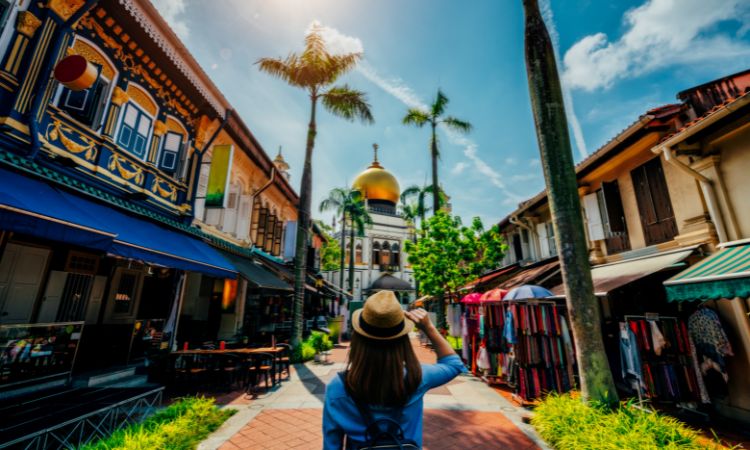
Liguria’s cuisine celebrates simplicity and freshness: vibrant pesto made from locally grown basil, fragrant olive oil pressed from hillside groves, and an abundance of seafood from the Ligurian Sea. Indulge in trofie al pesto, focaccia genovese, fresh anchovies, mussel dishes, and farinata—each bite reflecting centuries-old recipes passed down through families. Seasonal markets brim with produce, herbs, and artisanal specialties like trofie pasta and local honey. Wine lovers savor crisp Vermentino and light red Rossese, pairing perfectly with coastal fare. Dining often unfolds in picturesque settings—sea vistas, piazzas shaded by umbrellas—ensuring a feast for both palate and soul.
Learn More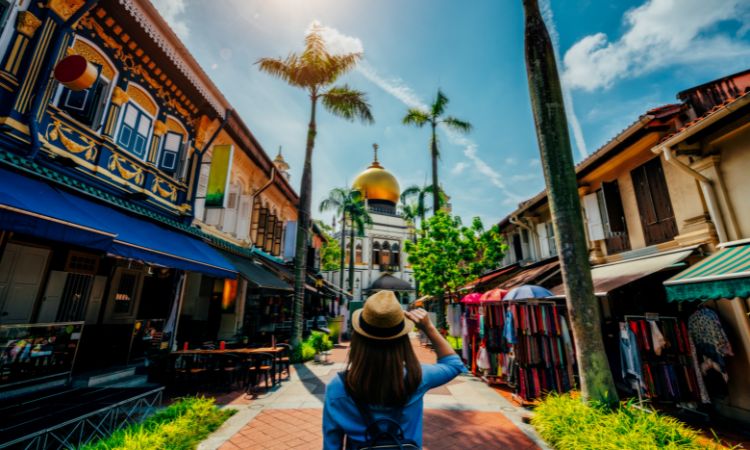
Liguria’s towns echo maritime legacies and medieval charm. Genoa’s labyrinthine old town reveals hidden alleys, grand palaces, and historic port districts turned cultural centers. The Cinque Terre villages retain centuries-old architecture perched on cliffs, linked by ancient mule paths. Hilltop towns like Dolceacqua and Apricale showcase medieval fortifications and cobblestone streets. Portofino’s elegant harbor reflects a glamorous past, while small fishing hamlets preserve authentic traditions. Museums, churches, and festivals celebrate Liguria’s maritime influence, religious art, and local folklore. Travellers uncover layered history in each stone-paved lane, offering a journey through time and culture.
Learn More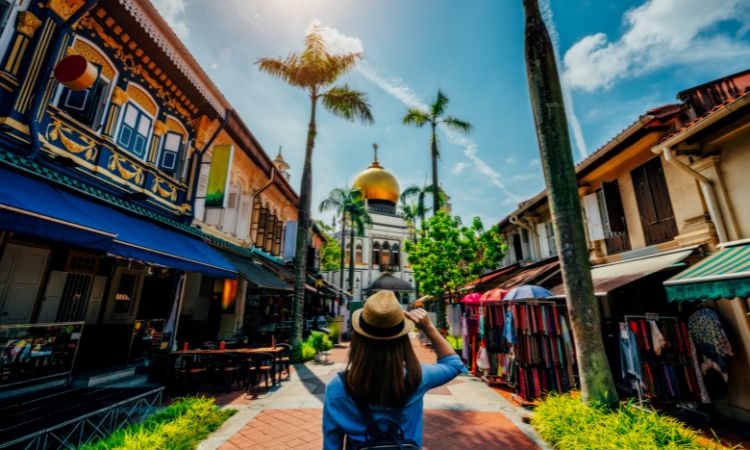
Active travellers find ample pursuits: coastal hiking routes connect villages with breathtaking sea views; water sports include kayaking through sheltered bays, snorkeling among marine reserves, and sailing along the Riviera. Inland, trails traverse the Ligurian Alps, offering mountain vistas and encounters with diverse flora and fauna. Cycling enthusiasts tackle scenic roads and mountain passes. Rock climbing on coastal cliffs or inland crags challenges adventurers. Even gentle walks through olive terraces and vineyard paths provide immersive outdoor experiences. Liguria’s varied terrain ensures options for all fitness levels, blending natural beauty with invigorating exploration.
Learn More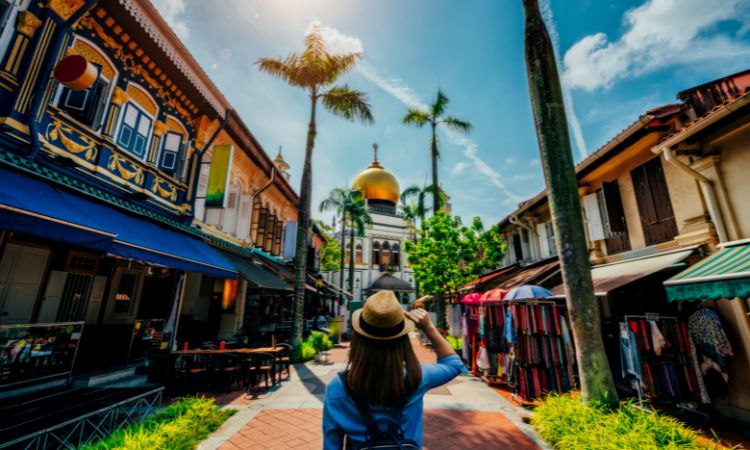
Despite growing popularity, Liguria retains authentic character. Small family-run trattorias serve homemade recipes; local artisans craft olive oil, wine, and ceramics; fishermen haul in daily catches to village harbors. Seasonal festivals—olive and wine harvest celebrations, religious processions, seafood fairs—invite participation in local life. Visitors can join cooking classes for pesto-making, guided vineyard visits, or boat trips led by longtime locals. Off-season visits reveal peaceful hamlets and genuine hospitality. These authentic encounters foster deeper connections, leaving lasting memories beyond typical tourist paths.
Learn More
Liguria’s slender geography makes it easy to explore diverse experiences within short distances. Efficient train services link coastal towns and Genoa, while scenic roads wind along the Riviera for self-drive adventures. Day trips to Cinque Terre, Portofino, and inland villages are straightforward. Airports at Genoa (GOA), Pisa (PSA), and Nice (NCE) connect to major European hubs, often via short flights from the UK (average flight time approx. 2h 30m). Once here, travellers can optimize time: morning in a historic city, afternoon by a secluded beach, evening sampling local cuisine. This compact yet varied layout maximizes each travel day.
Learn More
Lorem ipsum dolor, sit amet consectetur adipisicing elit. At illo adipisci iusto
From

Because more than 268 other customers have loved us too

Demonstrates commitment to user data security through encryption and secure payment practices
Learn More
Demonstrates commitment to user data security through encryption and secure payment practices
Learn More
Demonstrates commitment to user data security through encryption and secure payment practices
Learn More
Demonstrates commitment to user data security through encryption and secure payment practices
Learn More
Quality as judged by customers. Book at the ideal price!


/ person
/ person
/ person
Liguria’s history is woven into its landscapes and towns, reflecting maritime power, medieval fortifications, and cultural exchanges across centuries. At the heart lies Genoa, once a formidable maritime republic. Exploring its old town, visitors wander through narrow carruggi (alleys) revealing hidden piazzas, ancient churches, and grand palazzi lining Strade Nuove. The UNESCO-listed Palazzi dei Rolli showcase opulent residences of noble families, offering insight into Genoa’s Golden Age. Nearby, the historic port—reborn as a cultural hub—hosts maritime museums where ship models, navigational instruments, and artifacts recount seafaring traditions.Beyond Genoa, inland hilltop villages like Dolceacqua and Apricale preserve medieval character. Dolceacqua’s stone bridge and castle evoke feudal eras, while narrow lanes reveal centuries-old architecture. Apricale, perched on a ridge, invites exploration of ancient walls, artisan workshops, and panoramic terraces. Each village offers a window into Liguria’s rural past: terraced olive groves, traditional stone houses, and community life shaped by terrain.On the coast, the Cinque Terre villages—Monterosso, Vernazza, Corniglia, Manarola, and Riomaggiore—retain medieval origins. Built on cliffs for defense, their pastel facades and terraced vineyards narrate stories of resilience. Walking the ancient Sentiero Azzurro path between villages, travellers trace routes once trodden by fishermen and traders. Each village’s church, tower, and fortress embodies historical layers, while small museums recount local legends and maritime lore.Further along, Portofino’s harbor and nearby San Fruttuoso Abbey reflect a blend of spiritual heritage and noble retreats. The secluded abbey, reachable by boat or coastal trail, dates to early medieval times and houses centuries-old frescoes. Camogli, with its historic fishing port, preserves maritime traditions—colourful boats, fishermen’s houses, and annual regattas celebrating seafaring heritage.Inland castles and fortified towns pepper the Ligurian hills: Castelvecchio di Rocca Barbena and Castelnuovo Magra testify to strategic importance in medieval conflicts. Archaeological sites around Ventimiglia reveal Roman and pre-Roman settlements, illustrating Liguria’s role as a crossroads between cultures. Local museums in small towns display artifacts, traditional costumes, and folk crafts, deepening understanding of Ligurian life across epochs.Festivals often center on historical themes: medieval reenactments, religious processions honoring patron saints, and maritime celebrations commemorating naval victories or local legends. Participating in these events connects travellers with living traditions, as processions wind through ancient streets and boats parade along harbors.Engaging with Liguria’s history enriches any visit: each stone edifice, narrow alley, and seaside fortification tells a story of resilience, adaptation, and connection to the sea. Whether exploring Genoa’s palaces, hiking between Cinque Terre villages, or discovering inland castles, travellers gain a layered appreciation for a region shaped by maritime ambition, rugged terrain, and cultural crossroads. This historical tapestry enhances every aspect of a Ligurian journey, inviting deeper curiosity and reflection long after departure.
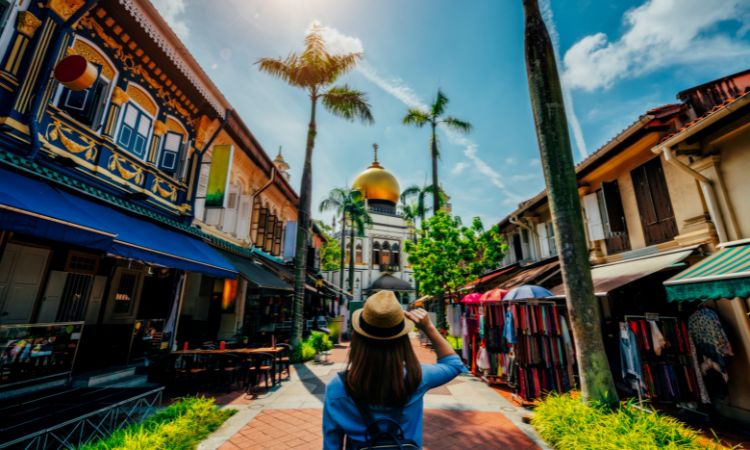
Liguria’s coastline—dubbed the Italian Riviera—is renowned for its dramatic cliffs, hidden coves, and vibrant villages clinging to rocky shores. Stretching from the French border to Tuscany, the Riviera unveils diverse coastal scenery. Begin in the west near Ventimiglia, where rugged cliffs alternate with pebble beaches before reaching glamorous towns like Sanremo, famed for gardens and music festivals. Further east, the Ligurian Sea’s turquoise waters lap against the Cinque Terre’s rugged promontories, offering both visual splendor and inviting swim spots.Hiking trails such as the Sentiero Azzurro traverse the Cinque Terre villages, affording breathtaking views of terraced vineyards descending to the sea. Each segment reveals different panoramas: pastel buildings perched on cliffs, fishing boats bobbing in harbors, and vineyards clinging to steep slopes. For a less crowded experience, explore coastal paths beyond the main villages—routes toward Portovenere or Levanto reveal secluded coves and panoramic viewpoints.Boat excursions along the Riviera afford a unique vantage: from the water, cliffside villages emerge in all their colour, and hidden sea caves become accessible for swimming or kayaking. Depart from Portofino to Mezzogiorno Bay, where the clear waters invite snorkeling among underwater rock formations. Sailing enthusiasts find calm bays ideal for anchoring and exploring coastal grottos.Beaches vary: sandy stretches at Monterosso offer classic seaside relaxation, while other beaches consist of pebbles or rocky ledges where sunbathers set up on terraces. During summer months, beach clubs provide amenities; off-season visits allow quieter enjoyment of coastal scenery. Coastal road trips along the Aurelia SS1 reveal dramatic hairpin turns overlooking the sea, with viewpoints perfect for photography.Marine reserves such as Cinque Terre National Park protect marine biodiversity; snorkelers encounter colorful fish, sea urchins, and underwater flora. Responsible visitors respect protected zones and local guidelines to preserve fragile ecosystems. Coastal birdlife, including gulls and migratory species, enriches the experience.Sunsets along the Riviera carry a special magic: golden light illuminating cliffs and villages, with silhouetted fishing boats drifting on calm seas. Evenings can be spent enjoying seaside aperitifs, sampling local wines as the sky deepens from pink to indigo.For travellers keen on slower exploration, seaside promenades in towns like San Remo or Rapallo combine coastal views with local life: cafés spilling onto sidewalks, markets selling fish and produce, and artisan shops offering Ligurian specialties. Photography enthusiasts capture misty mornings when low clouds hover above the sea, creating ethereal scenes.Beyond popular spots, lesser-known coastal gems await: the Bay of Baia dei Saraceni near Alassio, tiny beaches accessible via footpaths near Sestri Levante, or rocky inlets around Camogli. Exploring these hidden corners requires local guidance or adventurous spirit but rewards with solitude and unspoiled beauty.Whether by foot, boat, or car, exploring Liguria’s coastline reveals a mosaic of sights and experiences: dramatic landscapes shaped by geology and human perseverance, where villages integrate seamlessly into cliffs, and the sea remains ever-present. This coastal odyssey offers both relaxation and discovery, inviting travellers to immerse in the timeless allure of the Italian Riviera.
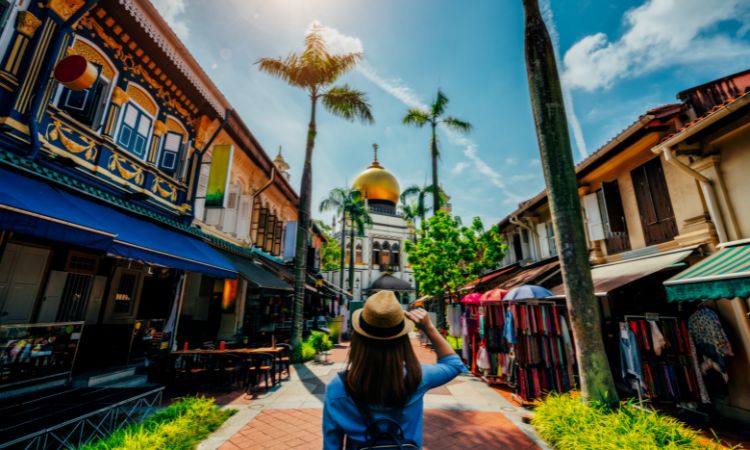
Beyond the coastline, Liguria’s hinterland unfolds into terraced hills and the foothills of the Ligurian Alps and Apennines. Hiking here ranges from gentle walks among olive groves to challenging alpine treks with sweeping mountain vistas. Trails often follow ancient mule tracks used for centuries to transport goods between coast and inland. These paths wind through chestnut forests, Mediterranean shrubland, and high-altitude meadows, offering varied terrain and ecosystems.One renowned route is the Alta Via dei Monti Liguri, a long-distance trail traversing the region from west to east along ridge lines. Sections of the Alta Via offer panoramic views over the sea on one side and Alpine peaks on the other. Multi-day trekkers can stay in rifugi (mountain huts) or small villages, experiencing local hospitality and simple hearty meals—polenta, local cheeses, and cured meats—fueling the journey.Closer to the coast, shorter hikes connect seaside villages to hilltop viewpoints. For example, paths from Levanto lead to the Santuario di Nostra Signora di Soviore, perched above the Gulf of La Spezia, offering sweeping vistas of the Cinque Terre and beyond. Trails near Portofino traverse Mediterranean vegetation, with fragrant herbs lining the path and occasional glimpses of hidden coves below.Inland valleys like Val Trebbia and Val d’Aveto offer alpine-style scenery: mountain streams, cascades, and lush forests. Trails vary in difficulty; some routes require good fitness and proper equipment, especially in higher altitudes. Guided hikes can enhance safety and local insight—knowledgeable guides identify flora and fauna, explain local history, and point out lesser-known routes.During spring and early summer, wildflowers carpet meadows, and birdlife abounds. Autumn transforms hillsides into a tapestry of gold and red as chestnut and oak forests prepare for harvest. Winter hikes at lower elevations remain possible, although higher trails may require snowshoes or winter gear. Many refuges close in winter, so planning is essential.For families or casual walkers, gentle routes through olive terraces near Cinque Terre villages or comfortable paths around Portovenere provide manageable outings with rewarding views. Interpretive panels sometimes detail local flora, geology, or history, enriching the experience. Photography enthusiasts find dramatic compositions: terraced vineyards descending toward blue sea, mist-shrouded peaks, or villages perched on ridges.Safety considerations include checking weather forecasts—conditions can change rapidly in mountains—and carrying sufficient water, as springs may be scarce. Sun protection and sturdy footwear are essential. Local trail associations often maintain paths, marking them clearly, but maps or GPS devices help avoid confusion on intersecting routes.Hiking in Liguria merges coastal and mountain experiences: one moment enveloped by Mediterranean scents and the next gazing at snow-capped peaks in the distance. This diversity makes Liguria unique: a single day may include seaside relaxation and hilltop vistas. For those seeking active immersion, the Ligurian trails promise both challenge and reward, revealing hidden panoramas and forging a deeper connection with the region’s natural heritage.
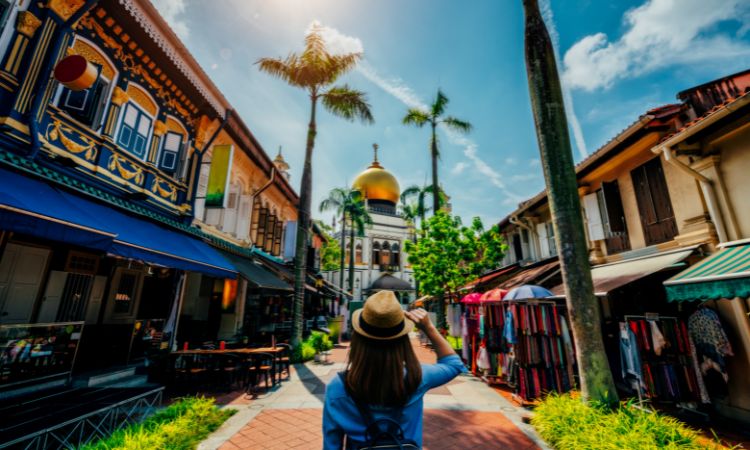
Liguria’s culinary identity is inseparable from its land-and-sea geography. The coastline yields fresh seafood—anchovies, mussels, squid, and mixed fish—while the terraced hills supply aromatic basil, olives, lemons, and herbs. Pesto Genovese, the region’s signature sauce made from basil, pine nuts, garlic, Parmesan or Pecorino, olive oil, and sea salt, epitomizes Ligurian simplicity and flavor. Culinary journeys here blend hands-on experiences, tastings, and market visits, offering a deep dive into local gastronomy.Cooking classes in Genoa or Cinque Terre villages invite travellers to craft homemade pasta—trofie or trenette—tossed with freshly prepared pesto. Under local guidance, participants learn proper mortar-and-pestle techniques or blender adaptations, understand ingredient provenance, and discover variations like adding beans (pasta e fagioli al pesto). These immersive sessions often include preparing farinata, focaccia, or desserts using local honey and citrus.Seafood experiences range from visiting fishing harbors at dawn—witnessing fishermen unloading catch—to joining small-group boat trips where fishers demonstrate netting techniques and share stories. Back on shore, chefs transform the catch into dishes like zuppa di pesce (fish soup) or fritto misto di mare (mixed fried seafood). Farm-to-table dinners in hillside agriturismi showcase seasonal produce: olive oil tastings illustrate differences between early- and late-harvest oils; vineyard visits highlight local grape varieties like Vermentino, Pigato, and Rossese. Guided wine tastings pair regional whites with seafood and light reds with hearty inland fare.Markets in towns such as Genoa, La Spezia, or Imperia teem with stalls offering fresh fish, vegetables, artisanal cheeses, and baked goods. Engaging with vendors reveals stories of multigenerational families sustaining traditions. Sampling small bites—olive ascolane (fried stuffed olives), focaccia with cheese, or pesto-topped bruschetta—introduces travellers to everyday Ligurian flavors.Specialty tours may focus on olive oil production: walking among terraced groves, observing harvesting methods, and pressing olives in family-run mills. Tasting sessions contrast oils by acidity, aroma, and texture. Similarly, honey produced from chestnut or wildflower blossoms offers unique Ligurian notes. Culinary festivals—pesto festivals, seafood fairs, and olive oil celebrations—provide festive atmospheres where locals and visitors unite in appreciation.Dining settings enhance the experience: seaside terraces overlooking fishing boats create ambient backdrops for seafood dinners; rustic interiors of agriturismi offer cozy gatherings around wood-fired stoves. In smaller villages, long communal tables foster conviviality, where the pace slows, and each dish is savored.For travellers seeking take-home delights, packaged pesto, artisanal olive oil, or jars of preserved fish make authentic souvenirs. However, freshness is paramount: travellers are encouraged to purchase ingredients locally and prepare dishes when possible, ensuring genuine flavors.Culinary exploration in Liguria is more than tasting; it’s understanding how geography shaped traditions: terraced hills enabling basil cultivation, rocky coasts inspiring seafood reliance, and historical trade introducing spices. These layers converge in each meal, offering nourishment and insight into Ligurian life. Whether participating in cooking classes, enjoying guided tastings, or simply savoring a plate of trofie al pesto by the sea, culinary journeys in Liguria leave indelible impressions on palate and memory.
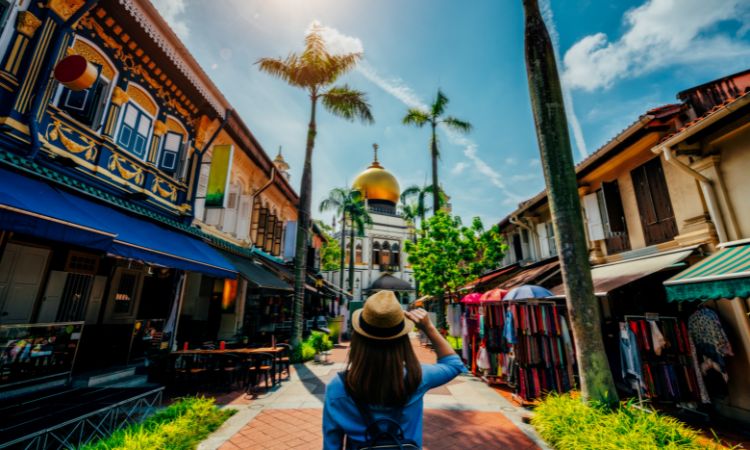
While Cinque Terre and Portofino draw crowds, Liguria harbors numerous hidden villages and lesser-known corners. Exploring these off-the-beaten-path treasures offers solitude and authentic encounters. In the hinterland, villages such as Triora—once famed for witch trials—sit amid chestnut forests, offering medieval ambiance and panoramic views. Apricale’s narrow lanes and artisan workshops reveal crafts like pottery and weaving; visitors may meet local artists in their studios. These hamlets preserve traditions largely unchanged by mass tourism.Coastal discoveries include tiny coves accessible only by foot or boat. South of the Cinque Terre, the Bay of Framura features pebbly beaches and trails leading to secluded inlets. Near Sestri Levante, the “Bay of Silence” charms with tranquil waters, while less-frequented stretches beyond attract those seeking quiet seaside retreats. Inland, valleys like Val Polcevera or Val d’Aveto host tranquil streams and waterfalls, with trails less traveled by international visitors.Local agriturismi in hilltop areas provide immersive stays: guests dine on home-cooked meals using produce from family gardens, learn olive harvesting in season, and awaken to birdsong instead of tourist bustle. Some hosts offer guided foraging walks for wild herbs and mushrooms, deepening connection with Ligurian flora.Cultural encounters arise in village festivals: participating in chestnut harvest feasts in autumn, olive oil pressing celebrations, or small-scale religious processions through candlelit streets fosters insight into communal life. Conversations with elder residents often yield stories of past hardships and resilience, enriching understanding of region’s heritage.Photography enthusiasts find inspiration beyond iconic vistas: mist drifting over olive terraces in morning light, stone staircases framed by bougainvillea, or weathered shutters contrasting with sky. Painting workshops sometimes held in remote villages allow artists to capture Liguria’s subtle hues and textures.Cyclists may explore quiet secondary roads through valleys and hills, encountering occasional trattorias serving hearty local dishes. For walkers, ancient footpaths once linking villages remain intact; guided hikes reveal hidden chapels, abandoned hamlets, and vantage points overlooking both sea and mountains.Accessible by train or rented car, these hidden gems require willingness to deviate from main routes. However, navigation apps and local advice aid discovery—asking at local inns or tourist offices for recommendations often leads to unexpected treasures. Embracing the unhurried pace of small-village life encourages deeper appreciation for Ligurian rhythms: sunrise over olive groves, midday rest under plane trees, and evenings spent sampling homemade wine by firelight.Visiting Liguria’s hidden villages and off-the-beaten-path sites transforms a standard coastal trip into a rich journey of discovery. Travellers return with stories of genuine hospitality, authentic flavors, and vistas known only to a few. These experiences complement popular highlights, ensuring a well-rounded immersion into Liguria’s multifaceted charm.
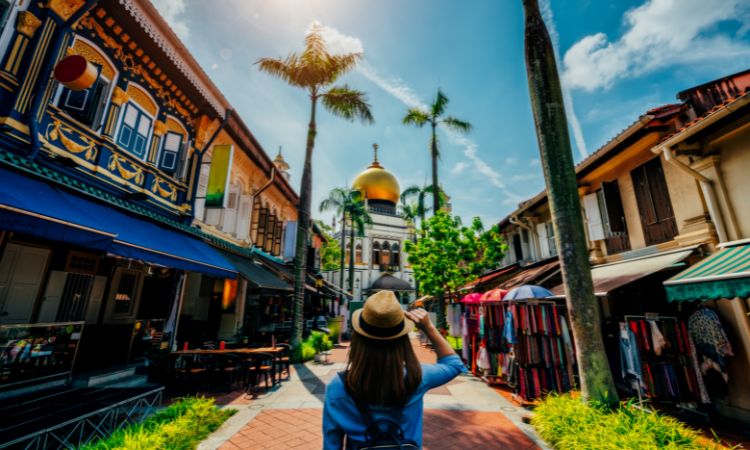
Liguria’s azure waters and sheltered bays provide ideal conditions for water sports and coastal adventures. Kayaking offers intimate exploration of hidden coves, sea caves, and rocky promontories. Guided sea-kayak tours from Portofino or Cinque Terre villages allow paddlers to navigate between villages, observing marine life below clear waters. Snorkeling enthusiasts discover underwater gardens of Posidonia seagrass, small fish, and rocky formations, especially in marine protected areas where biodiversity thrives.Stand-up paddleboarding (SUP) combines balance and scenic immersion: floating near calm beaches or gliding along gentle waves, paddlers enjoy coastal vistas from a different perspective. Diving courses in select locations introduce beginners to scuba diving, revealing underwater caves and reefs. Experienced divers may explore deeper sites off the Riviera, encountering varied marine habitats.Sailing and boating charters allow travellers to experience the Riviera beyond shore: day excursions to secluded anchorages, sunset sails along dramatic cliffs, or multi-day voyages combining coastal stops. Some charters include on-board meals featuring freshly caught seafood or local wine. Fishing trips in traditional style—joining local fishermen—offer authentic insight into maritime livelihoods; participants may help haul nets and later taste their catch prepared ashore.For thrill-seekers, windsurfing and kitesurfing find suitable spots where winds funnel through coastal gaps. Schools near beaches provide equipment rental and beginner lessons. Coastal cliffs also host opportunities for cliff diving in designated safe areas, under guidance of experienced instructors.During summer, organised events such as open-water swimming races link scenic points along the coast, inviting both competitive participants and spectators. Beach clubs often offer equipment rental for pedal boats, snorkel sets, and sailing dinghies. Families appreciate shallow bays where children paddle safely under supervision, while adults explore deeper waters.Inland lakes and rivers within Ligurian hinterland provide additional adventure: rafting on rivers like Trebbia during spring melt offers exhilarating rapids, while calmer stretches suit canoeing. Canyoning in gorges combines hiking, swimming, and abseiling, guided by specialized operators ensuring safety and local expertise.Safety is paramount: participants select reputable operators who follow environmental guidelines and safety protocols. Wetsuits and safety gear are provided for cooler months or deeper dives. Respecting marine reserves and local regulations ensures preservation of delicate ecosystems.Experiencing Liguria through water sports deepens appreciation for its coastal environment: the interplay of sea and land, the rhythm of tides, and the region’s maritime heritage. Adventures on water complement hiking and cultural exploration, creating a balanced itinerary. Whether paddling at dawn, sailing into sunset, or snorkeling among marine life, Liguria’s coastal adventures deliver both adrenaline and serenity against a backdrop of timeless beauty..
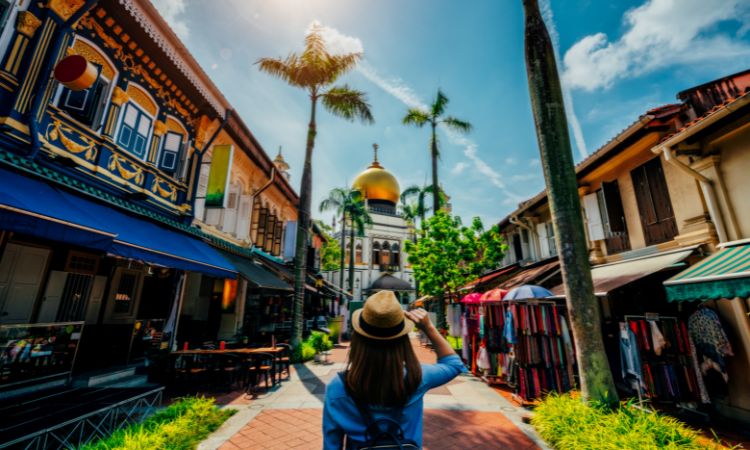
Festivals in Liguria reflect deep-rooted traditions, religious devotion, and celebration of local produce. Attending these events offers travellers a window into community life and cultural heritage. In spring, villages celebrate patron saints with processions winding through narrow lanes, accompanied by bands and traditional costumes. Candles illuminate evening ceremonies, while local families offer simple refreshments in communal gatherings.Summer brings lively seafood festivals (“sagra del pesce”) in coastal towns: long tables set along harbors brim with grilled fish, calamari, and local wine. Visitors join locals in feasting outdoors, enjoying live music and convivial atmosphere as waves lap nearby. Each fishing village may hold its own festival, celebrating the day’s catch and maritime traditions passed down generations.Olive and wine harvest festivals occur in autumn. In hilltop towns, locals gather to press olives in traditional mills; visitors observe or participate before tasting oils and sampling seasonal dishes like chestnut soups, polenta, and sausages. Vineyard harvests feature grape-stomping events, cellar tours, and wine tastings in rustic settings. These celebrations honor agricultural cycles and foster communal bonds.Cultural festivals in Genoa and other towns include classical music concerts in historic palazzi, art exhibitions, and theatre performances. The Genoa Music Festival and various chamber music events often occur in spring and autumn, set in atmospheric venues such as historic churches or open-air piazzas. Smaller towns host folk music evenings, showcasing regional songs and dances.Religious events such as Easter processions draw participants from surrounding villages. Notable ceremonies feature statues carried through streets, accompanied by incense and chants, reflecting centuries-old customs. While solemn in tone, these events also serve social functions: family reunions, communal meals, and local hospitality welcome respectful visitors.During winter, some villages host Christmas markets and nativity reenactments in medieval settings. Festive lights illuminate narrow alleys, and stalls offer handcrafted gifts and seasonal treats like panettone and mulled wine (vino caldo). Winter carnivals in certain towns feature masked parades and traditional costumes, enlivening colder months.Participating in festivals requires checking local calendars, as dates vary by town and year. Tourist offices or accommodation hosts often provide schedules. Travellers should arrive early for seating at communal tables and respect local customs—dressing modestly for religious events, asking permission before photographing ceremonies, and joining in communal activities with genuine interest.These celebrations offer more than entertainment: they reveal Ligurians’ connection to land and sea, faith and folklore, and a shared identity cultivated over centuries. Engaging with festivals fosters meaningful interactions: sharing a meal with locals, learning dance steps, or helping press olives creates lasting memories. For travellers seeking authentic immersion, timing visits to coincide with local celebrations enriches the Ligurian experience beyond beaches and landmarks.
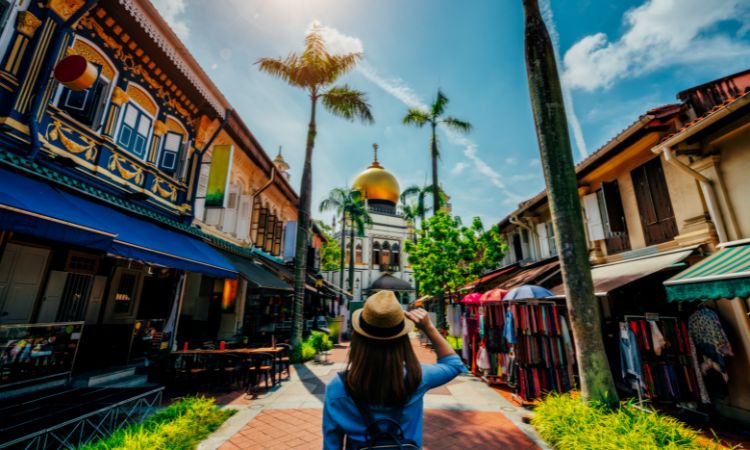
Amid Liguria’s dynamic landscapes, travellers seeking relaxation and wellness find serene retreats blending natural beauty with rejuvenating experiences. Coastal spas overlooking the sea offer treatments using local ingredients—algae wraps, essential oils infused with Mediterranean herbs, and thermal baths harnessing beneficial minerals from nearby springs. These wellness centers often incorporate panoramic views, allowing guests to unwind while gazing at azure horizons.Yoga retreats and mindfulness workshops take place in tranquil inland settings: converted farmhouses or agriturismi nestled among olive groves provide peaceful environments. Guided sessions at sunrise or sunset on terraces overlooking hills and sea foster deep relaxation. Some retreats integrate local culinary experiences: plant-based Ligurian dishes, herbal teas made from wild foraged plants, and olive oil tastings, promoting holistic well-being.Coastal resorts may offer low-impact fitness classes—pilates overlooking the bay or guided seaside walks emphasizing breathwork and gentle movement. Meditation spots along cliffside paths or secluded beaches invite solitary reflection, accompanied by calming sea sounds. Nature therapy emerges through forest bathing in chestnut or pine woodlands, where guided walks encourage sensory awareness and stress relief.Boutique hotels in smaller villages focus on personalized service: in-room wellness amenities include local herbal infusions, aromatherapy kits featuring Ligurian herbs, and curated reading materials on regional culture. Some establishments arrange attention to detail: pillow menus scented with lavender from inland farms or breakfasts featuring fresh fruit and whole-grain focaccia, balancing indulgence and health.Wellness itineraries may combine gentle hikes through terraced hills, cycling on quiet country roads, and restorative spa treatments. Local practitioners offer holistic therapies: massage using olive oil base infused with rosemary or lavender, reflexology highlighting pressure points for relaxation, and nutritional consultations emphasizing seasonal Ligurian produce. Workshops on making herbal sachets or aromatic oils connect guests with traditional practices.For digital detox, secluded agriturismi without Wi-Fi immerse visitors in nature’s rhythms: sunrise choruses, midday rest in shaded courtyards, and evenings under starlit skies. Garden harvesting sessions allow picking vegetables, herbs, or citrus used in communal meals, fostering mindful engagement with food sources. Cooking classes focused on nutritious Ligurian recipes reinforce healthy habits beyond the retreat.Families seeking gentle wellness experiences find child-friendly activities: guided nature walks, creative workshops using natural materials, and shallow beach areas for play. Multigenerational groups appreciate the balance of relaxation and light exploration—easy hikes to viewpoints, picnics among olive trees, and spa treatments for adults while children engage in supervised activities.Booking wellness retreats often aligns with shoulder seasons (spring and autumn) when weather is mild, rates more affordable, and crowds thinner. However, some coastal spas operate year-round, offering off-season tranquility. Regardless of timing, prioritizing advance reservations ensures availability, especially at smaller venues.Relaxation and wellness retreats in Liguria weave together sea, hills, and culinary tradition to nurture body and mind. Whether indulging in thermal baths overlooking the Mediterranean, practicing yoga amid olive terraces, or savoring wholesome local cuisine, travellers depart rejuvenated, carrying Liguria’s serene essence into daily life.
No ads. No trails. No commitments


Alice Roses
London, England
51 ST MATTHIAS ROAD
NOTTINGHAM, NOTTINGHAMSHIRE
NG3 2HF
Hours: 8:00 - 17:00, Mon - Sat
support@johnsonholidays.com