 Cantabria Travel
Guide
Cantabria Travel
Guide
Paris is known around the world as the “capital of love,” and even if you don't understand the history of Paris at all

2 Hours
£3.52
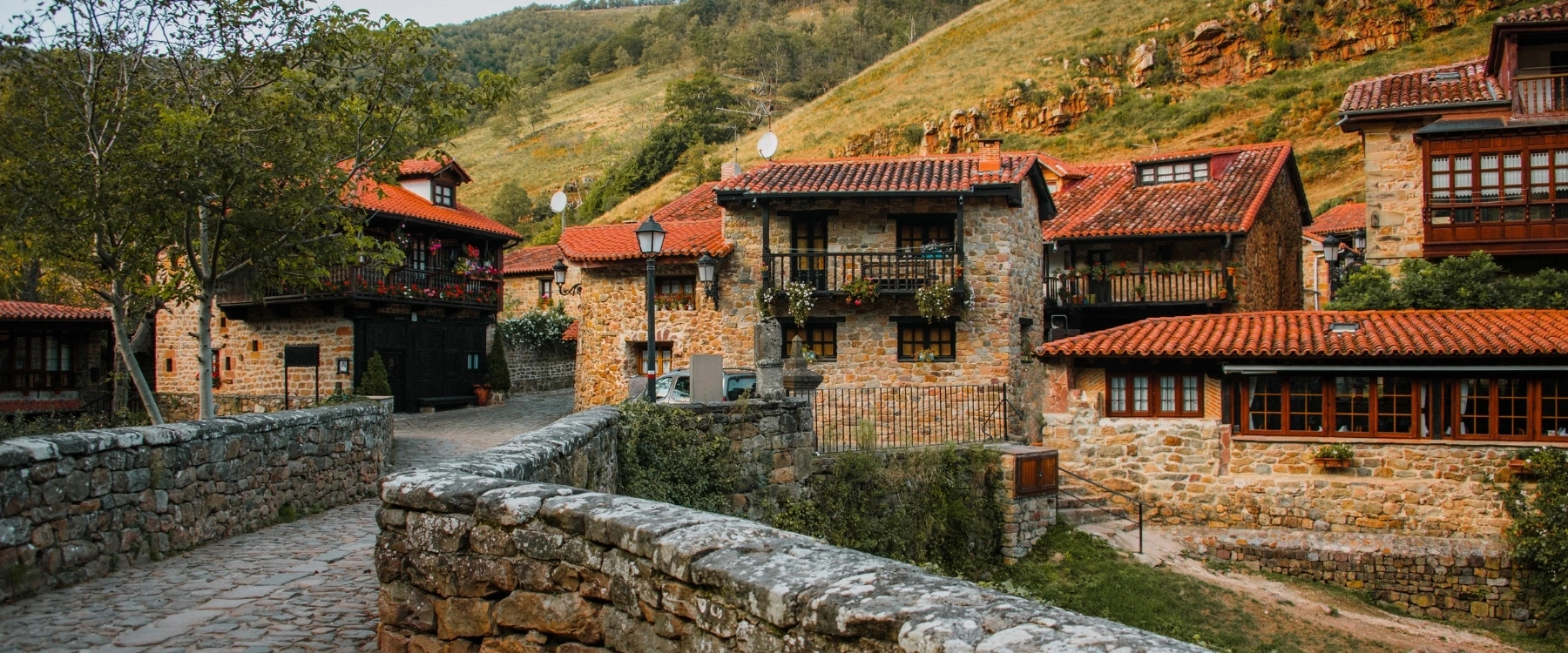
Cantabria boasts an extraordinary range of landscapes packed into a compact region, from the soaring limestone peaks of the Picos de Europa to the dramatic Atlantic coastline with hidden coves and golden beaches. Travellers can hike verdant mountain trails in the morning, descend to pristine beaches by afternoon, and explore lush forests and rivers in between. This diversity caters to varied travel preferences—adventure seekers relish canyoning or climbing, while photography enthusiasts discover breathtaking vistas at every turn. The region’s green reputation underscores its environmental richness: abundant flora and fauna, serene natural parks, and opportunities for wildlife spotting. Booking Cantabria means immersing yourself in a compact yet profoundly varied natural playground that seldom disappoints.
Learn More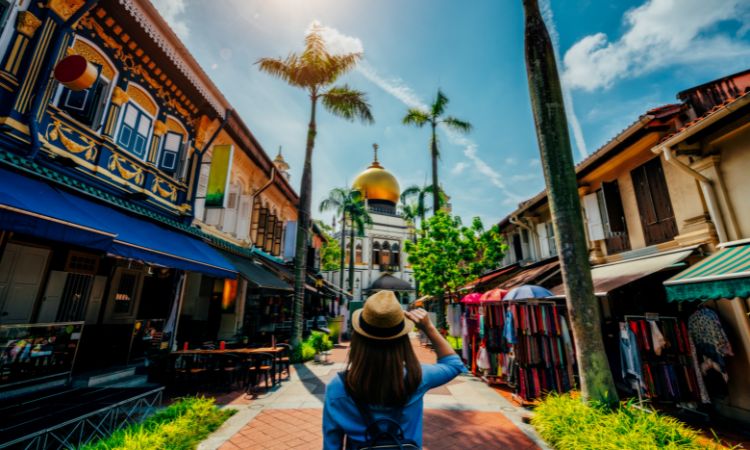
Cantabria’s cultural fabric is woven from ancient traditions, medieval towns, and living rural customs. Historic sites include prehistoric cave art (Altamira and other caves), medieval villages like Santillana del Mar, and centuries-old fishing hamlets. Visitors encounter authentic local life through artisan workshops, mountain cheese farms, and traditional fairs where regional music, crafts, and gastronomy shine. Unlike mass-tourism hotspots, Cantabria retains an unhurried pace: small-town markets, family-run sidrerías (cider houses), and folk festivals offer genuine immersion. Engaging with local guides and communities reveals stories and legends passed down generations, creating meaningful connections beyond superficial sightseeing.
Learn More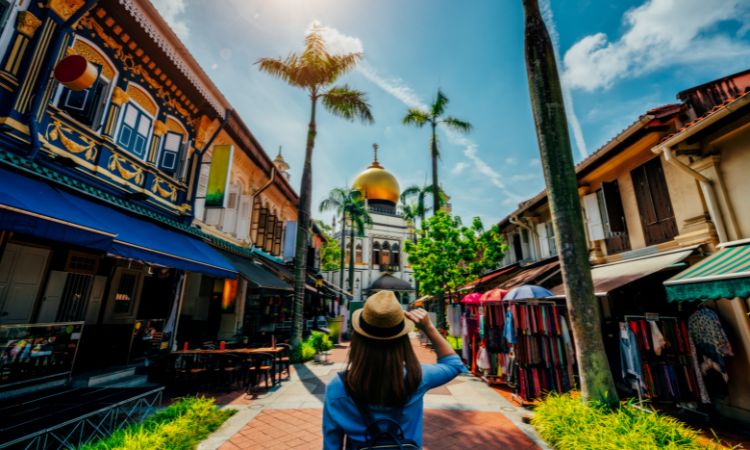
For adventure travellers, Cantabria is a gateway to an array of outdoor pursuits. The Picos de Europa present hiking and climbing routes for all levels, from accessible valley paths to challenging peaks. Coastal activities include surfing Atlantic waves, sea kayaking along rugged shores, and sailing excursions. Inland, mountain biking, canyoning in crystal-clear rivers, and wildlife-watching add excitement. Well-marked trails and guided tours ensure safety and local insight. Adventure need not be extreme: scenic train rides, gentle coastal walks, and photography tours also satisfy those seeking active yet moderate experiences. Booking here means embracing an active holiday with plentiful options to suit every appetite for adventure.
Learn More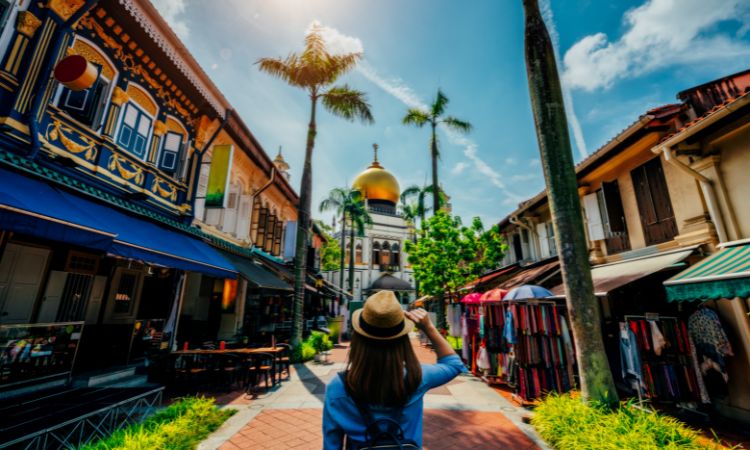
Cantabrian gastronomy reflects its dual mountain and sea heritage. Hearty stews like cocido montañés, fresh seafood platters featuring anchovies, hake, and shellfish, and mountain cheeses showcase regional produce. Pastries such as sobaos and quesadas delight sweet-toothed travellers, while cider (“sidra”) and local wines accompany meals in convivial taverns. Dining is both authentic and affordable: sampling multiple dishes is feasible without overspending, especially when converting to pounds for budgeting. Culinary experiences extend beyond restaurants: join cooking workshops in rural settings, visit local markets, or discover hidden cider houses off the beaten track. Savouring Cantabria’s flavours is a highlight of any trip.
Learn More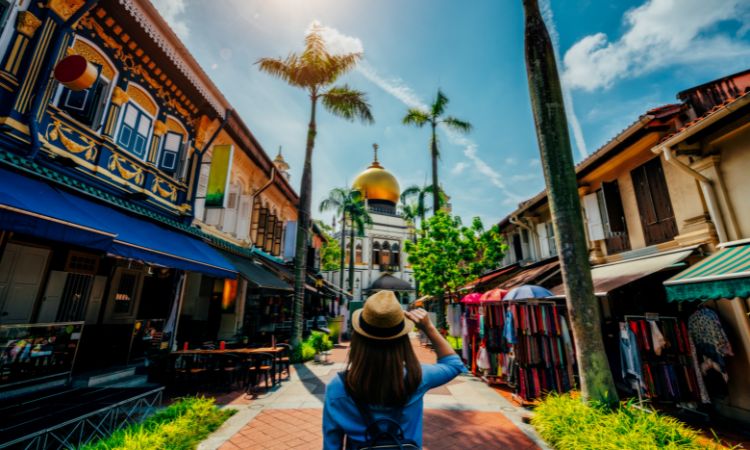
Cantabria’s calendar brims with festivals celebrating community, nature, and heritage. From carnival traditions in coastal towns to flower parades, music and arts festivals in Santander, and rural fairs showcasing livestock and crafts, there’s always a local event to attend. These celebrations offer travellers authentic glimpses of Cantabrian life, with colourful processions, traditional music, and regional delicacies on offer. Participating in a seaside carnival or a mountain village fair creates lasting memories and deeper appreciation of local culture. Booking in summer often aligns with major festivals, making timing a valuable aspect of trip planning.
Learn More
Compared to many European destinations, Cantabria offers excellent value: accommodation ranging from boutique rural casas rurales to seaside hotels remains competitively priced, dining costs are reasonable (a pint often under £4, local meals £10-£15), and entrance fees to attractions are modest. Santander Airport provides direct connections to UK airports, with flight times around 1h 40m, facilitating short-breaks or longer stays without complex itineraries. Well-maintained roads and transport links further simplify exploration. This combination of affordability and ease of access means travellers can enjoy a rich holiday experience without stretching budgets or enduring long transfers.
Learn More
Lorem ipsum dolor, sit amet consectetur adipisicing elit. At illo adipisci iusto
From

Because more than 268 other customers have loved us too

Demonstrates commitment to user data security through encryption and secure payment practices
Learn More
Demonstrates commitment to user data security through encryption and secure payment practices
Learn More
Demonstrates commitment to user data security through encryption and secure payment practices
Learn More
Demonstrates commitment to user data security through encryption and secure payment practices
Learn More
Quality as judged by customers. Book at the ideal price!


/ person
/ person
/ person
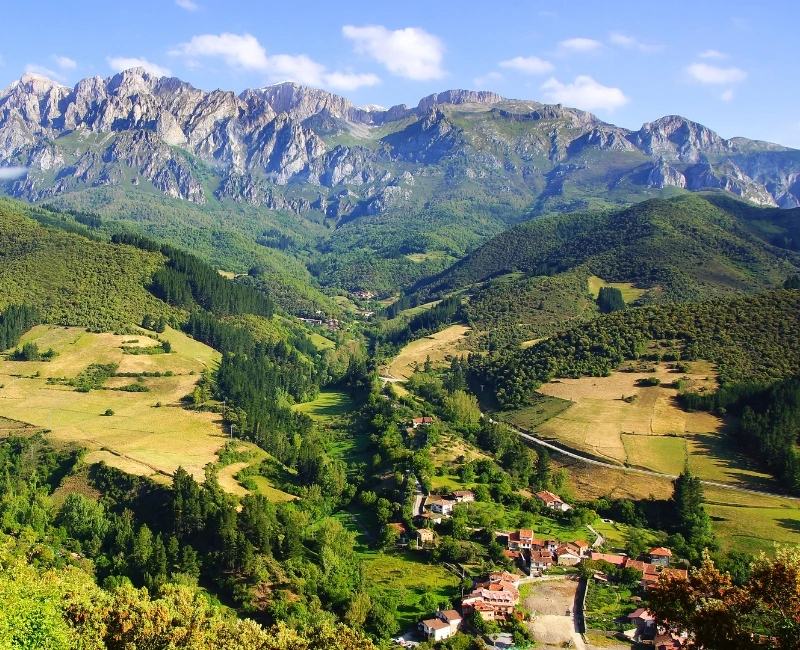
The Picos de Europa form the dramatic backbone of Cantabria, offering some of northern Spain’s most spectacular mountain landscapes within a compact area. This national park’s jagged limestone peaks, deep glacial valleys, and lush meadows beckon hikers, climbers, and nature lovers. Whether you’re an experienced mountaineer seeking challenging ascents or a casual walker desiring gentle valley trails, the Picos cater to all levels. Popular routes include the Cares Gorge walk—an iconic, carved pathway through towering cliffs—and ascents of peaks like Torre Cerredo for seasoned climbers, providing panoramic vistas over surrounding provinces.Beneath the peaks lie high mountain pastures dotted with traditional “brañas” (alpine huts) where farmers seasonally graze cattle and sheep, producing renowned mountain cheeses. Engaging with local shepherds offers insight into age-old pastoral traditions. Spring and early summer bring vibrant wildflowers carpeting meadows and meandering grazing livestock, while autumn paints forests in golden hues. Wildlife spotting may include chamois, vultures, and eagles; guided wildlife tours enhance the chance of sightings while ensuring respect for fragile habitats.Accommodations range from rustic mountain refuges for overnight treks to charming rural casas rurales in nearby villages such as Fuente Dé or Potes, where hearty mountain cuisine awaits after a day on the trails. Dining often features local stews to replenish energy, paired with regional cider or wine. In winter, snow transforms the landscape into a wonderland, attracting ski touring and snowshoeing enthusiasts, though access may be limited and guided excursions are recommended.Getting there involves driving or bus services from Santander or regional hubs; roads wind through scenic passes, revealing progressively grand vistas. Early starts capture sunrise light on peaks, while afternoon clouds add drama to photographs. For sustainable travel, consider organised small-group tours or local guides who minimize environmental impact while enriching the experience with expert knowledge of geology, flora, and fauna.Whether seeking sunrise atop a mountain ridge, tranquil moments by alpine lakes, or immersion in pastoral life, the Picos de Europa deliver unforgettable encounters with Cantabria’s wild heart.
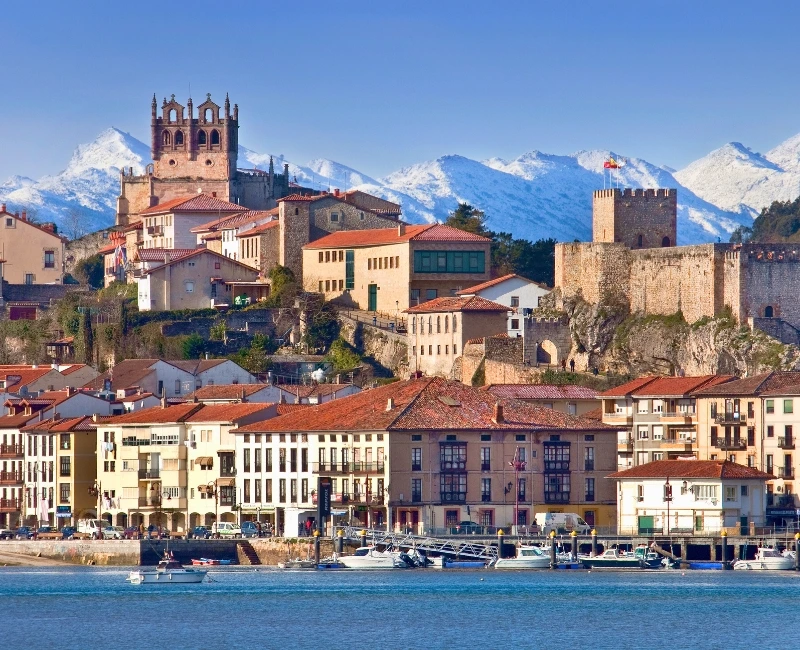
Cantabria’s Atlantic coastline unfolds in a tapestry of rugged cliffs, hidden coves, and golden sand beaches, offering diverse coastal experiences from surfing hotspots to tranquil seaside retreats. The region’s maritime climate ensures refreshing sea breezes and moderate summer temperatures, making coastal exploration a delight even in peak heat months. Key beach destinations include Playa de Oyambre near San Vicente de la Barquera, with scenic dunes and mountain backdrops; Playa de Langre, famed for dramatic cliffs; and the sheltered Bay of Santander’s beaches such as El Sardinero, blending urban convenience with coastal charm.Surfing enthusiasts find quality breaks along Cantabria’s coast, particularly around Somo and Loredo, where surf schools cater to beginners and advanced riders. Sea kayaking along rocky shoreline reveals hidden sea caves and allows for wildlife spotting—seals, seabirds, and perhaps dolphins off the coast. Boat excursions depart Santander harbour, offering scenic cruises and opportunities for fishing trips or sunset sails. Coastal trails such as the Costa Quebrada route near Santander provide hiking with cliff-top vistas, showcasing geological formations sculpted by the Atlantic over millennia.Seaside villages like Castro Urdiales and Comillas invite cultural detours: historic architecture, palaces, and local markets complement beach days. Dining is centred on fresh seafood: anchovies from Santoña, grilled fish in beachfront restaurants, and tapas in local taverns. Evenings invite strolls along promenades or sampling sidra in beachfront bars. For those seeking relaxation, less crowded coves and nudist-friendly beaches offer serenity; wild camping (where permitted) and beachfront glamping bring travellers closer to nature.Seasonal festivals often take place along the coast in summer—seafood fairs, maritime processions, and music events enhance local flavour. Birdwatchers can visit coastal wetlands and estuaries for migratory species. For family holidays, safe shallow bays and well-equipped beaches provide leisure; accommodations range from beachfront hotels to rural cottages within easy driving distance. Efficient road networks and ferry connections to nearby coastal areas support multi-destination itineraries—one day in Cantabria’s beaches, the next exploring mountain villages.Whether craving active water sports, scenic coastal hikes, or leisurely beach lounging complemented by fresh seafood feasts, Cantabria’s coastline offers varied experiences that satisfy diverse traveller profiles.
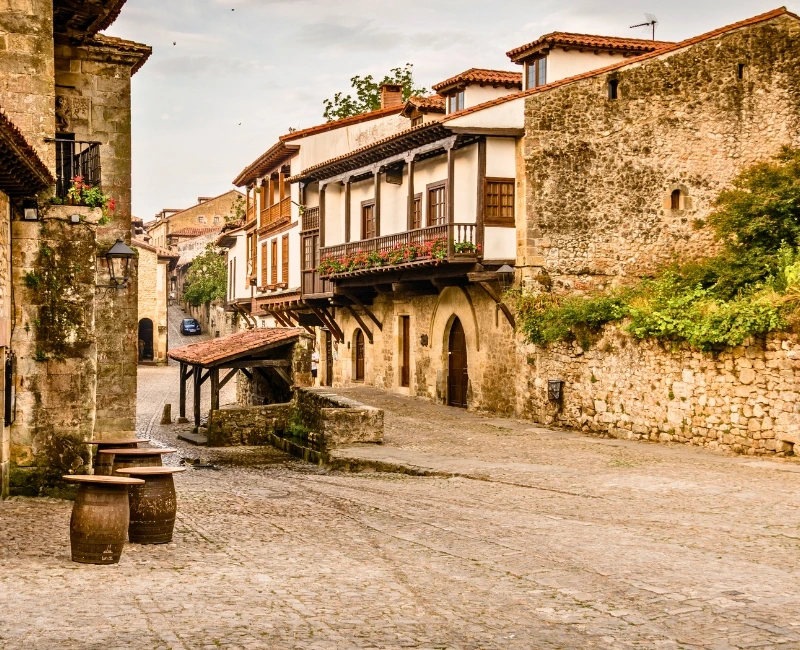
Cantabria harbours a wealth of medieval towns and historic architecture that transport visitors to an earlier era. Santillana del Mar, often called the “Town of Three Lies” (it’s neither “holy,” “flat,” nor by the “sea”), is a perfectly preserved medieval jewel. Its cobblestone streets, stone houses with wooden balconies, and the Romanesque collegiate church of Santa Juliana encapsulate Cantabrian heritage. Wandering through artisan shops and local markets reveals traditional crafts—pottery, textiles, and regional delicacies.Comillas showcases eclectic modernist architecture, including Gaudí’s El Capricho, set amidst opulent late 19th-century palaces and seaside villas. Castro Urdiales offers a Gothic church and medieval castle overlooking the sea, blending maritime and medieval influences. Liérganes, nestled in a river valley, features Renaissance palaces and folklore traditions. Potes, gateway to the Picos, retains medieval charm with narrow lanes, historic bridges, and a castle overseeing the town.Santander itself intertwines historic and modern: while much was rebuilt after a 1941 fire, remnants of 19th-century elegance survive in grand hotels and promenades. Maritime heritage is visible in port architecture and museums. Inland villages like Bárcena Mayor, one of Spain’s oldest villages, preserve stone houses amid beech forests; local inns serve traditional mountain fare. Each village or town reveals layers of history: prehistoric cave art sites nearby remind that human presence here extends millennia.Museums and cultural centres in Santander and beyond showcase archaeology, fine arts, and ethnography. Visiting an ethnographic museum or folklore centre deepens understanding of Cantabrian customs, from mountain farming to fishing traditions. Local guides often narrate legends—forest spirits, mountain myths—that enliven visits. Participating in heritage workshops (e.g., traditional bread baking, cheese-making) offers hands-on cultural immersion.Heritage tourism in Cantabria balances preservation with sustainable practices: many sites limit visitor numbers to protect fragile monuments and caves. Booking guided tours in advance is recommended for popular sites like cave art. Smaller towns invite spontaneous exploration: linger in a plaza, chat with locals, and discover hidden chapels or artisanal workshops. Evening ambience often sees lit facades and quiet streets, allowing reflection on history in serene settings.From ancient caves to medieval bridges and modernist masterpieces, Cantabria’s architectural tapestry tells a story of resilience, adaptation to rugged landscapes, and cultural exchanges over centuries. Travellers seeking history and authenticity will find Cantabria’s towns rich in narratives waiting to be uncovered.
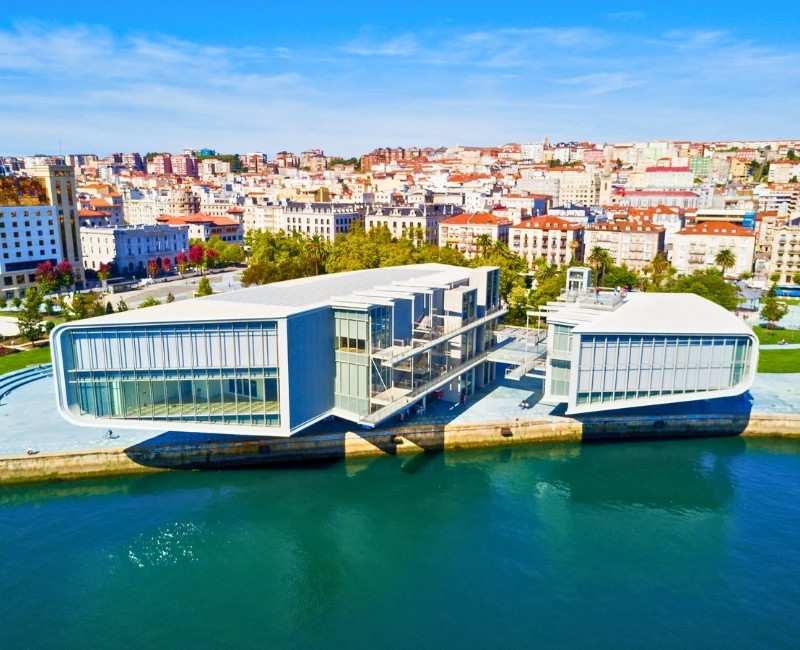
Cantabria’s museums and cultural sites offer deep insights into the region’s art, history, and traditions. In Santander, the Museum of Prehistory and Archaeology houses finds from local prehistoric sites, tracing human presence from Paleolithic cave dwellers to medieval societies. The Cantabrian Maritime Museum illuminates seafaring heritage, fishing traditions, and modern port life. Contemporary art spaces and galleries showcase regional artists alongside national and international exhibitions, reflecting Cantabria’s vibrant cultural scene.The Cave of Altamira’s replica and museum near Santillana del Mar allow visitors to appreciate Paleolithic artistry without endangering the originals. Other cave art sites, often accessible by guided tour, reveal prehistoric life and creativity, with expert guides contextualising the art within Ice Age environments. Ethnographic museums in rural settings display traditional clothing, tools, and crafts, illustrating mountain and coastal livelihoods. The Ethnographic Museum in Liébana highlights mountain farming, cheese production, and folklore.Modernist architecture sites, such as Gaudí’s El Capricho in Comillas and works by local architects, serve as living museums. Many have guided tours explaining architectural innovations, patron histories, and how these structures integrated with Cantabria’s landscapes. In Santillana del Mar, cultural centres host temporary exhibitions, workshops, and performances, ensuring the medieval town remains a dynamic cultural hub despite its historic ambience.Seasonal festivals often centre around museums or historic locations: outdoor concerts in castle courtyards, folkloric performances in village squares, and gastronomic fairs adjacent to ethnographic centres. Participating in workshops—traditional cider pressing, cheese-making, or craft sessions—connects travellers directly with heritage skills. Culinary museums or gastronomic centres sometimes offer tastings of local produce, deepening appreciation for regional flavours.Family-friendly activities include interactive exhibits in science centres, aquarium visits in Santander, and educational trails in natural parks that blend environmental awareness with cultural context. For intellectually curious travellers, academic conferences or symposiums on archaeology or ecology sometimes occur at regional universities, offering opportunities to engage with experts.Transport to these sites is generally straightforward via road or organised tours; remote sites often require advance planning or guided excursions. Entrance fees are modest, reflecting the region’s value emphasis. Many sites encourage sustainable tourism: limited group sizes in caves, low-impact visitor routes in sensitive areas, and community-led initiatives ensuring visitor benefits return to local populations.Cantabria’s museums and cultural venues embody a commitment to preserving heritage while inviting visitors to participate actively. Whether exploring Paleolithic cave art, maritime history exhibits, or modernist architectural marvels, travellers gain a comprehensive understanding of Cantabria’s identity, shaped by its landscapes, traditions, and creative spirit.
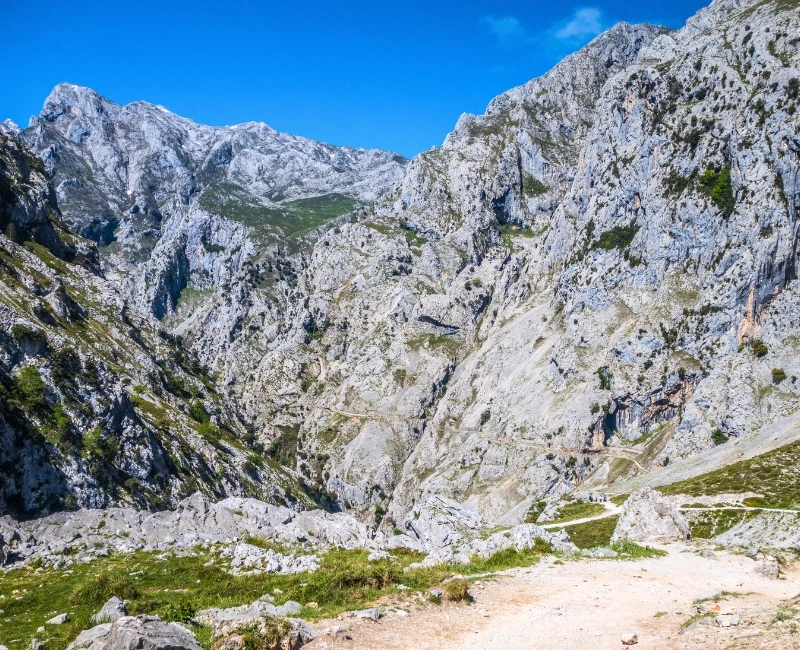
Beyond the Picos de Europa gateway, Cantabria offers a network of hiking trails that traverse a mosaic of terrains—mountain ridges, forested valleys, river gorges, and high-altitude plateaus. Popular multi-day routes include segments of the GR-71 trail (Ruta de los Dólmenes) connecting prehistoric dolmens across the region, and the Liébana Way section of the Camino de Santiago for those seeking pilgrimage traditions. Day hikes around Fuente Dé cable car station enable access to high mountain circuits with minimal approach time.Mountain adventurers can engage in via ferrata routes in the Picos, combining climbing and hiking with safety equipment, guided by experts. Canyoning in crystal-clear rivers offers adrenaline-fueled descents through gorges, while mountain biking trails wind across varied elevations, from coastal hillsides to alpine passes. Birdwatchers trek to vantage points for spotting griffon vultures, eagles, and chamois at dawn. For winter visits, snowshoeing and ski touring in higher elevations provide quiet encounters with snowy landscapes, though guided outings ensure safety in avalanche-prone terrain.Local guiding services enhance experiences: knowledgeable guides share geological insights (limestone formations, karst landscapes), flora and fauna identification, and cultural anecdotes about mountain life. Accommodation along routes includes mountain refuges, rural guesthouses, and eco-lodges. After active days, travellers relish hearty mountain cuisine in village inns—stews, grilled meats, and local cheeses paired with cider or wine to replenish energy. Wellness options such as hot springs or spa facilities near mountain bases provide restorative relief after strenuous activities.Safety preparations include checking weather forecasts (mountain weather can shift rapidly), carrying appropriate gear, and, where needed, hiring guides for technical routes. For independent hikers, marked trails and mobile apps assist navigation, but remote sections may lack network coverage. Seasonal considerations: spring brings wildflowers but possible residual snow; summer offers stable conditions though occasional afternoon storms; autumn displays foliage colours; winter requires specialised equipment and local expertise.Cantabria’s mountain adventures merge physical challenge with immersive nature: sunrise summits, starlit mountain camps, and the satisfaction of reaching remote vantage points. Whether novice hikers or seasoned alpinists, the region’s varied trails and supportive infrastructure ensure unforgettable mountain pursuits.
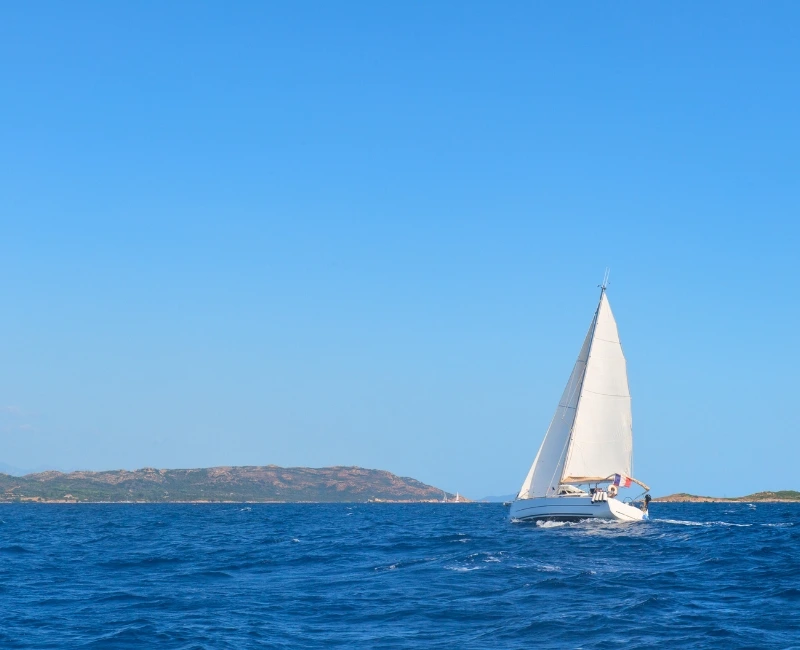
Cantabria’s abundant water resources—from the Atlantic waves to inland rivers and lakes—invite an array of water-based and outdoor pursuits suited to all skill levels. Surfing along beaches near Somo and Loredo exposes riders to quality Atlantic breaks; surf schools provide lessons and equipment rental. Stand-up paddleboarding in calmer bays, sea kayaking along scenic cliffs, and sailing excursions from Santander harbour further highlight coastal opportunities. Seasonal wildlife boat tours often reveal marine life glimpsing porpoises or seabirds.Inland, rivers like the Deva and Nansa offer kayaking and canoeing experiences through verdant valleys, sometimes incorporating gentle rapids for thrill-seekers. Canyoning adventures in mountain streams blend hiking with controlled descents, necessitating local guides for safety. Fishing enthusiasts pursue trout in mountain rivers or sea fishing charters off the Cantabrian coast, with experienced operators providing equipment and local knowledge.Adventure parks in forested areas feature zip-lining, rope courses, and climbing walls, ideal for families or groups seeking moderate adrenaline. Mountain biking routes alongside river valleys showcase diverse scenery and varying difficulty levels, from gentle coastal trails to technical mountain tracks. Birdwatching hides near wetlands and estuaries support spotting migratory species, combining calm observation with nature immersion.For wellness-focused travellers, riverside hot springs and spa facilities nestle near mountain villages, offering relaxation after active days. Yoga retreats or outdoor wellness sessions set amid nature add restorative elements. Campgrounds and eco-campsites near lakes or forests provide immersive outdoor lodging. Seasonal variations shape activities: spring rains swell rivers (best for canyoning under guidance), summer sun warms beaches and rivers, autumn foliage enriches hiking, and winter’s riverside hot springs become particularly inviting.Local outfitters and guides ensure safe, environmentally responsible practices. Equipment rental shops in larger towns cater to water sports, often paired with certified instruction. Transport arrangements—shuttle services to trailheads or coastal launch points—facilitate logistics. Cantabria’s diverse terrain and water environments create a playground for active travellers seeking varied experiences, from adrenaline-fueled adventures to serene nature escapes..
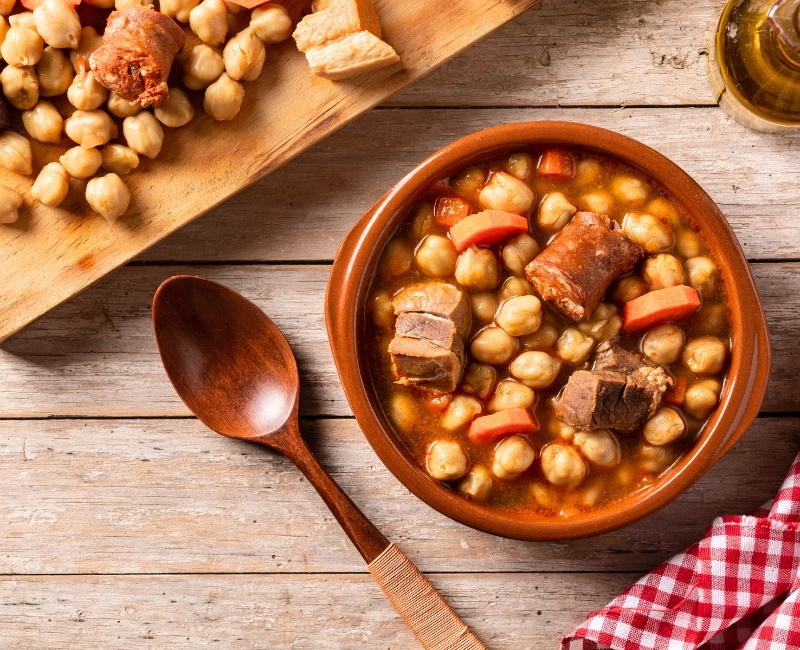
Culinary exploration in Cantabria is a journey through mountain and sea flavours, reflecting centuries of traditions and local produce. In mountain villages, hearty stews like cocido montañés (beans with collard greens and pork) and cocido lebaniego (chickpea stew) sustain labourers and delight visitors seeking authentic tastes. Cheese aficionados can sample artisanal mountain cheeses—Quesucos de Liébana—produced from local cow’s milk, often sold at rural markets or farm shops.Coastal influences shine through fresh seafood: anchovies from Santoña, hake and sea bass grilled or baked, shellfish platters with mussels, clams, and velvet crab. Tapas bars in Santander and fishing ports serve small plates of rabas (fried calamari), pintxos featuring local ingredients, and cured meats from mountain livestock. Pastry shops offer sobaos and quesadas—rich, buttery treats emblematic of the region. Local cider houses (“sidrerías”) present freshly pressed cider poured in traditional fashion, pairing perfectly with grilled meats or seafood. Liébana’s apple orchards yield orujo (pomace brandy) and apple liqueurs for post-meal spirits.Gastronomic routes—food tours led by local experts—guide travellers through markets, family-run eateries, and hidden taverns. Cooking workshops in rural settings teach preparation of signature dishes, using seasonal ingredients for farm-to-table authenticity. Foragers accompany visitors to identify edible wild mushrooms or berries in forests. Wine tastings feature northern Spanish varieties, complementing regional cuisine. Many establishments maintain modest prices: a full-menu meal with appetizers, main course, dessert, and drink can often be enjoyed for under £20-£30 per person, offering exceptional value relative to many European destinations.Relaxation accompanies culinary indulgence: seaside cafés offer fresh coffee and pastries with ocean views, while mountain retreats invite leisurely lunches overlooking valleys. Seasonal festivals celebrate local produce—cheese fairs, seafood festivals, cider events—allowing immersive tasting experiences. Travellers can purchase artisanal products to take home: cured meats, cheeses, preserves, and cider. For those seeking luxury, boutique restaurants showcase modern interpretations of traditional dishes, blending innovation with heritage.Cantabrian cuisine captures the essence of its landscapes: robust mountain fare, fresh Atlantic seafood, and artisanal products crafted by generations. This culinary diversity, paired with affordable pricing in GBP terms, makes Cantabria a must-visit destination for food enthusiasts and those seeking relaxed, flavourful experiences.
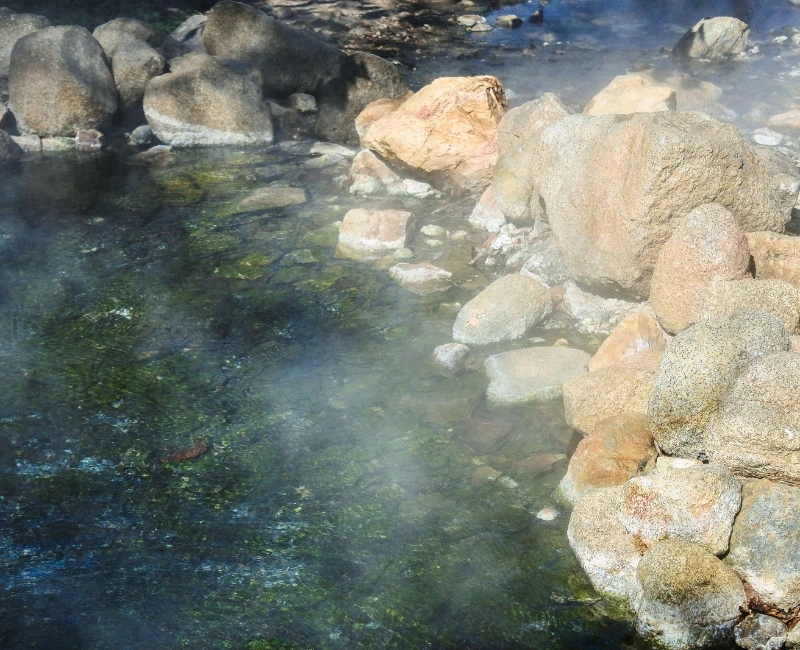
Cantabria’s landscapes not only offer adventure but also spaces for relaxation and wellness. Natural hot springs, spa resorts, and wellness centres provide restorative escapes after active exploration. In mountainous areas, thermal spas harness mineral-rich waters reputed for therapeutic benefits—soaking in warm pools surrounded by forested scenery rejuvenates body and mind. Many spas combine treatments: massages, hydrotherapy circuits, and beauty rituals using local products (e.g., mountain herbs, seaweed extracts).Wellness retreats often integrate yoga or meditation sessions with nature immersion: morning practices overlooking mountain vistas, mindfulness walks along rivers, or outdoor Pilates by coastal sunrise. Accommodation ranges from boutique spa hotels to eco-lodges offering rustic comfort and wellness amenities. Packages may include guided forest bathing experiences, nutritional workshops featuring Cantabrian cuisine principles (balanced mountain ingredients and fresh seafood), and personalised wellness plans suitable for solo travellers or couples.For those seeking holistic retreats, some centres offer detox programs combining healthy local meals, fitness activities like hiking or cycling, and spa treatments. Seasonal offerings adapt to environment: spring wildflower-infused therapies, autumn foliage hikes before sauna sessions, and winter hot-spring soaks under crisp skies. Wellness-themed itineraries can be tailored around cultural or adventure activities: a morning hike in Picos followed by an afternoon spa, or a surfing session succeeded by restorative yoga.Local operators emphasise sustainable practices—eco-friendly facilities, locally sourced ingredients for spa treatments and meals, and respect for natural environments. Smaller-scale retreats ensure personalised attention, often run by local families or wellness practitioners rooted in Cantabrian traditions. This blend of nature, culture, and wellness creates uniquely Cantabrian relaxation: the sound of mountain streams in spa gardens, sea breeze on wellness decks, and the comfort of regional cuisine balanced for health.Booking a wellness retreat in Cantabria means embracing the rhythm of nature: active days balanced with restorative evenings, authentic local flavours nourishing the body, and mindful practices fostering mental wellbeing. Whether visiting after mountain trekking or seeking a peaceful coastal break, Cantabria’s hot springs and wellness offerings ensure travellers return refreshed and inspired.
No ads. No trails. No commitments


Alice Roses
London, England
51 ST MATTHIAS ROAD
NOTTINGHAM, NOTTINGHAMSHIRE
NG3 2HF
Hours: 8:00 - 17:00, Mon - Sat
support@johnsonholidays.com