 Leiden Travel
Guide
Leiden Travel
Guide
Paris is known around the world as the “capital of love,” and even if you don't understand the history of Paris at all

1 Hour
£3.50
Leiden’s long history is palpable the moment you arrive: ancient city gates, medieval churches such as the Pieterskerk, and grand university buildings line winding canals. As the cradle of the Pilgrim Fathers’ journey and home to the Netherlands’ first university, the city’s past resonates in museums like the Rijksmuseum van Oudheden and Museum De Lakenhal. Strolling through cobbled streets, you encounter centuries-old façades and hidden courtyards where scholars once debated. For history enthusiasts, guided tours delve into tales of the Golden Age, the Spanish siege, and the city’s influential role in science and art. Leiden’s heritage is not confined to archives: vibrant reenactments, seasonal events and preserved architecture ensure that every visitor feels connected to the stories that shaped this unique Dutch city.
Learn More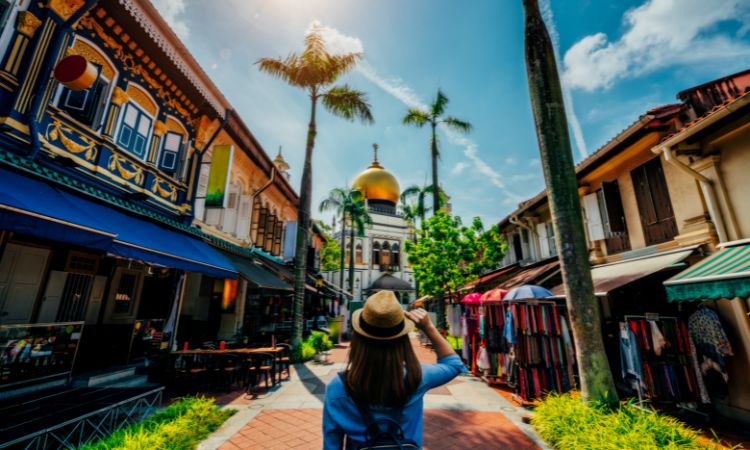
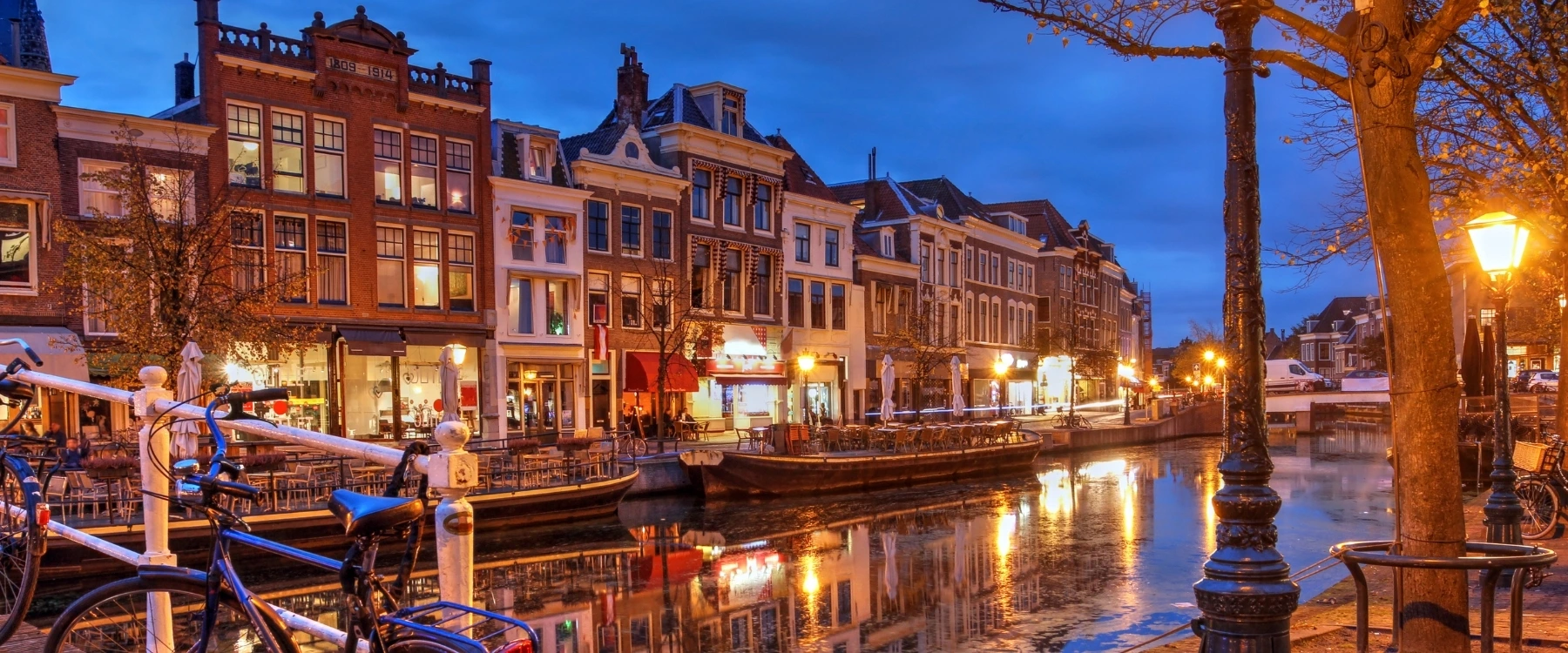
Leiden’s network of canals defines its visual appeal: glassy waterways framed by classic Dutch gabled houses, arched bridges, and waterside greenery. A canal cruise provides a relaxing introduction, revealing hidden corners and sharing anecdotes about local legends. Alternatively, lace your walking shoes and explore on foot: routes along the Rapenburg canal and the Leiden city moat lead past historic landmarks and quiet garden spots. In warmer months, small electric boats and paddleboards traverse the canals, offering fresh perspectives. Photographers and painters find endless inspiration in reflections of architecture on water. Whether you prefer a guided boat tour or self-guided strolls, Leiden’s canals invite leisurely exploration and memorable vistas at sunrise or sunset, making every moment picture-perfect.
Learn More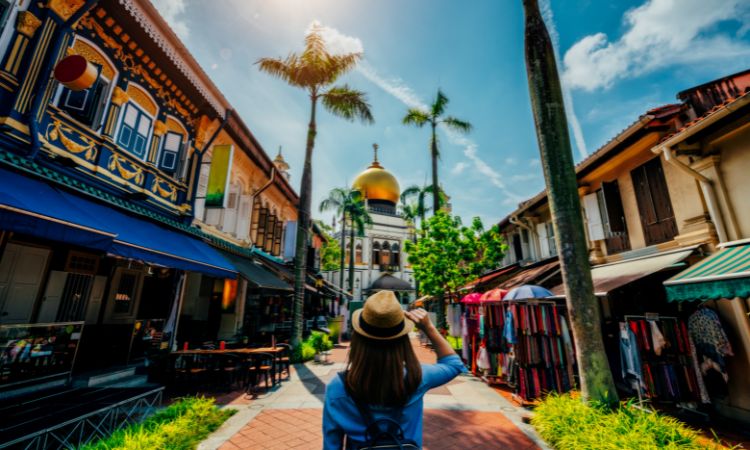
As home to Leiden University since 1575, the city exudes an academic energy that fuels cultural offerings year-round. International students and researchers contribute to a cosmopolitan yet cozy vibe. Museums regularly host exhibitions, lectures and workshops; venues like Academiegebouw and various cultural centres stage performances in music, theatre and contemporary arts. Book lovers can browse independent bookstores or attend readings, while science enthusiasts delight in interactive displays at the Naturalis Biodiversity Center. Seasonal festivals—such as Leidens Ontzet (Leiden’s Relief Day) celebrated in October—combine historical commemoration with parades, markets and concerts. This dynamic blend of tradition and innovation ensures that visitors encounter stimulating events and authentic local life beyond typical tourist fare.
Learn More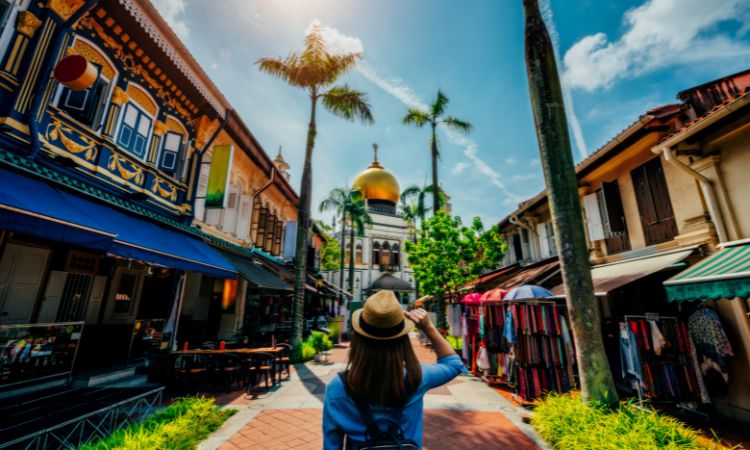
Leiden’s location places you within easy reach of the Netherlands’ famed bulb region. In spring, vibrant tulip fields near Lisse and Keukenhof burst into a kaleidoscope of colour, just a short train or bike ride away. Back in the city, the Hortus Botanicus Leiden—one of Europe’s oldest botanical gardens—is a tranquil oasis where rare plants and historic greenhouses tell stories of botanical exploration. Seasonal blooms, themed exhibitions and guided garden tours reveal the scientific and cultural importance of plant collections. For nature lovers, cycling through the surrounding polder landscape brings you alongside flower fields, windmills and quiet waterways. Leiden offers an ideal base to experience Dutch horticultural heritage both within the city and in its floral hinterland.
Learn More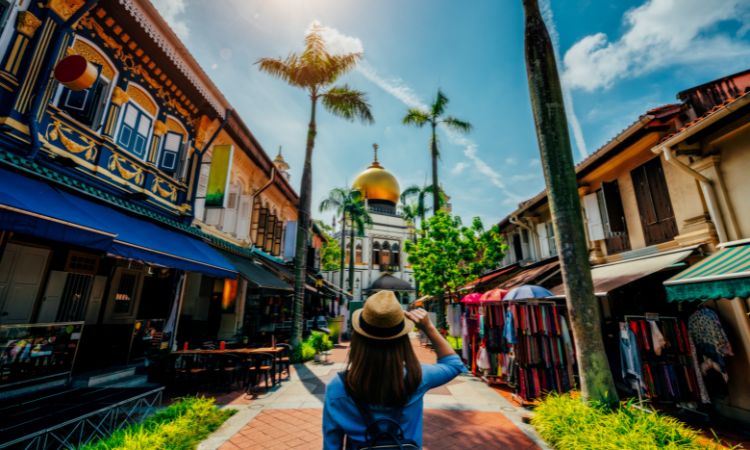
Leiden’s culinary scene blends traditional Dutch flavours with international influences. Canal-side cafés invite you to savour a hearty stamppot or fresh herring, accompanied by local beers or coffee and apple pie. Farmers’ markets brim with artisanal cheeses, breads and seasonal produce. Cosy brown cafés (bruin cafés) offer relaxed atmospheres to sample craft beers brewed in the region. For a taste of modern Dutch cuisine, small restaurants emphasise local ingredients and creative presentations. Cooking workshops and tasting tours provide hands-on experiences: learn to prepare Dutch specialties or sample cheeses at local farms. Evening gatherings often include live music in intimate venues, where students and locals mingle. Culinary discovery in Leiden is as much about atmosphere as it is about flavours.
Learn More
Leiden’s strategic location and transport links make it an ideal base for exploring the Netherlands. Amsterdam Schiphol Airport is under 30 minutes away by train, while The Hague, Haarlem, Delft and Rotterdam are within easy day-trip distance. The city’s bicycle-friendly infrastructure invites you to pedal through scenic countryside or reach nearby attractions without relying on cars. Well-managed train services ensure punctual, frequent connections. Despite its accessibility, Leiden remains less crowded than larger cities, offering a more authentic Dutch experience. Whether arriving from the UK or elsewhere in Europe, visitors benefit from straightforward journeys and can seamlessly combine Leiden’s charms with wider Dutch itineraries.
Learn More
Lorem ipsum dolor, sit amet consectetur adipisicing elit. At illo adipisci iusto
From

Because more than 268 other customers have loved us too

Demonstrates commitment to user data security through encryption and secure payment practices
Learn More
Demonstrates commitment to user data security through encryption and secure payment practices
Learn More
Demonstrates commitment to user data security through encryption and secure payment practices
Learn More
Demonstrates commitment to user data security through encryption and secure payment practices
Learn More
Quality as judged by customers. Book at the ideal price!


/ person
/ person
/ person
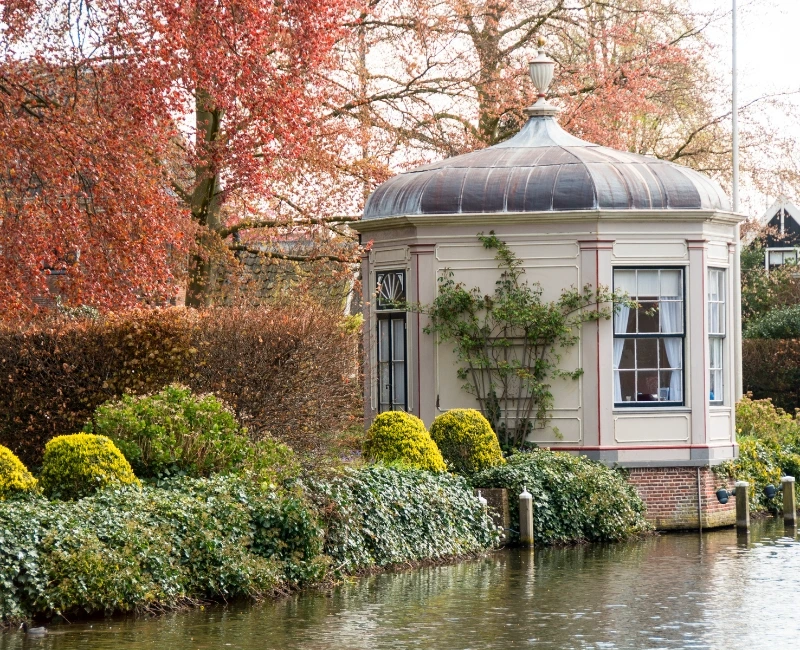
Leiden’s historic canals and architectural heritage form the backbone of any visit. Begin by wandering along the Rapenburg, one of the most picturesque canals, lined with elegant merchant houses and stately university buildings. The canal’s waters reflect centuries-old façades featuring Dutch gables and ornate detailing that evoke the Golden Age. Pausing at waterside benches, you can watch small boats glide by while imagining Leiden’s past as a bustling trading hub. Key architectural landmarks include the Pieterskerk, a Gothic church whose origin dates back to the 14th century, with an imposing tower visible from various points; and the Vismarkt area, where fish traders once operated along the water’s edge.Book a canal cruise to gain unique perspectives: knowledgeable guides share stories about hidden passages, secret courtyards, and legends such as the “Pilgrim Fathers” departure. Evening cruises offer a magical atmosphere as lights glimmer on canal walls. On land, explore the Oude Vest moat encircling the medieval centre; walking or cycling along its banks reveals green spaces, historic fortifications and places where defensive structures once stood.Architectural walking tours delve into university heritage: the Academy Building (Academiegebouw) and adjacent halls showcase classic Dutch Renaissance style. Visit Universiteit Leiden’s Museum Boerhaave (science museum) housed in historic buildings to appreciate how architecture and intellectual history intertwine. Photographers will find endless motifs: reflections of slender canal houses in calm water, narrow alleys opening to hidden squares, and bridges framing views of church spires. Each season adds a new dimension: spring blossoms along canal banks, summer greenery, autumnal hues reflecting in water, and winter lights accentuating historic façades.As you explore, note how modern developments have been sensitively integrated: new pedestrian bridges echo traditional forms, and renovated warehouses host boutiques or cafés. Leiden exemplifies how a city can preserve heritage while accommodating contemporary life. Whether you choose a guided tour or self-guided exploration with a map highlighting architectural points, this guide ensures you uncover the stories and details that make Leiden’s canals and buildings so captivating.
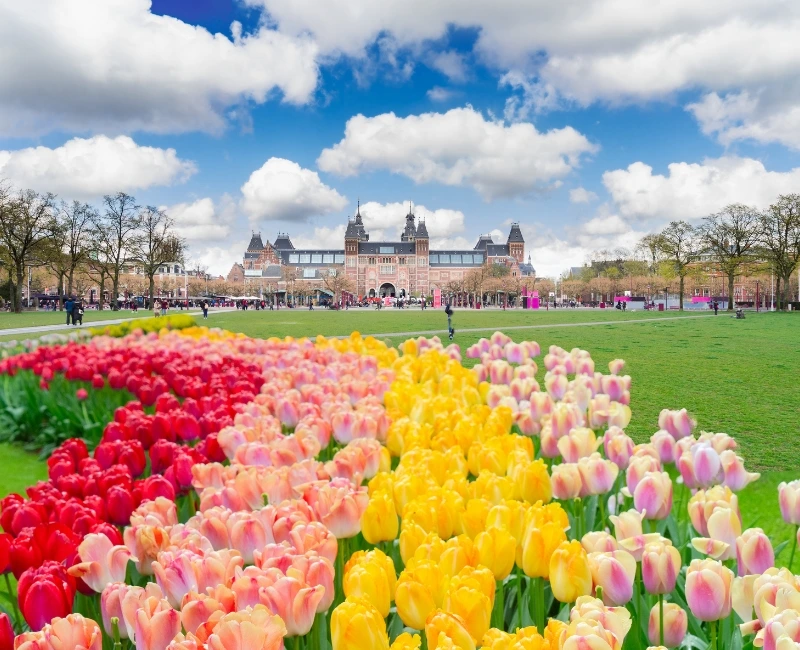
Leiden’s compact footprint belies its rich array of museums and galleries, catering to varied interests from art and history to science and natural wonders. A logical starting point is the Rijksmuseum van Oudheden (National Museum of Antiquities), home to extensive archaeological collections from Egypt, Greece, the Near East and the Netherlands itself. Wandering through display cases of ancient artifacts, you gain insight into human civilizations across millennia. Interactive exhibits and multimedia presentations make it accessible for families as well as history buffs.Not far away stands the Museum De Lakenhal, dedicated to Leiden’s textile heritage and Dutch Golden Age art. Housed in a former cloth hall dating to the 17th century, its collection includes paintings by Rembrandt (who was born in Leiden), Jan Steen and other masters. Temporary exhibitions often explore art, design and local history, enriching your understanding of Leiden’s cultural evolution. The building itself, with its vaulted ceilings and period details, is a highlight.Science and natural history enthusiasts should head to Naturalis Biodiversity Center. Its modern galleries showcase fossils, specimens and interactive displays that chronicle Earth’s history and biodiversity. A distinctive exhibit might feature dinosaur skeletons, rare specimens or insights into conservation efforts. The blend of historic collections and cutting-edge research exhibits reflects Leiden’s academic legacy and ongoing contributions to science.For specialized interests, explore smaller museums: Museum Volkenkunde (National Museum of Ethnology) presents cultures from around the world through artifacts, textiles and multimedia; the Museum De Lakenhal’s adjacent spaces host contemporary art or design shows. Many galleries and pop-up exhibition venues showcase local and emerging artists, often operated by Leiden University or cultural foundations. Check event listings for openings, artist talks or workshops.Venues such as the Naturalis building or renovated warehouses near canals host lectures or symposia, linking museum visits with deeper learning. Family-friendly programmes and guided tours provide context: for example, archaeology workshops at Rijksmuseum van Oudheden invite children to handle replica artifacts, while after-hours events attract a younger crowd with themed tours or live music.Plan your museum itinerary efficiently: several attractions lie within walking distance of each other, and combination tickets or city passes can offer savings if you intend to visit multiple sites. Note opening hours and seasonally adjusted schedules. Leiden’s museums not only preserve treasures but also reflect the city’s dynamic cultural scene: rotating exhibitions, collaborative projects with international institutions and innovative displays ensure repeat visits reveal fresh insights. Whether your passion lies in ancient history, art, science or global cultures, Leiden’s museums and galleries deliver enriching experiences that illuminate both local heritage and broader human stories.
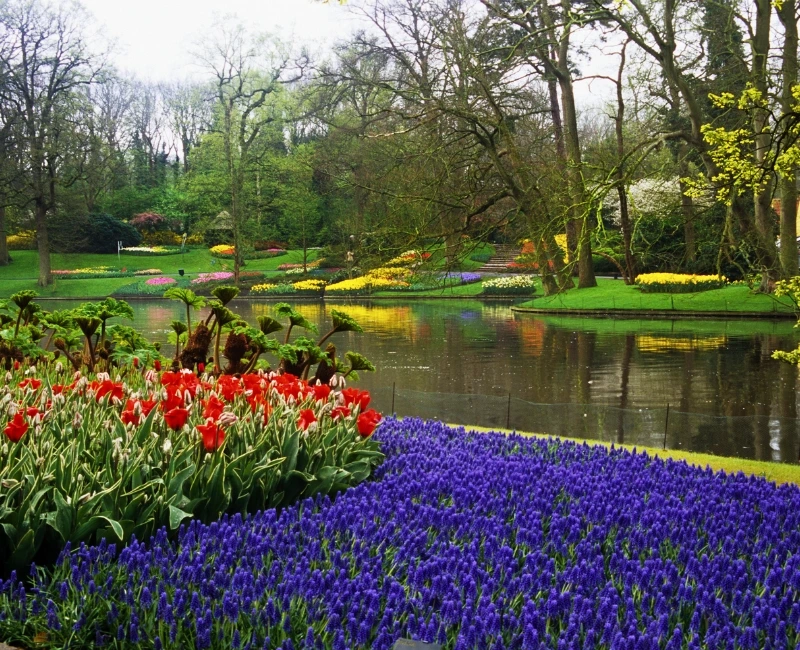
Leiden’s proximity to the Netherlands’ bulb-growing region makes it an excellent base for experiencing the world-famous tulip fields and botanical wonders. In spring (April–May), a short train ride to Lisse or a scenic cycling route through the polder transports you to expansive fields awash in vivid colours: reds, yellows, pinks and purples stretch to the horizon. Renting a bike or joining a guided tour allows you to navigate flower-lined lanes, stopping at vantage points for photographs or to learn about bulb cultivation. The annual Keukenhof gardens, though busier, present meticulously arranged floral displays and themed gardens—ideal for immersive floral photography or relaxed strolls among tulip beds.Within Leiden itself, the Hortus Botanicus Leiden offers a tranquil retreat year-round. Founded in 1590, it ranks among Europe’s oldest botanical gardens. Historic greenhouses house tropical and subtropical plants, medicinal herbs and rare species collected during Dutch Golden Age explorations. Seasonal highlights include spring blossom displays and summer flowering cycles; guided garden tours share insights into plant origins, conservation efforts and historical botanical research linked to Leiden University. Quiet pathways meander past ponds, shaded groves and greenhouse exhibitions, providing a peaceful contrast to field excursions.Cyclists can follow well-marked routes from Leiden through surrounding countryside, encountering windmills, waterways and villages. In spring, roadside stalls sell freshly cut flowers and bulbs; autumn offers bulb-harvesting scenes and harvest markets. Photography enthusiasts benefit from early-morning visits to avoid crowds and capture soft light on flower rows. For birdwatchers and nature lovers, connecting routes lead to wetlands and nature reserves where migratory birds gather, adding wildlife dimension to floral excursions.Botanical events in Leiden—workshops on plant identification, lectures on horticulture or exhibitions in museum spaces—enhance understanding of botanical heritage. Family-friendly programmes at the Hortus Botanicus engage children in planting activities or guided nature trails. Seasonal markets in the city feature local produce and plants, linking urban life with regional agricultural traditions.Whether you prioritise vivid tulip fields or year-round botanical exploration, Leiden’s accessible location and historic garden make it a gateway to Dutch horticultural excellence. Combining field trips with visits to the Hortus Botanicus ensures a comprehensive botanical experience, deepening appreciation for plant biodiversity, cultivation history and the interplay between urban and rural landscapes in the Netherlands.
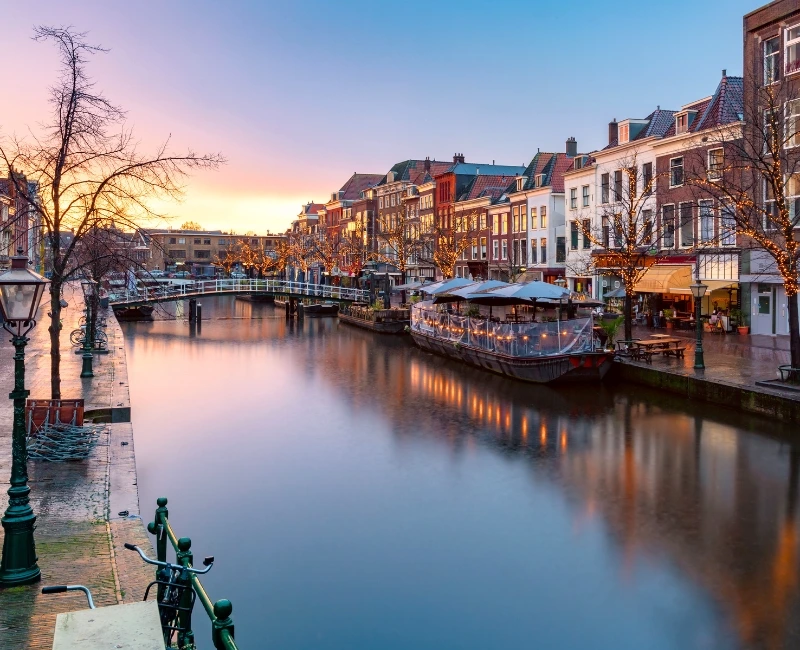
Cycling is integral to Dutch life, and Leiden’s flat terrain and extensive cycle paths make it ideal for exploring both urban sights and surrounding countryside. From the city centre, well-maintained routes lead to neighbouring villages, windmills and scenic polder landscapes. Rent a bicycle from a local shop (or use bike-share services) and set out along signposted routes: for instance, a circular route along the Rijn-Schie canal connects you with tranquil waterways, historic mills and reed-lined banks where birds nest. Interpretive signs along the way explain local ecology and history.Within Leiden, riverside walks along the Oude Rijn and along the city moat (Oude Vest) offer gentle strolls past green spaces, cafés and historic sites. Early morning walkers enjoy calm reflections on the water, while late afternoon brings golden light on canal walls. Picnic spots by the water allow you to pause and savour local treats from markets. Riverside benches and small jetties invite moments of rest and contemplation.Longer cycling excursions venture into the bulb region in spring, or to coastal dunes and beaches if you head west. Well-signposted national cycle network routes (LF-routes) pass near Leiden, enabling multi-day trips or shorter loops. For example, a ride to Noordwijk or Katwijk on the North Sea coast combines rural charm with seaside views. Bring lightweight panniers for snacks and water; local convenience stores or cafés along the way supply refreshments.Guided cycling tours are available for those who prefer company and local insights: guides point out hidden spots, historical anecdotes and recommended stops for photography or refreshments. Self-guided digital maps also work well; ensure your route passes by attractions like windmills (e.g., Molen de Valk) or scenic villages such as Oegstgeest.Riverside walks complement cycling: follow footpaths along the Rhine tributaries to discover small nature reserves, bird hides and waterside sculptures. In autumn, tree-lined paths glow with seasonal colours; winter walks can be invigorating, with crisp air and quiet canals. If conditions permit, winter bicycle rides remain comfortable with proper attire.Whether you’re an avid cyclist seeking longer routes or prefer leisurely riverside ambles, Leiden’s infrastructure supports both. Combining urban exploration with countryside escapes offers balanced experiences: see historic landmarks by bike in the morning, then unwind on a riverside walk at sunset. This guide equips you with route suggestions, safety tips (helmets, lights if cycling at dusk), and local etiquette to ensure respectful interactions with pedestrians and fellow cyclists.

Leiden’s culinary landscape celebrates Dutch traditions and global influences, reflecting its student population and historic trading past. Start your gastronomic journey at local markets such as the Leiden Market on Wednesdays and Saturdays, where stalls brim with fresh produce: artisanal cheeses (Gouda-style and local variations), breads, seasonal fruits, vegetables and freshly caught fish. Sampling stroopwafels or poffertjes from market vendors provides an authentic taste of Dutch street food.Cafés along canals invite relaxed brunches: enjoy eggs benedict with a Dutch twist or hearty sandwiches featuring local cheeses. For lunch, try a broodje haring (herring sandwich) or kibbeling (fried fish bites) at fish stalls near the Vismarkt area. Coffee culture in Leiden is strong: specialty roasters offer filtered brews or espresso-based drinks, often paired with locally baked pastries.Evenings highlight Dutch “brown café” culture: cosy pubs with wooden interiors where locals gather over beers. Sample craft beers from regional breweries, some offering tasting flights to compare different styles—blonde ales, saisons or barrel-aged specialties. Pair a beer with bitterballen (deep-fried meat ragout balls) or kaasplankje (cheese platter). Restaurant options range from casual bistros to fine dining: chefs often emphasise seasonal, locally sourced ingredients—vegetables from nearby farms, fish from North Sea or regionally cured meats.International influences enrich the scene: Indonesian rijsttafel (rice table) reflects historic ties, while modern fusion restaurants blend Asian, Mediterranean or Middle Eastern flavours with Dutch staples. Many establishments cater to vegetarian or vegan preferences, using creative plant-based ingredients in traditional dishes like stamppot or pea soup.For immersive experiences, join a cooking workshop or tasting tour: learn how to prepare Dutch cheese, interpret local brewing techniques, or make sweet treats like appeltaart (apple pie). Some tours include visits to family-run farms or artisanal producers in surrounding areas, offering insights into Dutch agricultural traditions. Evening food festivals and pop-up events showcase experimental cuisine and local chefs.Dessert lovers can seek out chocolatier boutiques or patisserie shops offering refined pastries. Ice cream parlours often feature local flavours, such as stroopwafel or speculaas spice. For a leisurely end to the day, settle at a terrace overlooking a canal with a glass of jenever (Dutch gin) or a local craft cocktail infused with regional botanicals.Leiden’s compact dining scene allows you to walk between venues, sampling multiple spots in one evening. Friendly staff often speak English fluently and welcome inquiries about local customs or recommendations. Whether you prioritise traditional Dutch fare, craft beverages or innovative global fusion, Leiden’s culinary offerings satisfy diverse tastes and ensure memorable food experiences.
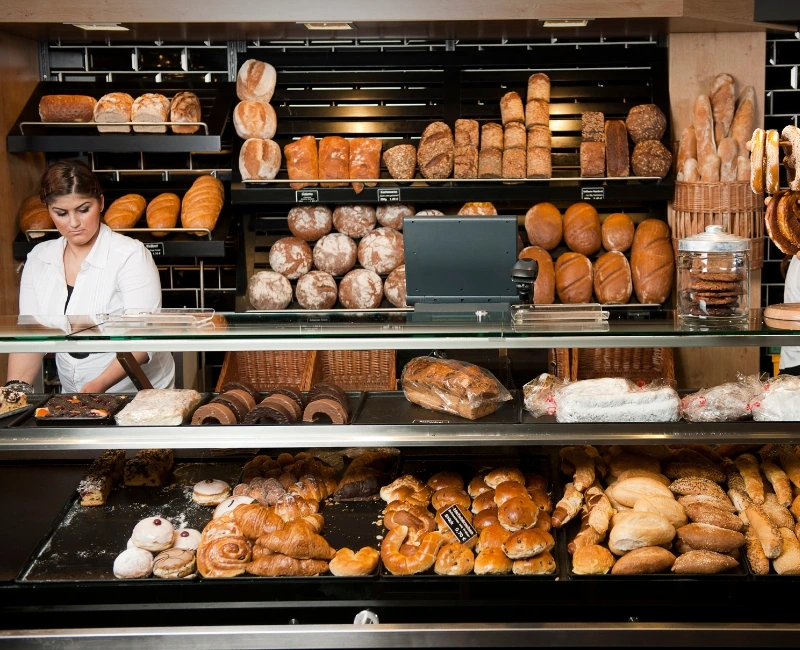
After daytime exploration, Leiden’s cafés, breweries and nightlife scenes come alive with relaxed conviviality. Canal-side cafés serve as social hubs: in warmer months, terraces spill onto sidewalks and quaysides, offering views of boats passing by. Start with an afternoon coffee at a specialty café, where baristas roast beans locally and prepare pour-over coffees or artisanal teas. Pair your drink with freshly baked cake or a savoury quiche for a light midday treat.Leiden’s craft beer culture has grown, with microbreweries and brewpubs offering locally produced ales, lagers and experimental seasonal brews. Visit a brewery taproom to sample limited-edition batches and learn about brewing processes—many Leiden brewers use regional ingredients or unique spices. Beer festivals and tasting events occur periodically; joining a guided beer tasting introduces you to Dutch brewing traditions and contemporary innovations.As evening falls, brown cafés (traditional pubs) provide cosy atmospheres with wooden interiors and convivial crowds. Order a local beer or jenever-based cocktail, and perhaps enjoy live music nights featuring jazz, acoustic performances or local bands. Some venues host quiz nights or themed events, engaging both students and locals. The vibe remains laid-back: Leiden is not about wild nightlife but about relaxed socialising and cultural experiences.For cocktails and wine, smaller bars offer curated drink menus: mixologists use local spirits or seasonal produce to craft inventive cocktails. Wine bars often feature Dutch and European selections, paired with cheese plates or small bites. Late-night eateries may serve snacks such as frikandel or croquette sandwiches for a typical Dutch midnight bite.Cultural evenings continue with theatre performances, film screenings at arthouse cinemas, or live music in concert halls. Check local listings for university-sponsored events or festivals: occasionally, open-air cinema by the canals or temporary installations enliven public spaces. Art galleries might host evening receptions or talks, blending cultural engagement with socialising.Safety in Leiden’s nightlife is straightforward: the city centre is compact and walkable, and public transport (buses, trains) runs until late in many seasons. Cycling at night is common—ensure lights and reflective gear. Locals appreciate respectful behaviour: noise is generally moderated near residential areas. Overall, Leiden’s nightlife emphasizes authentic experiences over crowds: café chats, beer tastings, live music or cultural events offer memorable evenings in a historic setting..
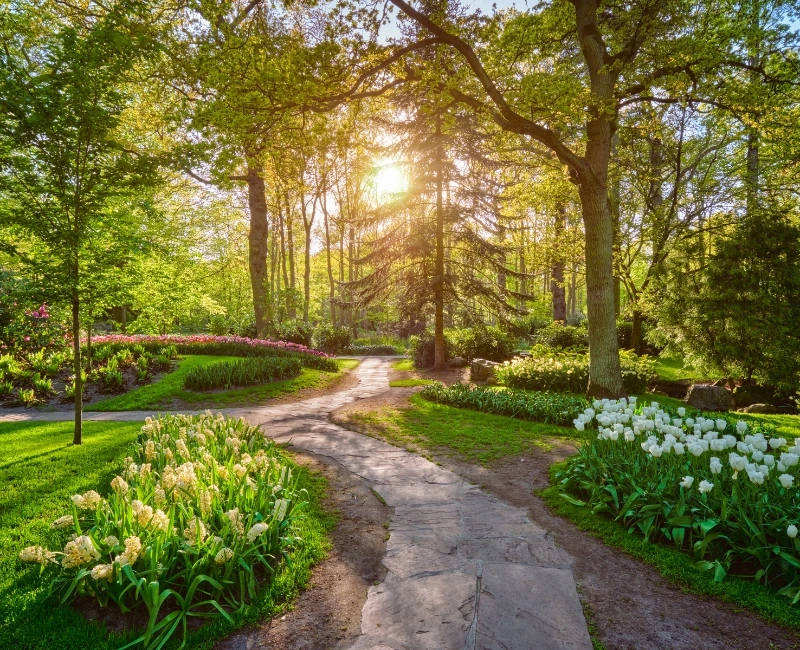
Leiden’s convenient transport links make day trips to Keukenhof and the wider bulb region both easy and rewarding. In spring (mid-March to mid-May), dedicate a day to Keukenhof gardens, renowned for expansive themed displays of tulips, daffodils and hyacinths. Travel by train to Leiden Lammenschans or Leiden Centraal, then connect via bus or join a guided excursion that handles transfers. Arriving early helps avoid peak crowds and allows you to wander through meticulously arranged floral exhibits, pavilions showcasing horticultural innovations, and photo zones designed for perfect snapshots. Beyond Keukenhof, cycle or take local buses through nearby fields: rental bikes near Lisse enable you to explore quieter lanes where flower fields stretch uninterrupted.Outside peak bloom season, the bulb region remains scenic: cycling routes reveal windmills, farmhouses and seasonal agricultural activities such as bulb harvesting in autumn. Local villages host markets selling bulbs for planting, and flower-themed museums or exhibitions explain the history of Dutch horticulture. Guided tours often include visits to family-run bulb farms, offering insights into cultivation techniques, export processes and sustainable practices.Combine your flower-region trip with visits to nearby coastal towns like Noordwijk or Katwijk for a seaside interlude after garden exploration. Enjoy fresh sea air, perhaps a beachside café serving local fish dishes. Alternatively, head to the quaint village of Lisse itself for lunch at a traditional Dutch eatery, sampling regional produce.Practical tips: wear comfortable shoes or cycle gear; bring a waterproof layer in case of spring showers; carry a camera or smartphone with extra battery for extensive photo opportunities. Some tours provide picnic options or recommend local cafés; alternatively, pack snacks to enjoy amidst flower fields or along canal banks. Check opening dates and times for Keukenhof as they vary annually; book tickets in advance to secure entry.For photography enthusiasts, early morning provides soft light on blooms; late afternoon can yield warm hues. Flower fields near Leiden can be visited by following signposted cycle routes starting from the city. Maps and local apps guide you to points of interest. Whether joining an organised tour or exploring independently, a day trip from Leiden to Keukenhof and surrounding bulb fields offers an unforgettable immersion in Dutch floral heritage.
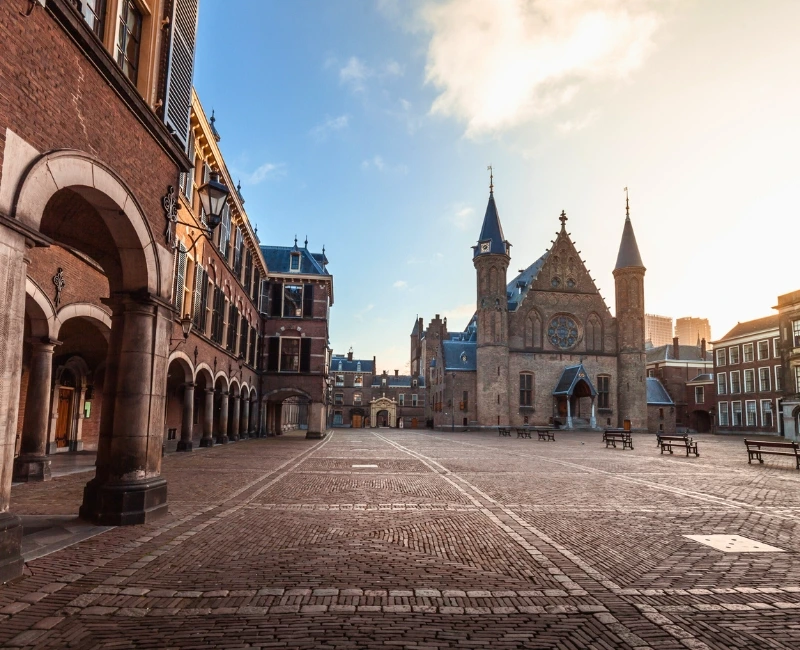
Leiden’s central position in South Holland makes it an excellent base for exploring nearby Dutch cities on day trips. Amsterdam is reachable in under 30 minutes by train: arrive at Amsterdam Centraal and explore world-class museums, historic canals and vibrant neighbourhoods. For a calmer experience, return to Leiden in the evening to enjoy its more relaxed pace. The Hague, roughly 20 minutes by train, offers political landmarks (Binnenhof), coastal Scheveningen beaches, and cultural institutions like Mauritshuis; after a day there, unwind back in Leiden’s cosy cafés.Haarlem, a 15-minute train ride away, charms with its own canals, historic Grote Markt square and Teylers Museum (the Netherlands’ oldest museum). Cycling from Leiden to Haarlem via shared bike routes can be an adventurous alternative, passing dune landscapes. Delft—famous for blue pottery and historic town centre—is a quick train journey: wander through canals, visit a Delftware workshop, and learn about the city’s connection to Dutch royalty. Rotterdam, accessible in around 40 minutes, contrasts with its modern skyline, innovative architecture and bustling port—ideal for travellers interested in contemporary urban design.For quieter escapes, consider smaller towns such as Gouda (known for cheese market), Leiden’s neighbouring villages (Oegstgeest, Voorschoten) or the countryside dotted with windmills and farmsteads. Cycling routes link these locations seamlessly, letting you experience pastoral scenes and local life. Seasonal events in these cities—flower parades, markets, festivals—often coincide with Leiden visits, allowing multi-city festival itineraries.Transport is straightforward: trains run frequently, and day-return tickets or rail passes offer flexibility. Bicycles can be taken on certain train services outside peak hours, enabling combined bike-and-train explorations. Tips: plan morning departures to maximise daytime in the destination city; check museum opening hours; reserve tickets for popular attractions in advance during peak season. Return to Leiden by early evening to enjoy a canal-side dinner or evening concert.Combining Leiden with neighbouring cities leverages its compact charm and connectivity: you gain varied experiences—from historic canals and academic ambience to major-city attractions and coastal retreats—while avoiding constant hotel changes. Use Leiden as your comfortable base, then set out on diverse day trips that enrich your Dutch itinerary with both well-known highlights and off-the-beaten-path discoveries.
No ads. No trails. No commitments


Alice Roses
London, England
51 ST MATTHIAS ROAD
NOTTINGHAM, NOTTINGHAMSHIRE
NG3 2HF
Hours: 8:00 - 17:00, Mon - Sat
support@johnsonholidays.com