 Essaouira Travel
Guide
Essaouira Travel
Guide
Paris is known around the world as the “capital of love,” and even if you don't understand the history of Paris at all

4 Hours
£1.60
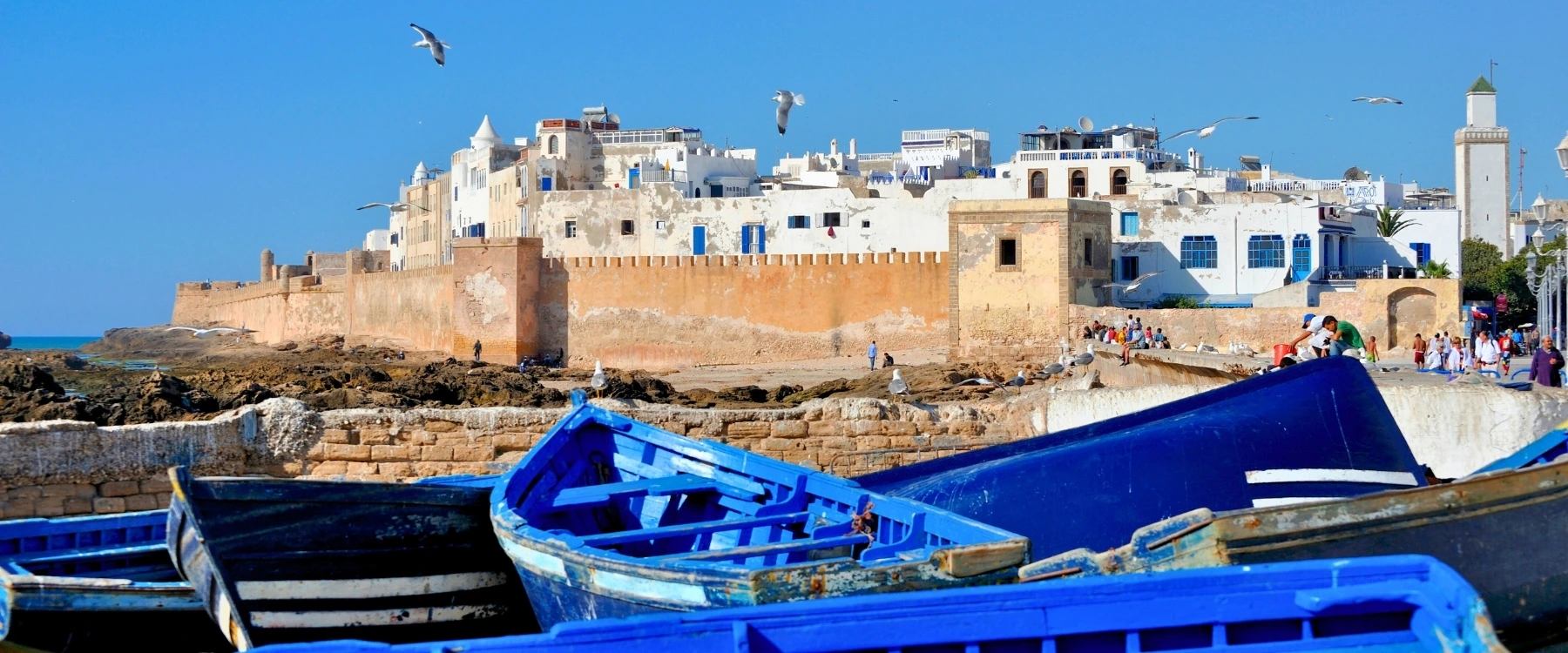
Essaouira’s coastal setting defines its appeal. The city’s historic ramparts overlook wide beaches sculpted by Atlantic winds, offering dramatic vistas at sunrise and sunset. Compared to busier Moroccan destinations, Essaouira retains an unhurried rhythm: fishermen docking colourful boats, seagulls circling the port, and locals strolling along waterfront promenades. Accommodation ranges from traditional riads in the medina to beachfront hotels with panoramic ocean views. Value for money remains strong: budget-conscious travellers can enjoy fresh seafood meals for the equivalent of £5–£10, while mid-range lodgings often include breakfast in charming courtyards. This authenticity extends to the everyday pace: no rush, no overcrowding, and an atmosphere conducive to true relaxation.
Learn More
Essaouira’s medina is UNESCO-listed, reflecting its historical significance as a trading port influenced by European fortification designs and Moroccan artistry. Wander through narrow alleys lined with workshops where artisans handcraft woodwork, leather goods, and jewelry. Gnawa music, rooted in West African traditions, often resonates in public squares and cafés, providing a cultural soundtrack unique to Essaouira. Visiting historic sites such as the Portuguese-era Skala ramparts or the old Jewish quarter offers insight into the city’s layered past. Guided or self-led walking tours reveal hidden courtyards and interesting architecture, all while experiencing genuine local life rather than an overly commercialized heritage setting.
Learn More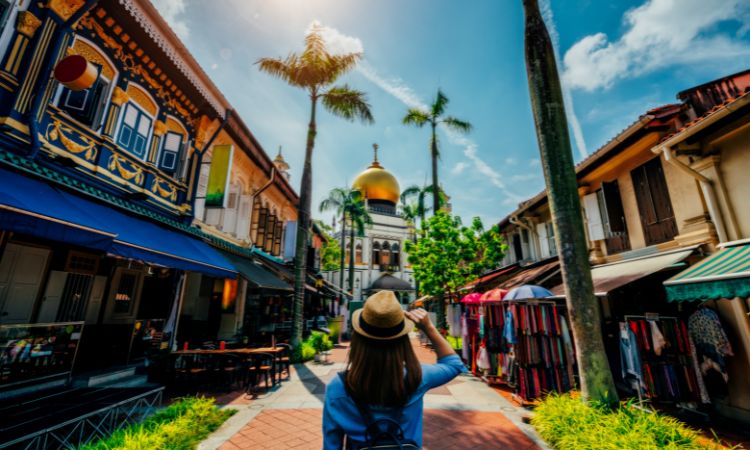
The persistent Atlantic breeze makes Essaouira a top spot for surfing, kitesurfing, and windsurfing. Beginners can take lessons at local surf schools; group lessons typically cost around £20–£30 per session, including board rental and instruction. More experienced surfers benefit from consistent waves, while kite enthusiasts find reliable wind conditions in designated areas. Beyond watersports, nearby coastal lagoons and national parks invite birdwatching excursions, with flamingos and other migratory species visible seasonally. Horseback or camel rides along the beach at sunrise or sunset create memorable experiences. Hiking in argan-tree–dotted landscapes and visiting traditional cooperatives to learn about argan oil production round out active itineraries.
Learn More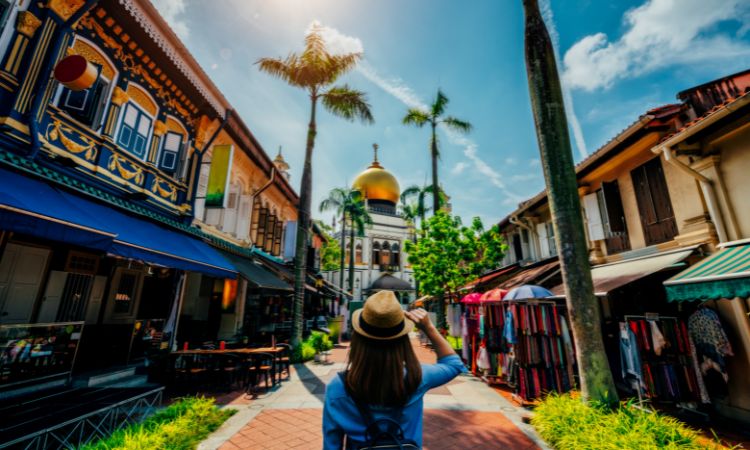
Essaouira’s seaside location ensures exceptionally fresh seafood. Market stalls and local cafés serve grilled fish, fish tagines, and seafood couscous at prices often under £10 per person for generous portions. Traditional Moroccan dishes—couscous, tagines, pastries—are enriched with local argan oil and seasonal produce, reflecting regional flavors. Sweet mint tea and Moroccan pastries provide afternoon treats in courtyard cafés. Cooking classes offer hands-on insight into Moroccan cuisine; half-day workshops typically cost around £30–£40, including market visits to source ingredients. For travellers seeking authentic tastes rather than tourist menus, Essaouira’s culinary scene remains genuine, affordable, and satisfying.
Learn More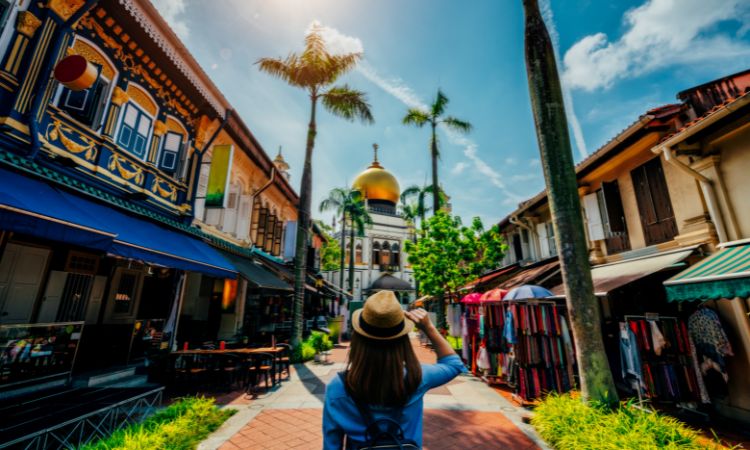
Essaouira has a longstanding reputation as an artistic enclave. Galleries showcase local painters and sculptors, while craft workshops often allow visitors to observe artisans at work. The annual Gnaoua and World Music Festival (held in spring) draws international performers and audiences to enjoy Gnawa rhythms, jazz, blues, and fusion music. Even outside festival season, live music can be heard in cafes and public squares. Shopping for handcrafted souvenirs in the medina supports local communities and connects travellers to Essaouira’s creative spirit. Artistic residencies and workshops sometimes welcome travellers to learn traditional crafts like wood carving and weaving.
Learn More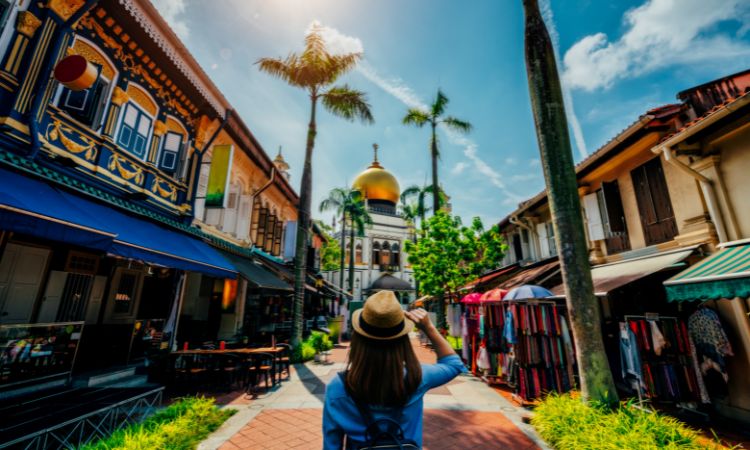
Compared to larger Moroccan cities, Essaouira remains relatively affordable. Accommodation, dining, and activities often cost less than in Marrakech or coastal resorts further south. Budget travellers can find simple riads for under £30 per night, while mid-range hotels average £50–£80 per night, often including breakfast. Day trips and excursions, such as visits to argan cooperatives or birdwatching tours, typically cost £10–£20 for transportation and guidance. Flight connections from Europe (e.g., London) can be seasonal; prices depend on booking time, but low-cost carriers occasionally offer direct or connecting flights at competitive rates. Essaouira’s compact layout encourages walking, reducing local transport costs and enhancing the immersive experience.
Learn More
Lorem ipsum dolor, sit amet consectetur adipisicing elit. At illo adipisci iusto
From

Because more than 268 other customers have loved us too

Demonstrates commitment to user data security through encryption and secure payment practices
Learn More
Demonstrates commitment to user data security through encryption and secure payment practices
Learn More
Demonstrates commitment to user data security through encryption and secure payment practices
Learn More
Demonstrates commitment to user data security through encryption and secure payment practices
Learn More
Quality as judged by customers. Book at the ideal price!


/ person
/ person
/ person
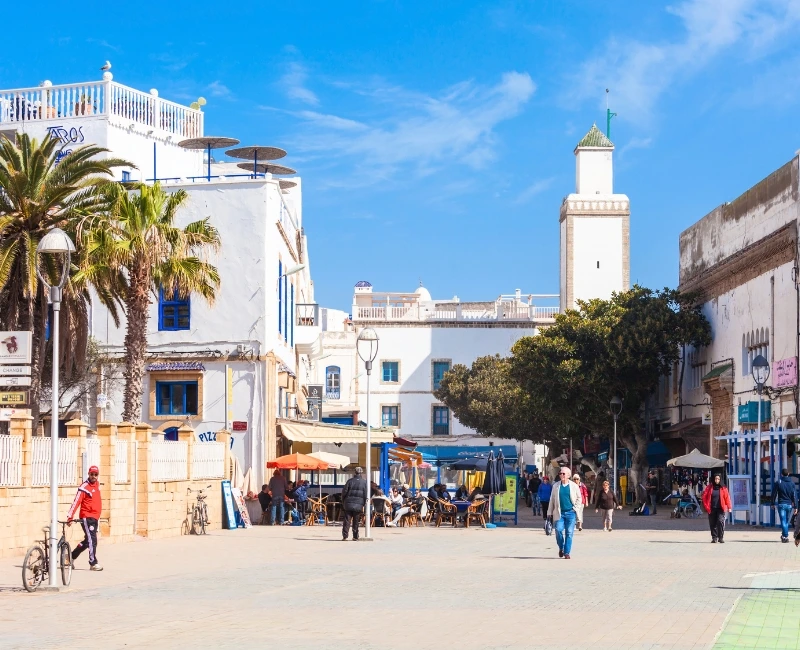
Essaouira’s UNESCO-listed medina is a labyrinth of narrow alleys, white-washed walls, and cobalt-blue accents that reveal centuries of history and vibrant artisan life. Begin at Bab Marrakech gate and wind your way toward the Skala ramparts, the 18th-century fortifications overlooking the Atlantic. The ramparts offer sweeping views of the sea, fishing port, and broad sandy beaches; morning or late-afternoon light enhances photography and atmosphere. As you traverse the battlements, observe the blend of European design principles and Moroccan craftsmanship evident in the stonework and cannon placements.Within the medina, alleys lead to artisan workshops where skilled craftspeople carve thuya wood into decorative boxes, fashion leather goods, and handcraft Berber-style jewelry. Engaging in respectful conversation and observing techniques offers insight into generations-old traditions. Spice stalls emit rich aromas of cumin, saffron, and cinnamon; argan oil cooperatives nearby allow you to see local women processing nuts into oil by traditional methods. While bargaining is customary, approach it courteously, acknowledging the artisan’s skill. Hidden riads tucked behind unassuming doors often host courtyard cafés—ideal for resting with sweet mint tea (around £1) and watching daily life unfold.Plan early-morning visits for quieter streets or late-afternoon strolls for golden-hour light on the ramparts. Guided walking tours (approx. £10–£15) provide historical narratives, but self-guided wandering rewards those who relish spontaneous discovery. Note signage may be minimal; carrying a simple printed map or offline map app helps navigate without detracting from the authentic feel. Seek out small galleries showcasing local painters, and pause at public squares where Gnawa musicians may perform impromptu sets, intertwining culture with place. Essaouira’s medina is compact yet rich in detail: allow several hours, or return multiple times, as each passage can reveal new crafts, flavors, or architectural details. Respect local customs—dress modestly when visiting religious sites or traditional neighborhoods—and use basic Arabic or French greetings to connect with residents. Exploring Essaouira’s medina and ramparts immerses you in living heritage: a harmonious mix of history, creativity, and everyday Moroccan life, leaving lasting impressions long after you depart.
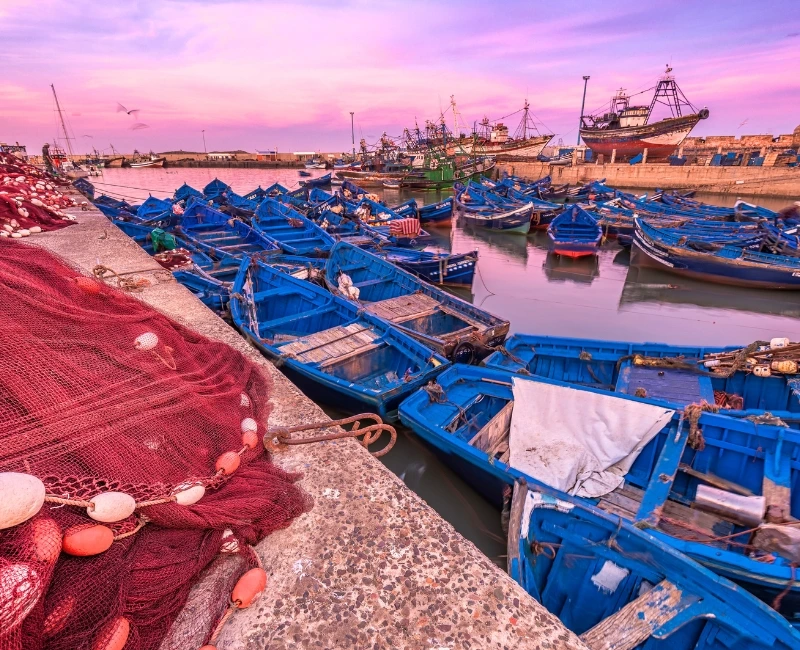
Essaouira’s fishing port remains the beating heart of local culture, where daily rhythms revolve around the sea. Arrive early to witness colourful fishing boats returning with their catches: sardines, sea bream, octopus, and mussels. The quay bustles as fishmongers sort and display fresh seafood on simple stalls. Engage respectfully with fishermen and merchants to learn about Atlantic fishing techniques passed through families: observe net handling, boat maintenance, and seasonal variations in catch. Photography is welcome but ask permission before focusing on individuals.Sampling freshly grilled or tagine-prepared fish near the port offers genuine culinary insight: a grilled fish meal often costs £5–£8, depending on the catch. Choose your fish at the stall, then bring it to a nearby eatery or café to have it prepared. Watch as cooks season with local spices and drizzle argan oil, serving generous portions with bread. Beyond eating, consider joining a small-group fishing excursion (approx. £25–£35), which typically involves a short boat outing to learn basic techniques: lines or simple net casting. These trips vary by season and weather; confirm safety standards and choose reputable operators prioritizing sustainability.Even without going to sea, spend time observing port life: seagulls swirling overhead, workers hauling nets, and traders negotiating prices. Sights, sounds, and scents combine into an immersive sensory experience. The port area also hosts small cafés where you can sip mint tea while watching daily routines unfold. Nearby cooperatives process fish-related products (e.g., dried sardines) or produce argan oil; visiting these provides additional context for local livelihoods. If interested in photography or ethnographic observation, allocate a couple of hours in early morning, when light is soft and activity peaks. Always respect environmental considerations: avoid leaning on or disturbing equipment, and follow guidance to minimize impact on wildlife and local operations. Discovering Essaouira’s fishing port traditions connects you deeply to the city’s maritime heritage, offering both memorable experiences and support for local communities.

Essaouira’s windswept beaches and Atlantic swells make it an appealing destination for watersport enthusiasts of all levels. For beginners, local surf schools provide group or private lessons (approx. £20–£30 per session), including board rental and instruction on reading waves, paddling techniques, and basic safety. Gentle beach breaks near the shore allow novices to stand up on smaller waves under instructor supervision. More experienced surfers can explore consistent swells and occasional reef breaks; inquire locally about current conditions and safest entry points.Kitesurfing and windsurfing flourish here due to reliable winds, particularly in late morning to afternoon. Equipment rental and lessons for kitesurfing typically range from £25–£40 per hour; ensure instructors are certified and safety-focused. Beginners learn wind dynamics, board control, and kit setup in shallow areas before venturing further. Experienced riders find open stretches ideal for jumps and maneuvers. If you plan independent sessions, check wind forecasts and tide schedules, and observe designated zones to avoid conflicts with swimmers.Beyond board sports, paddleboarding in calmer sections offers a serene alternative: rental costs around £15 per hour. Early-morning paddles present tranquil waters and sunrise vistas, while late-afternoon sessions combine activity with scenic light. Equipment providers may supply wetsuits or advise whether local water temperature requires one; if you prefer your own gear, bring quick-dry swimwear and thermal layers as needed. After activity, unwind at beachfront cafés serving mint tea (£1) or fresh juice (£2–£3), reflecting on views of the Atlantic.Safety is paramount: always follow instructor guidance, wear appropriate safety gear (leash, life vest), and respect local conditions. For sustainable practice, use reef-safe sunscreens, avoid disturbing wildlife, and choose eco-conscious operators. Essaouira’s watersport scene blends adventure with natural beauty, creating opportunities for challenge and enjoyment while immersing you in the coastal environment.
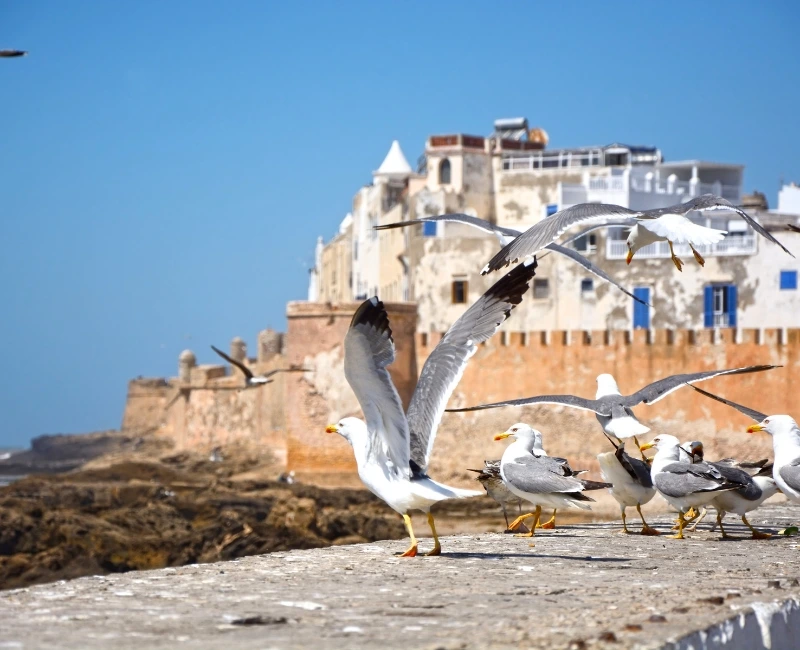
Essaouira’s proximity to coastal lagoons, salt marshes, and argan-dotted landscapes makes it a haven for birdwatchers and nature lovers. Arrange guided birdwatching tours (approx. £15–£20) to explore protected wetlands like the Essaouira-Mogador lagoon or Sidi Kaouki environs. Knowledgeable local guides help identify migratory species—flamingos, herons, avocets—and share insights on habitat conservation. Binocular rental may be included; if not, bring or borrow equipment. Early morning or late afternoon visits often yield the highest bird activity and best light for photography.Beyond birds, coastal excursions can include hiking or cycling routes through argan woodlands, where goats climb trees to feed on argan fruit. Visiting women-led cooperatives provides understanding of argan oil production and community livelihoods. Some itineraries combine a visit to cooperatives with short nature walks. Respect local customs and contributions by purchasing argan products directly from cooperatives.For a different perspective, consider horseback or camel rides along quieter beach stretches at sunrise or sunset; local guides ensure safe routes and culturally appropriate interactions. Observe coastal flora and fauna while moving at a leisurely pace. Photographers appreciate the interplay of wildlife, dunes, and sea under changing light. Pack sun protection, water, and light snacks; wear comfortable footwear for walking segments.Seasonally, coastal landscapes transform: spring brings migratory birds and blooming flora; autumn may present calmer tourism crowds for reflective nature experiences. Always follow guide instructions to minimize disturbance to wildlife and habitats, and choose operators practicing sustainable tourism. Essaouira’s coastal and natural excursions offer restorative and educational experiences, connecting travellers to Morocco’s Atlantic ecosystem and local traditions in a respectful, immersive manner.
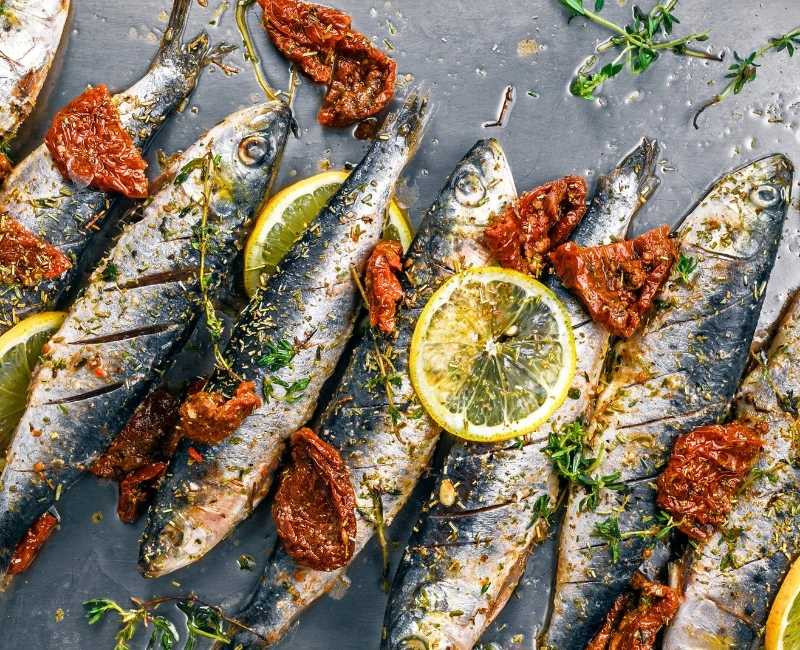
Essaouira’s culinary identity is rooted in fresh Atlantic seafood and Moroccan flavor traditions. Begin at the fishing port market: select fish – sardines, sea bream, or octopus – then take it to nearby eateries where cooks grill or prepare tagine-style dishes. A grilled fish meal often costs £5–£8; tagines (chicken with preserved lemon, lamb with prunes, or vegetable variations) range around £6–£10. Bread baked in traditional ovens accompanies meals, ideal for mopping up sauces enriched with argan oil.Street snacks such as msemen (layered flatbread) served with honey or amlou (argan-based spread) cost under £2 and provide quick, satisfying bites. Fresh orange juice stands at approx. £2–£3, while sweet mint tea is about £1 and available in medina cafés or riad courtyards. Cooking workshops (approx. £30–£40) often include market visits to source ingredients, hands-on preparation of classic dishes, and shared meals, deepening appreciation of Moroccan culinary techniques and communal dining culture.Vegetarian and vegan travellers will find options: seasonal vegetable tagines, couscous with chickpeas and root vegetables, salads featuring local produce with olive or argan oil dressings. For dessert, try beghrir (pancake-like crepes) or chebakia (sesame-coated sweet), often sold by patisseries or cafés for £1–£2 per portion. Embrace slower meal times: linger over lunch or dinner, sampling multiple small dishes (mezze-style) in family-run establishments.For a unique experience, attend a communal meal in a local home or riad if available through trusted local contacts or organized cultural exchanges; these may cost around £20–£30 and include multiple courses showcasing Moroccan hospitality. When dining, be mindful of dietary restrictions and communicate preferences clearly. Essaouira’s food scene balances affordability with authenticity, inviting travellers to explore flavors tied to the sea and land, creating memorable culinary journeys that reflect local traditions and community life.

Essaouira’s café culture revolves around ritual and relaxation. Sweet mint tea, served in ornate glasses, is a social cornerstone; a cup costs around £1–£2 and accompanies conversations or moments of pause in courtyard cafés or seaside terraces. Pair tea with pastries such as chebakia (honey-drenched sesame sweets), beghrir (semolina pancakes), or argan-infused treats, each costing £1–£2. Sampling these delights in atmospheric settings—interior riad courtyards or open-air cafés near the beach—combines taste and ambiance.Morning coffee aficionados find espresso-style drinks or aromatic Moroccan coffee in select cafés, priced around £2–£3, often served with small biscuits or beghrir. Many cafés display local artwork or host occasional live Gnawa music sessions in the evening, blending flavors with culture. Engaging baristas or café owners can reveal stories about sourcing ingredients—like locally milled flour or artisanal honey.For leisurely afternoons, choose a spot overlooking the Atlantic or tucked within peaceful riad gardens. Use this time to journal, sketch, or plan daily excursions. Free Wi-Fi may be available but embrace disconnection to soak in surroundings. If you enjoy people-watching, position yourself by a main square in the medina to observe locals and fellow travellers passing by. In cooler months or breezy days, request a light blanket or choose indoor seating; cafés often accommodate with simple hospitality.Some riads offer tea ceremonies or pastry workshops: learn traditional preparation methods for Moroccan sweets and tea etiquette. These experiences, costing around £20–£30 per person, deepen cultural insight and often include small-group interactions. Evening tea rituals paired with live music create memorable atmospheres: listen to Gnawa rhythms while sipping tea under soft lighting. Essaouira’s café culture emphasizes unhurried enjoyment, encouraging travellers to connect with local life through simple, sensory-rich moments..
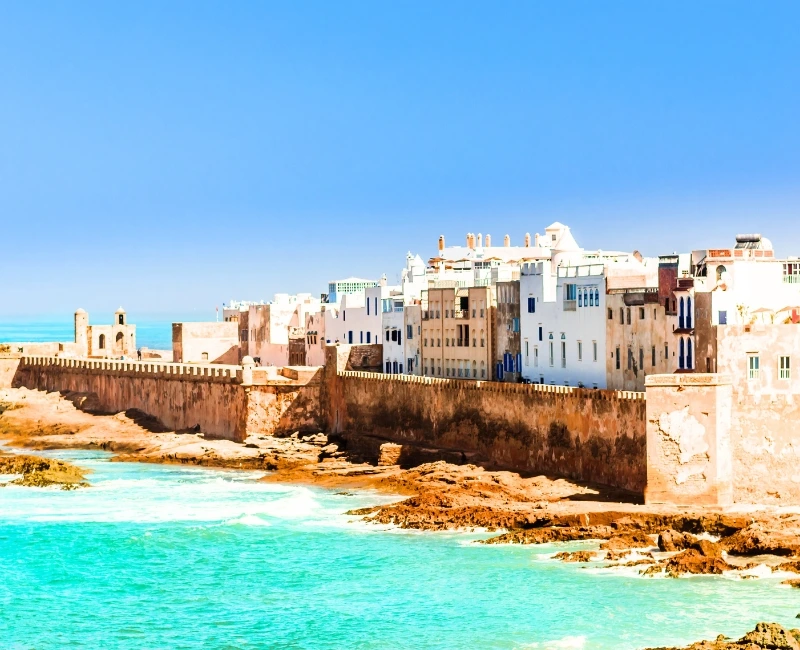
Essaouira’s broad, windswept beaches present both activity and tranquility. Stretch out on golden sands under a parasol (daily rental a few British pounds), read a book, or stroll along the shoreline scanning for shells and driftwood. The Atlantic breeze keeps temperatures moderate; morning and late-afternoon visits offer calmer conditions, while midday brings stronger winds ideal for kitesurfing but potentially breezier for sunbathing. Plan accordingly: early sunbathing sessions benefit from gentler winds, whereas afternoons suit active watersports.Beach cafés serve light snacks and drinks: mint tea (£1), fresh fruit juices (£2–£3), and simple sandwiches or salads (£4–£6). Many seats overlook the sea, inviting extended relaxation. For quieter spots, walk beyond the main beach area to less crowded stretches, where solitude and natural scenery predominate. Keep an eye on tide patterns: low tide exposes wider sand expanses, perfect for long walks or beach games; high tide may reduce available space.Sun protection is essential: broad-brimmed hat, sunscreen, and sunglasses recommended. Winds can whip up sand, so consider light cover-ups for comfort. If you enjoy gentle exercise, morning beach yoga or stretching sessions capitalize on fresh air and soothing wave sounds. Some local instructors may offer group sessions (approx. £10–£15).As sunset approaches, the sky transforms with vibrant colours reflecting off the water; find a comfortable vantage point on the sand or atop nearby ramparts for panoramic views. Evening strolls along the beach allow reflection and calm. Local vendors may offer snack items or tea near exit points—support them responsibly. Essaouira’s beach environment balances natural beauty with simple amenities, making it ideal for travellers seeking restorative downtime while still within reach of town conveniences.
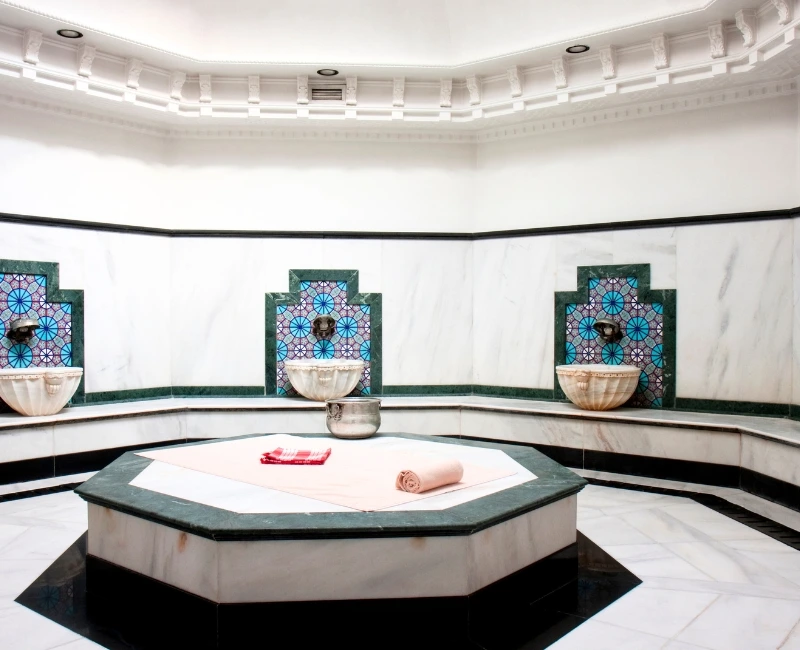
After active days, indulge in Essaouira’s traditional wellness offerings. Hammams (public steam baths) provide cleansing rituals: begin with a steam session to open pores, followed by body scrub using black soap or ghassoul clay to exfoliate dead skin. Treatments often conclude with rinsing and optional argan oil massage. Entry-level hammam packages cost around £15–£20; more comprehensive spa packages including massage and specialized treatments range £25–£30. Choose reputable establishments—some are gender-segregated public hammams, others private spa areas within riads offering enhanced privacy at slightly higher cost.Argan oil massages use locally produced oil known for nourishing properties; therapists apply gentle pressure techniques to relieve muscle tension. Essential oil treatments (e.g., eucalyptus, lavender) may be available, enhancing relaxation and respiratory benefits, especially in breezy coastal air. Book in advance during peak season to secure preferred time slots.Beyond hammams, explore yoga or meditation sessions by the beach or in tranquil courtyard settings. Local instructors may offer group classes (approx. £10–£15) at sunrise or sunset, combining gentle movements with sound of waves. These sessions suit all levels and complement physical recovery. Some wellness retreats within riads include healthy breakfasts featuring fresh fruit, yogurt, and local honey or argan oil drizzles, supporting balanced travel eating.If interested in holistic treatments, inquire about traditional herbal infusions or workshops on Moroccan natural remedies; costs vary but often remain affordable (£10–£20). Respect local hygiene customs and follow guidance for attire and procedure. Incorporating Essaouira’s wellness traditions into your itinerary rejuvenates body and mind, grounding you in local culture and natural surroundings, and ensuring you leave feeling refreshed and connected.
No ads. No trails. No commitments


Alice Roses
London, England
51 ST MATTHIAS ROAD
NOTTINGHAM, NOTTINGHAMSHIRE
NG3 2HF
Hours: 8:00 - 17:00, Mon - Sat
support@johnsonholidays.com