 Herceg Novi Travel
Guide
Herceg Novi Travel
Guide
Paris is known around the world as the “capital of love,” and even if you don't understand the history of Paris at all

3 Hours
£1.52
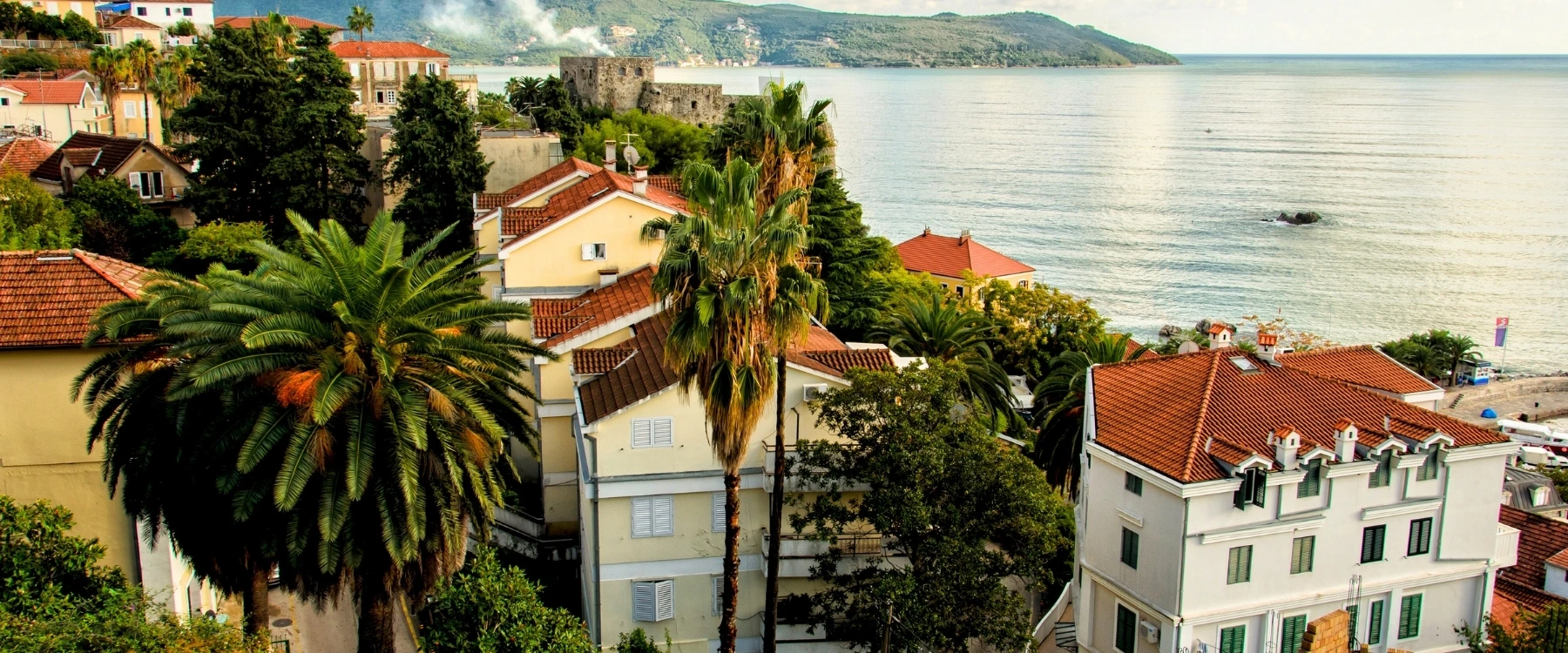
Herceg Novi’s history spans centuries of Venetian, Ottoman, and Austro-Hungarian influences, visible in its fortresses, churches, and old-town streets. Exploring Forte Mare and Kanli Kula provides immersive insights into the town’s strategic maritime past and stunning panoramic views over the Bay of Kotor. The blend of architectural styles and preserved monuments makes each stroll through the Old Town a journey through time.
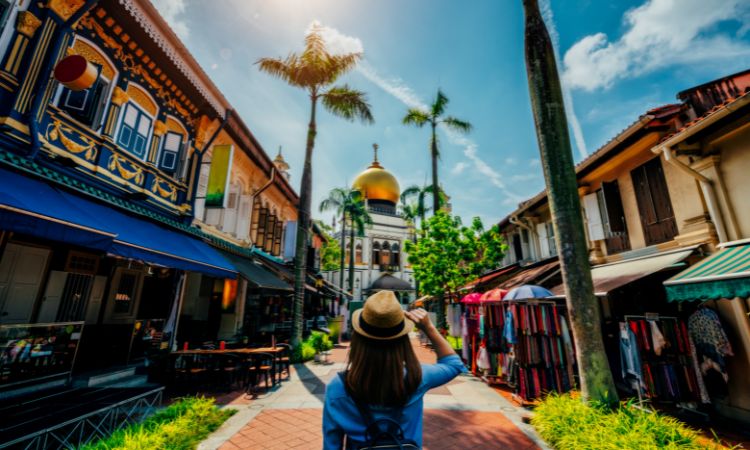
Nestled between the Adriatic Sea and rugged mountains, Herceg Novi offers dramatic seascapes and scenic hiking opportunities. Visitors can swim in crystalline waters at pebble beaches, take boat excursions to hidden coves, or trek on Mount Orjen trails overlooking the bay. The region’s microclimate supports lush vegetation, ensuring vibrant landscapes throughout the warmer months .
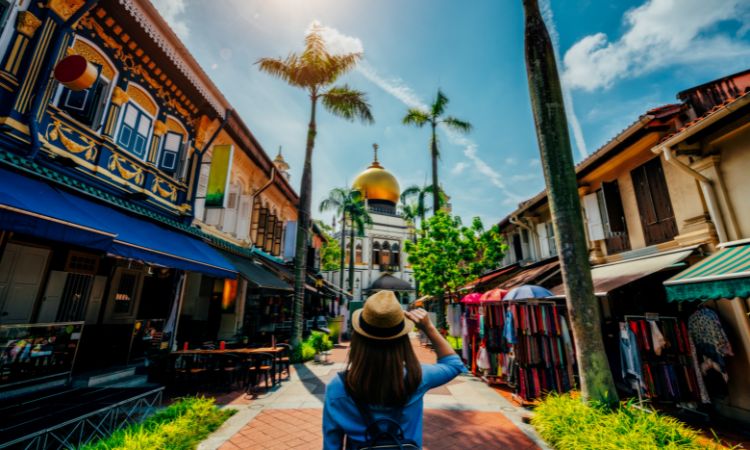
With approximately 200 sunny days annually and average summer temperatures around 25°C, Herceg Novi is ideal for outdoor activities nearly half the year. Spring and autumn, marked by pleasant weather and fewer crowds, are especially appealing for hiking, botanical visits, and cultural explorations. Winters remain mild compared to northern Europe, allowing off-season visits that highlight local life away from peak tourist influx.
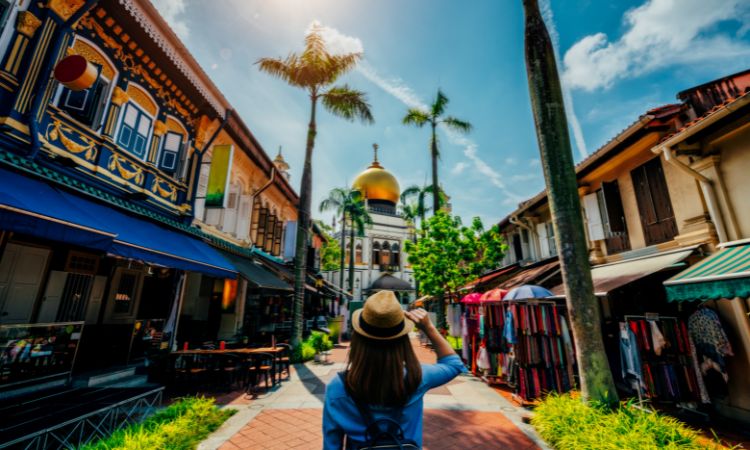
Coastal Montenegrin cuisine emphasizes fresh seafood, local produce, and regional wines. Dining at seaside konobas lets travelers savor grilled fish, octopus salad, and traditional dishes like kacamak, often paired with Montenegrin wines or citrus-infused spirits. Farmers’ markets and family-run eateries offer insight into local gastronomy passed down through generations.
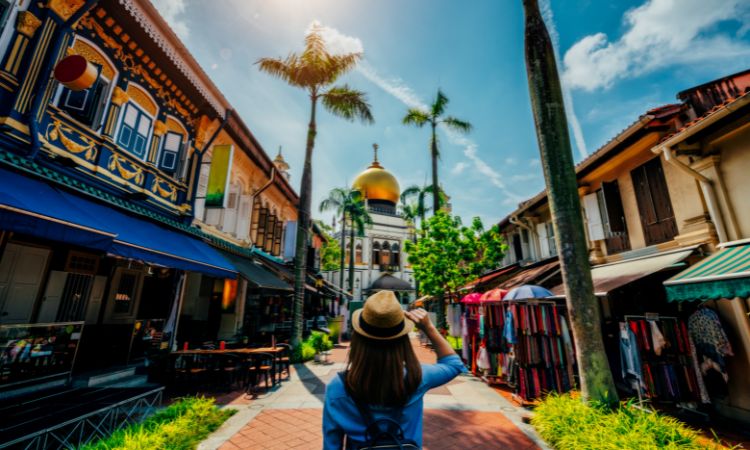
Annual events such as the Mimosa Festival herald spring with street performances, music, and local traditions, while summer brings open-air concerts and cultural programs in historic venues. Experiencing these festivals offers a genuine taste of Montenegrin community spirit and contemporary artistry set against heritage backdrops.
Proximity to Tivat, Dubrovnik, and Podgorica airports ensures good connectivity from European hubs, with flight times around 2h55 from London to Tivat . The compact town layout allows easy exploration on foot, while regional buses and taxis facilitate day trips along the Montenegrin coast. A range of accommodations caters to diverse budgets, enhancing convenience for all travelers.
Lorem ipsum dolor, sit amet consectetur adipisicing elit. At illo adipisci iusto
From

Because more than 268 other customers have loved us too

Demonstrates commitment to user data security through encryption and secure payment practices
Learn More
Demonstrates commitment to user data security through encryption and secure payment practices
Learn More
Demonstrates commitment to user data security through encryption and secure payment practices
Learn More
Demonstrates commitment to user data security through encryption and secure payment practices
Learn More
Quality as judged by customers. Book at the ideal price!


/ person
/ person
/ person
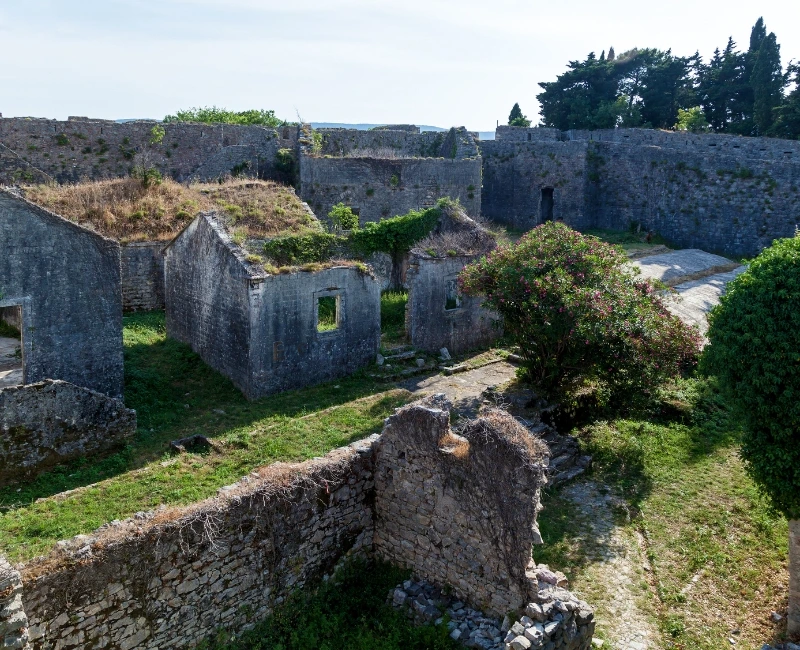
Herceg Novi’s identity is inseparable from its fortresses, which stand sentinel over the Bay of Kotor and narrate tales of centuries-old maritime strategy and defense. The most iconic among these are Forte Mare (also known as Kanli Kula Fortress) and the Spanjola Fortress, each offering unique vantage points and historical context. Forte Mare, dating back to the town’s founding in 1382, perches on a promontory overlooking the Adriatic, providing sweeping vistas of azure waters and the distant mountains that cradle the bay. Visitors ascend narrow stone pathways through the Old Town, arriving at ramparts where cannons once guarded against seaborne threats. The layered architecture reveals successive modifications under Venetian rule, when the fortress was reinforced to defend against Ottoman incursions. Guided or self-led tours through these remains reveal soldiers’ quarters, cisterns for water storage, and battlements that frame postcard-worthy panoramas.Nearby, Spanjola Fortress, reachable via a scenic climb through pine-shaded trails, offers a more secluded encounter with history. Its walls, built in the 16th century by the Spanish during their Venetian alliance, have weathered centuries yet still project imposing silhouettes against the sky. From these heights, one observes the Bay of Kotor’s intricate coastline, dotted with fishing villages and olive groves. Informational plaques and local guides often recount anecdotes of sieges, alliances, and daily life in fortress garrisons, enriching the experience with vivid storytelling.Beyond the fortresses, the Old Town itself functions as a living museum: Venetian-style buildings, ancient churches such as the Church of St. Michael, and narrow alleys lined with pastel-hued houses reflect layers of occupation and cultural exchange. Time spent wandering these streets, pausing at small chapels or craft workshops, illuminates how history has shaped contemporary life. The fusion of architectural details—arched windows, carved stone, and terracotta roofs—underscores Herceg Novi’s role as a crossroads between East and West over medieval and early modern periods .Visiting these historical sites early in the morning or late afternoon ensures softer light for photography and cooler temperatures for walking, especially in summer. Local cafés near fortress bases invite travelers to savor coffee or light snacks while absorbing views. For those interested in deeper immersion, period reenactments or cultural events sometimes occur within fortress walls, animating ancient functions with music, costume, and performance. Ultimately, exploring Herceg Novi’s fortresses is not merely sightseeing: it is an active dialogue with the past, revealing how geography, politics, and human ingenuity converged to shape a town that remains vibrant today.
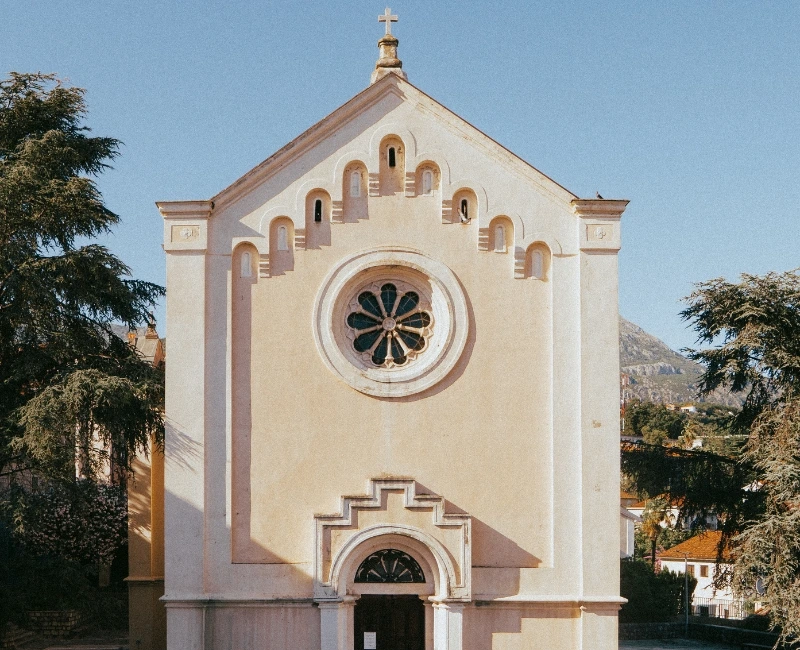
Herceg Novi’s spiritual and cultural tapestry is woven through its churches, monasteries, and annual festivals, reflecting the town’s historical diversity and contemporary communal life. Key religious sites include the Savina Monastery complex—comprising the Church of the Dormition of the Mother of God, the Church of St. Sava, and the Church of St. Basil—set amid verdant gardens overlooking the bay. Founded in the 11th century and rebuilt over time, Savina offers both spiritual reflection and botanical delight, with terraced grounds featuring fragrant citrus trees, palms, and native flora nurtured by the mild microclimate. Pilgrims and visitors alike appreciate the monastery’s serene ambiance, historic frescoes, and traditional iconography, while the surrounding gardens provide peaceful viewpoints of the Adriatic expanse.Within the Old Town, the Church of St. Michael and the Church of St. Jerome illustrate Gothic and Baroque influences introduced during Venetian and later periods. Their interiors house distinctive artworks and liturgical objects, conveying narratives of faith that transcended political shifts. Small chapels tucked into alleys often open unexpectedly to reveal frescos or ornate altars, inviting serendipitous discovery as one meanders through the medieval street grid.Cultural heritage thrives beyond architecture: local artisans maintain crafts such as lace-making, woodworking, and pottery, often found in workshops lining the promenades or hidden within the Old Town. Engaging with these artisans—observing techniques passed down through generations—provides tangible connections to regional identity. Periodic markets or cultural fairs spotlight traditional music, dance, and folklore; for instance, the Mimosa Festival in late winter signals the advent of spring with performances, flower decorations, and communal gatherings, illustrating how heritage is celebrated in contemporary life .Moreover, galleries and small museums exhibit artworks and artifacts that chronicle Herceg Novi’s journey from a strategic fortress town to a modern tourist destination. Exhibitions might feature maritime heritage, old photographs, and stories of local families, reinforcing a sense of place. Local guides often offer walking tours centered on cultural narratives—legends of pirates, seafaring tales, and anecdotes of renowned historical figures linked to the town—imbuing each stone and archway with meaning.Cultural immersion also extends to seasonal events: summer open-air concerts in fortress courtyards or waterfront venues showcase classical, jazz, and folk music, reflecting Montenegro’s evolving arts scene. Film screenings, poetry readings, and theatrical performances further enliven the social calendar, inviting visitors to experience contemporary Montenegrin creativity against historic backdrops. Ultimately, delving into Herceg Novi’s religious and cultural heritage reveals layers of identity shaped by geography, belief, and artistic expression, making each experience both enlightening and memorable.
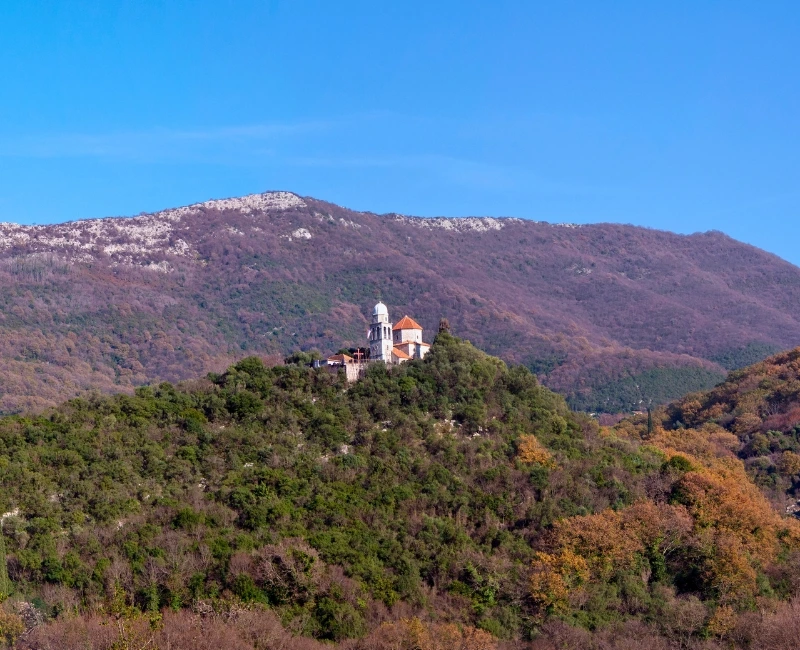
Mount Orjen, forming a dramatic backdrop to Herceg Novi, beckons hikers and nature lovers to explore trails that reveal breathtaking panoramas of the Adriatic coastline and inland landscapes. As part of the Dinaric Alps, Orjen features karst terrain, dense forests, and diverse flora nourished by the region’s microclimate, which traps moisture and fosters lush vegetation unusual for Mediterranean coasts. Several trailheads accessible from Herceg Novi lead upward through pine and beech woods; routes vary from moderate day hikes to more challenging ascents requiring good fitness and navigation skills.One popular route climbs from Zelenika or Igalo areas, ascending through forested slopes to viewpoints overlooking the Bay of Kotor, the Luštica Peninsula, and across to nearby Croatian islands on clear days. Early morning starts are advisable during summer to avoid midday heat, while spring and autumn hikes benefit from cooler temperatures and vibrant foliage. Along trails, hikers encounter endemic plant species and may spot wildlife such as chamois or birds of prey, highlighting the area’s ecological richness.For those seeking longer treks, multi-day loops connect Orjen’s ridges with nearby mountains or link to Lovćen National Park further east. Guided excursions can provide insights into local geology, flora, and traditional uses of mountain herbs. Picnicking at scenic spots—equipped with locally sourced snacks like cheese, cured meats, and fresh bread—allows immersive rest amid natural splendor. It is essential to carry adequate water, sun protection, and a map or GPS, as some trails are less signposted.Seasonal considerations: spring brings wildflowers and mild weather, while autumn offers crisp air and changing colors; winter hikes are possible but require proper gear due to snow in higher elevations. Experienced hikers benefit from checking local mountain guides or tour operators for trail conditions and potential group hikes, ensuring safety and deeper appreciation of the region’s biodiversity.After descending, returning to Herceg Novi’s seaside welcomes opportunities to relax—cool off with a swim in pebble coves or enjoy a refreshing beverage at a waterfront café. Post-hike meals often highlight hearty local dishes that replenish energy, such as grilled meats or pasta prepared with fresh coastal ingredients. Overall, hiking Mount Orjen offers a dynamic contrast to seaside relaxation, revealing Montenegro’s rugged natural beauty and rewarding those who venture beyond the town’s historic core.
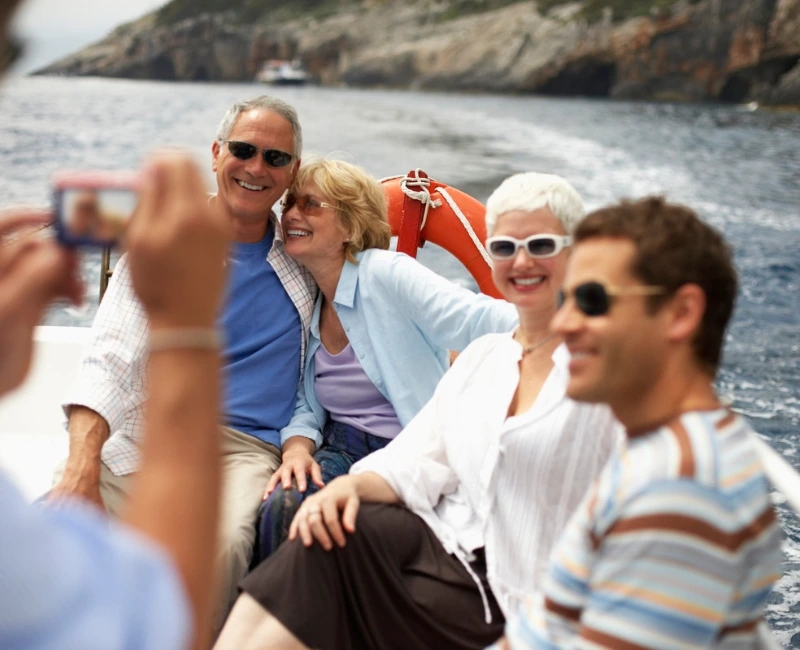
The Adriatic waters around Herceg Novi invite exploration by boat, offering unique perspectives on coastal geology, hidden coves, and neighboring settlements. Boat excursions range from half-day trips to full-day voyages, often departing from the Old Town marina. Common itineraries include sailing through the Bay of Kotor, stops at secluded beaches only accessible by water, and visits to picturesque fishing villages where local hospitality awaits. Crystal-clear waters are ideal for snorkeling and swimming off boat decks, with underwater visibility revealing marine life and rocky seabeds characteristic of the Adriatic.One popular route leads to Mamula Island, an islet featuring a 19th-century fortress, where visitors can learn about its history as a military outpost. Nearby Blue Cave excursions allow swimmers to experience luminous water effects as sunlight filters through underwater openings. For photography enthusiasts, the interplay of sea, mountains, and historic architecture provides endless subjects, especially during golden hour when light softens the scenery.Full-day boat trips may include crossing into Croatian waters to explore Dubrovnik’s coastline or the Elafiti Islands, depending on border regulations and operator offerings. These extended cruises combine sightseeing with opportunities to taste regional cuisine at waterfront eateries in small harbors, enriching the journey with cultural interaction. Shorter cruises often focus on sunset voyages directly from Herceg Novi, allowing travelers to witness the Adriatic’s palette shift as the sun dips behind mountains, accompanied by light refreshments on board.Adventurous options include kayaking or paddleboarding in calm bays, guided by local operators who supply equipment and safety gear. Fishing excursions, whether traditional or sport fishing, appeal to those interested in maritime traditions; catch-and-cook experiences may allow participants to prepare freshly caught fish under local guidance. Scuba diving and snorkeling trips can be arranged for certified divers, exploring underwater rock formations and small marine habitats near the coast.Safety and planning: travelers should choose licensed operators, verify weather conditions, and prepare sun protection and appropriate attire. Boat excursions often combine leisure with educational commentary on local ecology and history, enhancing appreciation for the Adriatic’s maritime heritage. Returning to shore in the evening, visitors can enjoy seaside dining of fresh seafood and local vintages, reflecting on a day spent experiencing Montenegro’s coastal wonders from the water.
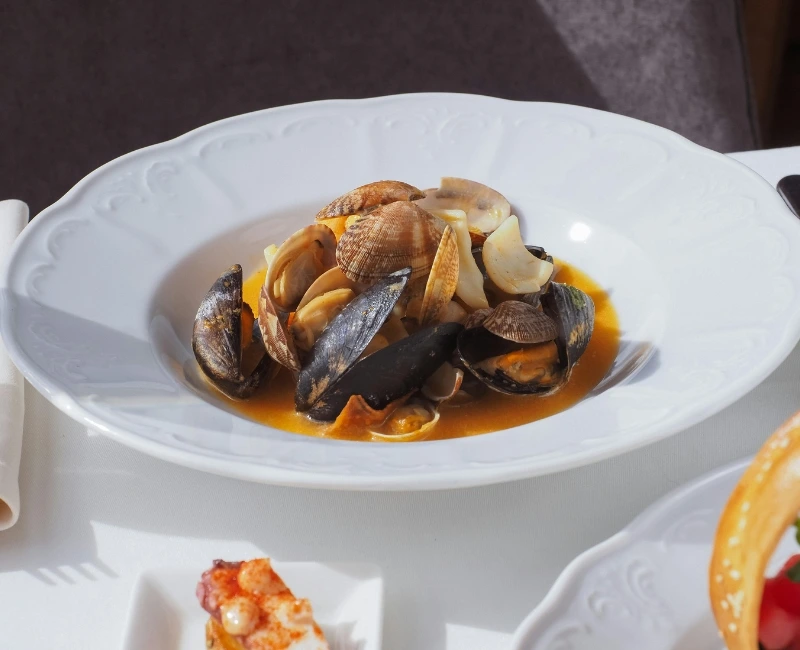
Montenegrin cuisine in Herceg Novi reflects coastal abundance and inland traditions, presenting a palette of fresh seafood, olive oils, herbs, and hearty mountain-inspired dishes. A gastronomic journey typically begins at seaside konobas, where grilled fish—such as sea bream or sea bass—is seasoned simply with olive oil, garlic, and local herbs, letting the freshness shine . Octopus salad, often served with olives and citrus, exemplifies Adriatic flavors, while mussels and clams prepared in wine or garlic sauces highlight regional shellfish. Aquatic delicacies are complemented by crusty local bread and crisp salads featuring tomatoes, peppers, and cucumbers, drizzled with olive oil produced in Montenegrin groves.Beyond seafood, Montenegrin specialties include kacamak (a maize porridge often served with cheese and cream), cicvara (a similar corn-based dish enriched with cheese), and slow-cooked meat stews reflecting inland influences. Seasonal products—wild mushrooms in autumn, berries in spring—find their way into soups, sauces, and desserts. Cheese varieties such as njeguški sir (smoked cheese) and local goat cheeses provide regional character, often paired with homemade prosciutto-style cured meats from nearby villages.Olive oil tasting experiences, available at local mills or agritourism sites near Herceg Novi, introduce travelers to traditional pressing methods and varietals unique to Montenegro’s coastal microclimate. Wine aficionados can sample Montenegrin reds (e.g., Vranac) and whites produced in inland vineyards, sometimes offered alongside tasting menus. Olive groves and vineyards tours combine scenic drives with culinary education, fostering understanding of how geography and climate influence flavors.Culinary workshops and cooking classes in Herceg Novi allow visitors to learn recipes passed down through families, such as preparing seafood-based risottos or traditional desserts like priganice (fried dough drizzled with honey or cheese). Markets in town showcase seasonal produce, artisanal products, and spices; engaging with local vendors reveals the community’s rhythms and sources of ingredients.For well-being seekers, Herceg Novi’s coastal setting and mild climate support wellness activities: beachfront yoga sessions, spa treatments featuring local herbs and sea-inspired therapies, and leisurely seaside promenades promote relaxation. Thermal and wellness centers in nearby areas leverage mineral springs or natural resources, offering massages, mud treatments, and wellness packages that combine rest with nutrition based on local organic produce.Culinary and wellness experiences in Herceg Novi emphasize sustainability and authenticity. Many establishments source ingredients locally, supporting small producers and reflecting Montenegro’s increasing focus on eco-friendly tourism. Dining with sea views at sunset, followed by a restorative spa session or a quiet stroll along the waterfront, encapsulates the balance of indulgence and rejuvenation characteristic of Adriatic travel.
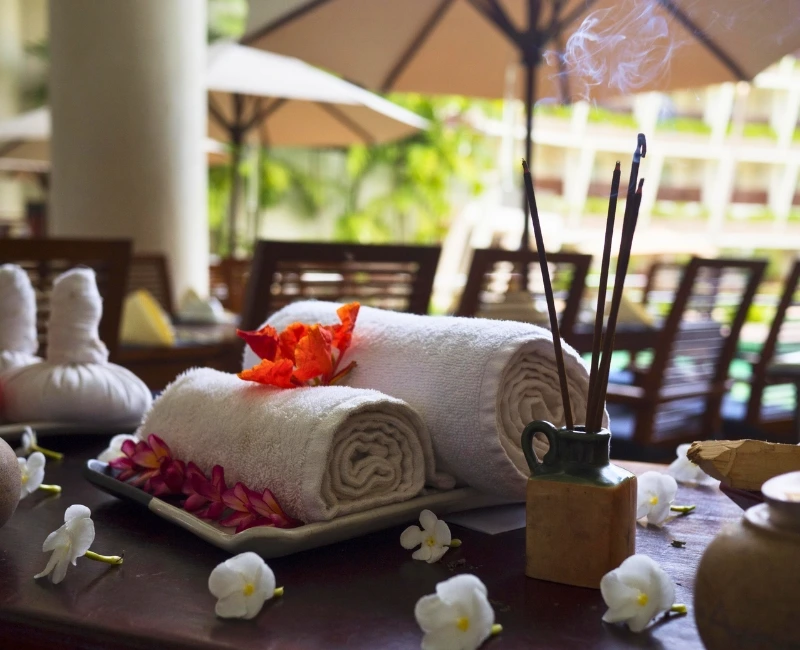
Herceg Novi’s serene coastal environment and favorable climate create an ideal backdrop for wellness retreats and relaxation. The town’s promenades, lined with fragrant pines and sea breezes, invite early-morning walks or gentle jogs that invigorate both body and mind. Several hotels and dedicated wellness centers offer spa treatments incorporating local ingredients—such as olive oil massage oils, herbal scrubs using mountain-grown herbs, and sea salt scrubs harnessing Adriatic minerals. These therapies often draw on traditional Montenegrin practices, combining modern techniques with regional botanical knowledge.Yoga and meditation sessions, sometimes organized on terraces overlooking the Bay of Kotor, allow practitioners to connect with nature’s rhythms as they stretch or reflect against panoramic views. Group or private classes cater to various levels, with instructors adapting sessions to ambient conditions—sunrise yoga for energy or sunset meditation for tranquil closure of the day. For holistic retreats, itineraries may integrate guided hikes on Mount Orjen, mindful walking in Old Town’s historic streets, and boat excursions focused on mindful observation of the sea, blending physical activity with mental calm.Thermal spas and health resorts in the wider Bay of Kotor region provide access to mineral-rich waters and specialized treatments targeting relaxation, circulation, and muscle recovery. Day passes or package deals enable visitors to enjoy thermal pools, saunas, steam rooms, and therapeutic baths. Combined with nutritious regional cuisine emphasizing fresh produce and seafood, these wellness offerings promote comprehensive rejuvenation. Nutrition consultations may highlight local dietary traditions—moderate portions of grilled fish, vegetables, and whole grains—underscoring balance and vitality.Massage therapies, from deep-tissue to aromatherapy using lavender or rosemary grown in Montenegrin hills, are widely available. Many spa menus include signature treatments inspired by local heritage, such as olive oil-based rituals or seaweed wraps that draw on Adriatic resources. Beauty treatments—facials, body wraps, or nail care—often incorporate natural ingredients like honey, figs, or grape seeds from Montenegrin vineyards, providing gentle, nourishing experiences.Wellness in Herceg Novi extends to simple pleasures: sipping herbal teas made from mountain herbs in quiet garden cafés, reading on pebble beaches with rhythmic waves, or enjoying leisurely boat rides that soothe the senses. Accommodation options range from boutique spa hotels to guesthouses offering personalized wellness packages, ensuring travelers can customize their experience. Seasonal timing matters: spring and autumn, with milder weather and smaller crowds, are especially conducive to immersive wellness retreats, whereas summer allows combining relaxation with more active pursuits like swimming and snorkeling.Ultimately, Herceg Novi’s wellness appeal lies in its integration of natural beauty, cultural authenticity, and modern amenities, enabling visitors to unwind fully while engaging with local traditions. Whether seeking a weekend reset or a longer rejuvenating stay, travelers find that the Adriatic’s gentle climate, scenic landscapes, and hospitable atmosphere create fertile ground for restorative experiences..

Choosing accommodation in Herceg Novi depends on traveler preferences: historic charm, sea views, or proximity to beaches and transport links. In the Old Town, boutique guesthouses in renovated stone buildings offer immersive experiences but may involve climbing stairs and narrower rooms; suitable for culture-focused travelers who value authenticity. Waterfront hotels and apartments along the promenade provide easy beach access and scenic vistas but typically command higher rates during peak months (July–August). Budget-conscious travelers may opt for family-run pensions or rooms with shared facilities slightly inland, balancing cost with convenience.Booking early for summer (June–September) is advisable as occupancy can be high during peak season; shoulder months (May, September) often yield better rates and availability. Many properties offer weekly discounts or package deals including breakfast; negotiating directly with owners (via email or local contacts) can sometimes secure more favorable terms. Considering British pound pricing in marketing materials helps UK customers assess value transparently—e.g., converting average nightly rates from euros to GBP at current exchange rates ensures clarity.For longer stays, serviced apartments or guesthouses with kitchen facilities enable budget management through self-catering, taking advantage of local markets to purchase fresh produce. Exploring nearby bakeries, cheese shops, and delis can reduce dining costs and foster engagement with local life. However, occasional meals at seaside konobas provide cultural insight and support local businesses. Travelers should account for local taxes or tourist fees that may apply; confirming final prices upon booking avoids surprises.Transport considerations influence budgeting: while Herceg Novi itself is walkable, excursions to Tivat, Kotor, or Budva require transport—buses are generally affordable, though schedules vary seasonally. Car rentals enable flexibility but add costs (fuel, parking, insurance); group travelers may find splitting expenses practical. Shared taxis or ride-sharing options can also be economical for short distances. Factoring transport costs into overall budgets ensures realistic planning, especially if visiting multiple Montenegrin destinations.Booking flexibility: some properties offer free cancellation up to a week before arrival, useful given changing travel circumstances. Reading recent reviews for service quality and reliability is crucial. For extended stays or remote work setups, verifying Wi-Fi quality and workspace amenities in advance prevents inconvenience. Many cafés and coworking-friendly spots in town provide alternatives for digital nomads wanting scenic settings without high accommodation rates.Seasonal budgeting: off-season visits (winter) can yield the lowest accommodation costs, though some services may reduce availability. However, winter’s mild climate still permits exploration of heritage sites and local life at a slower pace. For those prioritizing activities like hiking Mount Orjen or wellness retreats, off-peak pricing can be advantageous, though checking spa and excursion operator schedules ahead of time is recommended. In sum, aligning accommodation choices with budget, interests, and seasonality allows travelers to optimize costs while enjoying Herceg Novi’s offerings authentically.
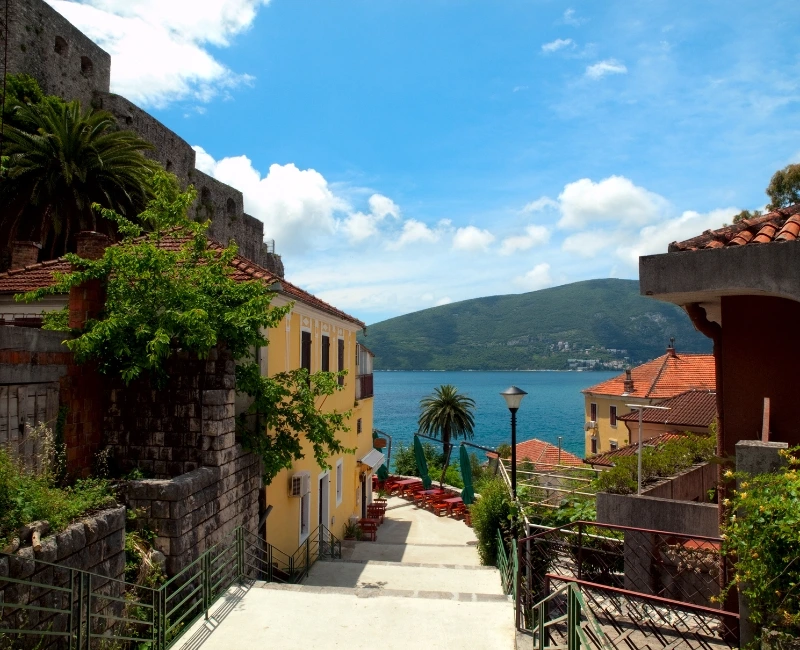
Navigating Herceg Novi and its surroundings involves a combination of walking, local transport, and organized excursions. The Old Town’s compact layout makes most attractions accessible on foot; comfortable footwear is recommended for uneven stone pathways and occasional steps. The seaside promenade connects key areas, ideal for leisurely strolls to beaches, cafés, and ferry docks. For longer distances—such as reaching Savina Monastery or beaches outside town center—local buses and taxis serve reliably, though schedules may be less frequent outside peak season.Regional bus services link Herceg Novi to Tivat, Kotor, Budva, and Podgorica, offering affordable options for day trips. Timetables vary by season, so consulting updated schedules locally (e.g., bus stations or accommodation hosts) ensures smooth planning. Shared taxis (minibuses) depart when filled, balancing cost with flexibility; negotiating prices in advance helps avoid misunderstandings. For maximum convenience, private transfers can be arranged for airport pickups (from Tivat, Dubrovnik, or Podgorica) or tailored day tours along the Adriatic coast.Boat transport is another dimension: ferry services connect Herceg Novi with nearby towns on the Bay of Kotor, such as Kamenari, offering scenic crossings and opportunities for combined routes (e.g., traversing the bay by boat and returning by bus). Private boat hires allow customized itineraries—visiting secluded coves, exploring Mamula Island, or crossing into Croatian waters around Dubrovnik, subject to border regulations and travel documentation. Always verify border crossing requirements and boat operator credentials.Day trips by car or organized tours reveal Montenegro’s diversity: excursions to Lovćen National Park (above Kotor) offer mountain vistas and visits to Njeguši village, known for traditional smoked ham and cheese. A drive through winding coastal roads leads to Budva’s beaches and nightlife or the historic town of Kotor with its UNESCO-listed Old Town. Inland, Lake Skadar National Park near Podgorica showcases birdwatching and boat cruises on the largest lake in the Balkans. Many operators provide guided tours combining heritage, nature, and gastronomy, often including tastings in wine regions or visits to olive mills.For independent travelers renting cars, understanding local driving norms and parking arrangements in Herceg Novi is important: parking near the Old Town can be limited, so accommodations offering private parking are advantageous. Fuel stations are available in nearby towns; ensuring timely refueling before remote drives is prudent. Road conditions vary; mountain roads may be narrow and winding, requiring careful driving, especially in off-season weather.Seasonal considerations: in summer, earlier departures for day trips avoid midday heat and crowds; in shoulder seasons, daylight hours and weather should guide itinerary choices. Checking weather forecasts before excursions, particularly for mountain hikes or boat trips, ensures safety. Engaging local guides for specialized activities (birdwatching, kayaking, hiking) enriches experiences and supports sustainable tourism practices.Ultimately, getting around Herceg Novi involves balancing self-guided exploration with curated tours. Embracing coastal ferries, mountain trails, and cultural itineraries allows travelers to experience Montenegro’s multifaceted allure, with Herceg Novi as a welcoming base. Proper planning—considering transport modes, seasonal schedules, and local advice—maximizes enjoyment and ensures smooth, memorable day trips.
No ads. No trails. No commitments


Alice Roses
London, England
51 ST MATTHIAS ROAD
NOTTINGHAM, NOTTINGHAMSHIRE
NG3 2HF
Hours: 8:00 - 17:00, Mon - Sat
support@johnsonholidays.com