 County Galway Travel
Guide
County Galway Travel
Guide
Paris is known around the world as the “capital of love,” and even if you don't understand the history of Paris at all

1.5 Hours
£4
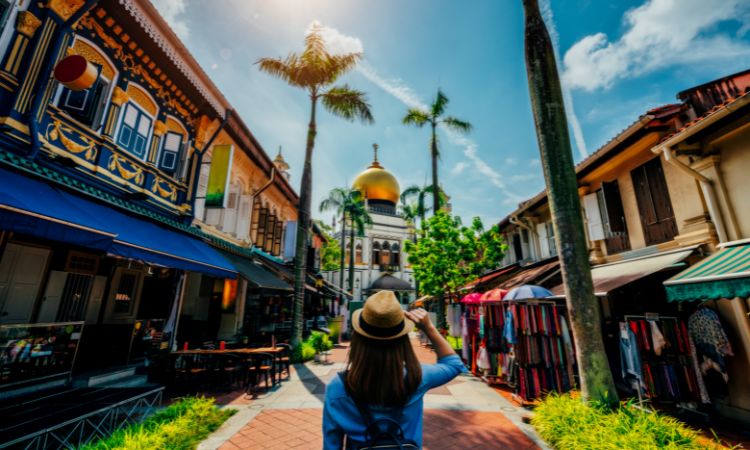
County Galway’s cultural tapestry blends Gaelic tradition with contemporary arts. In Galway City, street performances and traditional music sessions animate the lanes, inviting travellers into an immersive cultural experience. Visit heritage sites such as medieval castles, monastic ruins, and museums that chronicle centuries of Irish history. The county’s Gaelic roots are alive in Connemara villages and on the Aran Islands, where Irish language and folklore persist in daily life. Festivals—ranging from arts and literature to film and seafood celebrations—occur throughout the year, offering the chance to witness authentic local customs. Booking a trip here means engaging with living traditions that shape Galway’s unique identity.
Learn More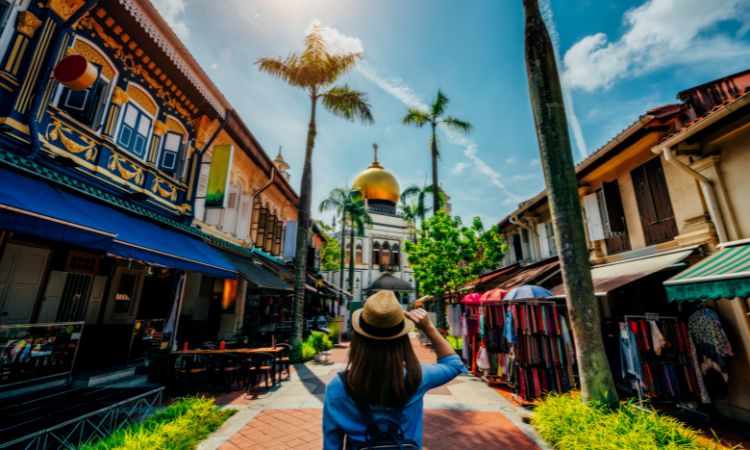
From the rugged mountains of Connemara to the serene lakes and wild Atlantic coastline, County Galway offers landscapes that captivate nature lovers. Hike the Twelve Bens range for panoramic views of bogs and sea vistas or explore quiet woodland trails around Lough Corrib. The Aran Islands present stark limestone pavements and windswept cliffs, perfect for exploration on foot or by bicycle. Scenic drives along coastal roads reveal hidden beaches and dramatic headlands. Wildlife spotting opportunities abound—seabirds, otters, and occasionally dolphins or whales offshore. Booking here provides access to some of Ireland’s most iconic natural scenery.
Learn More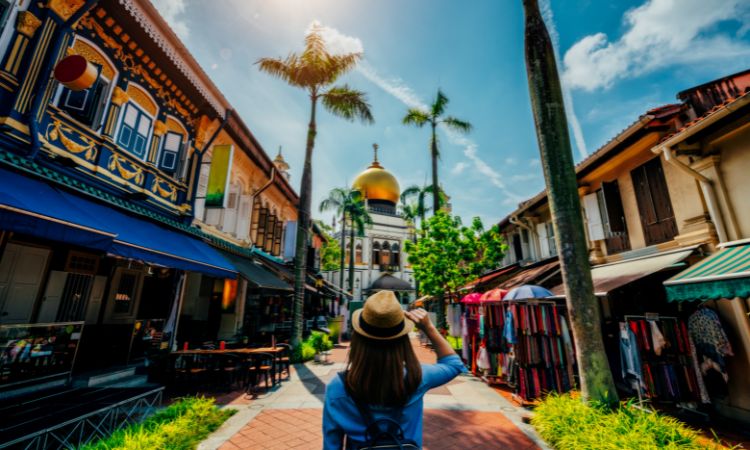
Adventurers find ample activities in County Galway. Trekking routes vary from gentle lakeside walks to challenging mountain ascents. Kayak or paddleboard on sheltered bays, or surf Atlantic breaks near Clifden. Cycle quiet country roads and forest trails, with bike hire available in many towns. Fishing enthusiasts can try freshwater angling in lakes like Corrib, or sea angling charters along the coast. Golf courses with coastal or mountain backdrops cater to golfers of various levels. Guided tours—sea kayaking, horse riding in Connemara, or coasteering—allow safe, structured experiences. Booking here promises heart-pumping outdoor pursuits in varied landscapes.
Learn More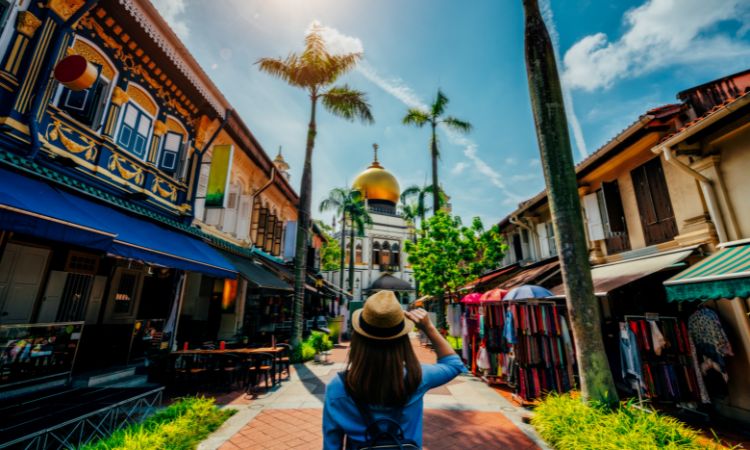
Galway’s food scene celebrates local produce—seafood fresh from the Atlantic, artisanal dairy, and seasonal vegetables. Sample oyster platters along the coast or enjoy hearty stews in cosy pubs. Farm-to-table restaurants highlight regional ingredients; expect to budget around £15–£25 per main dish, with pint prices around £4. Discover local bakeries offering soda bread, and farmers’ markets in Galway City showcasing fresh goods. Food festivals and tasting trails—such as seafood festivals and artisan craft fairs—provide immersive culinary exploration. Booking a trip here ensures delicious encounters with Irish gastronomy.
Learn More
Galway is renowned for its festival calendar: arts, film, literature, and music festivals draw international audiences. The Galway International Arts Festival and Oyster Festival are highlights, creating vibrant atmospheres. Traditional music sessions occur nightly in pubs, offering authentic experiences. Smaller community events in Connemara villages or on the Aran Islands present local crafts, storytelling, and dance. Festivals often include food markets, workshops, and performances, appealing to diverse interests. Booking to coincide with these events offers enriched cultural immersion, so plan dates in peak months while considering accommodation availability.
Learn More
County Galway is accessible via direct flights to Galway Airport (GWY) in peak season or via Shannon (SNN), Knock (NOC), or Dublin (DUB) with onward ground transport. Well-maintained roads and bus services connect Galway City with rural areas. Car hire provides flexibility for exploring remote locations; public transport options include buses and ferries to the Aran Islands. Many tour operators offer day trips to Connemara or islands, simplifying logistics. Booking here allows a seamless mix of independent exploration and guided experiences, ensuring travellers can maximize time in diverse settings.
Learn More
Lorem ipsum dolor, sit amet consectetur adipisicing elit. At illo adipisci iusto
From

Because more than 268 other customers have loved us too

Demonstrates commitment to user data security through encryption and secure payment practices
Learn More
Demonstrates commitment to user data security through encryption and secure payment practices
Learn More
Demonstrates commitment to user data security through encryption and secure payment practices
Learn More
Demonstrates commitment to user data security through encryption and secure payment practices
Learn More
Quality as judged by customers. Book at the ideal price!


/ person
/ person
/ person
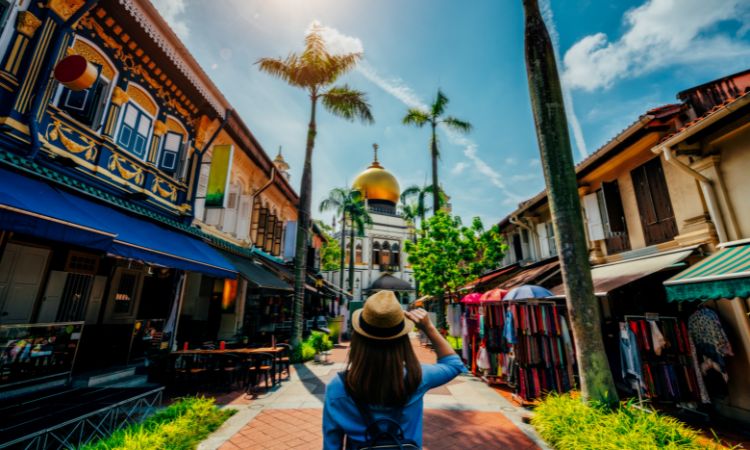
Galway City, often called the “Cultural Heart of Ireland,” offers an immersive journey into both modern arts and ancient traditions. As you stroll through its colourful streets, buskers and musicians fill the air with melodies, reflecting a living music scene that blends traditional Irish tunes with contemporary influences. Architectural highlights include medieval city walls, Spanish Arch, and Galway Cathedral, each bearing witness to centuries of history. Dive into museums and galleries showcasing local artistry, crafts, and historical artefacts that chronicle Galway’s evolution from a medieval trading port to a vibrant international city.Mealtimes further enrich cultural understanding: sample locally inspired dishes in pubs hosting nightly trad sessions, where the communal atmosphere fosters connections with locals and fellow travellers. Seasonal events such as literary evenings, theatre performances, and arts festivals punctuate the calendar, providing a chance to engage directly with creators. For those interested in language, participate in Gaelic language workshops or witness signage in Irish across the city, reflecting efforts to preserve linguistic heritage.Wander through Galway’s Latin Quarter, where narrow alleys reveal hidden courtyards and thriving arts spaces. Engage with craftspeople in artisan studios offering handmade jewellery, textiles, and pottery that bear the mark of regional creativity. Film enthusiasts can catch screenings at independent cinemas highlighting Irish and international cinema. Evening entertainment extends from traditional music pubs to contemporary live music venues, ensuring varied options for all tastes.To deepen your understanding, consider guided walking tours led by local storytellers, recounting tales of pirate traders, medieval merchants, and legendary figures. A visit to nearby heritage sites—such as the 16th-century Dunguaire Castle overlooking Galway Bay—expands context beyond the city. By booking time in Galway City’s cultural core, you embrace a dynamic environment where history and innovation coalesce, leaving lasting impressions of Irish artistic spirit.
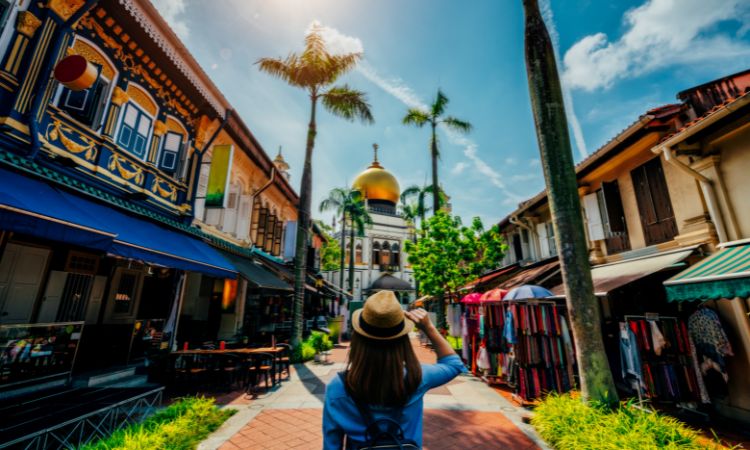
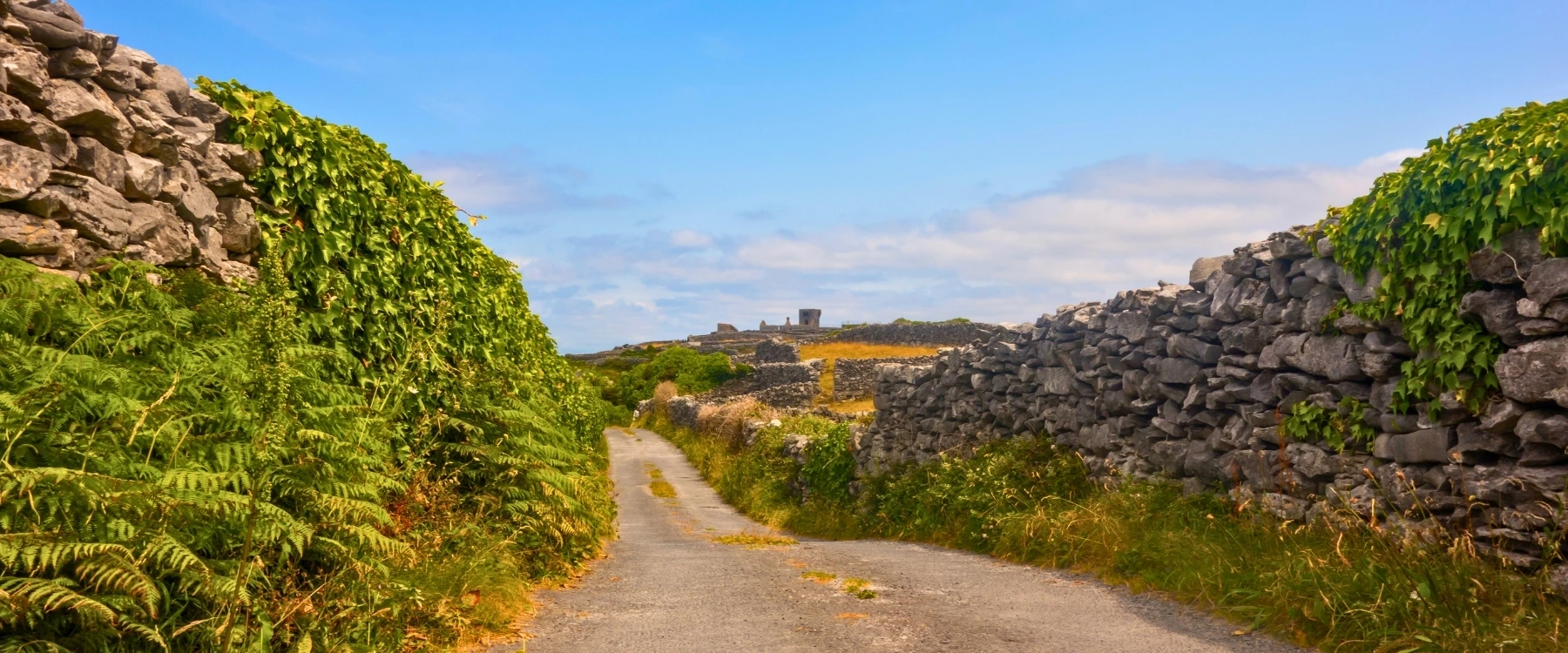
The Aran Islands—Inis Mór, Inis Meáin, and Inis Oírr—stand as bastions of Gaelic tradition and rugged beauty. A ferry or scenic flight from Galway City delivers you to landscapes shaped by limestone pavements and Atlantic winds. Life here unfolds at a gentler pace: villages with whitewashed cottages, stone walls crisscrossing fields, and the echo of the Irish language in daily conversation. Explore prehistoric forts, such as Dun Aonghasa on Inis Mór, perched dramatically atop cliffs, offering panoramic Atlantic views that evoke ancient connections to sea and land.Cycling or walking across the islands allows close-up encounters with traditional lifestyles: watch fishermen mend nets, artisans craft knitwear bearing timeless patterns, and farmers tend sheep on rocky terrain. Cultural centres host demonstrations of weaving, storytelling sessions recounting island lore, and musical gatherings in intimate settings. Seasonal variations shape experiences—spring brings wildflowers among the rocks; summer offers long daylight hours to explore; autumn and winter present quieter, contemplative visits with dramatic weather patterns showcasing nature’s power.Accommodation ranges from cosy B&Bs serving hearty breakfasts to small guesthouses with sea views; meals often feature freshly caught seafood and local produce. Practical planning in British pounds helps set expectations: island ferry and accommodation costs can be converted to GBP for seamless budgeting. Engage with island guides who provide context on archaeological sites, local ecology, and linguistic heritage, enriching your understanding of how islanders have adapted to challenging environments over centuries.Photography enthusiasts will relish capturing rugged coastlines, stark stone landscapes, and rustic homesteads under ever-changing skies. Birdwatchers can spot seabird colonies nesting on cliffs, while tide pools reveal marine life along rocky shores. Despite relative remoteness, basic amenities ensure comfortable stays, and warm hospitality greets every visitor. By dedicating time to the Aran Islands, you connect with a living heritage that preserves cultural identity in a spectacular natural setting, making this guide an essential part of your County Galway journey.
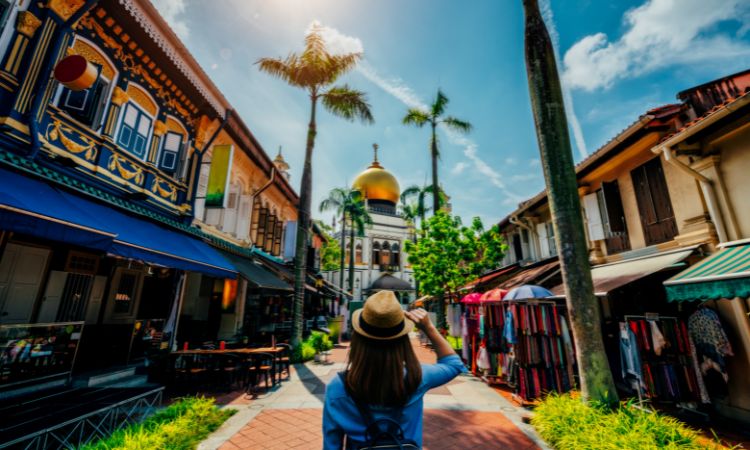
Connemara National Park spans diverse terrain where mountains, bogs, woodlands, and coastline meet. Hiking trails cater to various ability levels, from gentle loops around the Visitor Centre to challenging ascents of Diamond Hill, which reward trekkers with sweeping ocean and mountain vistas. Paths weave through heathland dotted with wildflowers in summer and offer moorland panoramas in other seasons. Weather can change rapidly—dress in layers and carry waterproofs—and always check local guidance before setting out.Experienced hikers may tackle longer routes across the Twelve Bens mountain range, requiring navigation skills and proper gear. Guided walks led by local experts offer insights into flora, fauna, and geology, explaining how glacial activity shaped the landscape. After exertion, rest at park picnic areas or nearby villages with traditional pubs offering warm meals and refreshments. Keep an eye out for Connemara ponies grazing in rugged terrain, emblematic of the region.Water-based adventures complement hiking: kayaking on glacial lakes like Killary Fjord—Europe’s only fjord—reveals dramatic cliffside scenery. Sea kayaking excursions along the coastline add adrenaline and perspective on sea caves and marine wildlife. Fishing enthusiasts can arrange freshwater angling or sea angling charters. Cyclists can traverse quiet country roads with rental bikes available in towns such as Clifden. Horse-riding tours through scenic valleys provide an alternative perspective on Connemara’s vastness.Nature photography thrives here: capture mist-shrouded mountains, reflective lakes, and wildlife such as otters or birdlife along shores. Seasonal shifts—from vibrant greens in spring to muted autumnal hues—offer varied palettes. Outdoor enthusiasts should plan logistics: accommodation in nearby villages or self-catering cottages, with costs converted to pounds for budgeting. Pack essentials: sturdy footwear, map or GPS device, snacks, and water.Safety is paramount: inform others of your route, respect changing conditions, and consider guided options if unfamiliar with remote terrain. By engaging fully with Connemara’s outdoors offerings—hiking, kayaking, cycling, horse riding—you experience one of Ireland’s most iconic wilderness areas. This guide equips you to plan a balanced adventure that respects natural environments while delivering memorable experiences in County Galway’s wild heart.
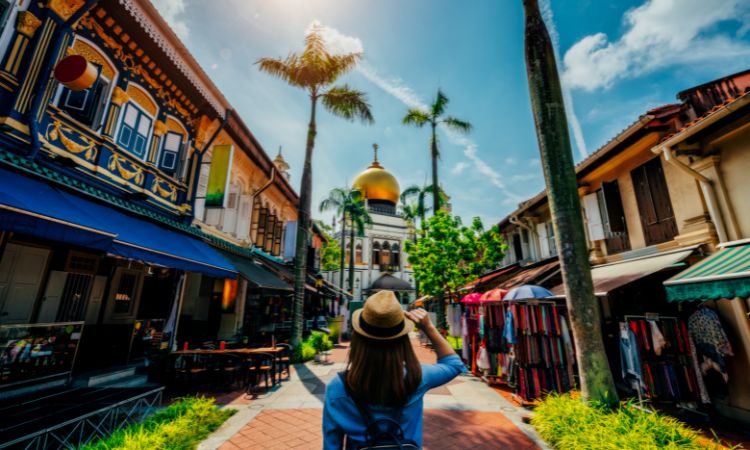
County Galway’s coastline and waterways invite a host of aquatic adventures. Sea kayaking tours launch from spots such as Roundstone or Clifden, allowing paddlers to explore hidden coves, sea caves, and observe marine life including dolphins or seals. For those seeking waves, surfing schools near beaches like Dog’s Bay or Ballyconneely offer lessons suited to different skill levels; check seasonal conditions and book ahead in peak months.Fishing excursions—both sea and freshwater—can be arranged locally. Sea angling charters depart from fishing villages, promising catches of mackerel, pollock, or even game fish in deeper waters. Inland, lakes such as Lough Corrib present freshwater angling opportunities for trout and salmon, with local guides providing equipment and expertise. Sailing enthusiasts may charter boats in Galway Bay to experience coastal waters from a different vantage point.Boat tours also include wildlife-watching cruises along rivers and bays, offering chances to spot birdlife, seals, or occasionally dolphins. For a more relaxed experience, scenic cruises on Lough Corrib or along the Corrib River provide a tranquil way to appreciate lakeside vistas and historic lakeshore estates. Stand-up paddleboarding on sheltered bays combines gentle exercise with stunning scenery.As an alternative, cliff-walking along the Atlantic shorelines reveals dramatic drop-offs and impressive vistas; some sections require caution due to slippery terrain. Guided coastal hikes ensure safety while offering local knowledge of geology and habitats. Accommodations near the coast range from seaside cottages to B&Bs with ocean views; factor ferry or boat tour costs in British pounds when budgeting.Equipment rental and guided services are generally available in towns such as Clifden, Roundstone, and Galway City. Safety briefings and appropriate gear—life jackets, wetsuits—are provided by reputable operators. Plan activities according to weather forecasts, as Atlantic conditions can shift quickly. By exploring coastal and water-based adventures in County Galway, travellers combine excitement with the chance to connect deeply with Ireland’s wild Atlantic environment.
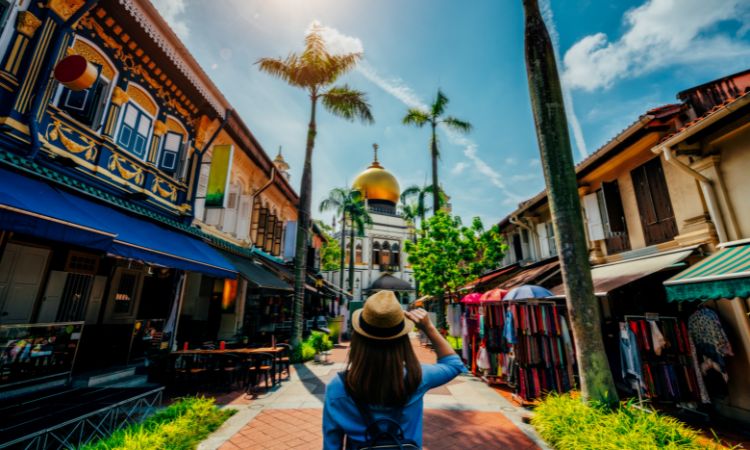
Food lovers will relish County Galway’s vibrant culinary scene, which celebrates fresh, local produce and traditional Irish flavours. Galway City’s farmers’ markets and artisan food stalls showcase seasonal vegetables, dairy products, baked goods, and seafood. Wander market stalls to sample cheese, breads, jams, and freshly caught oysters; with prices converted to British pounds, expect to spend around £3–£5 per tasting portion. Weekly markets in town centres allow direct interaction with producers, sharing stories behind ingredients.Culinary tours guide visitors through hidden gems: family-run cafés serving hearty breakfasts, bakeries offering soda bread and pastries, and speciality delis stocking cured meats and local cheeses. Dining extends to seafood restaurants and gastropubs where menus highlight Atlantic catch such as fresh fish or shellfish. Mid-range dinners might cost £20–£30 per person; pint prices around £4 facilitate relaxed evenings in convivial pub settings. Seasonal food festivals—oyster festivals, seafood celebrations, artisan fairs—offer immersive experiences, from tasting events to cooking demonstrations.Beyond Galway City, explore Connemara’s farm-to-table experiences: visit working farms to learn about artisan cheese production or traditional dairy methods. Some estates provide tastings paired with locally distilled spirits or craft beers. On the Aran Islands, B&B hosts often prepare home-cooked meals featuring island produce. Cooking workshops may be available, teaching recipes for soda bread or traditional stews. Engaging with local chefs or producers deepens understanding of Irish culinary heritage.To plan ahead, check festival dates and book dining reservations, especially in peak months when popular venues fill quickly. Transport considerations include ferry or flights to islands and driving distances between rural producers. Budget for food tours, tastings, and meals in pounds for ease. Dietary preferences, including vegetarian or gluten-free options, are increasingly accommodated in Galway’s dining scene.Capturing the social aspect of food, evenings in pubs feature live music alongside hearty fare, forging communal experiences. Friendly banter with locals over a meal creates memorable moments. By following Galway’s food trails and markets, travellers engage all senses, discovering how the county’s landscapes and traditions shape its cuisine. This guide section equips food enthusiasts with insights to navigate Galway’s gastronomic offerings.
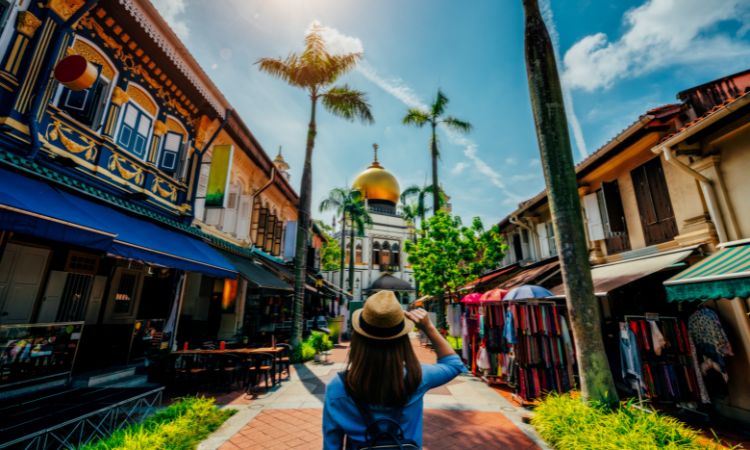
Discovering County Galway’s beverage culture involves exploring traditional pubs and artisanal distilleries. Galway City’s historic pubs host nightly traditional music sessions where visitors can enjoy a pint (around £4) alongside lively tunes. These venues often serve simple yet satisfying dishes—stews, soups, and seafood chowders—that pair well with local draught beers or ciders. Engaging with locals over music and drink offers authentic social immersion.For spirits enthusiasts, nearby craft distilleries produce small-batch whiskey, gin, and poitín, reflecting Ireland’s resurgence in artisanal spirits. Distillery tours explain production processes—from grain sourcing to distillation—and conclude with tastings. Costs for tours and tastings, converted into British pounds, help budget around £15–£25 per person. Some distilleries also feature shop sections offering limited-edition bottles or merchandise, ideal for souvenirs or gifts.On the Aran Islands or in Connemara villages, smaller pubs provide intimate settings where traditional conversation and music continue. Sampling local craft beers or ciders reveals regional flavours—some breweries experiment with seaweed-infused ales or berry-forward ciders, capturing the essence of local produce. Responsible tasting tours can be organized, combining visits to multiple venues with insights into brewing and distilling heritage.Plan your visits according to opening hours and seasonal schedules; festivals sometimes feature pop-up bars or tasting events showcasing new releases. Booking ahead for distillery tours is recommended in peak season. Transport logistics may include guided tours or designated drivers, ensuring safety. Budgeting in British pounds streamlines expense tracking, with average drink costs clearly indicated.Evening pub visits offer more than beverages: storytellers, poets, and folk singers occasionally perform, adding cultural depth. Some venues host quiz nights or special themed evenings, integrating music, literature, and community engagement. For a deeper dive, pair distillery visits with local food tastings—cheese boards or small plates designed to complement spirits.This guide section helps travellers understand where and how to experience Galway’s drink culture, from bustling city pubs to remote village taprooms and artisanal distilleries. By engaging responsibly and planning logistics, visitors enjoy conviviality, heritage insights, and distinctive flavours that define County Galway’s vibrant beverage scene..
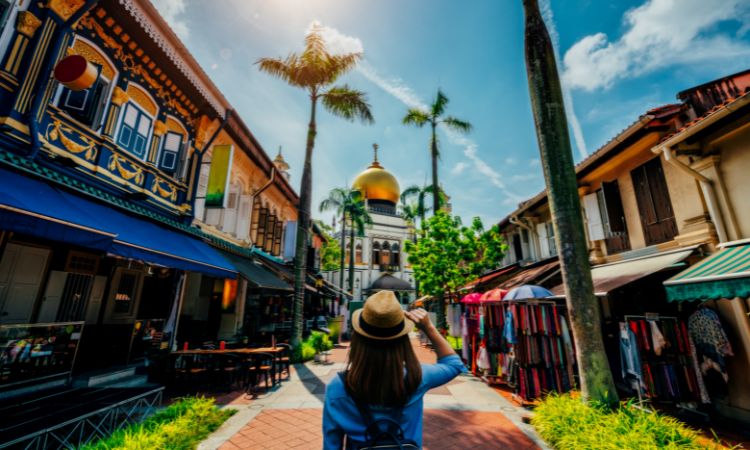
Galway’s festival calendar sets the pace for cultural engagement year-round. The Galway International Arts Festival, held each summer, transforms the city with theatre performances, art exhibitions, music concerts, and street events. Audiences experience local and international artists across venues—from historic theatres to outdoor stages. Booking accommodation and event tickets early, with costs converted into British pounds, ensures you secure spots during this popular period.The Galway Oyster Festival celebrates seafood and local culinary prowess each autumn, featuring oyster tastings, cooking demonstrations, live music, and cultural showcases. Participants taste freshly shucked oysters alongside local beers or wines, with tasting session prices around £10–£15 in pounds. The festival’s festive atmosphere includes parades, workshops, and family-friendly events. Planning ahead helps manage budget and schedule, particularly for foodies keen on experiencing Atlantic flavours.Music aficionados can align visits with trad sessions held nightly, or attend larger events featuring folk, indie, or contemporary genres. Venues span cosy pubs to larger concert halls. Check schedules for special performances during festival periods. Literary events, such as the Galway Book Festival, draw writers and readers into readings, workshops, and discussions. Engaging with these events offers deeper insights into Irish creativity.Smaller community festivals in Connemara and on the Aran Islands include storytelling gatherings, traditional dance fairs, and craft markets. These more intimate events allow travellers to connect with local communities, often in scenic outdoor settings. Dates vary by locality; research and local tourism offices can provide up-to-date schedules. Costs for participation—workshops or entry fees—should be budgeted in pounds for clarity.Family-friendly festival offerings include workshops for children, street performances, and interactive sessions that blend education with entertainment. Evening events may include fireworks or light displays. Weather in Galway can be changeable; pack layers and waterproof gear to ensure comfort during outdoor events. Many festival venues are within walking distance in Galway City, but some require transport to rural settings; consider car hire or guided tours.This festival-focused guide equips visitors to plan trips that coincide with Galway’s dynamic event calendar. By budgeting in British pounds, booking in advance, and preparing for variable weather, travellers can fully participate in immersive cultural celebrations that define County Galway’s spirited character.
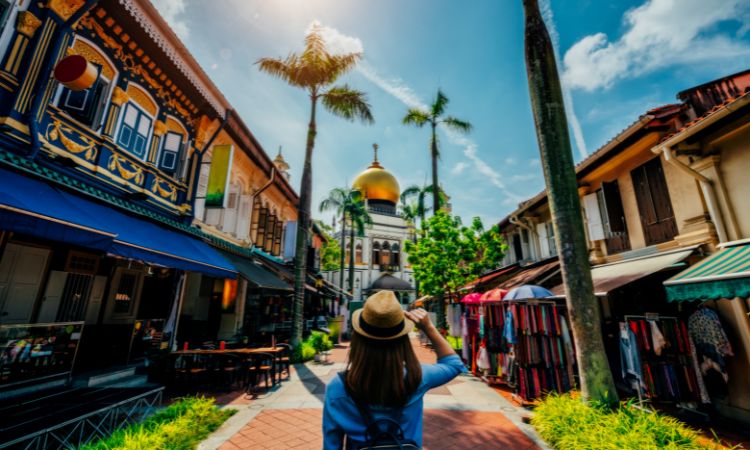
Beyond marquee festivals, County Galway hosts a wealth of seasonal and local celebrations reflecting community spirit. In spring, floral and heritage events highlight rural traditions: village fairs featuring livestock shows, craft demonstrations, and traditional music underscore agricultural heritage. Visiting such fairs offers insight into local livelihoods; modest entry fees (around £5–£10) and market purchases can be budgeted in pounds.Summer sees numerous small-scale music sessions in coastal villages, outdoor concerts in historic settings, and artisan markets showcasing crafts, jewellery, and artworks. These events often occur in idyllic locations—harbourside amphitheatres or village greens—combining scenic beauty with cultural engagement. Costs are typically low or voluntary donations, making them accessible to budget-conscious travellers.Autumn harvest festivals celebrate local produce: apple picking events, farmers’ markets highlighting seasonal fruits and vegetables, and food fairs where producers offer tastings. These immersive experiences reveal how local communities value land and traditions. Participants may join workshops on preserving or cooking seasonal produce, with fees integrated into travel budgets in pounds.Winter celebrations include Christmas markets in Galway City and towns such as Clifden, featuring artisan gifts, festive foods, and decorative lighting. Cultural performances—choirs, theatre productions, and storytelling evenings—create warm communal atmospheres despite cooler weather. Accommodation costs may vary, but off-peak travel deals can be found; monitoring top deals in pounds helps secure better rates.Community festivals also include sports events—local regattas, cycling races, or charity runs—where travellers can observe or participate. These offer active engagement and connection with local residents. Check local tourism websites or community noticeboards (in person or via local sources) for schedules, then budget any participation fees appropriately.Transportation for rural events may require car hire or group tours; plan logistics in advance. Weather can be unpredictable year-round; pack versatile clothing to handle rain or sunshine. Engaging respectfully with local customs—greeting in Gaelic phrases where appropriate, supporting local vendors—enhances the experience. Many events support charitable causes, enabling visitors to contribute positively.This guide section encourages travellers to look beyond headline festivals to authentic community celebrations that showcase County Galway’s local character. By aligning travel plans with seasonal events, budgeting in British pounds, and embracing community hospitality, visitors enjoy genuine experiences that reflect the county’s warmth and traditions.
No ads. No trails. No commitments


Alice Roses
London, England
51 ST MATTHIAS ROAD
NOTTINGHAM, NOTTINGHAMSHIRE
NG3 2HF
Hours: 8:00 - 17:00, Mon - Sat
support@johnsonholidays.com