 Venetian Riviera Travel
Guide
Venetian Riviera Travel
Guide
Paris is known around the world as the “capital of love,” and even if you don't understand the history of Paris at all

2 hours
£4
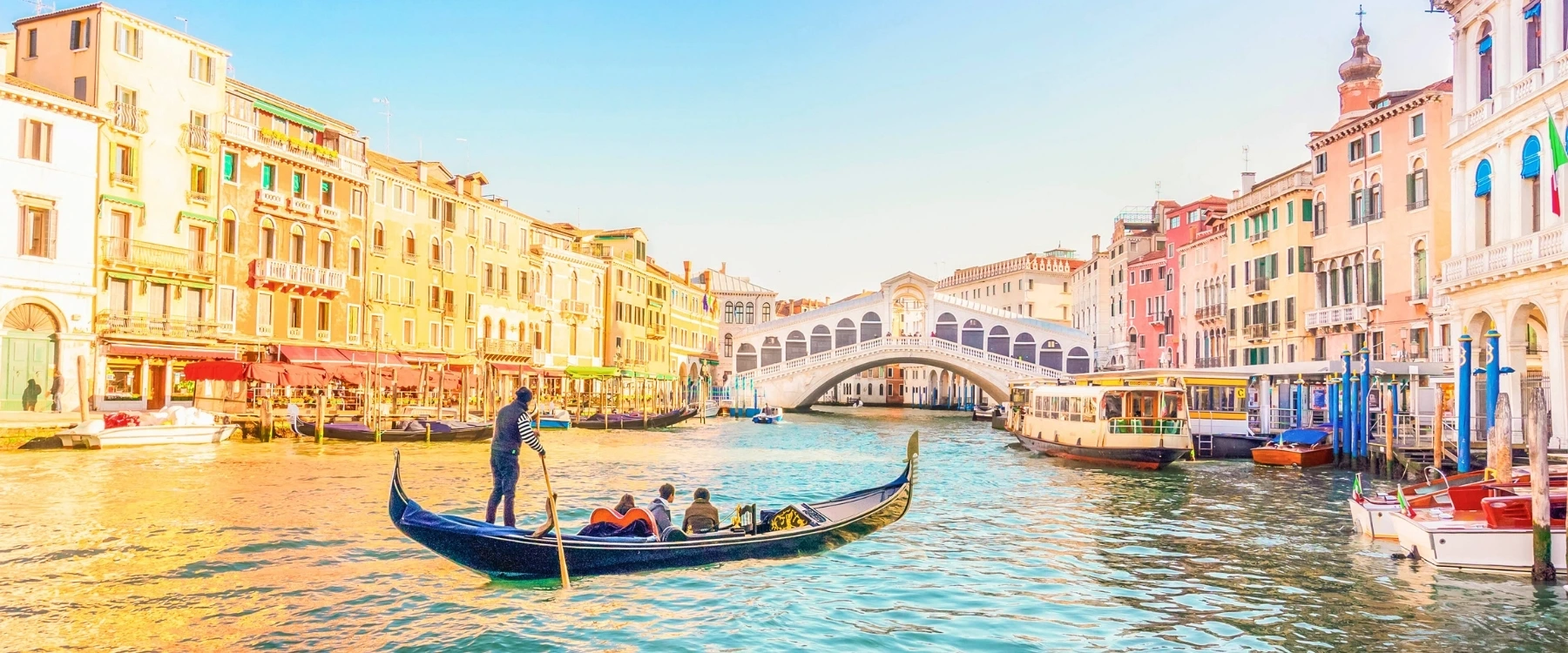
Experience a rare duality: explore UNESCO-listed lagoon cities and unwind on sandy Adriatic shores within the same trip. The Venetian Riviera seamlessly blends the romantic waterways of historic towns with golden beaches fringed by pine trees. One morning, wander narrow canals flanked by pastel facades; by afternoon, laze under a straw umbrella or try paddleboarding in gentle waves. This combination suits travellers who wish to mix cultural discovery with relaxed seaside downtime without long transfers. Every day can offer a new perspective: hidden lagoon islets at dawn, bustling promenades at midday, and serene sunsets over the water’s edge.
Learn More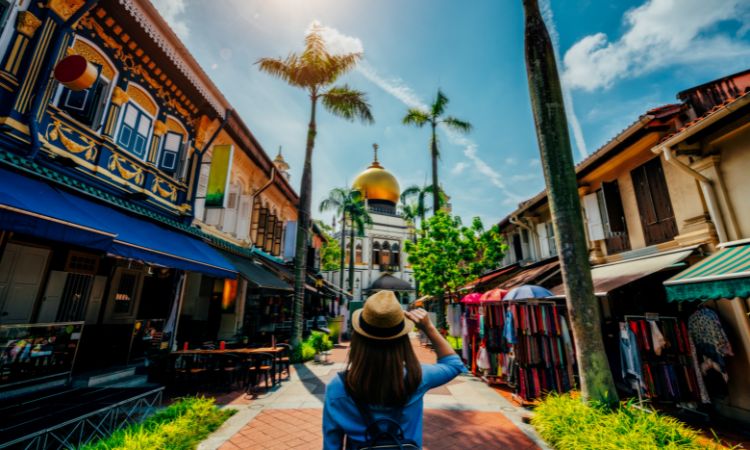
Savour the flavours of Veneto through freshly caught seafood, artisanal cheeses, and world-renowned Prosecco. Local kitchens craft dishes rooted in tradition—risotto al nero di seppia (squid ink risotto), baccalà mantecato (creamed cod), and cicchetti (Venetian tapas). Numerous family-run trattorie and agriturismi serve seasonal produce, while seaside fish markets offer a glimpse into everyday life. Wine lovers can venture to nearby vineyards for tasting sessions, sampling crisp whites and elegant reds. Cooking classes teach classic recipes, allowing travellers to bring home authentic techniques. Every meal becomes an opportunity to connect with local culture and terroir, making visits memorable for the palate as well as the heart.
Learn More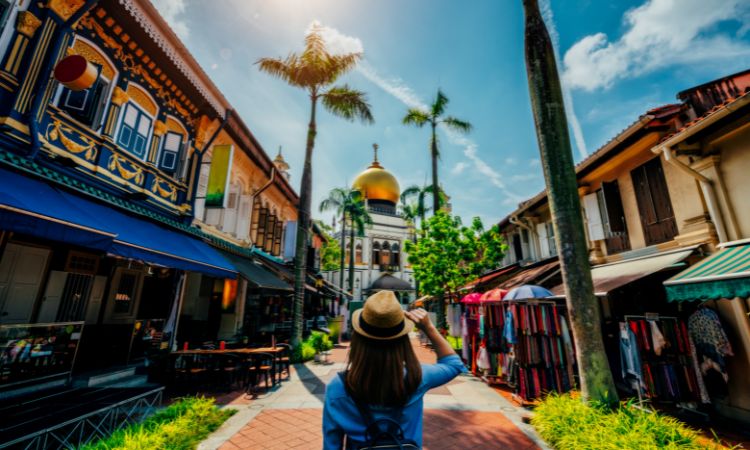
Beyond Venice’s fame, discover lesser-known gems like Chioggia, known as “Little Venice,” and Caorle, with its colourful houses and Romanesque cathedral. These towns offer canals, market squares, and quiet corners without overwhelming crowds. Walking tours reveal centuries-old churches, artisan workshops, and local festivals that celebrate maritime heritage. Small museums preserve boatbuilding traditions and lagoon ecology. The authenticity of these less-touristed centres provides immersive insights into everyday Venetian life, allowing travellers to feel part of the community rather than mere observers.
Learn More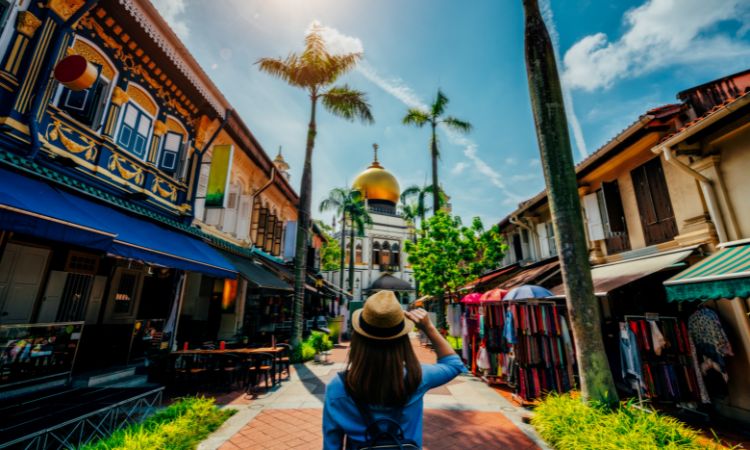
Families will find safe, well-supervised beaches with shallow waters ideal for children, plus waterparks and interactive museums to keep young minds engaged. Numerous beachfront resorts offer family rooms and amenities like kids’ clubs, playgrounds, and child-friendly menus. Excursions to nearby natural parks introduce children to wildlife and ecology. Boat trips across the lagoon or short ferry rides to small islands are thrilling adventures. With a relaxed pace, parents can balance sightseeing and downtime, creating stress-free holidays that cater to all ages.
Learn More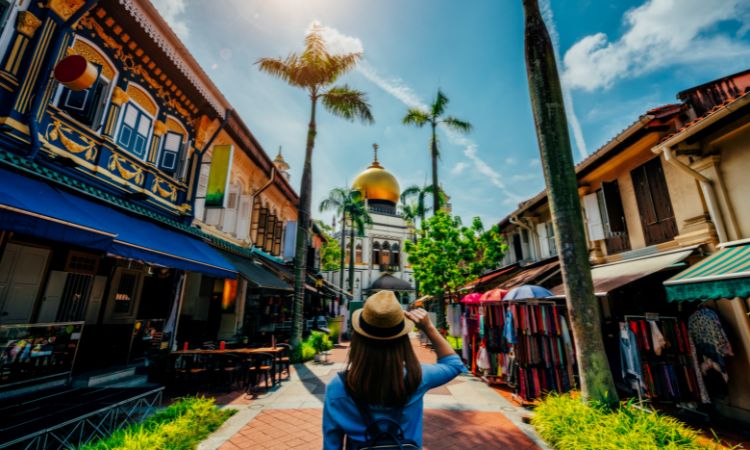
Reach the Venetian Riviera conveniently via Venice Marco Polo (VCE) or Treviso (TSF) airports. Once here, a network of water buses, regional trains, coaches, and ferries connects coastal towns and lagoon isles. Car hire is available for exploring inland vineyards and nature reserves. Well-organized public transport reduces the need for long drives, allowing travellers to focus on experiences rather than logistics. Transfer services and shared shuttles further simplify travel for those preferring door-to-door convenience.
Learn More
Throughout the year, the Riviera hosts festivals celebrating music, art, and culinary traditions. In summer, open-air concerts take place in historic courtyards and seaside amphitheatres. Gastronomic fairs spotlight seafood specialties and regional wines. Religious processions honor patron saints, offering colourful spectacles and communal gatherings. Film screenings under the stars, art exhibitions in restored palazzos, and craft markets create lively atmospheres where visitors mingle with locals. These events provide authentic windows into regional identity, making each visit unique depending on the season.
Learn More
Lorem ipsum dolor, sit amet consectetur adipisicing elit. At illo adipisci iusto
From

Because more than 268 other customers have loved us too

Demonstrates commitment to user data security through encryption and secure payment practices
Learn More
Demonstrates commitment to user data security through encryption and secure payment practices
Learn More
Demonstrates commitment to user data security through encryption and secure payment practices
Learn More
Demonstrates commitment to user data security through encryption and secure payment practices
Learn More
Quality as judged by customers. Book at the ideal price!


/ person
/ person
/ person
Nestled amid shimmering waters and reed-lined banks, the lagoon treasures of the Venetian Riviera offer travellers an evocative journey through centuries of maritime history and artistic achievement. Begin with an early-morning boat ride from the mainland to lesser-known islets where faded brick churches stand sentinel over quiet canals. As dawn’s light disperses mist, the stillness reveals wooden walkways and fishing boats tethered to ancient moorings, evoking stories of merchants, sailors, and artisans who once navigated these waters. In Chioggia—often dubbed “Little Venice”—colourful façades line narrow canals, and a centuries-old fish market buzzes with activity; witnessing local vendors negotiating catches connects you directly to traditions passed down through generations.Historic architecture abounds: Romanesque churches with intricately carved portals, bell towers rising above tile roofs, and palazzi adorned with fresco fragments hint at former grandeur. Guided walking tours highlight architectural influences from Byzantine mosaics to Gothic pointed arches, narrating how this coastal region served as a crossroads between East and West. Small museums house maritime artefacts—navigational instruments, ship models, and seafaring logs—illustrating the Riviera’s role in trade and exploration. Consider visiting local craft workshops where artisans still practice lace-making or glasswork techniques reminiscent of Venice’s golden age, offering insights into skills preserved against modern homogenization.Cultural immersion extends to seasonal festivities rooted in religious and communal observances. Attend a local sagra (village festival) celebrating the patron saint: processions with banners and lanterns wind through alleys, accompanied by traditional music. Tables laden with homemade specialties—fresh seafood pasta, polenta, and pastries—invite participation, encouraging travellers to taste and share in community spirit. In summer, historic courtyards may host classical concerts echoing off stone walls; in autumn, harvest celebrations honour grape-picking and olive pressing in nearby vineyards, linking coastal life with inland agrarian rhythms.Walking or cycling along lagoon edges reveals subtle ecological wonders interwoven with cultural heritage. Raised paths traverse wetlands where birdlife thrives; interpretive signage often explains how local communities historically balanced fishing with conservation. This interplay of nature and culture underscores the resilience of lagoon settlements, where inhabitants adapted to shifting waterways and marshy terrain. Photographers find endless motifs: reflections of bell towers in glassy canals, sunlit reeds framing narrow inlets, and weathered wooden poles marking old navigation channels.For history enthusiasts, day trips can include visits to small libraries and archives preserving medieval documents that recount trade agreements, ship registries, and local customs. Engaging with local historians or joining heritage tours deepens understanding of how the Venetian Republic’s influence extended into these coastal towns, shaping governance, art, and daily life. Even casual exploration—meandering through back streets, pausing at hidden squares where locals gather for espresso or gelato—reveals living heritage, reminding visitors that culture here is not confined to museums but thrives in everyday rhythms.
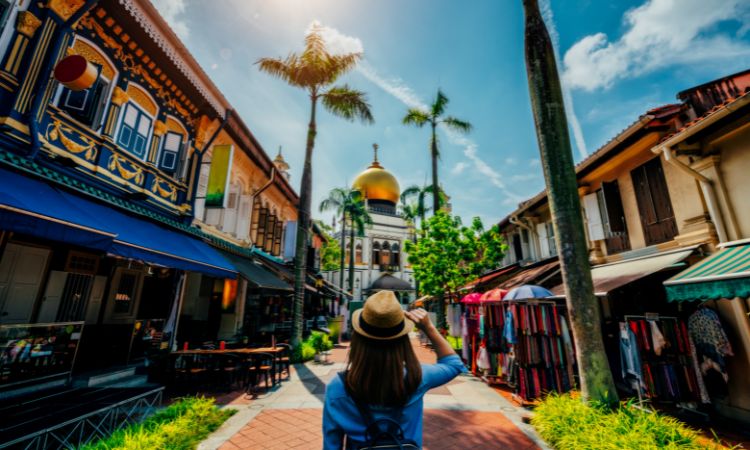
The historic seaside towns of the Venetian Riviera combine maritime legacy with authentic local life, offering travellers a tapestry of narrow canals, colourful houses, and centuries-old landmarks. While Venice often dominates the spotlight, towns like Caorle, Chioggia, and Portogruaro present equally compelling narratives in a more intimate setting. Caorle’s waterfront is defined by pastel-coloured buildings framing a Romanesque cathedral whose striped bell tower reflects in canal waters. Stroll through winding alleys where artisanal shops craft ceramics and textiles, and pause at small cafés serving regional pastries—here, the pace is unhurried, allowing genuine interactions with residents.Chioggia, at the southern tip of the lagoon, exudes a fishing-village charm. Bridges arch over narrow canals where fishing boats unload the day’s catch. The fish market opens early; visiting at dawn offers an immersive experience as vendors call out prices and locals select fresh seafood for home cooking. Nearby, the Cathedral of Santa Maria Assunta showcases art spanning centuries. Wandering here connects travellers to traditions shaped by generations of fishermen and traders who relied on the Adriatic’s bounty.Portogruaro, slightly inland but historically linked to maritime trade, features a serene canal running through its medieval centre. Renaissance façades, Gothic windows, and elegant loggias reflect prosperity accrued through commerce. Museums in vaulted cellars display maps, navigational charts, and merchant records, illuminating how goods flowed between Venice and inland Europe. Cultural events often enliven piazzas: open-air concerts, art exhibitions, and seasonal markets offering local crafts and foods. Participating in these events delivers authentic engagement, as travellers mingle with residents celebrating regional identity.Historical sites extend beyond architecture. Archaeological remains along the lagoon’s edge reveal earlier settlements where Roman and Byzantine influences converged. Guided excursions may include visits to small archaeological parks or interpretive centres explaining ancient lagoon management techniques. Understanding how inhabitants engineered canals, embankments, and fish ponds deepens appreciation of the delicate balance between human activity and shifting waterways.Even everyday experiences are steeped in history: dining in trattorie maintained by families for generations, where recipes remain largely unchanged; exploring weekly markets where farmers and fishers gather; or joining boat-building demonstrations that preserve traditional carpentry skills. Local guides often share oral histories—stories of storms that reshaped the coastline, of merchant ships navigating treacherous currents, and of community resilience in face of environmental changes. Such narratives enrich visits, transforming simple sightseeing into meaningful discovery.Seasonal rhythms influence the atmosphere. Spring brings flowering gardens and celebrations tied to agricultural renewal; summer offers lively beachfront promenades and open-air cinema nights; autumn harvests highlight wine and olive oil; winter’s quieter months allow introspection in near-empty lanes, when few tourists wander and local life unfolds at its own pace. Travellers who visit off-peak gain unique insights, from misty mornings on deserted piers to convivial gatherings in cosy osterie. Whether drawn by architecture, history, or the promise of authentic encounters, visitors to these seaside towns find that every stone, canal, and culinary specialty tells a story woven into the broader tapestry of the Venetian Riviera.
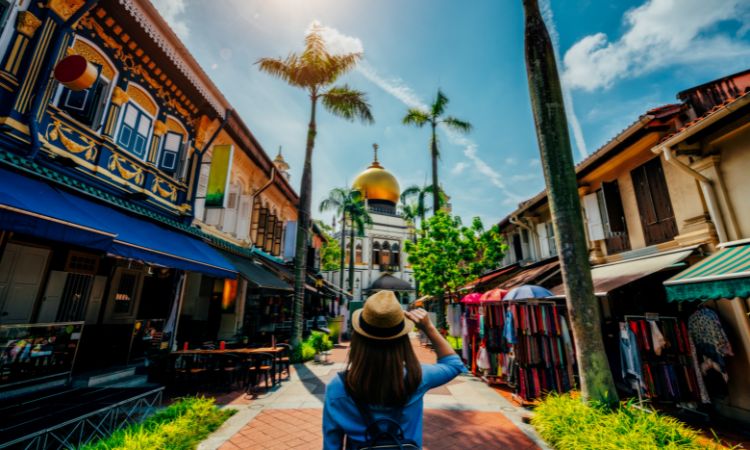
Jesolo, one of the longest and most renowned beaches on the Venetian Riviera, stretches for over 15 kilometres of fine golden sand lapped by gentle Adriatic waves. Ideal for sun-seekers and families, the beach is equipped with modern amenities—sunbeds, umbrellas, beach clubs offering refreshments, and lifeguard services ensuring safety. Early risers may enjoy a serene morning stroll along the shore, observing fishermen hauling nets, while midday brings vibrant energy: colourful beach umbrellas dot the sand and children build sandcastles, laughter mingling with the soft sound of waves.Water sports enthusiasts find abundant options: paddleboarding in calm waters, windsurfing lessons in designated zones, and kite-surfing further out when winds pick up. Boat tours launch from nearby marinas, offering short excursions along the coast or into the lagoon at dawn to observe migratory birds. For wellness travellers, numerous beachfront wellness centres offer yoga at sunrise, guided meditation overlooking the sea, and spa treatments incorporating local marine ingredients. The combination of fresh sea air and gentle ocean rhythms fosters relaxation and rejuvenation.Beyond the main strip, quieter sections reward those seeking tranquility. Pine-scented trails parallel the beach, ideal for cycling or jogging amid dappled shade. Picnic spots beneath umbrella pines welcome families to enjoy lunches of local produce—fresh bread, cheeses, cured meats, and fruit—while listening to birdsong. Nature reserves nearby, such as the Vallevecchia Wetlands, provide guided birdwatching tours where herons, egrets, and flamingos glide through shallow waters. These protected areas underscore the Riviera’s ecological significance and offer serene contrasts to the livelier beachfront.Jesolo’s beachfront promenade comes alive in the evening, with open-air markets showcasing handcrafted goods, local delicacies, and gelato stands serving artisanal flavours. Dining options range from casual pizzerias to seafood restaurants specializing in catch-of-the-day preparations; tables on terraces offer panoramic sea views as daylight fades into sunset hues. After dinner, beach bars host live music or DJ sets, creating a festive seaside atmosphere for those who enjoy nightlife, while quieter lounges cater to travellers preferring a relaxed drink under starlit skies.Accommodation along Jesolo caters to varied budgets and styles. Family-run guesthouses emphasize personalised service and local charm; larger resorts provide comprehensive facilities—pools, playgrounds for children, and organized excursions to nearby attractions. Many properties integrate sustainable practices: solar panels, water-saving measures, and beach-club partnerships committed to waste reduction. Travellers conscious of environmental impact can choose eco-certified options and support initiatives preserving coastal ecosystems.Jesolo also serves as a base for exploring nearby islands and lagoon landscapes. Ferries connect travellers to lesser-known islets where they can kayak through narrow canals or visit small fishing communities. Cycling paths link Jesolo to inland villages and vineyards, inviting day trips that combine beach relaxation with cultural discovery. Seasonal events—beach sports tournaments, sand sculpture festivals, and open-air concerts—add variety to stays, ensuring each visit unveils something new.Whether you seek lively beachfront energy or peaceful natural retreats, Jesolo’s sandy beaches exemplify the Venetian Riviera’s capacity to cater to diverse travel styles. Here, the soothing rhythm of the Adriatic meets well-developed infrastructure and opportunities for eco-conscious exploration, making it a standout highlight in any Riviera itinerary.
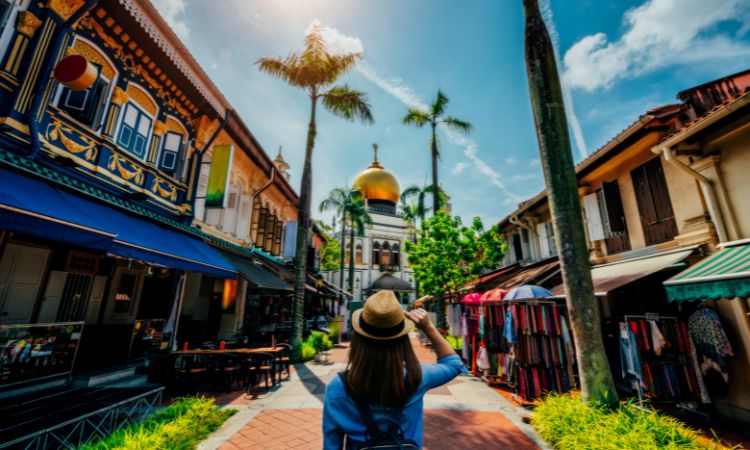
The Venetian Riviera’s coastal wildlife and nature reserves reveal an essential aspect of the region’s charm: its rich biodiversity and the harmonious coexistence of human settlements with delicate ecosystems. The lagoon and adjacent wetlands form one of Europe’s most significant resting spots for migratory birds. Guided tours in reserves such as Vallevecchia Wetlands, Caorle Lagoon Nature Park, and portions of the Venetian Lagoon introduce travellers to habitats where flamingos, herons, egrets, and myriad waterfowl gather seasonally. Skilled local guides share insights on bird behaviour, seasonal migration patterns, and conservation efforts that protect these environments.Kayaking excursions through reed-lined canals allow close-up encounters with wildlife. Paddling silently, visitors may spot kingfishers darting along banks, frogs croaking in hidden pools, and fish shimmering beneath shallow waters. Interpretive experiences often include explanations of traditional lagoon management: how communities historically balanced fishing, clam harvesting, and agriculture with ecosystem preservation. Visiting salt marshes highlights the role of salt production in shaping coastal landscapes, where salt pans attract specific bird species and create distinctive scenic panoramas.Nature walks along raised boardwalks traverse marshy terrain without disturbing habitats. Informative signage and occasional observation towers provide vantage points for photography and wildlife observation. In spring and autumn, guided birdwatching events coincide with migration peaks, offering opportunities to witness large flocks in transit. Enthusiasts may bring binoculars, but many reserve operators supply equipment and knowledgeable commentary, ensuring accessible experiences for novices.Marine life exploration extends beyond birds. Coastal stretches reveal intertidal zones where shellfish, small crustaceans, and marine plants thrive. Educational programs may include visits to aquaculture farms cultivating clams or mussels, demonstrating sustainable harvesting methods developed over centuries. Sampling freshly farmed shellfish accompanied by local wine connects travellers to the food chain at its source, deepening appreciation for regional gastronomy.Inland, pine forests bordering beaches host small mammals and unique plant species adapted to sandy soils. Cycling or walking trails weave through these woodlands, offering refreshing shade and glimpses of wildlife. For nature photographers, dawn and dusk present magical light conditions: silhouettes of reeds against pastel skies, reflections of birds taking flight, and the stillness broken only by natural sounds. Mindful travellers learn to tread lightly, following “leave no trace” principles that support ongoing conservation.The Riviera’s nature reserves often collaborate with research institutions, inviting visitors to participate in citizen science initiatives—counting bird populations, monitoring water quality, or assisting in habitat restoration projects. Such engagement transforms passive sightseeing into meaningful contributions to environmental stewardship. Educational centers and small museums nearby provide context on lagoon formation, climate change impacts, and local responses to rising sea levels, fostering responsible tourism.Seasonal boating restrictions protect nesting sites, and many tour operators adhere to guidelines that minimize disturbance. Visitors are encouraged to respect designated zones, avoid feeding wildlife, and follow instructions on safe distances. This responsible approach ensures that the Venetian Riviera’s natural treasures endure for future generations. For those seeking balance between relaxation and responsible eco-exploration, the region’s coastal wildlife and nature reserves offer enriching experiences: from tranquil kayak journeys and birdwatching at sunrise to participatory conservation activities, illuminating the intricate relationship between people and this remarkable environment.
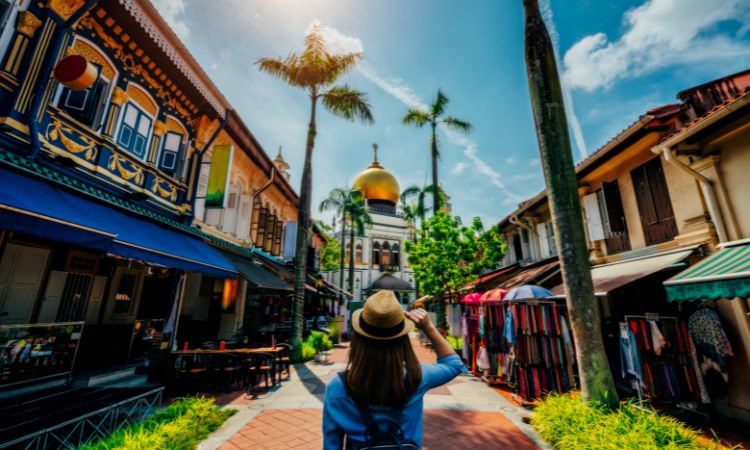
Embark on a culinary journey through the Venetian Riviera where coastal flavours and inland traditions converge in unforgettable dishes. Seafood reigns supreme: daily catches include sardines, anchovies, cuttlefish, and shellfish, prepared in ways that highlight freshness and simplicity. Begin with cicchetti—small plates served in bàcari (Venetian wine bars)—featuring marinated sardines, polpette di pesce (fish meatballs), and crostini topped with baccalà mantecato (creamed cod). Pair with a glass of Prosecco or local white wine to experience authentic aperitivo culture by the water’s edge.At seaside trattorie, try risotto al nero di seppia, where cuttlefish ink lends a dramatic hue and briny depth. Grilled fish, often lightly seasoned with sea salt and local olive oil, exemplifies the Riviera’s respect for the sea’s bounty. Clam or mussel dishes, served in fragrant broths infused with garlic, parsley, and white wine, capture the region’s coastal essence. For a unique taste, seek out capesante gratinate (gratinated scallops) at beachfront restaurants, combining tender shellfish with breadcrumb topping seasoned with lemon zest.Beyond seafood, Veneto’s inland agricultural produce enriches the table. Polenta—creamy cornmeal porridge—accompanies fish stews or hearty meat ragùs in countryside osterie. Seasonal vegetables from local markets—radicchio, asparagus, and artichokes—appear in salads, frittatas, and side dishes. Cheeses like Asiago and Montasio offer variety: enjoy aged cheese paired with honey or fresh varieties alongside crisp bread. Cured meats such as prosciutto Veneto add savoury notes to antipasto platters.Sweet treats provide delightful finales: tiramisù may be encountered in its birthplace region; fritole (Venetian-style doughnuts) appear at seasonal fairs; and seasonal fruits—figs, cherries, or grapes—feature in light desserts or gelato. Gelaterie along the coast serve artisanal flavours made from local ingredients: fig and basil sorbet in late summer, or citrus granita in warmer months. Coffee culture here is robust: espresso enjoyed standing at a bar counter, cappuccino reserved for morning hours, ensuring travellers adopt local conventions.Wine tasting is integral to the culinary scene. Venture slightly inland to Colli Euganei or Prosecco Hills for vineyard tours and enotecas offering guided tastings. Learn about grape varieties such as Glera (Prosecco), Garganega (Soave), and Merlot from Veneto producers. Tastings often include small bites—cheese, salami, bruschette—highlighting harmonious pairings. Many wineries host lunch experiences among vine rows, where farm-to-table menus showcase seasonal ingredients and allow appreciation of terroir.Cooking classes and market tours deepen understanding. Join local chefs in open-air markets selecting fresh fish and produce, then learn to prepare signature dishes in family-run kitchens. This hands-on approach demystifies techniques—balancing flavours, mastering risotto consistency, or crafting homemade pasta. Returning home with these skills extends the holiday experience long after departure.For beverage enthusiasts, aperitivo by the sea is a ritual: order a spritz (traditionally Aperol or Select with Prosecco and soda) accompanied by small bites while watching sunset reflections on water. Evening “passeggiata” along promenades leads to gelato shops or wine bars; late dinners often begin around 8pm, reflecting Italian dining rhythms. Respect local customs—avoid ordering cappuccino after meals—embracing the Riviera’s lifestyle enhances culinary enjoyment.Sustainable dining is increasingly common: restaurants sourcing fish from responsible fisheries, farm-to-table establishments championing organic produce, and zero-waste initiatives minimizing food waste. Travellers can support these efforts by choosing eateries displaying eco-certifications or locally focused menus. This culinary journey through the Venetian Riviera is not only a feast for the senses but a celebration of place and tradition, leaving lasting impressions through flavour, technique, and the convivial atmosphere of dining by the Adriatic.
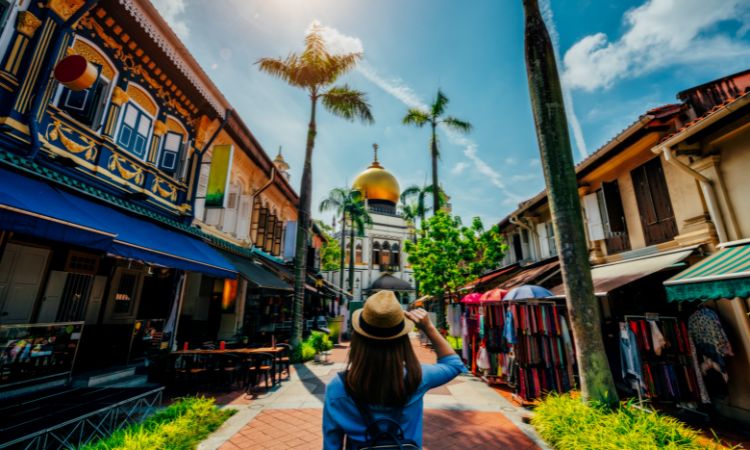
Just beyond the coastline, the gentle hills of Veneto harbor vineyards that produce some of Italy’s most celebrated wines. A day trip from the Venetian Riviera leads to picturesque landscapes dotted with vine-covered slopes, medieval villas, and family-owned estates offering intimate wine-tasting experiences. The Prosecco Hills, UNESCO-listed for their cultural landscape, showcase the sparkling wine method perfected here. Visitors can tour cantine (wineries) to observe traditional and modern production techniques: from hand-harvested grapes to fermentation in steel tanks and aging processes that influence aroma and texture.Tastings usually begin with lighter styles: a dry Prosecco Extra Dry served chilled as an aperitivo, accompanied by local cheeses and olives. Learn about the Glera grape’s characteristics and how terroir variations affect flavour profiles—from citrus notes to floral undertones. Many estates provide panoramic terraces or pergolas overlooking vineyards, creating evocative settings for sampling and connecting with regional identity. Knowledgeable hosts explain sustainable viticulture practices, such as limited pesticide use and soil conservation, reflecting growing eco-consciousness among producers.Beyond Prosecco, Veneto’s wine portfolio includes Soave (made from Garganega grapes), Valpolicella (featuring Corvina and Rondinella), and the rich Amarone della Valpolicella. Though slightly farther inland, guided wine tours often combine visits to these regions with charming villages and historical sites. Tasting Amarone, with its concentrated flavours of dried fruit and spices, offers a contrast to the refreshing coastal whites. Pairings of these wines with local salumi, aged cheeses, and dark chocolate provide a sensory exploration of Veneto’s diverse terroir.Smaller boutique wineries offer personalized experiences: walk among vine rows learning pruning methods, participate in blending sessions to craft your own “tourist blend,” or even assist with harvest activities during autumn. Agriturismi (farm stays) sometimes include wine as part of accommodation packages: breakfast featuring grape-based jams or juices, and dinners showcasing estate-produced olive oil and wine pairings. Such immersive stays deepen appreciation for the labour and passion behind every bottle.For travellers preferring a structured itinerary, wine routes connect multiple estates via scenic country roads. Cycling tours through vineyards allow active exploration, with scheduled stops at family-run cellars offering tastings and light lunches featuring local products. Knowledgeable guides provide historical context: how Venetian merchants transported wine along canals, influencing trade patterns and local economies. Stories of winemaking families passed through generations enrich the experience, creating personal connections beyond mere consumption.Events such as harvest festivals in late summer offer lively atmospheres: grape stomping demonstrations, live music, and communal feasts celebrating the year’s yield. Participating in these festivities provides insight into rural traditions and fosters camaraderie with locals. For those traveling in quieter seasons, cellar visits remain possible by appointment, with hosts often welcoming guests for cozy tastings by wood-burning stoves, paired with comfort dishes like polenta with mushroom ragù.Transportation options include guided group tours, private car services for wine aficionados seeking tailored experiences, or self-drive for independent exploration. Regardless of approach, scheduling is key: book tastings in advance during peak months (May–September) to secure slots at popular estates. Many wineries speak English and other languages, ensuring clear communication for international visitors.Whether you are a seasoned oenophile or curious newcomer, wine tasting in Veneto vineyards enriches a Venetian Riviera holiday by connecting coastal relaxation with inland cultural immersion. The sensory journey from crisp Prosecco to robust reds embodies the region’s agricultural diversity and centuries-old winemaking heritage, leaving travellers with both lasting memories and bottles to savour at home..
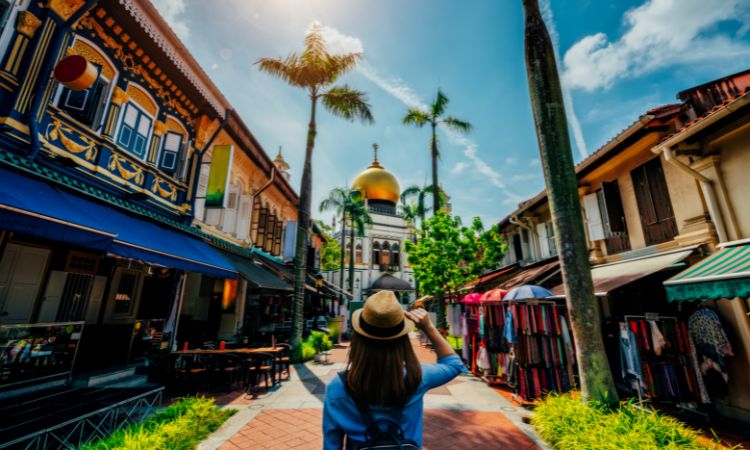
The Venetian Riviera’s calendar brims with festivals and events that celebrate local culture, gastronomy, arts, and maritime heritage. Seasonal rhythms guide the festivities: spring welcomes flower and wine festivals, summer brings open-air concerts and beach events, autumn showcases harvest fairs, and winter offers quieter cultural gatherings. These occasions provide travellers with authentic insights into regional identity and opportunities to mingle with locals in convivial settings.One highlight is the Sagra del Pesce (Fish Festival) held in various coastal towns during summer. Stalls line waterfront promenades, serving grilled fish, fritto misto (mixed fried seafood), and regional wines. Live music and dancing create festive atmospheres under string lights, while families and friends gather for communal feasts. Participating here allows visitors to taste freshly caught seafood prepared according to age-old recipes, and to witness how coastal communities honour their maritime traditions.Cultural events often center around historic venues: medieval courtyards host classical music recitals, chamber ensembles perform in restored churches, and open-air film screenings take place by the sea at dusk. Check local event listings for concerts featuring Venetian baroque pieces or contemporary performances in unique settings. Art exhibitions pop up in galleries and public spaces, showcasing works inspired by lagoon landscapes or local craftsmanship. Evening passeggiata (stroll) may lead to discovering pop-up installations or impromptu performances in piazzas.Harvest season in autumn brings food and wine fairs in surrounding hill towns. Though slightly inland, these events are reachable via short excursions from the Riviera. Visitors can sample new vintages of Prosecco or Amarone, taste olive oils pressed that year, and purchase artisanal products directly from producers. Seasonal produce—mushrooms, chestnuts, and truffles—features in tastings and cooking demonstrations. Such events blend culinary exploration with cultural immersion, highlighting how coastal life intertwines with inland agricultural cycles.Carnival celebrations extend beyond Venice itself to smaller towns, offering masked balls, parades, and masquerade workshops in February. While Venice Carnival draws large crowds, neighbouring towns hold more intimate gatherings where visitors can participate in mask-making classes or attend costume galas with local flair. These experiences deliver festive ambience without overwhelming tourist volumes, fostering closer engagement with traditions.Beach clubs and resorts host summer events: beach volleyball tournaments, yoga retreats at dawn, themed parties under stars, and wellness workshops incorporating local ingredients. Families enjoy movie nights on the sand, while wellness travellers attend seaside meditation sessions. Check schedules for sporting events like sailing regattas or triathlons along the coast, which sometimes welcome amateur participants. Joining or spectating such activities adds variety and energy to beach holidays.Religious and community festivals occur throughout the year: patron saint days feature processions by boat or on foot, where decorated vessels glide through canals or statues are carried through streets. These processions often culminate in communal meals or fireworks over the water. Observing or respectfully joining these celebrations offers insight into deep-rooted beliefs and communal bonds. Be mindful of local customs—dress modestly when attending church services, and follow guidance on participation.For families, seasonal holiday events include Christmas markets in coastal towns and nearby inland villages, offering handcrafted gifts, festive treats, and occasional ice-skating rinks. Easter celebrations may involve traditional processions and special church services, while summer children’s festivals provide interactive workshops on crafts and local traditions. Engaging with these events creates lasting memories for young travellers and connects families to regional culture.Planning ahead ensures you don’t miss marquee events. Check regional tourism websites or local municipality announcements for dates and details, bearing in mind that schedules may shift annually. Booking tickets or reservations for popular concerts or guided experiences in advance secures participation. Embrace spontaneity as well: keep an eye out for roadside signs advertising small village festivals or pop-up cultural happenings. The Venetian Riviera’s vibrant tapestry of festivals and events transforms a seaside holiday into a dynamic cultural journey, where each occasion reveals facets of local life and traditions.
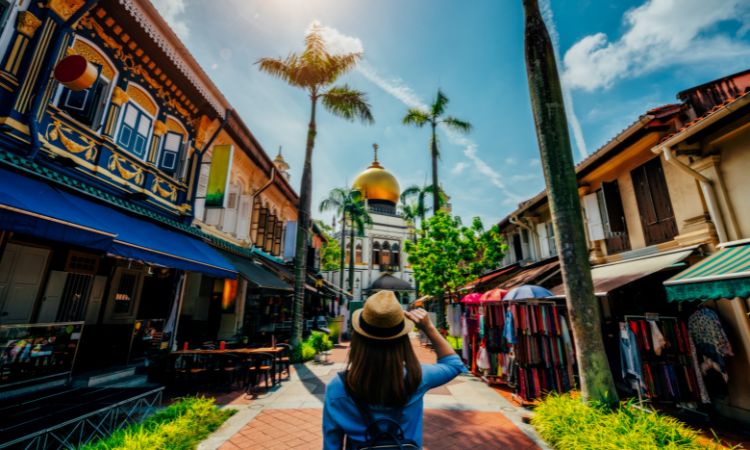
For travellers seeking active experiences, the Venetian Riviera offers a wealth of outdoor adventures and water sports suited to various skill levels. The calm Adriatic waters and sheltered lagoon areas provide ideal conditions for beginners and families, while more dynamic coastal stretches cater to experienced enthusiasts. Beach clubs and water-sport centres along Jesolo, Caorle, and Cavallino-Treporti offer gear rental, lessons, and guided tours for activities such as paddleboarding, kayaking, windsurfing, and kitesurfing.Kayaking in the lagoon presents a unique perspective: gliding through narrow canals lined with reeds allows close observation of birdlife and hidden rural landscapes. Guided eco-tours explain lagoon ecology and traditional fishing techniques, blending adventure with education. For those preferring motorized activities, small-group boat tours navigate shallow channels to reach secluded islets or remote beaches accessible only by water. Sunset cruises combine sightseeing with romantic ambience, while sunrise excursions immerse travellers in tranquil dawn light, ideal for photography.Cycling is popular: flat terrain links coastal paths to inland villages and vineyard routes. Rent bicycles in seaside towns and follow signposted trails through pine forests parallel to beaches, then branch off into rural lanes leading to agriturismi for refreshments. Electric bike options assist in covering greater distances comfortably. Mountain biking enthusiasts may explore gentle hills beyond the coast, discovering panoramic viewpoints overlooking lagoon and sea.Windsurfing and kitesurfing find favourable conditions in designated zones where winds pick up, particularly in late spring and early autumn. Lessons for beginners ensure safe introduction; experienced riders can explore open-water spots with local guides. Sailing enthusiasts may charter dinghies or join group excursions on larger boats, learning basics of sailing or simply enjoying leisurely cruises. Fishing excursions, whether recreational angling or traditional net fishing with local fishers, offer authentic experiences and the chance to taste freshly caught fish afterwards.For avid hikers, coastal trails and nearby nature reserves provide moderate treks amid varied scenery: dunes, pine groves, and salt marshes. Interpretive paths often include information panels on flora, fauna, and historical land use, making hikes informative as well as scenic. Birdwatching hides or observation towers along the way reward patience with sightings of herons, egrets, and migratory species. Guided nature walks enhance understanding of the fragile lagoon ecosystem and its seasonal transformations.Family-friendly adventures include pedal boats for children, mini-sailing courses adapted for youngsters, and beach treasure hunts organized by local operators. Safety is paramount: certified instructors, lifeguard-supervised zones, and clear guidelines ensure peace of mind. Evening paddleboard sessions under moonlight offer memorable experiences for families or couples seeking novelty.Wellness-oriented outdoor activities combine movement and mindfulness: beach yoga at sunrise or sunset, tai chi sessions on the sand, and guided meditation spots overlooking calm waters. Some resorts offer holistic packages integrating spa treatments with outdoor exercise routines, such as beach circuit training or coastal jogging trails.Seasonal variations influence activity choices: spring and autumn bring milder temperatures ideal for cycling and hiking, while summer focuses on water-based pursuits. Off-peak visits allow quieter enjoyment of popular spots, often at reduced rates for equipment rental and guided tours. Always check local schedules and weather forecasts, and book lessons or rentals in advance during high season to secure availability.Safety and environmental respect go hand in hand: follow guidelines on designated zones to protect wildlife habitats, avoid disturbing nesting birds, and adhere to sustainable tourism practices. Many operators emphasize eco-friendly equipment and minimal-impact tours. By combining exhilaration with responsibility, outdoor adventures and water sports on the Venetian Riviera become enriching experiences that foster connection to nature, culture, and personal well-being.
No ads. No trails. No commitments


Alice Roses
London, England
51 ST MATTHIAS ROAD
NOTTINGHAM, NOTTINGHAMSHIRE
NG3 2HF
Hours: 8:00 - 17:00, Mon - Sat
support@johnsonholidays.com