 Morocco Travel
Guide
Morocco Travel
Guide
Paris is known around the world as the “capital of love,” and even if you don't understand the history of Paris at all

3.5–4 Hours
£1.20–£2.50
Only stays that meet our high standards for quality, service, and unforgettable experiences.
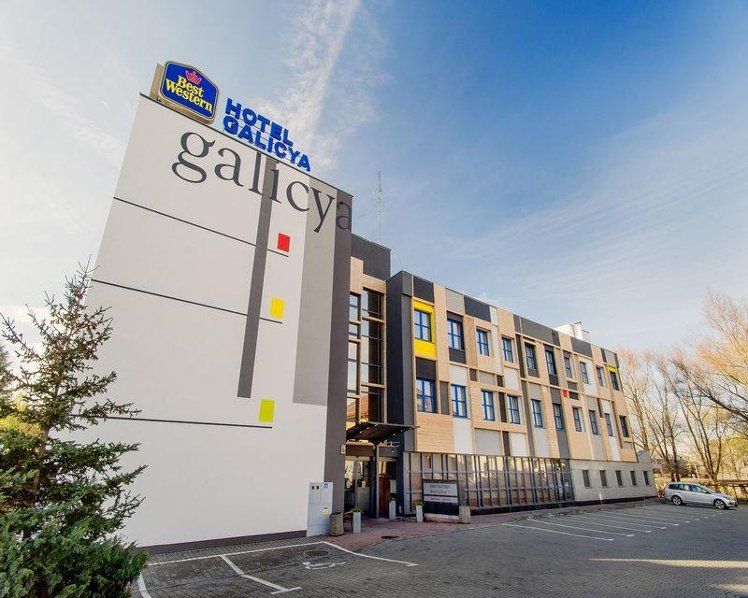
["Poland"]
3 Nights
Flights Included
35% Savings
All Inclusive
/ person
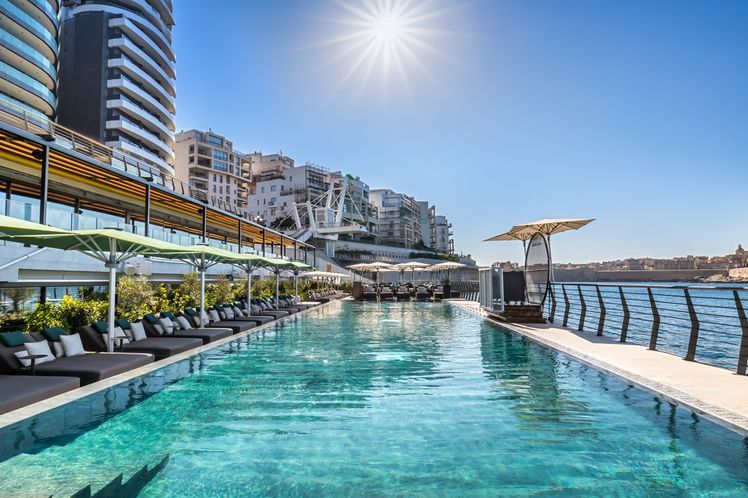
["Malta"]
5 Nights
Flights Included
35% Savings
All Inclusive
/ person
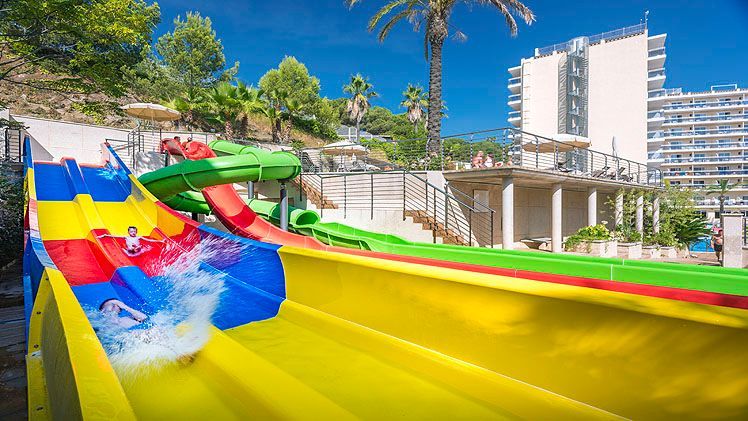
["Spain"]
5 Nights
Flights Included
35% Savings
All Inclusive
/ person
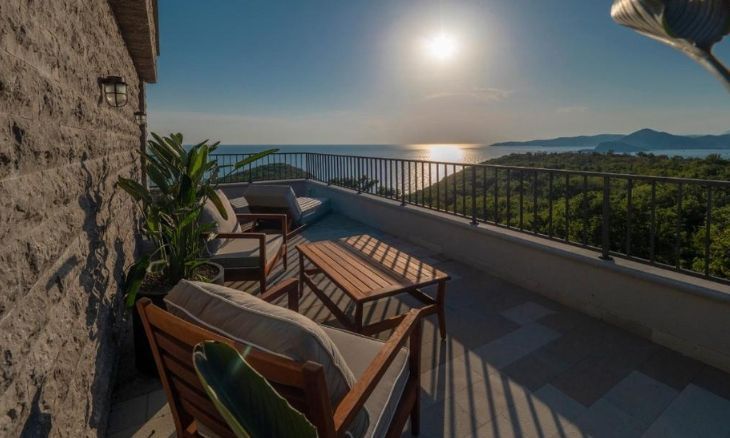
["Montenegro"]
7 Nights
Flights Included
35% Savings
All Inclusive
/ person
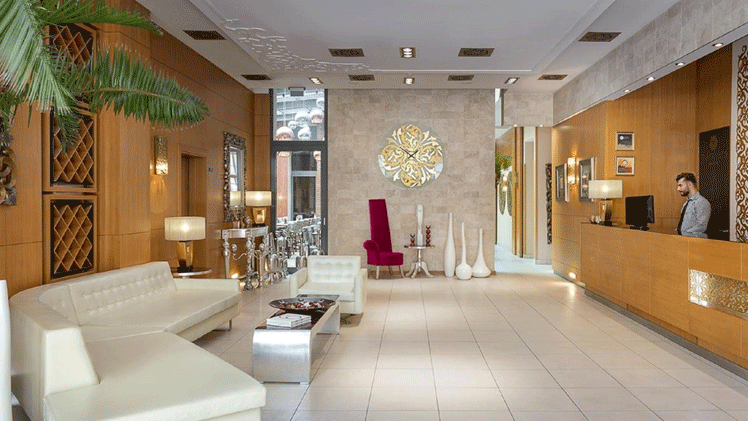
["Hungary"]
2 Nights
Flights Included
35% Savings
All Inclusive
/ person
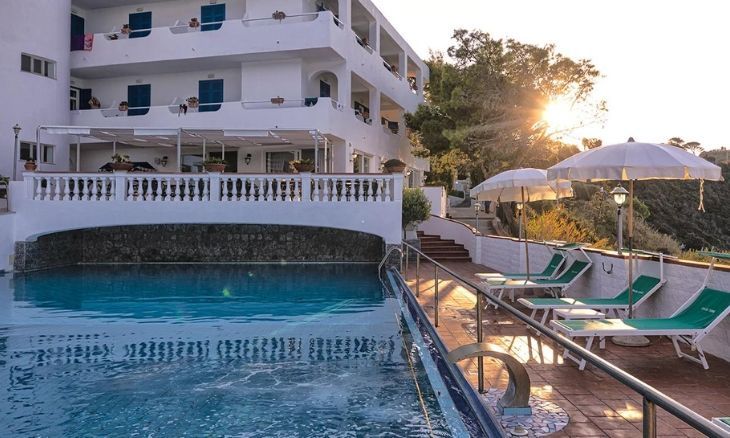
["Italy"]
5 Nights
Flights Included
35% Savings
All Inclusive
/ person
From ancient medinas to imperial cities, Morocco is steeped in history and tradition. Discover centuries-old mosques, palaces, and bustling souks where artisans still practice age-old crafts.
Whether it’s the golden dunes of the Sahara, the snow-capped Atlas Mountains, or the vibrant coastline, Morocco’s scenery is as varied as it is stunning.
Enjoy a fusion of Berber, Arab, and Mediterranean flavours in every dish. Don’t miss the iconic tagine, fluffy couscous, and street-side grilled meats
Morocco offers excellent value for money. Stay in opulent riads, dine like royalty, and enjoy a luxurious experience without breaking your budget
From hiking and desert safaris to surfing and paragliding, Morocco is a thrill-seeker’s paradise, with experiences for all types of travellers.
Moroccans are known for their warmth and generosity. Expect to be welcomed with smiles, stories, and a glass of mint tea wherever you go.
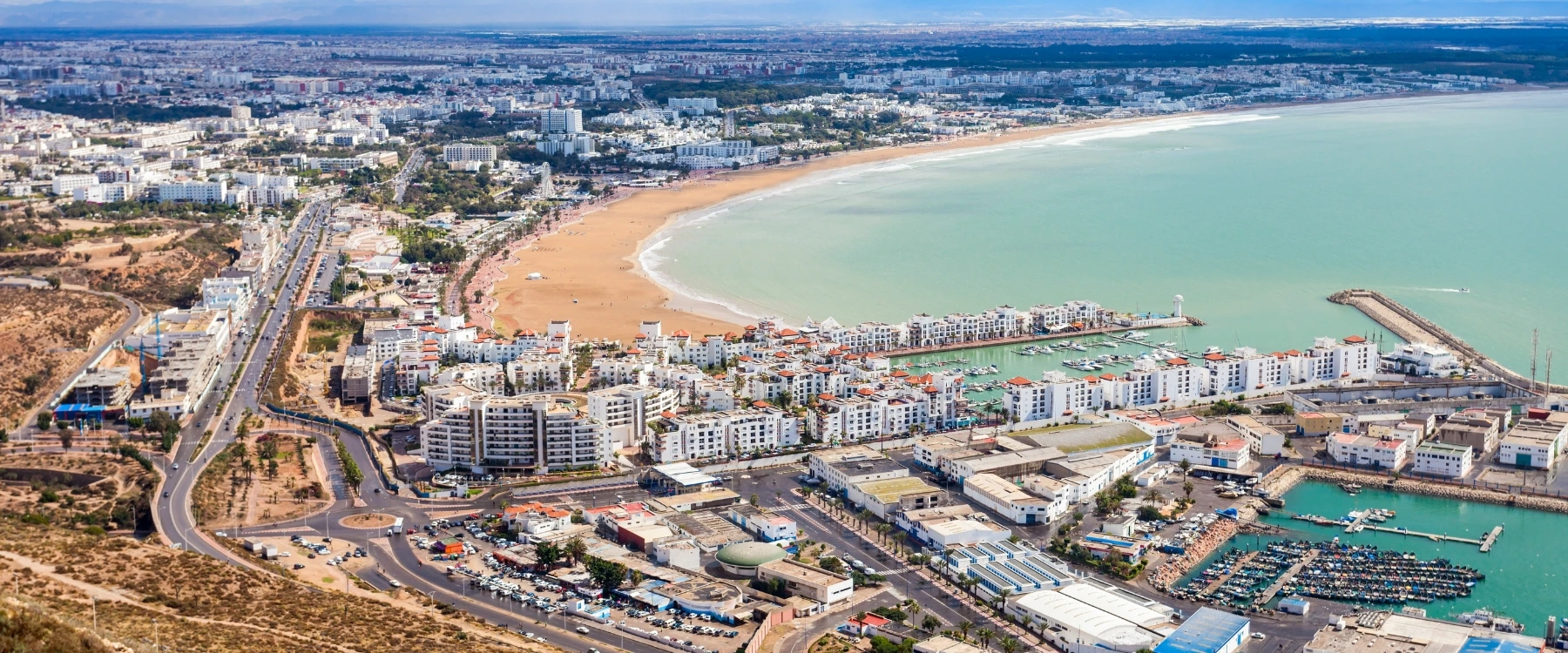
Nestled along Morocco’s sun-kissed Atlantic coast, Agadir is a vibrant seaside city known for its sweeping golden beaches, modern...
From
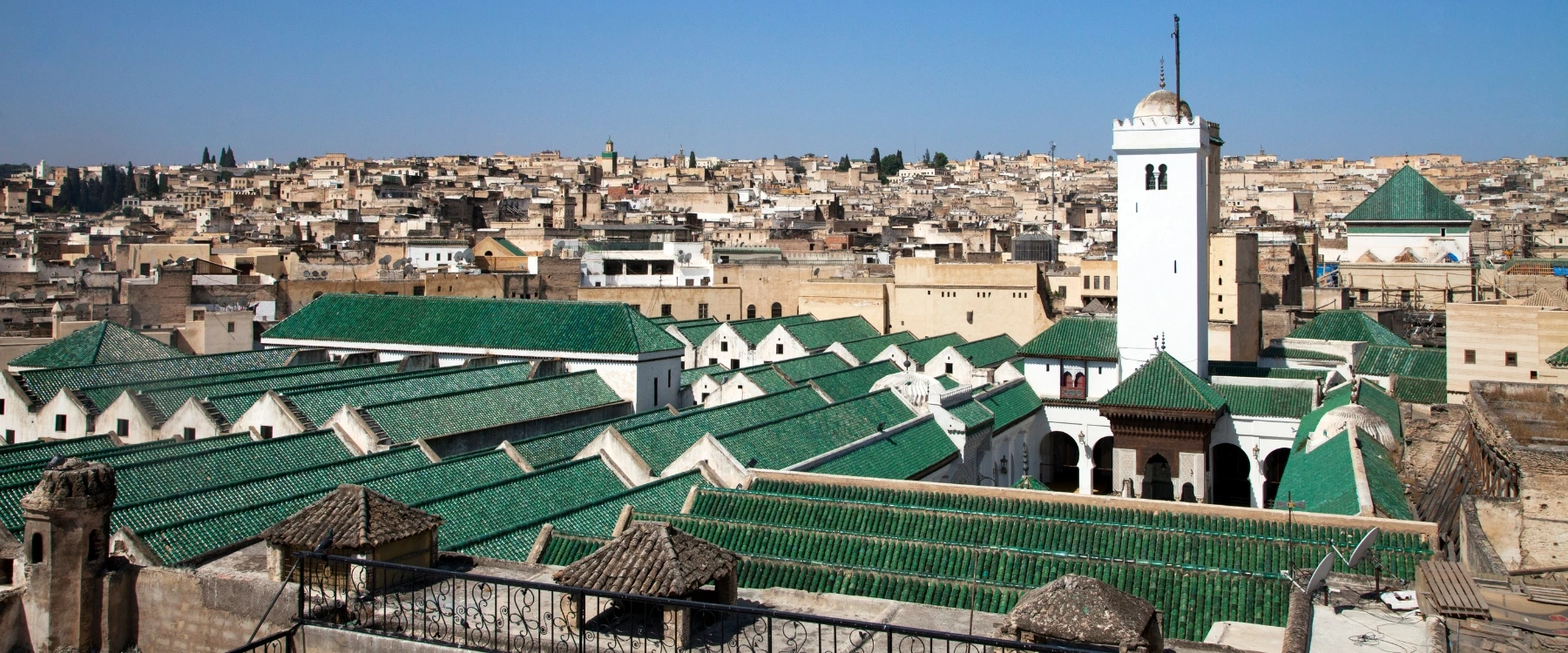
Fez, Morocco's cultural and spiritual heart, offers a journey into a medieval world where time seems to have stood...
From
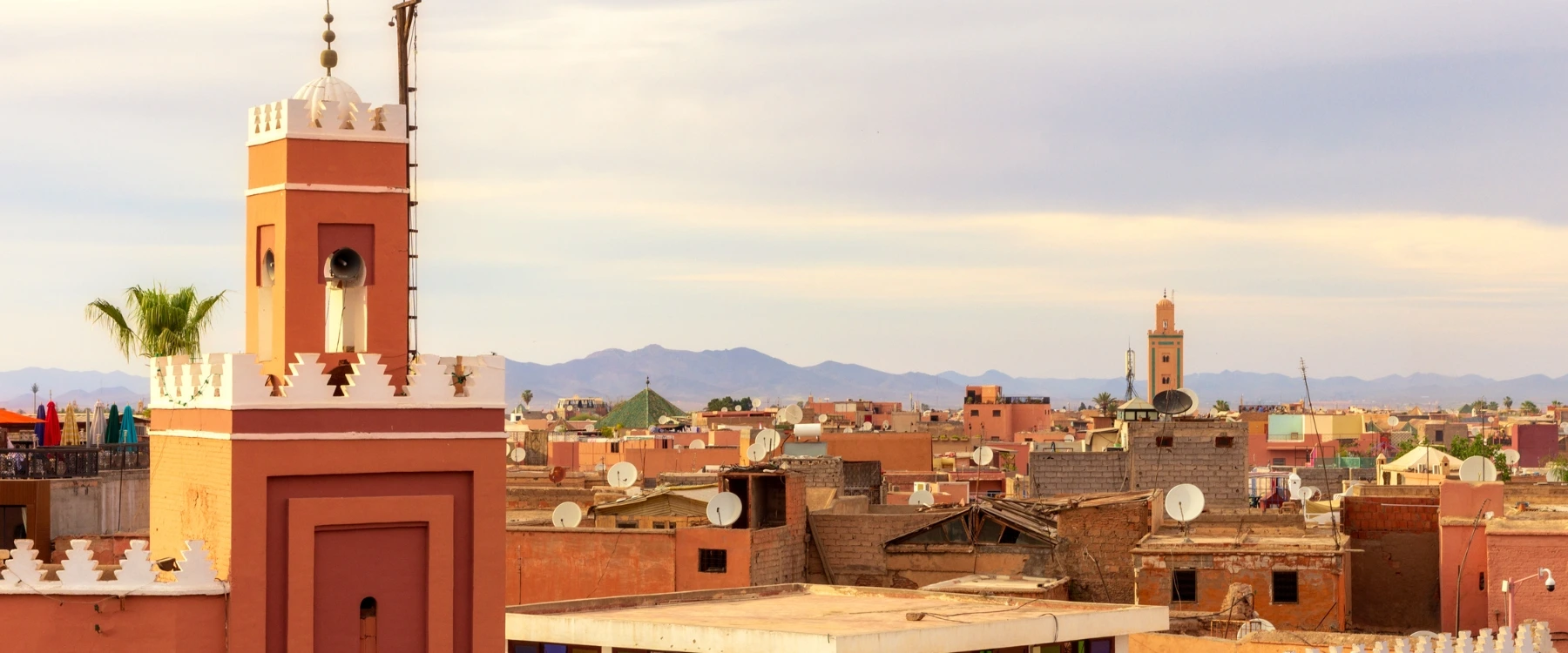
Step into a world of vibrant colors, aromatic spices, and ancient traditions with a holiday to Marrakech. Nestled...
From
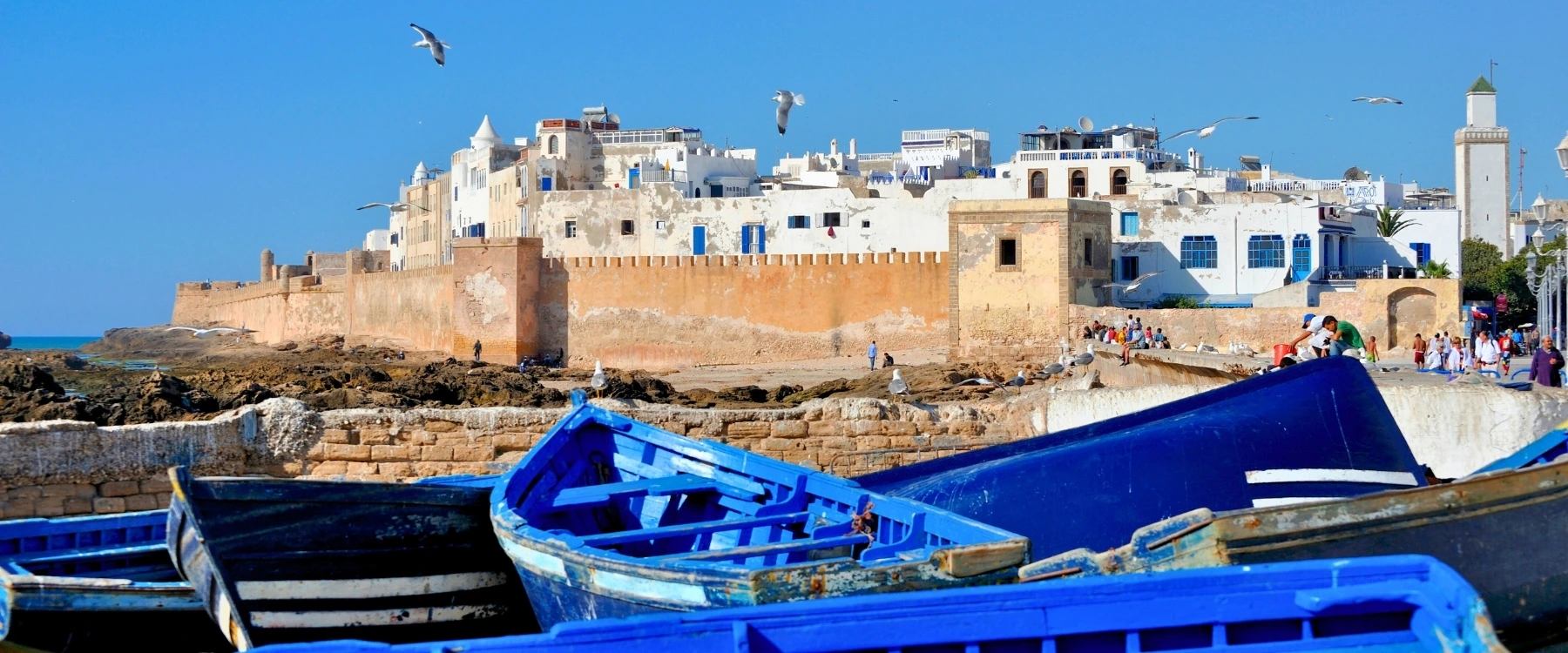
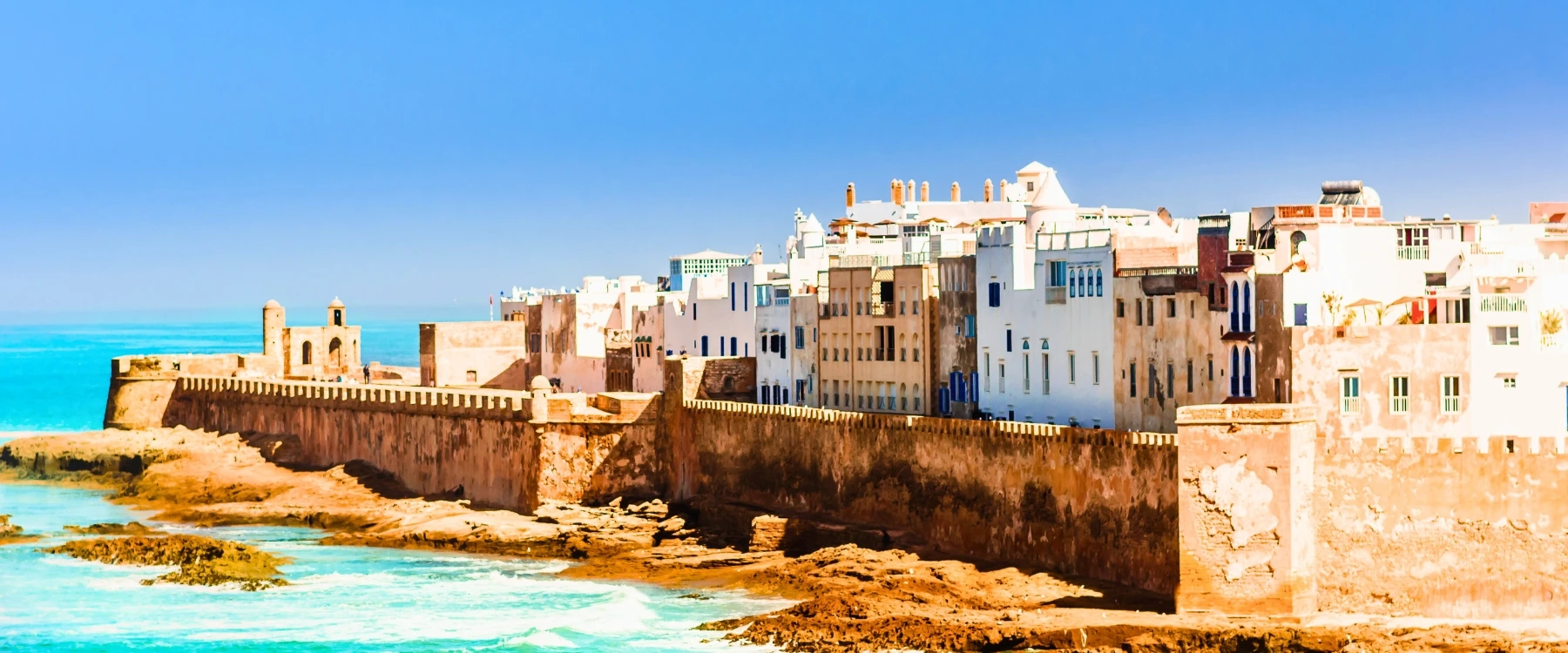
Nestled on Morocco’s Atlantic coast, Essaouira offers a harmonious blend of laid-back seaside atmosphere, vibrant cultural heritage, and authentic...
From
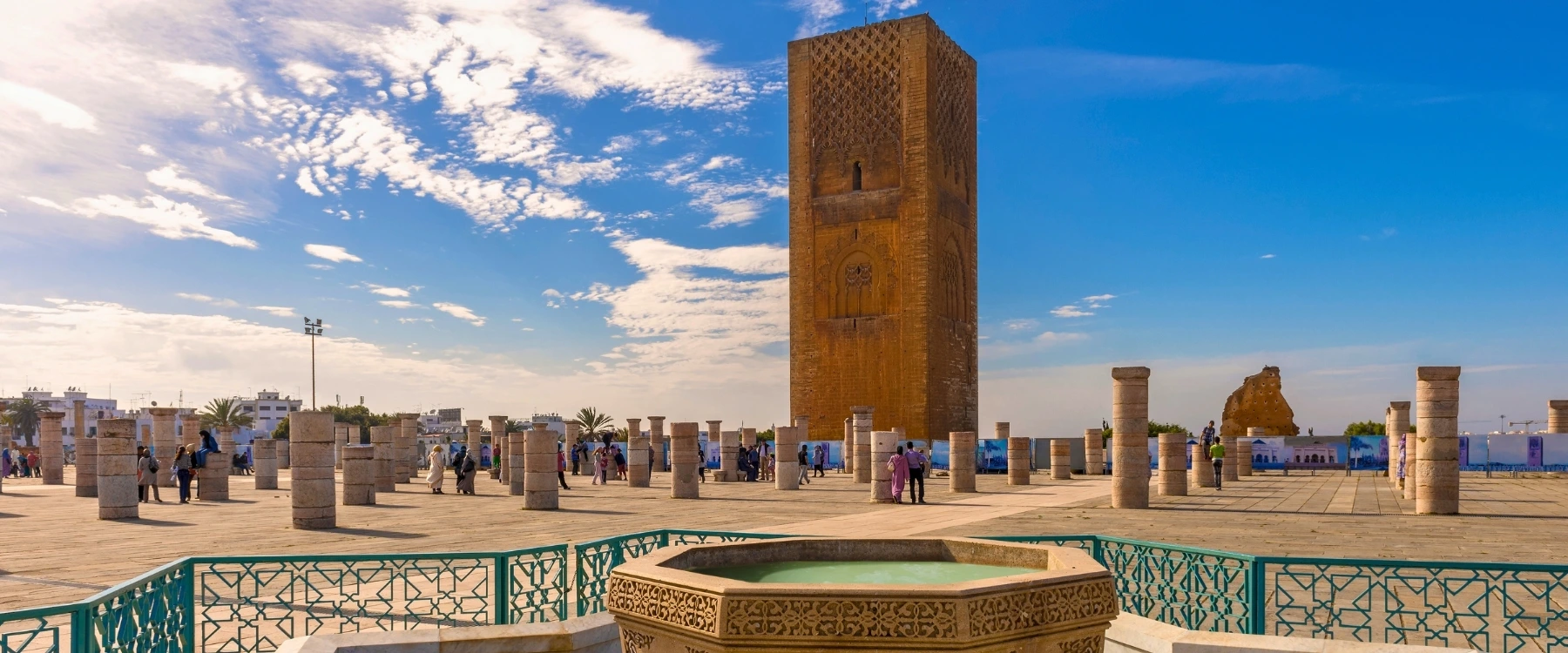
Rabat, Morocco’s capital, seamlessly blends centuries-old heritage with contemporary vibrancy. Nestled on the Atlantic coast at the mouth of...
From
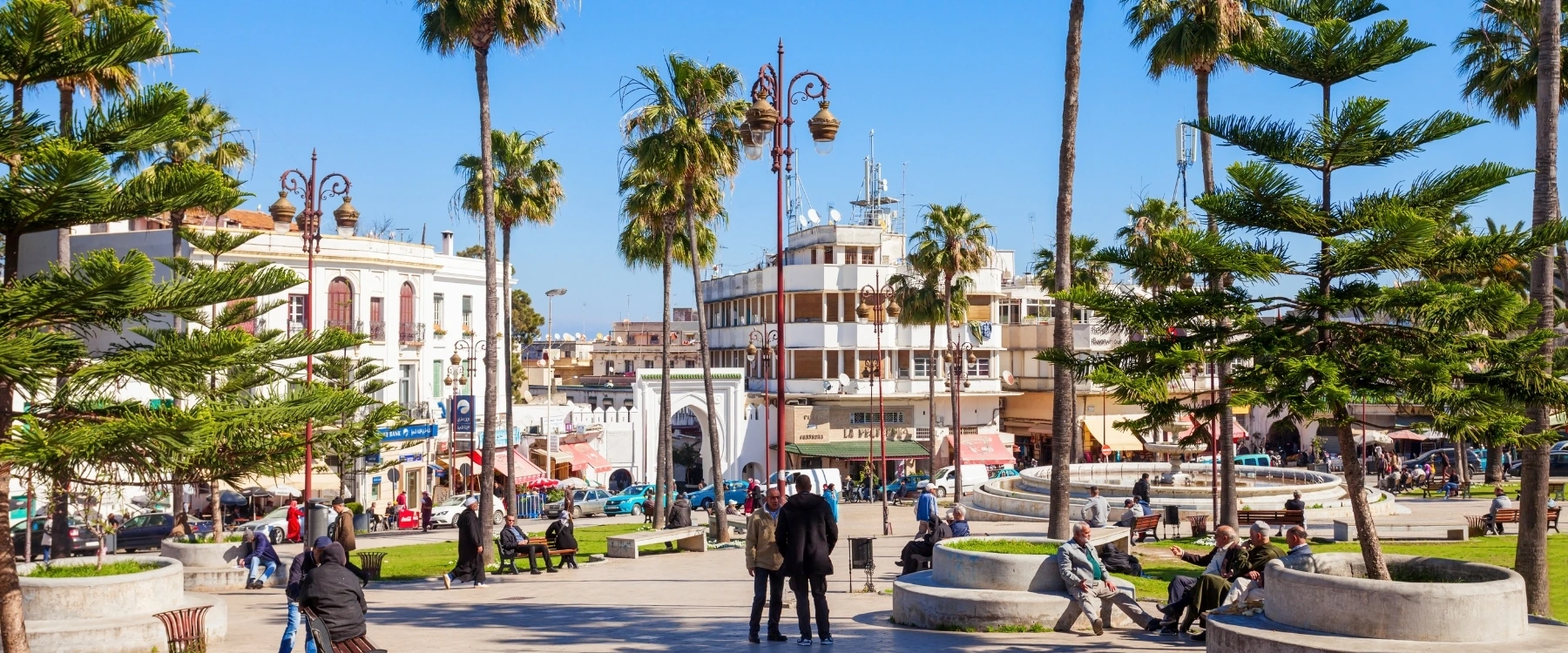
Tangier sits at the crossroads of Europe and Africa, perched on Morocco’s northern coast where the Atlantic meets the...
From

Trusted by thousands, with secure bookings and unbeatable prices.

Every holiday you book with Johnson Holidays is ATOL protected, ensuring your money and travel plans are safe.
Learn More
As an ABTA member, we follow the highest industry standards for safety, reliability, and customer service.
Learn More
Enjoy your holiday now and pay over time—making luxury travel more affordable than ever.
Learn More
Exceptional service, unbeatable prices, and unforgettable experiences make us a trusted name in travel.
Learn More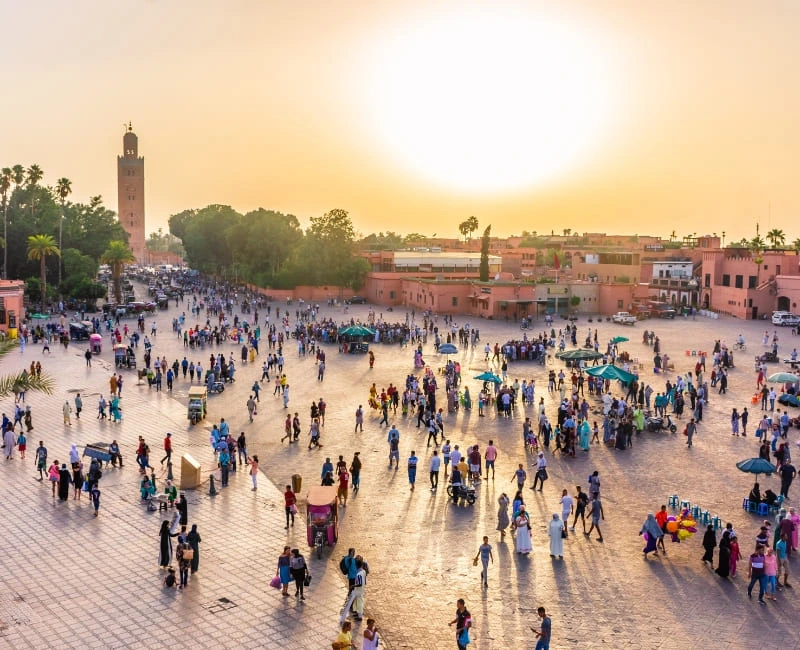
Morocco’s imperial cities—Marrakech, Fez, Meknes, and Rabat—are living museums that tell the story of a nation forged through centuries of dynasties, trade, and diverse cultures. Each city holds the coveted title of having once been the capital, and each presents a different side of Moroccan heritage. Start your journey in Marrakech, where the scent of spices fills the air and snake charmers entertain in the iconic Jemaa el-Fnaa square. Wander into the souks, where artisans craft intricate lanterns, leather slippers, and hand-woven carpets. The Bahia Palace, with its mosaic-tiled courtyards, offers a glimpse into royal life, while the Majorelle Garden brings a serene burst of colour. Fez, Morocco’s oldest imperial city, is a place where time seems to pause. The Fez el-Bali medina, a UNESCO World Heritage site, is the world’s largest car-free urban area, boasting over 9,000 narrow streets. Here, you can witness ancient traditions in the Chouara Tannery, where leather is dyed using natural pigments in centuries-old vats. Rabat, the current capital, is a more modern reflection of Moroccan culture. Its clean streets, palm-lined boulevards, and landmarks like the Hassan Tower and Kasbah of the Udayas make it an easy and enjoyable city to explore. It’s also home to many embassies and a cosmopolitan crowd, bridging Morocco’s past and future. Meknes, often overlooked, rewards the curious traveller. Once home to Sultan Moulay Ismaïl, the city showcases grand gates like Bab Mansour, royal stables, and vast granaries that speak of imperial ambition. Together, these cities offer a journey through Morocco’s dynastic history, artistic achievement, and cultural resilience—perfect for travellers hungry for authenticity and depth.
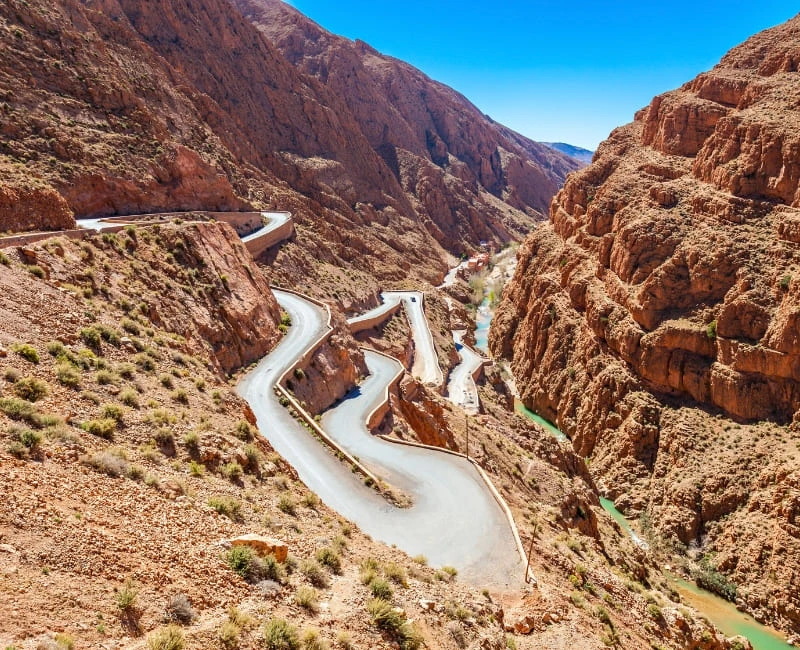
The Atlas Mountains are Morocco’s majestic backbone, stretching over 2,500 kilometres and offering landscapes as diverse as its cultures. Whether you’re a casual hiker or a seasoned trekker, the Atlas range offers unforgettable experiences framed by snow-capped peaks, lush valleys, and charming Berber villages. The High Atlas, home to Jebel Toubkal (4,167m), North Africa’s highest peak, is the crown jewel for adventurers. Climbing Toubkal is a challenge, but the payoff is panoramic views and the camaraderie of fellow trekkers. Most expeditions begin in Imlil, a picturesque village just 90 minutes from Marrakech. Local guides, many of Berber descent, lead visitors on safe, insightful routes while sharing their knowledge of the region. Further east, the Dades and Todra Gorges provide dramatic canyon landscapes with cliff walls towering over palm oases. These areas are ideal for both hiking and rock climbing, especially from spring through autumn when the temperatures are milder. Walking through these gorges feels like entering a natural cathedral, with silence broken only by the sound of water and birdsong. The Middle Atlas, around the cities of Azrou and Ifrane, contrasts with cedar forests and alpine meadows. Here, you might spot Barbary macaques and enjoy cooler temperatures in summer. The region is dotted with serene lakes and is perfect for laid-back hikes or day trips. In the Anti-Atlas, near Tafraoute, expect an otherworldly landscape of pink granite boulders and flowering almond trees in spring. This off-the-beaten-path region is ideal for those seeking solitude and soul-stirring scenery. No matter where you go in the Atlas, the hospitality of the Berber people adds a meaningful layer to your adventure. Home-cooked tagines, tea ceremonies, and simple yet warm accommodation in mountain gîtes create a genuine connection to the land and its guardians.
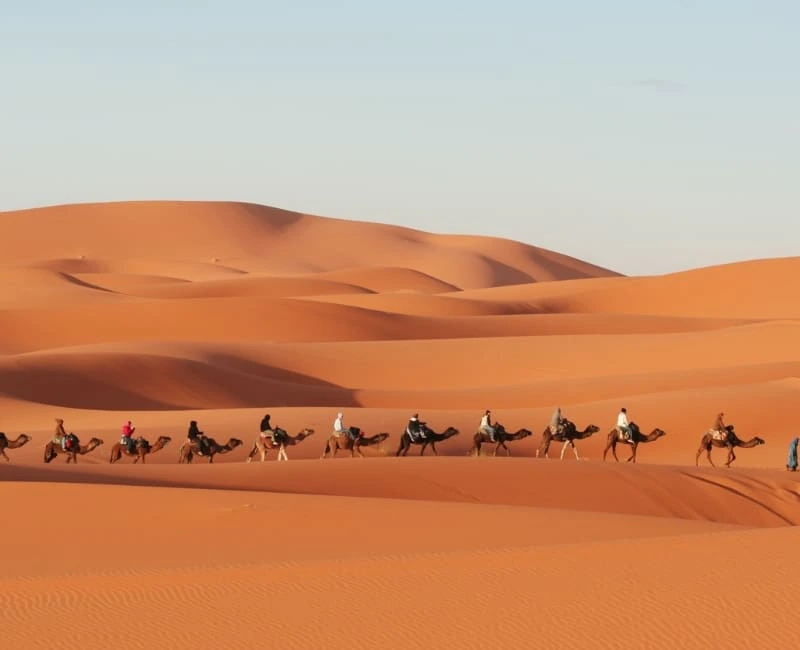
The Sahara Desert—its very name evokes mystery, vastness, and a sense of timeless adventure. In Morocco, this dreamlike landscape is accessible and deeply immersive, offering experiences that linger long after you return home. Two main gateways lead to the dunes: Merzouga and Zagora. Merzouga is your entry point to the famous Erg Chebbi dunes, where golden sands rise up to 150 metres and stretch endlessly toward the horizon. Zagora, more arid and rocky, leads to the Erg Chigaga dunes, a more remote and less frequented destination, ideal for those craving off-the-grid tranquillity. A typical desert trip includes a camel trek across the dunes, timed to catch the golden light of sunset. The slow sway of the camel, the shifting colours of the sand, and the silence of the Sahara create a meditative experience. By night, you’ll settle into a luxury desert camp or a more rustic Berber-style tent under a canopy of stars. Stargazing in the Sahara is unparalleled. With minimal light pollution, you can spot the Milky Way, constellations, and even shooting stars with the naked eye. Campfires, traditional music, and storytelling under the stars add to the magic. Beyond the dunes, the surrounding pre-Sahara landscapes are rich with ancient kasbahs, fossil beds, and oasis towns. Visit Rissani to explore lively markets or Tamegroute, known for its green pottery and centuries-old Islamic library. Whether you choose a 2-day excursion or a week-long desert journey, the Sahara will reward you with peace, perspective, and the awe of nature’s grandeur.
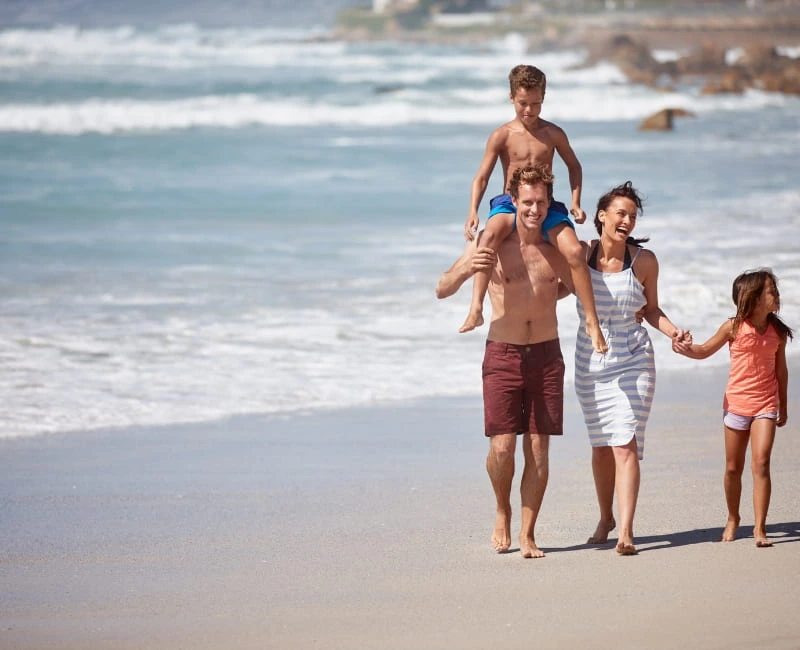
Morocco’s Atlantic coastline is a treasure trove of sun, surf, and soul. While the country is often associated with desert and mountains, its beaches offer a compelling reason to extend your stay. From bustling beach resorts to quiet fishing villages, the coast reveals yet another dimension of Morocco’s diverse charm. Essaouira, a UNESCO-listed town, is a blend of bohemian spirit and historical significance. Its 18th-century fortress walls and whitewashed medina attract artists, surfers, and curious travellers alike. The beach, constantly swept by Atlantic winds, is ideal for kite surfing and windsurfing, while the port buzzes with fishermen and the smell of grilled sardines. Agadir is Morocco’s most developed beach resort city. With over 300 days of sunshine a year, a long promenade, and wide sandy beaches, it's a favourite among families and sun-seekers. The modern amenities, water parks, and golf courses make it perfect for a relaxing holiday. Taghazout, once a sleepy village, has grown into a surfer’s haven. Its laid-back vibe, friendly locals, and consistent waves attract backpackers and digital nomads. Nearby surf spots like Anchor Point and Panoramas are world-famous. Further north, Asilah enchants with its white and blue medina, coastal ramparts, and an annual arts festival that turns the town into a canvas. It's a peaceful place to unwind, wander, and discover Morocco’s artistic pulse. For the eco-conscious traveller, beach spots like Oualidia offer lagoon-side escapes and fresh oysters straight from the sea. With increasing efforts in sustainability, many coastal accommodations now embrace green practices. Whether you’re lounging by the sea, catching waves, or exploring coastal kasbahs, Morocco’s shorelines provide the perfect contrast to its desert and urban intensity. Add to that fresh seafood, sunset horseback rides, and the Atlantic breeze, and you’ve got a seaside experience that’s anything but ordinary.
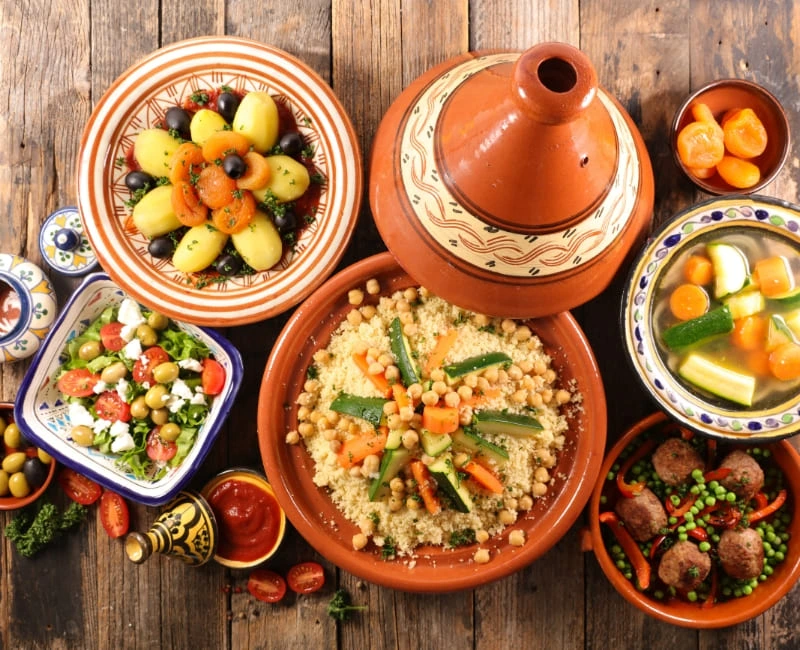
Moroccan cuisine is a vibrant mosaic of flavours, ingredients, and cultural influences. From bustling street food stalls in Marrakech to serene riads serving centuries-old recipes, every bite tells a story steeped in Berber, Arab, Jewish, and French heritage. If you're a food lover, Morocco promises a feast not just for the palate, but for all your senses. The journey begins with the tagine, Morocco’s iconic slow-cooked stew named after the earthenware pot it's cooked in. Whether it's chicken with preserved lemon and olives, lamb with prunes and almonds, or seasonal vegetables in saffron broth, the tagine offers endless flavour combinations. Equally important is couscous, traditionally served on Fridays. This fluffy semolina grain is often topped with lamb, chickpeas, and root vegetables, and steamed over a simmering pot of stew. Street food is where Morocco’s culinary heartbeat truly pulses. In Marrakech’s Jemaa el-Fnaa, you’ll find grilled meats sizzling over open flames, snail soup being ladled into bowls, and skewers of kefta (spiced minced meat) ready to be wrapped in fresh bread. Fez offers delights like b’stilla, a sweet and savoury pie made with pigeon or chicken, almonds, cinnamon, and sugar encased in paper-thin pastry. Sweet treats are also a staple. Try chebakia (sesame cookies dipped in honey), maamoul (date-filled shortbread), or sellou, a nourishing mix of toasted sesame seeds, almonds, and flour eaten during Ramadan. Pair these with a glass of mint tea, served with theatrical flair. Known locally as "Moroccan whisky," this sweet, mint-infused green tea is more than a drink—it’s a ritual of hospitality. For the adventurous, a food tour is a great way to explore local markets and hidden eateries. In cities like Marrakech and Fez, culinary walking tours or cooking classes offer hands-on experiences where you’ll shop for ingredients, learn family recipes, and understand the art of Moroccan spices—particularly ras el hanout, a complex blend of up to 30 spices. Beyond the cities, rural kitchens introduce you to Berber bread baked in clay ovens, honey harvested in mountain villages, and argan oil produced by women's cooperatives in the south. Regional specialties like rfissa (lentils with chicken and fenugreek served over shredded msemen) or harira (a hearty soup of lentils, chickpeas, and tomato) reflect Morocco's culinary geography. From market stalls to high-end restaurants, food is at the heart of Moroccan identity. Exploring it is not just about taste—it's about community, tradition, and sharing stories over a shared plate.
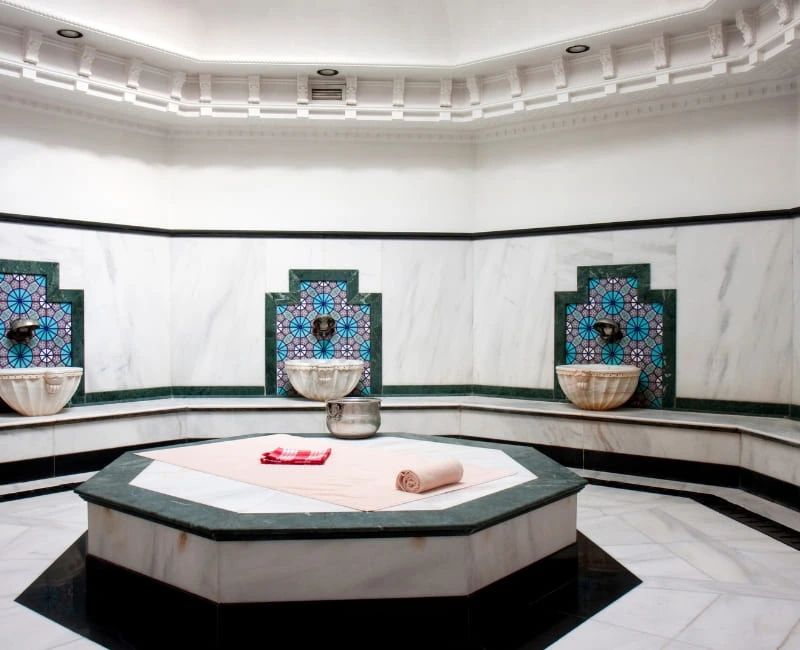
Morocco is not only a destination for adventure and culture but also a sanctuary for those seeking relaxation and holistic rejuvenation. With its rich tradition of healing practices, luxurious hammams, and spa retreats, Morocco blends ancient wellness rituals with modern comforts. The cornerstone of Moroccan wellness is the hammam, a traditional steam bath deeply woven into daily life. Locals visit the hammam weekly for purification of both body and soul. In the public hammams, you’ll see a sequence of cleansing steps: scrubbing the skin with black soap (beldi soap) made from olives, exfoliating with a kessa glove, and finishing with rinses of warm and cool water. This ritual leaves your skin feeling silky and refreshed. For tourists, many luxury riads and spas offer upscale hammam experiences, often followed by massages using argan oil, which is packed with vitamin E and antioxidants. Some spas incorporate rose water, ghassoul clay from the Atlas Mountains, and orange blossom into their treatments—each product carrying a legacy of natural healing. In Marrakech, the wellness scene thrives in chic hotels and desert-inspired retreats. Les Bains de Marrakech and Heritage Spa are favourites for those wanting indulgence within reach of the medina. Many of these centres offer bespoke packages that include facials, reflexology, aromatherapy, and even yoga sessions on tranquil rooftop terraces. Venture into the Ourika Valley or Imlil in the Atlas Mountains and you’ll find wellness lodges offering serenity amidst nature. Morning hikes followed by herbal steam baths, sunset meditation, and nourishing meals prepared with organic local produce are common features. The quietude of these surroundings supports mental clarity and emotional balance, far from city life. The Sahara too offers wellness experiences like nowhere else. Imagine sunrise yoga on a sand dune, stargazing in silence, or sound therapy using ancient instruments in the desert night. Desert camps now integrate wellness packages, offering digital detox retreats that combine body treatments, mindfulness, and guided movement. Traditional Moroccan remedies also form a part of holistic care. From herbal infusions using thyme, verbena, and rosemary to cupping therapies and natural oils, many locals still trust ancient wisdom to soothe common ailments. Wellness in Morocco is more than spa treatments—it's a sensory journey. It’s in the scent of eucalyptus in a steamy room, the rhythmic massage strokes, and the taste of warm, healing teas. Whether you stay in a 5-star spa hotel or a rustic mountain ecolodge, Morocco provides a unique pathway to inner calm..
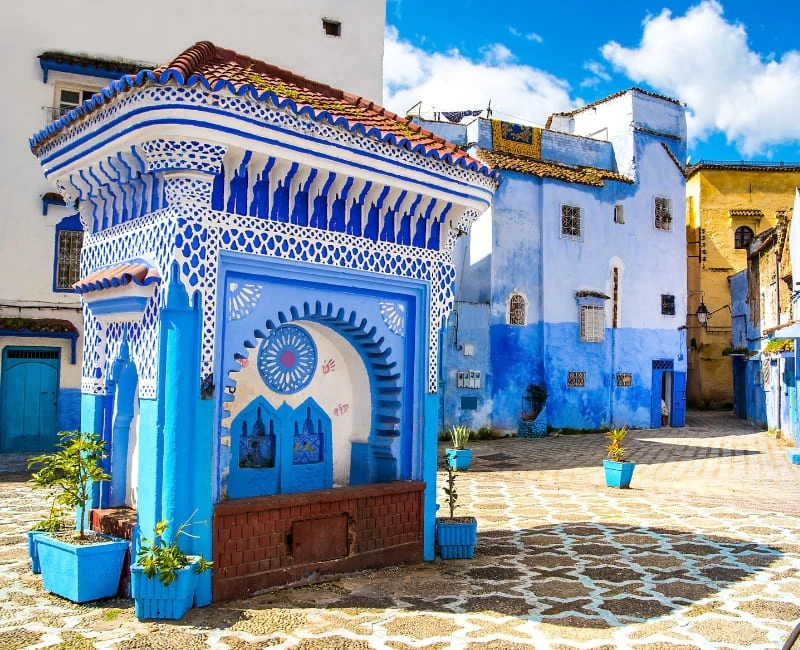
Morocco is a nation where tradition lives through music, storytelling, art, and shared celebration. Its calendar is filled with vibrant festivals and events that reflect its diverse identity—Berber, Arab, Jewish, and African. To truly connect with Moroccan culture, aligning your visit with one of these festivals can be an unforgettable experience. Perhaps the most globally recognised is the Fes Festival of World Sacred Music, held every June. Set against the backdrop of the city’s ancient medina, this spiritual event brings together artists from all over the world. From Sufi chants to gospel choirs and Buddhist monks, the festival transcends borders and unites people through the universal language of music. In Essaouira, the Gnaoua World Music Festival attracts thousands of locals and tourists. Gnaoua music, a blend of African, Berber, and Arabic spiritual rhythms, fills the town’s coastal air. Visitors experience the soulful sounds of krakebs (metal castanets), call-and-response chanting, and trance-inducing drum patterns that honour ancestral spirits. The Rose Festival in Kalaat M’Gouna celebrates the spring harvest of Damascus roses in the Valley of Roses. Streets are strewn with petals, parades take over the town, and rose-based products—from oils to perfumes—are on display. It’s a joyful, fragrant event that celebrates agriculture, femininity, and local pride. Moussem festivals, traditional gatherings often tied to a saint or historical figure, are widespread. The Moussem of Tan-Tan, listed by UNESCO, includes camel races, tribal music, and poetry, offering deep insights into nomadic Saharan culture. Religious festivals like Eid al-Fitr and Eid al-Adha are observed nationwide, though with less public fanfare for tourists. However, being invited into a Moroccan home during these times offers a glimpse into familial warmth, generosity, and traditional cooking. Art also has its day in the sun with events like the Asilah Cultural Festival, where the city becomes a living gallery. Artists paint murals on the medina walls, and poetry readings and debates bring the community together. No matter which season you visit, Morocco’s celebrations reveal a society proud of its heritage and eager to share it. Participating in a festival here doesn’t feel like a spectator event—it feels like you’re part of something much older and deeply rooted.
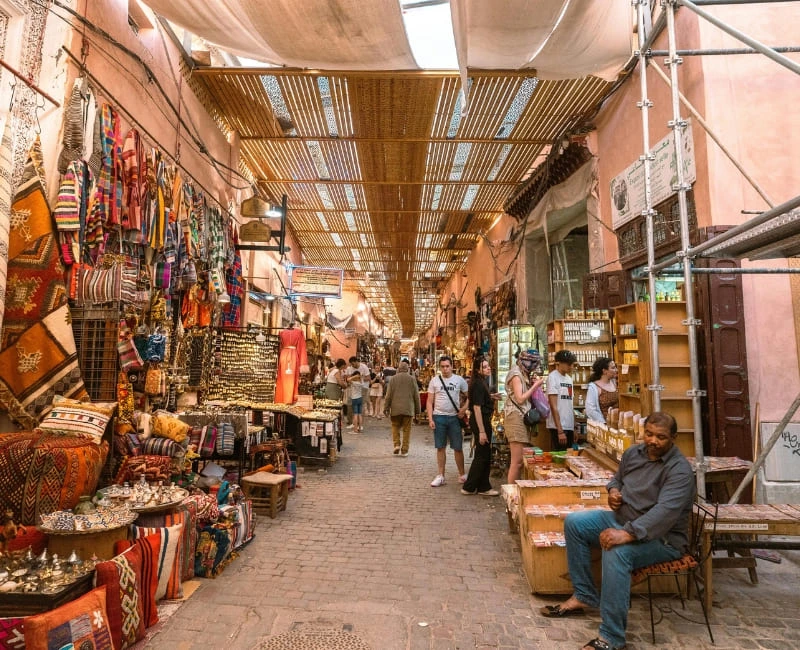
Shopping in Morocco isn’t just about souvenirs—it’s a full cultural experience. The souks (markets) are labyrinthine, vibrant, and rich with history, colour, and the hum of daily life. From Marrakech to Fez and Tangier to Chefchaouen, each city’s souk offers a different flavour and a treasure trove of artisanal goods. Start in Marrakech’s medina, where the main souk fans out from Jemaa el-Fnaa. Here you’ll find everything from hand-woven Berber rugs, lanterns, and brass teapots, to leather bags, ceramics, and spices in pyramids of colour. The art of bargaining is expected—and half the fun. Vendors are skilled storytellers and negotiators, and each purchase feels like a performance. In Fez, the souks are narrower and denser, giving a more traditional and local experience. Don’t miss the tanneries, where leather is dyed using ancient methods in open-air vats. Buy belts, bags, and slippers in every colour imaginable. Head north to Chefchaouen, the blue city nestled in the Rif Mountains, where the souk is more laid-back and picturesque. Here you’ll find woven blankets, local goat cheese, and handmade soaps infused with lavender or fig. Morocco is also famous for its argan oil, found primarily in the southwest around Essaouira and Agadir. Many women’s cooperatives offer ethically sourced argan oil products, from culinary oils to skincare. Other unique finds include zellige tiles, hand-painted pottery, silver jewellery, kaftans, and traditional musical instruments like ouds and bendirs. For foodies, taking home ras el hanout spice blends, preserved lemons, dates, and mint tea allows the flavours of Morocco to live on long after your trip. Shopping here is immersive, artistic, and deeply personal. Whether you're decorating your home or gifting loved ones, Moroccan souks turn buying into a cultural connection.
No ads. No trails. No commitments


Alice Roses
London, England
51 ST MATTHIAS ROAD
NOTTINGHAM, NOTTINGHAMSHIRE
NG3 2HF
Hours: 8:00 - 17:00, Mon - Sat
support@johnsonholidays.com