 Marsa Alam Travel
Guide
Marsa Alam Travel
Guide
Paris is known around the world as the “capital of love,” and even if you don't understand the history of Paris at all

5.5 Hours
£1.50
Marsa Alam’s coral reefs remain among the most pristine in the Red Sea, protected from mass tourism. Snorkellers and divers can explore extensive reef formations close to shore, encountering abundant marine life such as colorful fish, turtles, dolphins, and even occasional sightings of dugongs or manta rays. Many dive operators follow eco-friendly practices, ensuring minimal disturbance to underwater habitats. Beginner-friendly sites feature shallow reefs with easy entry, while more advanced sites offer thrilling wall dives and deep coral pinnacles. Night dives reveal a different world—nocturnal creatures and bioluminescence add a magical dimension. Whether you’re a seasoned diver or a newcomer, Marsa Alam’s reefs deliver unparalleled underwater experiences, making it a top reason to choose this destination.
Learn More
Enjoy reliable sunshine throughout the year in Marsa Alam, with mild winters and hot summers. From October to April, temperatures are pleasantly warm, ideal for diving, desert excursions, and beach relaxation without extreme heat. Summer months still offer sunshine and clear skies, though higher temperatures suit avid sunseekers and underwater activities where cooler water provides respite. Consistent weather reduces the risk of rain disruptions, ensuring most planned activities proceed as scheduled. Early-morning dives or late-afternoon desert safaris avoid peak heat while maximizing comfort. For photographers, golden hours over the desert and sea deliver stunning imagery. The dependable climate makes Marsa Alam a reliable choice for holiday planning, minimizing weather-related uncertainties.
Learn More
Resorts in Marsa Alam strike a balance between modern luxury and authentic local ambience. Many properties are designed using traditional architectural elements and locally sourced materials, blending seamlessly into the desert-meets-sea landscape. Guests can indulge in spa treatments featuring indigenous ingredients, dine on fresh seafood and regional specialties, and engage in activities such as Bedouin-style dinners under the stars. Despite high-end facilities—pools, fitness centers, and water sports equipment—resorts pride themselves on personalized service and community engagement, often collaborating with local artisans and guides. Smaller boutique options cater to travellers seeking intimacy and immersion in the local environment, while larger all-inclusive resorts provide convenience for families and groups. This blend of comfort and authenticity enriches the stay beyond a generic beach holiday.
Learn More
Beyond beaches, Marsa Alam offers captivating desert adventures: 4x4 safaris across vast sands, visits to remote oases, and overnight desert camping under clear starry skies. Guided tours introduce travellers to Bedouin heritage—traditional hospitality, tea ceremonies, storytelling, and insights into desert survival techniques. Excursions may include visits to emerald lakes, mountain trails, or hidden archaeological remains. Animals adapted to arid conditions—such as desert foxes or gazelles—can sometimes be spotted, offering wildlife enthusiasts a unique experience. Cultural programs sometimes involve local music performances or craft demonstrations. These immersive activities enable deeper appreciation of Egypt’s Eastern Desert beyond the coastal resort, providing a holistic holiday that mixes relaxation with exploration.
Learn More
Marsa Alam has become more accessible due to regular flights to RMF from European hubs, yet it remains less crowded than busier Red Sea destinations. This combination ensures travellers can reach high-quality resorts and dive sites without battling large crowds. Transfers from the airport to resorts are relatively short, allowing more time to unwind upon arrival. Once at the destination, guests often find tranquil beaches and dive spots with fewer fellow tourists, enhancing a sense of seclusion and exclusivity. For those seeking peace away from mass-tourism hotspots, Marsa Alam is ideal: it delivers infrastructure and comfort without sacrificing the serenity of an off-the-beaten-path locale.
Learn More
Marsa Alam caters to a wide spectrum of travellers: families, couples, solo adventurers, and groups of friends. Water enthusiasts enjoy snorkeling, diving, and boat trips; land explorers engage in desert safaris, camel rides, or mountain treks. Wellness seekers find yoga sessions by the sea and spa retreats; culture buffs can arrange excursions to historical sites or village visits; photographers capture vivid underwater scenes and desert sunsets. Even non-divers can relish glass-bottom boat tours or coastal walks. Resorts offer kids’ clubs and family-friendly programs, while adult-only options guarantee serenity for couples. This variety ensures every traveller finds their niche, making Marsa Alam a versatile destination suited to diverse holiday preferences.
Learn More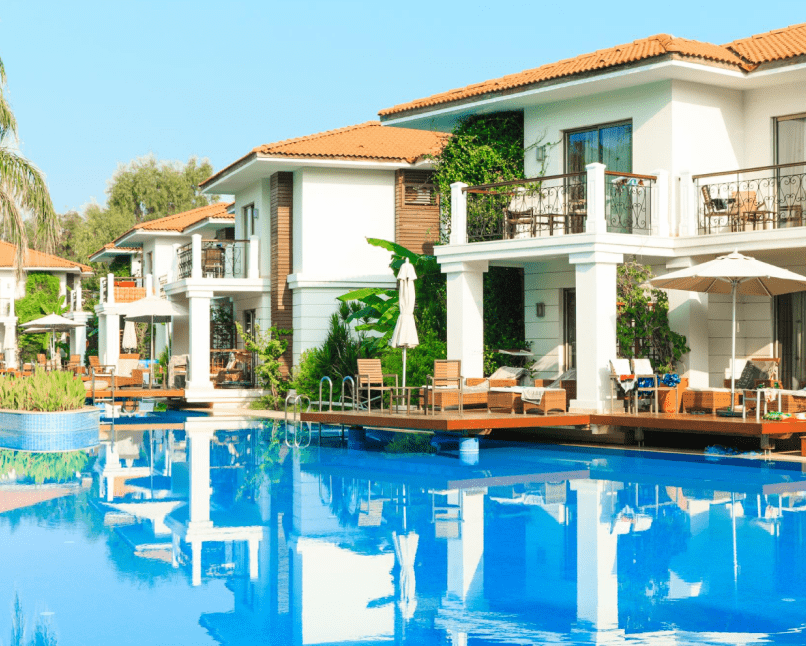
Lorem ipsum dolor, sit amet consectetur adipisicing elit. At illo adipisci iusto
From

Because more than 268 other customers have loved us too

Demonstrates commitment to user data security through encryption and secure payment practices
Learn More
Demonstrates commitment to user data security through encryption and secure payment practices
Learn More
Demonstrates commitment to user data security through encryption and secure payment practices
Learn More
Demonstrates commitment to user data security through encryption and secure payment practices
Learn More
Quality as judged by customers. Book at the ideal price!


/ person
/ person
/ person

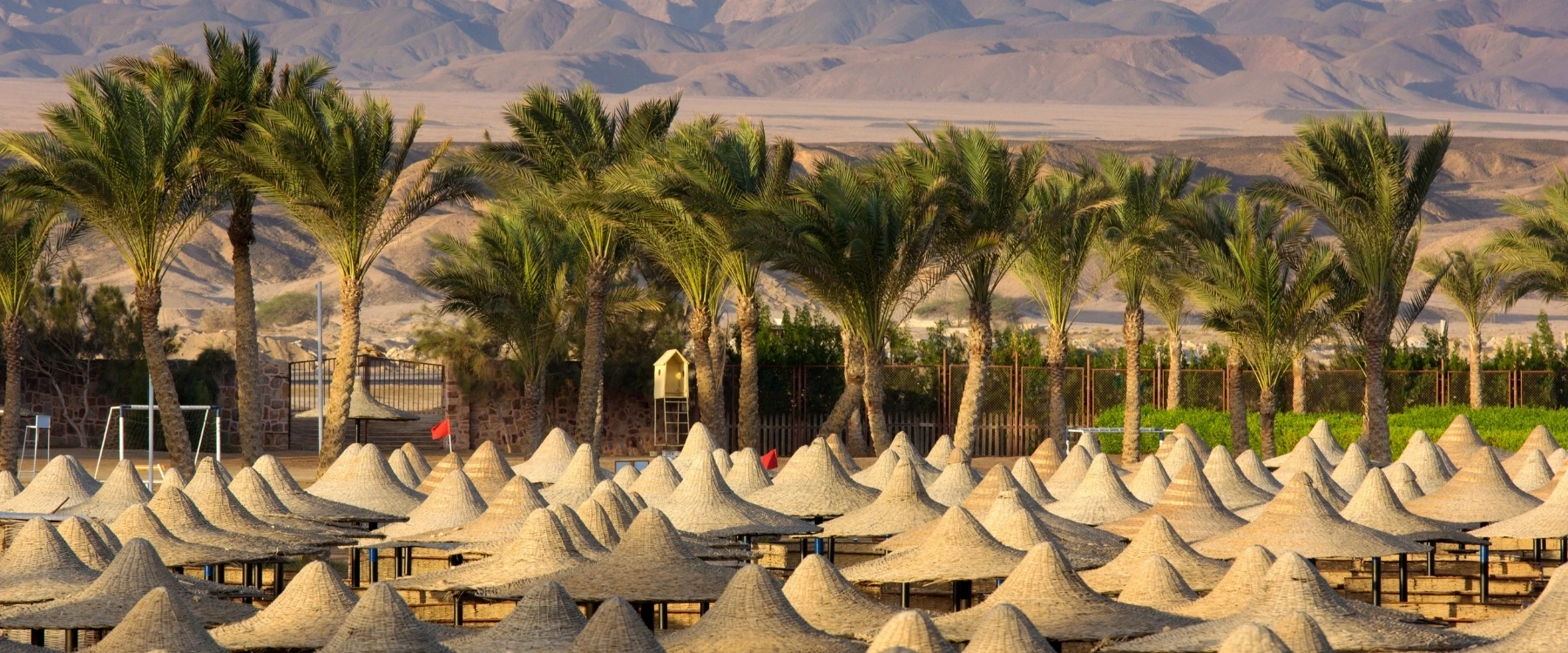
Marsa Alam’s coastline spans extensive stretches of golden sand, where the Red Sea meets the desert in a serene fusion of colours. The beaches here remain relatively undeveloped compared to busier resort towns, offering an authentic, tranquil atmosphere. Early mornings bring gentle sea breezes and calm waters, perfect for a leisurely swim or stand-up paddleboarding against a backdrop of rising sun. Resorts often feature private beach sections with sun loungers and shaded cabanas, allowing guests to unwind while sipping fresh juices or iced tea. The sandy shore gradually slopes into clear, shallow waters, making it family-friendly and ideal for those less confident in open water.Snorkelling right off the beach can be surprisingly rewarding: shallow reef fringes teem with vibrant fish and corals. Many beaches have designated snorkel zones marked by buoys; operators provide gear and guided snorkel tours to nearby reef patches. For those seeking variety, boat excursions transport visitors to more distant snorkel sites, where underwater coral gardens extend deeper and wide. Glass-bottom boat tours also cater to non-swimmers, presenting reef views without getting wet.Beachside sunsets in Marsa Alam are memorable: the sun dips behind desert ridges, casting warm hues across sky and sea. Evening gatherings on the sand, such as beach barbecues or campfire gatherings arranged by resorts, enhance the experience. Stargazing beyond light pollution reveals a tapestry of stars, inviting peaceful reflection. For wellness seekers, yoga sessions on the beach at sunrise or sunset harness the tranquil environment for mind-body balance.Local beach etiquette is respectful: many public stretches allow laid-back mingling of guests from various resorts, and photographers can capture scenery without intrusive crowds. Beach cafés serve light snacks—fresh salads, seafood platters, and smoothies—ensuring no need to leave the shore for refreshments. Overall, Marsa Alam’s beaches cater to relaxation and gentle exploration, making them a cornerstone of any holiday here.

Marsa Alam is celebrated for some of the finest dive and snorkel sites in the Red Sea. The region’s relative remoteness has preserved reefs from overuse, resulting in healthy coral ecosystems. Dive centres in Marsa Alam cater to all skill levels: introductory snorkel trips begin from shallow bays, while certified divers explore deeper walls, pinnacles, and wrecks. Renowned sites include Elphinstone Reef, famous for potential sightings of oceanic white tip sharks and hammerheads; Dolphin House (Sha’ab Samadai), where snorkellers often encounter wild spinner dolphins; and Abu Dabbab Bay, noted for sea turtle and dugong sightings.Guided dive excursions typically depart early to avoid boat traffic, navigating to reefs 30–60 minutes offshore. Dive operators adhere to strict environmental practices: briefing includes reef-safe sunscreen advice and buoyancy control to prevent reef contact. Night dives unveil nocturnal reef life: fascinating crustaceans, soft corals, and bioluminescent organisms. Photography enthusiasts benefit from clear waters and abundant marine subjects. Snorkellers can join guided tours to Dolphin House early in the morning when dolphins are most active; respectful distance protocols ensure minimal disturbance.For beginners, resort-based shallow dives under instructor supervision build confidence. Freediving sessions also appeal to those seeking a minimalist approach to underwater exploration. Equipment rental and training follow international safety standards. Even non-divers can appreciate underwater beauty via glass-bottom boats or semi-submersible tours, which avoid physical exertion while showcasing reefs.Marine conservation initiatives involve travellers: some dive centres organize reef-cleaning dives or educational briefings on reef preservation. Visitors thus gain awareness of ecological challenges and can contribute positively. Overall, Marsa Alam’s diving and snorkelling offerings combine thrill, natural beauty, and responsible tourism, making underwater exploration a highlight of any visit.
The desert hinterland around Marsa Alam beckons with dramatic landscapes and Bedouin heritage. Guided 4x4 safaris navigate across sand dunes, rocky plateaus, and dry valleys, revealing the Eastern Desert’s rugged beauty. Early-morning departures allow travellers to witness sunrise over shifting sands, while evening safaris capture sunset’s golden glow. Bedouin camps, often nestled near natural oases or sheltered valleys, provide authentic cultural immersion: visitors receive traditional tea or coffee, learn about nomadic lifestyles, and may enjoy storytelling under starlit skies around a campfire.Camel treks offer a slower-paced desert exploration, allowing contemplation of the vast environment and spotting desert flora and fauna adapted to arid conditions. Wildlife sightings may include desert foxes, hyraxes, and various bird species around occasional water sources. Guides share knowledge of indigenous plants used for food, medicine, or shelter. Some tours combine desert and coastal elements: dawn desert trek followed by snorkeling trip in the Red Sea, offering contrasting experiences in one day.Overnight desert camping elevates the adventure: comfortable tents or Bedouin-style shelters with basic amenities enable guests to disconnect from urban life. Nights reveal a canopy of stars free from light pollution, ideal for astronomy enthusiasts and photographers. Some camps offer simple but flavorful meals cooked by local hosts, often featuring grilled meats, flatbreads, and vegetable stews. Engaging with Bedouin families fosters cultural understanding; travellers learn about traditional crafts, music, and hospitality rituals.Safari operators emphasize responsible tourism: minimizing disturbance to wildlife, respecting sacred sites, and collaborating with local communities to ensure benefits reach residents. Desert experiences in Marsa Alam thus blend adventure and cultural respect, offering travellers memorable insights into Egypt’s inland heritage beyond coastal leisure.

Beyond desert landscapes, Marsa Alam serves as a gateway to historical and oasis sites. Day trips can be arranged to El Quseir, an ancient port town 75 km north, where Ottoman-era architecture, forts, and narrow alleys evoke trading history. Visitors explore restored old town sections, visit local markets, and learn about the town’s role in Red Sea commerce. Further afield, multi-day tours link Marsa Alam with Luxor, where travellers encounter iconic temples, tombs, and the Nile’s cultural richness.Closer to Marsa Alam, desert oases—such as Wadi El Gemal National Park—offer a mix of natural and archaeological interest. Wadi El Gemal encompasses desert terrain meeting Red Sea coast, with flora and fauna unique to this transitional zone. Guided walks reveal desert-adapted plants; birdwatchers may spot migratory species. Archaeological remains include ancient mining sites and inscriptions, testament to historical human presence in this harsh environment. Conservation efforts protect both nature and heritage, and visitors learn about these initiatives.Some excursions focus on local communities: visits to Bedouin villages where artisans produce handicrafts, wool textiles, or traditional jewellery. Travellers may participate in simple workshops, creating souvenirs while supporting local livelihoods. Culinary experiences showcase regional dishes, blending Egyptian and desert nomadic influences. For wellness-minded visitors, desert retreats offer meditation sessions amid silence, or herbal treatments using indigenous plants.These excursions complement coastal relaxation, providing depth to a Marsa Alam holiday by connecting visitors to Egypt’s layered history, natural diversity, and contemporary community life. Carefully curated itineraries ensure comfortable travel logistics, guiding guests safely through desert terrain and authentic cultural encounters. This balanced blend of beach and heritage exploration enriches the travel experience, making the destination multifaceted.

Marsa Alam’s marine environment is not only a tourist draw but also a site for conservation initiatives. Several dive centres partner with local NGOs to monitor reef health, track endangered species, and conduct cleanup dives. Visitors can participate in citizen-science programs: counting reef species, recording observations, or assisting in beach and reef debris removal. Educational briefings introduce travellers to coral bleaching threats, overfishing issues, and sustainable diving practices. Some resorts host marine biologists for talks or workshops, fostering awareness and encouraging eco-friendly behavior beyond the trip.Turtle conservation is another focus: beaches in the wider Red Sea region serve as nesting sites for endangered species. Tour operators sometimes organize guided visits to observe nesting (in season) under strict guidelines to avoid disturbance. Information sessions explain life cycles and local conservation efforts, raising visitor understanding of marine biodiversity challenges.Beyond underwater, Wadi El Gemal and other protected areas support desert biodiversity. Guided nature walks highlight flora and fauna, emphasizing ecological interconnections between desert and sea. Birdwatchers find opportunities during migration seasons to spot species using coastal wetlands as stopovers. Wildlife-focused tours emphasize minimal-impact observation, ensuring habitats remain undisturbed.By integrating conservation into tourism, Marsa Alam offers travellers a chance to contribute positively, deepen appreciation of natural wonders, and return home with heightened environmental awareness. This dimension elevates a holiday from mere leisure to purposeful engagement with global ecological stewardship.

The Eastern Desert around Marsa Alam serves as a living classroom of geology and desert botany, offering an immersive experience for nature lovers, photographers, and curious travellers. Guided geology trails wind among granite mountains whose weathered surfaces record ancient tectonic shifts. Sedimentary cliffs reveal layered strata—each band a chapter in Earth’s climatic past—and fossil-bearing outcrops occasionally yield remnants of prehistoric marine life, reminding us that this arid landscape was once underwater. Expert guides explain how erosion, plate movements, and shifting climates sculpted the terrain, enriching visitors’ appreciation of deep time. Amid these rock formations, hardy desert flora thrives. Acacia trees, anchored by deep roots, punctuate wadi floors with welcome shade. Succulents store water in fleshy leaves, their muted greens and silvers reflecting intense sun. Shrubs once integral to Bedouin life—used for medicine, food, or shelter—dot the trails, and after rare seasonal rains, delicate wildflowers briefly carpet the sands. Ethnobotanical commentary highlights sustainable harvests: antiseptic bark, seed pastes, and traditional remedies. Historical quarry sites link natural history with human endeavour. Here, travellers examine tool marks on rock faces and scattered stone fragments, learning how ancient Egyptians extracted building materials and traded across desert caravan routes. These visits underscore how geology shaped settlement and resource use. Birdlife adds another dimension. Desert springs and hidden oasis pockets attract larks, wheatears, and raptors in migration or search of water. Guided birdwatching segments teach identification and migratory patterns, emphasizing the importance of preserving fragile water sources. Photography is woven throughout: in soft morning light, columnar granite glows gold; at sunset, silhouettes of acacia and undulating dunes create striking compositions. Guides offer practical tips on framing landscapes, close-ups of succulents, and capturing ephemeral desert blooms against textured backdrops. Low-impact travel is paramount. Groups follow designated paths to protect sensitive vegetation and minimize wildlife disturbance. Educational briefings cover “leave no trace” principles, the threats of overgrazing, and climate-change impacts. Participants learn how respectful tourism supports local conservation initiatives. In under 400 words, Marsa Alam’s desert trails reveal a tapestry of Earth’s history, resilient plant life, and centuries of human adaptation. Whether drawn by geology, botany, photography, or the profound silence of wide horizons, travellers depart with new insights into this rugged landscape’s enduring beauty and the imperative to preserve it for future generations..

Marsa Alam’s resorts offer more than sun and sea—they provide holistic wellness journeys that rejuvenate both body and mind. Spa retreats here combine contemporary techniques with time-honored local practices, using mineral-rich Red Sea salts, aromatic desert herbs, and essential oils distilled from indigenous plants. These ingredients underpin body scrubs, wraps, and massages that detoxify and revitalize the skin. Therapists trained in international modalities and Bedouin-inspired rituals apply gentle pressure, rhythmic strokes, and energy-balancing touch to release muscle tension and induce deep relaxation, all within hygienic, comfort-focused environments.Beyond the spa, sunrise yoga on the beach welcomes early light with gentle stretches as waves lap the shore; sunset sessions in desert-view studios harness twilight’s calm. Guided meditation retreats in wilderness camps encourage digital detox—participants leave devices behind to immerse fully in silence beneath vast skies, fostering mental clarity. Some resorts curate week-long holistic retreats, blending daily yoga, pranayama, mindfulness workshops, and spa treatments into flexible yet structured schedules for stress relief and personal growth.Fitness-focused offerings complement relaxation: personal training sessions against Red Sea panoramas keep motivation high, while aqua-aerobics in resort pools provide low-impact workouts suited to all levels. Guided coastal treks and desert hill hikes combine fresh air with gentle exercise, deepening guests’ connection to the landscape. Nutrition is integral: healthy dining highlights local produce, grilled seafood, and light Middle Eastern dishes that balance flavor and wellbeing. Many resorts partner with nutritionists to tailor meal plans—vegetarian, vegan, or gluten-free—to individual needs, ensuring each bite nourishes body and spirit.Wellness packages adapt to diverse travelers: couples may opt for shared aromatic rituals and partner yoga at sunset; solo guests might choose introspective retreats, pairing journaling workshops with starlit meditation; friend groups can enjoy synchronized fitness challenges, group hikes, and spa soirées. Interiors employ natural materials—stone, wood, and desert-toned fabrics—to create tranquil sanctuaries. Soft lighting, gentle melodies, and views of sea or dunes reinforce calm, while relaxation lounges invite guests to sip herbal infusions, lounge in warm pools, or recline on shaded terraces.Ultimately, Marsa Alam’s spa and holistic offerings transform a seaside getaway into a restorative odyssey. By uniting expert practitioners, indigenous ingredients, serene settings, and customizable programs, these experiences leave travelers feeling renewed, balanced, and deeply connected—both with their inner selves and the vast, beautiful world around them.
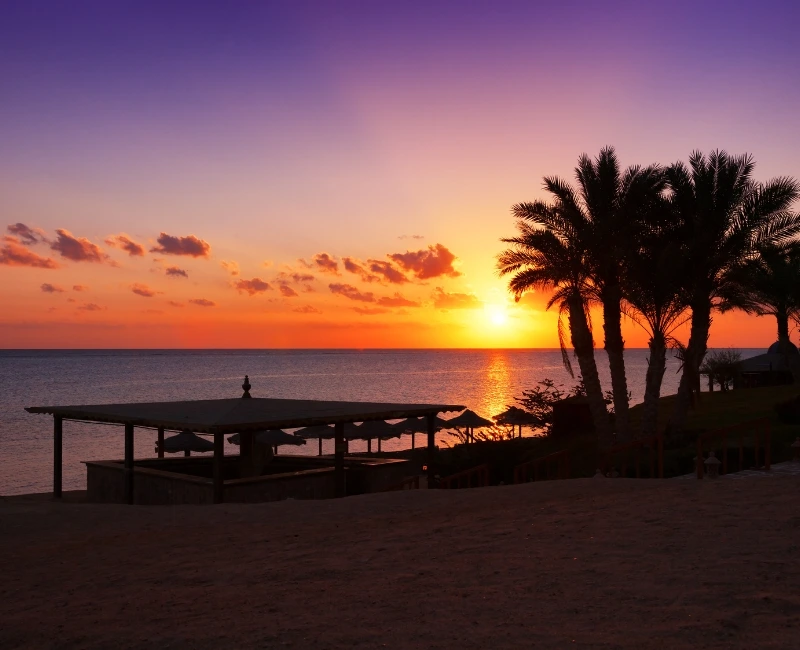
Leisure cruises along Marsa Alam’s Red Sea coast offer a perfect counterpoint to land-based adventures, blending scenic vistas, gentle activity, and moments of pure relaxation. As the late-afternoon sun casts warm hues across the water, small sailboats and motor yachts depart the shore, carrying guests toward open sea while serving light refreshments—fresh fruit, cold drinks, and local hors d’œuvres that showcase regional flavors like spiced hummus and flatbread. Passengers lean against polished decks to watch the sun descend behind desert ridges, capturing silhouettes of palm-fringed beaches, submerged reefs, and distant mountain outlines reflected in glassy waters. Many sunset sails include brief snorkeling stops, where swimmers slip into clear, warm depths to explore coral gardens teeming with parrotfish, angelfish, and graceful rays as the soft light filters through the waves; non-swimmers can instead enjoy glass-bottom boat segments that reveal vibrant marine life through viewing panels, making the experience accessible and educational for all ages.Private charters elevate the venture further, allowing small groups or families to customize itineraries—perhaps choosing dawn departures that unveil serene waters, migratory bird flocks, and occasional glimpses of pods of dolphins or feeding sea turtles, accompanied by gentle yoga sessions on deck and fresh fruit smoothies or herbal infusions served as the sky turns rose. Afternoon wellness sails transform into floating spas, with deck-side treatments such as shoulder massages, foot reflexology, or guided breathing and meditation practices led by trained practitioners; guests recline on cushioned sunbeds as a light breeze carries the scent of desert-grown chamomile and mint from infused teas.As evening falls, dinner cruises become moving seaside restaurants: neatly set tables under canopies of canvas host regional specialties—grilled Red Sea seafood seasoned with local spices, mezze platters of smoky baba ghanoush and vine-ripened tomato salads, and desserts of fresh mango and date halva. Soft lantern light and traditional Bedouin or Nubian music create an intimate, almost magical atmosphere, while the gentle boat movement and lapping waves foster conversation and contemplation under a glittering tapestry of stars.Throughout each excursion, operators emphasize safety and environmental stewardship: life jackets and clear safety briefings are standard, snorkeling guidelines protect delicate corals, and stringent waste-management practices ensure no refuse reenters the sea. Experienced captains navigate carefully to minimize wake near reefs and maintain respectful distances from wildlife. Booking is straightforward through resort concierge desks or reputable local agencies, with options ranging from budget-friendly group sails to bespoke luxury charters. Whether greeting dawn with a cup of coffee on deck, admiring underwater vistas beneath twilight skies, or savoring a starlit meal, passengers on Marsa Alam’s leisure cruises find a soothing rhythm to their holiday, leaving them feeling renewed and deeply connected to the Red Sea’s timeless beauty.
No ads. No trails. No commitments


Alice Roses
London, England
51 ST MATTHIAS ROAD
NOTTINGHAM, NOTTINGHAMSHIRE
NG3 2HF
Hours: 8:00 - 17:00, Mon - Sat
support@johnsonholidays.com