 Toulouse Travel
Guide
Toulouse Travel
Guide
Paris is known around the world as the “capital of love,” and even if you don't understand the history of Paris at all

2 Hours
£4.10
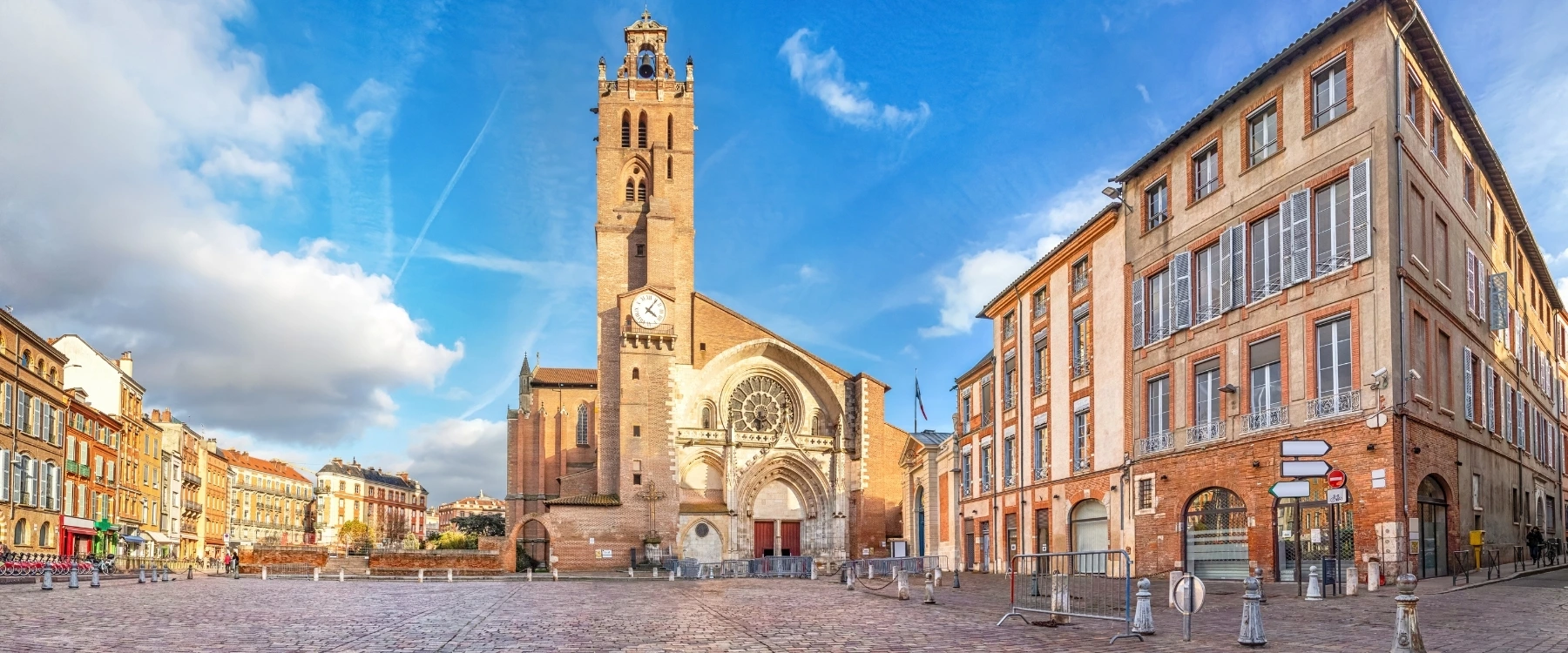
Toulouse’s medieval heart reveals an exceptional heritage through landmarks like the Basilica of Saint-Sernin—one of Europe’s largest Romanesque churches—and the Couvent des Jacobins with its palm-tree vaulting, offering a journey into Occitan history and art . The Capitole square serves as the pulsating centre, flanked by historic façades and lively cafés where visitors can soak in the city’s atmosphere. Museums such as the Musée des Augustins (fine arts) and the Musée Georges-Labit (Asian arts and antiquities) enrich cultural exploration. Wandering through cobbled streets lined with pink brick buildings provides an immersive sense of place, making Toulouse an ideal destination for travellers passionate about architecture and history.
Learn More
Southwest France’s rich culinary traditions shine in Toulouse’s vibrant food scene. From hearty cassoulet served in cosy bistros to delicate foie gras and regional cheeses paired with local wines, every meal celebrates local provenance. The Marché Victor Hugo offers fresh markets where visitors can sample specialties or join cooking workshops to learn traditional recipes. Toulouse’s cafés and brasseries along the Garonne invite leisurely dining with scenic river views. Even a pint in a local pub—priced around £4.10—becomes a cultural experience, complemented by regional craft beers and convivial ambiance .
Learn More
As Europe’s aerospace hub, Toulouse hosts Airbus operations and the Cité de l’Espace, offering unparalleled access to aviation and space exploration for visitors. The Aeroscopia museum showcases historic aircraft, including Concorde exhibits, while tours of Airbus facilities reveal modern aeronautical engineering. The presence of CNES Toulouse Space Centre underscores the city’s position at the forefront of space research. For tech enthusiasts and families alike, interactive exhibits and guided experiences bridge education and entertainment, making Toulouse a compelling destination for those fascinated by science and innovation.
Learn More
The UNESCO-listed Canal du Midi begins in Toulouse, offering opportunities for boating, cycling along its towpaths, or strolling beneath plane trees lining the canal. The Garonne River’s quays have been revitalized with pedestrian-friendly promenades, perfect for leisurely walks, waterfront dining, or river cruises. In summer, pop-up beaches (“Toulouse Plages”) appear along the riverbanks, hosting events and relaxation zones. These scenic waterways provide a soothing contrast to urban exploration, inviting visitors to unwind amid green spaces and enjoy outdoor activities in the heart of the city.
Learn More
Toulouse’s calendar is filled with festivals year-round: jazz festivals, electronic music events, film screenings, and open-air cinema evenings enliven summer nights . Cultural venues and public squares host exhibitions and performances celebrating Occitan traditions and contemporary arts. Events such as Toulouse Les Orgues (organ music festival) or Rio Loco (world music festival) attract international audiences, offering immersive cultural experiences. The city’s youthful energy, fueled by a large student population, ensures dynamic nightlife, from tapas bars to clubs, making every visit vibrant and memorable.
Learn More
Toulouse’s location makes it an excellent base for exploring southwest France: the Pyrenees mountains for hiking and skiing; Cathar castles such as Carcassonne; vineyards in Gaillac and Fronton for wine tastings; and charming villages in Occitanie. The proximity of Toulouse-Blagnac Airport facilitates connections to regional destinations. Guided tours and self-drive itineraries reveal rural landscapes, medieval towns, and natural parks. Whether seeking outdoor adventure, historic discovery, or gastronomic excursions beyond the city, visitors can easily craft diverse day trips, enriching their Toulouse experience.
Learn More
Lorem ipsum dolor, sit amet consectetur adipisicing elit. At illo adipisci iusto
From

Because more than 268 other customers have loved us too

Demonstrates commitment to user data security through encryption and secure payment practices
Learn More
Demonstrates commitment to user data security through encryption and secure payment practices
Learn More
Demonstrates commitment to user data security through encryption and secure payment practices
Learn More
Demonstrates commitment to user data security through encryption and secure payment practices
Learn More
Quality as judged by customers. Book at the ideal price!


/ person
/ person
/ person
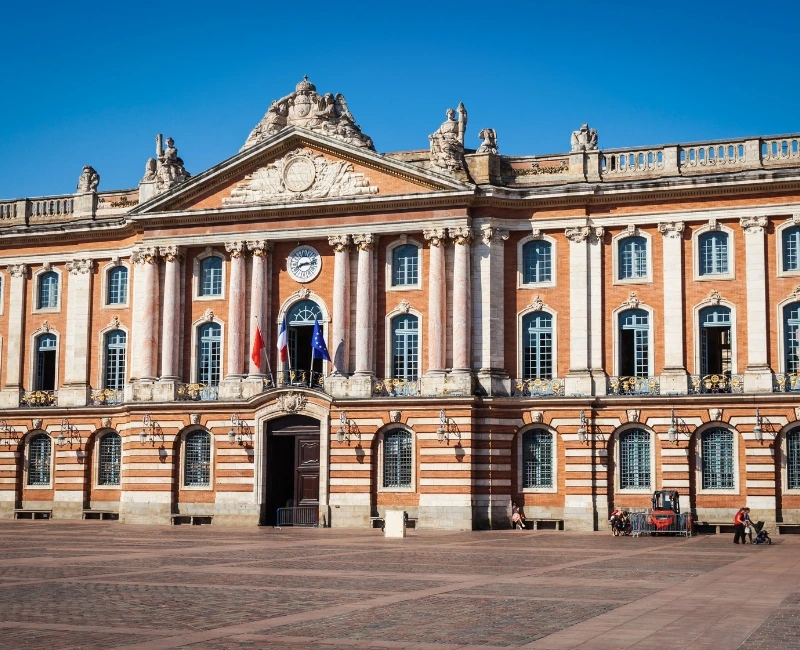
Toulouse’s medieval core offers an extraordinary journey through time, inviting visitors to wander along narrow, winding streets where pink-brick façades glow warmly in the sunlight. At the heart lies the Capitole, a grand square framed by the Capitole building’s neo-classical façade, which houses the City Hall and the Théâtre du Capitole. This square has been the civic and social center since medieval times, where markets and festivals animate the open space. From here, one can explore the Basilica of Saint-Sernin, an exceptional Romanesque structure and UNESCO World Heritage site, notable for its imposing size, intricate sculptural details, and role as a pilgrimage stop on the Way of St. James. Entering the basilica, visitors encounter the serene interior with its vaulted ceilings, relics, and Latin cross layout that reflects medieval ecclesiastical architecture.Continuing through the cobbled lanes, the Couvent des Jacobins captivates with its palm-tree column supporting a soaring vaulted ceiling—an engineering marvel of Gothic craftsmanship. The cloister offers a tranquil garden space, while the chapter house and refectory display the austere elegance of monastic life. Each corner reveals centuries-old façades adorned with carved lintels and weathered stone that tell stories of Toulouse’s past as a powerful Occitan cultural center. Local artisans’ shops and galleries tucked into historic buildings allow visitors to connect with contemporary interpretations of heritage, bridging the past and present. Exploring these sites provides both visual delight and deep appreciation for Toulouse’s architectural legacy.Beyond these landmarks, the Musée des Augustins, housed in a former Augustinian convent, showcases fine art collections spanning medieval to early 20th century, including paintings, sculptures, and ecclesiastical objects. The adjacent cloister garden offers a peaceful retreat amidst exhibits exploring religious and secular artistry. Another highlight is the Hôtel d’Assézat, a Renaissance mansion now hosting the Bemberg Foundation’s art collections, where opulent interiors and curated works reflect the aristocratic life of 16th-century Toulouse. Guided walking tours and audio guides deepen understanding, unraveling layers of history embedded in stones and artworks. This cultural immersion emphasizes Toulouse’s unique identity shaped by centuries of trade, scholarship, and creativity, making the medieval marvels and architectural gems a cornerstone of any visit.
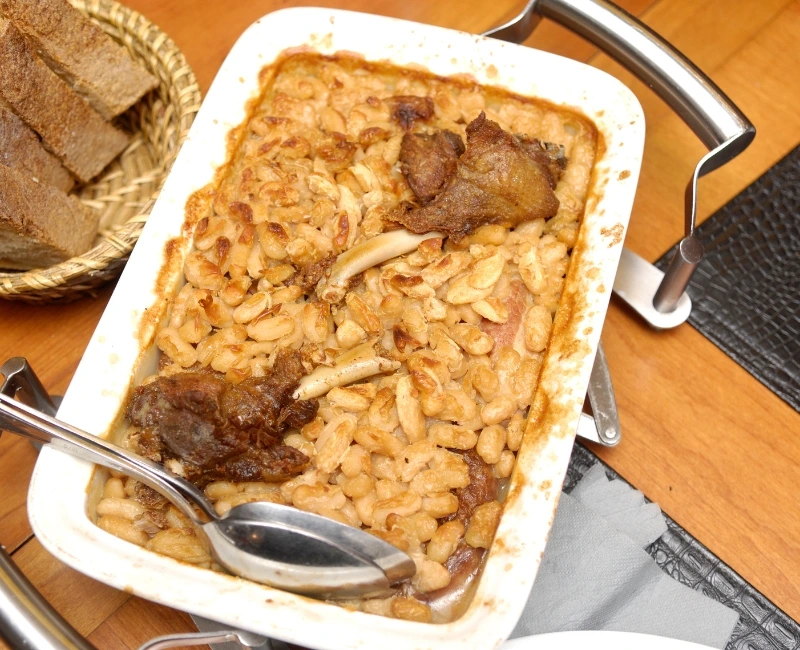
Toulouse’s culinary scene invites travellers on a sensory voyage through the tastes of Occitanie, anchored by vibrant markets and hands-on experiences. The Marché Victor Hugo stands as the city’s gastronomic heart, where stalls brim with seasonal produce—tomatoes, melons, duck confit, foie gras, cheeses such as Roquefort and local varieties, and an array of charcuterie. Meandering through the market, visitors sample regional delicacies while engaging with passionate vendors who share insights into provenance and preparation. Nearby, market-side cafés offer opportunities to taste freshly made dishes, from hearty cassoulet to delicate foie gras preparations, complemented by local wines and craft beers.For those seeking immersive culinary learning, workshops led by local chefs or artisans provide hands-on insight into traditional recipes. Participants might learn to prepare cassoulet, mastering the layering of beans, meats, and aromatic herbs, or craft pastries reflecting Toulouse’s sweet traditions. These sessions often incorporate visits to specialty boutiques—such as cheese affineurs or charcutiers—where understanding ingredient selection deepens appreciation for regional gastronomy. Wine tastings in nearby vineyards (e.g., Gaillac or Fronton) offer another dimension, pairing local vintages with dishes and revealing the interplay between terroir and cuisine.Dining in Toulouse ranges from intimate bistros tucked away along narrow streets to Michelin-starred establishments showcasing contemporary interpretations of southwest flavours. Seasonal menus emphasize fresh, locally sourced ingredients, with summer menus highlighting tomatoes and fruits, while autumn introduces game and hearty preparations. Evenings can begin with aperitifs—perhaps a glass of Gaillac white or rosé—followed by a multi-course meal accented by traditional ingredients reimagined through modern techniques. Pubs along the Garonne invite relaxed evenings, where a pint (around £4.10) accompanies tapas-style plates and conversation with locals.For a deeper dive, food tours led by knowledgeable guides traverse hidden culinary gems—family-run bakeries, off-the-beaten-path wine bars, and specialized spice shops—revealing Toulouse’s evolving food culture. These tours often incorporate historical context: how Lourdes pilgrims influenced local eateries, or how Toulouse’s position as a crossroads shaped its culinary diversity. Souvenir options include artisanal olive oils, specialty mustards, and packaged cassoulet kits to recreate flavours at home. This market-centric, hands-on gastronomic exploration ensures visitors leave with both memorable tastes and richer understanding of Toulouse’s culinary heritage.
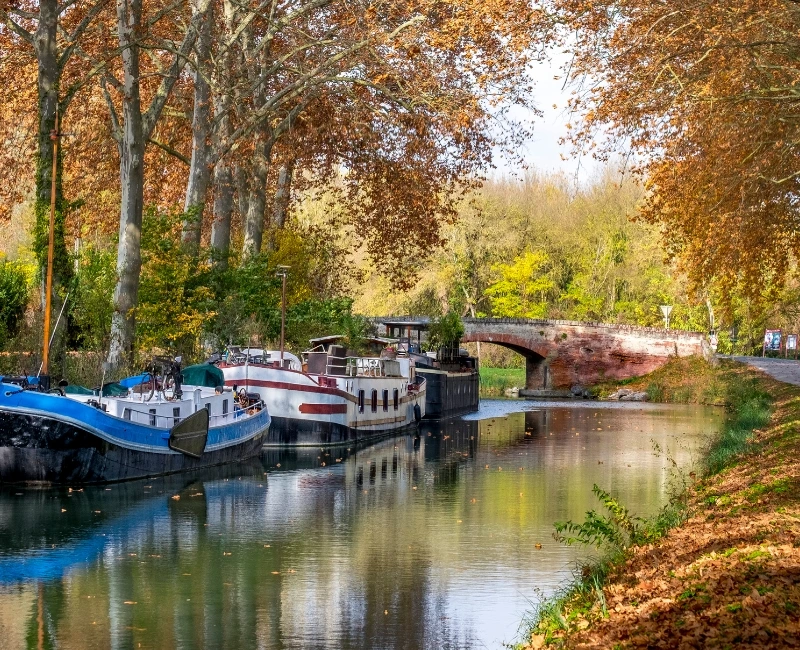
The Canal du Midi, a UNESCO World Heritage site, originates in Toulouse and offers idyllic waterway experiences blending history, nature, and leisure. Boating excursions along the canal reveal shaded towpaths lined with plane trees, where cyclists and walkers enjoy tranquil vistas of gently flowing water. Private hires of pénichettes allow overnight stays on board, drifting through the countryside and stopping at village quays for local meals. Guided boat tours provide commentary on the canal’s 17th-century genius engineering by Pierre-Paul Riquet and its enduring role in connecting the Mediterranean to the Atlantic via the Garonne.Within the city, the Garonne River’s banks have been transformed into inviting promenades. “Toulouse Plages” appears in summer—temporary urban beaches along the riverbanks with sun loungers, water misters, and pop-up events—offering relaxation in the heart of the city. River cruises aboard small vessels allow panoramic views of historic façades and bridges such as Pont Neuf, while enlightening commentary reveals Toulouse’s development along the Garonne. Kayaking or paddleboarding opportunities emerge during warmer months for active travellers seeking a unique perspective of the city.Green spaces along the river, such as the Jardin Raymond VI, provide picnic spots beneath shade trees, ideal for gathering local delicacies from markets and enjoying riverside vistas. Early morning jogs or yoga sessions by the water reflect Toulouse’s wellness-oriented offerings. Photography enthusiasts find inspiration in sunrise reflections on the Garonne or the pink-brick buildings glowing at dusk. Birdwatchers can spot species frequenting riverside habitats, adding natural interest to urban exploration.For cycling enthusiasts, dedicated routes follow the canal and riverbanks, connecting to broader regional networks leading to vineyards and rural landscapes. Day trips by bike can traverse to nearby villages, combining physical activity with cultural stops at historic châteaux or artisanal workshops. Seasonal events, such as floating concerts or open-air cinema screenings by the water, infuse evenings with communal spirit. Overall, Canal du Midi and riverside leisure activities present a harmonious blend of heritage, recreation, and nature immersion, making it a highlight of any Toulouse itinerary.

Toulouse’s reputation as Europe’s aerospace epicentre transforms a city visit into a journey through modern engineering and space science . The Cité de l’Espace, situated on the city’s outskirts, invites visitors to explore full-scale models of rockets, interactive exhibits on space missions, and immersive planetarium shows. Visitors can marvel at the Ariane 5 model, handle meteorite samples, and learn about past and future explorations, bridging educational content with engaging experiences. Regular events may include talks by scientists or even visiting astronauts, deepening insight into space research.Airbus, headquartered in Toulouse-Blagnac, offers guided tours showcasing production lines and assembly halls where modern aircraft come to life. While access may be regulated, organized visits provide glimpses into cutting-edge aeronautical design, materials science, and manufacturing processes. Nearby Aeroscopia museum chronicles aviation history, hosting iconic aircraft like Concorde, where visitors step inside cabins to understand past innovations. Exhibits often combine multimedia displays with real artefacts, illustrating advances from early flight to modern composites.Complementary sites include the CNES Toulouse Space Centre, where specific educational programs may allow public engagement with satellite technology and space research initiatives. Tech-focused exhibitions and temporary installations at science centres or universities highlight Toulouse’s role in satellite communications, earth observation, and aerospace R&D. For STEM enthusiasts, workshops or hackathons sometimes organized by local institutions encourage participation in projects related to drones, robotics, or space technologies.The synergy between heritage architecture and high-tech industry is palpable: after exploring historic sites, travellers can immerse themselves in forward-looking environments, understanding how Toulouse’s economy evolved from medieval trading hub to aerospace powerhouse. Educational tour packages may combine visits to museums, labs, and industrial sites, suitable for families, students, or professionals seeking inspiration. Even casual visitors gain appreciation for Toulouse’s global impact on air and space travel, underscoring the city’s unique identity blending tradition and innovation.
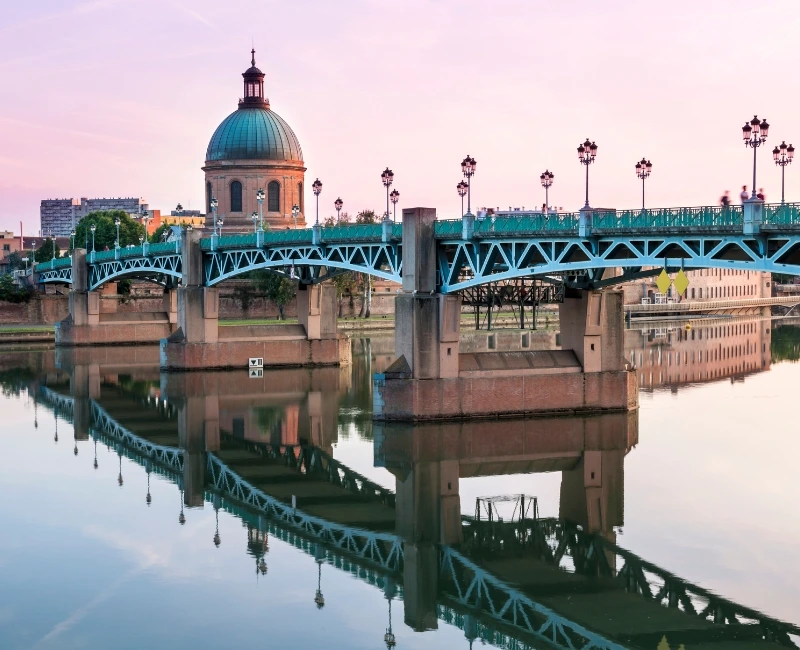
Toulouse’s vibrant calendar ensures cultural immersion regardless of season, with festivals highlighting music, arts, and regional traditions. Summer brings events such as Rio Loco (world music), Toulouse Plages activities, and open-air cinema screening classic and contemporary films along the Garonne. Jazz aficionados gather for Toulouse Jazz Festival, enjoying both established and emerging artists in atmospheric venues. Electronic music and contemporary arts festivals animate clubs and public spaces, reflecting the youthful energy of a city with a large student population.Spring and autumn showcase heritage and literary events: Occitan cultural celebrations revive regional language and customs through performances, workshops, and exhibitions. Toulouse Les Orgues offers organ music concerts in historic churches, blending architectural grandeur with musical artistry. Biennales and art exhibitions in museums and galleries present contemporary visual arts, photography, and design, often accompanied by artist talks or guided tours. Food festivals celebrate regional products, from foie gras fairs to wine harvest events in nearby vineyards, offering tasting sessions and educational workshops.Winter seasons feature Christmas markets in historic squares, where local artisans present crafts, gourmet products, and festive decorations against a backdrop of illuminated façades. Seasonal concerts and theatre productions in venues like Théâtre du Capitole enliven evenings with opera, ballet, and drama. Throughout the year, pop-up events—street performances, dance flash mobs, or impromptu concerts—reflect Toulouse’s creative pulse and openness to spontaneous cultural expression. Participation extends beyond spectatorship: interactive workshops, community projects, and volunteer-led initiatives foster local engagement and deeper connections.Planning visits to align with key events enhances the Toulouse experience: booking accommodations early for major festivals avoids high demand; combining festival attendance with sightseeing ensures balanced itineraries. Event websites and tourist information centres provide schedules and ticketing details. Whether drawn by music, art, heritage celebrations, or gastronomic fairs, travellers find Toulouse’s festivals and cultural events an enriching layer to explore the city’s dynamic spirit.
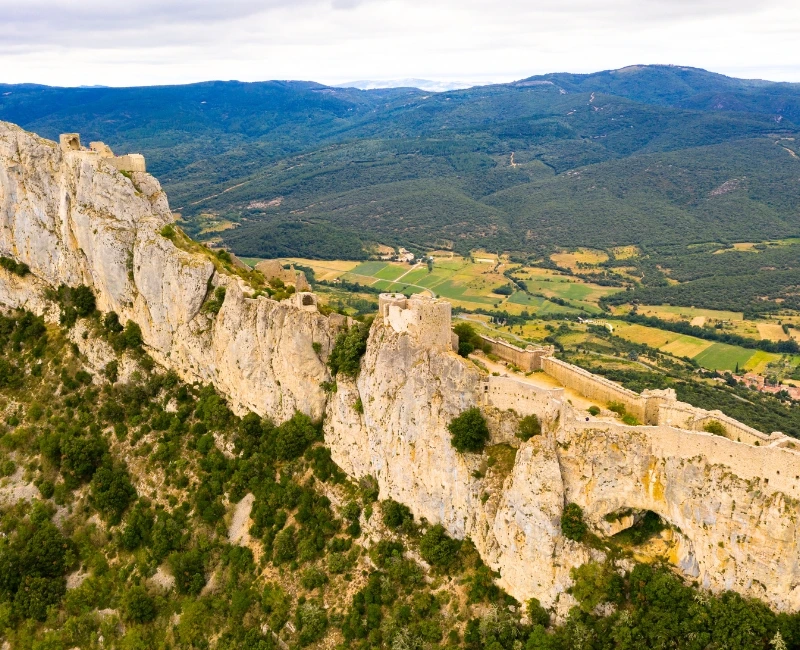
Toulouse’s strategic location makes it an ideal base for excursions into southwest France’s diverse landscapes and historic sites. A day trip to the Pyrenees offers mountain scenery, hiking trails, and ski resorts in winter; guided tours explore valleys, high-altitude lakes, and traditional mountain villages, providing contrast to urban exploration. In spring and summer, wildflower blooms and clear mountain air attract nature lovers, while autumn brings vibrant foliage—a photographer’s delight. Mountain guides lead treks suited to varied fitness levels, while local refuges offer hearty regional cuisine after outdoor pursuits.Historic Cathar castles, such as those in Lastours or Montségur, lie within accessible distance. These medieval fortresses perched atop rocky peaks evoke the dramatic history of the Cathar movement and the Albigensian Crusade. Guided visits unravel architectural adaptations to defensive needs and tell stories of resilience, belief, and conflict that shaped the region. Nearby medieval towns and villages—markets, local artisans, and preserved architecture—provide immersive cultural experiences. Wine routes in Gaillac and Fronton regions complement these visits: vineyards open for tastings of robust reds and crisp whites, with knowledgeable vintners explaining terroir influences.Alternatively, excursions to charming villages like Albi (UNESCO-listed episcopal city) or medieval Cordes-sur-Ciel extend cultural discovery beyond Toulouse. Albi’s Sainte-Cécile Cathedral and Toulouse-Lautrec Museum highlight art and religious heritage, while Cordes-sur-Ciel’s hilltop position offers panoramic vistas and artisan boutiques. Scenic train journeys, such as the “Train Jaune” in the Pyrenees, add nostalgic travel experiences through picturesque landscapes. Day trips can be self-drive or via guided tours, combining flexibility with expert insights into local history, gastronomy, and natural wonders.These regional explorations balance outdoor adventure, heritage tourism, and gastronomic indulgence. Travellers gain appreciation for Occitanie’s diversity—mountains, historic sites, vineyards, and quaint towns—all reachable within a few hours from Toulouse. Whether seeking adrenaline in alpine settings or contemplative visits to medieval castles and villages, day trips from Toulouse enrich the overall journey, connecting the city’s modern vibrancy with the broader tapestry of southwestern France..
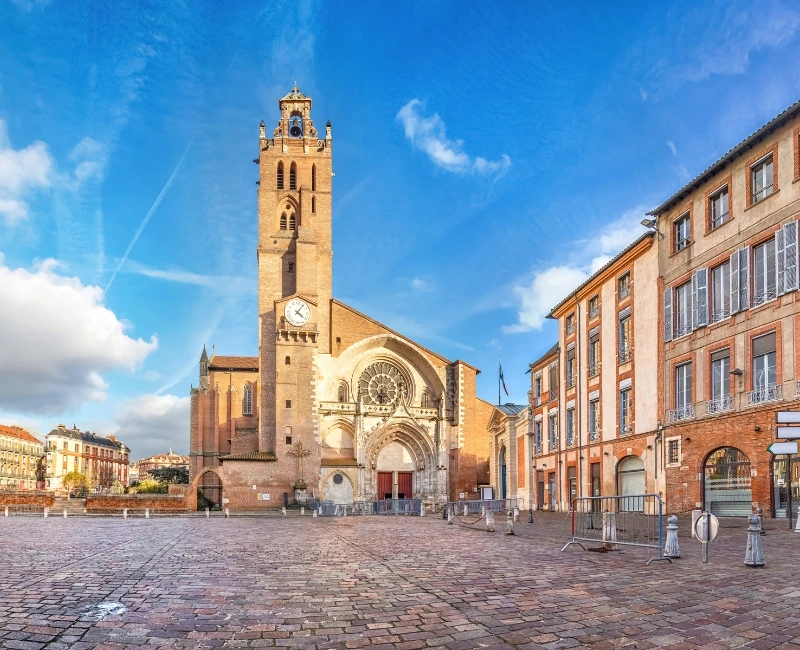
Toulouse’s status as a major student city infuses its café culture and nightlife with youthful dynamism and creativity. Daytime, cafés spill onto sidewalks where students and locals gather over coffee or study sessions, sampling pastries from artisanal bakeries. Specialty coffee shops and tea salons offer cosy settings for reading or socialising. Cultural cafés host book launches, poetry readings, and intimate concerts, reflecting Toulouse’s artistic leanings. The university district around Capitole buzzes with activity, while quieter neighbourhoods like Saint-Cyprien present alternative atmospheres with independent cafés and local hangouts.As dusk falls, bars and pubs along the Garonne come alive: terrace bars offer panoramic river views, inviting patrons to enjoy cocktails, craft beers, or regional wines as night descends. Live music venues showcase jazz, rock, or electronic DJs, catering to varied tastes. Clubs in the Carmes or Saint-Pierre districts host themed nights, attracting students and visitors alike. Toulouse’s nightlife evolves with seasons: summer riverside parties blend outdoor settings with music festivals, while winter brings cosy cellar bars with live acoustic performances.Culinary late-night experiences include tapas-style plates in wine bars, gastronomic bistros offering tasting menus, and international eateries reflecting the city’s multicultural student body. Night markets or food truck gatherings occasionally appear, enabling casual dining under illuminated façades. Jazz bars near historic sites create a blend of heritage ambiance and contemporary vibe. For theatre and performance arts enthusiasts, evening shows at Théâtre du Capitole or independent theatres offer ballet, opera, or avant-garde productions, ensuring cultural options beyond bars.Safety and accessibility: Toulouse’s public transport operates late-night services on key routes, and taxi or ride-share options accommodate late returns. Engaging local students or guides reveals hidden gems—secret speakeasies or pop-up events. This vibrant café and nightlife scene demonstrates Toulouse’s capacity to entertain across interests, where historic surroundings and youthful energy merge to create memorable evenings that showcase the city’s social fabric.
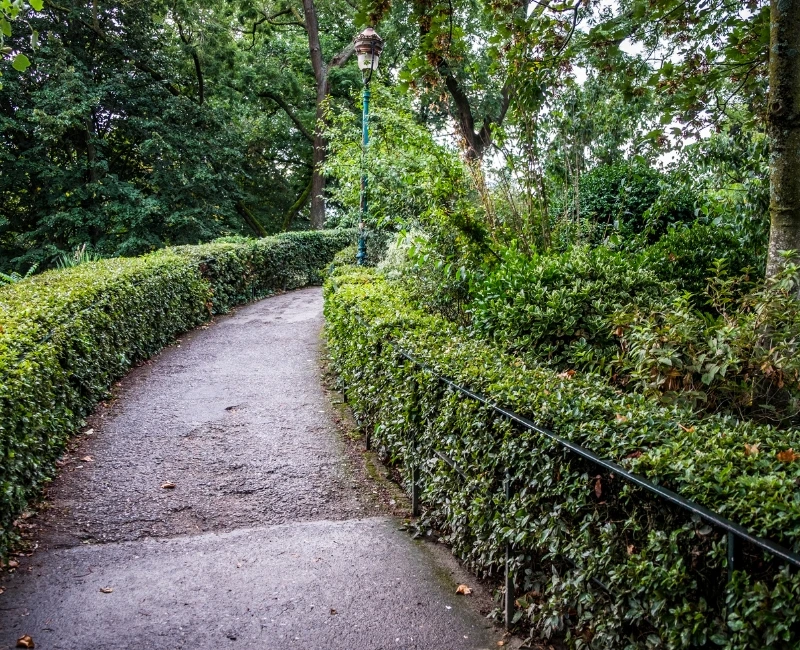
Amid Toulouse’s urban vibrancy, tranquil green spaces and wellness offerings provide restful interludes . The Jardin Japonais de Toulouse offers a serene Japanese garden setting for meditation and contemplation, with koi ponds and bamboo groves creating peaceful ambiance. The Jardin Raymond VI along the Garonne invites picnics and gentle riverside strolls under plane trees. Botanical interests flourish at the Jardin des Plantes, where themed gardens and seasonal plantings offer sensory engagement and calm retreat from city bustle.For holistic wellness, spa facilities within boutique hotels or stand-alone centres provide treatments inspired by local ingredients: honey from regional apiaries, lavender-infused oils, or grape seed scrubs linked to nearby vineyards. Yoga and Pilates studios offer drop-in classes, some held outdoors in parks or on riverbanks at sunrise, combining fitness with natural settings. Wellness workshops may include aromatherapy or mindfulness sessions in historic venues repurposed as retreat spaces, blending heritage ambiance with modern well-being practices.Cycling along canal towpaths or gentle hikes in nearby natural parks like the Pyrenees foothills provide active relaxation, aligning physical exertion with restorative natural immersion. Day spas incorporate hydrotherapy pools, saunas, and relaxation lounges, allowing travellers to unwind after days of sightseeing. Wellness-oriented cafés serve healthy local fare: vegetarian options, fresh juices using regional produce, and light salads featuring Occitan ingredients. Mindful retreats sometimes organize weekend wellness packages combining accommodation, meals, spa treatments, and guided outdoor activities.Evening relaxation might involve attending classical music concerts in historic churches, where the serene acoustics foster introspection. Bookstores and cafés host mindfulness workshops or literary discussions, offering mental rejuvenation through cultural engagement. This wellness and relaxation guide emphasizes balance: interweaving Toulouse’s lively cultural offerings with spaces and activities dedicated to rest, reflection, and holistic health, ensuring that travellers return home refreshed.
No ads. No trails. No commitments


Alice Roses
London, England
51 ST MATTHIAS ROAD
NOTTINGHAM, NOTTINGHAMSHIRE
NG3 2HF
Hours: 8:00 - 17:00, Mon - Sat
support@johnsonholidays.com