 Cordoba Travel
Guide
Cordoba Travel
Guide
Paris is known around the world as the “capital of love,” and even if you don't understand the history of Paris at all

2.5 Hours
£2.60
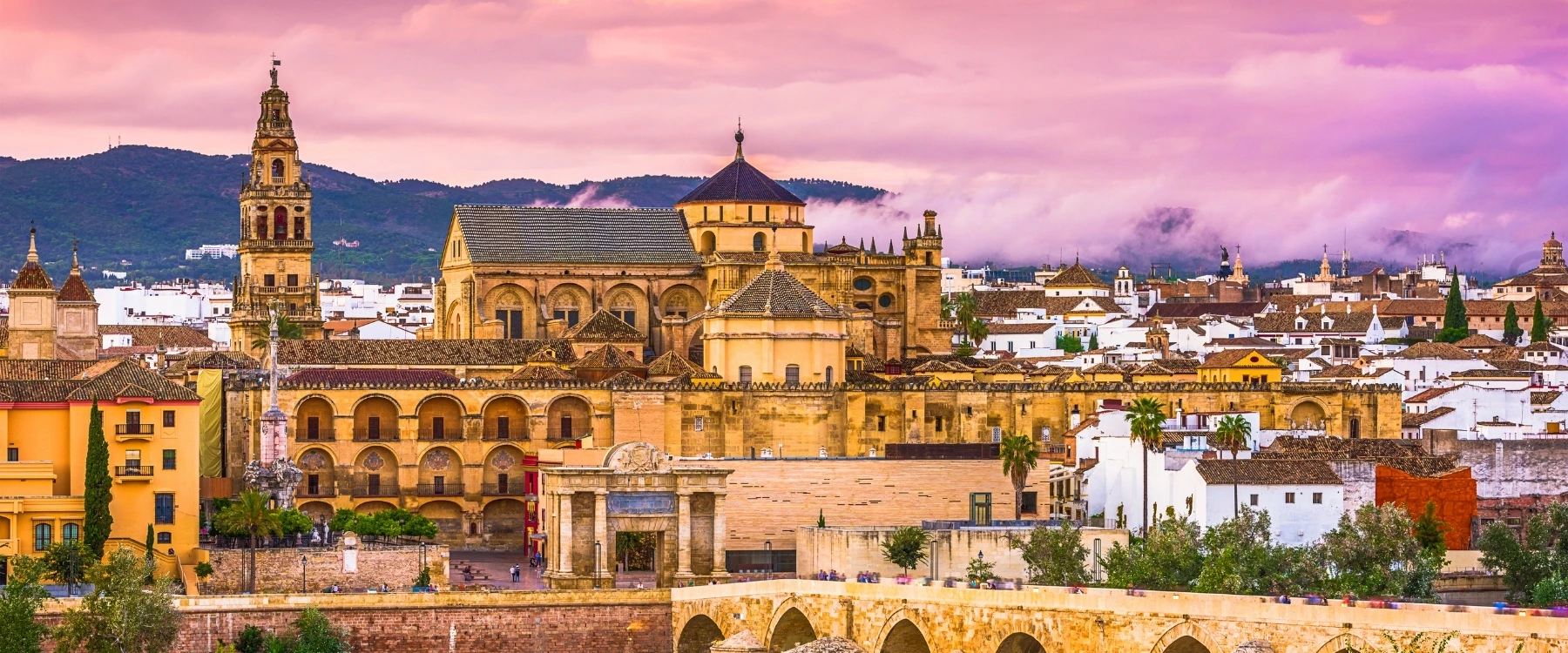
Cordoba’s historical legacy is unparalleled: from the Roman era to the Islamic Caliphate and Christian reconquest, layers of history are tangible at every turn. The Mezquita exemplifies this fusion, offering a stunning interior with rows of red-and-white arches beneath a serene cathedral nave
. Wandering the Jewish Quarter’s narrow alleys, you’ll find synagogues, ancient walls, and hidden patios that speak to centuries of multicultural coexistence. Each monument—from the Alcázar de los Reyes Cristianos gardens to remnants of Roman foundations—tells a chapter of Cordoba’s past, making the city a living museum and a compelling draw for history enthusiasts.
Learn More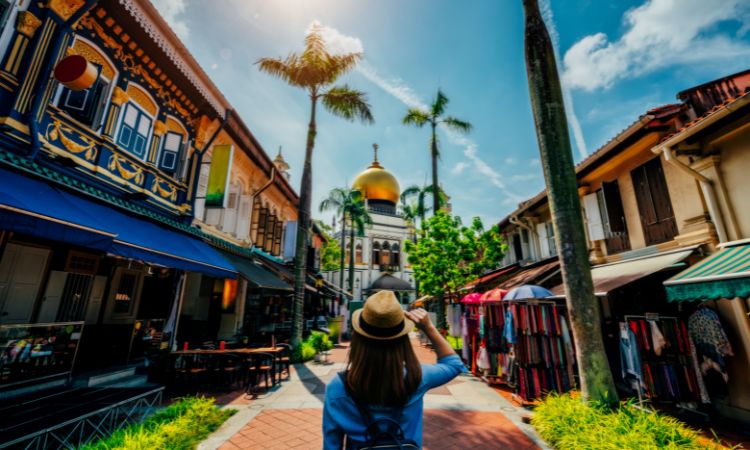
Cordoba pulses with genuine Andalusian spirit. Local traditions such as flamenco performances, artisan crafts, and gastronomic customs reflect deep-rooted heritage. During the Patio Festival, private courtyards burst into bloom, offering a rare glimpse into neighborhood life and community pride. Evening tapas crawls lead you to family-run taverns, where conversations flow as freely as the olive oil drizzled over regional dishes. This immersive cultural tapestry ensures every visitor experiences Cordoba beyond sightseeing—by participating in living traditions that have endured for generations.
Learn More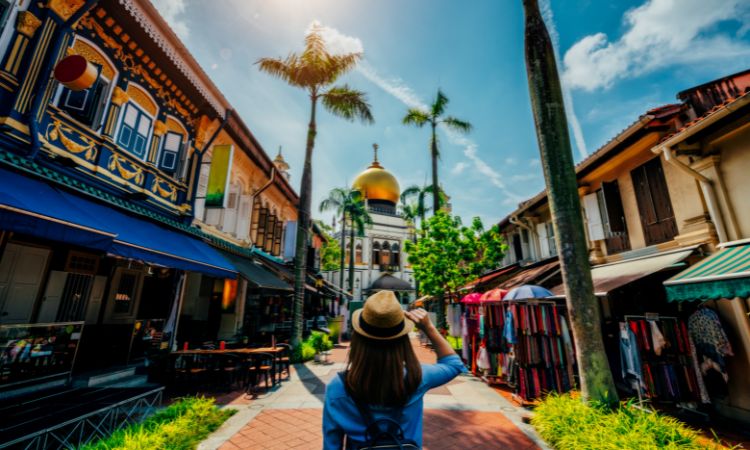
Cordoba’s cuisine is a highlight: cool salmorejo soups refresh in warmer months, while hearty stews and Manchego cheeses comfort when temperatures dip. Small tapas bars offer sampling of local specialties: oxtail, Iberian ham, and freshly baked bread drizzled with award-winning olive oil. Paired with Spanish wines or a pint at approximately £2.60, dining here is both authentic and affordable. Food markets showcase fresh produce and regional delicacies, inviting visitors to taste Andalusia’s flavors directly. Cooking workshops further deepen appreciation for seasonal ingredients and traditional techniques.
Learn More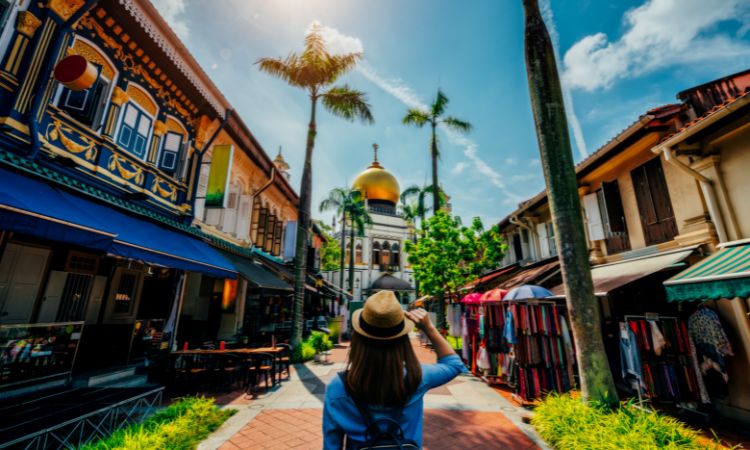
Cordoba’s festival calendar brings the city to vibrant life. Semana Santa processions feature solemn pageantry; the Patio Festival in May transforms private courtyards into floral spectacles; and the Feria de Córdoba closes May with flamenco, music, and regional cuisine in open-air fairgrounds. These events showcase the region’s artistic sensibilities, community engagement, and celebratory spirit. Planning a visit around festival dates allows immersion in local culture at its most vivid, but booking early is essential due to high demand.
Learn More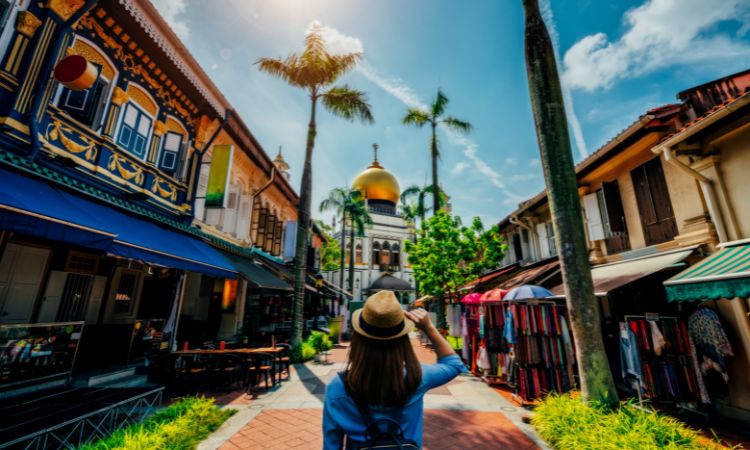
Beyond urban treasures, Cordoba’s surroundings offer scenic beauty: the Guadalquivir River meanders past olive groves, inviting leisurely walks, boat rides, or cycling routes. Nearby natural parks and reservoirs provide opportunities for kayaking, birdwatching, and quiet retreats among Andalucian countryside vistas. Panoramic viewpoints atop hill forts offer sunrise or sunset panoramas over terracotta rooftops and distant mountains. For travelers seeking relaxing yet enriching nature experiences alongside cultural exploration, Cordoba’s landscapes deliver serene contrasts to historical immersion.
Learn More
Despite its rich heritage, Cordoba remains surprisingly accessible and walkable. The compact historic center ensures most landmarks are within easy strolls, reducing time spent commuting. While Cordoba Airport (ODB) handles select flights, major hubs like Seville (SVQ) and Málaga (AGP) connect internationally, with efficient train or shuttle services to the city. Well-maintained public transport and pedestrian-friendly streets make exploring stress-free. Accommodations in converted historic buildings place you steps from main sights, enhancing the sense of discovery and immersion.
Learn More
Lorem ipsum dolor, sit amet consectetur adipisicing elit. At illo adipisci iusto
From

Because more than 268 other customers have loved us too

Demonstrates commitment to user data security through encryption and secure payment practices
Learn More
Demonstrates commitment to user data security through encryption and secure payment practices
Learn More
Demonstrates commitment to user data security through encryption and secure payment practices
Learn More
Demonstrates commitment to user data security through encryption and secure payment practices
Learn More
Quality as judged by customers. Book at the ideal price!


/ person
/ person
/ person
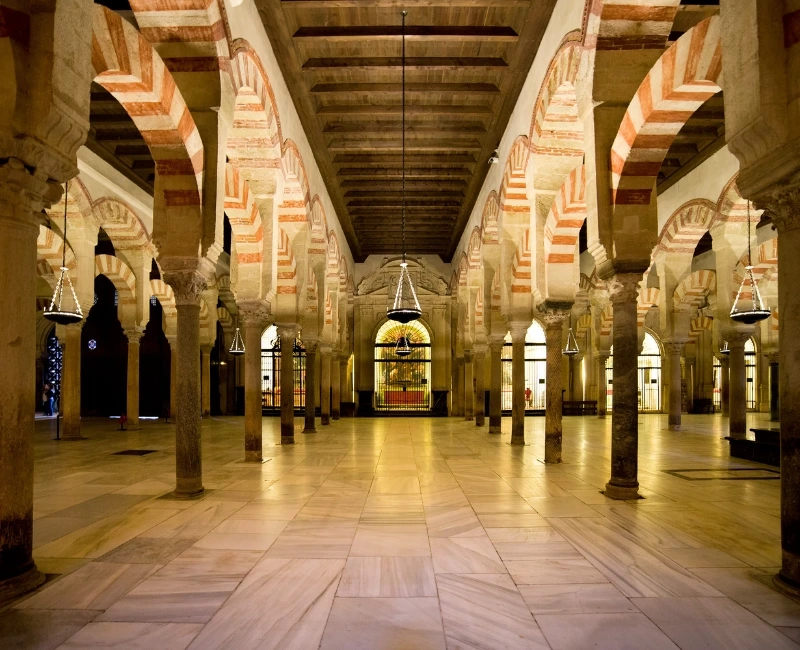
Cordoba’s centerpiece, the Mezquita-Catedral, stands as a testament to centuries of layered history. Originally built by Abd al-Rahman I in the 8th century on the site of a former Visigothic church, it became one of the largest and most magnificent mosques of the medieval world. In the 16th century, a Renaissance cathedral nave was inserted within the mosque’s hall, creating a remarkable coexistence of Islamic and Christian architectural elements .Entering the hypostyle hall, you’re greeted by rows of red-and-white horseshoe arches supported by columns repurposed from Roman and Visigothic structures, creating a forest-like effect that plays with light and shadow. The intricately decorated mihrab area, with its ornate mosaics and geometric motifs, evokes the height of Umayyad art in Al-Andalus.To fully appreciate its scale and details, visit early morning or late afternoon when light filters through the clerestory windows, highlighting patterns on marble columns and the golden mihrab. Guided visits (preferably English-speaking guides booked in advance) can uncover hidden stories about successive expansions under various caliphs and later Christian adaptations. Beyond the main hall, explore the cathedral’s nave, chapels, and choir, where Renaissance and Baroque artistry mingle with earlier aesthetics.Surrounding the Mezquita, Cordoba’s historic core invites wandering: narrow, whitewashed alleys open onto small plazas shaded by orange trees and flower-laden balconies. In the Jewish Quarter (Judería), find the medieval synagogue—one of few in Spain that remains intact—offering insight into the city’s once-thriving Jewish community. Small museums or interpretive centers within the old town reveal archaeological remains from Roman and Islamic periods, emphasizing Cordoba’s role as a crossroads of civilizations.Allocate at least half a day to the Mezquita and its surroundings: pause at hidden patios for coffee or horchata, browse artisan shops selling ceramics and leather goods, and observe how locals move through daily life—shopping at markets, gathering in tapas bars, or pausing for a siesta break. Evening visits to the historic center reveal the Mezquita illuminated against dusk skies, adding a magical ambiance for photographs and contemplative strolls. This immersion in Cordoba’s heart sets the stage for appreciating other facets—culinary, cultural, and natural—while grounding you in the city’s rich heritage.

Cordoba’s Patio Festival in early May is legendary: from approximately May 5 to 18, residents open their private courtyards (patios) to the public, revealing floral displays of geraniums, bougainvillea, jasmine, and tiled fountains that transform hidden spaces into vibrant tableaux. While the festival’s busiest days draw large crowds, visiting early morning when gates first open or in the days immediately before/after official dates offers a more intimate experience—fewer visitors, softer light for photos, and time to converse with homeowners proud to share family traditions. Each patio tells a story: traditional ceramic pots arranged in geometric patterns, fragrant orange blossoms perfuming the air, and water features reflecting filtered light. These micro-oases demonstrate Andalusian ingenuity in maximizing limited space and celebrating community identity.Year-round, seeking out quieter patios in residential neighborhoods reveals authentic daily life: glimpses of locals watering plants, children playing in shaded corners, and neighbors exchanging greetings over low walls. Participating in a hands-on workshop—tile painting, pottery, or even a short floristry demonstration—connects visitors to the craft traditions underpinning patio aesthetics. Local markets such as Mercado Victoria or Mercado de la Corredera provide further immersion: stalls brim with seasonal produce (ripe tomatoes, peppers, citrus), regional cheeses, olives, and cured meats. Sampling items at market cafés or ordering small plates to share fosters communal spirit reminiscent of Andalusian tapas culture.Observe rhythms of local life: mid-afternoon siesta lull, evening paseo when residents stroll historic streets, and weekend gatherings in plazas. Plan to have a leisurely lunch in a family-run tavern, savoring dishes made from market-fresh ingredients. Engaging a neighborhood guide or joining a small-group walking tour focused on hidden corners can reveal lesser-known patios and artisan ateliers. Evening visits to central plazas, where older generations gather for conversation and younger locals meet after dinner, underscore Cordoba’s convivial atmosphere. By blending festival highlights with off-season exploration, you experience both celebrated traditions and quotidian rhythms, gaining a holistic sense of Cordoba’s living culture.

Cordoba’s cuisine marries Moorish heritage and Andalusian ingredients, creating dishes that balance freshness and depth. Begin with tapas explorations in traditional taverns: sample salmorejo, a chilled purée of tomatoes, bread, garlic, and olive oil, garnished with diced egg and jamón; its silky texture refreshes in warm weather and speaks to local tomato- and olive-rich agriculture. Try flamenquín, thin pork loin wrapped around cured ham, breaded and fried to golden crispness, offering savory indulgence. The hearty rabo de toro (oxtail stew) simmers until meat falls from the bone, enriched by red wine and aromatic vegetables—ideal in cooler months. Sip on Montilla-Moriles wines, from the nearby Córdoba province vineyards, whose dry sherries pair beautifully with savory plates. A pint of local beer (~3€) equates to roughly £2.60, an affordable complement to tapas.For immersive experiences, book a cooking class focusing on Andalusian staples: learn to achieve the right salmorejo consistency, balance sweet-and-sour notes in berenjenas con miel (fried aubergine drizzled with honey), or prepare pipirrana salad with crisp vegetables and olive oil. Visiting an olive oil mill on the city’s outskirts offers insight into production: tasting premium extra-virgin oils at source reveals subtleties from different olive varieties and pressing techniques. Seasonal festivals may highlight local produce—olive harvest celebrations in autumn, gastronomy fairs showcasing regional cheeses and honey.Cordoba’s sweet traditions reflect Moorish influence: almond- and honey-based pastries such as alfajores delight the palate. Seek out family-run pastelerías where recipes pass generations. Coffee culture in Cordoba features café con leche paired with a pastry in morning hours; sitting in a shaded patio café allows observation of daily life unfolding.Markets like Mercado de la Corredera present fresh ingredients and small eateries serving tapas-style snacks: olives cured in brine, slices of jamón ibérico, local cheeses drizzled with olive oil. Engage vendors in conversation—practicing Spanish phrases enhances rapport and may uncover insider tips on seasonal specialties. For a deeper palate adventure, attend a wine tasting in a bodega in Montilla-Moriles or join a guided food tour that visits both historic taverns and modern reinterpretations of Andalusian cuisine. Document flavors and recipes in notes or photos to recreate dishes later. Through these culinary pursuits, you not only taste Cordoba but understand its agricultural roots, family traditions, and creative evolution.
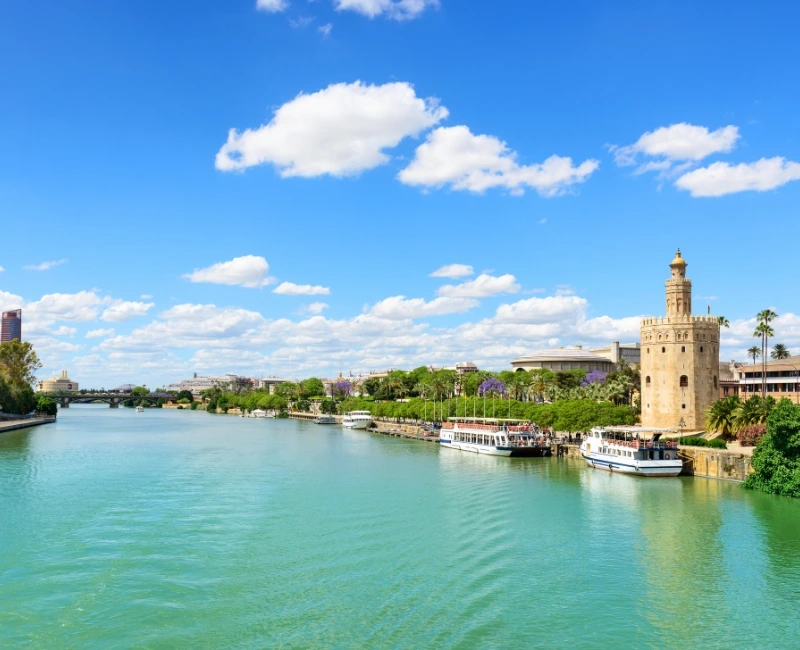
Cordoba’s urban pulse extends into soothing outdoor escapes along the Guadalquivir River and within garden sanctuaries. Start with a riverside stroll or paddleboat ride at sunrise or sunset, when city landmarks—historic bridges, city walls—reflect in calm waters. Early morning light reveals birds on riverbanks and cool breezes offer respite from midday warmth. Cycling routes follow the river through olive groves and into semi-rural landscapes; renting a bike near the city center provides flexibility to explore at your own pace. Pack water, sun protection, and local snacks for a picnic under cork oak or pine trees alongside the riverbanks.Within the city, the Alcázar de los Reyes Cristianos gardens invite tranquil wandering: terraced courtyards planted with fragrant orange trees, rose gardens, fountains, and shaded pathways . Arrive early to enjoy dew-fresh blooms and fewer visitors. The garden’s blend of water features and greenery reflects Islamic garden traditions emphasizing sensory harmony. Bring a camera to capture close-ups of floral details and broad vistas.For more adventurous nature outings, head to nearby Sierra Morena foothills: guided hikes reveal Mediterranean flora, wildlife, and panoramic views back toward Cordoba. Birdwatchers may spot migratory species near wetlands or reservoirs like Iznájar, sometimes called Cordoba’s lake beach, where kayaking or paddleboarding is available in warmer months . Seasonal wildflowers in spring paint countryside roadsides, while autumn olive-harvest landscapes showcase golden hues.Photography enthusiasts find endless motifs: reflections of orange blossoms in water basins, ancient city walls framed by foliage, or sunset panoramas from hilltop viewpoints. Plan a sunrise shoot at the Roman Bridge for soft light on the arches. In summer, use morning or late-afternoon for outdoor activities, retreating to shaded patios or hammams during peak heat.Combine cultural visits with nature interludes: after exploring the historic core, recharge in garden cafés or riverside terraces sampling local refreshments. Consider a guided e-bike tour that alternates historic site visits with countryside segments. For wellness, practice yoga or meditation in garden settings, or arrange a hammam visit nearby to soothe muscles after hiking. By weaving these outdoor experiences into your itinerary, you balance Cordoba’s rich heritage with restorative encounters in nature, leaving you refreshed and deeply connected to Andalusian landscapes.
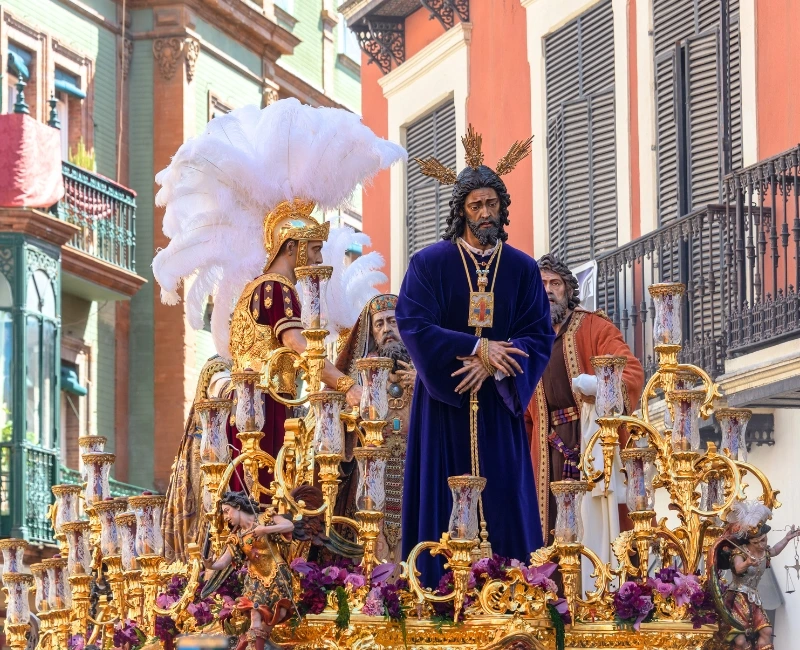
Cordoba’s cultural calendar pulses with festivals that reveal Andalusian spirit. In spring, Semana Santa (Holy Week) processions wind through atmospheric streets: religious brotherhoods carry elaborately decorated pasos (floats) depicting biblical scenes, accompanied by solemn music and candlelight. Witnessing these processions offers insight into deep-rooted religious traditions and communal devotion. The scale and pageantry vary by day; consulting schedules in advance helps plan attendance at major events.Shortly after, the Patio Festival transforms private courtyards into public galleries of floral artistry from roughly May 5 to 18. Despite high interest, visiting early in the morning yields a more contemplative experience: dew-kissed flowers, quieter ambiance, and the chance to speak with homeowners about family histories tied to each patio. The festival atmosphere extends into surrounding neighborhoods, where locals decorate streets and plazas. Evening visits to lit patios provide a different mood, with subtle lighting accentuating water features and blossoms.At the end of May, the Feria de Córdoba brings fairgrounds alive with flamenco dresses, horse parades, dancing, and open-air casetas serving regional cuisine and sherry. Locals and visitors gather for late-night celebrations; scheduling a visit during Feria requires early booking of accommodations. In summer, smaller neighborhood festivals honor local saints or agricultural cycles, featuring music, food stalls, and communal gatherings.Autumn shifts to harvest-related events: olive harvest celebrations in nearby towns include olive oil tastings, farm visits, and gastronomy fairs highlighting seasonal produce. Cultural festivals in historic venues—classical music concerts in courtyards, flamenco nights in tablaos—offer evening entertainment. Occasionally, Cordoba hosts film or literature festivals in autumn and winter, bringing international artists and audiences.Planning a trip around festivals enriches immersion but requires foresight: check exact dates (Semana Santa dates vary yearly; Patio Festival typically first two weeks of May), book guided tours or event tickets early, and prepare for higher prices during peak periods. Alternatively, visiting just before or after main festival dates still allows enjoying decorated patios, calmer historic streets, and understanding the cultural context without crowds. Engaging with locals—joining processions, attending small-scale neighborhood events, or learning basic flamenco steps—creates lasting memories of Cordoba’s celebratory heartbeat.

Cordoba’s artisan scene preserves centuries-old crafts rooted in Andalusia’s multicultural past. Ceramics workshops produce traditional azulejos (painted tiles), leather ateliers craft handbags and accessories using locally sourced hides, and textile artisans weave fabrics reflecting Moorish influences. Visiting small studios in the Judería or near artisan quarters allows observation of artisans at work: painting intricate patterns on tiles, hand-stitching leather goods, or embroidering textiles. These visits often include explanations of techniques passed down through families over generations, underlining how local resources and cultural exchanges shaped each craft.Participate in hands-on workshops to deepen understanding: in a tile-painting session, learn basic geometric motifs and glazing steps; in a leather workshop, shape a small accessory or imprint decorative patterns using traditional tools. Such experiences foster appreciation of the time, skill, and care invested in each piece. Many workshops also discuss sustainable practices, such as using vegetable tanning or eco-friendly glazes, connecting heritage crafts with modern concerns.Beyond tangible crafts, Cordoba’s cultural workshops extend to calligraphy or Andalusian music: introductory flamenco guitar or rhythm workshops reveal musical traditions integral to local identity. Participating in a short flamenco dance class, even as a novice, offers insight into emotional expression and the cultural significance behind gestures.Artisan markets or cooperatives showcase finished works: ceramics, leather goods, textiles, and jewelry inspired by Andalusian motifs. Purchasing directly from makers supports local economies and provides meaningful souvenirs. Engaging artisans in conversation—perhaps practicing Spanish phrases—uncovers personal stories: how families maintained workshops, adapted to changing markets, and innovated while preserving tradition.Seasonally, special events or fairs highlight crafts: local craft fairs in spring or autumn connect artisans and visitors. Some ateliers host open days during Patio Festival, pairing courtyard visits with craft demonstrations. For long-term engagement, inquire about extended residencies or internships (for those staying longer), when possible.Document your experience: photograph process steps (with permission), take notes on materials and techniques, and collect small samples (e.g., tile fragments or leather scraps) when allowed. These records enrich memories and can inspire creative projects later. By engaging deeply with Cordoba’s artisan traditions—from ceramics to flamenco rhythm—you connect with the city’s living heritage and contribute to sustaining these crafts for future generations..
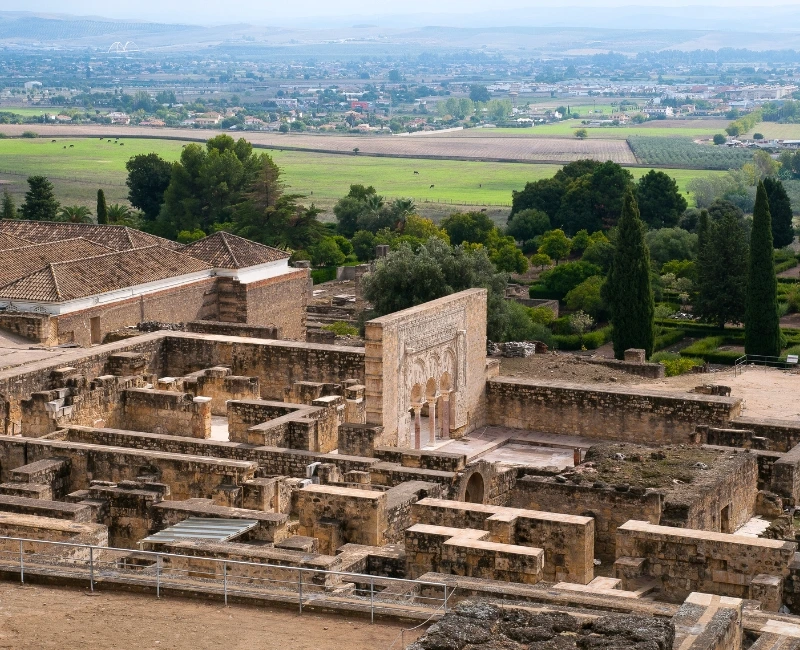
Cordoba’s strategic location in Andalusia makes it an excellent base for diverse day trips that expand understanding of regional heritage and landscapes. A prime excursion is Medina Azahara, the archaeological site of a 10th-century caliphal city built by Abd al-Rahman III. Situated a short drive from Cordoba, guided tours unveil palatial ruins, bath complexes, and gardens that once symbolized Umayyad power; an on-site museum presents artifacts and reconstructions, contextualizing this UNESCO site’s significance.Whitewashed “pueblos blancos” villages in the Sierra Subbética or Sierra de Hornachuelos Natural Park offer scenic hiking trails through olive groves, cork oak forests, and limestone formations. Towns like Priego de Córdoba showcase baroque architecture and lookout points over dramatic landscapes. For wine enthusiasts, the Montilla-Moriles region near Cordoba provides bodega visits where you learn about sherry-style wine production, taste dry and aged wines, and understand local viticulture traditions.Larger Andalusian cities—Seville and Granada—are reachable by high-speed train or car. In Granada, the Alhambra’s palaces and Generalife gardens contrast interestingly with Cordoba’s Mezquita; in Seville, the Alcázar, cathedral, and Triana neighborhood reveal different facets of Andalusian history. Plan transport carefully: early train bookings secure better fares and availability. Return to Cordoba in the evening to enjoy quieter tapas outings away from large-city crowds.Outdoor options include Iznájar Reservoir (“Cordoba’s beach”) for kayaking, paddleboarding, or lakeside relaxation in summer. Medieval castles such as Castillo de Almodóvar del Río provide immersive experiences: climb battlements for panoramic views across the Guadalquivir valley. Birdwatching near wetlands or nature reserves appeals to wildlife enthusiasts, especially during migration seasons.When organizing day trips, factor travel times: many destinations lie within 1–2 hours. Renting a car yields flexibility, but driving in narrow village streets may be challenging—ensure parking arrangements. Alternatively, small-group guided tours handle logistics, often combining multiple sites into a single day with expert commentary. Pack essentials: water, sun protection, comfortable shoes, and a light snack or picnic items from Cordoba markets.Balancing day trips with core Cordoba exploration ensures a rich itinerary: after immersing in the Mezquita and historic center, step outside the city to witness Andalusia’s broader tapestry—ruined palaces, mountain villages, vineyards, and natural retreats—then return to Cordoba’s welcoming ambiance each evening.

Cordoba’s vibrant history and busy sightseeing pace invite complementary wellness and relaxation experiences. Traditional Arab-style hammams (e.g., Hammam Al Ándalus) offer restorative rituals rooted in Moorish heritage: a sequence of warm and hot steam rooms, exfoliation treatments with natural scrubs, and soothing massages that relax muscles after long days of walking. The calming environment—with soft lighting, Middle Eastern-inspired décor, and trickling water—transports visitors to a timeless setting, enhancing both physical and mental well-being.Many boutique hotels in the historic center feature rooftop terraces or small pool areas overlooking tiled patios or city rooftops. Booking a room with such amenities provides a private retreat: morning yoga or meditation sessions on a terrace at sunrise, followed by healthy breakfast options emphasizing fresh fruit and local olive oil. In warmer months, early-evening swims or relaxation with a book while watching the sunset over the Mezquita dome creates memorable moments.For nature-based wellness, venture to rural retreats in olive groves outside Cordoba. Some agritourism properties offer programs combining olive oil massages (using local extra-virgin oil), guided mindful walks among ancient olive trees, and farm-to-table meals focusing on seasonal produce—vegetable stews, grilled fish, and fresh salads drizzled with house-pressed olive oil. Learning about olive cultivation adds educational value, connecting nutrition with local agriculture.Simple restorative activities within Cordoba include quiet mornings in hidden patios: find a café tucked behind historic facades, sip café con leche or herbal tea, and observe daily life awakening in narrow streets. Afternoon breaks during siesta hours allow recharging in shaded spots. Evening promenades along the Guadalquivir River offer gentle exercise with scenic views: the soft glow on the Roman Bridge and reflections in water create a tranquil ambiance.For active yet gentle options, consider guided bike tours with leisurely pacing, alternating short cycling segments with stops at viewpoints or small villages. Birdwatching near river wetlands or reservoirs offers peaceful connection with nature. Booking a private guided session in a park or garden for yoga or tai chi deepens the sense of calm amid Andalusian surroundings.By weaving wellness into the itinerary—hammam visits, rooftop relaxation, olive-grove retreats, riverside walks—you balance Cordoba’s cultural immersion with self-care. These restorative moments not only rejuvenate the body but also sharpen appreciation for Cordoba’s heritage when returning to monuments, cuisine, and community engagement.
No ads. No trails. No commitments


Alice Roses
London, England
51 ST MATTHIAS ROAD
NOTTINGHAM, NOTTINGHAMSHIRE
NG3 2HF
Hours: 8:00 - 17:00, Mon - Sat
support@johnsonholidays.com