 Sardinia Travel
Guide
Sardinia Travel
Guide
Paris is known around the world as the “capital of love,” and even if you don't understand the history of Paris at all

3 Hours
£4.00
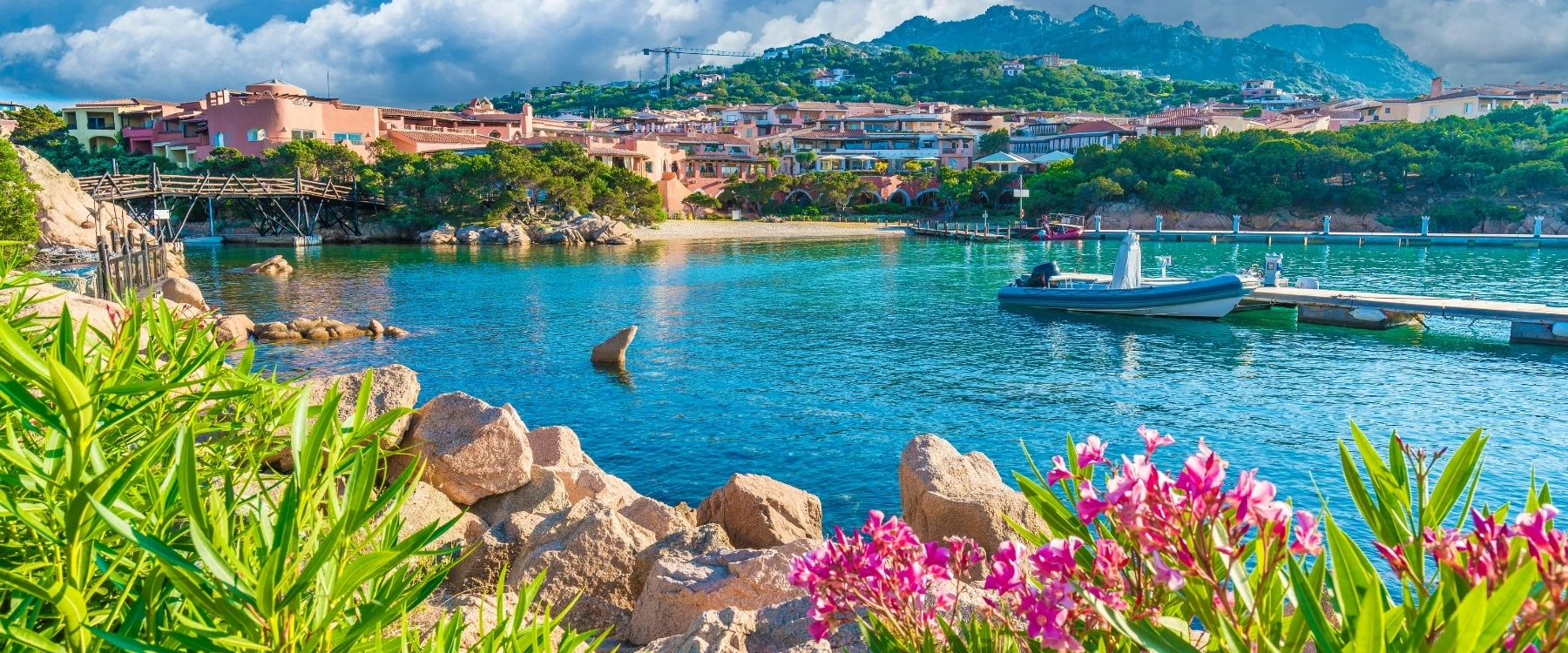
Sardinia’s coastline is famed for crystalline waters and diverse beaches ranging from the glamorous white sands of Costa Smeralda to hidden coves along the southern shores. Each beach boasts a unique character—some backed by pine forests offering shade, others flanked by sculpted granite rocks creating dramatic scenery. Water clarity here rivals the Caribbean, inviting swimming, snorkeling, and photography alike. Many beaches are accessible by car with convenient facilities, while more secluded spots reward those willing to hike or take a boat excursion. Whether you seek lively beach clubs with amenities or tranquil stretches where you can unwind undisturbed, Sardinia’s coastal offerings provide an idyllic setting for relaxation and rejuvenation under the Mediterranean sun.
Learn More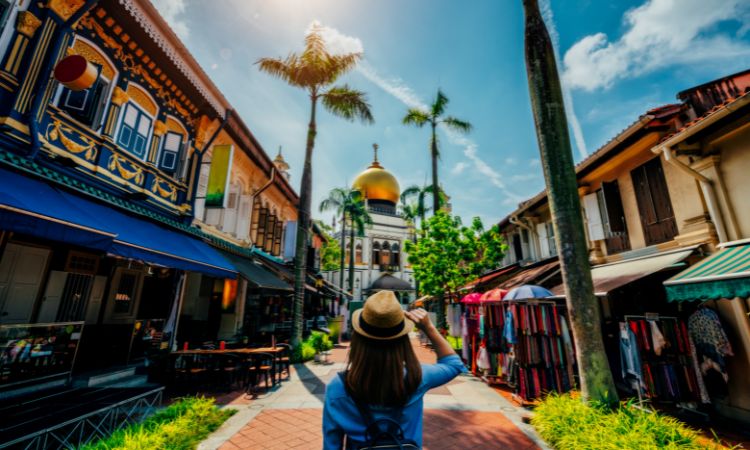
Sardinia’s culture is a tapestry woven from ancient nuragic civilizations, Roman legacies, and medieval influences, all preserved in stone villages and archaeological sites. Visiting nuraghe complexes reveals Bronze Age ingenuity, while medieval towns like Alghero and Castelsardo showcase narrow lanes, fortifications, and churches steeped in history. Local festivals bring traditions to life—colorful costumes, folk music, and ritual processions reflecting community bonds. Artisanal crafts such as intricate filigree jewelry and hand-painted ceramics provide tangible connections to heritage. Culinary traditions highlight pastoral and maritime roots: tasting age-old recipes passed down through families offers insight into Sardinian identity. For culture enthusiasts, Sardinia presents layers of discovery, blending history, living traditions, and contemporary expressions in art and crafts.
Learn More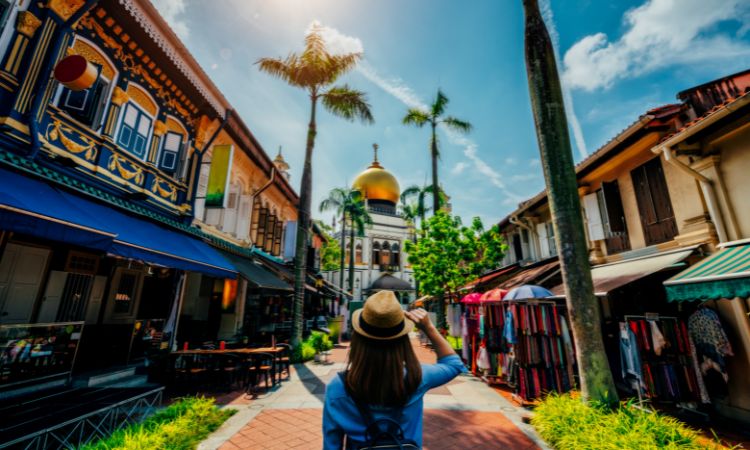
Sardinia’s gastronomy celebrates local produce and time-honored methods. From farm-to-table agriturismi experiences with fresh cheeses and meats to seaside trattorias serving grilled seafood, each meal reflects the island’s dual mountain-and-coast heritage. Signature dishes include porceddu (roast suckling pig) seasoned with myrtle, culurgiones (stuffed pasta pockets), and fregola pasta often paired with clams or bottarga. Cheeses—particularly pecorino varieties—are central to many meals and pair beautifully with robust red wines like Cannonau. Sweet treats such as seadas (fried pastry with cheese and honey) offer a taste of tradition. Wine tours and tasting sessions in vineyards showcase Vermentino whites and rich reds. Culinary explorers will delight in classes, market visits, and tasting journeys that connect them directly with Sardinia’s flavors and producers.
Learn More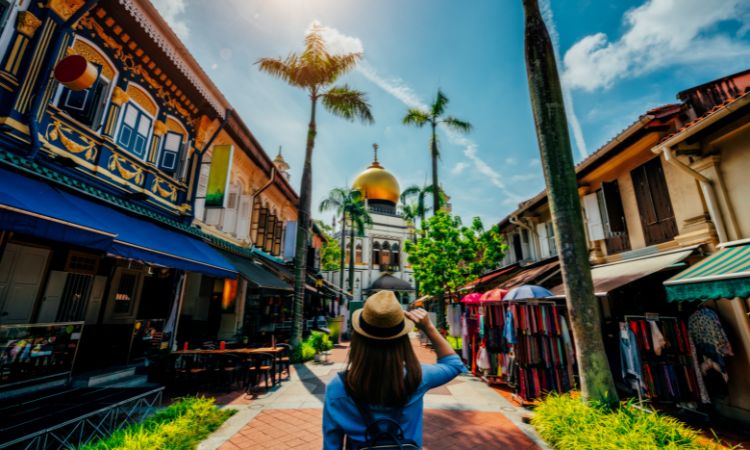
Beyond beaches, Sardinia’s interior invites active exploration. Hiking trails in the Gennargentu Mountains lead through forests, past waterfalls, and to panoramic viewpoints. Cyclists can tackle challenging mountain passes or enjoy scenic coastal rides. Watersports options include kayaking along sea caves, windsurfing in windy spots, and diving among reefs and shipwrecks. Climbing enthusiasts find routes on granite crags, while horseback riding offers slower-paced circuits through pastoral landscapes. Birdwatching and wildlife spotting in protected parks reveal endemic species. Adventure operators provide guided excursions, ensuring safety and local insight. Whether seeking heart-pumping thrills or serene nature immersion, Sardinia’s varied terrain supports a broad spectrum of outdoor pursuits.
Learn More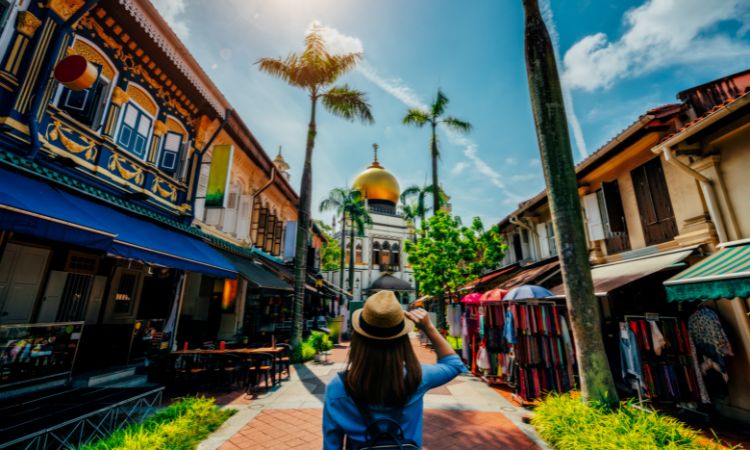
Venture inland to discover Sardinia’s picturesque villages where time seems to slow. Hilltop settlements feature stone houses, narrow alleys, and panoramic vistas over valleys and sea in the distance. Here, traditional life continues: local cafés serve espresso amid friendly conversation; small shops stock handmade goods; and agriturismi offer homestay-style lodging with home-cooked meals. Seasonal festivals celebrate harvests or religious observances, inviting visitors to participate. Engaging with locals provides insight into customs, dialects, and rhythms of island life. These authentic experiences contrast with beach-focused tourism, revealing a deeper side of Sardinia characterized by hospitality, tradition, and genuine connection.
Learn More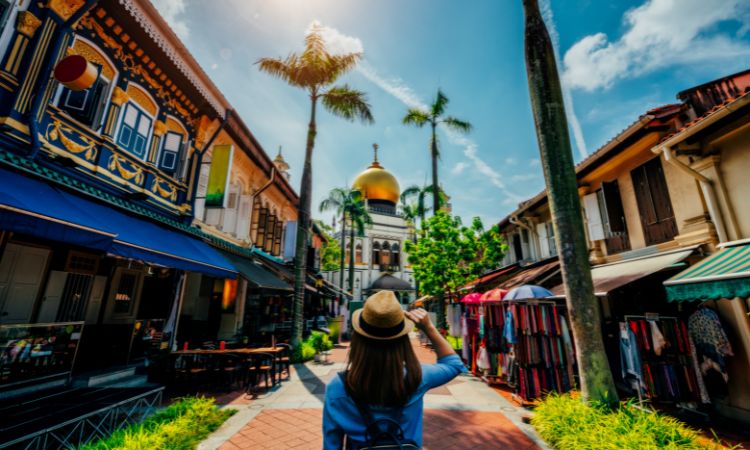
Sardinia caters to families with safe, shallow beaches, interactive agritourism activities, and comfortable accommodations offering children’s programs. Many resorts and villas provide family suites, child-friendly menus, and on-site entertainment. For wellness seekers, thermal springs and spa retreats offer relaxation amid natural settings; yoga and mindfulness sessions often integrate the serene landscape. Healthy Mediterranean cuisine supports well-being, while leisurely beach days and gentle hikes encourage active rest. With a welcoming atmosphere and a variety of facilities designed for different age groups and interests, Sardinia ensures both families and individual travelers find balance between adventure, relaxation, and rejuvenation.
Learn More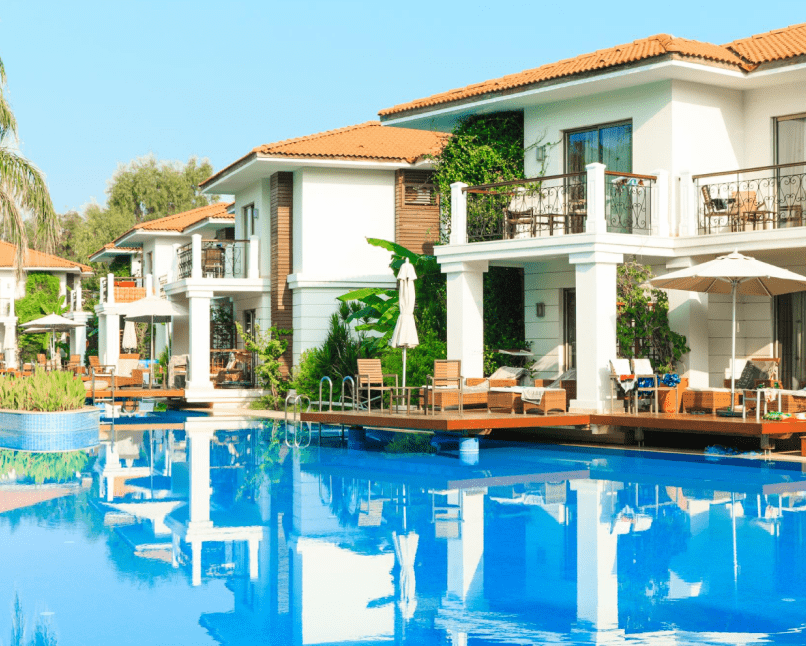
Lorem ipsum dolor, sit amet consectetur adipisicing elit. At illo adipisci iusto
From

Because more than 268 other customers have loved us too

Demonstrates commitment to user data security through encryption and secure payment practices
Learn More
Demonstrates commitment to user data security through encryption and secure payment practices
Learn More
Demonstrates commitment to user data security through encryption and secure payment practices
Learn More
Demonstrates commitment to user data security through encryption and secure payment practices
Learn More
Quality as judged by customers. Book at the ideal price!


/ person
/ person
/ person
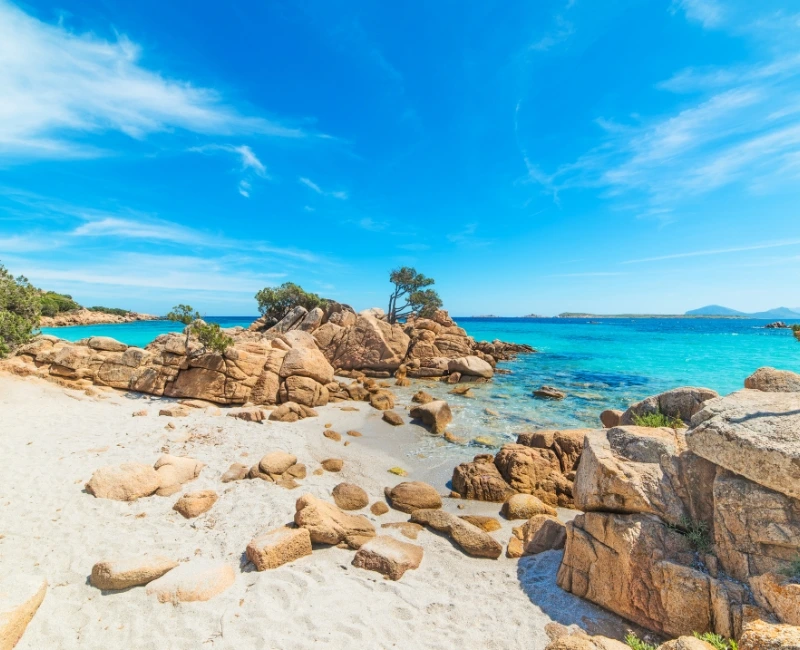
Costa Smeralda, meaning “Emerald Coast,” epitomizes Sardinia’s luxury beach appeal with shimmering water and fine sands framed by granite outcrops. This stretch in the northeastern corner draws discerning travelers seeking both scenery and convenience. Iconic beaches such as Spiaggia del Principe and Liscia Ruja feature soft, pale sand that contrasts with deep emerald-hued water. The coastline here is dotted with chic beach clubs offering amenities like sun loungers, umbrellas, and seaside dining, allowing visitors to soak up the sun in comfort. Despite its upmarket reputation, exploring early in the morning or during shoulder seasons reveals quieter stretches where one can enjoy peaceful swims and contemplate the vivid colors undisturbed.Adventure seekers can venture beyond main beaches via short coastal trails leading to hidden coves. These paths often traverse granite boulders and Mediterranean scrub, rewarding trekkers with secluded spots accessible only by foot or small boat. Snorkeling reveals underwater life abundant among rocky reefs, while boat tours provide a different vantage, cruising between small islands and secret bays. Sunset hours transform the coastline: softer light enhances the sculpted rock formations, making photography especially rewarding.Accommodation options in Costa Smeralda range from luxury resorts with full-service spas to boutique hotels and private villas. Many properties are designed to blend with the landscape, offering terraces overlooking the sea and opportunities to dine al fresco on local specialties. Day trips into nearby towns like Porto Cervo provide insight into local culture and nightlife. Porto Cervo’s marina hosts visiting yachts, and the adjacent village offers upscale shopping and restaurants focusing on Sardinian gastronomy.Practical tips: Car hire is essential to explore various beaches at your own pace; parking can fill up quickly in peak months, so arrive early. For a more laid-back experience, consider visiting in late May or early October when temperatures remain pleasant, and crowds thin. Beach club fees vary—budget accordingly in British pounds—but public access points ensure everyone can enjoy the coastline. Remember to bring reef-friendly sunscreen to protect marine ecosystems. Overall, Costa Smeralda beaches deliver a blend of natural beauty, luxury comforts, and opportunities for discovery that epitomize Sardinia’s coastal allure.
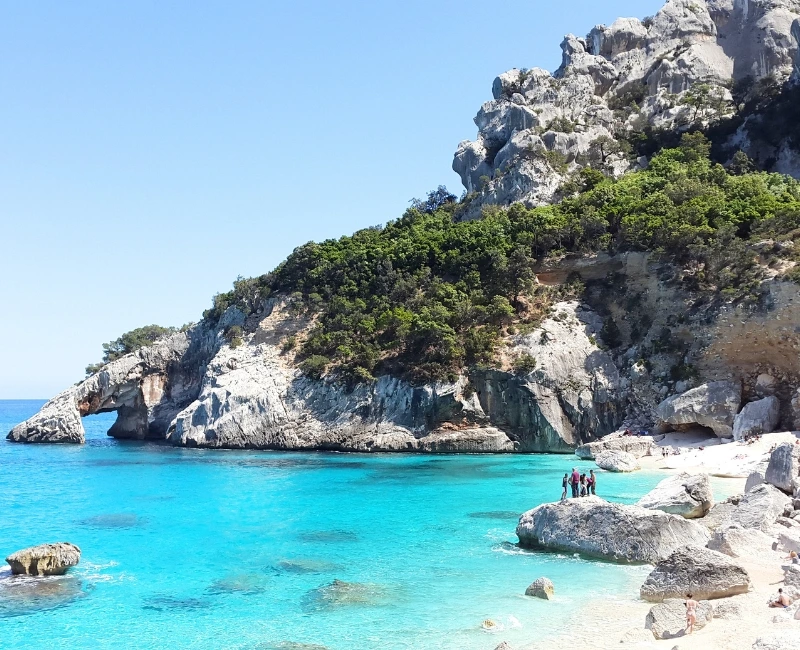
The southern coast of Sardinia reveals a more rugged, authentic beach experience, where hidden coves and quieter shores await exploration. Unlike the well-known northern hotspots, these beaches often require a short hike, a drive along winding roads, or occasionally a boat excursion, but the reward is a sense of discovery and relative solitude. Cala Pira and Cala Sinzias, for instance, offer soft sands backed by Mediterranean vegetation and shallow waters ideal for families. Further west, Cala Domestica impresses with a dramatic gorge framing the cove, while Spiaggia di Tuerredda boasts Caribbean-like hues—turquoise against white sand—with beach amenities nearby but fewer crowds than in peak northern areas.Access to some secluded spots like Cala Mariolu or Cala Goloritzé (on the east side but off beaten track) often involves boat rides from ports such as Arbatax or small group sailing tours. These coves feature striking rock formations and clear depths perfect for snorkeling; underwater life thrives among submerged reefs. For those preferring self-guided visits, local boat rental options can provide flexibility, though advance booking is wise during summer. Hiking trails around coastal cliffs deliver panoramic views before descent to sheltered bays; sturdy footwear is recommended, and visitors should carry water and sun protection.The area’s surrounding towns and villages—like Villasimius and Chia—offer a glimpse of authentic southern Sardinian life. After beach time, sample local cuisine in family-run trattorias serving fresh seafood and regional specialties. Accommodation includes small beachfront hotels, agriturismi slightly inland offering home-cooked meals and immersion in rural life, and charming B&Bs where hosts share insights into hidden beaches and local traditions. Renting a car provides flexibility; roads are generally well-maintained but can narrow in rural stretches, so drive with care.Seasonal advice: Late spring and early autumn visits balance pleasant sea temperatures with fewer holiday crowds, making hidden coves more enjoyable. Summer months bring warmer water but also more day-trippers; plan early departures to secure parking or boat spots. Respect local guidelines: many secluded beaches are in protected areas or marine reserves, so avoid disturbing wildlife and carry out all litter. Snorkeling masks allowed but avoid touching or removing marine life. Overall, southern Sardinia’s hidden coves deliver an intimate connection with nature—and a deeper appreciation for the island’s varied coastal landscapes—rewarding those willing to venture beyond popular destinations.
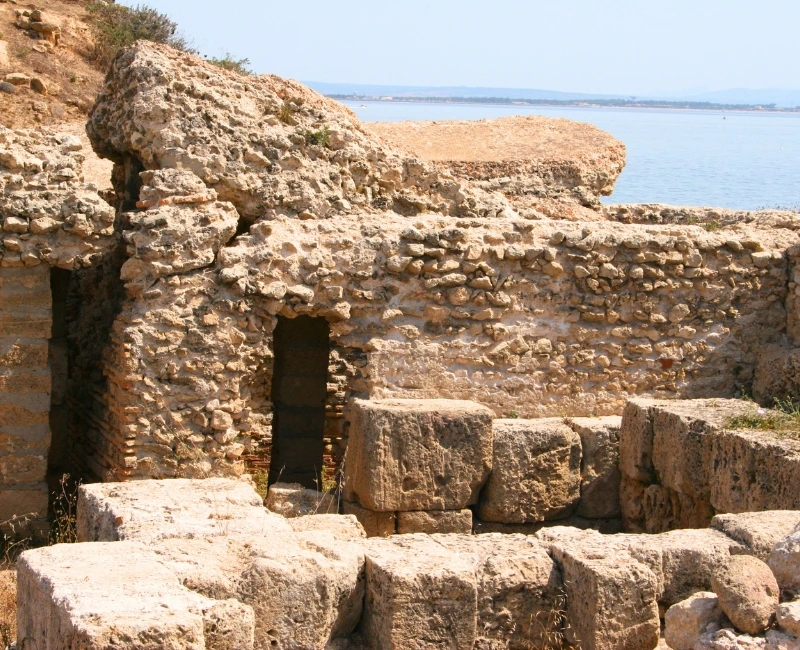
Sardinia’s identity is deeply rooted in the ancient Nuragic civilization, which flourished between roughly 1800 and 500 BCE. Today, over 7,000 nuraghe structures—tower-like stone monuments—dot the island’s landscape, offering a window into Bronze Age society and engineering prowess. Visiting major sites such as Su Nuraxi di Barumini (a UNESCO World Heritage Site) allows travelers to explore well-preserved complexes featuring central towers, surrounding walls, and ancillary huts. Guided tours enrich understanding of how these communities organized social, political, and religious life, interpreting artifacts and architectural features that hint at ritual gatherings and defense strategies.Beyond Barumini, smaller nuraghe clusters exist throughout Sardinia: at Palmavera near Alghero or Santu Antine in central areas. Exploring these less-visited sites provides a sense of solitude and personal connection, as visitors often wander among crumbling walls framed by wildflowers and panoramic countryside views. Archaeological museums in towns like Cagliari or Sassari display relics—ceramics, tools, jewelry—that contextualize the nuragic way of life, while local guides share legends and discoveries linked to surrounding villages.Complementing Bronze Age exploration, Roman ruins appear in sites such as Nora near Pula, where coastal excavations reveal mosaics, baths, and amphitheater remains set against a seaside backdrop. Medieval castles and churches in hilltop towns illustrate later periods, reflecting Sardinia’s strategic Mediterranean position. A journey through these eras can be self-guided via rental car or arranged via cultural tours emphasizing expert interpretation. Enthusiasts may combine archaeology with trekking routes connecting multiple sites, pausing at rural agriturismi for authentic meals between explorations.Seasonal considerations: cooler months (spring and autumn) provide comfortable conditions for wandering open-air ruins; summer heat can be intense at midday, so early starts or late afternoons are preferable. Wear protective footwear and carry water when exploring remote sites. Respect site rules: many nuraghe structures are fragile, so avoid climbing or leaning on ancient walls. Engaging local archaeologists or certified guides enriches visits, offering deeper insights into Sardinia’s prehistoric heritage and how it shaped modern culture. Overall, Sardinia’s archaeological treasures invite travelers to step back thousands of years, forging a profound appreciation for the island’s enduring legacy and the people who built monumental stone legacies still standing today.
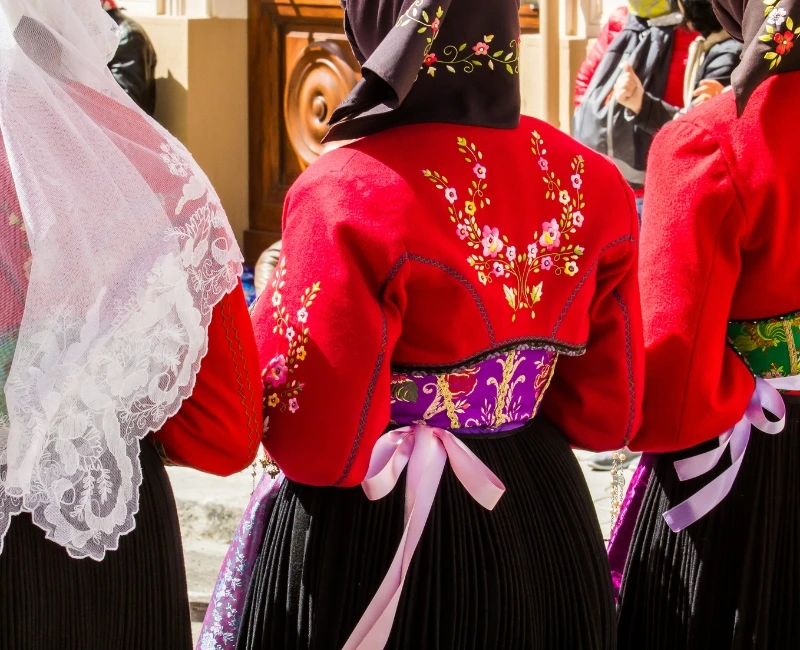
Sardinia’s cultural calendar pulsates with festivals celebrating everything from religious traditions to seasonal rites and historical reenactments. Experiencing these events offers an immersive glimpse into local identity and communal spirit. In spring, festivals such as Sant’Efisio in Cagliari involve processions with participants in traditional attire parading through town to coastal hermitages, accompanied by drummers and launeddas (ancient woodwind instruments). The vibrant colors of embroidered costumes, the rhythmic music, and the shared devotion create a powerful atmosphere linking past and present.Summer brings sagre—food festivals in villages celebrating local produce like mushrooms, artichokes, or chestnuts. These gatherings feature communal meals under tents, where visitors sample homemade dishes while local musicians provide folk entertainment. In some mountain villages, horse races through narrow streets or demonstrations of traditional crafts occur, reflecting rural heritage. Coastal towns hold maritime feasts honoring patron saints of fishermen, with processions at sea and blessings of boats, emphasizing Sardinia’s maritime roots.Autumn harvest festivals focus on grapes and olives. Vineyard tours culminate in grape-stomping ceremonies or communal tastings of new wines. Olive oil celebrations allow guests to witness oil production and taste fresh-pressed olive oil paired with local bread. These seasonal events highlight Sardinian agricultural cycle and encourage engagement with producers. Prerequisites: check local event calendars when planning travel; some festivals attract large crowds, so book accommodations early. Many smaller village festivals remain off the main tourist radar, offering authentic encounters—ask hosts or local offices for schedules.Cultural workshops complement festivals: learn traditional dances or musical instruments; attend demonstration of handicrafts such as weaving or filigree work; participate in cooking classes focusing on regional recipes. Local guides or agriturismi often organize small-group experiences, fostering direct interaction with artisans and tradition bearers. Through these participatory activities, travelers gain firsthand appreciation for Sardinian identity and the importance of community bonds preserved over generations.Practical advice: Dress modestly for religious processions; observe respectful behavior during ceremonies. Bring comfortable shoes for walking on uneven village streets or fields during harvest. Photography is generally welcome, but always ask permission when photographing people in traditional attire. Overall, engaging with Sardinia’s festivals and cultural practices enriches any trip, transforming a holiday into a meaningful exploration of living heritage where past traditions remain vibrant and integral to community life.
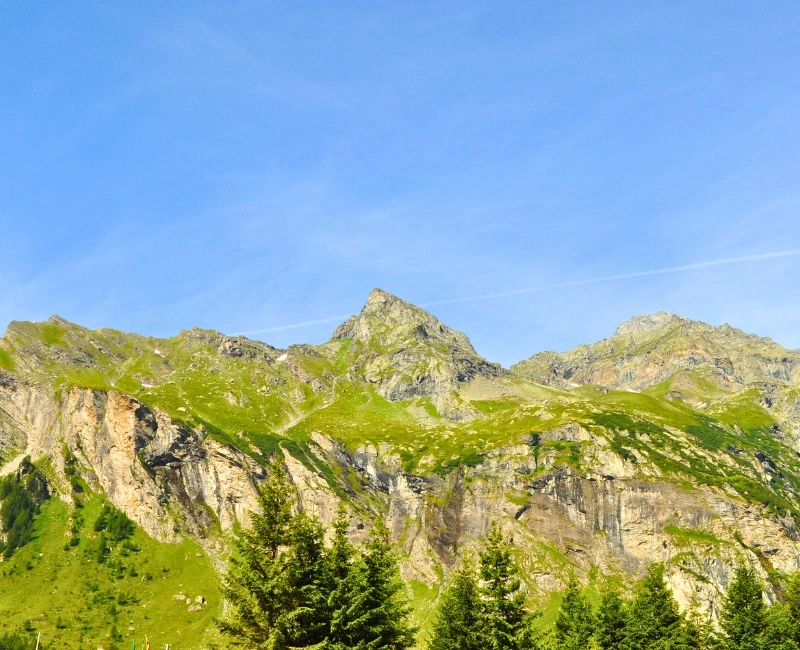
Gennargentu National Park, at the heart of Sardinia, encompasses rugged mountains, deep valleys, and diverse ecosystems, offering hiking experiences for all levels. Trails range from gentle nature walks to demanding treks up peaks such as Punta La Marmora, Sardinia’s highest point. Along paths, hikers encounter cork oak forests, Mediterranean scrub, and alpine-like pastures at higher altitudes, providing varied scenery and opportunities for wildlife spotting, including birds of prey, wild boar, and endemic species like mouflon. Spring and early summer bring wildflowers painting the landscape, while autumn offers crisp air and golden hues.Well-marked routes start from villages like Fonni or villages near Seulo, where local guides can accompany groups, sharing insights on geology, flora, and local legends. Multi-day trekking circuits may include stays in mountain huts or guesthouses in traditional villages, allowing immersion in rural life and hearty home-cooked meals featuring local produce. Day hikes such as leading to waterfalls or panoramic ridgelines suit travelers seeking moderate challenges. For experienced hikers, summiting Punta La Marmora requires good fitness and navigation skills; guided excursions enhance safety and understanding.Preparation is key: bring sturdy hiking boots, layered clothing (mountain weather can change rapidly), sufficient water, and snacks. Mobile coverage can be limited; carrying a map or GPS device is advisable. Respect park regulations: follow marked trails, avoid disturbing wildlife, and carry out waste. Early starts avoid midday heat in summer; autumn hikes benefit from milder temperatures but check for changing daylight hours. Engaging local guides not only ensures safety but also supports community livelihoods and yields enriching stories about traditional pastoral life, historic routes, and uses of native plants.Beyond hiking, the region offers cultural interactions: visit shepherding farmsteads to learn about cheese-making, join seasonal gatherings such as chestnut harvests, or explore archaeological sites scattered across the mountains. Photography enthusiasts will find dramatic vistas of peaks contrasted against valleys leading to the sea in the distance. Overall, hiking in Gennargentu National Park delivers a profound connection with Sardinia’s wild heart, combining physical challenge, natural beauty, and cultural immersion for an unforgettable adventure.
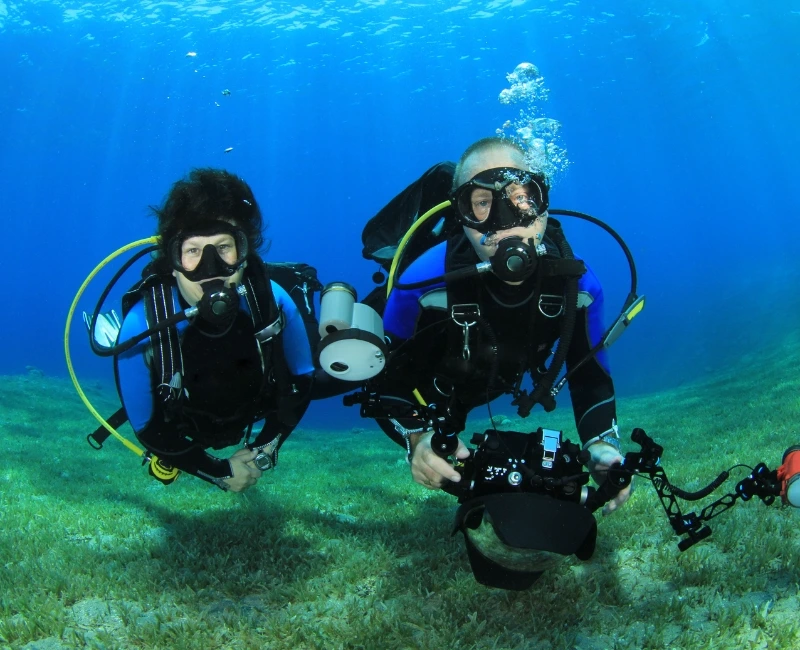
Sardinia’s clear waters and varied marine terrain make it an ideal destination for water sports and diving. Coastal centers around Alghero, Cagliari, and the Costa Verde offer diving schools and guided excursions to explore underwater ecosystems. Dive sites include seagrass meadows, rocky reefs, and drop-offs inhabited by colorful fish, octopus, and occasional sightings of rays or groupers. For certified divers, shipwrecks off the coast add intrigue; beginner-friendly dive sites in shallow bays provide safe environments to obtain diving certifications.Snorkeling enthusiasts can discover marine life near rocky outcrops or in marine protected areas where regulations preserve biodiversity. Many beaches rent snorkeling gear; guided snorkeling tours highlight underwater caves and tunnels. Kayaking expeditions along sea caves—such as those near Capo Caccia—allow paddlers to navigate dramatic limestone formations and discover secluded grottoes. Stand-up paddleboarding on calm mornings offers gentle exercise with scenic coastal views, while windsurfing and kite-surfing spots (e.g., around Porto Pollo) attract thrill-seekers when wind conditions align. Sailing charters let visitors island-hop between La Maddalena archipelago islands, renowned for immaculate bays and marine life encounters.Equipment rental and instruction are widely available in popular coastal towns; booking in advance during peak season is advisable. Safety: check local weather and sea conditions; heed guidance from instructors; wear reef-safe sunscreen. Marine reserves may require permits or guided visits to minimize impact. Responsible practices include avoiding anchoring on seagrass beds, respecting protected species, and avoiding litter. Many operators emphasize eco-friendly approaches, combining adventure with education on marine conservation challenges and initiatives.Beyond active pursuits, coastal wellness experiences incorporate sea therapy: thalassotherapy centers use seawater treatments, seaweed wraps, and marine-based therapies for relaxation. Yoga on the beach at sunrise combines gentle movement with the sound of waves, enhancing well-being. Social opportunities arise through group excursions, meeting fellow travelers and locals with shared enthusiasm for the sea.Overall, Sardinia’s waters promise diverse experiences—from adrenalin-fueled sports to tranquil floats and underwater explorations—catering to novices and experts alike. Embracing water sports and diving here deepens appreciation for Mediterranean marine environments while adding excitement and discovery to a Sardinian holiday..
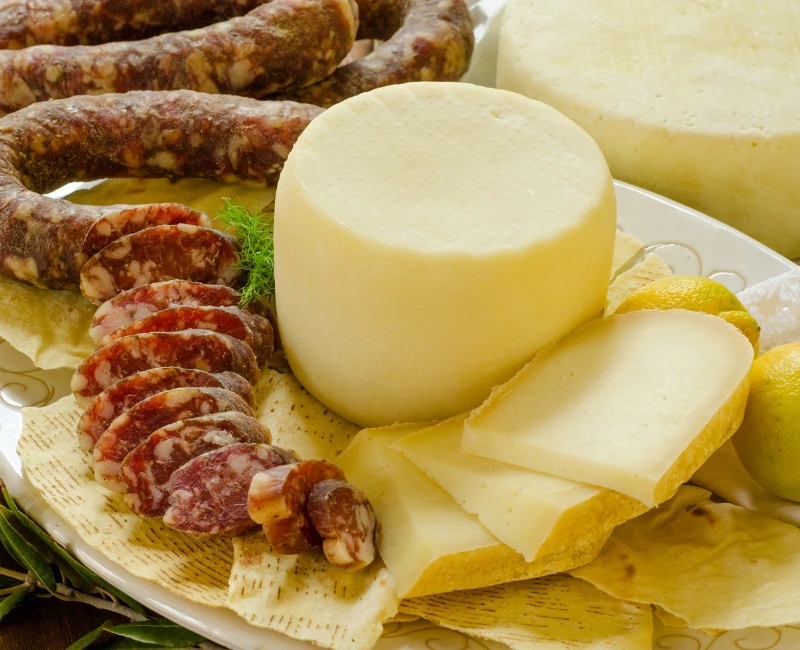
Sardinian cuisine reflects island life shaped by both sea and land, inviting food lovers on a flavorful journey through time-honored recipes and contemporary interpretations. Meals often begin with antipasti featuring cured meats like salami and prosciutto, and local cheeses such as pecorino, sometimes drizzled with aromatic extra-virgin olive oil. Pane carasau, a thin crisp bread, accompanies dishes or becomes a base for layered preparations. Pasta specialties, including culurgiones stuffed with potato and mint or malloreddus (Sardinian gnocchi) served with saffron-infused sauces or sausage ragù, highlight regional ingredients and culinary creativity.Seafood plays a starring role: coastal restaurants serve fresh catches—grilled or stewed fish, shellfish pasta, and bottarga (cured fish roe) grated over dishes for umami depth. Dining in seaside towns often means tasting the day’s catch prepared simply to preserve freshness. Inland agriturismi focus on meats and cheeses; porceddu (suckling pig roasted over an open fire) exemplifies rustic flavors, accompanied by roasted vegetables and local wines. Seasonal ingredients such as artichokes, mushrooms, and wild herbs feature prominently in menus, reflecting farm-to-table ethos.Wine tasting is integral: vineyards produce Vermentino whites with crisp acidity and aromatic notes, and robust reds like Cannonau, prized for depth and aging potential. Many wineries offer tours and tastings, often set against scenic backdrops of rolling hills or coastal vistas. Learning about indigenous grape varieties connects visitors to Sardinia’s viticultural heritage and evolving practices balancing tradition and innovation. Pairing local wines with regional dishes enhances appreciation for flavor synergies cultivated over centuries.Cooking classes and market visits provide immersive experiences: travelers learn to prepare traditional recipes under guidance of local chefs or families, visiting markets to select freshest produce and understanding how seasonal cycles influence menus. Cheese-making demonstrations illustrate shepherding traditions and the process behind prized pecorino varieties. Food festivals and sagre celebrate specialties—participants sample dishes, interact with producers, and gain insights into community significance of ingredients.Practical tips: Reserve popular restaurants in peak season; explore lesser-known trattorias in small towns for authentic flavors and better value. Budget for moderate spending: while some high-end establishments command premium prices, many family-run venues offer excellent quality at reasonable cost when shown in British pounds. For wine enthusiasts, consider purchasing bottles directly from wineries to enjoy later or as souvenirs. Embrace slower meal times: Sardinians savor meals leisurely, fostering conviviality.Overall, Sardinian cuisine and wine create a sensory-rich aspect of any holiday, intertwining history, landscape, and community. Culinary exploration here is more than tasting; it’s an immersion into traditions and lifestyles that define this island, leaving lasting impressions and fond memories of flavors unique to Sardinia.
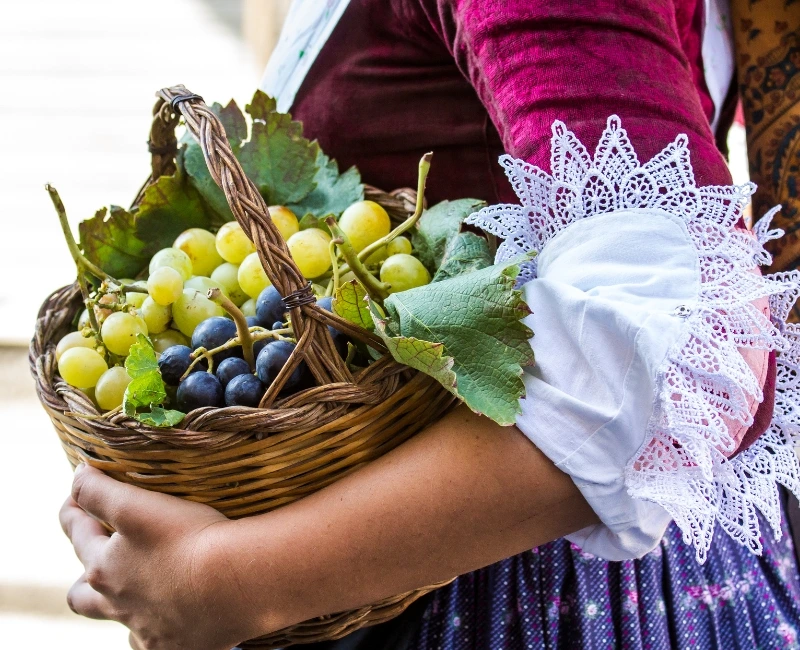
Agritourism in Sardinia offers travelers authentic immersion into rural life, connecting them directly with agricultural traditions and local communities. Family-run agriturismi scattered across the island transform farms into welcoming guesthouses where visitors partake in daily routines: collecting eggs, feeding animals, and learning about cheese-making from shepherd families. Staying in these settings provides insight into the rhythms of Sardinian countryside, where hospitality is heartfelt and meals highlight farm-fresh ingredients prepared by hosts using recipes passed through generations.Olive oil production is another highlight: visits to olive groves in autumn allow guests to witness or participate in the olive harvest, understanding pressing methods and tasting fresh extra-virgin oil accompanied by rustic bread. Vineyards also open their doors: beyond wine tasting, some offer experiences like harvesting grapes, following seasonal cycles that shape viticulture. Engaging with growers reveals challenges and rewards of cultivating in Sardinia’s varied climate, fostering appreciation for each bottle’s journey from vineyard to glass.Seasonal activities vary: springtime wild herb foraging walks teach about edible plants used in traditional cuisine; summer beekeeping experiences show how honey is collected and used in dishes like seadas (cheese pastry with honey). In autumn, chestnut harvests and grape harvest festivals celebrate abundance with communal meals under trellises or in grove clearings. Participating in these events offers genuine connection with local customs and reveals how food production integrates with cultural identity.Accommodation in agriturismi often blends rustic charm with modern comforts: stone cottages surrounded by olive trees, vineyards, or pastures, with terraces offering picturesque views. Hosts may provide guided walks or bike rides through countryside trails, connecting guests with natural landscapes beyond the farm. Many agriturismi practice sustainable farming, using organic methods and prioritizing environmental stewardship, aligning with responsible travel values.Practical advice: Book agriturismo stays and activities in advance, especially during harvest seasons. Communicate dietary preferences early if needed; many meals are communal or based on what’s available seasonally. Expect simple accommodations: while some agriturismi offer luxurious touches, others focus on authenticity over frills. Embrace flexibility: rural schedules may differ from urban routines, and activities depend on weather and seasonal timing. Engaging openly with hosts yields richer experiences, as storytelling and shared tasks create meaningful interactions.Overall, agritourism experiences in Sardinia deepen understanding of island life beyond beaches and towns. They foster connections with people, land, and food traditions, making travel transformative. For those seeking to slow down, learn hands-on, and support local communities, agritourism in Sardinia provides rewarding experiences that resonate long after the journey ends.
No ads. No trails. No commitments


Alice Roses
London, England
51 ST MATTHIAS ROAD
NOTTINGHAM, NOTTINGHAMSHIRE
NG3 2HF
Hours: 8:00 - 17:00, Mon - Sat
support@johnsonholidays.com