 Ronda Travel
Guide
Ronda Travel
Guide
Paris is known around the world as the “capital of love,” and even if you don't understand the history of Paris at all

2.7 Hours
£2.50
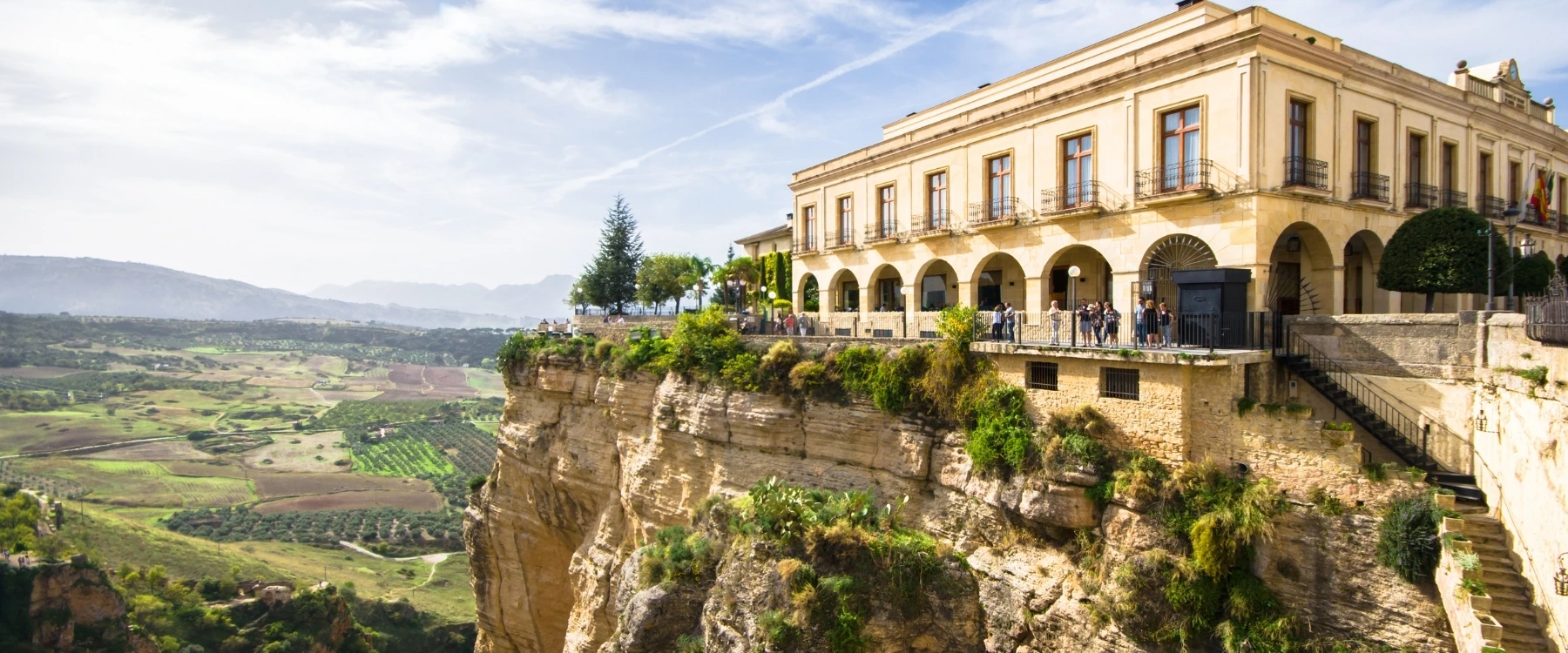
Perched atop a deep gorge, Ronda offers perhaps the most dramatic urban setting in Andalusia. The Puente Nuevo spans a chasm over 100 meters deep, framing panoramic views of rugged cliffs and verdant valleys beyond. Sunrise and sunset reveal shifting colors across rock faces and white-washed buildings, creating unforgettable photographic moments. Whether standing on the bridge’s viewpoint or exploring higher vantage points in the old quarter, travelers immerse themselves in a landscape where natural forces and human ingenuity converge. These dramatic vistas not only provide visual awe but also a sense of connection to the land’s geological history and the strategic importance that fostered Ronda’s growth. For anyone seeking awe-inspiring scenery, Ronda delivers in spades.
Learn More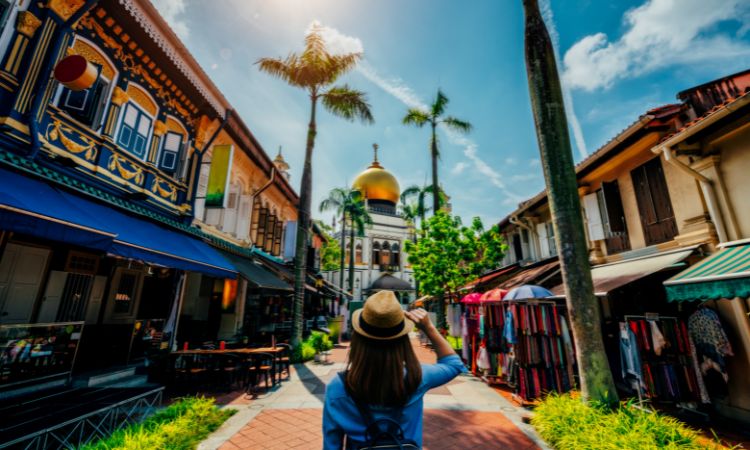
Ronda showcases centuries of multicultural heritage: remnants of Roman foundations, Moorish gates and gardens, and Renaissance palaces. Walking through its medieval streets feels like traversing epochs. The city’s historical importance as a frontier town between Christian and Moorish territories is evident in its architecture and urban layout. Sites like the Arab Baths, Puerta de Almocábar, and Mondragón Palace reveal life under diverse rulers. Ronda’s Plaza de Toros, one of Spain’s oldest bullrings, serves as a living museum to Spain’s traditions. History enthusiasts relish uncovering these layers, guided by local experts or simply via self-led exploration, discovering narratives of conquest, coexistence, and cultural evolution.
Learn More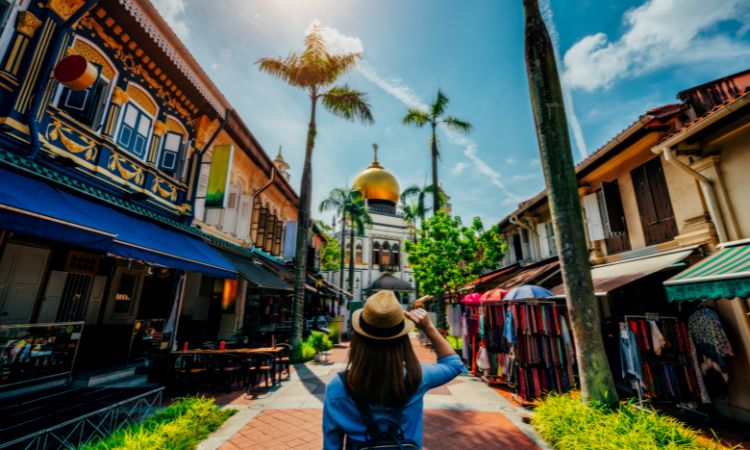
Despite growing popularity, Ronda retains authentic local rhythms. Family-run tapas bars and cafés serve traditional Andalusian dishes prepared from locally sourced ingredients. Flamenco performances in intimate venues immerse you in the soulful art form at its regional roots. Seasonal festivals—honoring patron saints or celebrating harvests—invite visitors to witness age-old customs. Artisans craft leather goods, pottery, and textiles in workshops tucked away from main thoroughfares. Engaging with residents—whether enjoying a café con leche in a plaza or browsing produce at a small market—reveals genuine warmth and hospitality. For travelers seeking cultural depth rather than purely tourist-driven experiences, Ronda offers numerous windows into Andalusian life.
Learn More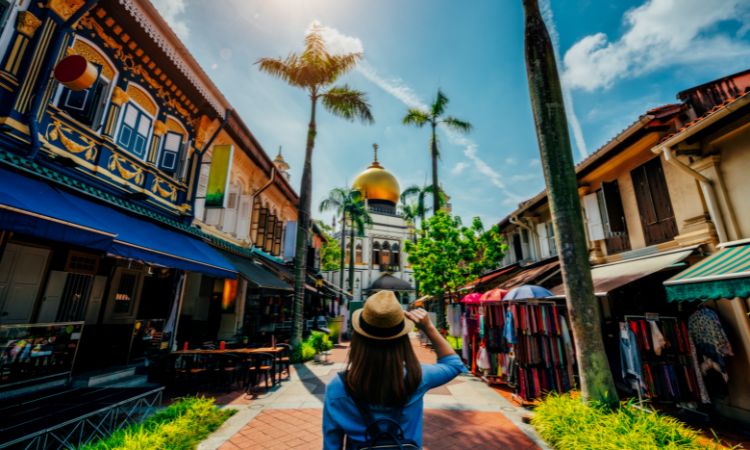
Ronda’s dramatic topography and surrounding natural parks create ample outdoor opportunities. Hikers trek rim trails overlooking El Tajo gorge or venture into the nearby Sierra de las Nieves Natural Park, home to diverse flora and fauna. Cycling routes wind through olive groves and vineyards, connecting hidden villages. Rock climbing along gorge cliffs challenges adrenaline seekers, while horse riding across rolling hills introduces a traditional Andalusian pastime. Birdwatchers spot griffon vultures and eagles soaring overhead. Winter and spring offer cooler conditions for longer excursions, while autumn hues add photogenic flair. Adventure travelers appreciate Ronda as a base for active exploration balanced with historic charm and culinary rewards afterward.
Learn More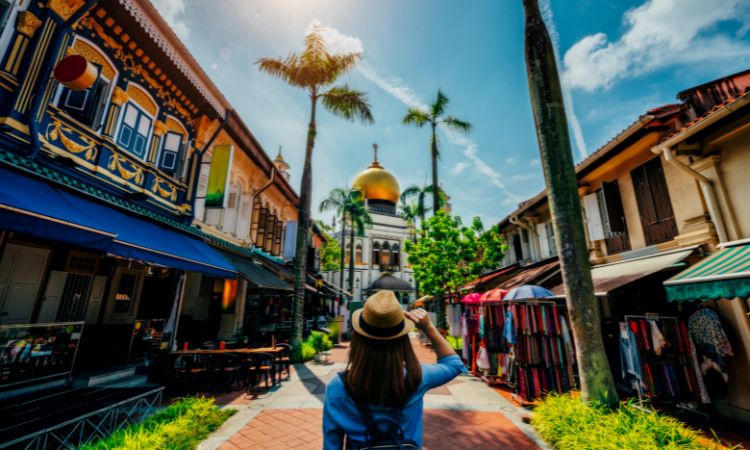
Andalusian cuisine shines in Ronda’s taverns and restaurants. Savor specialties like oxtail stew, hearty stews flavored with local olive oil, fresh gazpacho in summer, and flavorful cured meats paired with artisanal cheeses. Nearby vineyards produce robust reds and crisp whites; guided winery visits and tastings reveal traditional winemaking methods shaped by mountainous terroirs. Olive oil estates welcome visitors for tours and tastings, deepening appreciation for this Mediterranean staple. Cooking workshops teach preparation of tapas and regional dishes, connecting you with local flavors and traditions. Food and wine aficionados find Ronda a gateway to authentic Andalusian gastronomy beyond standard tourist menus.
Learn More
Ronda’s atmospheric setting makes it ideal for romantic escapes. Boutique hotels and restored rural cortijos offer privacy, often perched on cliff edges with views across valleys. Enjoy leisurely breakfasts on terraces, afternoon spa treatments in hilltop retreats, and candlelit dinners overlooking illuminated bridges. Stroll hand-in-hand through flower-filled courtyards or share a sunset picnic near ancient ruins. In quieter seasons, the city’s soul emerges in peaceful moments at hidden viewpoints or small plazas, where the only sounds are birdcalls and distant church bells. For couples seeking connection amid timeless scenery and genuine hospitality, Ronda provides an intimate backdrop.
Learn More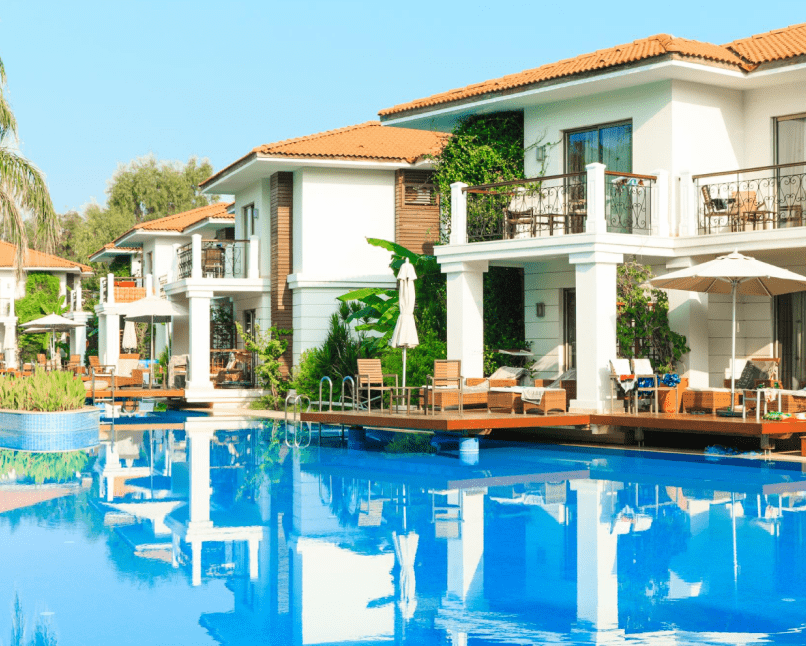
Lorem ipsum dolor, sit amet consectetur adipisicing elit. At illo adipisci iusto
From

Because more than 268 other customers have loved us too

Demonstrates commitment to user data security through encryption and secure payment practices
Learn More
Demonstrates commitment to user data security through encryption and secure payment practices
Learn More
Demonstrates commitment to user data security through encryption and secure payment practices
Learn More
Demonstrates commitment to user data security through encryption and secure payment practices
Learn More
Quality as judged by customers. Book at the ideal price!


/ person
/ person
/ person
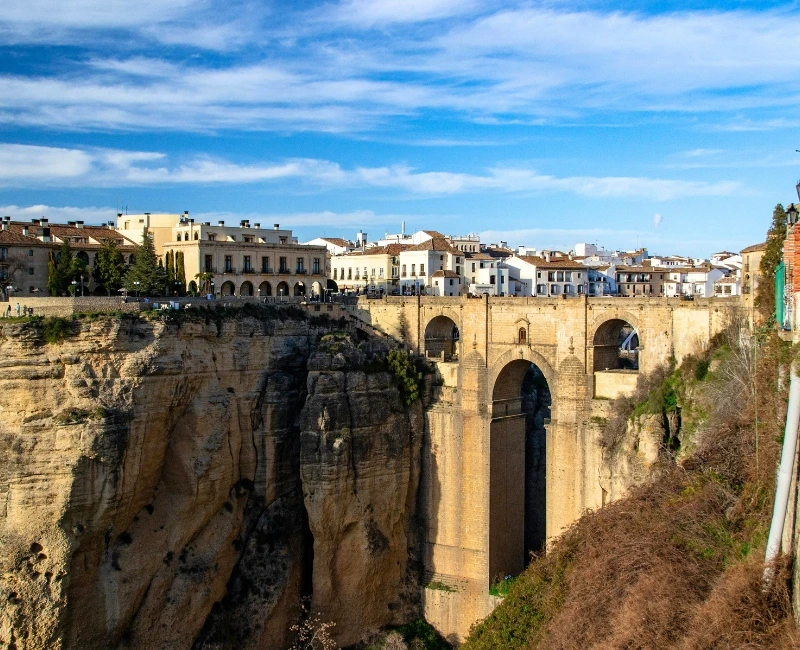
Ronda’s Puente Nuevo stands as the city’s emblematic gateway between past and present, a stone masterpiece completed in 1793 that soars over El Tajo gorge. This bridge not only links Ronda’s two halves but also invites contemplation of the engineering feats achieved centuries ago. Begin your exploration at the viewpoint on the Old Town side early in the morning to witness the play of light on ochre and white façades, and the river far below. The bridge’s interior chamber, once used as a prison, now serves as a small exhibit; step inside to glean insights into its storied past and the lives entwined with its history.From the Puente Nuevo viewpoint, wander into the Old Town, where narrow cobblestone lanes weave between white-washed houses adorned with wrought-iron balconies and flower-filled patios. The Plaza Duquesa de Parcent lies a short stroll away, offering a sense of historic civic life; nearby, the colonial-style Mondragón Palace reveals Moorish gardens and museum rooms showcasing artifacts from Ronda’s multicultural heritage. Pause at small squares to savor local pastries or café con leche, absorbing the ambiance as residents begin their day.Continue to the Arab Baths on the city’s outskirts, one of the best-preserved examples in Spain. Descend stone steps into vaulted chambers lined with horseshoe arches and imagine the ritual of cleansing practiced here under Moorish rule. Interpretive displays explain water management techniques and cultural norms that made such baths central to social life. Nearby, the Almocábar Gate, once part of fortified walls, reminds visitors of Ronda’s strategic importance and storied past as a frontier between Christian and Moorish domains.Stroll past centuries-old churches, such as Santa María la Mayor, built on the site of a former mosque, blending Gothic and Baroque elements. Entry reveals intricate altarpieces and cool stone interiors offering respite from midday heat. Seek out hidden corners where artisans practice leatherwork or pottery in small workshops, providing glimpses of contemporary crafts rooted in tradition. Conversations with local shopkeepers often yield anecdotes about family histories entwined with the city’s evolution.Photography enthusiasts will find endless compositions: framed doorways opening to bougainvillea-clad courtyards, glimpses of the gorge through alleyways, and textured stone façades illuminated by golden light. For deeper understanding, consider a guided walking tour focusing on Ronda’s layered narratives—from prehistoric settlements evidenced on nearby hilltops, through Roman occupation, Moorish rule, and modern revitalization.As dusk approaches, return to the Puente Nuevo viewpoint to capture sunset hues reflecting off the rock walls and the soft glow on the bridge itself. The Old Town’s lanterns begin to twinkle, and the sound of distant church bells or a passing horse-drawn carriage evokes timelessness. This blend of architectural marvels and historic atmospheres makes exploring the Puente Nuevo and Old Town a foundational experience, revealing how geography shaped Ronda’s destiny and inviting visitors to walk paths trodden across centuries.
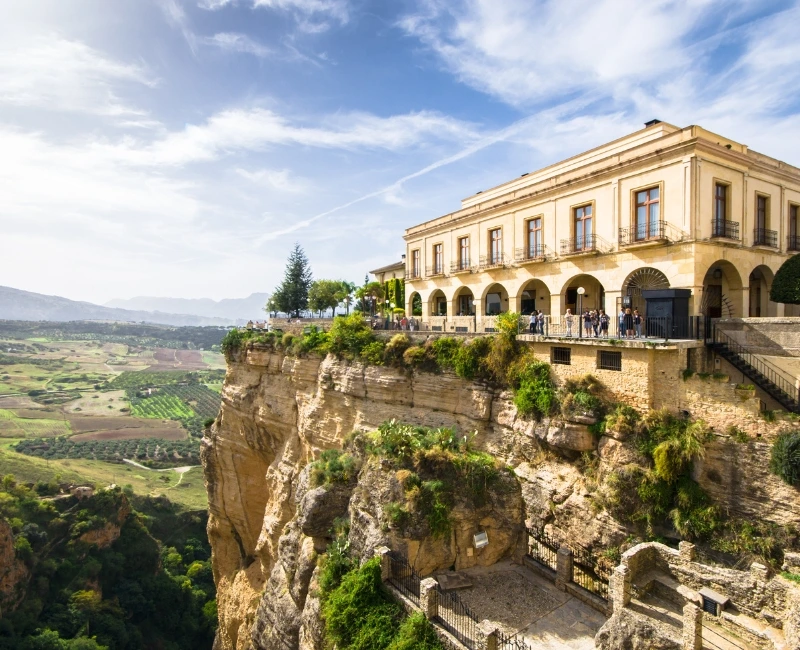
Ronda’s compact size belies the depth of its museum offerings and historical landmarks, each reflecting facets of Andalusian identity. Start at the Plaza de Toros, one of Spain’s oldest bullrings dating to the 18th century. Even if bullfighting is controversial, the site’s museum contextualizes the tradition within Spanish culture, art, and history—displaying period costumes, posters, and archival materials. The circular arena itself, set against a backdrop of white houses and hills, conveys both grandeur and solemnity, prompting reflection on cultural evolution.Next, visit the Mondragón Palace and Gardens, a Moorish palace later adapted by Christian rulers, showcasing an interplay of architectural styles. The palace houses exhibits on Ronda’s history, archaeology, and folklore, while its terraced gardens overlook olive groves and distant peaks. Here, tranquil fountains and fragrant orange trees evoke medieval Andalusian horticulture, providing a sensory complement to the exhibits within.The Casa del Rey Moro (House of the Moorish King) offers a unique blend of history, legend, and physical challenge. Descend the “Water Mine” steps carved into the gorge wall, leading to the river below. While the descent and ascent require caution, the experience conveys how Ronda’s inhabitants accessed water sources in times of siege. Above, landscaped gardens feature terraces with views deep into the gorge and across the Serranía de Ronda. Interpretive signage explains the mine’s engineering and the myths surrounding the site, deepening appreciation for life’s necessities in historic contexts.Art and culture intersect at small galleries and cultural centers around town. Seek out spaces showcasing Andalusian painters, photographers capturing the region’s light, and artisans working in ceramics or textiles. These venues often host rotating exhibitions reflecting contemporary interpretations of Ronda’s identity, bridging past and present through creative expression.Religious architecture also tells stories: the Church of Santa María la Mayor, built on a mosque’s foundations, presents altarpieces spanning Gothic to Baroque periods. Its adjoining cloisters offer quiet reflection spaces, with stone details revealing craftsmanship across eras. Nearby chapels and convents, some accessible by appointment or during specific hours, further illustrate Ronda’s spiritual heritage and its role in community life.For military history enthusiasts, remnants of city walls and towers—such as the La Ciudad gates—underscore Ronda’s strategic significance. Walk along preserved sections to imagine defensive strategies and border dynamics during medieval times. Informational plaques explain how geography influenced fortifications and daily life under changing rulers.Finally, consider a visit to local archives or cultural centers offering lectures or temporary exhibits on Ronda’s anthropology, folklore, or environmental history. These sessions, often led by local historians or researchers, provide nuanced insights beyond what static displays convey. Engaging directly with those who study Ronda fosters a deeper connection and may reveal off-the-beaten-path sites or traditions still alive in village celebrations.By combining visits to bullring museums, palaces, water mines, art galleries, religious sites, and fortifications, travelers gain a holistic understanding of Ronda’s historical tapestry. Each landmark serves as a chapter in a larger narrative: from prehistoric settlers shaping hilltop communities, through Roman roads, Moorish influences on architecture and agriculture, to modern efforts preserving heritage while welcoming visitors. This comprehensive approach ensures that Ronda’s museums and historical landmarks resonate beyond sightseeing—they become portals into Andalusia’s soul.
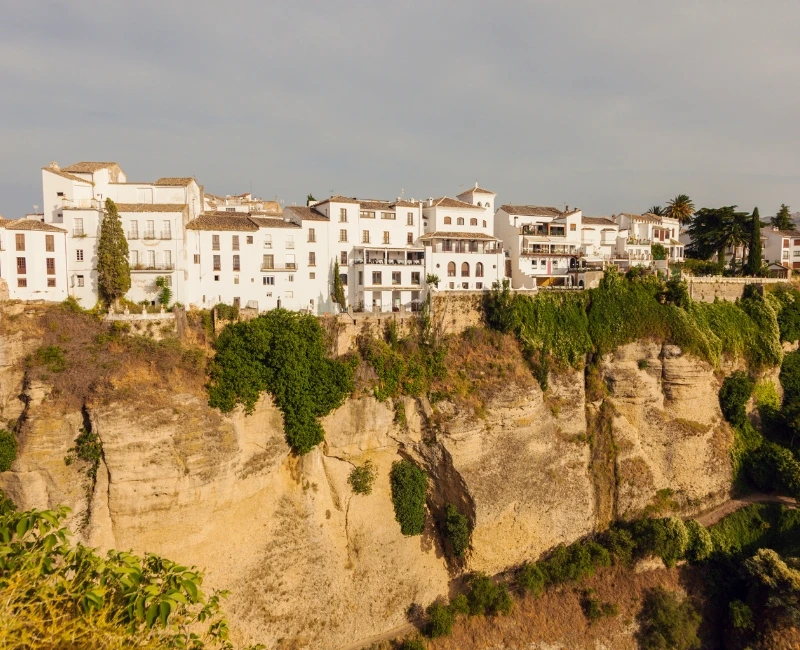
El Tajo gorge, Ronda’s defining natural feature, invites hikers to traverse paths offering vertiginous views and encounters with local flora and fauna. Several trails skirt the gorge rim or descend into surrounding hills, suitable for varying fitness levels. Begin at dawn to enjoy cooler temperatures and soft light revealing the gorge’s textures. The rim trail on the Old Town side leads past viewpoints framing the Puente Nuevo from above, while paths on the newer side offer different vistas. Look for signage indicating public paths; local tourist offices can provide maps or GPX files for self-guided exploration.For a moderate route, follow trails into the Sierra de Grazalema Natural Park, a UNESCO Biosphere Reserve. The initial section passes through cork oak and holm oak woodlands, with aromatic shrubs like rosemary and lavender adding fragrance to the air. Birdwatchers may spot griffon vultures or black kites circling overhead; bring binoculars for closer views. As the path ascends or descends along ridges, each bend reveals new perspectives: the gorge’s depth, patchwork agriculture in valleys, and distant peaks draped in soft haze.Seasonal variations enrich the experience: spring wildflowers carpet open meadows with color; autumn brings golden hues to oak groves; winter may offer crisp air and clear visibility; summer dawn hikes avoid midday heat. Pack water, sun protection, and sturdy footwear; some trails include rocky sections requiring care. For a deeper connection, consider hiring a local guide who can point out medicinal plants, geological features, and share anecdotes about shepherding traditions in these hills.Photography opportunities abound: capture the gorge from unique angles, focus on lichens on cliff faces, or compose images of olive groves extending toward Ronda. Pause at shaded clearings to rest and absorb the landscape’s silence, broken only by wind in trees or distant birdcalls. Picnic spots along the way allow savoring local cheeses, bread, and cured meats against a backdrop of rugged terrain.After completing a trail, reward yourself in Ronda with a refreshing beverage or a light lunch in a café overlooking the gorge. Reflect on how geography shaped human settlement, defense strategies, and agriculture. Hiking El Tajo gorge trails is not merely an outdoor activity—it’s an immersive lesson in Andalusian landscape and history, providing both exhilaration and tranquility.
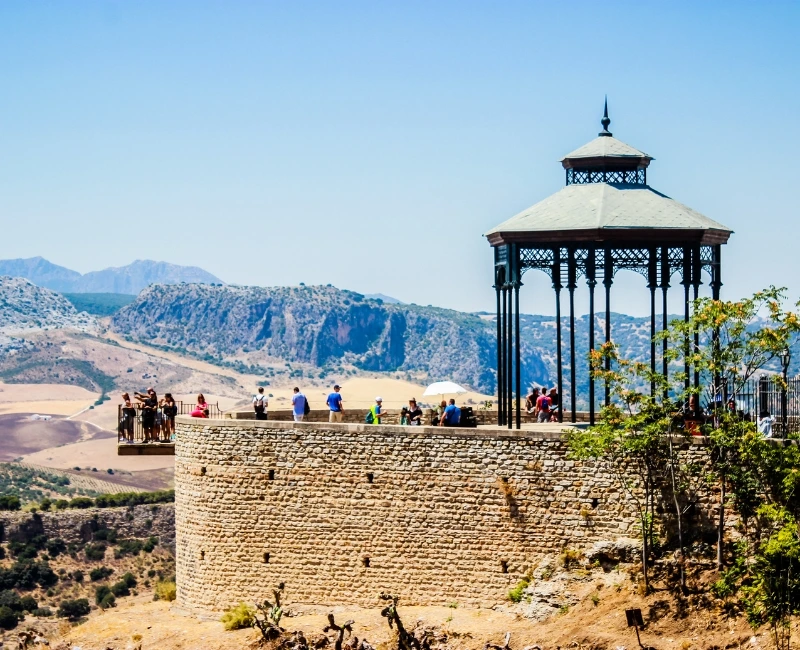
Exploring the roads around Ronda by car or guided tour reveals diverse Andalusian scenery: white villages perched on hillsides, rolling olive groves, and panoramic viewpoints highlighting the region’s dramatic terrain. Begin along the A-374 toward Setenil de las Bodegas, renowned for houses built into rocky overhangs; this route offers successive vistas of cultivated fields and distant mountains. Pause at roadside pullouts to photograph patchwork landscapes bathed in changing light, especially in early morning or late afternoon.Continuing to Zahara de la Sierra, navigate winding roads through Sierra de Grazalema Natural Park, where steep inclines and hairpin bends reward drivers with exhilarating views. Zahara’s whitewashed houses clustered around a turquoise reservoir create a postcard scene. Further, head toward Grazalema village, celebrated for natural beauty and traditional crafts. Each stop provides chances for short walks in pine forests or sampling local cheeses in family-run shops.Closer to Ronda, scenic viewpoints along the MA-7302 road offer sweeping panoramas of El Tajo gorge and the city’s silhouette atop cliffs. At Mirador de Ronda, the viewpoint overlooking the gorge, capture iconic images of the Puente Nuevo against layered mountains. Visiting at sunrise or sunset elevates the experience as light accentuates textures and colors. Some viewpoints include picnic areas—ideal for enjoying local snacks amid nature.For a more extensive circuit, drive toward Arriate and through countryside roads connecting to small hamlets. These lesser-known routes reveal agricultural life: olive oil presses, vineyards, and grazing livestock. Observe seasonal rhythms: almond blossoms in late winter, grape harvests in autumn, and verdant growth in spring. Local inns along these roads invite travelers for authentic meals prepared with homegrown ingredients, offering genuine hospitality beyond tourist centers.Motorcycle or cycling enthusiasts may relish these roads’ twisting curves, though cyclists should assess fitness levels and traffic conditions. Local rental services or guided tours can facilitate safe exploration. Always check weather conditions: fog or rain may affect visibility and road safety in mountainous sections. Ensure adequate fuel, water, and communication tools for more remote stretches.Photography and painting aficionados find endless inspiration: equipment set against open vistas, sketches of white villages against green hills, and studies of light shifting across undulating terrain. Birdwatchers may spot raptors on thermals above ridges. Geology enthusiasts appreciate rock formations along roadside cuttings, revealing the area’s ancient tectonic activity.In sum, scenic drives and viewpoints around Ronda transform a simple journey into an evocative exploration of Andalusia’s heart. Each bend in the road unfolds new scenery, cultural encounters in small villages, and moments of reflection where nature and history converge. Whether on a self-drive adventure or guided tour, these routes complement in-town experiences, offering a broader perspective on the landscapes that shaped Ronda’s character.
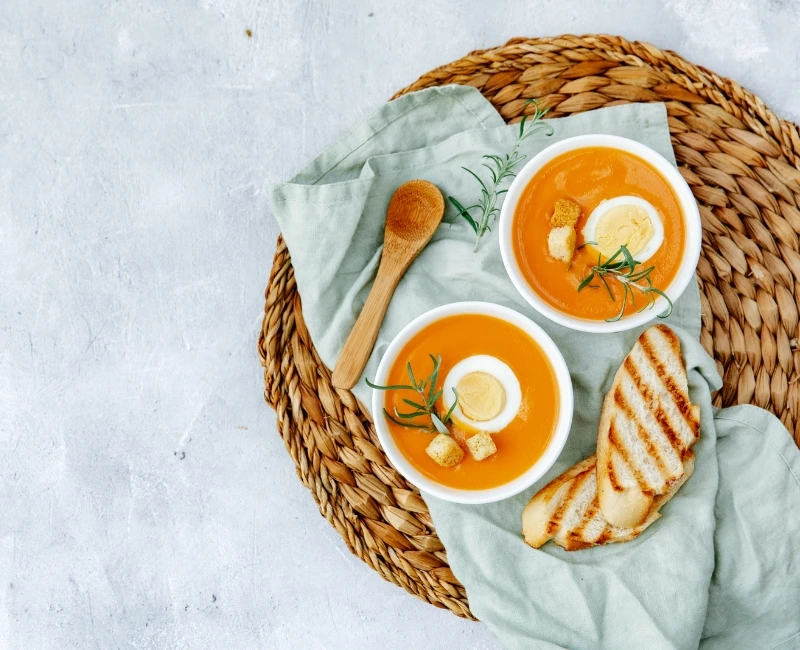
Ronda’s culinary scene reflects Andalusia’s vibrant flavors, blending fresh local produce with time-honored techniques. Embark on a tapas trail through family-run bars where each dish tells a story of the land. Begin with cold gazpacho or salmorejo—a chilled tomato-based soup ideal in warm months—served alongside crusty bread drizzled with local olive oil. Follow with jamón ibérico slices unmatched in depth of flavor, accompanied by manchego cheese from nearby La Mancha or local variations.Seek cazuelas simmering with oxtail stew (rabo de toro), where tender meat melds with rich sauce; each establishment’s recipe varies, but olive oil and local wine often feature. Try migas, a traditional dish of fried breadcrumbs mixed with garlic, chorizo, and sometimes grapes or melon for sweetness contrast. During trout season, menus may offer river-fresh fish prepared simply, accentuating natural tastes. Seasonal vegetables—artichokes, asparagus, or peppers—appear in salads or vegetable stews, showcasing farm-to-table freshness.Coffee culture is integral: mid-morning espresso or café con leche enjoyed in shaded plazas sets a relaxed pace. For sweets, sample local pastries like torrijas (bread soaked in milk and fried) or pestiños (honey-glazed fritters) during festivals or from artisanal bakeries. Pair desserts with sweet local wines or sherry from nearby Jerez region if available.Beyond tapas bars, consider cooking workshops led by local chefs or home cooks, often held in historic kitchens or rural estates. These sessions delve into ingredient selection, preparation of staple dishes—such as tortilla española, salmorejo, or Andalusian olive oil cake—and share insights into cultural significance of meals as communal gatherings. Engaging directly in cooking fosters appreciation for regional rhythms: slow breakfasts, lengthy lunches culminating in siestas, and lively evening socializing over small plates.Wine experiences enhance gastronomic exploration. Although Ronda itself is not a major wine-producing zone, neighboring Serranía de Ronda vineyards craft distinctive wines influenced by elevation and climate. Visit boutique wineries for tours explaining vineyard management on steep slopes, traditional fermentation methods, and tastings highlighting local varietals. Olive oil estates likewise open their doors: guided visits through groves and presses culminate in tastings of extra-virgin olive oils, noting differences based on olive varieties and milling techniques.For those seeking refined dining, Ronda features restaurants in restored historic buildings offering modern interpretations of Andalusian cuisine. Chefs combine local ingredients—wild herbs, game, mountain honey—with contemporary plating, creating memorable meals. Reserve in advance, especially during peak months, to secure tables in these sought-after venues.Finally, engage with local markets where vendors sell seasonal fruits, vegetables, cheeses, and cured meats. Early morning visits reveal vibrant displays and opportunities to converse with producers. Purchasing picnic ingredients for day trips into surrounding nature adds a personal touch to outdoor adventures. Whether savoring simple tapas or indulging in gourmet experimentation, sampling Andalusian cuisine in Ronda connects palate and place in richly satisfying ways.

The terrain around Ronda, characterized by rolling hills and varied microclimates, nurtures vineyards and olive groves producing distinctive wines and oils. Embarking on winery and olive oil estate visits offers both sensory delights and insights into traditional agricultural practices shaped by geography and heritage.Begin with Ronda’s boutique wineries located at higher elevations. Guided tours typically start in vineyards, where hosts explain how steep slopes challenge mechanization but yield grapes with concentrated flavors due to temperature variations between day and night. Varietals often include native grapes like Tempranillo or local adaptations, producing reds with robust structure and whites with crisp acidity. Walk through trellised rows and observe sustainable practices—drip irrigation, organic amendments, minimal intervention—that respect the natural environment. In cellars, learn fermentation processes: stainless steel tanks for preserving fresh aromatics in whites; oak barrels for aging reds, imparting subtle complexities.Tastings focus on sensory exploration: note color nuances, swirl wine to release aromas, and learn descriptors from hosts guiding you through tasting notes. Compare vintages to understand climatic influences. Many wineries pair wines with local tapas: artisanal cheeses, cured meats, olives, and homemade bread. This pairing underlines how wine complements regional flavors, fostering appreciation beyond mere tasting.Olive oil estates offer complementary experiences. Andalusia produces some of the world’s finest extra-virgin olive oils, and Ronda’s groves—often terraced on hillsides—yield oils distinguished by fruity, peppery, or herbaceous notes. Estate visits begin with grove walks: hosts discuss olive varieties, pruning cycles, and sustainable cultivation methods. During harvest season (typically autumn), you may witness olive picking and understand the urgency of processing olives quickly to preserve quality.In pressing facilities, observe milling processes: traditional stone mills versus modern centrifuge extraction, each influencing oil characteristics. Hosts explain acidity levels, polyphenol content, and sensory evaluation methods. Tasting sessions involve sampling oils on bread, noting differences in pungency or fruitiness and learning how oil selection influences cooking or finishing dishes. Many estates offer workshops on olive oil pairings: drizzling over salads, vegetables, or desserts to elevate flavors.Some combined agritourism experiences pair wine and olive oil: start with a vineyard tour and tasting, then move to olive groves for oil tasting, finishing with a farm-to-table lunch prepared with estate products. These immersive days highlight interconnections: how soil types influence both grape vines and olive trees, how seasonal rhythms dictate agricultural calendars, and how local communities preserve traditions. For sustainable travelers, many estates emphasize eco-friendly practices: solar energy for operations, minimal water usage, and biodiversity conservation.Booking in advance is recommended, as many estates have limited capacity. Transportation by private car or organized tours ensures safe travel after tastings. Guides often share family histories, deepening engagement with local culture and fostering meaningful connections. Souvenir purchases of wines and olive oils support small producers and bring Andalusian flavors home.Visiting local wineries and olive oil estates around Ronda transforms a trip into a sensory journey through land and tradition. Each sip or drizzle reveals layers of terroir, climate, and human care, enriching understanding of Andalusia’s agricultural heartbeat and leaving lasting impressions on palate and memory..

After exploring Ronda’s dramatic landscapes and historic streets, many travelers seek rejuvenation through spa and wellness retreats set amid serene surroundings. Boutique hotels and rural cortijos near Ronda offer wellness programs combining traditional Andalusian elements with modern therapies. Begin by selecting an accommodation renowned for tranquility: properties often perch on hillside sites overlooking olive groves or valleys, allowing natural calm to permeate every moment.Wellness packages typically include massages using locally sourced olive oil or aromatic essences derived from lavender, rosemary, or citrus. Therapists trained in European and holistic techniques provide deep-tissue or relaxation massages tailored to individual needs. Treatments may incorporate elements of traditional Moorish hammam rituals: steam rooms, exfoliation scrubs with aromatic oils, and cooling fountains echoing historic bathhouses. These rituals connect visitors to centuries-old Andalusian spa culture, emphasizing purification and renewal.Yoga and meditation sessions often take place on terraces at sunrise, with panoramic views of Sierra de las Nieves or El Tajo gorge. Instructed by experienced practitioners, classes harness natural light and fresh air, fostering mindfulness amid inspiring vistas. Breathwork and gentle stretching help unwind travel fatigue, preparing body and mind for deeper relaxation.Healthy cuisine complements wellness pursuits: breakfasts of fresh fruits, whole grains, local cheeses, and eggs from free-range hens energize mornings. Lunches emphasize seasonal vegetables, legumes, lean proteins like grilled fish or poultry, and salads dressed with premium olive oil. Herbal teas—often from local herbs such as chamomile or mint—soothe digestive systems and promote restful sleep. Evening meals may feature lighter fare, followed by optional mindfulness or gentle stretching sessions.Outdoor wellness activities leverage Ronda’s natural assets. Guided hikes with a wellness focus combine gentle movement with mindfulness exercises: pausing at scenic viewpoints for breathing practices or short meditation. Forest bathing in nearby woodlands invites sensory immersion—listening to birdsong, feeling textures of tree bark, and noticing scents of pine and earth. Some retreats offer guided horseback riding at a leisurely pace, connecting travelers with Andalusian equestrian traditions while promoting relaxation.For deeper restoration, spa facilities may include thermal pools or hot tubs overlooking landscapes, allowing soaking as sunset paints the sky. Some properties incorporate bio-saunas or infrared saunas, enhancing detoxification. Treatments for couples—such as side-by-side massages or shared hammam experiences—cater to romantic retreats, strengthening bonds in peaceful settings.Wellness retreats around Ronda emphasize sustainability and connection to local environment: spa products often use natural ingredients sourced nearby, and architecture blends with landscapes through use of local stone and wood. Staff may share insights into Andalusian herbal remedies and wellness traditions, enriching the experience with cultural knowledge. Retreat durations range from single-day wellness escapes to week-long resets, accommodating different traveler needs.Booking in advance is advisable, especially during peak travel months. Many retreats offer customizable programs: combining spa treatments, wellness activities, cultural excursions, and free time. After a day of immersion, return to Ronda’s town center feeling refreshed, ready to explore cuisine, history, or simply enjoy a sunset view from a quiet terrace. Spa and wellness retreats thus complement Ronda itineraries, providing balance between active discovery and restorative pause.
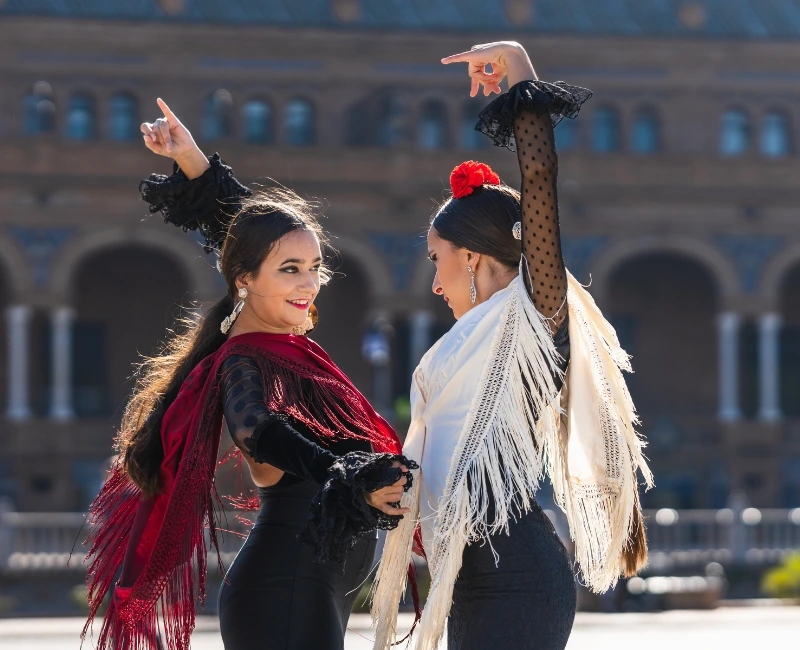
Flamenco embodies Andalusia’s soulful spirit, and Ronda offers intimate venues to experience authentic performances, as well as festivals celebrating regional traditions. Planning to attend a flamenco show is essential for cultural immersion: seek tablaos or historic inns where local artists present heartfelt song (cante), dance (baile), and guitar (toque) in settings with minimal amplification. The close proximity of audience and performers fosters an electric atmosphere where emotion and spontaneity shine. Reservations are recommended, as these venues often have limited seating to preserve intimacy.Shows typically begin in the evening, after dinner or tapas. Arrive early to secure a good seat and perhaps order a drink or tapa, absorbing ambient decor—exposed wooden beams, local ceramics, or black-and-white photographs capturing past performances. As the lights dim, performers enter with expressive movements: rhythmic footwork, hand claps (palmas), and melodic guitar interludes. The cante may convey stories of love, loss, or joy, with voices ranging from plaintive to powerful. Observing body language and facial expressions deepens understanding of flamenco’s emotional depth.Beyond regular shows, Ronda’s calendar includes local festivals where flamenco intersects with broader cultural celebrations. During Feria de Pedro Romero (usually in September), Ronda honors its bullfighting heritage with parades, music, and dance. Flamenco features prominently: dancers performing in colorful dresses, spontaneous gatherings in plazas, and competitions showcasing emerging talents. Experiencing flamenco in festival context highlights its communal aspect—families gather, dress traditionally, and participate in shared celebrations.Other festivities—religious processions during Semana Santa or local saint’s day events—often include flamenco elements in music or accompanying rituals. Though more solemn in nature, these occasions reveal flamenco’s integration into Andalusian identity beyond entertainment. Participate respectfully, observing local customs and attire guidelines; these events provide profound glimpses into how culture, faith, and art intertwine.For travelers desiring deeper engagement, workshops or masterclasses may be available, teaching basic flamenco rhythms or footwork. While mastery requires years, even brief sessions impart appreciation for the art form’s complexity and physical demands. Learning palmas patterns or simple dance movements fosters empathy for performers and enriches subsequent audience experiences.Pair flamenco evenings with dining options: many venues offer dinner-and-show packages featuring Andalusian cuisine—tapas platters, regional wines, and desserts. Savor local flavors before the performance, setting the mood and supporting local businesses. After the show, linger to converse with performers if possible; artists often welcome respectful questions about their craft and inspirations.Photography during flamenco is often restricted to preserve atmosphere; check venue rules beforehand. Instead, focus on absorbing the performance through all senses: the sound of guitar strings, rhythmic clapping, the emotional resonance of cante, and visual flair of costumes and movements. These collective elements create memories that linger long after departure.Flamenco shows and festivities in Ronda offer an intimate window into Andalusian soul—raw emotion, communal bonds, and artistic mastery. Whether attending a small tablao performance or joining festival celebrations, travelers connect with living traditions that enrich understanding of Ronda’s cultural heartbeat. Incorporate these experiences into your itinerary to ensure a holistic journey where history, art, and community converge in unforgettable ways.
No ads. No trails. No commitments


Alice Roses
London, England
51 ST MATTHIAS ROAD
NOTTINGHAM, NOTTINGHAMSHIRE
NG3 2HF
Hours: 8:00 - 17:00, Mon - Sat
support@johnsonholidays.com