 Abruzzo Travel
Guide
Abruzzo Travel
Guide
Paris is known around the world as the “capital of love,” and even if you don't understand the history of Paris at all

2.7 Hours
£3.50
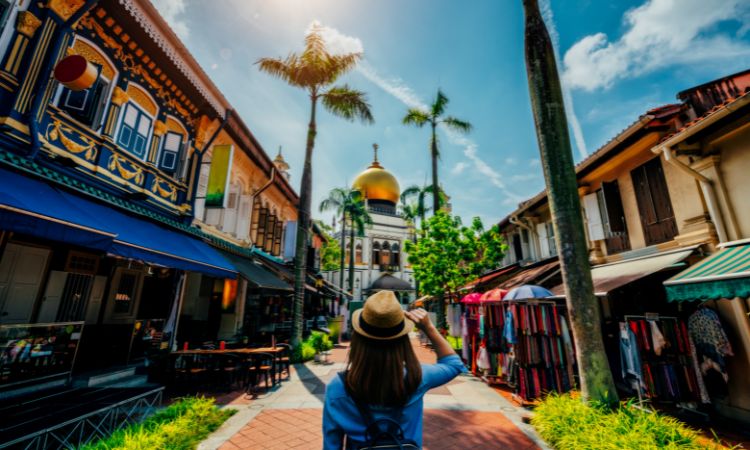
Abruzzo remains one of Italy’s best-kept secrets, where deeply rooted traditions are alive in daily life. Visitors can witness genuine hospitality in family-run agriturismi, join local festivals celebrating centuries-old customs, and observe artisans crafting cheeses, olive oil, and cured meats by age-old methods. This authenticity offers a culturally immersive experience, contrasting with more commercialized destinations. From sharing meals around large tables in mountain villages to chatting with locals at coastal markets, Abruzzo allows travelers to connect meaningfully with Italian heritage and community values, creating memories that go beyond sightseeing.
Learn More
Abruzzo’s dramatic scenery ranges from rugged Apennine peaks to serene Adriatic shores. Three national parks protect pristine wilderness where rare wildlife roams and hiking trails reveal panoramic vistas. Adventurers can trek mountain ridges at dawn, explore deep gorges, or relax on quiet beaches by afternoon. The region’s variety ensures each day brings a new perspective on Italy’s natural beauty. Whether photographing wildflowers in spring, skiing powdery slopes in winter, or kayaking along coastal cliffs in summer, visitors experience a landscape of contrasts that invigorates the body and soul.
For outdoor enthusiasts, Abruzzo is a playground year-round. In warmer months, options include hiking, mountain biking, horseback riding, rafting on clean rivers, and wildlife-watching tours. Winter transforms mountain zones into skiing and snowboarding destinations with reliable snowfall and fewer crowds than Alpine resorts. Coastal areas offer sailing, windsurfing, and scuba diving in clear waters. Adventure seekers can tackle via ferrata routes, explore caves, or join guided expeditions to spot the Marsican brown bear in its habitat. The breadth of activities suits families, solo travelers, and adrenaline junkies alike, fostering unforgettable experiences.
Abruzzo’s cuisine celebrates the land and sea. Mountain villages serve hearty stews, handmade pasta, and artisanal cheeses, while coastal towns offer fresh seafood dishes and brodetto traditions. Vineyards produce acclaimed Montepulciano d’Abruzzo wines, inviting visitors for tastings amid rolling hills. Olive oil tastings, cheese-making workshops, and farm-to-table dinners showcase local produce’s authenticity. Culinary tours often include visits to family estates, offering insights into sustainable practices and heritage recipes. Food and wine experiences in Abruzzo are not just meals but stories—of land, tradition, and community—shared generously with guests.
Abruzzo’s hilltop villages appear frozen in time, with narrow alleys, stone houses, and historic churches perched atop ridges. Places like Santo Stefano di Sessanio and Scanno offer postcard-worthy scenes and a sense of tranquility. Wandering these villages, visitors discover local crafts such as weaving, lace-making, and traditional woodworking. Small family-run accommodations often host guests in restored medieval buildings, blending modern comfort with historical ambiance. The peaceful atmosphere of these hilltops allows travelers to unwind, reflect, and savor moments away from hustle, while also providing insights into centuries of regional history.
Compared to Italy’s more famous regions, Abruzzo offers significant value without compromising quality. Accommodation—from agriturismi to seaside hotels—tends to be more affordable, allowing extended stays or upgrades. Dining in local trattorie delivers gourmet experiences at reasonable prices, and many activities (hiking, beach access, village visits) entail minimal costs. Even guided tours and adventure sports often cost less than in more tourist-saturated areas. This affordability encourages travelers to explore more deeply, try varied experiences, and extend itineraries, making Abruzzo an excellent choice for budget-conscious yet experience-driven journeys.
Learn More
Lorem ipsum dolor, sit amet consectetur adipisicing elit. At illo adipisci iusto
From

Because more than 268 other customers have loved us too

Demonstrates commitment to user data security through encryption and secure payment practices
Learn More
Demonstrates commitment to user data security through encryption and secure payment practices
Learn More
Demonstrates commitment to user data security through encryption and secure payment practices
Learn More
Demonstrates commitment to user data security through encryption and secure payment practices
Learn More
Quality as judged by customers. Book at the ideal price!


/ person
/ person
/ person
Majella National Park, dominating central-southern Abruzzo, is a sanctuary of biodiversity and dramatic terrain. Spanning rocky peaks, verdant forests, and high-altitude plateaus, the park invites hikers, nature-lovers, and wildlife enthusiasts to its untamed expanses. The Majella massif’s highest summits soar beyond 2,700 meters, offering panoramic viewpoints over Abruzzo’s valleys and the distant Adriatic Sea. Well-marked trails range from gentle woodland walks around picturesque villages—where chestnut trees shade historic stone houses—to challenging treks ascending steep ridges. In spring and early summer, alpine meadows burst into bloom with wildflowers: gentians, cyclamens, and rare orchids. Birdwatchers can spot golden eagles and peregrine falcons riding mountain thermals, while mammals such as Apennine chamois, wolves, and, with luck, the elusive Marsican brown bear inhabit the remote areas. Visitors often begin their journey from villages like Pacentro or Caramanico Terme, which also offer traditional spa baths fed by mineral-rich springs. These small towns serve as perfect bases to acclimate before deeper mountain adventures. Local guides provide multi-day itinerary options, combining hiking with visits to hermitages carved into rock faces—silent witnesses to centuries of religious retreat. Winter transforms Majella into a quieter hideaway, with snowshoeing and freeride skiing attracting those seeking pristine snowy landscapes without crowded resorts. Accommodation ranges from rustic mountain refuges to agriturismi offering hearty home-cooked meals highlighting local cheeses, cured meats, and soups that warm tired travelers. Embracing sustainable travel practices here is crucial: staying on marked paths, respecting wildlife habitats, and supporting community-run initiatives that preserve the park’s integrity. Majella National Park serves not only as a playground for adventure but also as a living classroom, where visitors learn about conservation and the symbiotic relationship between local communities and their environment. By exploring Majella, travelers gain deep appreciation for Abruzzo’s wild heart—an experience that resonates long after leaving its mountain trails.
The Gran Sasso massif, crowned by Corno Grande (Italy’s southernmost summit above 2,900 meters), defines Abruzzo’s skyline and presents an array of outdoor adventures. Gran Sasso e Monti della Laga National Park encompasses rugged peaks, glacier-carved valleys, and high plateaus such as Campo Imperatore—often likened to “Little Tibet.” In summer, the plateau becomes a base for hikers tackling ascents to Corno Grande or exploring gentler circuits around alpine lakes. The sunrise over Campo Imperatore is legendary: pink hues illuminating distant Apennine ridges are best experienced with an early-morning hike or a stay at the historic mountain refuge. Rock climbers and via ferrata enthusiasts find challenging routes on limestone faces, while wildlife monitors can encounter ibex, wild boar, and a variety of birds endemic to high altitudes. In winter, Gran Sasso’s ski slopes around Prati di Tivo and Campo Felice offer skiing and snowboarding with fewer queues than Alpine resorts. Ski schools cater to beginners, while off-piste areas beckon seasoned skiers seeking deep powder. Beyond skiing, snowshoeing trails wind through silent forests draped in snow, revealing animal tracks and frozen streams. Surrounding villages such as L’Aquila (rebuilt after the 2009 earthquake) and Castel del Monte provide cultural context: medieval architecture, local museums, and hearty cuisine fuel explorers before or after mountain excursions. Agriturismi scattered at foothills welcome guests with warm hospitality, homegrown produce, and panoramic views. Photographers revel in the contrast between jagged peaks and rolling foothills dotted with olive groves and vineyards. Travelers interested in geology and history find Campo Imperatore notable: once served as a refuge for figures like Mussolini during World War II, now a serene highland with research facilities and astrophysical observatories. Monti della Laga, adjacent to Gran Sasso, features lush forests, cascading waterfalls, and deep gorges—ideal for canyoning, trekking, and summer picnics. Guides lead visitors through less-traveled paths to hidden waterfalls such as Le Scalette, where clear pools invite refreshing dips. Emphasizing responsible tourism ensures these fragile ecosystems remain intact: travelers are encouraged to use local guides, carry out waste, and respect seasonal closures to protect breeding wildlife. Gran Sasso and Monti della Laga deliver a complete mountain experience—majestic vistas, adrenaline-fueled activities, cultural insights, and moments of serene reflection in one of Italy’s most remarkable highland regions.
Abruzzo’s landscape is dotted with hilltop settlements that transport visitors to bygone eras. Towns like Santo Stefano di Sessanio perch on rocky outcrops, their narrow alleys and stone houses reflecting medieval architecture. Exploring Santo Stefano, guests can enter restored towers offering panoramic views of rolling hills. In summer, lavender fields on surrounding slopes add color and fragrance to the experience. Nearby, Calascio boasts one of Europe’s highest fortresses—Rocca Calascio—accessible by scenic hikes revealing sweeping vistas over the Apennines. These sites blend history, mythology, and natural beauty, appealing to both history buffs and photographers. In Scanno, a horseshoe-shaped lake nestles below steep mountain walls, and the village’s traditional costumes and gold filigree jewelry workshops speak to deep-rooted crafts. Wandering its labyrinthine streets, travelers discover artisan boutiques and taste mountain cuisine in family-run osterie. Sulmona, known as the birthplace of poet Ovid, features Renaissance palaces, ornate fountains, and bustling markets—especially the confetti (sugar-coated almond) shops, where this sweet specialty has deep cultural significance. L’Aquila, Abruzzo’s regional capital, showcases a blend of Renaissance and Baroque architecture; despite recovery from past earthquakes, it remains vibrant with churches, museums, and lively piazzas. Castel del Monte offers a striking medieval fortress amid mountainous terrain, while Pacentro’s cobbled lanes and historic houses were featured in films such as “The American.” Each village often hosts annual festivals—religious processions, medieval reenactments, or harvest celebrations—where visitors can join locals in traditional music, dance, and feasting. Homestays and agriturismi in these villages provide authentic lodging: renovated farmhouses where guests share meals prepared from on-site produce, gaining insight into daily rural life. Local guides offer walking tours highlighting hidden corners: ancient water troughs, frescoed chapels, or forgotten olive presses now repurposed as art studios. Even simple activities like participating in an olive harvest or cheese-making at a family farm become memorable cultural immersions. Traveling among villages often requires scenic drives along winding roads, with occasional stops at viewpoints overlooking valleys carpeted by vineyards and olive groves. Railway lines, such as the Sulmona-Carpinone scenic route, offer picturesque journeys through mountains, crossing viaducts and tunnels. Photography enthusiasts find endless inspiration: pastel-hued buildings clinging to cliffs, terraces of vines illuminated by golden light, and silhouettes of church bell towers at dusk. Whether drawn by medieval history, local crafts, or the serenity of small-town life, exploring Abruzzo’s hilltop villages reveals layers of cultural heritage set against dramatic natural backdrops, making every visit an intimate discovery.
Abruzzo’s Adriatic coastline extends from the Trabocchi Coast in the south to charming ports and sandy beaches in the north. For travelers seeking a blend of seaside relaxation and authentic culture, the coast presents lesser-known gems compared with Italy’s more famous Riviera. The Trabocchi Coast, named after traditional wooden fishing platforms (trabocchi), stretches near Vasto and Ortona. Visitors can dine on fresh seafood atop these stilted structures, experiencing sunsets over the Adriatic in unique settings. Coastal cycling paths connect quaint fishing villages, offering leisurely rides through olive groves and sea-scented air. Towns like Pescara combine modern marina facilities with vibrant nightlife and beach clubs. Beachgoers can choose between organized lidos—offering sunbeds, umbrellas, and beachfront bars—and quieter stretches where sand meets dunes and wild grasses sway in the breeze. In early summer, water remains pleasantly warm for swimming; by evening, seafood trattorie bustle with locals enjoying family dinners of grilled fish, pasta alle vongole, and regional wines served chilled. Further south, Vasto’s historic center crowns a promontory overlooking the sea. Visitors stroll medieval lanes before descending to bays such as Punta Aderci Nature Reserve, where clear waters and rocky coves invite snorkeling and coastal hikes. Small fishing boats offer half-day excursions to spot dolphins or fish in deeper waters. Chieti’s hillside location overlooks the Adriatic plain; while not directly on the coast, it provides cultural excursions combined with seaside day trips. Accommodation along the coast ranges from boutique B&Bs in converted fishermen’s cottages to seaside resorts with spa facilities. Many properties emphasize local design elements—terracotta tiles, maritime décor, and terraces overlooking the water. Beach activities extend beyond sunbathing: windsurfing schools operate in breezy bays, while diving centers guide underwater explorations among rocky reefs. Coastal festivals celebrate seafood harvests, with events featuring tastings of mussels, clams, and sardines prepared in regional styles. Early risers can join local fishermen at dawn to learn traditional net-handling and see daily catches brought ashore. For families, shallow sandy beaches near Pescara and Montesilvano provide safe swimming zones and playgrounds, while couples may prefer secluded coves reached by hiking or boat. Photographers capture golden-hued cliffs at sunrise and the interplay of light on gentle waves. The Adriatic coast in Abruzzo thus melds authenticity with seaside leisure: travelers encounter real-life coastal traditions, fresh flavors of the sea, and scenic tranquility far from over-touristed shores.
Abruzzo’s gastronomic landscape is as varied as its terrain, with flavors shaped by mountain hillsides and coastal breezes. Culinary exploration here is both a sensory delight and cultural journey. Food trails often begin in mountain villages, where shepherding traditions produce artisan cheeses such as pecorino di Farindola and pecorino di Castel del Monte. Visiting small dairy farms, travelers witness cheese-making processes passed down generations—milking sheep at dawn, stirring curds over wood-fired stoves, and aging cheeses in cool cellars. Tastings pair cheeses with local breads, honeys, and robust Montepulciano d’Abruzzo wines. Olive oil production is another highlight: centuries-old groves dot hillsides, and families press olives into extra-virgin oil with fruity, peppery notes. Olive oil tastings, often hosted in agriturismi, reveal subtleties influenced by altitude and olive varieties. Seasonal experiences include participating in the olive harvest in autumn, gathering olives by hand and learning sorting techniques before pressing. Wine routes wind through rolling vineyards near Lanciano and Ortona. Wineries range from boutique estates offering intimate cellar tours to larger producers with tasting rooms overlooking scenic valleys. Montepulciano d’Abruzzo, the region’s flagship red, exhibits rich berry and spice aromas; Trebbiano and Pecorino varietal whites offer crisp, floral profiles. Sommeliers guide visitors through vertical tastings, pairing wines with regional specialties: charcuterie platters featuring ventricina sausage, mountain honey, and bruschetta drizzled with fresh olive oil. Coastal food experiences center on seafood markets and fishing villages. Early morning visits to fish markets in Pescara reveal daily catches: sardines, anchovies, cuttlefish, and sea bass. Cooking classes teach preparing brodetto—Abruzzo’s signature fish stew—layering different fish varieties with tomatoes, garlic, and herbs in earthenware pots. Beachfront trattorie serve pasta dishes like spaghetti alle vongole and risotto ai frutti di mare, accompanied by chilled white wines. Sweet traditions include confetti (sugar-coated almonds) from Sulmona, often purchased as souvenirs. Pastries such as ferratelle (wafer cookies) and parrozzo (almond cake) showcase local ingredients. Coffee culture remains robust: sipping espresso in sunlit piazzas offers moments of everyday Italian life. Throughout culinary journeys, cooking workshops invite travelers to bring recipes home, fostering deeper appreciation for Abruzzo’s terroir. Dining here is unhurried—meals stretch into conversations, laughter, and multiple courses celebrating simplicity and quality. Exploring Abruzzo through its flavors provides both nourishment and connection to a land where food embodies history, community, and a profound respect for nature’s bounty.
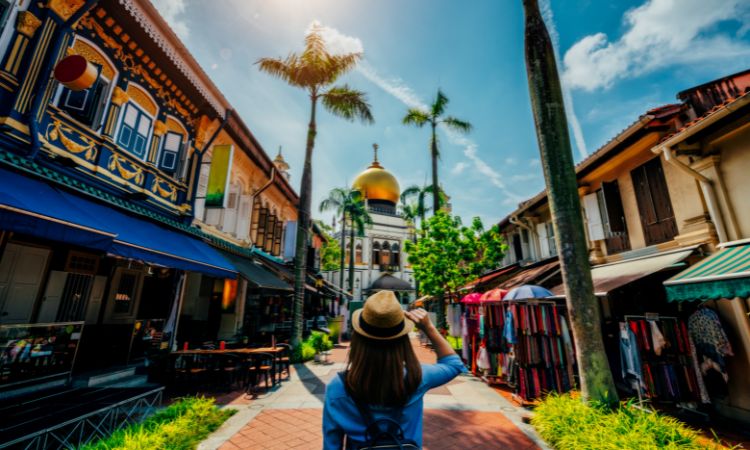
Abruzzo’s diverse landscape extends into opportunities for wellness and relaxation. Mountain spas leverage natural thermal springs: towns such as Caramanico Terme and Raiano host spa complexes where mineral-rich waters soothe muscles after hikes. Treatments often include thermal baths, mud therapies, and massages using local essences like lavender from mountain fields. These retreats emphasize holistic well-being, combining physical relaxation with serene natural surroundings—forest-fringed pools, mountain vistas, and crisp air fostering rejuvenation. In coastal areas, seaside resorts incorporate thalassotherapy, utilizing seawater’s therapeutic properties in pools and baths. Spa facilities offer wellness packages: yoga at sunrise on the beach, meditation sessions overlooking the Adriatic, and massages with marine algae products. The gentle sea breeze and rhythmic waves provide a calming backdrop, enhancing relaxation experiences. Many hotels and agriturismi integrate wellness into daily routines: healthy breakfasts featuring regional fruits, wholegrain breads, and herbal teas; guided nature walks focusing on mindfulness; and rustic retreats where digital detox is encouraged. Yoga and wellness retreats occasionally organize sessions in natural settings: open-air yoga on hilltop terraces, guided breathwork overlooking valleys, or mindfulness walks through olive groves. These immersive experiences foster mental clarity and stress reduction, allowing travelers to disconnect from routine and reconnect with nature. Winter wellness includes thermal pools warmed by mountain springs, ideal after a day on ski slopes. Local therapists may incorporate traditional herbal remedies, leveraging Abruzzo’s rich botanical variety: chamomile, rosemary, and thyme infusions enhance treatments. For those seeking deeper rejuvenation, retreats often combine fitness activities—hiking, cycling, swimming—with nutritional workshops emphasizing local produce: whole grains, legumes, seasonal vegetables, and lean proteins from seafood or mountain game. Cooking classes can include healthy recipe adaptations, teaching mindful eating practices. Accommodation options range from boutique wellness hotels to agriturismi focusing on sustainability and farm-to-table philosophy. Off-season visits offer quieter environments: fewer guests mean personalized treatments and serene solitude in spa facilities. Embracing wellness in Abruzzo is about holistic immersion: balancing adventure with rest, enriching the body through nature’s offerings and local culinary wisdom. Whether soaking in thermal waters beneath mountain peaks or practicing yoga by the sea at dawn, travelers find restorative experiences that rejuvenate both body and spirit, making Abruzzo an ideal destination for mindful travel and wellness retreats..
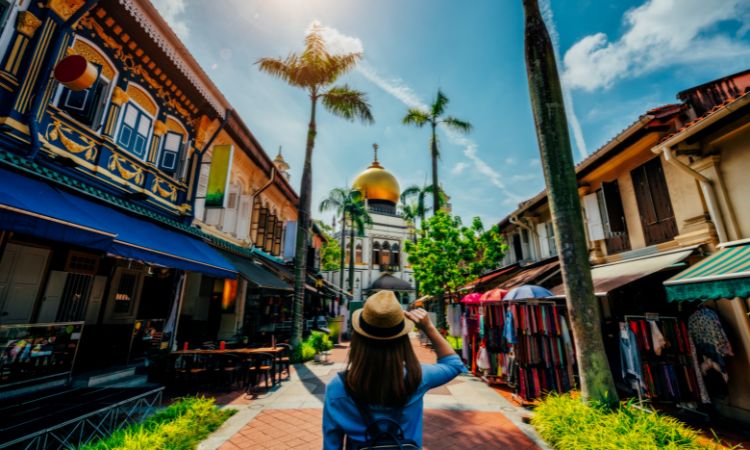
Abruzzo’s calendar brims with festivals reflecting religious devotion, seasonal cycles, and historical traditions. Experiencing these events offers deep cultural insights and joyous participation. In spring, Easter processions in towns like Sulmona and L’Aquila feature solemn parades with participants in traditional robes, reenacting Passion scenes. The mood shifts to exuberance in summer: the Festival of Madonna di Pietraquaria in Avezzano draws pilgrims with music, fireworks, and street fairs. Medieval reenactments occur in villages such as Taranta Peligna, where locals don period costumes, perform folk dances, and stage mock battles, transporting visitors to eras past. Food festivals celebrate harvests: truffle fairs in the Majella foothills showcase prized black truffles, offering tastings, cooking demonstrations, and educational talks. Olive harvest festivals in autumn invite guests to pick olives and enjoy olive oil tastings accompanied by local cheeses and breads. Wine festivals in vineyard towns highlight Montepulciano d’Abruzzo and lesser-known varietals, pairing tastings with regional music and artisan markets. Coastal towns host seafood festivals: Vasto’s “Brodetto Fest” invites visitors to sample fish stews prepared by different chefs, each presenting unique regional twists. Smaller village celebrations often revolve around patron saints, featuring nightly processions, band music, and open-air dinners. These intimate events allow visitors to mingle with residents, enjoy homemade dishes, and witness fireworks illuminating village squares. In winter, Christmas markets in mountain towns create festive atmospheres: stalls offer handcrafted decorations, regional sweets, and warm beverages. Carnival celebrations in early year feature masked parades and traditional sweets, reflecting local folklore. Participating in Abruzzo’s festivals often requires planning around dates, but the rewards include authentic immersion: tasting seasonal specialties, dancing to folk tunes, and understanding the community’s bond with land and faith. Guides and local hosts facilitate respectful engagement, explaining symbolism behind rituals and ensuring visitors contribute positively. Photography enthusiasts capture vibrant scenes: costumed participants, festive lights against medieval backdrops, and culinary delights presented in communal settings. Beyond scheduled festivals, year-round events include concerts in historic venues, art exhibitions in refurbished palaces, and outdoor theater performances under starlit skies. Cultural calendars are often posted at local tourist offices or agriturismi. Embracing Abruzzo’s celebrations enriches any itinerary, forging connections with local rhythms and leaving travelers with lasting memories of warmth, tradition, and communal joy.
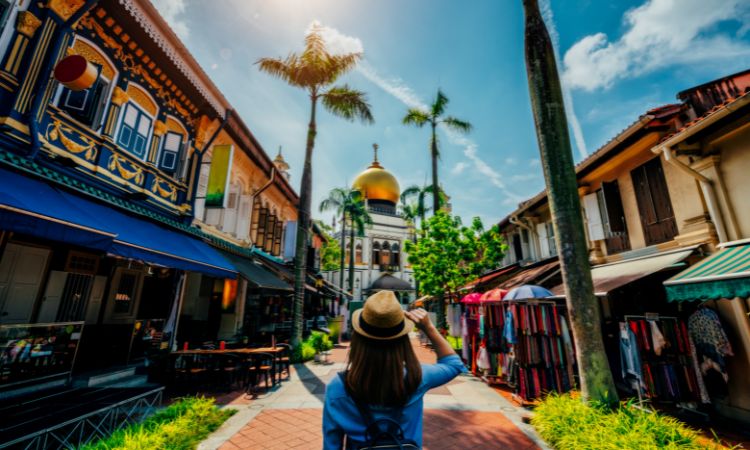
One of Abruzzo’s unique appeals is the proximity of mountains and coast, making varied day trips feasible. A typical itinerary might begin with a morning hike in Gran Sasso or Majella—choosing an easy trail for panoramic sunrise views—followed by lunch overlooking rolling hills. In the afternoon, travelers descend toward the Adriatic to relax on a quiet beach or explore a coastal town’s historic center. For example, starting at Campo Imperatore, one can join guided hikes at dawn, then drive in under two hours to sit on Pescara’s sandy shore, enjoying fresh seafood by late afternoon. Another option pairs visits to hilltop towns with seaside escapes: depart from a mountain village like Santo Stefano di Sessanio after morning coffee, tour its artisan workshops, then head to Ortona’s harbor for a seafood dinner at sunset. The journey includes scenic roads winding through olive groves and vineyards, with occasional stops at viewpoints for photography or brief vineyard tours. For those based in Sulmona, an inland city, a day trip can involve exploring medieval architecture and confetti shops, then traveling east to coastal beaches or south to the Majella foothills for nature walks. Families may choose gentle mountain trails accessible with children, followed by beach play in places like Montesilvano. Adventure seekers can combine canyoning in mountain streams in the morning and windsurfing lessons in the afternoon along breezy coastal bays. Seasonal schedules influence planning: in summer, earlier mountain starts avoid midday heat; in autumn, olive harvest activities can be slotted between hiking and coastal visits. Winter day trips can mix morning skiing at Roccaraso or Prati di Tivo with afternoon spa sessions in Caramanico Terme, making for restorative excursions. Guided full-day tours often integrate transportation, meals, and expert commentary—highlighting geology, history, and local lore. Self-drive itineraries work well given Abruzzo’s manageable distances; car rentals facilitate exploration off main roads. Photo opportunities abound: misty mountain peaks in early light, sunlit coastlines by midday, and golden-hued villages at dusk. This blend of experiences in a single day underscores Abruzzo’s distinctive geography: from alpine heights to Adriatic waters, enabling travelers to savor multiple dimensions of Italy within compact itineraries. Embracing these coastal and mountain day trips deepens connection to the region’s diversity and maximizes time, leaving visitors enriched by the contrast and harmony of Abruzzo’s landscapes.
No ads. No trails. No commitments


Alice Roses
London, England
51 ST MATTHIAS ROAD
NOTTINGHAM, NOTTINGHAMSHIRE
NG3 2HF
Hours: 8:00 - 17:00, Mon - Sat
support@johnsonholidays.com