 Dobczyce Travel
Guide
Dobczyce Travel
Guide
Paris is known around the world as the “capital of love,” and even if you don't understand the history of Paris at all

2.5 Hours
£1.80
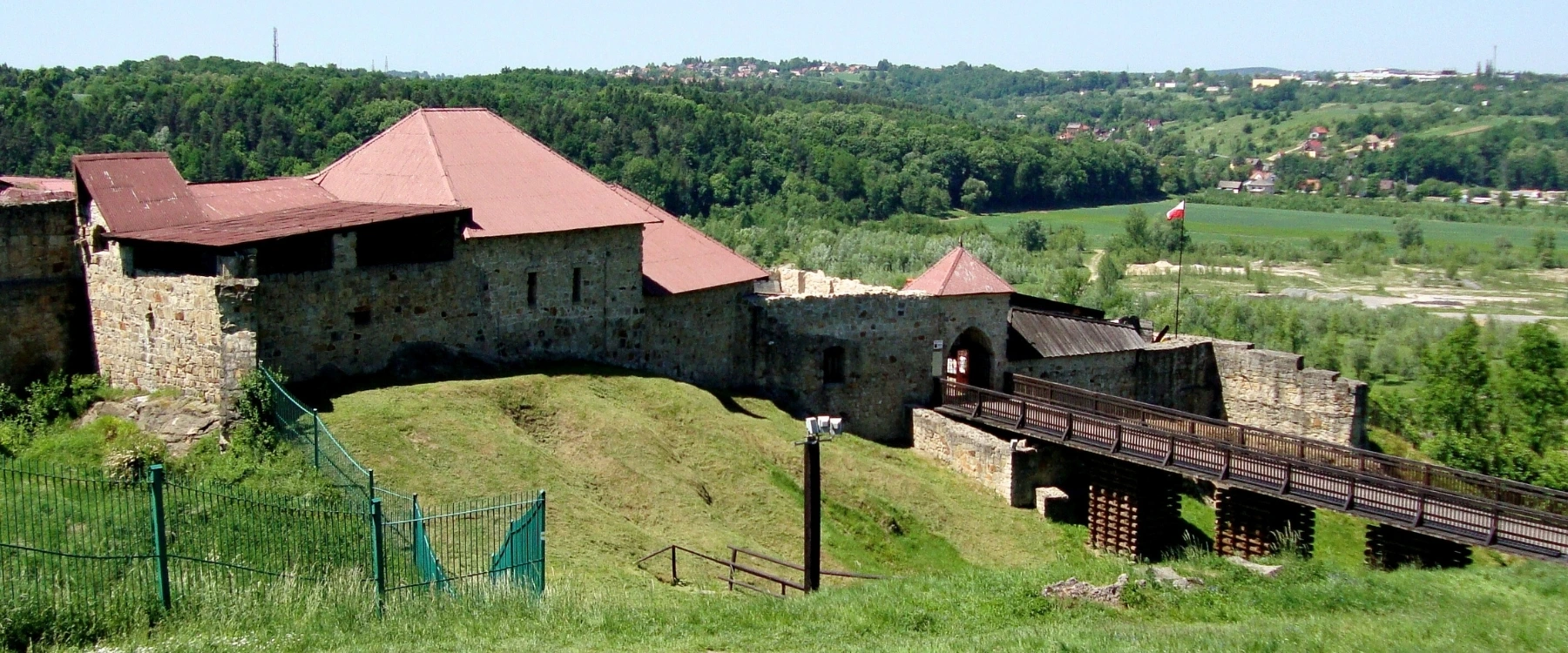
Perched on a hill overlooking Lake Dobczyce, the 14th-century Dobczyce Castle offers a visceral encounter with Polish medieval history. Though partially reconstructed, the castle retains original stone foundations, defensive walls, and evocative ruins that spark the imagination. Inside, a small museum displays artifacts—ceramics, weaponry replicas, and archival documents—tracing the castle’s significance as a regional stronghold. Climb battlements for sweeping vistas of the lake and surrounding woodlands, where the interplay of water and forest creates dramatic scenery. Guided tours share legends of noble families, battles, and local folklore, enriching appreciation for Poland’s heritage. Visiting the castle at sunrise or sunset adds atmospheric light, perfect for photography. The blend of history, architecture, and natural beauty makes Dobczyce Castle a compelling reason to include this town in any itinerary.
Learn More
Lake Dobczyce, formed by damming the Raba River, is a focal point for leisure and nature-oriented activities. Visitors can enjoy peaceful lakeside walks along well-maintained promenades, rent kayaks or paddleboards for a gentle excursion on calm waters, and indulge in birdwatching—herons, ducks, and migratory species frequent the shores. In warmer months, small beaches and picnic spots invite relaxation, while scenic viewpoints along hiking trails reveal different perspectives of the lake’s emerald hues. Photographers find endless inspiration in mirror-like water reflections and changing light across seasons. The lake’s ecological importance supports diverse flora and fauna, making it a microcosm for eco-tourism. Whether seeking serenity, mild exercise, or nature photography, Lake Dobczyce delivers an accessible and rejuvenating experience just outside the town center.
Learn More
Dobczyce’s culinary scene focuses on authentic Polish dishes served in family-run establishments. Sample hearty soups like żurek or barszcz, pierogi stuffed with regional cheeses or mushrooms, and freshwater fish specialties sourced from Lake Dobczyce. Local taverns often feature homemade breads, smoked meats, and seasonal vegetables from nearby farms. Accompany meals with Polish craft beers or traditional meads, experiencing local flavors away from tourist traps. Friendly owners share stories and recipes passed through generations, creating a warm atmosphere. Dining here is typically more affordable than in big cities yet equally satisfying, allowing travellers to taste genuine regional fare. For those interested in culinary culture, small cooking workshops or market visits introduce ingredients and preparation methods, deepening appreciation of Polish gastronomy.
Learn More
Situated roughly 30 km from Kraków, Dobczyce serves as an excellent base or day-trip destination for travellers exploring Lesser Poland. The short drive or comfortable bus connections make it easy to combine urban discoveries—Old Town, Wawel Castle, Kazimierz—with a retreat to lakeside tranquility and medieval ambience. Conversely, visitors staying in Kraków can escape crowds by spending a day in Dobczyce, enjoying nature, history, and local life. The town’s location also facilitates further excursions: Wieliczka Salt Mine, Tatra foothills, or rural villages dotting the Raba Valley. This dual advantage of accessibility and seclusion caters to diverse travel styles—city-focused yet craving countryside respite, or nature-centric with occasional urban exploration. Dobczyce’s versatility enriches any regional itinerary.
Learn More
Beyond the lake, Dobczyce’s surroundings feature hilly woodlands, cycling routes, and hiking trails catering to various fitness levels. Nature enthusiasts can join guided eco-tours to observe local birdlife and botanical diversity, while more adventurous travellers may trek longer paths connecting to regional trail networks. Seasonal changes bring different experiences: spring wildflowers, summer shade under forest canopies, autumn foliage, and winter’s tranquil, snow-dusted landscapes. Photographers and landscape painters find inspiration in shifting colors and light conditions. For families, gentle walks and picnic clearings provide safe, enjoyable outdoor time. Dobczyce embraces sustainable tourism principles, encouraging respectful enjoyment of natural resources. Whether seeking mild exercise or immersive eco-exploration, visitors discover ample outdoor pursuits in and around the town.
Learn More
While smaller than major urban centers, Dobczyce hosts seasonal markets, folk festivals, and occasional concerts that celebrate Lesser Poland’s traditions. Visiting during festival periods offers opportunities to witness folk dances, traditional music, and artisanal crafts such as pottery or woodcarving demonstrations. Local religious observances in historic churches reveal centuries-old customs, while special events—e.g., summer open-air performances in the castle courtyard—blend heritage with contemporary interpretations. Proximity to Kraków means travellers can synchronize visits to Dobczyce with larger regional events, yet still experience intimate local gatherings. Engaging with residents at these events fosters cultural exchange and deeper insights into rural Polish life. For those interested in intangible heritage, timing a visit around local celebrations enhances the travel experience beyond typical sightseeing.
Learn More
Lorem ipsum dolor, sit amet consectetur adipisicing elit. At illo adipisci iusto
From

Because more than 268 other customers have loved us too

Demonstrates commitment to user data security through encryption and secure payment practices
Learn More
Demonstrates commitment to user data security through encryption and secure payment practices
Learn More
Demonstrates commitment to user data security through encryption and secure payment practices
Learn More
Demonstrates commitment to user data security through encryption and secure payment practices
Learn More
Quality as judged by customers. Book at the ideal price!


/ person
/ person
/ person
Dobczyce Castle stands as the centerpiece of the town’s heritage, perched atop a rocky promontory overlooking Lake Dobczyce. Its origins date to the 14th century when it functioned as a royal and defensive stronghold guarding the Raba River valley. Though partially rebuilt in recent decades, the castle retains evocative ruins: fragments of stone walls, remnants of towers, and stretches of original fortifications that hint at medieval architectural practices. Visiting the castle involves ascending a gently winding path from the town center, passing through patches of woodland where spring wildflowers bloom and birdsong accompanies each step. Upon reaching the battlements, visitors are rewarded with panoramic views of the lake’s shimmering expanse, the surrounding forested hills, and the red-tiled rooftops of Dobczyce below.Inside the castle, a small but well-curated museum presents artifacts uncovered locally—ceramics, tools, and interpretative panels that weave together stories of local nobility, trade routes, and historic conflicts. Guided tours (available during peak season) recount dramatic episodes: sieges, noble lineages, and legends of ghostly apparitions said to roam moonlit courtyards. The architecture itself exemplifies medieval defensive strategies: thick stone walls, narrow arrow slits oriented toward potential approach routes, and foundations revealing how builders adapted to the rocky terrain.Photography enthusiasts often time their visit for golden hour light, when the castle’s weathered stones glow warmly against the sky and the lake’s surface reflects pastel hues. In winter, light dustings of snow transform the scene into a fairytale, though some areas may be inaccessible due to weather—nonetheless, the atmosphere remains magical. Seasonal cultural events held within the castle grounds—folk music concerts, historical reenactments, or open-air theater—bring history to life, allowing modern audiences to experience traditional costumes, music, and crafts firsthand.Beyond the castle itself, the town’s medieval layout invites exploration: narrow streets lined with centuries-old buildings, small chapels with ornate altars, and sections of the original city wall integrated into later constructions. Local guides sometimes organize walking tours that highlight architectural details, recounting how Dobczyce evolved from a fortified settlement into a modest market town. Such tours often include visits to historic churches featuring Gothic or Baroque elements, illustrating shifts in religious and artistic influences.For travellers interested in in-depth research, the castle archives (accessible by appointment) offer opportunities to examine documents relating to Dobczyce’s administrative history, land grants, and links to regional politics. Although this appeals primarily to academics or history buffs, the experience underscores Dobczyce’s role within Lesser Poland’s broader medieval tapestry.Accessibility considerations: the path to the castle is moderately inclined; comfortable walking shoes are recommended. Limited parking near the base of the hill accommodates self-drive visitors, though many choose local buses combined with a short walk. Facilities at the castle include a small café offering refreshments in summer months, allowing visitors to linger and absorb the atmosphere.In summary, exploring Dobczyce Castle and surrounding medieval heritage provides a multi-sensory journey through Polish history: visual drama of ruins and landscapes, tactile engagement with stone surfaces and artifacts, auditory immersion during guided storytelling or live events, and reflective moments gazing over the lake. This guide encourages visitors to allocate sufficient time—half a day or more—to fully appreciate both tangible remains and intangible narratives, making it an indispensable part of any Dobczyce itinerary.
Complementing Dobczyce Castle’s historical appeal, the town offers intimate museum experiences and encounters with traditional crafts that celebrate regional culture. The primary museum, located near the town square, features exhibitions on local archaeological finds—objects dating back to Bronze Age settlements along the Raba River—as well as displays tracing Dobczyce’s evolution through medieval, Renaissance, and modern eras. Visitors can view pottery shards, tools, and everyday items once used by inhabitants, gaining perspective on how life changed over centuries. Multilingual panels (Polish and English) ensure international travellers grasp context, while occasional temporary exhibits spotlight thematic topics such as “Life Around Lake Dobczyce” or “Medieval Trade Networks.”Adjacent to the museum, workshops and craft studios invite hands-on participation. Local artisans maintain traditions in woodworking, weaving, and pottery. For example, a woodcarver demonstrates carving decorative motifs typical of Lesser Poland, carving small souvenirs that visitors can purchase or, in some workshops, try carving simple designs themselves under guidance. Similarly, a potter’s studio allows guests to shape clay on a wheel, experiencing tactile connection to centuries-old practices. These interactive sessions often include storytelling—craft traditions tied to festive occasions, agricultural cycles, and community life—linking material culture with intangible heritage.Seasonal craft fairs, held in the town square or castle courtyard, bring together makers showcasing embroidered textiles, hand-painted ceramics, carved wooden items, and traditional jewelry designs. These events not only offer shopping opportunities but also foster dialogue: artisans explain techniques, sources of materials, and symbolic meanings behind motifs. Visitors gain appreciation for sustainable practices, as many artisans use locally sourced wood, natural dyes, or clay from nearby deposits.A small ethnographic section within the local museum displays traditional costumes worn during religious and seasonal festivals. Intricate embroidery patterns on vests and skirts, color symbolism, and garment construction reveal aspects of identity within rural communities. Accompanying audio-visual exhibits may show villagers performing dances, singing folk songs, or preparing festive meals, conveying the role of customs in social cohesion.For deeper immersion, guided “heritage trails” connect the museum with historic workshops, churches, and nearby villages where craftsmen operate. These trails, often lasting half a day, combine walking with short rides by minibus, linking Dobczyce with neighboring settlements renowned for complementary crafts or heritage sites. Such excursions illustrate how Dobczyce fits within a network of rural communities preserving cultural practices even amid modernization.Families with children find craft workshops particularly engaging: hands-on tasks foster creativity while imparting cultural understanding. Educational programs for school groups emphasize local identity, environmental stewardship, and the value of heritage preservation. While many workshops operate seasonally, advanced booking ensures availability, especially during summer when visitor numbers peak.Photography of craft processes and finished works is usually permitted, though respectful etiquette—asking permission before close-up shots—is encouraged. Purchases directly support artisans and local economy, reinforcing sustainable tourism benefits. Visitors are advised to budget time and funds for meaningful mementos that reflect personal experiences rather than mass-produced souvenirs.Overall, visiting local museums and engaging with traditional crafts in Dobczyce enriches the travel experience by connecting tangible artifacts and creative processes with the stories and values of the community. This guide recommends planning visits around museum opening hours and craft fair schedules, participating actively in workshops, and approaching interactions with curiosity and respect to leave a positive impact on both visitors and hosts.
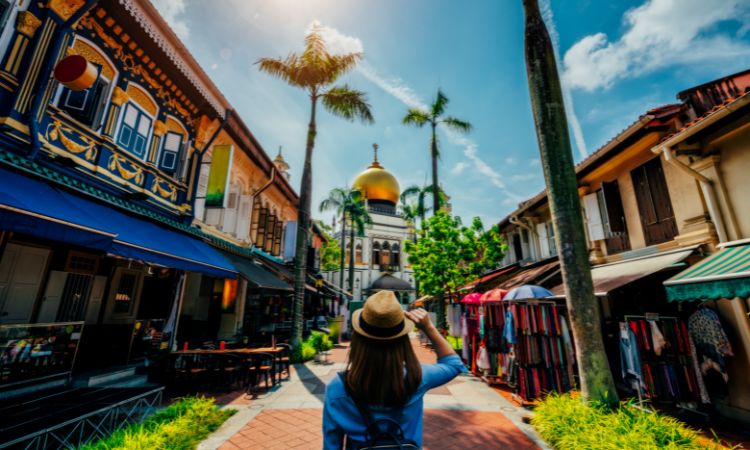
Lake Dobczyce’s expansive waters and scenic shores offer a variety of recreational pursuits suitable for diverse traveller profiles. During warmer months (late spring through early autumn), kayak and paddleboard rentals operate near designated beach areas, allowing visitors to glide across calm waters surrounded by forested hills. Guided kayak tours—led by experienced instructors—highlight ecological features: marshy inlets where herons nest, plant species along shorelines, and seasonal blooms. Participants learn about the lake’s creation, its role in regional water management, and local efforts to preserve water quality and biodiversity.Fishing enthusiasts can arrange permits through local agencies to fish for native species, such as pike or perch, experiencing peaceful mornings on the water. Equipment rental and bait supplies are available in town; local anglers often share tips about productive spots. Birdwatchers frequent vantage points and observation hides by the lake, especially during migration seasons when diverse waterfowl pass through. Binocular rentals may be arranged locally for visitors keen on close-up sightings.Lakeside trails cater to walkers and cyclists: marked routes of varying lengths meander through mixed forests and open meadows, offering occasional rest benches overlooking water. Early morning hikes reward observers with mist rising off the lake surface, while sunset walks capture golden light dancing on gentle waves. Cycling paths connect Dobczyce with neighboring villages, enabling multi-day bike tours with stops at roadside cafés or picnic spots. Trail maps are available at the tourist information office or via downloadable PDFs on local websites (note: offline printouts recommended due to variable mobile reception in some areas).Picnic zones equipped with benches and simple shelters allow families and groups to dine al fresco. Many visitors pack regional snacks—cheeses, breads, cold cuts—purchased from Dobczyce market stalls, enjoying meals amid tranquil surroundings. During summer weekends, small food stalls may appear near popular shoreline spots, offering cold beverages and light snacks; supporting these local vendors contributes directly to the community.Winter transforms the lake environment: if conditions permit, guided snowshoeing or cross-country skiing along cleared paths offers serene, snow-blanketed vistas. Caution and local guidance are essential due to variable ice thickness and weather changes; organized winter excursions often include safety briefings and equipment rental. Photography groups appreciate the crystalline beauty of ice formations along shore edges and frost-coated vegetation.Families find the lake’s accessible nature appealing: children can splash in shallow areas under supervision; educational nature walks introduce them to regional flora and fauna; storytelling sessions at lakeside campsites (during organized events) bring folklore to life. For wellness-oriented travellers, lakeside yoga or meditation sessions at sunrise may be organized by local instructors, combining relaxation with natural ambiance.Environmental stewardship is emphasized: visitors are encouraged to follow “leave no trace” principles, avoid disturbing wildlife habitats, and respect designated zones. Local NGOs occasionally host volunteer activities—lake clean-ups or tree-planting events—inviting travellers to participate and contribute positively. Engaging in such community efforts deepens connections and leaves lasting impressions beyond mere sightseeing.In planning a lakeside visit, travellers should check seasonal availability of rentals and tours, as operations peak from May through September. Advance bookings for group activities are advisable, especially on weekends. Comfortable attire, sun protection, insect repellent, and reusable water bottles enhance comfort. For photography enthusiasts, early morning or late afternoon light yields the most compelling images of reflections, wildlife, and atmospheric moods.Overall, Lake Dobczyce’s blend of recreation, nature, and environmental awareness provides an immersive outdoor experience that suits solo travellers, couples, families, and small groups. This guide encourages visitors to embrace both active and contemplative pursuits, balancing adventure with respect for the ecosystem that makes this setting special.
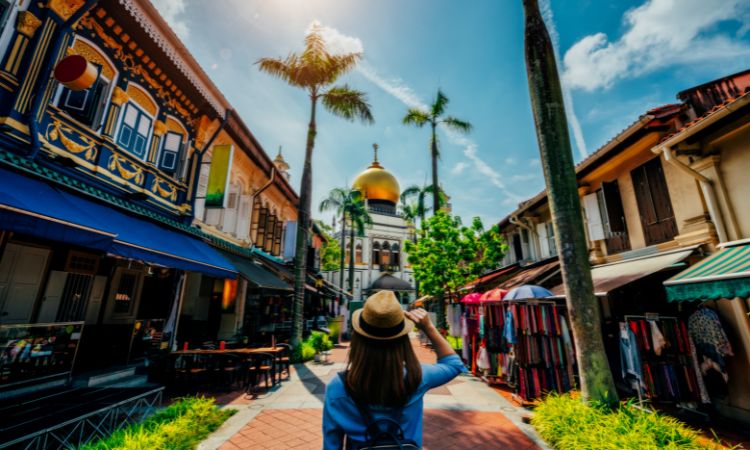
The rolling hills and mixed woodlands surrounding Dobczyce beckon hikers of varying skill levels to explore trails designed for immersion in Lesser Poland’s natural landscapes. Starting points often lie near the lake’s perimeter, where well-marked paths branch into gentle forested slopes or ascend to viewpoints offering sweeping panoramas. Trail maps—available from the local tourist office—classify routes by difficulty and length, from short loops (2–3 km) suitable for families to longer excursions (8–12 km) for moderate hikers.One popular route follows old forest roads, passing through stands of oak, beech, and pine. Spring brings wildflowers carpeting the forest floor—anemones, violets, and lilies—while summer offers cool shade under dense canopies. Autumn transforms the woods into a tapestry of gold, amber, and crimson, inviting photographers and leaf-peepers. Winter hikes, undertaken with proper gear, reveal crystalline scenes when frost and snow cloak branches; safety advice and guided group hikes ensure preparedness against sudden weather shifts.Along the trails, informational signposts describe local flora and fauna: identifying edible mushrooms (with cautionary guidance), medicinal herbs, and bird species. Some trails integrate “nature education” features: small observation platforms or leaf identification boards, appealing to families and eco-travellers. Guided nature walks—led by local naturalists—delve deeper: discussing ecosystem interdependencies, conservation challenges, and folklore associated with certain plants or animals.Viewpoints atop modest hills grant vistas over Lake Dobczyce, nearby villages, and the distant silhouette of the Tatra foothills on clear days. These vantage points often serve as rest stops; benches or simple wooden platforms encourage travellers to pause, enjoy packed snacks, and reflect on the landscape’s rhythms. Photographers value morning light that casts soft shadows and highlights dew-laden spider webs glistening among undergrowth.Cyclists can access parts of the hiking network via mountain biking routes. Rentals in Dobczyce provide basic mountain bikes suitable for forest paths; guided cycling tours combine trail riding with stops at scenic overlooks or local homesteads offering refreshments. Seasonal events such as community-organized trail maintenance days invite visitors to join locals in preserving pathways, clearing fallen branches, and planting native trees—fostering sustainable tourism ethos.Villagers occasionally host “forest dinners”—group gatherings in clearing spaces where local cooks prepare meals over open fires, featuring game stews or vegetable dishes infused with forest herbs. These events, often timed to seasonal milestones (harvest festivals or solstice celebrations), provide cultural immersion alongside culinary exploration. Participation requires prior arrangement, offering a memorable way to connect with traditions tied to the land.For those seeking solitude, lesser-known paths lead into quieter woodlands away from main routes. Guidance from local experts is recommended, as signage may be sparse; maps and compass or GPS navigation ensure safe exploration. Respect for private property is essential—many trails border privately owned woodlands or farmland—so travellers should adhere strictly to marked public rights-of-way.Preparation for hiking includes sturdy footwear, layered clothing adapting to variable mountain-forest conditions, hydration supplies, and snacks. Insect repellent and sun protection remain important in warmer months. Mobile reception can be patchy in forested areas, so inform someone of your planned route and expected return time. Guided group hikes offer an alternative for solo travellers seeking companionship and expert knowledge.In summary, hiking and nature trails around Dobczyce provide meaningful engagement with southern Poland’s landscapes—from lakeside woodlands to hilltop vistas. Whether through self-guided exploration or organized tours, travellers discover ecological richness, seasonal transformations, and cultural connections woven into the forest. This guide emphasizes both enjoyment and stewardship, encouraging respectful interaction with the natural environment that defines Dobczyce’s outdoor appeal.
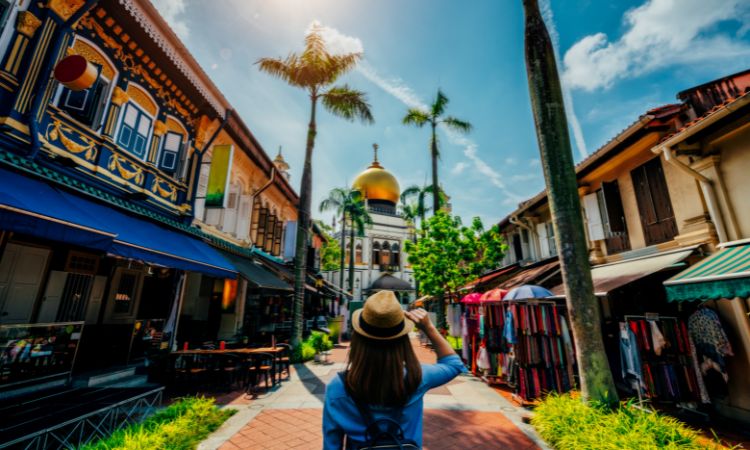
Polish cuisine in Dobczyce emphasizes hearty, locally sourced ingredients prepared in time-honored ways. Dining here is anchored in family-owned restaurants and roadside taverns where recipes are passed through generations. Start with comforting soups: żurek (sour rye soup) served in bread bowls, or barszcz czerwony (beetroot soup) often accompanied by uszka (small dumplings). Pierogi, Poland’s signature dumplings, appear in savory fillings—potato and cheese, mushrooms and cabbage—or sweet variants filled with berries or sweet cheese, each reflecting seasonal produce.Freshwater fish from Lake Dobczyce, such as pike or trout, feature in local menus. Fish may be pan-fried with herbs, baked in foil with vegetables, or served in creamy sauces, showcasing the lake’s bounty. Side dishes often include potatoes prepared in myriad ways: boiled with dill, roasted with garlic, or mashed enriched with butter. Seasonal vegetables—cabbage, carrots, beets—appear in salads (e.g., mizeria: cucumber with sour cream) or as accompaniments.Local meats highlight pork and poultry. Kiełbasa (sausage) varieties accompany bread and mustard, while slow-cooked stews (such as bigos: hunter’s stew with sauerkraut, cabbage, and meats) demonstrate Polish comfort-food traditions. Regional specialities may include smoked meats cured in small smokehouses, imparting distinctive flavor profiles. Desserts showcase fruits and dairy: sernik (cheesecake), makowiec (poppy seed roll), and seasonal fruit compotes or tarts when berries are in season.Beverages complement meals: locally brewed beers—lagers or ales by small microbreweries—pair well with savory dishes. For non-alcoholic options, kvass (fermented bread drink) or herbal teas made from forest herbs offer traditional refreshment. During colder months, hot mulled wine (grzaniec) may be served at markets or festivals, warming visitors amid chilly air.Culinary experiences extend beyond restaurants. Visiting local farmers’ markets in Dobczyce (often weekly) introduces travellers to fresh produce, artisanal cheeses, honey, and homemade preserves. Interacting with vendors reveals insights into seasonal cycles, preservation methods, and local recipes. Some markets feature cooking demonstrations where chefs or home cooks share techniques for preparing regional dishes, perfect for those wishing to replicate flavors at home.Cooking workshops, arranged through local guesthouses or culinary schools, guide participants through preparing pierogi from scratch, fermenting vegetables, or baking traditional bread. These hands-on sessions include ingredient sourcing: visiting nearby farms or foraging for mushrooms under expert supervision (with emphasis on safety and sustainability). The workshops often culminate in communal meals where participants savor their own creations paired with local drinks.Food-centric events—such as harvest festivals in late summer or autumn—spotlight seasonal produce: apples, plums, mushrooms, and honey. Attendees sample dishes highlighting these ingredients, listen to folklore about harvest traditions, and may participate in activities such as fruit-picking or bread-baking rituals. These events provide cultural context linking gastronomy to community life and natural cycles.For budget-conscious travellers, sampling street food and small cafés yields authentic flavors at modest prices. Look for stands selling zapiekanki (Polish open-faced sandwiches) or regional snacks—corn on the cob, grilled sausages—especially near market days or local gatherings. Affordable and flavorful, these quick bites let visitors experience everyday eating habits of locals.Dietary considerations: while traditional Polish cuisine can be meat- and dairy-heavy, many establishments now offer vegetarian or vegan adaptations: vegetable-based pierogi, mushroom soups, or salads featuring local produce. Communicate preferences in advance or seek recommendations from hosts to ensure suitable options.In conclusion, tasting traditional Polish cuisine in Dobczyce immerses travellers in the region’s agricultural heritage, culinary creativity, and communal traditions. From family taverns to markets and workshops, each meal becomes a window into local life and seasonal rhythms. This guide encourages diners to approach meals with curiosity, engage with cooks and vendors, and savor the richness of Polish flavors crafted with care and history.
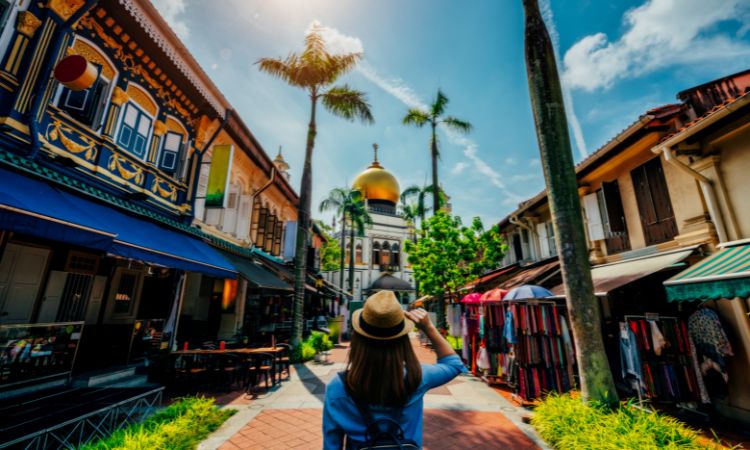
Immersing in Dobczyce’s local festivals and markets offers a window into community life, blending food, crafts, music, and traditions. Seasonal markets—often held weekly or aligned with religious and agricultural calendars—feature stalls selling fresh produce, homemade preserves, artisanal cheeses, and baked goods. These markets attract residents and visitors alike, fostering convivial atmosphere where one can sample berries in summer, mushrooms and honey in autumn, or preserved vegetables in winter markets.At festival times—such as harvest celebrations in late summer—Dobczyce’s town square and castle courtyard come alive with folk dances, live music, and craft demonstrations. Traditional ensembles perform regional songs, adorned in embroidered costumes that reflect Lesser Poland’s aesthetic. Visitors witness dance forms passed through generations, listen to live fiddle or accordion music, and may learn simple dance steps in participatory workshops. The rhythmic patterns and melodies convey cultural identity, connecting modern audiences to ancestral roots.Culinary festivals focus on signature local ingredients: for instance, a fish festival by the lake showcases preparations of trout and pike in various sauces, grilled or baked, paired with side dishes highlighting seasonal vegetables. Cook-offs or tastings let attendees compare recipes, vote on favorites, and engage chefs or home cooks in discussions about ingredient sourcing and techniques. Wine or mead tastings—featuring products from regional producers—introduce visitors to complementary beverages that pair with Polish dishes.Artisan craft fairs bring together woodcarvers, potters, weavers, and textile artists demonstrating techniques—carving wooden figurines, throwing clay vessels, weaving patterned fabrics. Demonstrations often include opportunities for visitors to try simple tasks under guidance, crafting small mementos. Purchasing handcrafted items supports local economy and preserves traditions. Storytelling sessions at fairs recount legends tied to Dobczyce, weaving narratives about historical events, mythical figures, or natural landmarks, enriching understanding of local identity.Religious and cultural processions—aligned with Catholic feast days—offer another perspective on community values. Observing or respectfully joining processions through town streets reveals how faith and tradition interweave; ornate church interiors with iconography and altars display craftsmanship and devotion. Visitors should adhere to respectful attire and behavior when participating or observing such events.Outdoor concerts and performances in castle grounds occur during summer months: classical music recitals, folk ensemble showcases, or contemporary interpretations of traditional themes. These events often take advantage of natural acoustics and scenic settings, creating memorable experiences under open skies. Tickets are usually affordable, and organisers may provide picnic options or nearby food stalls, allowing audiences to enjoy local snacks while listening to music framed by historic architecture.Educational workshops at festivals might cover beekeeping and honey processing (important in regional cuisine), foraging safety and identification of mushrooms, or herbal medicine traditions. These interactive sessions combine practical skills with cultural knowledge, appealing to travellers interested in experiential learning. Local experts share insights into sustainable practices and environmental stewardship embedded in traditional ways.Children’s activities—craft corners, folklore storytelling, folk games—ensure family-friendly engagement. These may include making simple crafts like paper flowers, trying traditional dress-ups, or participating in treasure hunts that guide children to discover landmarks around town. Such activities foster early appreciation of heritage among younger visitors and create memorable family moments.Festivals and markets also provide networking opportunities: meeting other travellers, connecting with local guides, or finding hidden gems recommended by residents. Information booths often share upcoming event schedules, suggesting travelers plan visits around key dates to maximize cultural immersion. For travellers staying longer, volunteering opportunities—helping organise events or assisting in market setups—offer deeper integration into community life.In summary, experiencing local festivals and markets in Dobczyce transforms a visit from passive sightseeing into active cultural participation. The blend of food, crafts, music, and tradition encapsulates the region’s spirit, inviting travellers to engage all senses, support local livelihoods, and create lasting memories rooted in genuine community interactions..
Dobczyce’s proximity to Kraków (approximately 30 km) makes day trips to this UNESCO-listed city both convenient and rewarding. Travellers can catch early buses or drive to Kraków to explore its iconic Old Town, featuring the Rynek Główny (Main Market Square), St. Mary’s Basilica with its hourly trumpet signal, and the Renaissance-era Cloth Hall. Walking tours guide visitors through narrow streets lined with historic merchant houses, culminating at Wawel Castle perched on the Vistula River bank. At Wawel, explore the Royal Chambers, Crown Treasury, and Cathedral, where Polish monarchs were crowned and buried.For history and reflection, a visit to the Oskar Schindler Factory Museum in the former enamel factory provides insights into Kraków’s WWII-era experiences. The Jewish Quarter (Kazimierz) offers synagogues, memorials, and vibrant cafés; combine a heritage tour with sampling local café culture and contemporary art installations. A short tram ride away lies the former Jewish Ghetto area, where guided walks explain tragic events and resilience narratives. Many guided tour operators in Dobczyce or Kraków offer curated day-trip packages, including transport arrangements, local guides, and tickets, ensuring efficient use of time.Food experiences in Kraków complement cultural exploration: sampling obwarzanek (twisted bread rings) from street vendors, dining in historic cellars serving Polish fare, and indulging in modern interpretations by acclaimed chefs. Coffee shops and pastry boutiques provide respite between excursions. For souvenir shopping, artisanal shops in the Old Town sell amber jewelry, handcrafted ceramics, and textile items reflecting Polish design.For museum enthusiasts, Kraków has diverse offerings: the National Museum displays Polish art from medieval times to modern. The Rynek Underground Museum beneath the market square reveals archaeological remains of medieval Kraków through multimedia exhibits. For science and nature lovers, the Manggha Museum (Japanese art and technology) or European Solidarity Centre exhibitions may feature rotating shows. Evening options include classical concerts in churches or theaters, folk performances, or river cruises along the Vistula offering cityscape views.Timing and logistics: Start early to avoid crowds; many sights open around 9:00 AM. Return to Dobczyce in the evening, experiencing the contrast between lively city nightlife and lakeside calm. For those preferring less structured itineraries, use Kraków’s efficient tram and bus network to explore independently; purchase a day pass for convenience.Seasonal variations: spring and autumn offer pleasant weather and fewer tourists; summer brings festivals and outdoor performances; winter features Christmas markets, festive lights, and possibly snow-covered rooftops creating a magical ambiance. Adjust clothing and schedules accordingly. Pre-book popular attractions (e.g., Wieliczka Salt Mine tours often included in day-trip itineraries). Combine with visits to sites near Kraków such as Wieliczka Salt Mine or Tatra foothill towns if time permits.While Kraków is the centerpiece, travellers may also use Dobczyce as a quieter retreat after busy city days, returning to lakeside evenings, local dining, and restful accommodations. This balance enhances the overall trip: immerse in urban heritage by day, unwind in nature’s embrace by night. For multi-day trips, consider alternating full-day Kraków visits with exploration of Dobczyce’s immediate offerings to avoid fatigue and deepen engagement with both settings.
Beyond Kraków, the region around Dobczyce harbors lesser-known villages and natural attractions awaiting discovery. A short drive or guided tour leads to rural settlements where traditional wooden architecture and small chapels reflect local history and craftsmanship. Visiting these villages provides insight into everyday life: observing agricultural practices, tasting homemade dairy products, and engaging in conversations with residents who preserve regional dialects and customs.One recommended excursion follows routes through Raba Valley, where winding roads trace the river, passing small hamlets, fields, and orchard-covered slopes. Spring blossoms and autumn harvest colors enrich the scenery. Along the way, travellers may stop at agritourism farms offering homemade meals—cheeses, cold cuts, preserves—and occasionally overnight stays in rustic accommodations, experiencing farm routines and rural hospitality.Nearer to Dobczyce, forest trails lead to hidden clearings and viewpoints where picnic spots await. Some areas host seasonal mushroom-foraging tours led by local experts; these excursions combine nature walks with culinary discovery, as participants learn to identify edible mushrooms and later sample them prepared in local kitchens. Similarly, berry-picking in summer invites families and solo travellers to gather seasonal fruits, often culminating in jam-making workshops.Nature reserves or protected areas within reachable distance feature unique flora or geological formations. Guided eco-tours may highlight wetlands habitat for amphibians and birds, while geological excursions explore rock formations and explain the region’s geological history. Photographers and nature study groups often organize day trips for sunrise or sunset shoots, capturing mist over fields or dramatic skies above rolling hills.Cultural heritage in surrounding villages includes small wooden churches or roadside shrines adorned with painted motifs. Some churches preserve medieval frescoes or baroque altarpieces; respectful visits offer glimpses into religious art outside major centers. Local pilgrimage routes may pass through Dobczyce’s vicinity; hiking parts of these routes connects spiritual and cultural dimensions of travel.For wine or spirit enthusiasts, nearby producers craft fruit-based liqueurs or small-batch spirits—plum brandy (śliwowica) being a local specialty. Visiting distilleries or tasting rooms reveals production processes and traditions, while also offering pairing suggestions with regional dishes. Responsible tasting sessions emphasize moderate sampling and safe transportation arrangements.Seasonal events in villages—harvest festivals, church fairs, or folk gatherings—provide authentic insights. Attendees welcome visitors to join dances, sample homemade delicacies, and appreciate craft demonstrations. Advance planning or local contacts help align visits with these events, maximizing cultural immersion.Outdoor adventure options include guided cycling tours connecting multiple villages, allowing active travellers to cover more ground while enjoying varied landscapes. Mountain biking trails may extend into nearby higher elevations for more challenging rides. For water-based activities beyond Lake Dobczyce, exploring rivers by kayak or rafting (in suitable seasons and sections) offers a different perspective on the region’s waterways.Wellness retreats in rural lodges leverage tranquil settings: spa treatments using local herbal infusions, yoga sessions overlooking fields, or meditation workshops in forest clearings. These experiences cater to travellers seeking relaxation and mental rejuvenation away from urban stimuli.Practical tips: coordinate transport—rent a car, arrange private transfers, or join small-group tours from Dobczyce. Check seasonal opening times of attractions and farms; some operate only during harvest periods or weekends. Respect local customs: dress modestly for church visits, ask permission before photographing private properties, and bring small gifts (local sweets or souvenirs) if invited into homes.In summary, exploring surrounding villages and natural gems around Dobczyce enriches travel by unveiling hidden facets of Lesser Poland’s rural tapestry. Whether through culinary discovery, nature immersion, or cultural exchange, these excursions complement main attractions and foster meaningful connections with local life and landscapes.
No ads. No trails. No commitments


Alice Roses
London, England
51 ST MATTHIAS ROAD
NOTTINGHAM, NOTTINGHAMSHIRE
NG3 2HF
Hours: 8:00 - 17:00, Mon - Sat
support@johnsonholidays.com