 Channel Islands Travel
Guide
Channel Islands Travel
Guide
Paris is known around the world as the “capital of love,” and even if you don't understand the history of Paris at all

1.2 Hours
£4.50
The Channel Islands boast a layered history visible in ancient megaliths, medieval castles, and wartime relics. Jersey’s Mont Orgueil Castle and Elizabeth Castle stand sentinel over centuries of maritime conflict and trade. Guernsey’s German occupation sites and wartime museums offer poignant insights into resilience under duress. Alderney and Sark preserve unique traditions, from feudal administration on Sark to Alderney’s Victorian fortifications. This depth of heritage makes every stroll a passage through time: walk on stones laid millennia ago, explore battlements that once guarded trade routes, and reflect on wartime stories that shaped local identity. History enthusiasts will delight in museums, guided tours, and interactive exhibits that bring past eras to life, while casual visitors will find the setting—ancient walls against sea vistas—evocative and memorable.
Learn More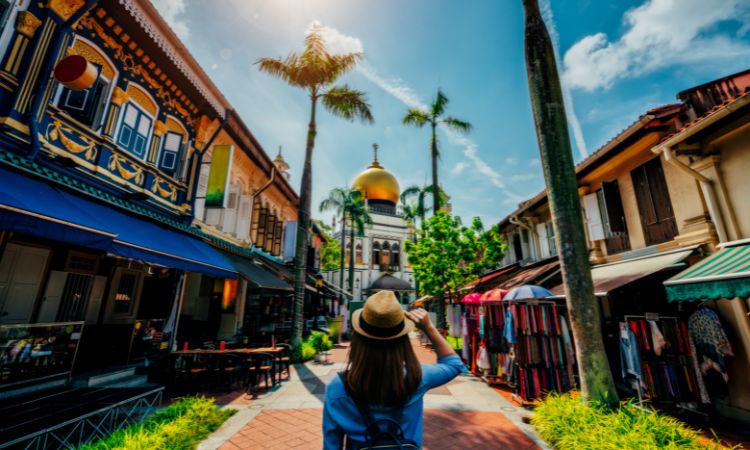
From windswept cliffs to sheltered bays, the Channel Islands deliver dramatic scenery at every turn. Coastal routes reveal towering cliffs, rock formations sculpted by tides, and hidden coves accessible only at low tide. Inland, gently rolling fields dotted with hedgerows reveal pastoral charm, while sheltered valleys host sub-tropical gardens featuring palm trees and exotic plantings, benefiting from the mild maritime climate. Hiking trails and cycling paths thread through diverse terrain, offering panoramic viewpoints of sea and neighboring islands. Birdwatchers and wildlife lovers can spot seals basking on rocky outcrops or seabirds nesting on cliff ledges. Photography enthusiasts will find endless inspiration in shifting light across ancient walls or golden sands at sunrise. Whether seeking invigorating outdoor pursuits or tranquil natural retreats, the Channel Islands’ landscapes cater to all.
Learn More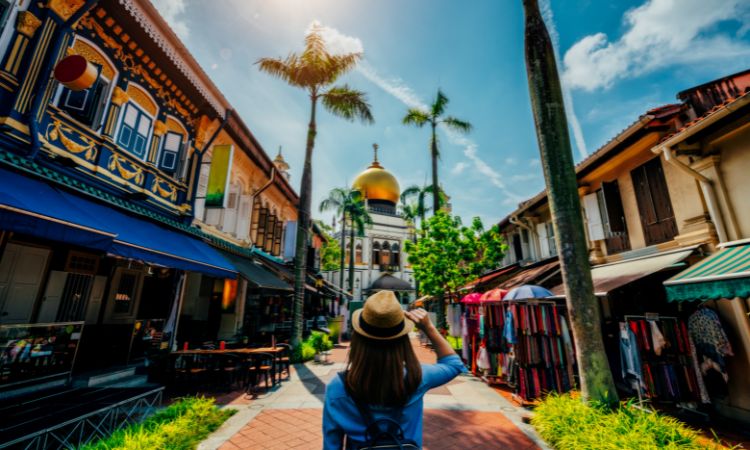
The islands’ culinary scene celebrates fresh, local produce with a distinct identity. Seafood is central: oysters plucked from tidal flats, lobsters drawn from surrounding waters, and line-caught fish prepared in restaurants or tasting menus. Dairy products like Jersey cream and Guernsey butter speak of heritage breeds grazing lush pastures. Farm shops and weekly markets showcase seasonal vegetables, artisanal breads, and preserves. Dining options range from relaxed seaside cafés serving fish and chips with a twist to refined restaurants pairing local ingredients with contemporary techniques. Wineries and cider producers on nearby Normandy sometimes influence local tastes, and craft breweries offer island-brewed beers. Food festivals and culinary events provide opportunities to sample specialties, meet producers, and deepen appreciation for island terroir. This gastronomic richness transforms meals into highlights of the journey.
Learn More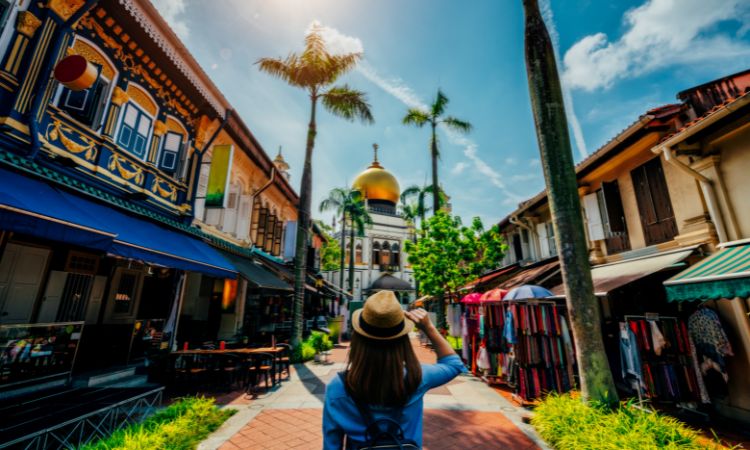
The Channel Islands’ modest size means exploration feels intimate and unhurried. On Jersey, one can circle the island by car or bike in a day, yet discover hidden beaches, village markets, and secluded coves along the way. Guernsey’s road network and public transport connect main towns with coastal hamlets effortlessly. Ferry hops to Alderney or Sark add variety without long journeys. This compactness encourages flexible itineraries: morning castle visit, afternoon beach picnic, and evening coastal walk—all in one day. Accessible transport and short travel distances free visitors from rigid schedules. Families appreciate shorter transfers and manageable day trips. Couples and solo travelers value the ease of spontaneous detours. This sense of closeness creates a relaxed holiday rhythm where discovery emerges organically.
Learn More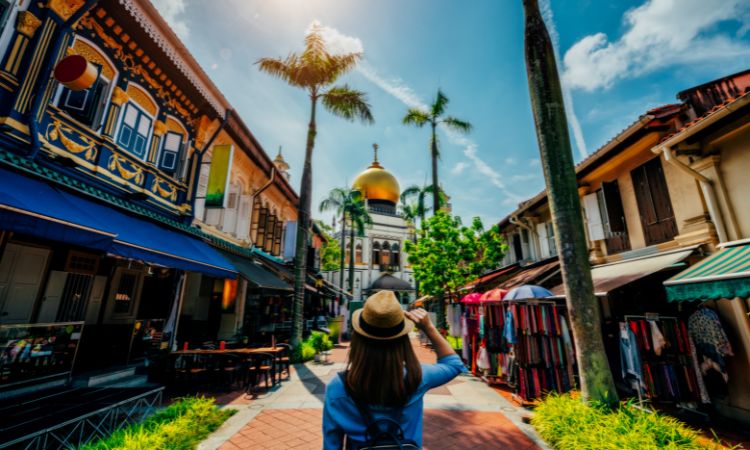
While summer months bring warmer weather ideal for beach days and water sports, the Channel Islands retain charm year-round. Spring brings blossoming hedgerows and migrating birds; autumn offers dramatic skies and quieter trails; winter, though cooler, sees fewer crowds, cozy cafés, and seasonal festivals. Mild temperatures allow off-season walks along rugged coasts without summer crowds, and local accommodation often offers off-peak rates. Historical sites and museums remain open with fewer visitors, enabling in-depth exploration. For travelers seeking solitude or working remotely, the islands’ calm ambiance in shoulder seasons provides an attractive retreat. Whether planning a summer family break or an autumnal photography trip, the Channel Islands deliver memorable experiences across months.
Learn More
The Channel Islands blend British and Norman influences in architecture, language traces, and traditions. Festivities may include folk music, local crafts, and unique celebrations like patron saint days or maritime festivals. Independent galleries showcase island artists, and craft workshops invite visitors to try pottery or weaving using local materials. Local guides often share personal stories passed through generations, offering authentic perspectives. Small-scale festivals—food fairs, literary gatherings, music events—provide opportunities to mingle with residents and feel part of the community. This distinctive cultural tapestry sets the Channel Islands apart from more mainstream destinations, offering travelers enriching, memorable insights into island life and identity.
Learn More
Lorem ipsum dolor, sit amet consectetur adipisicing elit. At illo adipisci iusto
From

Because more than 268 other customers have loved us too

Demonstrates commitment to user data security through encryption and secure payment practices
Learn More
Demonstrates commitment to user data security through encryption and secure payment practices
Learn More
Demonstrates commitment to user data security through encryption and secure payment practices
Learn More
Demonstrates commitment to user data security through encryption and secure payment practices
Learn More
Quality as judged by customers. Book at the ideal price!


/ person
/ person
/ person

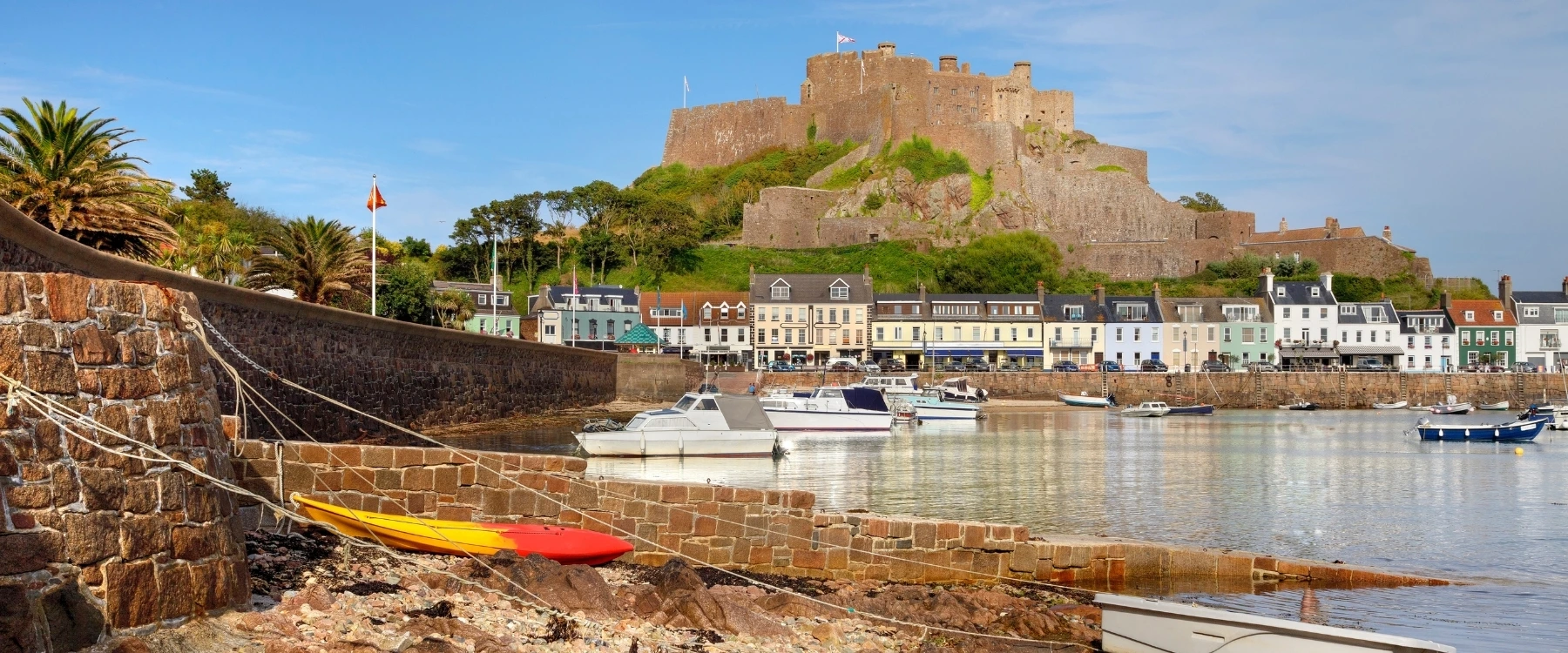
Jersey’s medieval heritage unfolds dramatically across its rugged coastline and pastoral interior, anchored by Mont Orgueil Castle overlooking the fishing village of Gorey. Erected in the 13th century to defend against French incursions, this sprawling fortress invites visitors to traverse its labyrinth of arrow slits, hidden staircases, and vaulted chambers. Climb to the ramparts to survey the patchwork of terracotta rooftops below and the Channel’s glittering expanse beyond. Inside, interpretive panels and costumed guides bring to life tales of knights, sieges, and everyday life in a bygone era.A short distance away, Elizabeth Castle perches on a tidal islet—reachable on foot via a rocky causeway at low tide or by shuttle boat when the sea rises. Explore its stout walls, barracks, and chapel, and imagine the garrison that once manned its guns. Self‑guided audio tours highlight successive phases of fortification, from medieval curtain walls to Napoleonic cannon placements, illustrating how military engineering evolved over centuries.Venture inland to discover Norman vestiges at churches such as St. Brelade’s — its 11th‑century nave complemented by later Gothic additions and stained‑glass windows. Here, shafts of sunlight slant through lancet windows onto ancient stone fonts. Nearby hamlets like St. Mary and Grouville boast preserved megalithic monuments and medieval farmstead remains, hinting at rural rhythms that persisted long after castles lost strategic importance.St. Helier’s Jersey Museum & Art Gallery weaves these threads into a comprehensive narrative. Galleries display archaeological finds—pottery shards, agricultural tools, and maritime artifacts—that chart Jersey’s role in Cross‑Channel trade. Temporary exhibitions often spotlight local crafts or medieval manuscripts, providing context for the island’s shifting allegiances between English crown and European powers.For immersive interaction, time your visit to coincide with the annual Mont Orgueil Medieval Festival or the Living History weekend at Elizabeth Castle. Watch reenactors demonstrate longbow archery, blacksmithing, and medieval cooking over open hearths. Children can try on chainmail replicas or learn period dances in the courtyard.Don’t miss the chance to sample medieval‑inspired fare afterward: taverns in Gorey offer hearty stews and fresh oysters, while nearby bakeries craft honey‑sweetened pastries echoing monastic recipes. Whether you’re tracing rampart walks or unearthing buried relics, Jersey’s medieval marvels deliver both educational depth and evocative atmosphere—ensuring that the island’s past resonates vividly with every echoing footstep on ancient stone.

Guernsey’s wartime narrative occupies a poignant chapter in the Channel Islands’ history, marked by German occupation from June 1940 until liberation in May 1945. Remnants of this period punctuate the landscape: concrete bunkers looming on cliff tops, anti‑tank blocks guarding secluded beaches, and fortified tunnels burrowed beneath forts. The island’s network of subterranean passages—such as the Guernsey Tunnels beneath Castle Cornet and the German Naval Signals HQ—have been transformed into immersive museums. Descend into these dimly lit corridors to encounter interactive exhibits on civilian rationing, clandestine resistance efforts, and radio transmissions that kept islanders connected to the outside world.In St. Peter Port, the Guernsey Museum & Art Gallery dedicates entire sections to occupation artifacts: identity cards, ration books, propaganda posters, and personal diaries. Expert‑led tours recount the difficult choices faced by islanders—some evacuated to mainland Britain, others remaining under duress, navigating scarce resources and curfews. Visiting preserved civilian homes, like those on Hauteville, grants an intimate glimpse into domestic life under blackout conditions: families cooking by candlelight, hiding banned radios, and forging community solidarity.Each May 9th, Liberation Day is celebrated with jubilant parades, concerts, and wreath‑laying ceremonies. Local bands march through town, children wave regimental flags, and veterans share stories at outdoor exhibitions. Smaller commemorations occur year‑round, with pop‑up memorials reminding visitors of courage amid adversity.Beyond the museums, self‑guided walking routes trace occupation defenses. The coastal “Bunker Trail” loops past well‑camouflaged gun emplacements at Jerbourg Point, while inland “Memorial Way” highlights interactive signposts detailing architectural adaptations—such as reinforced farm buildings repurposed as German headquarters. These juxtapose stark concrete structures against Guernsey’s serene orchards and hedgerows, provoking reflection on wartime dualities.Culinary nods to this legacy include themed tea rooms offering wartime‑era recipes: thin “slap‑up” rabbit stews, eggless cakes, and dandelion‑and‑burdock cordials served in ration‑style portions. Local historians and oral‑history projects invite visitors to listen to firsthand accounts, recorded in village halls and online archives.For younger travelers, interactive workshops decode Morse code, translate period newspaper clippings, or piece together evacuation maps. This blend of solemn remembrance and educational engagement fosters respectful exploration while celebrating Guernsey’s resilience. By tracing the island’s fortified footprint and honoring stories of endurance, visitors gain a profound understanding of how wartime shaped—and ultimately strengthened—Guernsey’s identity.
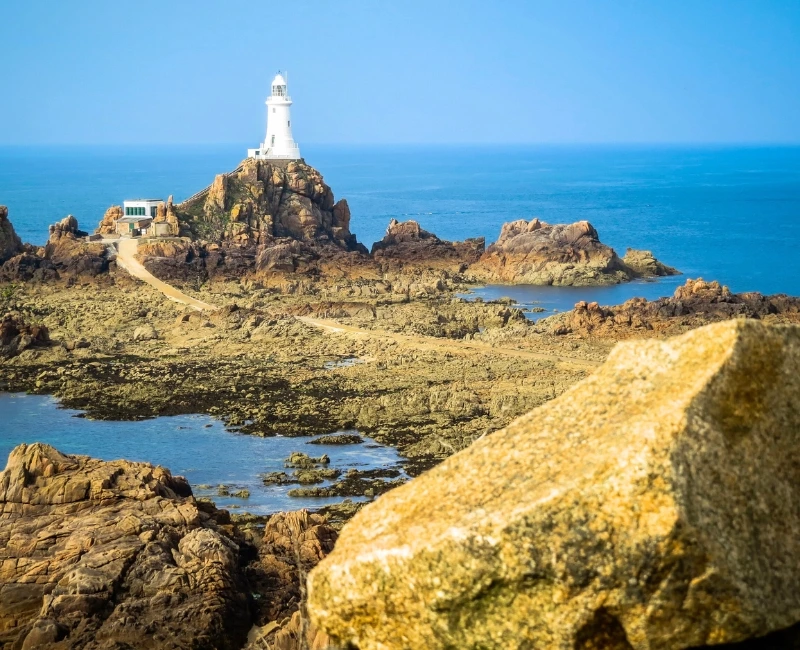
The Channel Islands’ jagged coastlines and sweeping bays beckon outdoor enthusiasts to explore a mosaic of cliff‑top trails offering breathtaking panoramas and encounters with rich biodiversity. Jersey’s 45‑mile Coastal Path circumnavigates the island, guiding hikers past dramatic granite cliffs at Portelet, sheltered coves at Greve de Lecq, and expansive dune systems at St. Ouen’s Bay. Starting at Bouley Bay, windswept gorse and heather carpet slopes above the sea; along the way, birdwatchers can glimpse fulmars, kittiwakes, and the occasional peregrine falcon diving for prey.On Guernsey, the cliff walk to Pleinmont Point winds past World War II bunkers nestled amid wildflower meadows. The path continues through the idyllic Petit Bot Valley—where subtropical plants flourish behind protective stone walls—before dropping to sandy Cobo Bay. Alderney’s coastal circuit invites solitude: Victorian fortifications at Braye Harbour segue into windswept headlands, where seals haul out on rocky outcrops, and sheep graze beside WWI gun emplacements.For those with tidal calendars at hand, the walk to Burhou from Alderney reveals a tiny bird sanctuary exposed at low tide: gear up for amphibious sections and be rewarded with close‑up views of puffins nesting in burrows. Sark’s vehicle‑free lanes meander to the La Coupée isthmus, a narrow granite spur linking the main island to Little Sark. Here, plunging 90‑m cliffs frame both sides, creating one of the UK’s most dramatic natural passages.Guided nature hikes led by local rangers delve into geology and flora: learn how ancient granite gave rise to wave‑sculpted headlands, or identify rare cliff‑dwelling plants such as sea thrift and rock sea lavender. Photographers delight in sunrise treks that illuminate the rugged coast in golden hues, while evening walks capture sunset reflections in calm tidal pools.Cyclists can parallel many cliff trails via dedicated lanes—electric‑assist bikes make ascents manageable, and ferries transport riders between islands for multi‑island itineraries. Water‑based perspectives come courtesy of guided kayak tours: explore sea caves and undercut cliffs from below, with instructors pointing out hidden arches, stalactite formations, and marine creatures in submerged kelp gardens.Accessible sections—such as the promenade at St. Helier or guinguette‑style promenades in St. Peter Port—offer families gentle strolls with interpretive signage and wheelchair‑friendly surfaces. Beachcombers can pause at pebble beaches to hunt for polished sea glass or fossilized shells. Complete your adventure at a cliff‑top café, sampling local cider or cream teas while surveying the endless horizon. Whether you seek adrenaline‑pumping ascents or tranquil coastal saunters, the Channel Islands’ cliff walks deliver invigorating escapes framed by maritime heritage and unspoiled beauty.
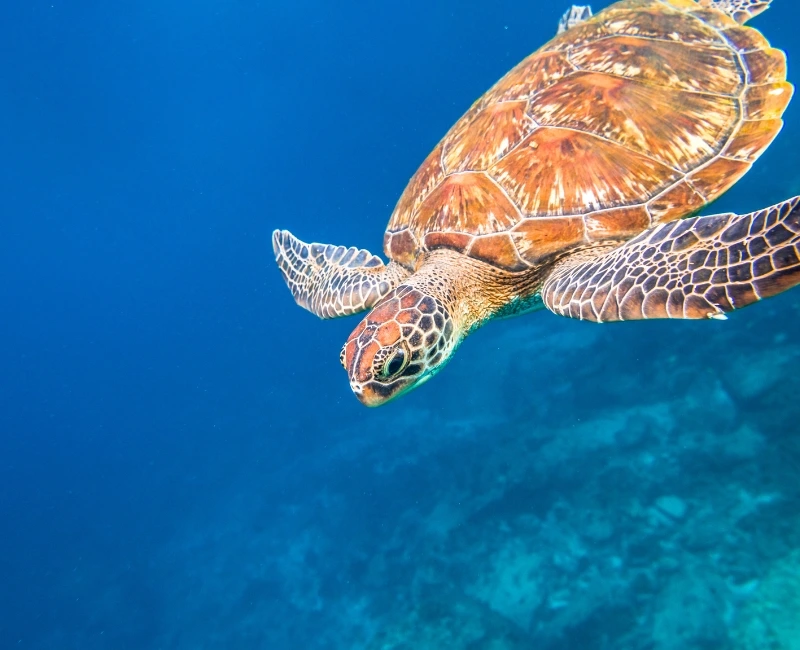
Ringed by the Atlantic’s churning tides and sheltered bays, the Channel Islands present an exhilarating playground for watersports enthusiasts and marine explorers alike. Kayaking and stand‑up paddleboarding (SUP) rank among the most accessible activities: guided tours from St. Aubin’s Bay in Jersey or Grande Havre in Guernsey chart smooth passages past submerged arches and sea‑carved caves. Expert instructors teach paddlers to read tidal currents—essential knowledge given tidal ranges exceeding 12 meters—ensuring safe navigation to hidden coves brimming with marine life.Snorkelers can dive into clear waters teeming with wrasse, pollock, and schools of sprats. Shallow reefs around Jersey’s Rozel Bay or Guernsey’s Fort Grey “Cup and Saucer” offer intimate encounters with colorful anemones and seabed sponges. For certified divers, wreck sites—such as the protected Heinkel bomber in St. Ouen’s Bay or the steamship MV Breizh in Sark—rest quietly beneath the waves, inhabited by lobsters and conger eels. Dive centers across the islands provide equipment hire, guided dives, and PADI certification courses.Adrenaline seekers can harness wind power via windsurfing and kitesurfing lessons run from sheltered beaches like Moulin Huet in Guernsey or La Braye in Alderney, where winds funnel consistently offshore. Seasonal surf lessons—particularly in autumn when Atlantic swells peak—introduce travelers to board sports under professional guidance.Sailing charters unlock a broader seascape: day trips from Jersey’s St. Helier Marina or Guernsey’s St. Peter Port Yacht Haven navigate intricate channels between islands. Skilled skippers anchor in secluded anchorages—such as Les Minquiers at low tide—for cliff‑side picnics and snorkeling sessions. For deeper waters, sport‑fishing excursions target bass, mackerel, and pollock; family‑friendly trips often include on‑board fish cleaning demos.Wildlife cruises offer moving theatres of grey seals lounging on rocky ledges and Atlantic puffins darting above the waves during breeding season. Glass‑bottom boats reveal underwater meadows of kelp, while marine biologists onboard explain conservation efforts and seal‑population studies.Safety underpins every adventure: pre‑departure briefings cover tide tables, weather watches, and VHF radio usage. Certified providers furnish wet suits, buoyancy aids, and eco‑friendly reef‑safe suncream. Many operations adhere to sustainable codes, minimizing disturbance to sensitive habitats and encouraging participants to follow “leave no trace” principles.Whether skimming across glassy bays on a SUP, submerging into the depths to explore sunken relics, or charting open waters under sail, the Channel Islands’ marine playground offers boundless discovery—uniting high‑octane thrills with serene communion with nature.
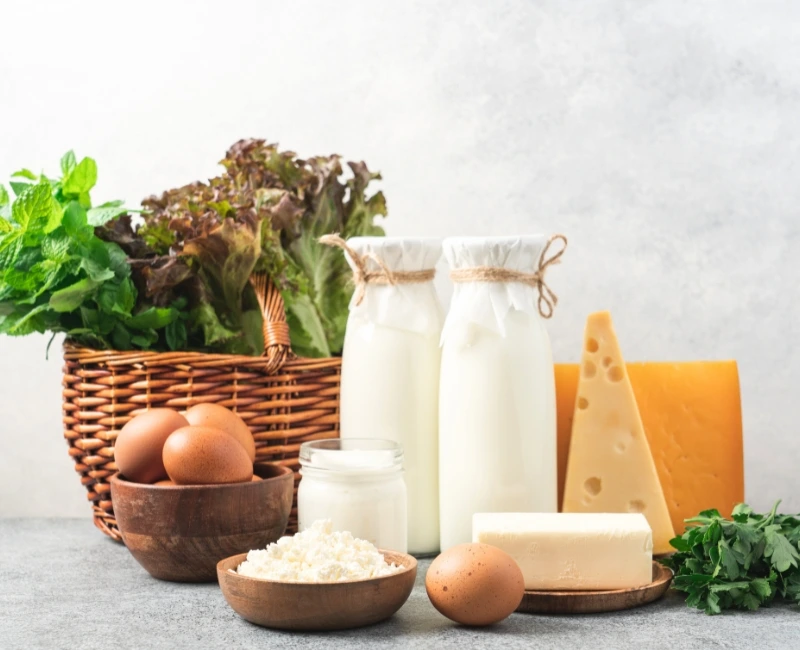
The Channel Islands’ culinary identity is rooted in the intersection of British tradition and Norman heritage, enriched by an abundance of island‑grown and coastal ingredients. Embark on farm‑to‑table trails that begin at family‑run dairy farms producing the famed Jersey cream and Guernsey butter—rich, golden‑hued products that grace local patisseries. Guided tours introduce visitors to pasture management, milking parlors, and traditional churning methods. Sample freshly churned butter on crusty artisan bread, then stroll orchards where apples yield crisp cider varieties during annual harvest festivals.Weekly markets in St. Helier and St. Peter Port serve as epicenters of local gastronomy. Stallholders offer oysters plucked that morning from sheltered bays, plump lobsters, and crabmeat still slick with brine. Vegetable growers display heirloom carrots, brassicas, and heritage potatoes, while artisan bakers present fougasse breads and black‑butter tarts—a jammy, spiced preserve reminiscent of Breton confiture.For hands‑on immersion, book a cooking workshop with island chefs. Under their guidance, you’ll learn to prepare classics like “Jersey lambié” (stewed mutton with root vegetables), “Guernsey Gâche” (fruit bread), and seafood bisques enriched with local herbs. Workshops often culminate in communal feasts, paired with crisp local ciders—fermented in stone cellars—and curated selections of Normandy calvados.Waterfront restaurants showcase the Channel’s bounty: at fish‑monger‑owned bistros, chefs transform day’s catch into ceviche‑style starters and peppered skate with caper‑butter sauce. Fine‑dining establishments elevate these ingredients into multi‑course tasting menus, perhaps featuring razor‑thin scallop carpaccio, confit duck leg, and elderflower panna cotta.Beyond seafood, artisanal producers craft small‑batch gins and botanical liqueurs. Distilleries such as Guernsey’s Hellfire Gin infuse locally foraged botanicals—sea buckthorn, samphire, and elderflower—offering tours and tastings. Craft breweries blend malted barley with sea salt and Breton hops; sample seasonal brews during taproom visits.Foragers lead guided coastal walks to identify edible seaweeds, samphire shoots, and wild samphire. After gathering, participants return to kitchens where these ingredients are pressed into salads, infused into butters, or incorporated into seaweed crackers.Seasonal events amplify these offerings: the Guernsey Oyster Festival sees shucking competitions and live music on the harbor, while Jersey’s Apple Festival celebrates pomace‑pressed ciders with artisan cheese pairings. Whether you follow a dairy trail, dive into fish markets, or forage along dunes, the Channel Islands’ culinary landscape delivers flavors as vivid and varied as the islands themselves—one delectable bite at a time.

The Channel Islands pulse with cultural festivities and artistic expression that celebrate community heritage and contemporary creativity. Each year, folk music festivals—such as Jersey Folk Festival and Guernsey’s CuppaFest—bring cobbled streets alive with accordions, fiddles, and foot‑stomping dance. Workshop tents encourage visitors to try Breton biniou or learn traditional Morris dance steps, fostering participatory immersion.Literary events like the Guernsey Literary Festival and Jersey’s WOW (Walk On Writing) festival gather authors, poets, and storytellers in historic venues—church halls, castles, and garden pavilions. Panels debate island identity and post‑colonial narratives, while open‑mic sessions invite budding writers to share short stories and poetry.Art galleries dot town centers and countryside estates. The OXO Gallery in Saint Sampson (Guernsey) showcases contemporary painters and sculptors, often with a coastal theme. In Jersey, the Maritime Museum hosts rotating exhibitions of marine photography and maritime art. Summer “Art in the Park” installations transform public gardens into open‑air galleries, blending sculpture and landscape design.Hands‑on workshops introduce traditional crafts: pottery studios fire local clay into decorative tiles inspired by Norman motifs, while weaving studios teach basketry using willow harvested from hedge banks. Printmaking sessions at studio presses allow participants to ink linocuts of island flora—sea thrift and gorse—and pull limited‑edition prints to take home.Seasonal celebrations revolve around agricultural cycles. Harvest festivals—celebrated in September—feature tractor parades, apple‑pressing demonstrations, and communal feasts under marquee tents. Spring events honor blossom season with flower‑arranging competitions and Maypole dances in village squares.Maritime festivals commemorate seafaring roots: Regattas in Sark and Alderney fill harbors with colorful sailing yachts, while Guernsey’s Freedom Day event features a historical ship parade and naval reenactments. Street vendors sell freshly grilled mackerel and doughnuts dusted in local cider sugar.For families, children’s storytelling sessions unfold in castle courtyards, drawing from island legends of smugglers and mermaids. Puppet‑making workshops and mask parades let youngsters engage creatively with folklore. Volunteer opportunities—such as setting up festival grounds or assisting with community‑led performances—offer deeper connection to local culture.To plan your visit, consult island cultural calendars online six months in advance—popular events sell out quickly. Book accommodations and festival tickets early, particularly for marquee festivals like Liberation Day in Guernsey or Jersey’s Battle of Flowers parade. By aligning your trip with these vibrant celebrations, you’ll experience the Channel Islands not just as spectators, but as active participants in living traditions that nourish community spirit year‑round..
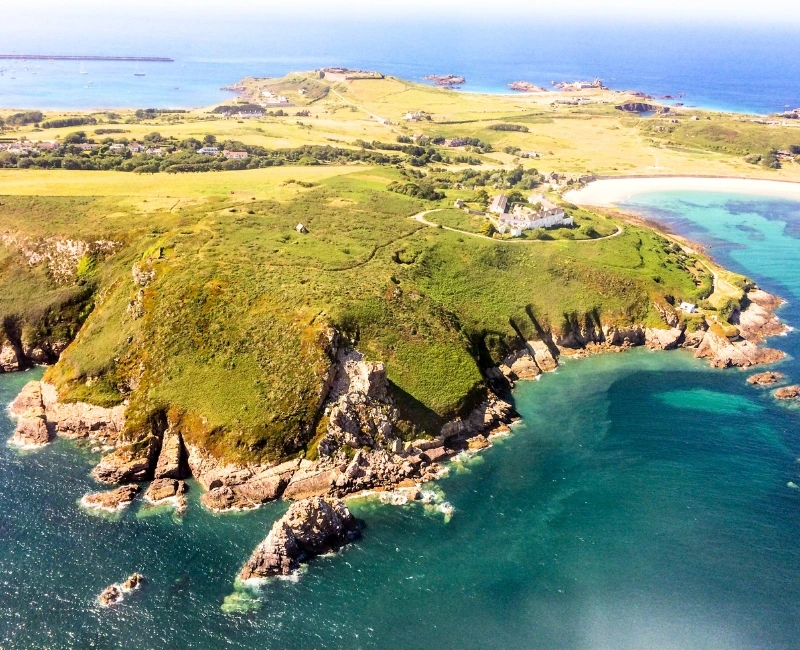
When the goal is tranquility, the Channel Islands deliver serene spa retreats and coastal sanctuaries that soothe body and spirit. Luxury spa hotels—such as Jersey’s Longueville Manor and Guernsey’s Lihou Island Retreat—blend historical ambiance with modern wellness amenities. Indulge in seaweed wraps that harness marine minerals to detoxify and hydrate skin, or choose marine algae facials that firm and rejuvenate. Thermal circuits feature hydro‑massage pools and reflexology walkways, while saunas infused with island‑harvested herbs—lavender, rosemary, and gorse—promote deep relaxation.Many spas offer thalassotherapy programs drawing on local sea water’s healing properties. Float in buoyant saltwater pools or recline in hydro‑jets overlooking the Atlantic horizon. Aromatherapy sessions use essential oils distilled from Jersey’s apple orchards or Guernsey’s wildflowers. Personalized treatments begin with wellness consultations, tailoring massage techniques—Swedish, deep‑tissue, or hot‑stone—to individual needs.For holistic rejuvenation, pair spa sessions with yoga and Pilates classes held on beachside platforms. Sunrise Vinyasa sessions on St. Brelade’s Bay or Seance de Pilates at Moulin Huet combine gentle movement with soothing sea breezes. Mindfulness workshops and guided meditation walk along cliff‑top trails frame breathwork with panoramic coastal vistas.Nutrition complements pampering: healthy dining venues within retreats serve superfood bowls topped with fresh seaweed, grilled fish from local waters, and organic produce from island farms. Smoothies infused with elderflower or sea buckthorn provide antioxidants, while chef‑led cooking classes teach Mediterranean diet principles using local ingredients.Digital‑detox packages encourage guests to power down devices, exchanging screen time for nature immersion. Forest‑bathing excursions in Jersey’s woodlands or Guernsey’s heathlands guide participants to connect senses to rustling leaves, birdsong, and the rhythm of waves. Some retreats even offer overnight “yurt stays” in secluded coves, where sleeping under canvas fosters a deeper tie to elemental surroundings.To extend relaxation beyond spa walls, boutique hotels provide private beach access with cabanas and sea‑view sun loungers. Tidal swims in natural rock pools—safe at low tide—offer invigorating dips without crowds. Schedule gentle coastal walks on accessible promenades, pausing at wellness kiosks distributing herbal teas.Booking smart enhances value: off‑peak season rates in autumn and winter are often 30–40% lower, yet facilities remain fully operational. Midweek stays can include complimentary upgrades or spa credits. By weaving together therapeutic treatments, mindful movement, and seaside serenity, the Channel Islands’ spa retreats promise a restorative escape that lingers long after departure.
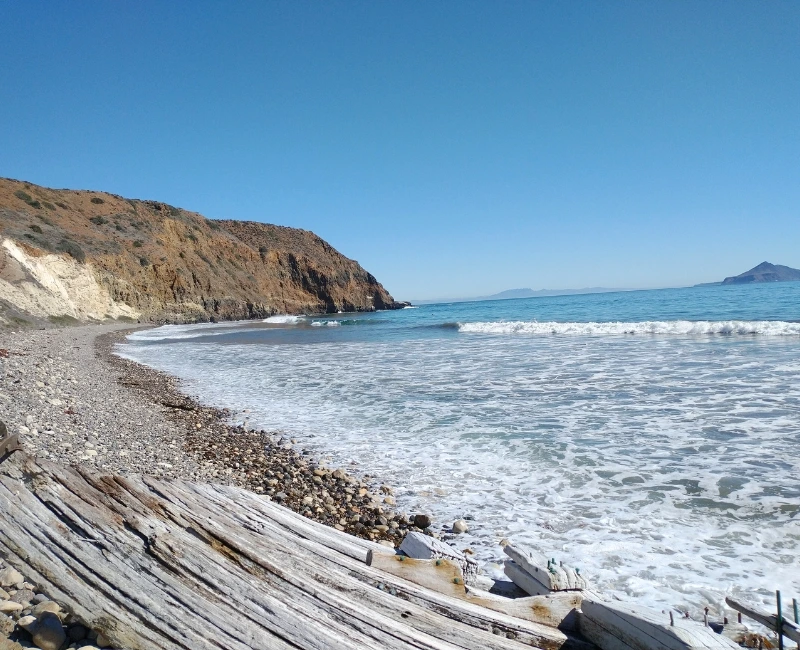
The Channel Islands’ coastlines unfold in a tapestry of golden beaches and quaint harborside villages, inviting travelers to slow down and savor simple pleasures. Jersey’s St. Ouen’s Bay spans three miles of soft sand, where surfers chase Atlantic swells and beachcombers hunt for polished sea glass. At low tide, expansive mudflats emerge—ideal for guided eco‑tours that point out wading birds such as curlews and oystercatchers.Family‑friendly shores like St. Catherine’s Bay in Guernsey feature gentle slopes into calm waters, lifeguarded during summer months. Beach kiosks rent paddleboards, kayaks, and pedalos, while shaded picnic spots beneath pines offer respite from midday sun. Nearby, the picturesque village of Forest nestles among rolling hills; a short walk leads to secluded coves where wooden steps descend to tide‑pools teeming with starfish and anemones.Coastal villages exude timeless charm. Gorey, on Jersey’s east coast, centers around a pale‑pink harbor ringed with pastel houses. Waterfront cafés serve lobster rolls and fresh oysters shucked to order, accompanied by crisp local cider. Watch fishing boats unload their morning catch, or board a small charter for an early‑morning sea‑bass outing. In St. Peter Port, Guernsey’s capital, narrow lanes climb from the marina to hilltop townhouses. Afternoon tea in a harbor‑view tearoom and browsing independent bookshops create a leisurely rhythm.Island‑hopping ferries connect nearby gems: Alderney delights with rocky promontories and wide sandy flats at Braye Beach, while Sark’s absence of cars makes strolling along silver‑sand shores utterly peaceful. Rent a bicycle to explore Sark’s coastal footpaths, pausing at little beaches accessible only by foot or two‑wheel.Plan your beach escapes around tide timetables: some coves vanish at high tide, while expansive sands appear at low tide. Wear sturdy sandals for rocky stretches, and bring binoculars for spotting seals or porpoises offshore. For sunset, head to Grosnez Castle ruins on Jersey’s northwest tip—its crumbling towers silhouetted against flaming skies.Practical amenities include family changing facilities, accessible boardwalks, and beachside cafés offering light fare—sandwiches, gelato, and chilled drinks. In off‑peak seasons, enjoy near‑deserted sands and lower accommodation rates; many beachfront cottages open year‑round, offering panoramic windows and wood‑burning stoves.By entwining days of sun‑lit relaxation on soft sands with explorations of fishing villages and intimate coves, travelers to the Channel Islands discover a coastal rhythm that balances leisure with discovery—each beach escape crowned by the gentle murmur of waves and a sky that seems to stretch without end.
No ads. No trails. No commitments


Alice Roses
London, England
51 ST MATTHIAS ROAD
NOTTINGHAM, NOTTINGHAMSHIRE
NG3 2HF
Hours: 8:00 - 17:00, Mon - Sat
support@johnsonholidays.com