 Chiang Mai Travel
Guide
Chiang Mai Travel
Guide
Paris is known around the world as the “capital of love,” and even if you don't understand the history of Paris at all

13–15 Hours
£3
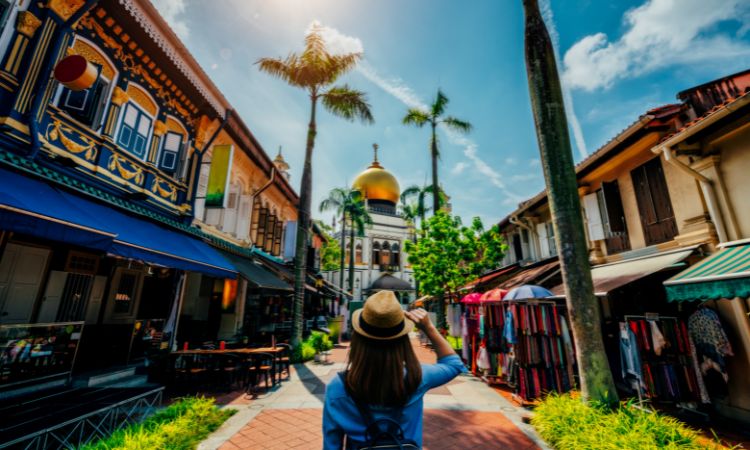
Chiang Mai stands as a cradle of Northern Thai culture, boasting centuries-old temples, intricate Buddhist traditions, and local craftsmanship that has been passed down through generations. Visitors can explore iconic wats such as Wat Phra Singh and Wat Chedi Luang, witnessing Lanna architecture and spiritual ceremonies that provide deep insight into Thai beliefs. Beyond temple visits, guest participation in monk chat programs or meditation sessions fosters cultural respect and personal reflection. Local artisans create silk, silverwork, and wood carvings, offering authentic souvenirs while supporting community livelihoods. For UK travellers seeking meaningful experiences, Chiang Mai’s cultural tapestry offers immersion far beyond surface sightseeing.
Learn More
With flight prices often competitive when shown in British pounds, Chiang Mai delivers excellent value for money. Budget airlines and periodic deals can bring round-trip fares from the UK to approximately £600–£800, depending on season and routing. On arrival, affordable accommodation ranges from guesthouses at under £20 per night to mid-range hotels around £40–£80 per night, making extended stays feasible. Dining in local eateries or street stalls costs just a few pounds per meal, and transportation via tuk-tuks, songthaews, or Grab rides remains budget-friendly. For travellers wanting quality experiences without extravagant spending, Chiang Mai provides both economical options and premium choices at a fraction of European prices.
Learn More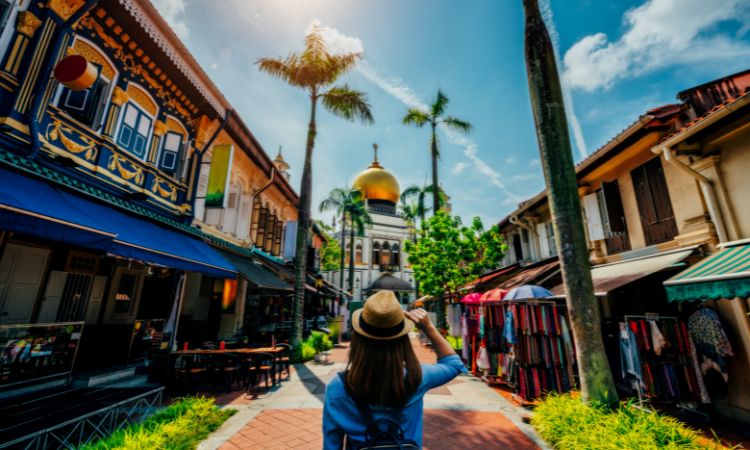
Whether craving adrenaline-pumping adventure, serene retreats, or family-friendly outings, Chiang Mai delivers. Outdoor enthusiasts can trek through hill tribe villages, cycle scenic backroads, or explore waterfalls and national parks. Adrenaline seekers find ziplining, canyoning, and mountain biking options. Meanwhile, wellness travellers choose yoga studios, spa treatments, and meditation retreats to rejuvenate. Families enjoy interactive cooking classes, elephant experiences at ethical sanctuaries, and cultural shows. Digital nomads appreciate coworking cafés with reliable Wi-Fi and vibrant expat meetups. This variety ensures each traveller customizes their itinerary according to interests, making Chiang Mai suitable for solo adventurers, couples, families, and professionals alike.
Learn More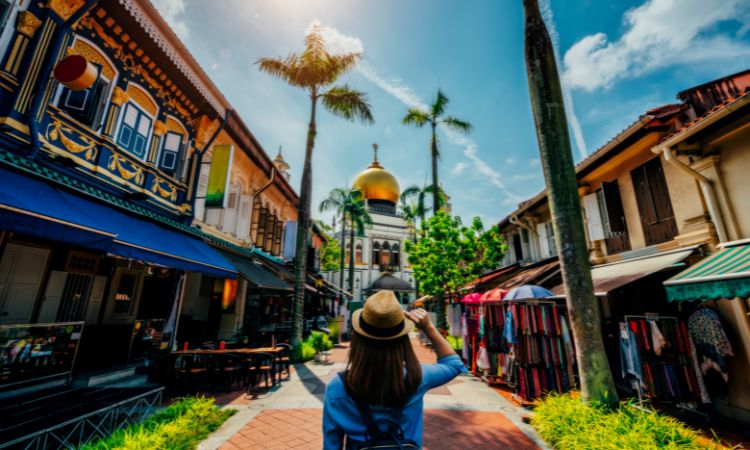
Northern Thai cuisine is distinct from Bangkok’s fare, offering dishes like khao soi (curry noodle soup), sai ua (spicy sausage), and nam prik ong (tomato-chili dip) that tantalise palates. Night markets buzz with vendors serving grilled skewers, sticky rice desserts, fresh fruits, and local snacks at pocket-friendly prices (often £1–£3 per dish). Cooking classes empower travellers to recreate flavors at home, led by chefs in traditional kitchens or rice-farm settings. Café culture thrives with specialty coffee shops blending Thai roasts and modern brewing methods. Food tours navigate hidden gems and local eateries, ensuring a comprehensive taste journey that highlights Chiang Mai’s gastronomic identity.
Learn More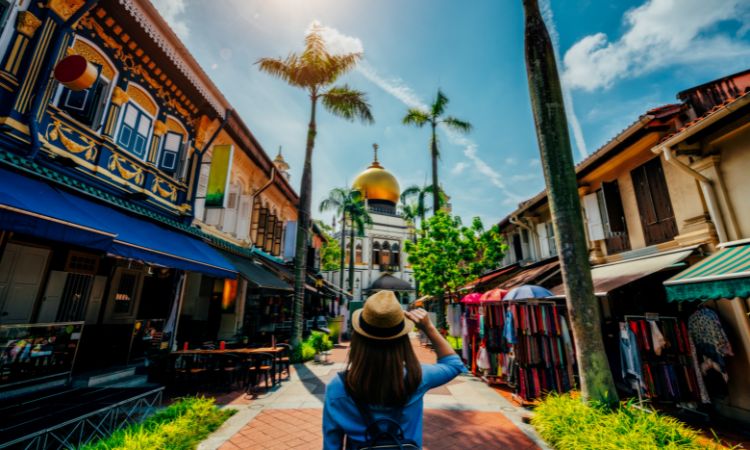
Surrounded by rolling hills and lush forests, Chiang Mai offers a tranquil retreat from urban bustle. Nearby national parks like Doi Inthanon and Doi Suthep-Pui feature waterfalls, viewpoints, and diverse flora and fauna. Hot springs and botanical gardens provide wellness escapes amid nature. Sunrise treks up Doi Suthep reward early risers with panoramic city views and peaceful temple visits before crowds arrive. Elephant sanctuaries focusing on ethical care allow responsible wildlife encounters. For travellers seeking relaxation or nature-based meditation, Chiang Mai’s environment fosters calm and connection to the natural world.
Learn More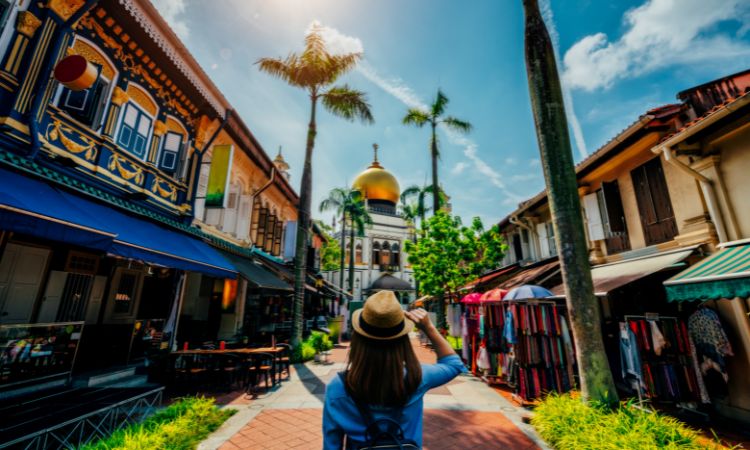
Chiang Mai’s calendar is punctuated by festivals that illuminate cultural vibrancy. Loi Krathong and Yi Peng (usually November) feature thousands of sky lanterns lighting the night, creating a magical spectacle. Songkran (mid-April) sees joyous water celebrations citywide. Flower festivals, artisan fairs, and temple fairs throughout the year showcase local craftsmanship and community spirit. Participating in these events offers immersive experiences—witnessing traditional dances, culinary specialties, and communal rituals. For travellers seeking memorable, once-in-a-lifetime moments, timing a visit around festival dates elevates the Chiang Mai experience.
Learn More
Lorem ipsum dolor, sit amet consectetur adipisicing elit. At illo adipisci iusto
From

Because more than 268 other customers have loved us too

Demonstrates commitment to user data security through encryption and secure payment practices
Learn More
Demonstrates commitment to user data security through encryption and secure payment practices
Learn More
Demonstrates commitment to user data security through encryption and secure payment practices
Learn More
Demonstrates commitment to user data security through encryption and secure payment practices
Learn More
Quality as judged by customers. Book at the ideal price!


/ person
/ person
/ person
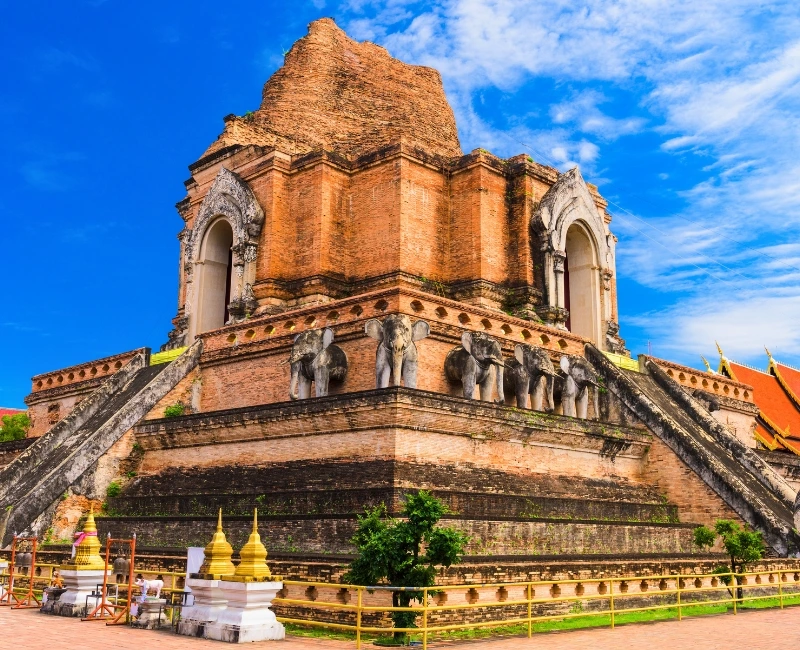
Chiang Mai’s spiritual heart beats within its labyrinth of temples, each an architectural and cultural testament to the city’s Lanna heritage. In the Old City, Wat Phra Singh and Wat Chedi Luang stand as living museums: Wat Phra Singh, founded in 1345, shelters the venerated Phra Singh Buddha image, whose luminous presence draws worshippers and visitors alike. Intricate teakwood carvings and gilded roofs shimmer in the sun, while mural-lined cloisters tell stories of the Buddha’s life and local folklore. Adjacent, Wat Chedi Luang’s eighty-meter-tall chedi, though partly collapsed by an earthquake in the 16th century, retains a serene majesty. Visitors can join monks at dawn’s almsgiving, offering rice in linen bowls, and observe the reverent hush that accompanies the ritual—an immersion in mindfulness rather than mere spectacle.A short drive outside the city walls leads to Doi Suthep Temple, perched 1,000 meters above sea level. Pilgrims ascend its 309-step naga-guarded staircase, pausing at stone serpents whose undulating bodies seem to dance toward the sky. The summit rewards with panoramic vistas of Chiang Mai’s sprawling rooftops and emerald paddy fields. As the first light filters through incense smoke, monks chant ancient Pali verses, enveloping visitors in a cocoon of contemplative stillness.Beyond monumental complexes, “monk chat” programs invite travellers into informal dialogue with young novices. Over steaming mugs of tea, questions about daily monastic life and Buddhist philosophy flow freely, forging cross-cultural understanding. For deeper introspection, forest monasteries such as Wat Umong and Wat Palad offer silent retreat workshops ranging from one day to a week. Under guidance, participants learn Vipassana meditation techniques, focusing on breath and bodily sensations to cultivate compassion and equanimity.Interwoven with these spiritual sites are artisan villages preserving centuries-old crafts. In San Kampaeng, silversmiths hammer intricate jewelry, while woodcarvers shape teak into repoussé reliefs. Visitors can try their hand at making silver filigree or dyeing silk with natural pigments, gaining tangible appreciation for the symbiosis of spirituality and artistry in Northern Thailand. Each temple visit thus becomes a multilayered journey—through stone, story, and sacred practice—illuminating the profound values of community, mindfulness, and craftsmanship that define Chiang Mai’s living heritage.
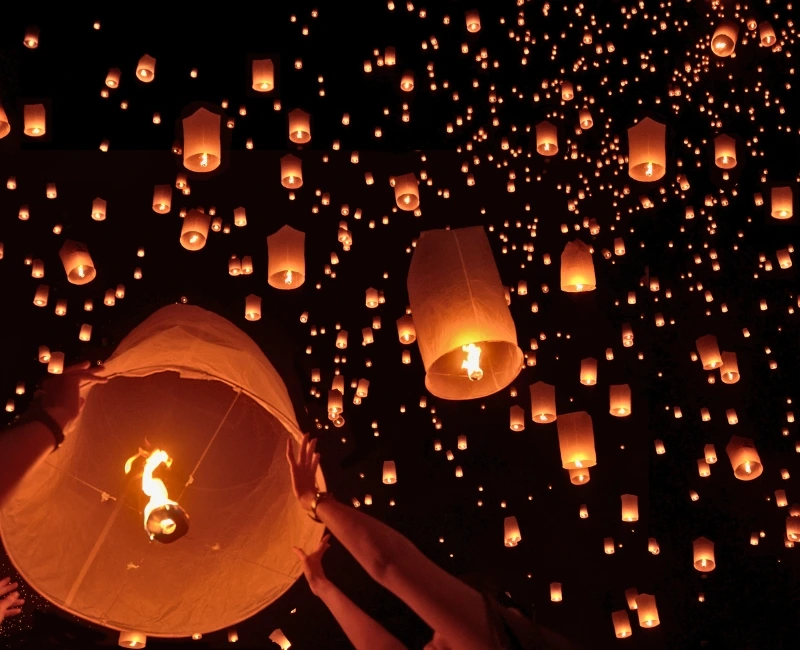
Chiang Mai’s vibrant tapestry of festivals and markets pulses year‑round, weaving together centuries-old traditions with contemporary celebration. November heralds Yi Peng and Loi Krathong, twin festivals of light. On clear nights, thousands of sky lanterns ascend above medieval walls, symbolizing the release of misfortune. Along the Ping River, glowing krathongs—handcrafted from banana leaves and decorated with flowers—float downstream, carrying whispered wishes. Beyond passive observation, travellers can attend lantern‑making workshops in Lanna-style studios, where local artisans demonstrate safe folding techniques and explain Buddhist rituals behind each flame’s ascent.In April, Songkran turns Chiang Mai into an exuberant water playground. Streets fill with tubs of scented water and squirt guns, as locals and visitors alike engage in a city‑wide blessing through play. While splashing is the primary mode of celebration, cultural elements remain: sand pagodas are built at temple courtyards, and elders receive respectful water pours as a gesture of gratitude.Weekly markets provide a window into everyday life. On Sunday evenings, Ratchadamnoen Road transforms into the famous Walking Street, stretching over a kilometre with stalls selling hand‑woven textiles, silverware, and contemporary crafts. Food vendors beckon with steaming bowls of khao soi, mango sticky rice, and regional desserts. During the day, Warorot Market hums with locals negotiating over fresh produce, dried spices, and herbal remedies. Down narrow aisles, vendors share stories of family‑owned businesses thriving for generations.Throughout the year, smaller temple fairs mark auspicious dates in the lunar calendar. At Wat Phra That Doi Kham, the annual fair includes merit‑making processions, traditional Khantok dinners, and Lanna dance performances under a canopy of flickering lanterns. Visitors can join merit‑offering activities—tying white threads around Buddha images or assisting in communal meals—to experience firsthand the spirit of generosity at the festival’s core.Engagement is key: bargaining respectfully at market stalls opens conversations about local life, while participating in craft demonstrations deepens cultural appreciation. Through lanterns, water, and market stalls, Chiang Mai’s festivals and traditions invite travellers not only to observe but to become part of a living heritage, where each gesture—be it a lantern release, water blessing, or spice sampling—carries centuries of meaning and community spirit.
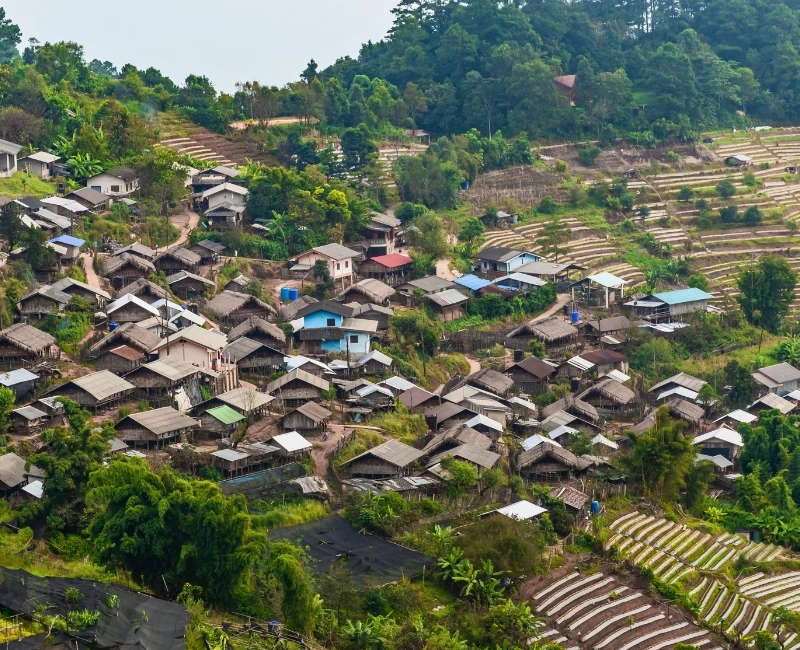
Chiang Mai’s verdant mountains beckon adventure seekers to traverse trails that wind through mist-shrouded forests, terraced rice fields, and remote hill tribe villages. Day hikes along the Mae Sa Waterfall trail offer gentle introductions: wooden walkways lead to cascading pools where travellers can cool off under natural showers. For more ambitious treks, multi-day excursions launch from Mae Wang or Mae Sariang, guided by licensed local operators who emphasize ethical tourism and cultural respect.These operators facilitate meaningful homestays with Karen, Hmong, or Lahu communities, where visitors gain insight into traditional livelihoods. In Karen villages, women demonstrate backstrap loom weaving, dyeing fabric with natural indigo derived from local flora. Hmong families share knowledge of herbal medicine and silver embroidery, their storied textiles echoing migratory histories. Homestay accommodation ranges from simple stilt houses—complete with home‑cooked northern Thai meals—to eco‑lodge bungalows offering greater comfort. Profits from trekking fees often support community development projects such as school supplies and healthcare clinics.Trail difficulty scales from moderate to challenging. Day hikes to viewpoints like Doi Inthanon’s Ang Ka Nature Trail traverse mossy forests rich with orchids, rhododendrons, and birdcalls from leaflore warblers. Multi-day circuits cross bamboo bridges, encounter hidden waterfalls, and ascend to highland plateaus where cool nights reward sunrise vistas of layered mountain silhouettes. Guides teach Leave No Trace principles, ensuring trails and villages remain pristine.Safety and ethics underscore every step. Reputable operators provide clear information on porters’ rights—ensuring fair wages and rest—and equip trekkers with appropriate gear. Seasonal considerations matter: the rainy season (May–October) brings lush greenery but slippery paths; the cool season (November–February) offers clear skies and comfortable temperatures; and the hot season (March–April) demands early starts to avoid midday heat.By combining physical challenge with empathetic cultural exchange, trekking in Chiang Mai transcends a simple hike. It becomes a shared journey—through mountain mist, tribal customs, and communal warmth—leaving travellers with strengthened endurance and deep respect for Northern Thailand’s rural landscapes and the resilient communities who call them home.
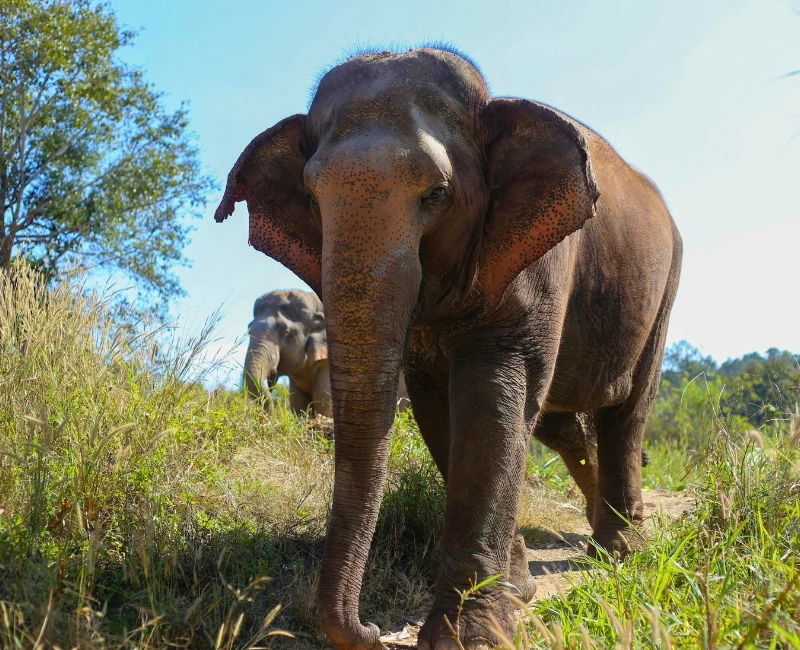
In the rolling foothills around Chiang Mai, ethical elephant sanctuaries offer compassionate alternatives to riding camps, emphasizing animal welfare and conservation. These sanctuaries rescue retired logging elephants or those retired from tourist camps, providing them with spacious forested enclosures and veterinary care. Visits typically begin with a guided orientation: sanctuary staff explain elephants’ social structures, dietary needs, and the historical context of elephant usage in Thailand.Under supervision, guests prepare elephant diets—mixing bananas, sugar cane, and specially formulated pellets—then assist in feeding troughs under the watchful gaze of gentle giants. Bathing sessions follow at shallow riverbanks: visitors scrub away dirt and parasites with soft brushes, observing elephants’ playful trunk sprays and contented rumbles. Importantly, no riding is permitted; interactions focus on observation and care, ensuring elephants’ comfort and autonomy.Beyond elephants, sanctuaries collaborate with wildlife conservation projects in nearby national parks. Day trips to Doi Inthanon National Park, Thailand’s highest point, reveal cloud forests alive with barking deer, gibbons, and endemic bird species like the green-tailed sunbird. Waterfalls such as Mae Ya and Sirithan thunder through rocky canyons, offering refreshing swimming spots.For adrenaline seekers, white‑water rafting on the Mae Taeng River provides thrilling Class II–III rapids during the rainy season, weaving between limestone cliffs and verdant jungle. Kayaking excursions upstream reveal hidden coves where monitor lizards bask and kingfishers dart.When choosing wildlife experiences, prioritise operators with transparent animal welfare policies and sustainable certifications. Look for affiliations with global conservation bodies, clear statements on limiting visitor numbers, and revenue-sharing models that support local communities. By engaging in responsible tourism—where every baht contributes to animal care and environmental protection—travellers ensure that their adventures foster long‑term preservation of Northern Thailand’s natural heritage and its iconic, endangered residents.
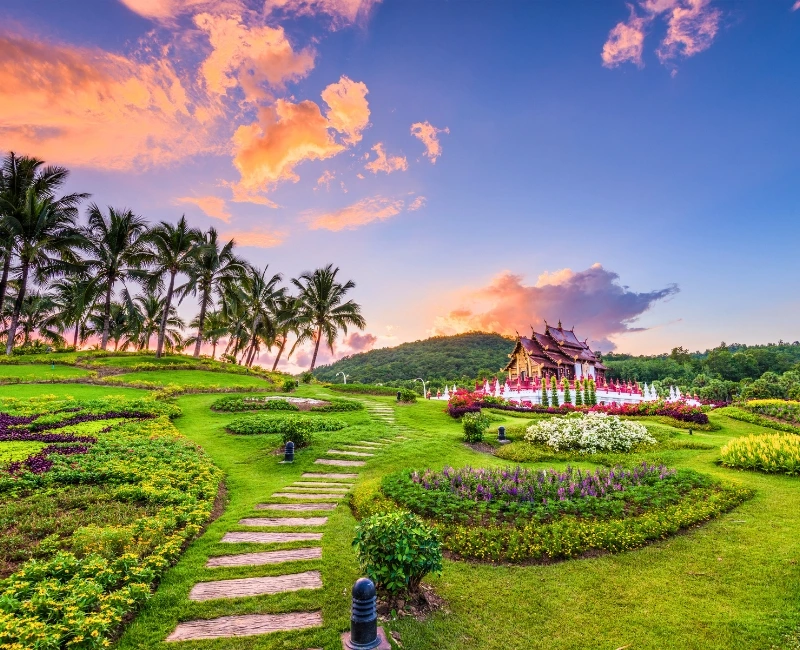
Chiang Mai’s tranquil countryside and organic farms provide the perfect backdrop for spa and wellness retreats that blend traditional Thai therapies with holistic health practices. Nestled along rice paddy paths, resort‑style retreats offer multi-day packages featuring sunrise yoga classes on wooden platforms overlooking verdant fields. Certified instructors guide vinyasa and yin sessions, weaving breathwork and meditation into flows that awaken both body and mind.Day spas within the city—hidden behind teak gates and tropical gardens—offer herbal steam baths infused with lemongrass, tamarind, and wild ginger. After detoxifying sweats, practitioners administer signature Thai massages: rhythmic pressure along energy lines (sen) eases muscle tension, while herbal compresses warmed over charcoal release aromatic oils deep into tissues. Aromatherapy add‑ons employ locally grown essential oils—jasmine for relaxation, plai for inflammation relief—immerse guests in a sensory journey.For deeper immersion, holistic resorts on the outskirts combine daily guided meditation, mindful walking in bamboo groves, and nutrition workshops led by wellness chefs. Participants sample detox juices crafted from organic produce—dragon fruit, papaya, moringa leaves—and learn to prepare Thai‑inspired macrobiotic meals using fermented rice, sticky black rice, and fresh herbs. Evening sessions might include sound healing with traditional gong baths or silent reflection under starlit skies.Many retreats collaborate with community herbalists, teaching visitors to identify native plants like gotu kola and turmeric for their restorative properties. Guided forest baths (shinrin‑yoku) in nearby conservation areas encourage participants to engage all five senses—smelling damp earth, listening to birdcalls, touching moss‑covered trunks—to reduce cortisol levels and enhance immune function.Whether seeking a weekend of pampering or a week-long reset, Chiang Mai’s wellness offerings cater to varied budgets. Luxury resorts feature private plunge pools and personalized wellness consults, while boutique retreats provide intimate group experiences with just eight to twelve guests. In every case, the emphasis lies on reconnecting with nature, nurturing mental clarity, and adopting sustainable practices that guests can carry home—transforming a vacation into a lasting lifestyle upgrade.
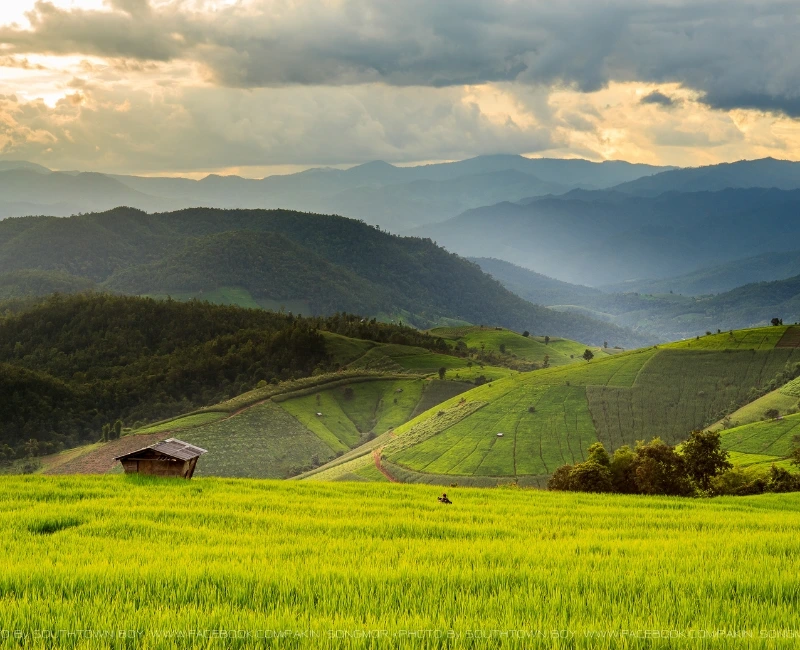
Chiang Mai’s rise as a digital nomad haven owes much to its eclectic array of cafés and co‑working spaces that seamlessly blend productivity with local charm. From sleek espresso bars hidden down soi alleyways to repurposed colonial shophouses transformed into communal work hubs, the city caters to freelancers, remote teams, and creative entrepreneurs.Specialty coffee roasters source beans directly from Northern Thailand’s highland farms, offering single‑origin pour‑overs that highlight floral jasmine notes or earthy cacao undertones. Baristas engage visitors with brewing demos—showing how water temperature and grind size unlock subtle flavor compounds. For tea aficionados, boutique tea houses steep fragrant oolong and butterfly pea blends, served in hand‑thrown ceramic cups within plant‑filled nooks.Co‑working venues like CAMP and Mana Co‑Lab feature ergonomic desks, high‑speed fiber‑optic internet, and conference rooms equipped with video conferencing gear. Memberships often include free flow of coffee, healthy snacks, and communal events—yoga mornings, coding workshops, and language exchange meetups—that foster networking and cultural exchange. Many spaces open onto rooftop terraces with mountain vistas, where patrons brainstorm under open skies.When work winds down, chill spots beckon. Riverside cafés along the Ping offer afternoons of reading and people‑watching, with hammocks swaying in shaded corners. Rooftop bars like The Oasis serve craft cocktails infused with Thai herbs—lemongrass gimlets and tamarind margaritas—while local musicians perform unplugged sets as lanterns glow at dusk. Night markets such as Nimmanhaemin’s Maya Market showcase artisanal products and street food under fairy‑lit canopies, creating relaxed evening strolls after a day at the laptop.Whether one seeks focused solitude, collaborative energy, or after‑hours unwinding, Chiang Mai’s café culture harmonizes work and leisure. Reliable power outlets, welcoming baristas, and discreet charging stations ensure projects stay on track, while the surrounding ambience—be it lush greenery or river breezes—reminds visitors that productivity need not sacrifice well‑being or local immersion..
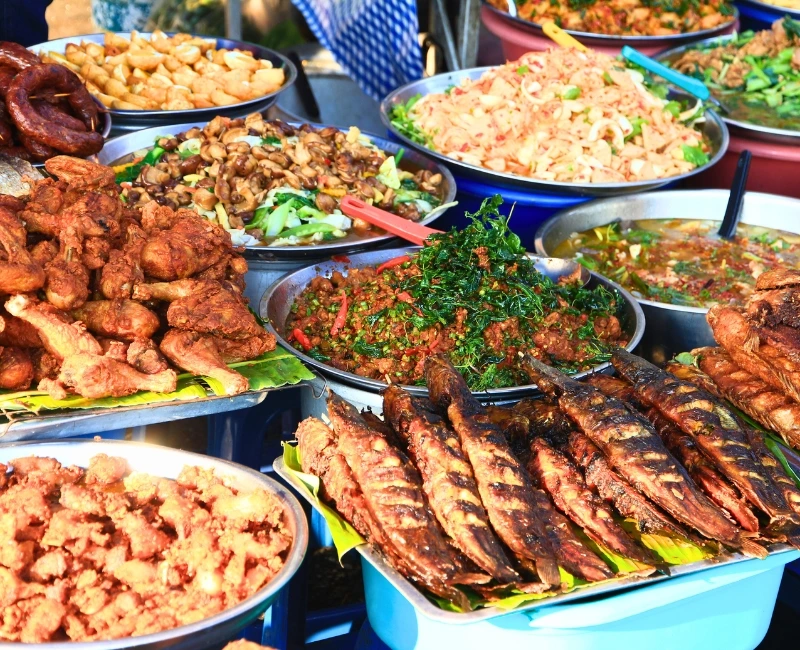
Chiang Mai’s gastronomic heartbeat resonates most vividly at its night markets, where the air shimmers with spice‑laden aromas and the buzz of sizzling grills. Sunday Walking Street—stretching along Ratchadamnoen Road from Tha Phae Gate to the Iron Bridge—transforms the old town into a pedestrian paradise after 4 PM. Rows of vendors hawk piping hot bowls of khao soi, the city’s iconic coconut curry noodle dish, brimming with soft egg noodles, pickled mustard greens, and crispy shallots. Further along, stalls grill succulent Moo Ping skewers marinated in palm sugar and garlic, while dessert vendors artfully fill pandan leaf cups with khanom krok—golden coconut pancakes that crackle at the edges.By contrast, Warorot Market pulses with local life from dawn. Shoppers haggle over baskets of aromatic herbs—galangal, kaffir lime leaves, and lemongrass—for home cooking, while deli counters stock Sai Oua, Northern Thai sausage spiced with red chilies and coriander root. Street food here is both authentic and economical: plates of khao Kha Moo (braised pork leg over rice) cost less than £1 and are served with fresh cilantro and chilies.For deeper immersion, book a guided food tour with a local epicure who navigates back‑street gems—family‑run noodle shops tucked behind shrines, or hole‑in‑the‑wall joints specializing in kanom jeen nam ngiao, a spicy pork broth noodle dish garnished with crispy pork cracklings and fermented soybean paste. Tours often include visits to temple fairs, where regional specialties like Sai Ua and sticky mango rice take on festive twists—wrapped in banana leaves or drizzled with coconut cream.Navigating night markets requires strategic pacing. Start with small portions to sample a broader range: a handful of fresh mango slices here, a bite of pandan crepe there. Engage vendors who often share recipe anecdotes and tips for spicing at home. With each taste—sweet, sour, salty, and umami—travellers connect to centuries of culinary tradition sizzling beneath Chiang Mai’s neon-lit stalls.
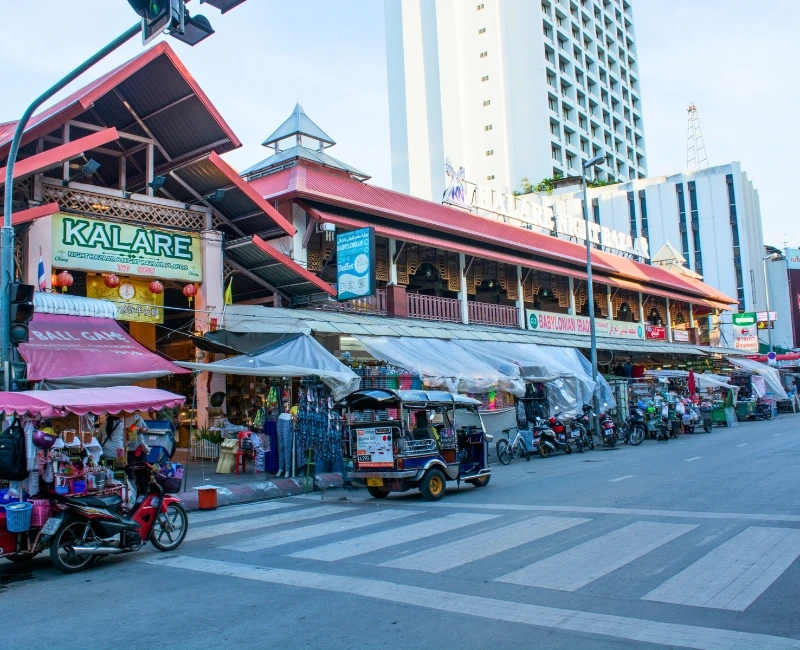
To elevate culinary exploration beyond eating, Chiang Mai’s cooking schools offer immersive market-to-kitchen journeys. Early mornings begin at Warorot or Muang Mai Market, where instructors guide students through labyrinthine aisles to select fresh galangal, makrut lime leaves, and locally reared free‑range chicken. Amidst haggling vendors and fragrant spice piles, novices learn to identify premium turmeric, lemongrass stalks, and seasonal mushrooms like phak namdong.Back in open-air kitchens shaded by banana palms, small groups assemble around teakwood workstations. Under the careful eye of experienced chefs—some trained in Michelin‑starred Bangkok kitchens—participants craft iconic dishes such as khao soi, layering rich coconut curry with homemade egg noodles, pickled mustard greens, and fried shallots. Gaeng Hung Lay, a Northern Thai pork curry, reveals Burmese influences through its tamarind and ginger‑laced broth, while kanom jeen offers delicate rice‑fermented noodles bathed in tomato and pork‑based nam ngiao.Beyond city classes, farm‑to‑table experiences transport travellers to organic estates on Chiang Mai’s outskirts. Among rows of lemongrass and basil, guests harvest vegetables and herbs at dawn, learning sustainable farming techniques—companion planting, natural pest control, and rainwater harvesting. At rustic communal tables, lunch unfolds under bamboo pergolas: green papaya salads tossed fresh with local lime and palm sugar, vegetable stir‑fries flavored with northern mushroom varieties, and herbal teas brewed from home‑grown butterfly pea flowers.Each session concludes with printed recipes, recipe‑card photo ops, and tips for sourcing authentic Thai ingredients abroad—dried cha‑om leaves, palm sugar substitutes, and fish sauce gradations. Some schools offer follow‑up online tutorials to help recreate dishes once home. By intertwining market tours, hands‑on cooking, and sustainable farming, these culinary experiences deepen travellers’ connection to Chiang Mai’s food culture—ensuring that the flavors savored in Northern Thailand continue to spice home kitchens long after the journey ends.
No ads. No trails. No commitments


Alice Roses
London, England
51 ST MATTHIAS ROAD
NOTTINGHAM, NOTTINGHAMSHIRE
NG3 2HF
Hours: 8:00 - 17:00, Mon - Sat
support@johnsonholidays.com