 Pruszków Travel
Guide
Pruszków Travel
Guide
Paris is known around the world as the “capital of love,” and even if you don't understand the history of Paris at all

2.5 Hours
£2.50
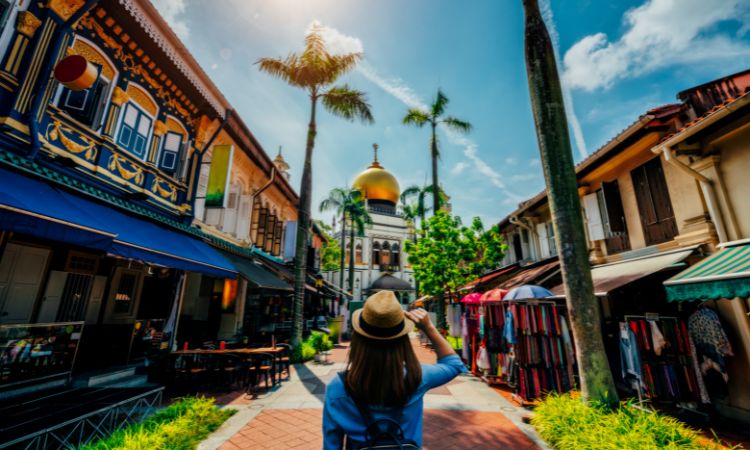
Pruszków’s strategic location just 20–30 minutes by train from Warsaw’s central stations makes it exceptionally convenient for visitors who want easy access to the capital’s attractions while enjoying a quieter environment. Business travelers can attend meetings in Warsaw by day and return to the peaceful surroundings of Pruszków for relaxation in the evenings. Sightseers can explore Warsaw’s Old Town, museums, and cultural venues without staying amidst the hustle and bustle or paying premium city-center rates. With frequent train services and reliable local transport, Pruszków offers the best of both worlds: the excitement of the capital within easy reach and a calm retreat when you wish to unwind.
Learn More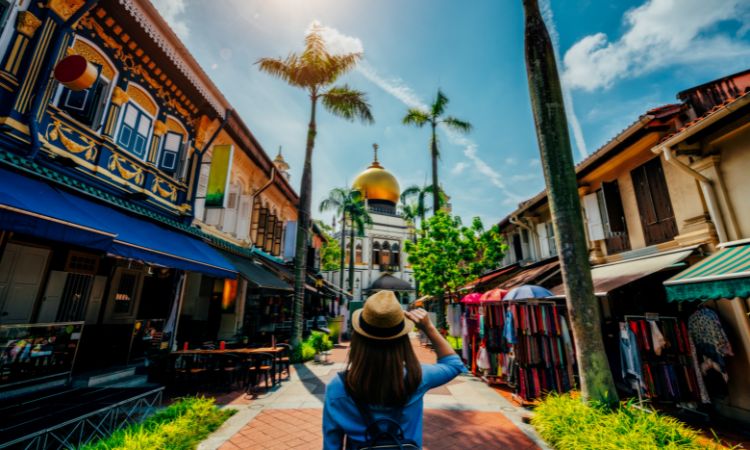
Compared to Warsaw’s central districts, Pruszków generally offers more budget-friendly options for hotels, guesthouses, and apartments, delivering great value without compromising on comfort or service. Dining in local cafés and restaurants also tends to be less expensive than in the heart of Warsaw, yet the quality of ingredients and preparation remains high. Sampling Polish classics like pierogi, bigos, and local desserts costs less here, allowing visitors to enjoy rich culinary experiences on a modest budget. For families or groups, choosing Pruszków can significantly reduce overall trip costs while still providing a variety of quality choices.
Learn More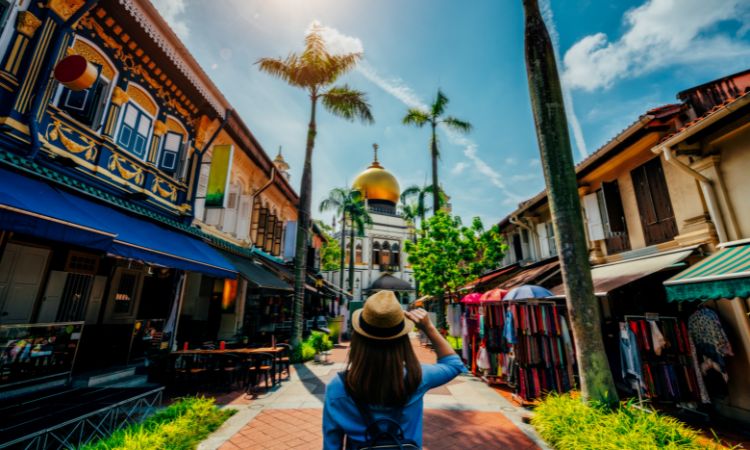
Pruszków’s history as a railway hub and industrial center has shaped a unique local identity, evident in preserved architecture, small museums, and community events. Visitors can discover historic sites, participate in seasonal festivals, and learn about regional traditions often overlooked by mainstream tourists. Cultural centers host exhibitions, workshops, and performances that delve into Mazovian heritage. Engaging with local artisans, attending folk music evenings, or exploring heritage trails offers authentic insights into Polish culture beyond the capital’s major attractions.
Learn More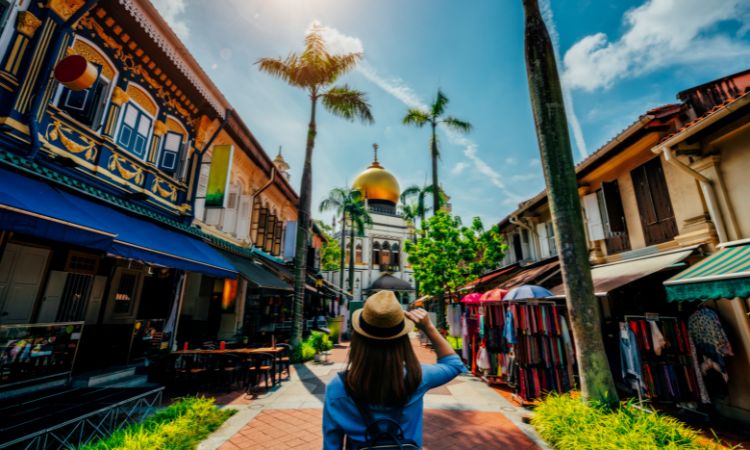
Pruszków boasts parks, riverfront promenades along the Utrata, and nearby natural reserves ideal for walking, cycling, and picnicking. Well-maintained trails connect to surrounding towns and scenic countryside, inviting nature enthusiasts to explore birdwatching spots or tranquil riverside scenes. For active travelers, cycling routes or jogging paths offer daily exercise in fresh air. Families appreciate playgrounds and open areas for children. The combination of accessibility and greenery provides a refreshing break from urban noise, encouraging visitors to embrace outdoor leisure at their own pace.
Learn More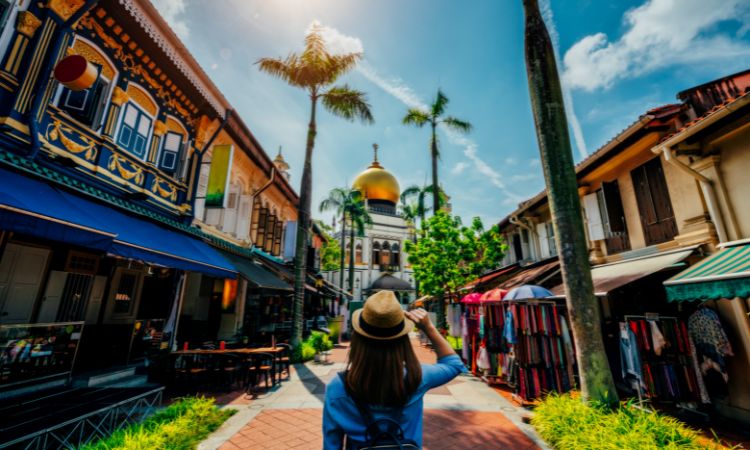
Frequent regional trains link Pruszków with Warsaw and other Mazovian towns, while local buses serve nearby communities. Roads are well-maintained for those renting cars, with parking typically easier and more affordable than in major cities. This connectivity allows effortless day trips: explore Warsaw’s landmarks or venture further into the Polish countryside. Whether traveling by public transport or driving, visitors benefit from reliable infrastructure. For multi-destination itineraries—including nearby towns, national parks, or cultural sites—Pruszków serves as a convenient transport hub without the congestion of a big city center.
Learn More
Pruszków’s welcoming, community-oriented vibe makes it ideal for families and multi-generational groups. Safe streets, parks with playgrounds, and cultural centers offering children’s workshops ensure a comfortable stay for all ages. Seasonal events often include family activities: outdoor fairs, craft workshops, or music performances suitable for younger audiences. Accommodations cater to families, with spacious rooms or apartments. Parents can enjoy local dining with kid-friendly menus, while children play in green spaces nearby. The town’s relaxed pace and amenities geared toward families contribute to stress-free holiday planning.
Learn More
Lorem ipsum dolor, sit amet consectetur adipisicing elit. At illo adipisci iusto
From

Because more than 268 other customers have loved us too

Demonstrates commitment to user data security through encryption and secure payment practices
Learn More
Demonstrates commitment to user data security through encryption and secure payment practices
Learn More
Demonstrates commitment to user data security through encryption and secure payment practices
Learn More
Demonstrates commitment to user data security through encryption and secure payment practices
Learn More
Quality as judged by customers. Book at the ideal price!


/ person
/ person
/ person
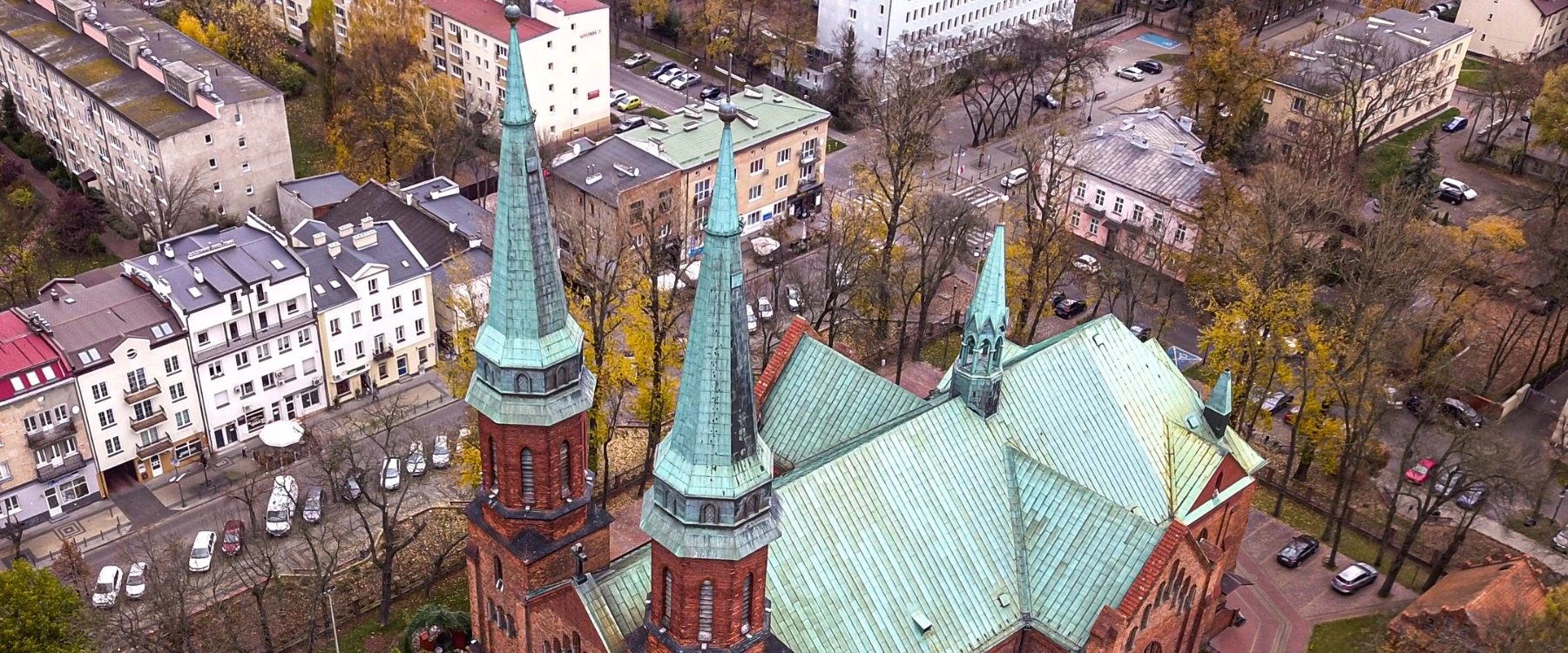
Pruszków’s heritage is woven into its streets, buildings, and museums. Exploring the town’s historical landmarks begins at the railway station area, where the early 20th-century architecture echoes Pruszków’s era as a crucial rail junction. Nearby, local heritage trails guide visitors past preserved worker housing and remnants of industrial facilities that shaped the town’s growth. One notable site is the former industrial complex that has been partially repurposed for cultural events—walking through its brick facades and courtyards provides a tangible link to the town’s past economic drivers.A visit to the Pruszków Museum (or local cultural center preserving artifacts and local stories) reveals exhibits on regional traditions, photographs documenting everyday life in different decades, and displays highlighting wartime experiences. Interactive exhibits may include oral histories from long-time residents, bringing personal perspective to broader historical narratives. Seasonal exhibitions often showcase local crafts, folk costumes, and traditional tools used in agriculture and small-scale manufacturing, underscoring the community’s resourcefulness.Architectural gems include the neo-Gothic or historicist-era churches in Pruszków. These sacred buildings often feature distinctive facades and interior art reflecting religious heritage. Attending a service or simply appreciating the craftsmanship—stained glass, wood carvings, decorative altars—provides insight into local traditions. Small chapels and memorials scattered in the vicinity commemorate historical events and community milestones.Cultural events tie history to the present: annual festivals may celebrate local legends, folkloric music, and dance performances. Traditional craft fairs invite visitors to witness artisans practicing woodworking, pottery, or textile arts, sometimes offering hands-on workshops. Engaging with these events fosters appreciation for intangible heritage—stories, songs, recipes—transmitted across generations.Walking tours led by knowledgeable guides can narrate Pruszków’s evolution: from rural settlement to industrial center, through the upheavals of the 20th century and transformation into a modern town. These guided walks may highlight key streets where historic buildings stand beside contemporary developments, illustrating continuity and change. Photo opportunities abound at restored façades, commemorative plaques, and vantage points offering panoramas of the town and nearby landscapes.For a deeper dive, specialized visits may include exploring local archives or attending talks at cultural centers on subjects such as wartime history or local legends. Some events involve reenactments or thematic evenings where participants dress in period costumes. This immersive approach helps visitors connect emotionally to the past.By engaging with Pruszków’s historical landmarks and cultural offerings, travelers gain a richer understanding of Mazovian heritage beyond major tourist routes. The town’s intimate scale encourages meaningful interactions with residents who often welcome questions about traditions and memories. Whether you wander independently following signage or join organized tours, Pruszków’s heritage landscape offers a rewarding journey through time.
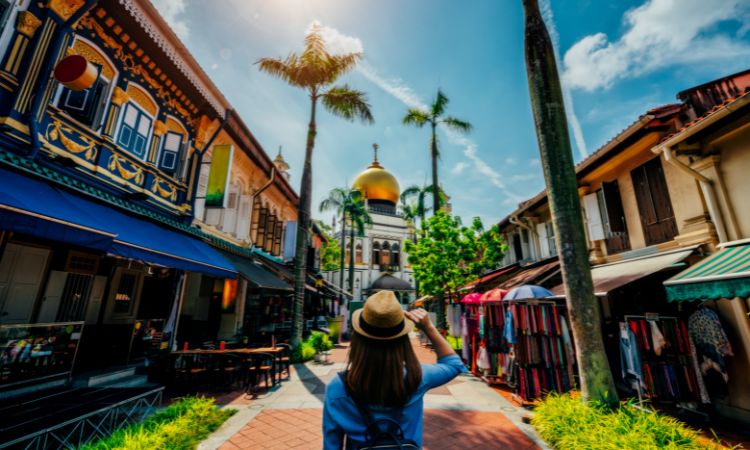
Pruszków’s museums and cultural venues serve as windows into regional identity and creative expression. The principal local museum (municipal or cultural center) typically houses exhibits on the town’s evolution, showcasing artifacts from daily life, industry, and agriculture. Visitors encounter displays of vintage photographs capturing moments such as railway development, community celebrations, and transformations of public spaces. The museum may feature rotating exhibits: one month could explore folk traditions, another could delve into post-war reconstruction or contemporary local art.Beyond the museum, cultural centers in Pruszków host workshops, performances, and film screenings. The local community hall often arranges concerts featuring folk ensembles or modern musicians blending traditional motifs with contemporary genres. Attending a performance provides insight into how cultural heritage adapts to present-day tastes. Theater groups may stage plays in Polish, occasionally offering surtitles or summaries for non-Polish speakers; these productions often draw on regional stories or universal themes interpreted through a local lens.Art galleries or exhibition spaces spotlight works by emerging and established Polish artists. Themes range from landscapes of the Mazovian region to abstract interpretations of urban life. These galleries frequently organize meet-the-artist sessions or guided tours, encouraging dialogue between creators and visitors. Seasonal art festivals might coincide with open studios, allowing travelers to observe artists at work.Workshops in crafts—such as pottery, weaving, or traditional embroidery—offer hands-on experiences. Local artisans share techniques passed down through generations, often modernizing designs for contemporary tastes. Participating in such workshops fosters appreciation of craftsmanship and yields unique souvenirs created by hand. Cooking workshops focusing on Polish dishes (pierogi, soups, pastries) offer another cultural immersion, teaching recipes and mealtime customs.The cultural calendar may include film festivals showcasing Polish cinema or international works, sometimes accompanied by discussions with filmmakers or critics. Documentary screenings on regional subjects—historic events, environmental topics—provide context for further exploration. Lecture series at libraries or cultural centers cover history, literature, or current affairs, occasionally featuring guest speakers from academia or journalism.For families, children’s programs at cultural spots incorporate interactive storytelling, craft sessions, or puppet shows rooted in Polish folklore. These activities engage younger visitors while imparting knowledge of tales and traditions cherished locally. Many venues offer multi-generational events where grandparents share memories or skills with grandchildren, reinforcing community bonds and giving visitors glimpses of intergenerational relationships.Seasonal fairs and open-air events complement indoor cultural offerings. Summer festivals in park settings combine music, dance, food stalls, and artisan booths. These events often feature regional specialties: local cheeses, preserves, sweets, and beverages reflecting Mazovian flavors. Sampling these at a festival engages the senses and creates memorable experiences.Language need not be a barrier: many institutions provide basic information panels in English or other common languages, and staff accustomed to visitors from Warsaw or abroad may assist with translations or summaries. Written guides or audio tours can introduce key exhibits, ensuring non-Polish-speaking guests follow the narrative.In summary, Pruszków’s museums and cultural spots form an engaging network of venues offering both depth and variety. Whether exploring permanent collections, attending performances, creating crafts, or participating in culinary sessions, visitors immerse themselves in local heritage and creativity. These experiences enrich any stay, complementing exploration of broader Mazovian culture and forging connections with Pruszków’s community spirit.
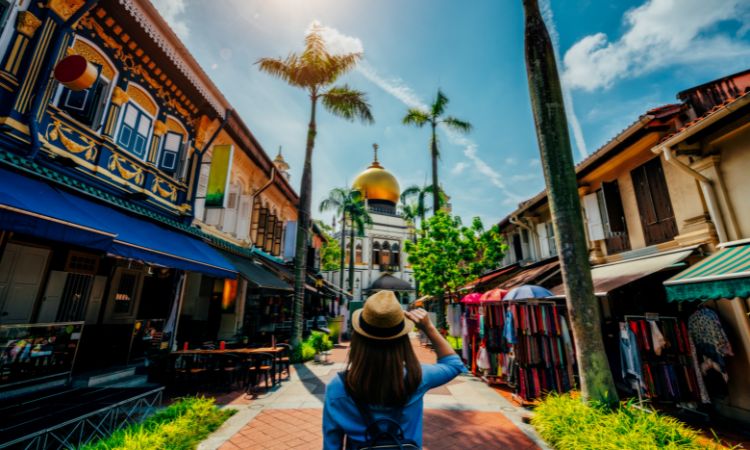
Pruszków features a network of parks, riverfront promenades, and green corridors inviting visitors to savor natural beauty close to urban amenities. The Utrata River flows through the town, and its banks have been revitalized into pleasant walking paths with benches, landscaped areas, and viewpoints ideal for relaxation or casual strolls. Early mornings reveal mist over the water, perfect for peaceful reflection, while sunsets create warm hues inviting photography enthusiasts to capture serene scenes.Several parks within Pruszków provide varied outdoor experiences. Central parks host playgrounds for children, fitness equipment for active visitors, and open lawns suitable for picnics or reading under a tree. Seasonal flower beds and tree-lined avenues create colorful backdrops, changing with the seasons—vibrant greens in summer, golden hues in autumn, and serene snowscapes in winter. Local authorities often plant native flora, supporting biodiversity and creating habitats for birds and insects; birdwatchers may spot species common to the Mazovian region.Cycling is a favored way to explore: dedicated bike paths connect Pruszków with neighboring towns and countryside routes. Renting a bicycle or bringing your own allows deeper exploration of scenic areas beyond the town center. Routes pass through farmland, small forests, and alongside rivers, offering glimpses of rural life. Along these paths, small rest stops or cafés may invite cyclists to pause for refreshments—seasonal fruit juices or light snacks.For nature enthusiasts, guided walks or self-guided trails highlight local ecology. Interpretive signage along select trails explains native plant species, local wildlife habitats, and conservation efforts. In spring, fields bloom with wildflowers; in autumn, migratory birds pass through, making the area worthwhile for birdwatching. Photography groups sometimes organize outings to capture flora and fauna in different seasons.Nearby nature reserves or protected areas lie within a short drive or bike ride. These may include wetlands along rivers or small woodlands where quiet trails meander beneath tree canopies. Visitors can join guided tours focusing on ecology, environmental education, or sustainable practices. Such tours often appeal to families and school groups but are equally engaging for curious travelers.Outdoor fitness events—like community runs or cycling challenges—sometimes occur, inviting visitors to participate alongside locals. Checking local event calendars can reveal opportunities to join in for healthy activities within scenic surroundings. For a more relaxed pace, yoga or tai chi in the park sessions may be offered during warmer months, promoting wellness amidst greenery.The changing seasons bring diverse experiences: spring’s rejuvenation, summer’s warm, long days perfect for extended outdoor time, autumn’s crisp air and colorful foliage, and winter’s tranquil snowy landscapes for brisk walks (with appropriate clothing). Each season offers distinct photo opportunities and sensory experiences.Whether you seek active pursuits—cycling, jogging, guided nature walks—or tranquil moments—picnics by the river, reading on a park bench—Pruszków’s parks and natural escapes deliver a refreshing counterpoint to urban exploration. Their proximity to accommodations and easy access from transport hubs mean you can integrate outdoor time seamlessly into your itinerary, enhancing well-being and fostering a deeper connection to the Mazovian landscape.
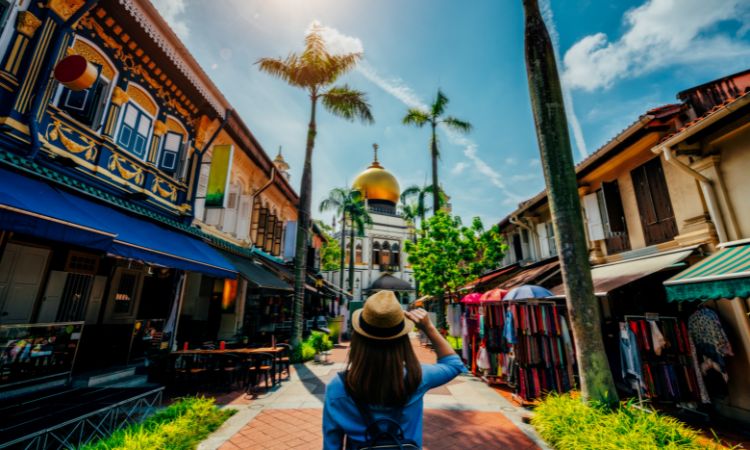
Beyond leisurely park visits, Pruszków and its surroundings offer a variety of outdoor activities and trails catering to diverse interests and fitness levels. Cycling enthusiasts appreciate well-marked routes that extend from town into the scenic Mazovian countryside. Paths hugging the Utrata River lead to rural villages, open fields, and small forests; these routes combine flat stretches suitable for casual rides with occasional gentle inclines. Bike rental services in town provide well-maintained bicycles, helmets, and maps detailing recommended loops of varying lengths, from short half-day excursions to full-day tours.For runners and walkers, dedicated jogging trails weave through parks and along riverbanks. These well-paved or compacted-earth paths provide safe routes away from traffic, with distance markers to track progress. Early morning or evening runs are particularly pleasant, with cooler temperatures and softer light. Community running clubs sometimes organize group runs, welcoming visitors to join and experience local camaraderie while exploring varied routes.Kayaking or canoeing along the Utrata River may be available via local operators or rental points. Paddling on calm water provides a unique vantage of riverside flora and fauna; gentle currents and occasional small rapids create a mild challenge suitable for beginners or families. Safety equipment and basic instruction ensure a comfortable experience. Seasonal guided paddling tours highlight ecological features and local history related to waterways.Fishing enthusiasts find opportunities along the river or nearby lakes. Local regulations apply, and day permits may be obtainable through local angling clubs. Fishing spots often feature benches or small piers; anglers can relax while waiting for catches of common freshwater species. Whether experienced or novice, spending a morning fishing immerses visitors in tranquil surroundings.For those seeking more structured outdoor pursuits, local sports centers sometimes offer tennis courts, open-air fitness classes, or even climbing walls. Checking community center schedules can reveal group activities—yoga in parks, boot-camp-style workouts, or dance classes outdoors. These options allow visitors to maintain fitness routines or try new activities in social settings.Guided nature tours focus on flora and fauna identification, birdwatching excursions, or seasonal phenomena such as spring blooms or autumn migrations. Knowledgeable guides share insights into local ecosystems, conservation efforts, and sustainable practices. Small-group tours promote intimate experiences, fostering curiosity about the environment and encouraging respect for natural habitats.Winter months bring different activities: when conditions permit, cross-country skiing on designated trails or snowshoeing in nearby woodlands offers invigorating experiences. Participants need appropriate gear, which local sports shops or rental outlets may provide. Seasonal events, like winter runs or charity walks, combine community engagement with outdoor enjoyment.Adventure-seekers can plan day trips to nearby larger forests or nature parks, exploring longer trails or combining hiking with visits to historical sites located in natural settings. Organized tours may include transportation, equipment, and picnic arrangements. Such outings allow deeper immersion in Poland’s natural landscapes beyond the immediate vicinity of Pruszków.Families benefit from tailored outdoor programs: treasure hunts in parks, nature-themed workshops for children, or family cycling routes with stops at playgrounds or small cafés. These activities blend exploration with educational elements, keeping younger travelers engaged and energized.Overall, Pruszków’s outdoor activities and trails cater to a wide audience—from casual walkers seeking fresh air to active cyclists and adventure enthusiasts. The infrastructure, guided options, and community events support safe, enjoyable experiences year-round. Incorporating these activities into your stay enhances appreciation of the Mazovian region’s natural beauty and promotes a healthy, balanced travel itinerary.
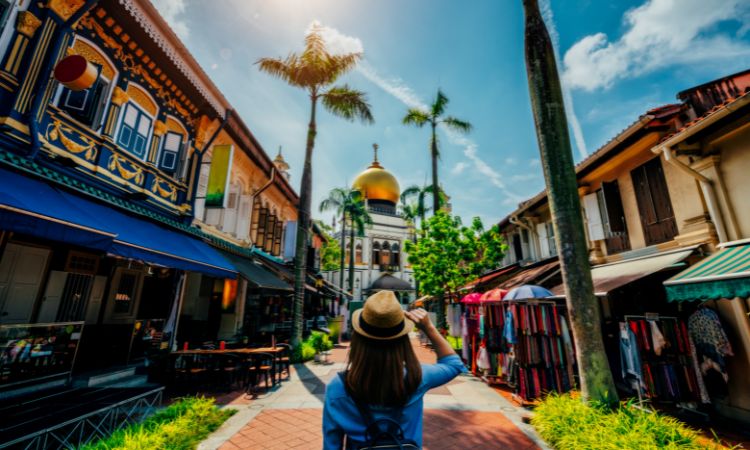
Pruszków’s culinary scene offers authentic Polish flavors enriched by regional specialties and modern interpretations. Visitors can embark on a gastronomic journey starting with hearty breakfast options in local cafés: freshly baked pastries, open-faced sandwiches with local cheeses or cold cuts, and strong coffee or herbal teas. Many establishments source ingredients from nearby producers, ensuring freshness and supporting local agriculture.For lunch and dinner, restaurants serve classic dishes: pierogi filled with seasonal ingredients (mushrooms, cheese, potatoes, or fruit for sweet versions), żurek (sour rye soup often served in a bread bowl), bigos (hunter’s stew blending sauerkraut, meats, and spices), and kotlet schabowy (breaded pork cutlet). Vegetarian and vegan adaptations are increasingly available, reflecting modern dietary preferences. Seasonal menus highlight local produce: in summer, mushrooms and berries; in autumn, root vegetables and game; in winter, warming soups and stews. Portion sizes are generous, offering good value for money (e.g., main courses often ranging from £6 to £12 equivalent).Desserts include sernik (Polish cheesecake), szarlotka (apple pie), and paczki (fruit-filled doughnuts). Sampling sweets at a local patisserie or café offers insight into Polish baking traditions. Pair desserts with herbal teas or local coffee blends. Some cafés also showcase homemade preserves and local honey, allowing purchase of edible souvenirs.To dive deeper, consider a food tour or cooking workshop: learn to prepare pierogi from scratch under guidance of local chefs, mastering dough-making, filling selection, and cooking techniques. Workshops may include side dishes and desserts, culminating in a shared meal. These hands-on experiences reveal culinary heritage and mealtime customs—Polish hospitality often means sharing food generously and toasting with traditional beverages.Visiting farmers’ markets or weekend food fairs allows direct interaction with producers. Discover fresh vegetables, cheeses, sausages, and baked goods while learning about seasonal availability. Market visits often include tasting opportunities: sample artisanal cheeses or cured meats before buying. Purchasing ingredients can be followed by a self-catering stay where visitors prepare local dishes in a rented apartment kitchen, further immersing in everyday life.Beverage exploration extends beyond beer: try local meads, fruit liqueurs, or regional vodkas (in small tasting portions). While Poland is known for vodka, many bars offer curated tastings of flavored versions such as cherry or honey-infused spirits. Non-alcoholic options include homemade fruit syrups diluted in water, herbal infusions, and regional fruit juices.Friendly local staff often share recommendations for hidden gems: family-run restaurants off the main streets or specialty bakeries known for traditional recipes. Engaging in conversation (even with basic Polish phrases) can unlock insider tips on where to find the best seasonal dishes or upcoming food events.Dining atmospheres vary: from rustic interiors with wooden décor evoking countryside charm to modern minimalist settings offering creative plating and fusion influences. Evening meals may be accompanied by live music at select venues, enhancing the dining experience. Requesting a tasting menu or chef’s special can introduce guests to innovative dishes inspired by Polish traditions.Overall, Pruszków’s culinary offerings provide a rich exploration of Polish food culture. From casual cafés to fine-dining interpretations, the variety caters to diverse tastes and budgets. Embracing local cuisine through dining, cooking classes, and market visits enriches any stay and deepens understanding of regional heritage.
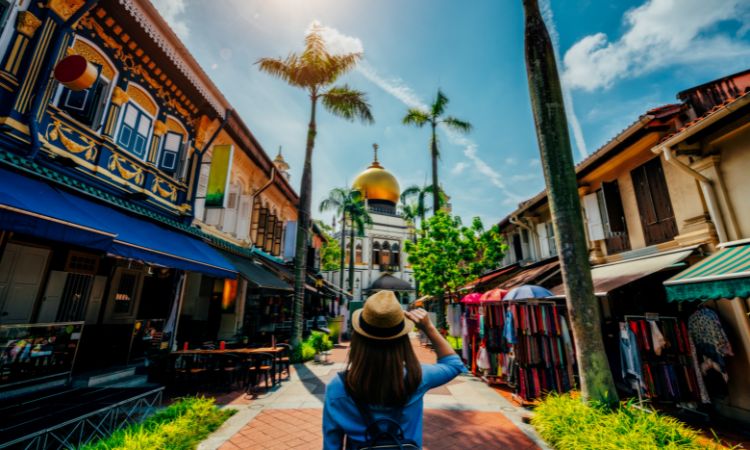
While Pruszków is quieter than Warsaw, it offers a lively yet relaxed café and bar scene where locals unwind after work or gather on weekends. Starting with daytime spots, numerous cafés serve specialty coffee, tea varieties, and homemade pastries. Interiors range from cozy nooks with comfortable seating to modern designs with communal tables. Many cafés provide free Wi-Fi, making them suitable for remote work or casual meetings. Seasonal beverages—iced coffees in summer, spiced lattes in cooler months—enhance the café experience.For cake enthusiasts, patisseries present slices of sernik, chocolate tortes, and fruit tarts. Pair these with herbal or fruit-infused teas, often brewed with local herbs or fruits. Some cafés also offer light lunch options: salads featuring regional produce, sandwiches on freshly baked bread, or soup of the day showcasing seasonal ingredients.As evening approaches, bars and pubs open for socializing. Craft beer bars in Pruszków serve a selection of Polish and international brews on tap or in bottles. Tasting flights allow sampling multiple varieties, complemented by bar snacks like pretzels, cheese plates, or local sausages. Knowledgeable bartenders recommend pairings and share insights into microbrewery trends in Poland.Cocktail bars, though fewer than in major cities, offer creative drinks incorporating local spirits such as Polish vodka or regional liqueurs. Mixologists may experiment with infusions of herbs or fruits native to the Mazovian region, creating signature cocktails that reflect local flavors. For a relaxed atmosphere, outdoor seating at select venues allows guests to enjoy pleasant evenings during warmer months.Live music events occur periodically in bars or community cultural centers—acoustic performances, jazz evenings, or themed nights celebrating Polish folk music with modern arrangements. These events attract both locals and visitors, fostering convivial atmospheres. Checking local event listings helps plan visits coinciding with live performances or quiz nights.For a glimpse of the local nightlife scene, small clubs or event spaces host DJ sets or dance nights on weekends, catering to younger crowds. These venues maintain a friendly, less crowded environment compared to major urban centers, offering an authentic taste of regional social life.Wine bars and tasting events occasionally feature Polish or international wines. Guided tastings introduce guests to wine pairing principles and local adaptations—some winemakers in Poland are gaining recognition for fruit wines or experimental vintages. Non-alcoholic beverage bars present artisanal mocktails, fresh juices, and specialty teas, catering to varied preferences.Social gatherings in Pruszków often center around board game cafés or themed nights at cultural centers; these venues combine light refreshments with interactive entertainment, ideal for families or groups seeking relaxed fun. Joining a game night or trivia event provides opportunities to meet residents and experience community spirit.Transportation back to accommodations is straightforward: taxi services or ride-hailing apps operate at reasonable rates, and evening trains to Warsaw or nearby towns run at set intervals—though it’s advisable to check schedules in advance. For those staying locally, walking between central spots is safe and pleasant when well-lit.Overall, Pruszków’s cafés, bars, and nightlife offer a balanced mix of relaxation and entertainment. Whether savoring a morning coffee, enjoying an evening craft beer, or attending a live music night, visitors experience local culture in a comfortable environment. The scene complements daytime explorations, ensuring varied experiences across the day and into the evening..
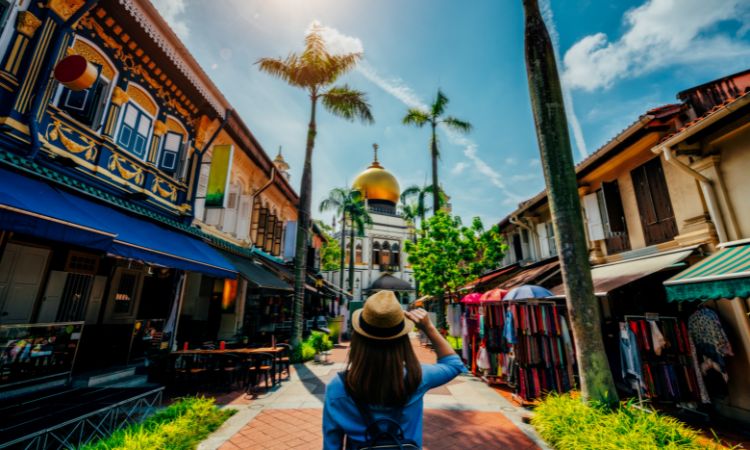
Pruszków’s excellent connectivity makes it a perfect base for day trips to Warsaw and nearby attractions. The quick train ride to Warsaw opens up a wealth of experiences: explore the historic Old Town with its cobblestone streets, the Royal Castle, and colorful townhouses; stroll through Łazienki Park to see the Palace on the Isle and watch peacocks roam; visit museums such as the Warsaw Uprising Museum or the POLIN Museum of the History of Polish Jews. Returning to Pruszków in the evening allows you to avoid city-center accommodation costs while still experiencing the capital’s vibrancy.Beyond central Warsaw, the city’s modern districts offer shopping experiences in large malls, multicultural dining in diverse neighborhoods, and entertainment venues like cinemas or theatres. Business travelers benefit from conferences or exhibitions held in Warsaw, with Pruszków as a quieter alternative for lodging.Other nearby destinations within easy reach include Żyrardów, a historic textile town with well-preserved industrial architecture and pedestrian zones ideal for walking tours; Kampinos National Park, reachable by car or guided tour, offers forest landscapes, wetlands, and wildlife observation, perfect for nature escapes; and Konstancin-Jeziorna, known for health spas, historic villas, and serene parks. Renting a car or joining organized tours facilitates exploration of these surrounding gems.Seasonal excursions include visiting flower fields in spring or attending outdoor festivals in small towns around Warsaw. In autumn, countryside drives showcase changing foliage, and local harvest festivals celebrate produce. Winter trips might involve ice-skating rinks in Warsaw or nearby towns, or visiting Christmas markets offering festive treats and crafts.Cultural routes such as “Mazovian Open-Air Museums” showcase traditional wooden architecture, folk heritage, and regional crafts. These living museums often arrange demonstrations of traditional skills—blacksmithing, weaving, or pottery—offering interactive insights. Participating in workshops or guided tours at these sites deepens understanding of regional history.For families, theme parks or interactive science centers near Warsaw can fill a day. Comfortable morning departure from Pruszków, followed by afternoon return, keeps children engaged without the need for multiple-night stays in larger cities. Senior travelers can join guided heritage tours focusing on architecture, art, or local legends, benefiting from easy logistics.Food-focused excursions include discovering regional wineries or cider houses outside Warsaw, sampling local beverages paired with light meals, and learning about production methods. Some tours combine visits to producers with scenic drives through the countryside.Whether you prefer independent exploration using train or car, or organized day tours, Pruszków’s location makes it a gateway to a variety of experiences in Warsaw and its surroundings. Each excursion enriches your understanding of Poland’s diverse landscapes—urban, historical, natural—and returns you to the comfort and affordability of Pruszków in the evening.
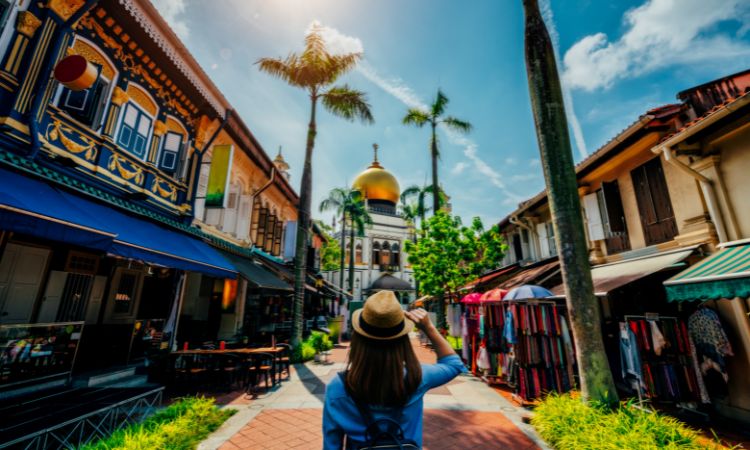
While Pruszków is ideal for day trips, it also serves as a springboard for weekend getaways deeper into Poland’s heartland. Renting a car or using regional transport allows planning short breaks to destinations within 2–3 hours. One popular option is to head north toward Toruń, the birthplace of Copernicus, known for its well-preserved medieval Old Town and gingerbread traditions. A weekend trip includes strolling along historic streets, visiting the Copernicus Museum, and tasting local specialties. Accommodation in Toruń can range from boutique guesthouses in restored buildings to riverside hotels, making for a comfortable overnight stay before returning to Pruszków.Southward, excursions to the Lublin region reveal charming Renaissance towns like Zamość—often called the “ideal city” for its layout—offering a mix of architectural beauty and culinary delights. Sampling regional dishes, exploring colorful market squares, and enjoying relaxed café culture provide a refreshing contrast. Similarly, weekend trips to Kazimierz Dolny on the Vistula River combine art galleries, riverside walks, and serene landscapes; its small size means leisurely exploration and easy overnight stays in guesthouses or boutique accommodations.For nature-oriented breaks, drive east to Białowieża Forest (longer drive but rewarding for wildlife enthusiasts) or head to Mazurian Lake District for lakeside relaxation, boating, and scenic villages. These trips may require planning accommodations in advance, especially during peak seasons, but offer memorable escapes into Poland’s renowned natural areas.Shorter weekend trips include visiting Ciechanów with its medieval castle ruins, or Modlin Fortress near Warsaw for history buffs interested in Napoleonic-era fortifications. These destinations combine interesting heritage sites with local eateries serving regional fare. Return to Pruszków on Sunday evening refreshed and ready for the week ahead.Winter weekends might focus on mountain regions: head south to the Tatras for skiing or hiking, staying in Zakopane. Though farther, Poland’s efficient transport or rental car options make such trips possible with careful planning—depart Friday evening or early Saturday morning and return Sunday night. Seasonal activities include skiing, spa treatments in mountain resorts, and exploring highlander culture.Wine and food-themed weekends are emerging: small wineries or cider producers in regions within a few hours drive open their doors for tastings and farm stays. These experiences combine culinary exploration with rural ambiance, often including homestay accommodations or agritourism farms where guests participate in harvest activities.Organizing weekend getaways from Pruszków involves balancing travel time and desired experiences. For travelers preferring guided tours, local agencies can suggest itineraries and handle logistics. Independent travelers benefit from planning accommodations and transport in advance, especially during holidays. Returning to Pruszków each weekend keeps base costs lower and provides familiarity after diverse short trips.In conclusion, Pruszków’s location and connectivity enable a spectrum of weekend escapes—from historic towns to natural retreats—each adding depth to your Polish journey. Planning these getaways enhances the overall travel experience, combining the comfort of a stable home base in Pruszków with the adventure of exploring the country’s varied regions.
No ads. No trails. No commitments


Alice Roses
London, England
51 ST MATTHIAS ROAD
NOTTINGHAM, NOTTINGHAMSHIRE
NG3 2HF
Hours: 8:00 - 17:00, Mon - Sat
support@johnsonholidays.com