 Petrovac Travel
Guide
Petrovac Travel
Guide
Paris is known around the world as the “capital of love,” and even if you don't understand the history of Paris at all

3 Hours
£1.80
Petrovac’s appeal lies in its intimate scale and authentic ambiance. Unlike larger resorts, it retains a genuine coastal village character, with pastel-coloured buildings, family-run cafés, and a gently curving promenade overlooking a sheltered bay. This unhurried atmosphere allows visitors to truly unwind: mornings can be spent sipping coffee while watching fishing boats glide in, and afternoons wandering narrow streets lined with local shops. The absence of high-rise developments ensures the skyline remains open to mountain and sea views. For travellers seeking immersion in Montenegrin seaside culture rather than a crowded tourist hub, Petrovac offers a perfect balance: an environment that feels both welcoming and refreshingly unspoilt.
Learn More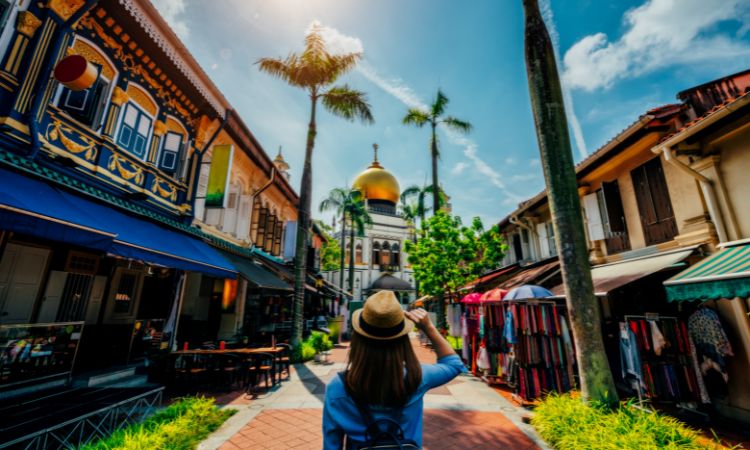
Petrovac’s beaches are among its primary draws: golden sand gently slopes into clear, calm Adriatic waters ideal for swimming, paddleboarding, or snorkelling. The main beach is family-friendly, with shallow depths close to shore, making it safe for children. Nearby coves shielded by rocky outcrops invite those seeking a bit more privacy. Underwater enthusiasts will appreciate the gradual marine life reveal near these rocks, where colourful fish and sea flora can be spotted. Sunbeds and umbrellas are available in peak season, but for a more authentic feel, many travellers prefer to spread a towel on the sand and enjoy the natural setting. As evening light bathes the bay in warm hues, the beach transforms into a tranquil spot for sunset views.
Learn More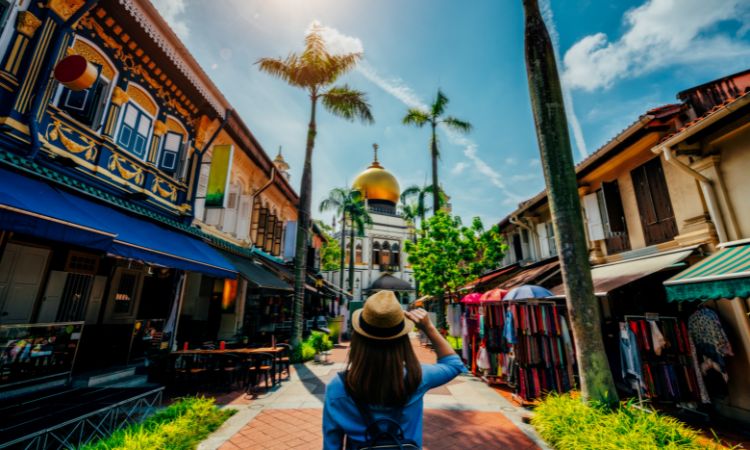
Petrovac holds historical significance dating back centuries, evidenced by the remains of a medieval fortress perched above the town. A short walk uphill leads to panoramic viewpoints where visitors can reflect on the region’s past, from Venetian influences to Ottoman-era touches. The town itself bears traces of traditional Montenegrin architecture, and local families often share stories or demonstrate crafts in small workshops. Seasonal festivals showcase folk music, dance, and gastronomy, allowing travellers to connect with local heritage. Museum visits may be modest in scale but meaningful in insight, offering glimpses into coastal life through the ages. This blend of history and living culture enriches a holiday beyond sunbathing, inviting deeper exploration and appreciation of Montenegrin roots.
Learn More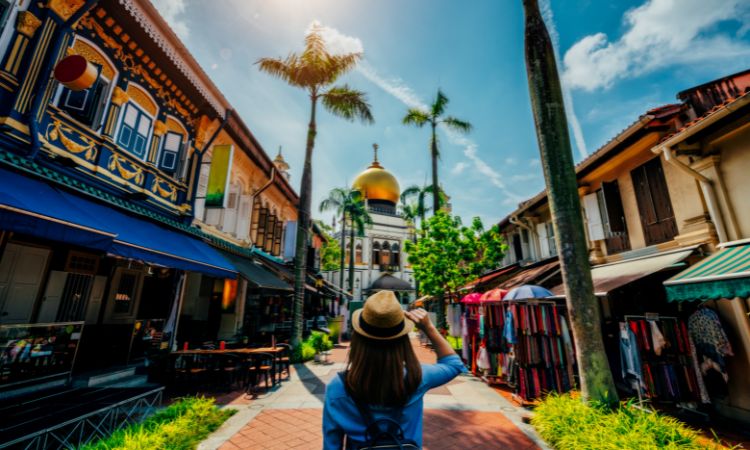
Montenegro remains one of Europe’s more affordable coastal destinations, and Petrovac is no exception. Accommodation ranges from budget-friendly guesthouses to mid-range hotels offering sea-view rooms, all at prices that translate favourably into British pounds. Dining out—whether sampling grilled fish by the water’s edge or enjoying hearty local dishes in a family-run konoba—often costs less than comparable settings in Western Europe. Even activities such as boat trips, guided hikes, or water sports maintain reasonable rates. This affordability does not come at the expense of quality: many services are delivered with genuine Montenegrin hospitality, and facilities are well maintained. For travellers seeking value without sacrificing comfort or authenticity, Petrovac represents an excellent choice.
Learn More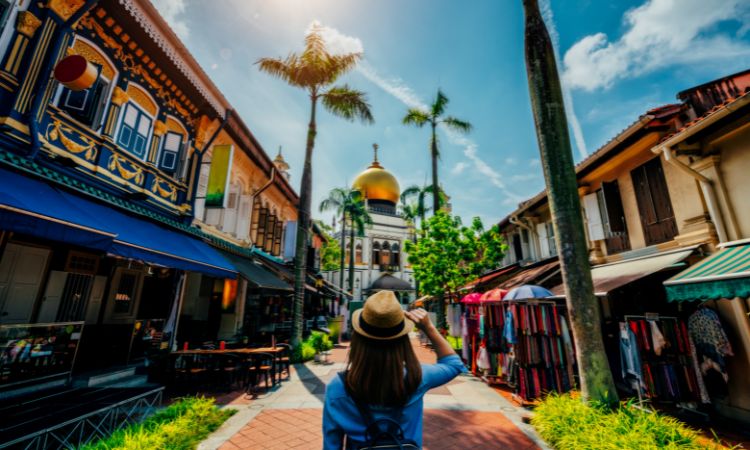
Positioned strategically on Montenegro’s Adriatic coast, Petrovac is an excellent base for day trips. Nearby Budva, with its medieval Old Town and vibrant nightlife, is a short drive away, while the scenic Bay of Kotor lies within reach for those keen to explore UNESCO-listed fjord-like landscapes. Inland, the Lovćen and Skadar Lake national parks offer opportunities for hiking, wildlife spotting, and cultural immersion in mountain villages. Local tour operators and transport services facilitate excursions, but self-drive options also appeal to independent travellers. After full-day adventures, returning to Petrovac’s tranquil shores provides a restful contrast. This combination of easy access to region-wide highlights alongside local serenity makes Petrovac a smart choice for diverse itineraries.
Learn More
Guests in Petrovac often remark on the genuine warmth of local hosts, from guesthouse owners offering homemade breakfasts to restaurant staff recommending seasonal specialties. Montenegrin cuisine in Petrovac emphasizes fresh seafood, olive oil, locally grown vegetables, and regional cheeses. Dining experiences range from seaside taverns serving just-caught fish to cosy eateries featuring hearty stews and vegetarian options. Wine lovers can sample Montenegrin varietals, often offered at favourable rates when converted to British pounds. Beyond food, locals are keen to share insights into traditions, customs, and hidden gems in the area. This personal touch elevates the holiday experience, creating lasting memories of Montenegrin friendliness and flavour.
Learn More
Lorem ipsum dolor, sit amet consectetur adipisicing elit. At illo adipisci iusto
From

Because more than 268 other customers have loved us too

Demonstrates commitment to user data security through encryption and secure payment practices
Learn More
Demonstrates commitment to user data security through encryption and secure payment practices
Learn More
Demonstrates commitment to user data security through encryption and secure payment practices
Learn More
Demonstrates commitment to user data security through encryption and secure payment practices
Learn More
Quality as judged by customers. Book at the ideal price!


/ person
/ person
/ person
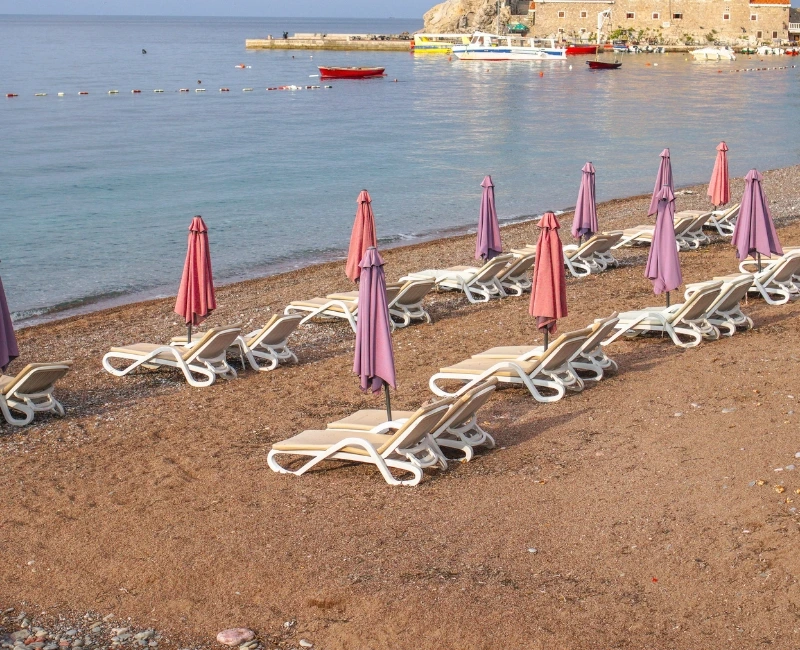
Petrovac’s shoreline is the heart of any visit, boasting a main sandy beach that curves gently along a sheltered bay. This beach is renowned for its fine golden sand and shallow waters, making it particularly family-friendly. Early mornings offer peaceful moments as local fishermen cast nets and sea gulls circle overhead, while mid-mornings bring gentle activity: paddleboarders gliding on clear waters and sunseekers arranging towels and umbrellas. The beachfront has basic facilities—sunbeds, umbrellas, and nearby cafés—yet retains an unhurried, natural feel without overcrowding high-rise developments.For travellers seeking quieter spots, explore adjacent coves accessible by short walking paths or by small boat excursions. These hidden inlets feature pebbly patches interspersed with sand, offering more privacy. Snorkelling near rocky outcrops reveals a modest underwater world where small fish and sea flora thrive. Bring water shoes for comfort when entering water near rocks. As the sun moves westward, shaded sections under olive trees on nearby slopes provide a cool retreat; here, you can relax on a towel or read a book to the gentle sound of waves.Sunset on Petrovac beach is a memorable sight: the sky often transforms into pastel hues, reflecting off calm waters. Evening strollers enjoy the promenade’s gentle breeze, where benches and low walls offer vantage points to watch dusk unfold. For photography enthusiasts, this time yields the best light, capturing silhouettes of boats anchored in the bay.Seasonal rhythms affect beach life: July and August see a livelier atmosphere with more families and couples, while June and September offer a quieter vibe with slightly cooler water but still pleasant temperatures. Outside peak months, the beach is serene but may lack full service provisions; however, this can be ideal for travellers seeking solitude and a deeper connection with nature. Regardless of timing, packing beach essentials—sun protection, reusable water bottle, snorkelling gear if desired—ensures enjoyment.Finally, Petrovac’s beach connects to local eateries and ice-cream stands, so a mid-day break sampling Montenegrin snacks or a refreshing gelato can be part of the beach routine. Whether you spend an entire day basking in sun and sea or combine beach visits with other activities, Petrovac’s coastal offerings form the cornerstone of a memorable Adriatic holiday.
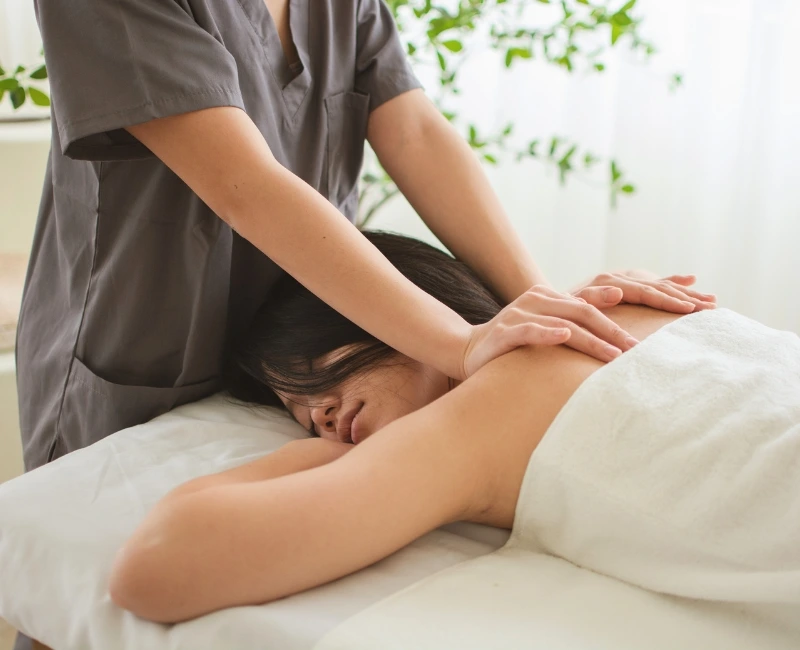
Beyond sunbathing, Petrovac provides several relaxation and wellness experiences that cater to travellers aiming to unwind fully. Many mid-range and upscale hotels include spa facilities offering massages, aromatherapy treatments, and occasional wellness packages. These treatments often incorporate local ingredients, such as olive oil-based scrubs or herb-infused oils, providing a sense of place while nourishing the body. Booking in advance during peak season is advisable, as spa appointments can fill up quickly.For those preferring outdoor relaxation, yoga or stretching sessions by the seafront at dawn or dusk are occasionally organized by local instructors or hotel partners. Practising gentle yoga with the sound of lapping waves and view of the rising sun fosters mindfulness and a calm state. If formal classes are unavailable, travellers can use a beach towel or portable mat for self-led routines, guided by online resources, to enjoy gentle movement and breathing exercises overlooking the bay.Walking along scenic coastal trails that connect Petrovac to neighbouring seaside villages offers another form of wellness: combining light exercise with restorative sea views. These paths may wind through olive groves and pine-scented air, providing a soothing environment. Early morning or late afternoon walks avoid midday heat and reward visitors with soft light and quieter surroundings. Stop at a shaded spot for meditation or simply pause to appreciate the vista.Many guesthouses include breakfasts featuring fresh, locally sourced items: homemade bread, cheeses, yoghurt, seasonal fruits, and locally produced honey. Starting the day with wholesome food supports a sense of well-being. Lunchtime light meals might include salads with local olive oil, grilled vegetables, or seafood dishes rich in nutrients and flavour. Enjoying meals slowly on terraces overlooking the sea enhances relaxation. For a treat, sample Montenegrin herbal teas, sometimes offered after meals to aid digestion.Sound therapy is another understated wellness activity: sitting quietly on a secluded part of the beach, listening to gentle waves and wind in pine trees, creates natural soundscapes that soothe the mind. This immersive listening can feel restorative after busy travel or daily stress. Consider bringing noise-cancelling earphones to amplify nature’s sounds without distraction.In cooler months, wellness may involve indoor activities such as visiting local hammams or steam rooms in nearby larger towns, combined with cultural experiences like art exhibitions or traditional craft workshops. Engaging the mind in creative pursuits can contribute to overall relaxation, offering a break from screens and routine.Finally, digital detox is easy in Petrovac: while basic connectivity exists, travellers can choose to limit device use, focusing instead on present-moment experiences—beach walks, reading a book, journaling feelings by the sea, or enjoying unhurried conversations with companions or locals. This mindful approach often leaves visitors returning home with a refreshed perspective. By blending spa treatments, gentle movement, wholesome eating, and nature immersion, Petrovac provides a holistic relaxation and wellness retreat on Montenegro’s Adriatic coast.
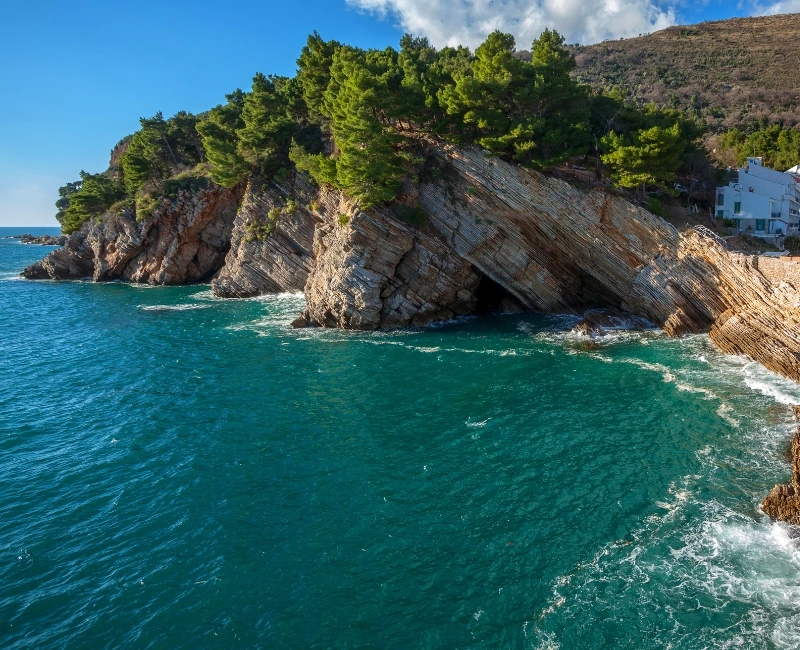
Petrovac’s setting between the Adriatic Sea and verdant hills offers accessible hiking and nature experiences suited to varying fitness levels. Nearby coastal trails lead to viewpoints overlooking the bay and beyond, revealing a patchwork of olive groves, pine forests, and azure waters. A popular route begins at Petrovac’s promenade, following a scenic path toward Buljarica Beach—a longer stretch of sand often less crowded. The terrain alternates between gentle inclines and flat sections, taking walkers past rocky coves and panoramic overlooks. Pack water, wear comfortable walking shoes, and consider scheduling early in the morning or late afternoon to avoid midday heat.For more challenging hikes, arrange guided excursions into the hinterland, where trails ascend into foothills offering sweeping vistas of Montenegro’s coastline and interior. These hikes may pass through small villages, orchards, and vineyards, providing insight into rural life. Guides can share knowledge of local flora and fauna, pointing out endemic plant species or birdlife. Seasonal considerations matter: spring brings wildflowers carpeting hillside meadows, while autumn offers cooler temperatures and colourful foliage.Nature enthusiasts might explore Skadar Lake National Park on a day trip from Petrovac. Though not a hike from the town itself, organised tours or self-drive options allow interaction with wetlands, boat-based bird-watching, and shoreline walks. Observing rare waterfowl and enjoying peaceful lake scenery complements coastal experiences.Back in Petrovac, shorter nature trails wind through olive groves behind the town. These paths are often unmarked but can be discovered through local suggestions; map apps may help but seek local advice to avoid straying onto private land. Walking among ancient olive trees at sunrise or sunset provides a serene experience, accompanied by the scent of herbs and pine.Safety considerations: carry a small first-aid kit, inform someone of your planned route, and check local weather forecasts. In high summer, start early to avoid heat, and always carry sunscreen and sufficient fluids. In cooler or shoulder seasons, layering is key as temperatures can vary significantly with elevation.Combine hiking with cultural stops: pause at a hillside church or historic lookout, where remnants of stone structures hint at past strategic importance. Photographing these sites yields memorable travel snapshots. For families, choose shorter loops offering varied scenery without extreme elevation.After a day of outdoor activity, return to Petrovac for a well-earned rest: enjoy a hearty meal of grilled fish or local vegetable stew, replenishing energy. A relaxed swim or spa treatment can soothe tired muscles. Reflecting on the day’s journey while watching the sun set over the Adriatic reinforces the connection between nature and relaxation.Overall, hiking and nature trails around Petrovac cater to both casual walkers and more adventurous trekkers, providing rewarding views, cultural insights, and a sense of exploration. Whether you seek a gentle morning stroll by the sea or a challenging hike into Montenegrin hills, Petrovac serves as an inviting gateway to outdoor adventures.
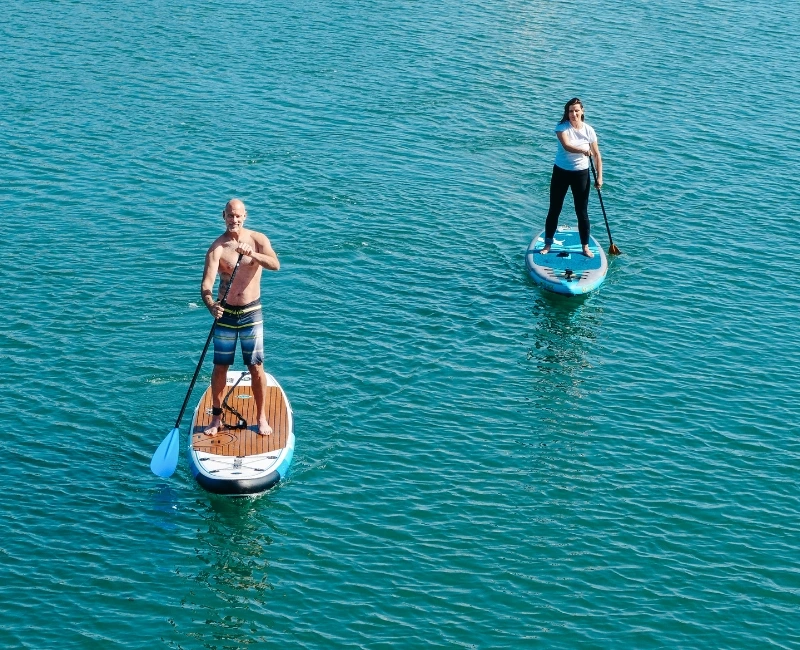
For active travellers, Petrovac offers a selection of water sports and seaside activities that complement its tranquil beach setting. The calm bay waters are ideal for paddleboarding and kayaking: beginners can rent paddleboards or kayaks from local providers and explore the sheltered shoreline at a leisurely pace. Gliding over clear waters reveals underwater features near rocky areas, adding an exploratory dimension. Guided kayaking tours may take you to nearby coves or even along parts of the coast less accessible on foot, integrating light exercise with scenic discovery.Snorkelling is another rewarding pursuit in Petrovac. Bring or rent basic snorkel gear to observe small fish and marine life around rock formations near the bay. While Montenegro’s Adriatic isn’t known for coral reefs, the clarity of water and presence of colourful sea fauna create enjoyable underwater experiences. For scuba diving enthusiasts, dive centres in nearby larger towns can arrange excursions to deeper sites, though these typically require a short transfer. Such dives may reveal shipwreck remains or underwater topography inhabited by diverse species.Boat excursions are popular: short boat trips along the coast allow visitors to reach secluded beaches or hidden grottos. Many providers offer half-day outings combining swimming stops and seafood picnics prepared onboard. These experiences showcase Montenegro’s coastline from a different perspective and cater to families and couples alike. Booking through reputable operators ensures safety and local expertise, with prices often favourable when shown in British pounds.Fishing trips are available for those interested in angling: join local fishermen for morning or afternoon outings, learning traditional techniques and perhaps catching dinner. These experiences provide insight into coastal livelihoods and a hands-on connection to the sea. Bring appropriate clothing for sun protection and motion comfort, and confirm in advance what equipment is provided.For thrill-seekers, jet ski rental may be offered in peak season, but check local regulations and safety guidelines. Alternatively, parasailing or banana boat rides deliver adrenaline plus aerial views of Petrovac’s bay. Always choose operators with safety equipment—life jackets and clear instructions.Wind conditions in Petrovac are generally mild, so windsurfing or kitesurfing are less common than in windier Adriatic spots; however, beginner lessons might be available when conditions permit. Yoga on paddleboards combines balance challenge with wellness benefits and can sometimes be arranged by local instructors.In all activities, prioritise safety: wear life jackets, heed local advice, and check weather forecasts. Booking early in the season ensures availability; peak months see higher demand. Many providers accept payment in euros, but communicating costs in British pounds helps UK travellers budget accurately.After an active day on water, relax with a seaside dinner sampling grilled fish or pasta with seafood, replenishing energy. Reflect on the day’s adventure as you watch the sun dip below the horizon. Water sports in Petrovac add a dynamic dimension to a coastal holiday, blending excitement with scenic beauty and local traditions.
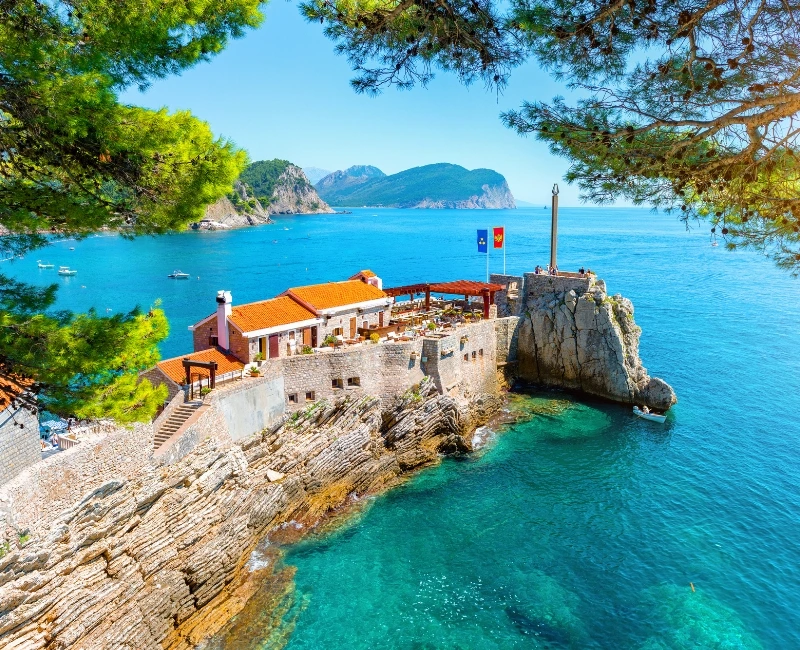
Petrovac’s historical dimension may not be as extensive as larger Montenegrin cities, but it offers meaningful glimpses into coastal heritage. The most prominent site is Petrovac Fortress (also known as Kastio), perched on a rocky hill overlooking the bay. Accessible via a moderate uphill walk from the town centre, the fortress dates back to medieval times and was later adapted by Venetian rulers. Ruins of stone walls and towers afford panoramic views of the Adriatic, nearby beaches, and rising hills. Exploring these remains connects visitors to centuries of maritime defence and regional trade history.Within the town, small exhibitions or local displays occasionally spotlight traditional fishing methods, olive cultivation, and artisanal crafts. While Petrovac lacks large-scale museums, guided walks often incorporate storytelling about past eras—Venetian influence, Ottoman incursions, and Montenegrin independence movements. Engaging with knowledgeable guides or hosts helps fill in historical context that might otherwise be overlooked in absence of formal museum spaces.Close by, the larger town of Budva hosts more comprehensive museums and galleries, reachable via a short drive or bus ride. A day trip there complements Petrovac’s intimate historical experience: explore Budva’s Old Town with its fortified walls, medieval churches, and archaeological artefacts. Returning to Petrovac in the late afternoon offers a quieter perspective on local heritage, allowing reflection on contrasts between small-town and larger-city histories.Cultural centres in Petrovac sometimes host workshops on traditional crafts, such as olive oil pressing demonstrations or pottery sessions reflecting Balkan motifs. Participating in such workshops provides hands-on insight into local livelihoods and creative traditions. Seasonal festivals celebrate folk music and dance, often held outdoors near the promenade or adjacent spaces; attending these events immerses travellers in living culture rather than static displays.Architecture in Petrovac is modest but telling: seaside villas built in early 20th century styles stand alongside modern low-rise accommodations designed with local materials and colours. Noticing architectural details—stone facades, wooden shutters, terracotta roofs—offers clues to aesthetic preferences and practical adaptations to climate.For literature enthusiasts, reading Montenegrin poetry or folklore before visiting enriches the experience: hearing local anecdotes on-site resonates with landscape and traditions. Some guesthouses or cafés may keep small libraries of regional books in translation, providing quiet reading corners.Photographers find Petrovac’s historical sites appealing for capturing layered scenes: fortress remnants against sea vistas, old stone buildings contrasting with modern life, or cultural events under open skies. These images serve both as mementos and as visual reflections on continuity and change.In summary, Petrovac’s historical and museum offerings encourage a blend of self-guided exploration and small-scale cultural engagements. Though modest in scale, these experiences provide depth to a seaside holiday, allowing travellers to appreciate the layers of human presence that shape this coastal gem.
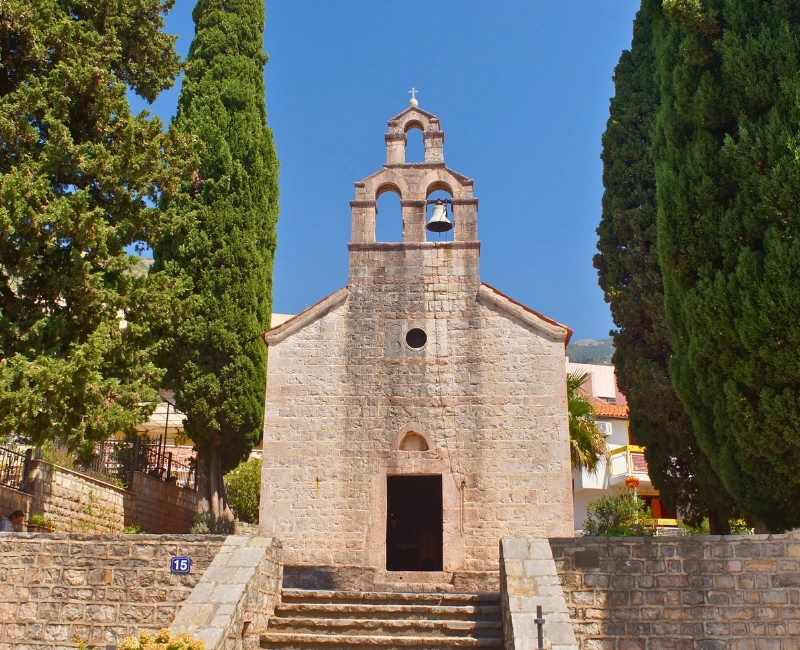
Petrovac’s calendar includes seasonal events and traditions reflecting Montenegrin coastal life. While not as frequent as in larger centres, festivals in Petrovac often emphasize intimacy and authenticity. In summer months, cultural evenings may feature folk music performances on open-air stages near the waterfront, where traditional songs and dances evoke regional history. Attending such events allows visitors to witness costumes, instruments, and rhythms that have shaped local identity. These gatherings frequently include communal meals or tastings of local specialties, providing a sensory immersion in Montenegrin hospitality.Religious celebrations linked to Orthodox Christian traditions may be observed in nearby villages; while Petrovac itself is modest in religious architecture, travellers can join small processions or attend church services to understand local spirituality. Respectful observation of customs—dressing modestly for church visits, listening to chants—enriches cultural awareness. Some festivals coincide with harvest periods for olives or grapes: local families occasionally organize olive-picking gatherings or wine tastings, inviting visitors to participate. These experiences blend agricultural rhythms with communal spirit.Sea-related traditions also feature: fishermen’s blessings at the start of the season may include small ceremonies on the beach, combining prayers and symbolic offerings for safe voyages. Observing or joining these rituals offers insight into the enduring connection between residents and the Adriatic. Artisan markets sometimes pop up during summer weekends, showcasing handmade crafts: embroidery, woodwork, ceramics with Balkan motifs. Purchasing items directly from makers supports local livelihoods and encourages preservation of traditional skills.Culinary events highlight regional flavours: small food fairs may present cheese-making demonstrations, tasting of local honey, or preparation of seafood dishes. Chefs and home cooks often share family recipes passed through generations, offering travellers a chance to learn cooking techniques and ingredient stories. Participating in a cooking workshop can be a memorable highlight: imagine preparing a Montenegrin stew over a wood-fired hearth or learning to make local pastries under guidance of a resident.Language workshops or informal conversational gatherings may be organized by guesthouse hosts, teaching basic Montenegrin phrases alongside cultural context. Even simple greetings and expressions open doors to friendlier interactions and deeper appreciation of local life. Art exhibitions by regional artists occasionally take place in small galleries or community spaces, exploring coastal themes, landscapes, and contemporary issues. Viewing these works fosters understanding of how locals interpret their surroundings and heritage.Scheduling your visit to align with specific events involves checking local notices—often communicated through accommodation hosts or small tourist offices. However, flexibility is key: even if no major festival occurs during your stay, the town’s relaxed rhythm and spontaneous gatherings—improvised music sessions at cafés, group beach volleyball games, or evening gatherings on the promenade—reflect living traditions. Engaging with these moments, striking up conversations, and showing genuine interest in local stories enriches the holiday beyond typical sightseeing.Overall, Petrovac’s festivals and traditions may be understated compared to larger destinations, but their authenticity and warmth resonate strongly with travellers seeking meaningful cultural exchange. By participating in music, food, craft, and seasonal rituals, you gain insight into Montenegrin coastal life and create lasting connections that extend beyond a simple beach getaway..
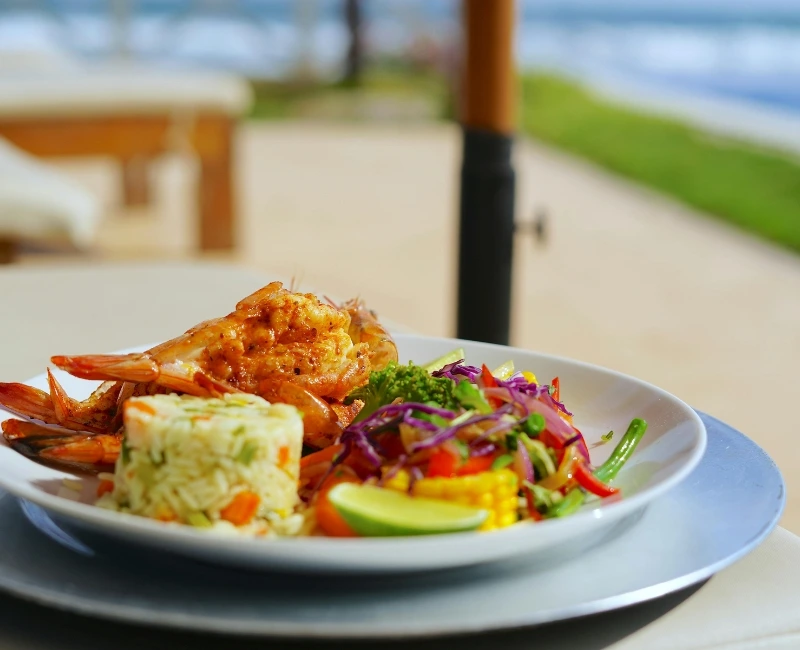
Montenegrin cuisine in Petrovac offers a delightful fusion of Mediterranean flavours, fresh seafood, and Balkan heartiness. Dining here is an essential element of any visit, with options ranging from seaside taverns serving daily catches to cosy family-run konobas offering traditional stews. Fresh fish—sea bream, sea bass, sardines—is often grilled simply with olive oil, lemon, and herbs, allowing natural flavours to shine. Ordering in British pounds equivalent ensures clarity for UK travellers: for instance, a hearty fish platter might cost around £15–£20, offering excellent value compared with Western Europe.Start your culinary exploration with a traditional Montenegrin breakfast at a local guesthouse: homemade bread or pastries, regional cheese varieties, yoghurts, honey from nearby areas, and seasonal fruits. Coffee culture is strong: enjoy a rich espresso or cappuccino on a terrace overlooking the bay as the town wakes up. For lunch, lighter fare such as salads featuring fresh tomatoes, cucumbers, olives, and grilled vegetables pairs well with local olive oil and bread. Vegetarian options are available, though fish and meat often dominate menus.Dinner in Petrovac can be an experience: choose a seaside restaurant with tables under string lights, listening to gentle waves while sampling dishes like squid risotto or pasta with clams. Montenegrin wines, often produced in nearby regions, complement meals; try a crisp white or a light red, with prices translating favourably (e.g., a bottle for £12–£18). Don’t miss local specialties such as kacamak (cornmeal and potato dish) or slow-cooked lamb in rural-style eateries slightly inland. Seasonal produce influences menus: in spring, wild asparagus or mushrooms appear; in autumn, chestnuts and grapes feature in desserts or accompaniments.For a casual snack or light meal, visit bakeries offering burek (savory pastry filled with cheese or meat) or popara (bread-based dish), ideal for a quick, filling bite. Ice-cream stands along the promenade serve homemade flavours—pear, fig, or honey-infused gelato—perfect for cooling off after a beach morning. Fresh juices and smoothies using local fruits provide healthy refreshment.Some restaurants host themed evenings: seafood nights, barbecue events, or live music accompanying dinner. These gatherings foster convivial atmosphere and introduce travellers to Montenegrin social dining traditions. Ask locals or accommodation hosts about special events during your stay. Booking ahead is recommended for popular establishments in peak season, ensuring a table with best views.For those keen to cook, cooking classes or workshops may be arranged through local hosts: learn to prepare a Montenegrin salad, grill seafood properly, or bake traditional pastries. Bringing back these skills enhances long-term memories of Petrovac’s flavours and can impress friends at home.Late evenings in Petrovac are generally relaxed: a leisurely drink at a seaside bar, sampling local beers or cocktails with a Montenegrin twist. Many bars offer comfortable seating overlooking the water, where conversation and gentle music define the nighttime vibe rather than loud clubs. For a sweeter finish, try a local dessert such as baklava or a seasonal fruit tart, paired with tea or coffee.Overall, Petrovac’s culinary scene balances simplicity with authenticity, prioritizing fresh ingredients, friendly service, and scenic settings. Whether savouring grilled fish by the sea or learning traditional recipes, food in Petrovac is a gateway to Montenegrin culture and an integral part of your coastal holiday.
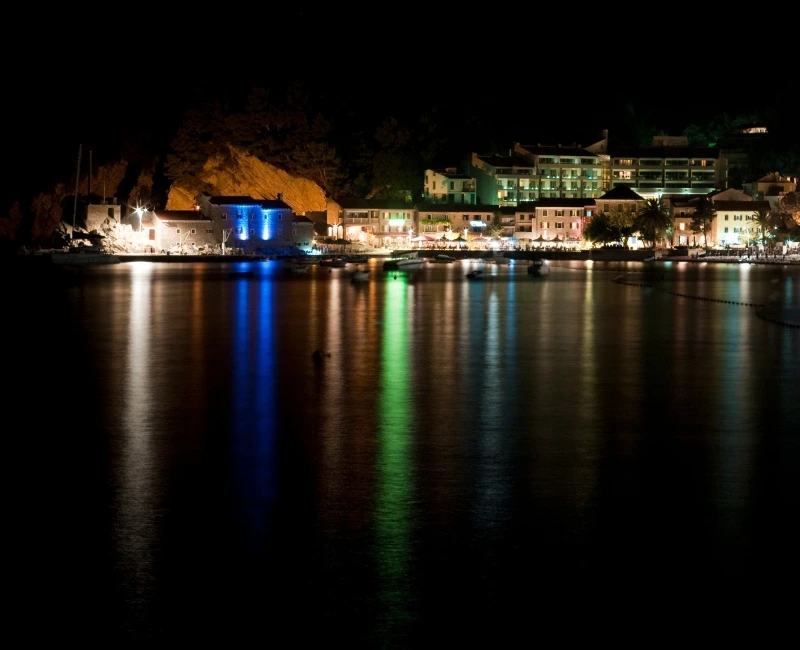
Petrovac’s nightlife is understated yet inviting, focusing on relaxed socialising rather than high-energy partying. As evening falls, the promenade lights illuminate seaside cafés and bars where locals and visitors mingle over drinks. Early evenings might begin with a glass of Montenegrin wine at a terrace overlooking the bay, accompanied by tapas-style snacks or small plates of cheese and olives. Prices, displayed in euros but easily converted to British pounds (e.g., a glass of wine for around £3–£4), support leisurely sipping without concern for overspending.Cafés remain open into early evening, offering coffee variations and desserts: imagine enjoying a rich espresso paired with homemade cake as gentle music plays in the background. These settings suit travellers wishing to wind down after a beach day or sightseeing. Free Wi-Fi is often available but many guests prefer to enjoy conversation and ambiance. Some cafés host live acoustic music nights—local guitar or piano performances—that add cultural flavor to the evening without overwhelming volume.Bars in Petrovac focus on quality rather than quantity: craft beers (including Montenegrin microbrews) appear on tap or in bottles, giving beer enthusiasts a chance to sample regional brews. Cocktails may feature local spirits such as rakija (fruit brandy), mixed with fresh juices or herbs, offering a distinct taste of Montenegro. Bartenders often engage in friendly conversation, recommending drink pairings or sharing tidbits about local ingredients.Occasionally, beachfront venues host themed events: DJ sets with chill-out music, sunset parties with light entertainment, or wine-tasting evenings pairing local vintages with appetizers. These events are typically low-key, attracting those seeking ambiance rather than club-style dancing. Check with accommodation hosts or local noticeboards for schedules; booking may be required for special evenings.For travellers desiring a livelier scene, a short trip to nearby Budva offers more energetic nightlife, including nightclubs and late-night bars. However, many return to Petrovac afterwards to enjoy its peaceful early-morning atmosphere. In Petrovac itself, late-night strolls along the empty promenade under starlight create a serene experience, with the sound of gentle waves as accompaniment.Social gatherings often centre around sharing drinks and conversation. If staying in a guesthouse or small hotel, hosts may invite guests for informal evenings featuring homemade rakija tastings or storytelling sessions about local traditions. Participating in these gatherings provides authentic insight and memorable personal connections.Safety and respect are inherent in Petrovac’s nightlife culture: venues close at reasonable hours, and noise levels remain moderate, respecting both travellers and residents. Dress codes lean casual, reflecting the town’s laid-back vibe.In summary, Petrovac’s bars and cafés offer relaxing environments for unwinding with good drinks, light entertainment, and scenic views. Nightlife here is about enjoying moments rather than seeking high-energy scenes; it complements the overall tranquil charm of Petrovac, ensuring evenings feel as restorative and authentic as daytime activities.
No ads. No trails. No commitments


Alice Roses
London, England
51 ST MATTHIAS ROAD
NOTTINGHAM, NOTTINGHAMSHIRE
NG3 2HF
Hours: 8:00 - 17:00, Mon - Sat
support@johnsonholidays.com