
 Monastir Travel
Guide
Monastir Travel
Guide
Paris is known around the world as the “capital of love,” and even if you don't understand the history of Paris at all

3.5 Hours
£2.00
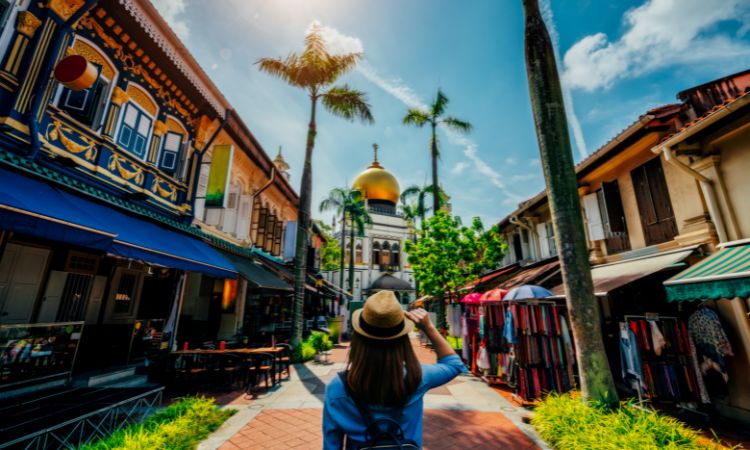
Monastir’s heritage spans more than a millennium, anchored by its remarkable ribat (fortress) built in the 8th century. Visiting this fortress reveals layers of history: from its defensive towers overlooking the Mediterranean to quiet inner courtyards where prayers once echoed. Nearby mausoleums honor influential figures, and Islamic architecture throughout the town reflects artistic traditions passed through generations. Booking a stay in Monastir offers an immersive journey through time: guided tours illuminate the region’s role in maritime trade, early Islamic expansion, and cultural exchanges across the Mediterranean. Beyond organized tours, simply wandering the winding streets of the medina reveals hidden corners—artisan workshops handcrafting pottery or textiles, historic fountains, and local life unfolding in street-side cafés. History aficionados will find endless fascination; even casual visitors will sense the depth and resonance of a town that has witnessed centuries of change yet retains its authentic spirit.
Learn More
Monastir’s coastline features golden sands lapped by clear turquoise waters, ideal for sunbathing, swimming, and water sports. Beachfront areas near the city combine convenience with natural beauty: loungers under umbrellas, nearby cafés serving cold drinks, and lifeguard-supervised zones for peace of mind. For those seeking quieter stretches, short drives along the 50 km radius reveal secluded coves where the hum of daily life fades into the gentle rhythm of waves. Water activities abound: snorkelling among coastal rocks, paddle-boarding in calm bays, or windsurfing when the breeze picks up. Families appreciate shallow waters and well-maintained facilities; couples enjoy romantic sunset strolls along the shore. The sea’s allure is a constant companion, whether you start the day with a sunrise swim or unwind after exploring historic sites.
Learn More
Tunisian cuisine blends Mediterranean freshness with North African spices, and Monastir offers an authentic taste adventure. Local restaurants feature grilled fish and seafood caught fresh that morning, served alongside seasoned couscous, grilled vegetables, and harissa-spiced sauces. Street markets overflow with ripe olives, dates, and sweet pastries perfumed with orange blossom water. Cooking classes in family-run homes reveal secrets behind traditional dishes—learning to prepare brik (crispy pastry filled with egg and tuna), tajine variations, or refreshing salads. Even simple mint tea rituals convey hospitality and connection. Dining in Monastir is not just about flavours; it’s about joining local rhythms: sharing meals at mealtime, discovering neighbourhood cafés where residents gather, and sampling sweets at patisseries that have served generations. For food enthusiasts, every meal becomes a gateway to culture and community.
Learn More
Monastir’s calendar includes music festivals, cultural celebrations, and traditional markets that reflect Tunisia’s lively spirit. Seasonal festivals may showcase Andalusian music, folk dance, or contemporary performances in historic venues. Local artisans display crafts at souks, from intricately tiled ceramics to woven textiles, offering both souvenirs and insight into artisanal heritage. Engaging with local culture could involve visiting workshops, attending a Sufi music session, or participating in community-led eco-projects, such as olive grove visits during harvest season. The warmth of Tunisian hospitality shines through interactions in cafés, markets, and guided tours. Travellers benefit from off-season visits when events are smaller but intimate, while summer months bring larger festivals and outdoor concerts under starlit skies.
Learn More
Monastir is well-connected via direct flights from many European cities, with average flight times from the UK around 3 hours 30 minutes. Upon arrival at Habib Bourguiba International Airport (MIR), transfers to beachfront hotels or the city center are straightforward via taxi or pre-arranged shuttles. Road networks link Monastir to neighbouring coastal towns and inland villages, facilitating day trips without lengthy transit. Public transport options and car rentals cater to varied traveler preferences. Accommodations range from beachfront resorts with all-inclusive amenities to boutique riads near the medina; many offer airport pickup and organized excursions. This accessibility reduces travel stress, allowing more time to enjoy beaches, history, and culture.
Learn More
Monastir caters to diverse holiday types: couples seeking romantic beachfront escapes, families desiring safe, shallow-water beaches and child-friendly activities, solo travellers exploring history and culture, and groups looking for adventure sports or wellness retreats. Luxury seekers find upscale spa resorts, while budget-conscious travellers discover comfortable guesthouses. The moderate Mediterranean climate supports shoulder-season visits in spring (April–May) or autumn (September–October), ideal for those avoiding peak summer crowds. Monastir’s blend of leisure and discovery ensures each trip aligns with personal interests: from lounging by the pool to exploring desert landscapes on day trips, or engaging in local volunteer initiatives focused on coastal conservation.
Learn More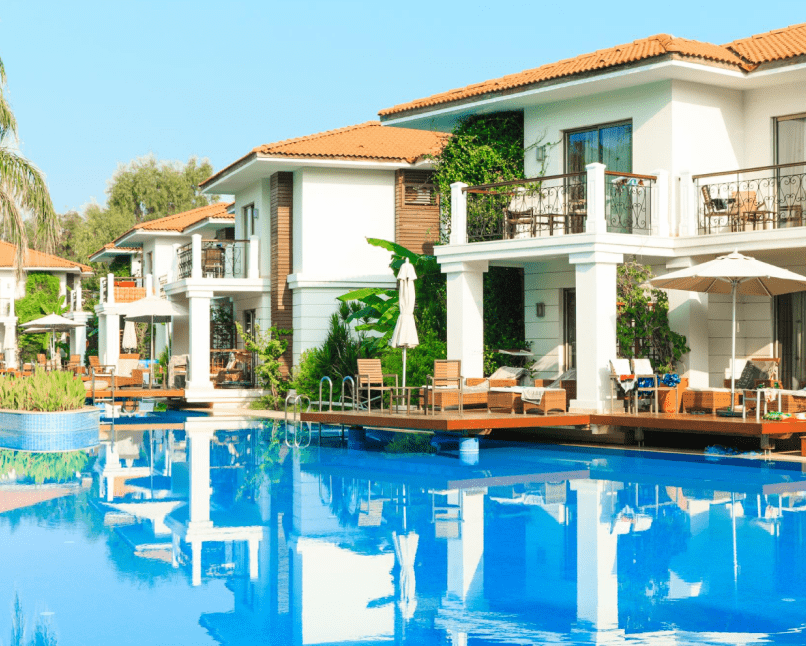
Lorem ipsum dolor, sit amet consectetur adipisicing elit. At illo adipisci iusto
From

Because more than 268 other customers have loved us too

Demonstrates commitment to user data security through encryption and secure payment practices
Learn More
Demonstrates commitment to user data security through encryption and secure payment practices
Learn More
Demonstrates commitment to user data security through encryption and secure payment practices
Learn More
Demonstrates commitment to user data security through encryption and secure payment practices
Learn More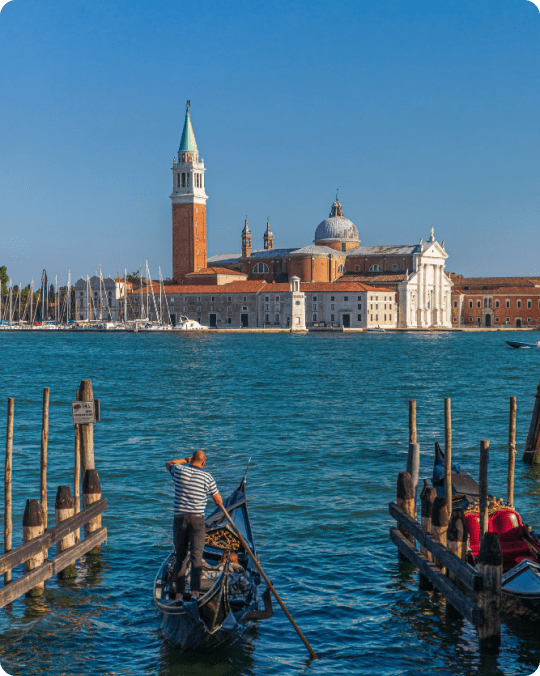
Quality as judged by customers. Book at the ideal price!


/ person
/ person
/ person

Monastir’s Ribat, founded in the 8th century, stands as a testament to North African Islamic heritage. Its massive stone walls, crenellated ramparts, and watchtowers once defended against seaborne incursions. Inside, narrow corridors lead to prayer halls where warrior‑monks gathered; from rooftop walkways, panoramic vistas unfurl across the sparkling Mediterranean, the marina’s masts, and the sweep of sandy coastline. Photographers prize the warm sandstone contrasting with an endless blue sky, especially at dawn and dusk when shadows accentuate the fortress’s geometry.Just beyond the Ribat’s outer walls, the medina’s maze of alleys pulses with traditional life. Merchants display hand‑painted ceramics, leather goods stamped with Tunisian motifs, and richly colored textiles. Haggling with shopkeepers reveals local customs and a chance to sample freshly squeezed orange juice or sweet brik pastries. The medina’s historic mosques and small mausoleums—each with ornate facades and carved doorways—invite quiet reflection on centuries of faith and artistry.Guided walking tours led by local historians illuminate Monastir’s maritime role: how Andalusian, Ottoman, and Berber influences shaped its urban fabric. But self‑guided exploration is equally rewarding. Look for hidden fountains carved from white marble, door knockers etched with geometric patterns, and glimpses of domestic life through open thresholds.By mid‑afternoon, slip into a nearby tea house for steaming mint tea served in delicate glasses alongside almond cookies. Reflect on how the Ribat’s martial history and the medina’s commercial bustle coexist in daily life. As the sun lowers, return to the Ribat’s ramparts to witness a Mediterranean sunset—fiery reds and golds igniting the fortress walls. In one day, you’ll traverse from defensive stronghold to vibrant market, immersing yourself in Monastir’s layered heritage and seeing how ancient traditions continue to shape community identity.

While Monastir captivates with its Ribat and medina, nearby sites deepen your understanding of Tunisia’s past. A 65‑kilometer drive southwest brings you to El Jem’s Roman amphitheatre, a UNESCO World Heritage treasure rivalling Rome’s own Colosseum. Its concentric tiers once held 35,000 spectators who cheered gladiators and beasts. Today, guided tours illuminate ancient engineering marvels: subterranean chambers, vaulted passageways, and the seamless curvature of stone seating.On the return journey, olive groves and small villages reveal traditional lifestyles unchanged for centuries. Stop at roadside cooperatives where families press extra‑virgin olive oil, sample three‑year‑aged honey, and demonstrate weaving techniques passed down through generations.Back in Monastir, the Bourguiba Mausoleum honors the country’s founding president with a gleaming white dome and graceful arches set amid tranquil gardens. Inside, exhibits display personal artifacts—photographs, correspondence, and state gifts—that chronicle Tunisia’s path to independence.For a deeper cultural infusion, head inland to Berber‑influenced villages. Workshops here craft pottery, carve wood, and produce artisanal textiles using natural dyes. Chatting with local families offers authentic insight into rural customs and seasonal festivals celebrating harvests or religious milestones.Whether you choose an organized tour or rent a car, these day trips balance monumental landmarks with intimate encounters. Entrance fees and guided‑tour costs vary—budget around 10 TND for El Jem and 5 TND for Bourguiba’s Mausoleum. Early departures beat midday heat and crowds, while late‑afternoon returns showcase Tunisia’s golden hour across olive‑dotted plains. Exploring beyond Monastir enriches any coastal itinerary, connecting you to Tunisia’s mosaic of civilizations.

Monastir’s coastline offers a palette of beach experiences, from well‑equipped urban sands to secluded coves. Start at the city’s popular main beach—just a ten‑minute walk from the medina—where sunbeds, umbrellas, and beachfront cafés serving iced mint tea and fruit smoothies ensure comfort. Early risers can swim in calm waters as the sun peeks over the horizon, revealing fishermen hauling nets and pastel skies mirrored on a glassy sea.As the day warms, venture south to Skanes Beach (5 km away), renowned for its shallow gradient and family‑friendly atmosphere. Rentals for kayaks and paddleboards invite gentle exploration of sheltered bays. Nearby palm‑fringed dunes offer shaded spots for picnics or nap‑breaks under olive trees.Northward, discover quieter coves accessible by car or arranged shuttle. Fine sand gives way to rocky outcrops perfect for snorkeling—vibrant fish and occasional starfish dart among submerged rocks. Local dive shops rent masks and arrange short guided dives for beginners. For an active twist, join boat excursions that skirt limestone cliffs, reveal hidden sea caves, and stop for seaside swimming in crystal‑clear water. Windsurfers and kitesurfers converge on designated zones as afternoon breezes pick up; certified schools offer lessons and equipment.Late afternoons beckon beach yoga or meditation sessions on soft sand, integrating wellness with natural beauty. As evening arrives, beachfront restaurants grill fresh catch on open coals, pairing it with salads of local olive oil–drizzled vegetables and warm khobz. Witnessing the sun sink into the Mediterranean from your seaside perch—glass of rosé in hand—captures Monastir’s timeless allure. Whether you crave organized amenities or tranquil solitude, beach‑hopping along this coast unveils varied seascapes that satisfy leisure and adventure alike.

Monastir caters to thrill‑seekers and nature lovers with diverse aquatic and coastal adventures. In the morning, windsurfing and kiteboarding schools at Skanes Beach harness steady winds—beginners learn safety basics on shallow waters, while advanced riders chase high‑speed glides across the bay. Certified instructors provide all equipment and emphasize wind‑reading techniques.For gentler pursuits, paddleboarding offers a meditative vantage: stand on a buoyant board and glide past sea‑line cliffs, spotting schools of small fish in crystal‑clear shallows. Kayak tours—solo or tandem—wind through hidden inlets, with local guides narrating coastal folklore and ecological highlights.Below the surface, snorkeling excursions introduce vibrant marine life: damselfish, parrotfish, and occasional octopus among seaweed beds. Small group dives depart from nearby ports, exploring shallow reefs and occasionally charted shipwrecks. Dive centers ensure certified guides, buoyancy control instruction, and marine‑life briefings. For sport‑fishing enthusiasts, chartered boats head offshore at dawn, teaching line‑casting techniques for bream, barracuda, and mackerel; catches can be prepared fresh at onboard grills.On land, book a sunrise or sunset horseback ride along quiet beaches—Arabian and Barb horses are led by experienced handlers, merging romance with local tradition. Off‑road 4×4 tours venture into sandy dunes and arid trails, revealing oases punctuated by date palms and nomadic camps. Camel treks offer another prism through which to view coastal desert landscapes, especially striking under dawn’s pink light or the fading gold of dusk.With morning winds for board sports, midday calm for snorkeling, and sunset excursions for riding or cruising, Monastir’s active‑pursuit schedule maximizes daylight hours. Reliable operators, safety briefings, and small‑group sizes ensure both excitement and peace of mind as you engage with Tunisia’s Mediterranean majesty.

Monastir’s culinary tapestry weaves Mediterranean freshness with North African spice. Mornings begin at boulangeries, where bakers pull hot khobz tabouna bread from wood‑fired ovens. Pair slices slathered with olive oil and olives alongside sweet mint tea and date‑filled pastries for a hearty start.By midday, seaside cafés grill the day’s catch—sea bream, dorade, or mullet—simply seasoned with sea salt, garlic, and preserved lemons. Accompany with salads of vine‑ripened tomatoes, crisp cucumbers, and Kalamata‑style olives, all drizzled with local extra‑virgin olive oil. Brik—a thin pastry enveloping egg, tuna, capers, and harissa—is an iconic street snack best enjoyed hot and crispy. Mezze spreads feature zaalouk (smoky eggplant dip), chakchouka (pepper‑tomato stew), and falafel balls, fostering communal sharing.Couscous reigns supreme at dinner: fluffy semolina crowned with tender lamb, seafood, or a medley of seasonal vegetables, all steamed to delicate perfection. Dessert aficionados indulge in honey‑drizzled baklawa, semolina‑date makroud, and fresh figs or pomegranates when in season. Refresh with mint‑infused water or locally pressed fruit juices; regional viognier and rosé wines pair elegantly with seafood.Cooking classes deepen immersion: join families in home kitchens to learn tajine layering, couscous steaming, and brik folding techniques. Market tours uncover spice stalls brimming with cumin, cinnamon, saffron, and harissa paste—each vendor offering tasting samples and preparation insights. Rooftop dinners overlooking the illuminated Ribat add ambiance to perfect evenings, often accompanied by live oud or qanun music.Whether you dine street‑side for budget‑friendly authenticity or reserve a place at a fine‑dining terrace, Monastir’s food scene delivers bold flavors, fresh ingredients, and heartfelt hospitality—each meal a narrative of land, sea, and shared community traditions.

Monastir’s nights blend tranquil reflection with occasional bursts of activity. Beachfront lounges under string‑light canopies host live acoustic sets—guitarists strum mellow tunes while small crowds sip cocktails and nibble mezze plates. Later, DJ‑led lounge events draw younger crowds with electronic remixes and chill‑out beats.Historic venues and open‑air amphitheatres stage cultural evenings: Andalusian‑inspired concerts, traditional folk dances, or Sufi music performances that invite audience participation. Summer months occasionally feature outdoor cinema screenings of Tunisian or international films projected onto fortress walls or hotel gardens.For a casual evening, stroll the marina promenade: fishing boats drift under starlight, and café terraces serve mint tea, local wines, or fresh fruit juices. Small group boat cruises offer a serene alternative—wine in hand, sea breeze in hair, coastline silhouettes gliding by.Resort areas feature bars with international cocktails and light shows, while some organise themed nights— salsa dancing, karaoke, or quiz nights—that encourage traveller mingling. Fashionable poolside venues host late‑night swims and DJ sets, with shuttles arranged back to major hotels after midnight.Dress codes vary: elegant resort bars welcome smart casual attire, while medina‑adjacent cafés remain informal. As always, respect local norms by avoiding overly revealing clothing. Safety is straightforward—licensed taxis run until late, and hotel desks assist with bookings. Whether you seek soothing melodies by the waves or a lively dancefloor under the stars, Monastir’s evening offerings cater to a spectrum of moods and tastes..

Positioned on Tunisia’s east coast, Monastir makes an ideal hub for day‑trip adventures. Head southwest (65 km) to El Jem’s amphitheatre, where a UNESCO World Heritage–listed Roman arena invites exploration of majestic stone vaults, spectator tiers, and an adjacent museum showcasing mosaic remnants. Guided tours often include live demonstrations of gladiatorial combat reenactments during summer festivals.Westward lies Kairouan (75 km), Islam’s fourth‑holiest city. Its Great Mosque—dating to the 7th century—boasts soaring minarets, intricately carved marble columns, and serene courtyard ablutions areas. Wander the medina’s crafts quarter, where artisans weave carpets and carve ornamental wood. Nearby, the Aghlabid Basins—massive 9th‑century water reservoirs—offer insight into medieval hydraulic engineering.Northward in Sousse (30 km), explore the UNESCO–declared Medina of Sousse, its fortifications, and the Archaeological Museum of Sousse, home to extensive Roman mosaics. The corniche’s sandy beach and lively port cafés add modern contrast.Nature and rural life await inland. Rent a 4×4 for a salt‑lake safari to Ichkeul National Park (90 km), observing flamingos and migratory waterfowl among reed beds. Visit family‑run olive estates for tasting tours that explain pressing methods and regional varietals.These excursions suit private drivers, organized tours, or self‑drive itineraries. Depart early to avoid midday heat, and factor in 1–2 TND for entry fees at key sites. With each day trip, you broaden Monastir’s coastal charm into a tapestry of Roman grandeur, Islamic heritage, and ecological diversity.

Maximize your Monastir experience with these practical insights. Pack breathable clothing, sunscreen, and a hat—summer highs can reach 35 °C, while winters remain mild (12–18 °C). Modest attire (shoulders and knees covered) is advisable at mosques and rural areas; carrying a lightweight scarf aids respectful entry.Currency: the Tunisian Dinar (TND) is standard. ATMs and exchange offices are plentiful; airport rates may carry higher fees. Major hotels and restaurants accept Visa/MasterCard; small vendors and taxis typically require cash. Notify your bank of travel plans and carry backup euros or a secondary card.Language: Arabic and French predominate, though English is common in tourist hubs. Learn basic greetings—“Salam” (hello), “Merci” (thank you)—to foster goodwill.Tipping: small amounts (1–2 TND) for waitstaff, guides, and drivers are appreciated but not obligatory.Transportation: licensed taxis abound—confirm use of the meter or agree on fares. Louages (shared minibuses) connect to other towns; schedules are flexible but can be crowded. Car rentals provide flexibility for day trips; secure an international driving permit.Health and safety: Monastir is generally safe. Secure valuables in hotel safes and remain vigilant in crowded areas. Swim in designated zones and heed posted advisories. Pharmacies and a private clinic handle minor medical needs; consider travel insurance covering evacuation.Connectivity: cafés and hotels offer Wi‑Fi; local SIM cards deliver reliable data for navigation.Cultural norms: during Ramadan, public daytime dining may be limited—plan accordingly. Environmental care: avoid littering beaches and support eco‑friendly tours.Seasonal planning: shoulder seasons (April–June, September–October) balance pleasant weather with fewer crowds. Early departures yield cooler driving and clearer photos. By combining these tips with respectful curiosity, you’ll navigate Monastir confidently, ensuring a seamless and culturally rich journey.
No ads. No trails. No commitments


Alice Roses
London, England
51 ST MATTHIAS ROAD
NOTTINGHAM, NOTTINGHAMSHIRE
NG3 2HF
Hours: 8:00 - 17:00, Mon - Sat
support@johnsonholidays.com