 County Kerry Travel
Guide
County Kerry Travel
Guide
Paris is known around the world as the “capital of love,” and even if you don't understand the history of Paris at all

1.5 Hours
£5.00
County Kerry boasts some of Ireland’s most iconic scenery: rugged coastlines, towering sea cliffs, mysterious islands, and serene lakes nestled among mountains. From the panoramic vistas along the Ring of Kerry to the mystical Skellig Michael rising from the Atlantic, each view captivates the imagination. Whether you prefer driving winding roads, hiking through ancient woodlands, or simply soaking in lakeside vistas, Kerry’s landscapes deliver unforgettable experiences. This diversity of terrain ensures that every day brings a new natural wonder to explore, making it ideal for nature enthusiasts, photographers, and those seeking rejuvenation amid wild beauty.
Learn More
Steeped in Gaelic tradition, County Kerry offers immersive cultural encounters: lively music sessions in intimate pubs, Irish-language communities (Gaeltacht regions), and heritage sites that trace millennia of history. Explore medieval castles, early Christian monastic ruins, and local craft studios where traditional skills endure. Festivals celebrating music, storytelling, and local produce punctuate the seasonal calendar, inviting visitors to participate in authentic Irish experiences. For culture aficionados, Kerry’s blend of living traditions and historical depth provides a meaningful connection to Ireland’s past and present.
Learn More
Adventure seekers find endless possibilities: hiking trails in Killarney National Park and MacGillycuddy’s Reeks, cycling scenic routes, kayaking in sheltered bays, or surfing Atlantic waves on remote beaches. Wildlife watching—spotting dolphins, seals, or native red deer—adds excitement, while gentler activities like coastal walks or boat trips to islands allow relaxation. Local outfitters offer guided experiences in kayaking, coasteering, or rock-climbing, catering to varying skill levels. The combination of terrain and Atlantic influences ensures active holidaymakers can tailor adventures to their interests and fitness levels.
Learn More
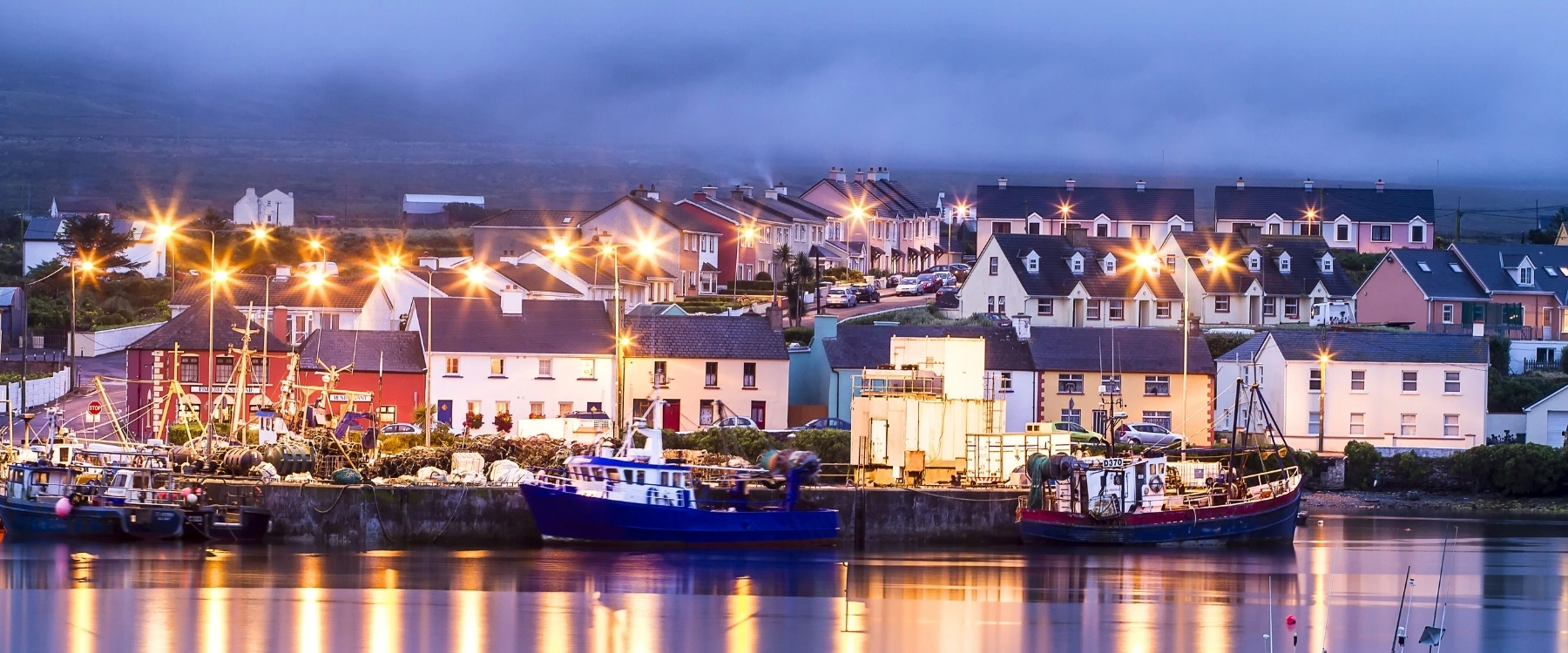
Tralee, Killarney, Dingle, Kenmare, and other towns each exude distinctive character: bustling market days, artisan shops, cosy cafés, and historic streets to wander. Seaside villages along the Wild Atlantic Way offer fresh seafood restaurants, colourful pubs with live music, and friendly local interactions. Accommodations often feature homely touches and personalized service, reflecting Ireland’s famed hospitality. For travellers seeking a blend of exploration and community, Kerry’s towns provide inviting bases for deeper discovery.
Learn More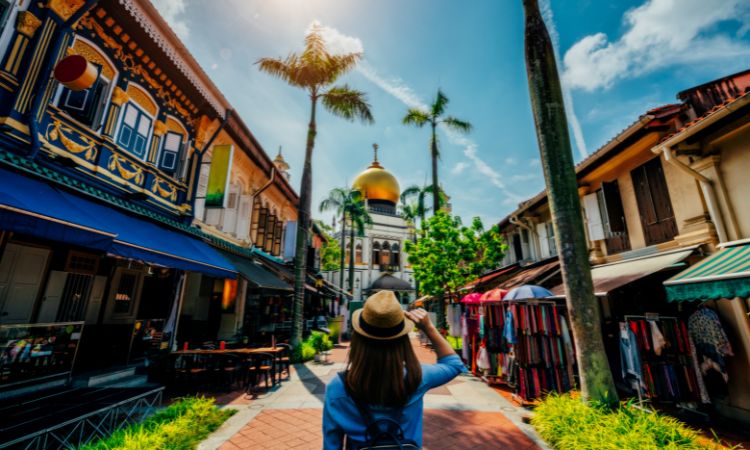
County Kerry’s culinary scene emphasizes fresh, locally sourced ingredients: Atlantic seafood (e.g., mussels, lobster), artisan cheeses from nearby farms, and seasonal produce showcased in family-run eateries and upscale restaurants. Traditional Irish fare—stews, soda breads, and local dairy—coexists with modern gastronomic interpretations. Pub menus often highlight regional specialities paired with craft beers or local spirits. Food festivals celebrating oysters, seafood, and farm produce invite visitors to taste Kerry’s bounty, making every meal part of the cultural experience.
Learn More
Visitors to County Kerry frequently remark on the genuine warmth of local hosts, from bed-and-breakfast proprietors sharing insider tips to pub regulars welcoming newcomers to music sessions. This hospitality extends to guided tours, restaurants, and community events, creating an atmosphere where visitors feel part of the local tapestry. Whether chatting with fishermen at a quay, joining a céilí dance, or receiving personalized service at a boutique hotel, the sense of connection enhances the holiday experience and encourages return visits.
Learn More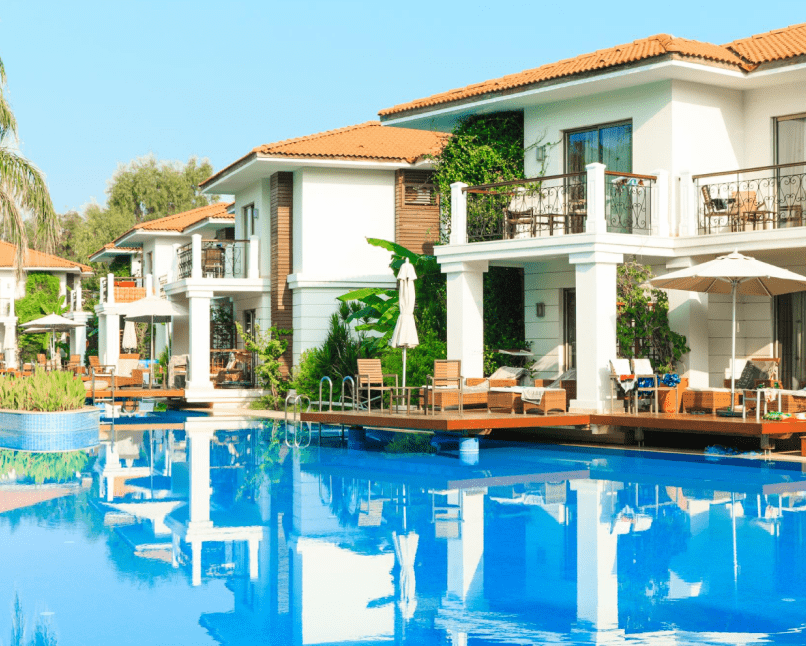
Lorem ipsum dolor, sit amet consectetur adipisicing elit. At illo adipisci iusto
From

Because more than 268 other customers have loved us too

Demonstrates commitment to user data security through encryption and secure payment practices
Learn More
Demonstrates commitment to user data security through encryption and secure payment practices
Learn More
Demonstrates commitment to user data security through encryption and secure payment practices
Learn More
Demonstrates commitment to user data security through encryption and secure payment practices
Learn More
Quality as judged by customers. Book at the ideal price!


/ person
/ person
/ person
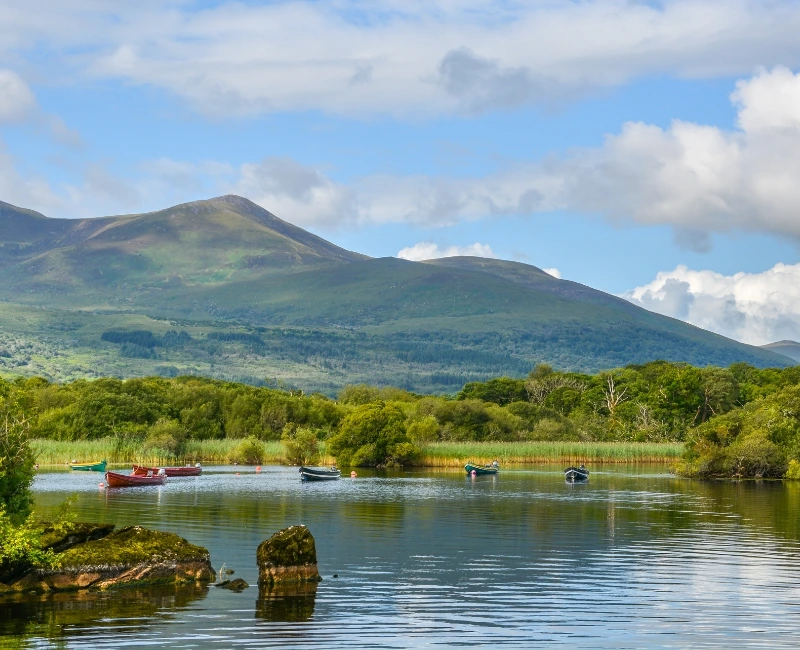
The Ring of Kerry is arguably Ireland’s most famed scenic drive, encompassing a 179-kilometre loop around the Iveragh Peninsula. Starting from Killarney or Kenmare, travellers navigate winding roads flanked by mountains, lakes, and rugged coastline. Along the route, stops include Killarney National Park with its tranquil lakes and Muckross House estate gardens, where pathways invite leisurely strolls through woodlands. Further along, the terrain rises to panoramic viewpoints like Lady’s View, offering vistas over Upper Lake framed by gentle hills. Coastal sections reveal dramatic cliffs plunging into the Atlantic, with occasional glimpses of offshore islands. Quaint villages such as Sneem and Waterville provide opportunities for refreshments, local crafts, and cultural insights—Waterville’s connection to Charlie Chaplin and its literary heritage add interest. Each segment of the drive features unique vistas: sandy bays juxtaposed with rocky headlands, craggy mountainsides, and pastoral scenes dotted with sheep. Photographers will find innumerable vantage points capturing reflections on serene waters or waves crashing against shorelines. The Ring is best enjoyed at a relaxed pace: allowing time for short hikes—such as the Caher Mountain ascent for those seeking a mountain challenge—and detours to hidden gems like Derrynane Beach, known for golden sands and historical sites associated with Daniel O’Connell. Seasonal variations add different charms: spring’s budding flora and clearer skies; summer’s long evenings for extended daylight exploration; autumn’s vibrant foliage contrasted with moody skies; and winter’s stark beauty for those comfortable with cooler, quieter conditions. Careful planning ensures safety on narrow roads: driving on the left, allowing overtaking at pull-ins, and starting early to avoid peak traffic in summer. Group tours and private drivers are available for those preferring guided commentary, but self-drive provides freedom to linger at favoured spots. Regardless of timing, the Ring of Kerry encapsulates the essence of County Kerry’s diverse landscapes, blending mountains, lakes, coastline, and heritage in an unforgettable journey through The Kingdom.
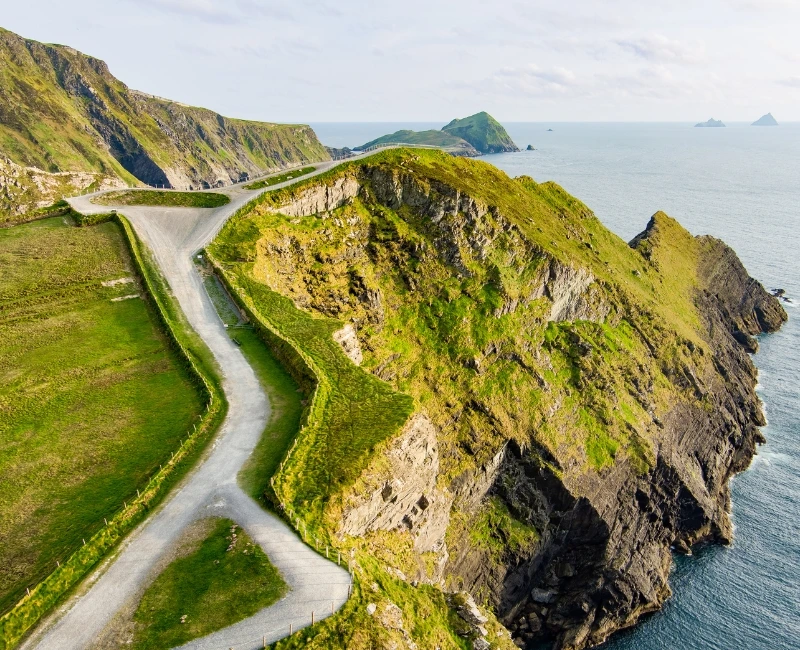
County Kerry forms a spectacular section of the Wild Atlantic Way, Ireland’s long-distance coastal route stretching thousands of kilometres. The Kerry portion showcases towering sea cliffs, secluded bays, and panoramic ocean horizons that define Ireland’s western edge. Travellers following the Wild Atlantic Way in Kerry encounter iconic locations: the Skellig Ring detour, offering dramatic views toward Skellig Michael and Little Skellig; Slea Head Drive on the Dingle Peninsula, where ancient beehive huts and rugged cliffs meet the Atlantic surf; and the Beara Peninsula’s quieter, less-travelled roads with winding passes and remote fishing villages. Each coastal segment invites exploration: pause at beaches such as Inch or Coumeenoole for bracing walks, watch seabirds wheeling overhead, or spot seals basking on rocky outcrops. Coastal trails like those at Valentia Island provide safe vantage points to view Skelligs, especially at sunset when light paints the ocean and islands in golden hues. Fishermen’s villages—Dingle town, Portmagee, Castlegregory—offer fresh seafood and local hospitality, while artisan producers showcase smoked salmon, oysters, and seaweed-based products. For active visitors, kayaking or boat trips reveal hidden sea caves, and surfing opportunities arise at beaches with reliable Atlantic swells (e.g., Brandon Bay). Birdwatchers seek puffins and gannets on sea stacks; marine wildlife tours may spot dolphins or whales offshore. Interpretive centres detail maritime heritage, including traditional fishing techniques and folklore. Seasonal events—such as coastal festivals celebrating sea shanties or seafood—enhance the cultural dimension. Even in quieter months, the coastline exudes a wild allure: moody skies, crashing waves, and windswept landscapes that evoke Ireland’s atmospheric beauty. Accommodations along the route vary from seaside guesthouses with panoramic views to rural retreats near cliffs. Photographers and artists find inspiration in the interplay of light, rock formations, and the ever-changing Atlantic mood. Safety advice includes checking tides and weather before coastal activities, and driving with caution on narrow coastal roads. Overall, the Wild Atlantic Way in County Kerry immerses travellers in the raw, elemental beauty of Ireland’s western frontier, combining physical adventure, cultural richness, and moments of profound natural wonder.
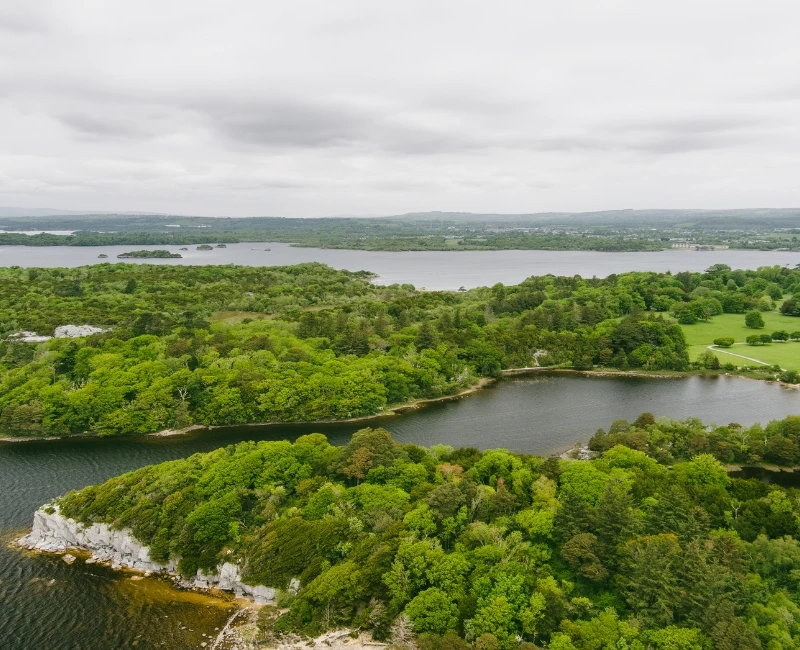
Killarney National Park epitomizes Ireland’s wild charm, encompassing ancient oak and yew woodlands, pristine lakes, and mountain vistas. At its heart lie Lough Leane, Muckross Lake, and Upper Lake, whose reflective waters mirror surrounding hills and forests. Visitors begin at Ross Castle, a 15th-century fortress on Lough Leane’s shore, where boat tours convey passengers across serene waters to Innisfallen Island—home to monastic ruins dating to the 7th century. Around the lakes, networks of walking and cycling trails traverse varied terrain: gentle forest paths lined with moss-covered stones; hilly tracks ascending to viewpoints overlooking cascading waterfalls; and rocky mountain trails for experienced hikers aiming for peaks like Torc Mountain. Muckross House and Gardens offer a glimpse into Victorian-era estate life, with well-tended gardens showcasing native and exotic plantings, traditional thatched farmhouses demonstrating rural heritage, and interactive craft demonstrations. Wildlife abounds: red deer roam upland areas, while pine martens, otters, and rare bird species inhabit woodlands and shorelines. Guided nature walks illuminate ecological features: blanket bog habitats, native flora resilient to wet conditions, and conservation initiatives protecting endangered species. In winter, the park’s stillness and fog-laden mornings evoke a mystical atmosphere, whereas in summer, vibrant greenery and longer daylight extend exploration possibilities. Photographing sunrises or sunsets over the lakes yields captivating scenes of mist rising from water surfaces. Kayaking and canoeing provide alternative perspectives on the park’s aquatic landscapes, enabling silent approaches to observe waterfowl or trout. Seasonal highlights include bluebell carpets in spring woodlands and autumnal color displays contrasting evergreen stands. For families, curated trails and visitor centres offer educational insights, while thrill-seekers may opt for guided mountain climbs. Accommodation options within or near the park range from lakeside hotels to cosy cottages, ensuring early-morning access for photographers and walkers. Responsible tourism practices—sticking to marked trails, respecting wildlife distance, and minimizing litter—support the park’s preservation. As Ireland’s first national park, Killarney embodies natural and cultural heritage synergy, inviting immersive experiences that resonate long after departure.
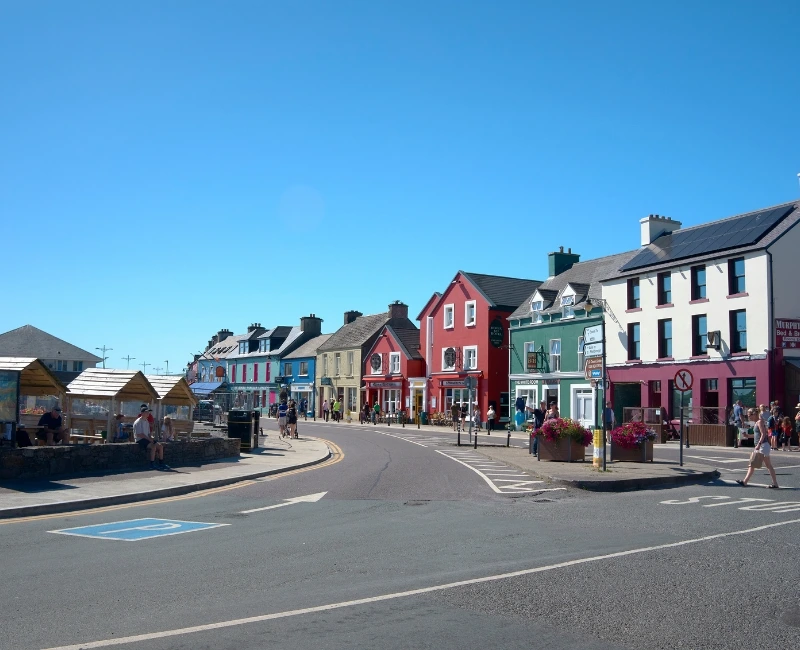
The Dingle Peninsula offers a tapestry of landscapes—rolling green hills, rugged cliffs, sandy beaches, and remote islands—combined with rich wildlife encounters. Starting from Dingle town, a hub of traditional music and artisan crafts, travellers follow coastal roads to Slea Head, where stone walls frame vast Atlantic views and Skellig Islands appear on the horizon. Birdwatchers visit cliffs to spot puffins (in season), fulmars, and other seabirds nesting on sea stacks. Boat trips from Dingle harbour may reveal bottlenose dolphins in Dingle Bay, a resident pod that frequently interacts with vessels, offering memorable wildlife encounters. Inland, hillsides harbor wildflowers and rare plants nourished by mild, humid climate; guided walks explain the unique ecology allowing subtropical species to thrive. Beaches such as Ventry, Coumeenoole, and Ballydavid provide habitats for marine life: seals bask on rocks, while rock pools host varied crustaceans. Adventurers can kayak in sheltered coves or try coasteering along rugged shorelines under expert guidance, encountering hidden sea caves and dramatic rock formations. Archaeological sites—e.g., Gallarus Oratory and beehive huts—dot the peninsula, linking natural exploration with cultural heritage. Seasonal variations include spring seabird migrations, summer’s abundant wildflowers and long daylight, and autumn’s quieter trails with moody skies. Photographers capture dramatic sunsets over ocean vistas or misty mornings over rolling pastures. Accommodation ranges from B&Bs in hillside villages to guesthouses overlooking bays, often run by families who share local insights on lesser-known wildlife spots. Culinary experiences feature fresh seafood caught locally—sea bass, lobster, mackerel—paired with regional produce in town eateries. Conservation-minded travellers support eco-friendly tours, ensuring minimal disturbance to wildlife and habitats. Whether seeking immersive nature study, adventure activities, or contemplative landscapes, the Dingle Peninsula delivers a profound connection to Ireland’s southwestern wilderness, resonating with travellers long after they leave its shores.
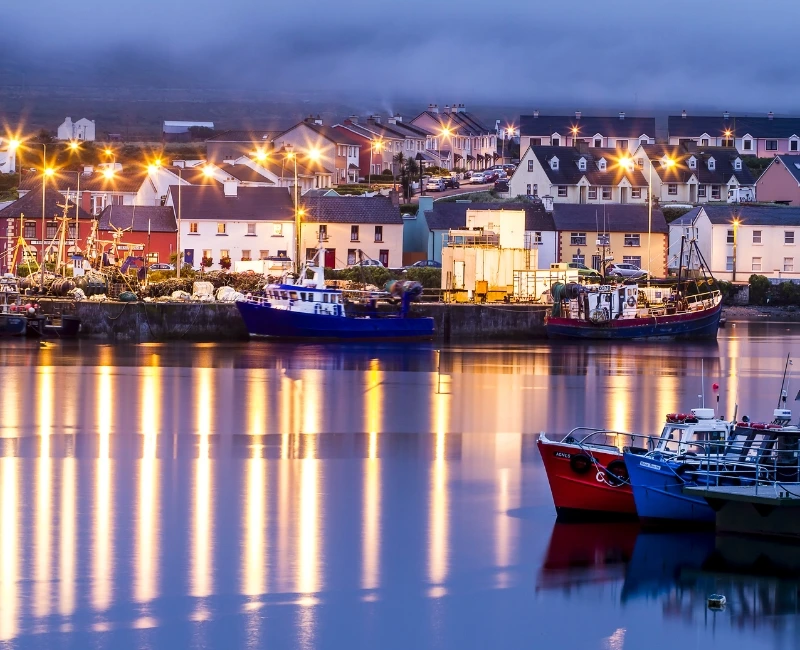
County Kerry’s cultural heartbeat resonates in its traditional music, festivals, and Gaelic heritage. Dingle, Annascaul, and other Gaeltacht villages host lively sessions where fiddles, uilleann pipes, bodhrán, and sean-nós singing bring centuries-old tunes to life. Visitors can join local sessions in pubs, often without needing prior arrangements—just settle in and enjoy the communal atmosphere. Annual festivals such as the Dingle Trad Festival or Puck Fair in Killorglin celebrate music, dance, storytelling, and local customs, drawing both locals and international visitors. These events showcase emerging artists alongside seasoned performers, offering workshops in instruments or Irish language discussions for cultural immersion. Gaelic traditions extend into daily life: bilingual signage in Gaeltacht areas, community theatres staging plays in Irish, and local crafts preserving weaving, pottery, and woodwork. Guided heritage tours explain Kerry’s historical narratives: Gaelic kingdoms, Norman influences, and the Great Famine’s legacy in rural communities. Heritage centres and small museums preserve artifacts—traditional costumes, agricultural tools, and records of emigration that shaped diaspora connections. Storytelling evenings recount folklore of fairies, saints, and legendary figures tied to Kerry’s landscape. Engaging with residents can involve basic Irish language phrases, enhancing understanding of place names and cultural nuances. Culinary traditions complement cultural explorations: hearty stews, soda breads baked in community ovens, and seafood dishes punctuated with stories of coastal life. Art galleries display works inspired by Kerry’s landscapes and heritage, featuring local painters and sculptors. For those interested, workshops in céilí dancing or instrument tutorials provide hands-on cultural engagement. Respectful participation in local customs—observing etiquette in Gaeltacht areas, supporting community events—deepens appreciation. By weaving together music, language, storytelling, and crafts, County Kerry offers travellers an authentic window into Ireland’s living traditions, fostering connections that endure beyond the journey.
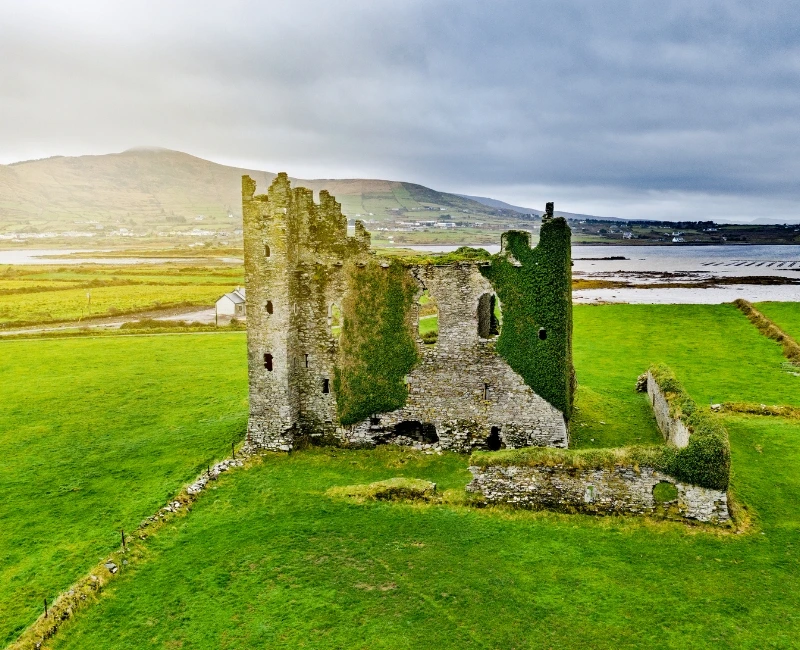
County Kerry’s history unfolds through castles, monastic ruins, and archaeological sites scattered across its landscapes. Ross Castle on Lough Leane provides a gateway to medieval life, with guided boat tours highlighting its defensive architecture and tales of clan rivalries. Further afield, Ballycarbery Castle’s atmospheric ruins overlook the Wild Atlantic, evoking echoes of 16th-century strongholds. Blasket Islands, accessible by ferry, reveal abandoned village remains once home to Irish-speaking communities whose literary contributions (e.g., works by Peig Sayers) document island life. Skellig Michael’s monastic ruins perched on steep rock ledges reflect early Christian devotion and maritime grit; boat trips offer glimpses of these UNESCO-listed remains, though weather-dependent and requiring careful booking. Standing stones, ring forts, and ogham stones provide insights into prehistoric settlements; guided archaeologists or local historians share interpretations connecting site locations to ancient rituals and social structures. Muckross House connects to 19th-century estate culture, with interiors reflecting Victorian tastes amid traditional rural settings. Heritage centres detail Daniel O’Connell’s legacy and Kerry’s role in national movements, offering exhibitions on famine history and emigration narratives. Castles like Kerry’s Desmond Castle or Gleninchiquin’s remnants speak of Norman incursions and Gaelic resilience. Visitors can walk self-guided heritage trails marked with informational plaques or join structured tours for deeper context. Conservation efforts ensure these sites endure: respecting site rules, avoiding damage, and supporting local preservation initiatives. Photography enthusiasts capture atmospheric ruins against wild backdrops—sunsets illuminating stone structures or mist enveloping ancient walls. Seasonal considerations affect access: some remote islands or cliffside sites only reachable in calmer months, while winter visits to certain ruins can feel evocatively solitary. Amenities around major sites include visitor centres, cafés, and craft shops selling local souvenirs. By tracing Kerry’s built heritage, travellers gain perspective on the region’s social evolution—from prehistoric communities to monastic settlements, medieval clans, and Victorian estates—imbuing visits with richer meaning and connection to Ireland’s broader history..
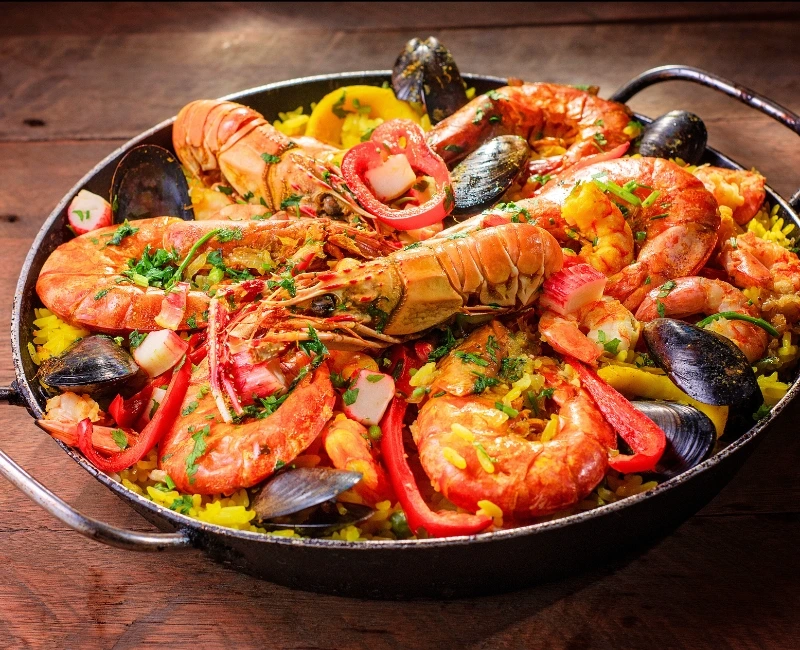
Kerry’s culinary landscape celebrates the bounty of land and sea, with seafood at its forefront: fresh catches include Atlantic lobster, mussels, crab, and line-caught fish served in seaside towns and fine-dining establishments alike. Dingle is renowned for its fish markets and seafood restaurants, where diners sample chowders, grilled fish, and shellfish platters paired with local produce such as artisan cheeses and seasonal vegetables. Farm-to-table initiatives spotlight Kerry’s dairy heritage—creamy butters, yogurts, and cheeses made from local milk—and small-scale producers offer tastings and workshops demonstrating traditional cheese-making techniques. Irish pubs form social hubs: atmospheric interiors with wood-beamed ceilings host live traditional music sessions alongside hearty pub fare—beef and Guinness stew, soda bread sandwiches, and locally brewed craft beers or artisan ciders. Pubs in remote villages offer authentic encounters: friendly banter with locals, impromptu storytelling, and spontaneous music gatherings. Food festivals—oyster festivals, seafood weekends, farm-to-fork events—allow visitors to sample regional specialties and learn from producers. Cooking classes often teach preparation of Irish classics with modern twists, utilizing local ingredients sourced from markets or on-site gardens. Specialty cafés and bakeries provide freshly baked goods—scones, brown bread, and pastries adorned with seasonal berries. Coffee culture has grown, with artisan roasters serving quality brews alongside homemade treats. For those interested in beverage experiences, distillery tours (e.g., whiskey or gin) reveal local spirit production processes, often culminating in tastings. Pairing menus match local ingredients with craft beverages, enhancing understanding of regional flavors. Responsible dining emphasizes sustainability: supporting small producers, respecting seasonal availability, and reducing food waste. For travellers, sampling Kerry’s cuisine is both a sensory delight and cultural immersion, forging connections through shared meals and convivial pub atmospheres that embody Irish hospitality.
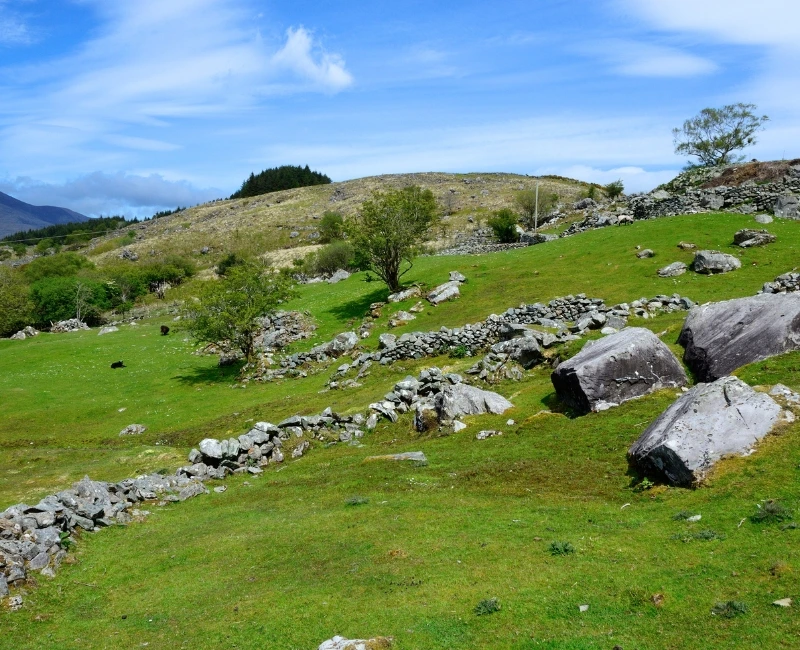
County Kerry caters to thrill-seekers and outdoor enthusiasts with a spectrum of activities. Hiking options range from gentle walks around Killarney’s lakeshore to challenging ascents of Carrauntoohil, guided by experienced local mountaineers ensuring safety and route knowledge. Coastal hikes on Dingle or Beara peninsulas traverse cliff-top trails with breathtaking views, requiring sturdy boots and awareness of changing weather. Surfing enthusiasts find reliable breaks on beaches such as Inch, Brandon Bay, and Banna Strand; surf schools provide lessons and equipment rental for beginners and intermediate surfers. Kayaking and stand-up paddleboarding in sheltered bays allow close-up encounters with marine wildlife; guided tours may include cave explorations or island approaches. Rock-climbing and coasteering experiences introduce adrenaline in controlled settings, navigating sea cliffs and rocky outcrops under professional supervision. Cycling routes include challenging hill climbs and scenic road rides through rural landscapes; bike hire shops typically offer route maps and advice on traffic conditions. For water-based adventure, sea angling charters depart from Dingle or Tralee Bay, allowing anglers to target species such as pollock or mackerel, with local skippers sharing insights on marine ecology. Horseback riding on beaches or through countryside trails offers a different perspective on Kerry’s landscapes, suitable for varied skill levels. In winter, some operators offer guided winter hikes highlighting seasonal features like frozen waterfalls or snow-capped peaks in cold snaps, emphasizing safety precautions. Adventure tourism operators emphasize environmental responsibility: Leave No Trace principles, wildlife disturbance minimization, and supporting local economies. For families, tailored activities such as guided nature walks or gentle kayaking trips introduce younger explorers to outdoor skills. Adequate preparation—appropriate clothing layers, safety gear, and local guidance—ensures rewarding and safe experiences. Ultimately, Kerry’s diverse terrain and Atlantic setting provide a playground for active travellers seeking memorable outdoor pursuits amid some of Ireland’s most spectacular natural environments.
No ads. No trails. No commitments


Alice Roses
London, England
51 ST MATTHIAS ROAD
NOTTINGHAM, NOTTINGHAMSHIRE
NG3 2HF
Hours: 8:00 - 17:00, Mon - Sat
support@johnsonholidays.com