 Munich Travel
Guide
Munich Travel
Guide
Paris is known around the world as the “capital of love,” and even if you don't understand the history of Paris at all

2 Hours
£4.00
Munich’s cultural tapestry spans centuries, offering visitors a deep dive into Bavarian traditions and European history. Iconic landmarks such as the Marienplatz and Frauenkirche stand as testaments to medieval and Renaissance eras, while the Residenz palace unveils opulent rooms and treasury collections reflecting royal legacies. The Kunstareal—Munich’s museum quarter—hosts masterpieces from classical to contemporary art, catering to diverse tastes. Seasonal festivals like Oktoberfest and Christkindlmarkt celebrate local customs with communal spirit, combining music, dance, and cuisine. Cultural events include classical performances at the National Theatre, avant-garde shows in experimental venues, and open-air concerts. By booking Munich, travellers access a city where historic sites, artistic innovation, and living traditions converge, ensuring that each visit reveals new layers of Bavarian heritage alongside cutting-edge creativity.
Learn More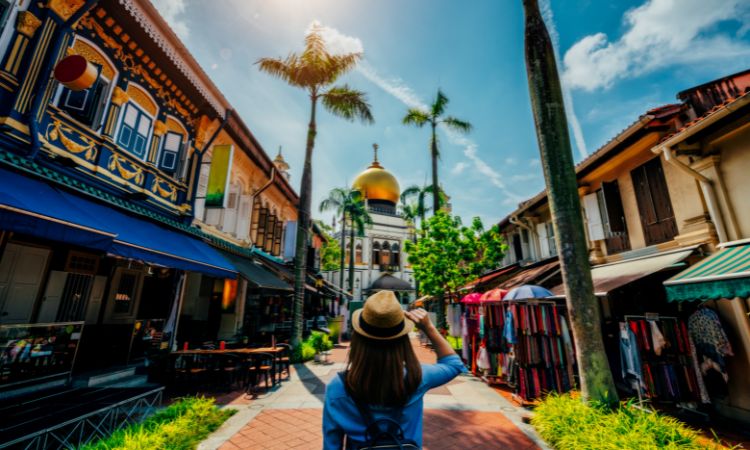
Munich is synonymous with beer culture: centuries-old breweries, traditional beer halls, and seasonal beer gardens create convivial atmospheres for sampling locally brewed lagers and seasonal specialties. Visitors can savour Bavarian classics—Weißwurst, pretzels, schnitzel—alongside inventive modern cuisine in trendy neighbourhood bistros. Seasonal events highlight local produce: asparagus festivals in spring, harvest-themed menus in autumn, and hearty winter offerings. Culinary tours introduce guests to farmers’ markets, artisanal chocolatiers, and regional delicacies. Beer aficionados can explore brewery tours tracing historic brewing methods and modern innovations. Whether enjoying a relaxed afternoon in a riverside beer garden or an upscale dinner in a design-forward restaurant, Munich’s gastronomy satisfies both traditionalists and adventurous food lovers, making it a compelling reason to book.
Learn More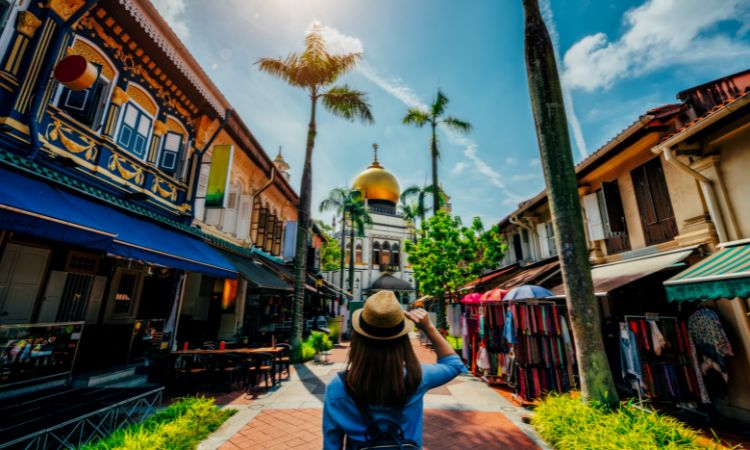
Munich’s proximity to the Bavarian Alps makes it an ideal base for mountain excursions year-round. Day trips to Neuschwanstein Castle, perched above alpine foothills, immerse travellers in fairytale landscapes. Outdoor enthusiasts can access hiking trails around Garmisch-Partenkirchen, ski resorts such as Zugspitze in winter, and scenic lakes like Tegernsee for summer swims. Efficient train and bus networks facilitate seamless travel to alpine villages, enabling guided tours or self-guided explorations. Munich itself offers bike rentals and riverfront pathways for active days before heading into the mountains. Booking Munich ensures convenient access to a blend of urban attractions and natural beauty, allowing travellers to experience both city sights and alpine tranquility without long transfers.
Learn More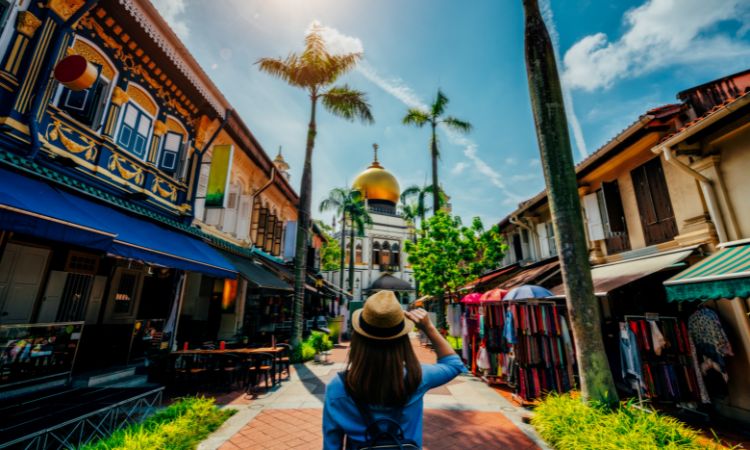
Munich’s public transport network is renowned for reliability and coverage. U-Bahn, S-Bahn, trams, and buses connect efficiently across the city, simplifying travel between historic quarters, shopping districts, and cultural venues. The central train station provides fast connections to other German cities and neighbouring countries, facilitating multi-destination itineraries. Munich Airport (MUC) offers extensive international and domestic flights, with streamlined transfer to city centre via train or shuttle. Accessibility extends to travellers with reduced mobility, with many stations and venues equipped accordingly. Well-marked signage and English-language support further ease navigation. By booking Munich, visitors benefit from seamless connectivity, maximizing time for exploration instead of logistics.
Learn More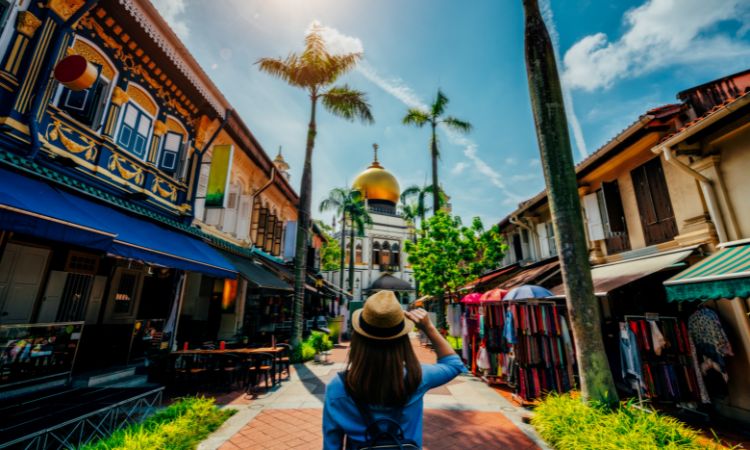
Munich’s calendar is filled with events appealing across seasons. In spring, blossoming parks and carnival-style festivals set a festive tone. Summer brings open-air cinema, outdoor concerts in palace courtyards, and lively beer garden gatherings. Autumn highlights the world-famous Oktoberfest and regional harvest fairs, while winter transforms the city with enchanting Christmas markets offering artisanal crafts, mulled wine, and festive entertainment. Cultural institutions curate special exhibitions, and sports fans can attend football matches at Allianz Arena. This continuity of events ensures that at any time of year, Munich offers unique experiences. Booking Munich means engaging with a dynamic city that celebrates life through diverse festivals and happenings, creating memories beyond sightseeing.
Learn More
Munich consistently ranks among safe European cities, making it appealing for families. Child-friendly attractions include interactive exhibits at the Deutsches Museum, petting zoos in sprawling parks, and boat rides along the Isar River. Many museums offer tailored programmes for young visitors, while playgrounds and picnic spots in the Englischer Garten provide outdoor enjoyment. Family-oriented tours introduce children to Bavarian culture through hands-on workshops and storytelling sessions at historic sites. Accommodation options range from family suites in centrally located hotels to cosy guesthouses with child amenities. Clean streets, efficient emergency services, and English-speaking staff add reassurance for travellers. Booking Munich ensures a worry-free family holiday with engaging activities for all ages in a welcoming environment.
Learn More
Lorem ipsum dolor, sit amet consectetur adipisicing elit. At illo adipisci iusto
From

Because more than 268 other customers have loved us too

Demonstrates commitment to user data security through encryption and secure payment practices
Learn More
Demonstrates commitment to user data security through encryption and secure payment practices
Learn More
Demonstrates commitment to user data security through encryption and secure payment practices
Learn More
Demonstrates commitment to user data security through encryption and secure payment practices
Learn More
Quality as judged by customers. Book at the ideal price!


/ person
/ person
/ person
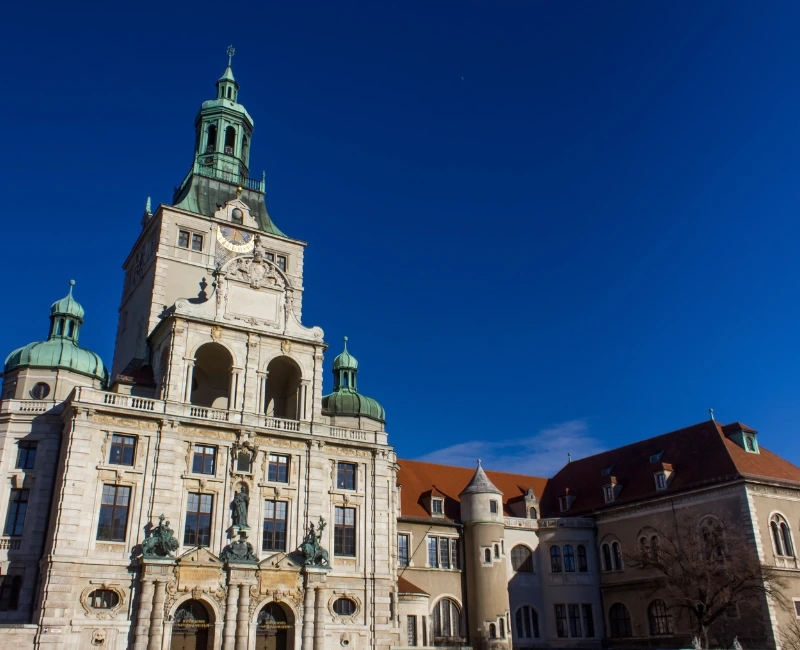
Munich’s museum landscape is both vast and varied, catering to art enthusiasts, history buffs, and curious travellers alike. In the Kunstareal district, Austria’s neighbours meet Bavarian pride: the Alte Pinakothek displays masterpieces by Albrecht Dürer, Rubens, and Rembrandt, tracing European art history from the Renaissance through the Baroque era. Adjacent, the Neue Pinakothek focuses on 19th-century works, including Romantic and Impressionist paintings, offering insight into pivotal artistic movements. The Pinakothek der Moderne brings design, architecture, and contemporary art under one roof, showcasing modern German design icons—furniture by Bauhaus pioneers, multimedia installations, and conceptual artworks reflecting current societal dialogues.History and regional heritage are preserved at the Bavarian National Museum, where decorative arts ranging from medieval tapestries to Rococo furniture illustrate Bavaria’s cultural evolution. For more immersive encounters, the Residenz museum and treasury reveal the opulent lifestyle of Wittelsbach monarchs, with lavishly decorated halls, crown jewels, and ceremonial artifacts. Visitors can also explore the Munich City Museum to understand urban development, traditional costumes, and folk customs.Smaller, specialised venues enrich the experience: the German Hunting and Fishing Museum offers unique exhibits on rural traditions; the Toy Museum delights families with historic playthings; the Jewish Museum highlights the city’s Jewish heritage through exhibitions and guided tours. Many museums host rotating exhibitions featuring international collaborations, ensuring repeat visits uncover fresh discoveries.Practical tips: Purchase a museum pass or combination ticket for multiple entries at a reduced rate. Plan visits early in the day to avoid peak crowds, and allocate time for café breaks within museum courtyards or nearby coffee houses. Evening openings at select institutions provide quieter viewing opportunities. Guided tours or audio guides deepen understanding of context and narratives behind each exhibit. By dedicating days to Munich’s cultural institutions, travellers gain a comprehensive perspective on European art, local history, and contemporary creativity, making museums an essential pillar of any Munich itinerary.
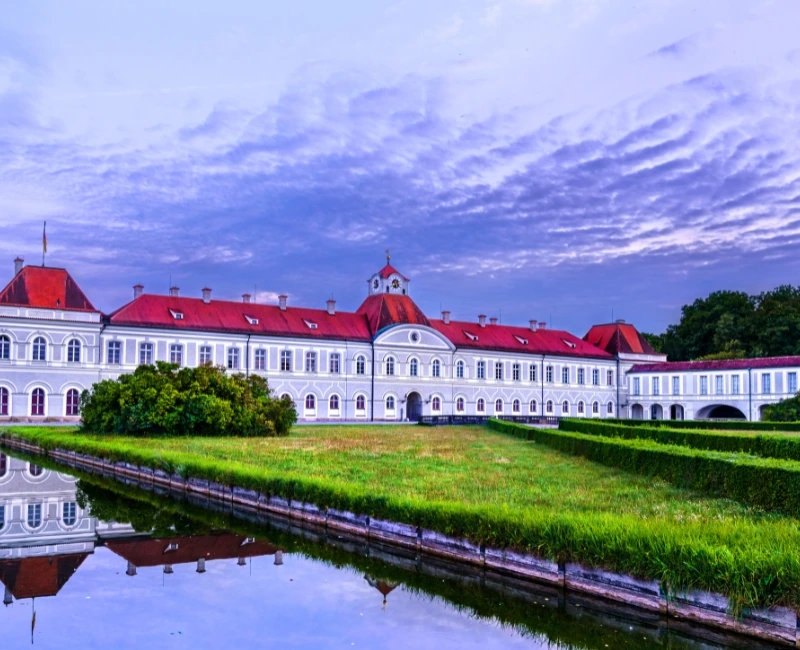
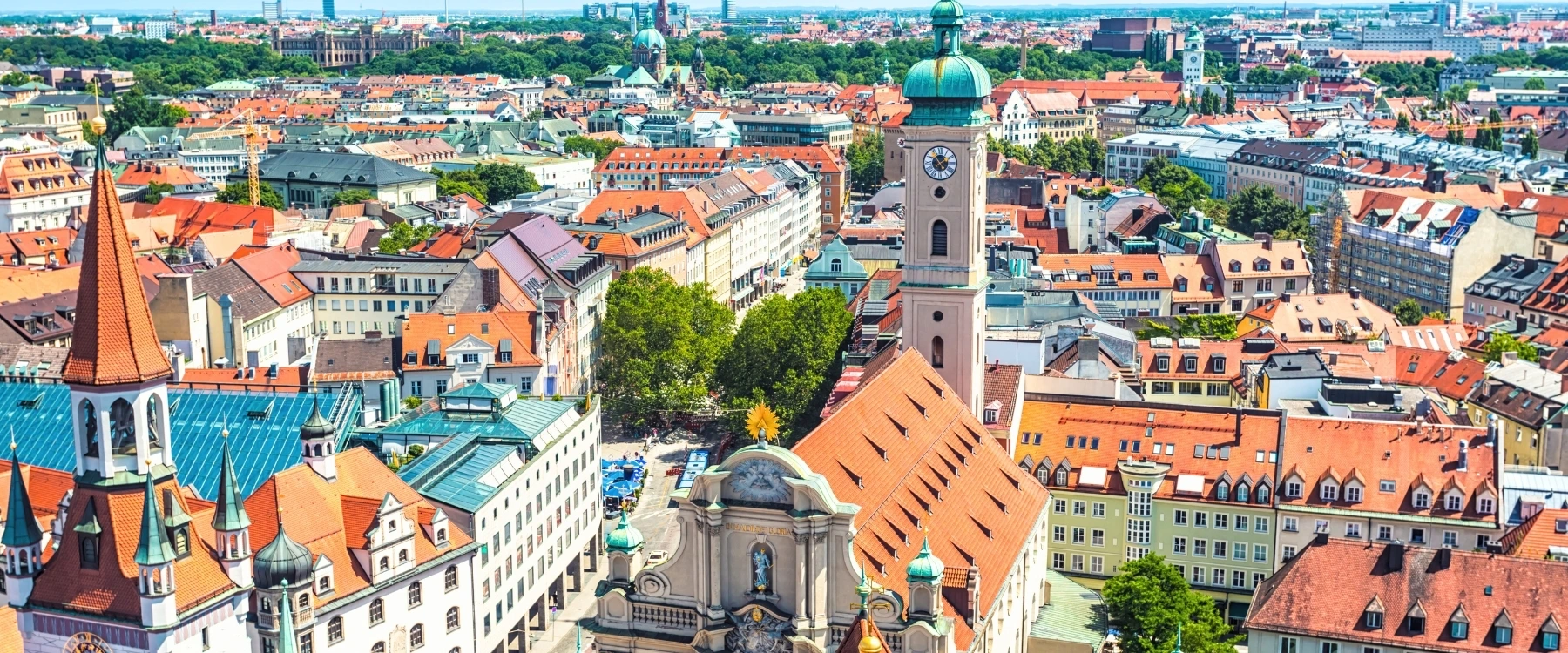
Munich’s architectural heritage weaves a narrative from medieval fortifications to modernist structures. Marienplatz, the city’s central square, anchors this journey: dominated by the Neues Rathaus with its neo-Gothic façade and animated Glockenspiel, it reflects 19th-century romantic nationalism. Nearby, the Frauenkirche’s twin onion-domed towers stand as an enduring symbol of Munich; climbing one tower reveals panoramic city views and Alpine silhouettes on clear days. The Michaelskirche, a Renaissance church, houses the tomb of Emperor Maximilian I, while Asamkirche, a Rococo gem in Sendlinger Straße, dazzles with ornate interiors crafted by the Asam brothers.Royal heritage is embodied in the Munich Residenz: extensive palace wings, courtyards, and gardens illustrate Baroque and Rococo influences. The Nymphenburg Palace on the western outskirts boasts grand halls, mirrored galleries, and tranquil parkland with lakes and pavilions, once the summer residence of Bavarian rulers. In contrast, modern architecture appears in structures like the BMW Welt and Olympic Park: the futuristic canopy of the Olympic Stadium and the sleek BMW Museum showcase 20th-century engineering and design excellence. The Olympic Park, built for the 1972 Games, is now a recreational hub with elevated walkways offering city vistas.Art Nouveau flourishes in neighbourhood buildings and parks, visible in decorative façades and public fountains. The Viktualienmarkt area, though primarily a food market, also features historic merchant houses and guild halls, reflecting medieval commerce. For cutting-edge architecture, new developments along the Isar River blend eco-friendly design with urban renewal, integrating green roofs and riverside promenades.Visitors should allocate time for walking tours, following thematic routes: medieval Munich, royal residences, or modernist landmarks. Guided architecture tours provide expert commentary on design philosophies and historical context. Photographers can capture striking contrasts—historic spires against modern skylines or reflections of palace domes in contemporary glass facades. Experiencing Munich through its architecture reveals layers of political, cultural, and technological shifts, enriching any travel itinerary with deeper appreciation for the city’s evolving identity.
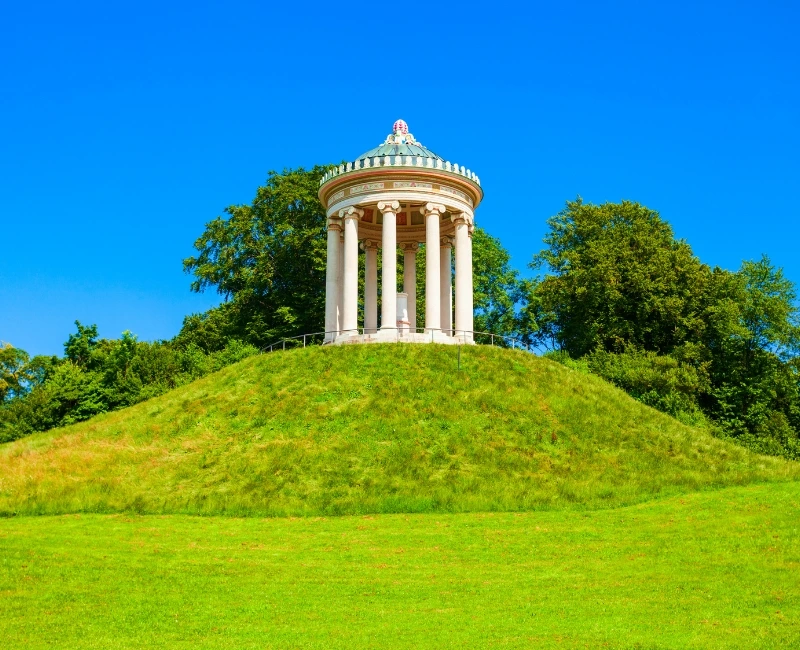
The Englischer Garten is Munich’s verdant heart, offering a vast retreat within urban surroundings. Stretching from the city centre to the northern districts, it ranks among the world’s largest urban parks. Visitors can wander along tree-lined paths, cycle past meadows, or relax by the Kleinhesseloher See with rentable rowboats. The park’s varied landscapes include wooded areas, open lawns, and winding streams. Iconic spots such as the Chinese Tower beer garden invite guests to sample refreshments beneath chestnut trees, accompanied by live music on summer evenings. The Japanese teahouse hosts occasional cultural events, blending tranquillity with seasonal ceremonies.Beyond the Englischer Garten, the Isar River banks provide scenic walking and cycling routes. In summer, locals swim in designated river spots; picnic areas and riverside cafés cater to leisurely afternoons. The Westpark, with its lake, rose garden, and Asian-themed pavilions, offers a quieter alternative for contemplation. Olympic Park’s rolling hills and artificial lake transform into spaces for jogging, paddle boating, and summer festivals. In winter, parts of these parks become ideal for cross-country skiing or sledding when snowfall arrives.For more adventurous outings, guided kayaking or SUP tours on the Isar reveal hidden river curves and wildlife. Birdwatchers can spot herons and kingfishers along quieter stretches. Botanical enthusiasts appreciate the diverse tree species and seasonal flower displays in parks and palace gardens. Fitness-minded travellers join outdoor yoga sessions or bootcamps often held in green spaces.Seasonal considerations: spring brings blooming cherry blossoms and migratory birds; autumn paints foliage in warm hues; winter stillness offers crisp walks and occasional snow activities. Early mornings reward solitude and gentle light for photographers. Practical advice: wear comfortable shoes, bring water and snacks, and check local regulations for river swimming. Engaging with Munich’s outdoors restores balance amid city exploration and reveals a lifestyle of wellness cherished by locals.
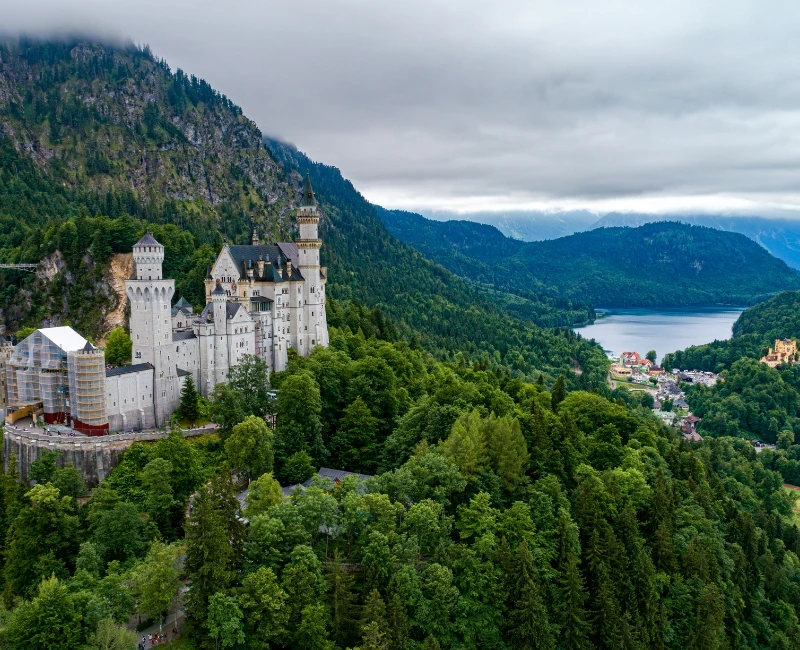
Munich’s strategic location makes it an ideal launchpad for day trips into the Alpine foothills and picturesque lakes. Popular excursions include Neuschwanstein Castle near Füssen: this fairytale palace, set against rugged mountains, inspired generations of artists and attracts visitors year-round. Advance planning is advisable for timed-entry tickets and guided tours. Nearby Hohenschwangau Castle and scenic hiking trails around Alpsee lake enrich the experience, with cable car rides offering panoramic vistas.The Bavarian lake district—Tegernsee, Schliersee, and Starnberger See—lies within an hour’s journey. These lakes offer swimming, boat cruises, lakeside hikes, and lakeside cafés serving regional specialties. Tegernsee’s spa towns provide wellness retreats; Schliersee appeals to families with easy trails and casual boating. Starnberger See’s royal connections include King Ludwig II’s tragic history, explored via lakeside promenades and historic manor houses.Garmisch-Partenkirchen, under Germany’s highest peak, Zugspitze, is accessible for hiking in summer or skiing in winter. The Partnach Gorge trail reveals dramatic rock formations and waterfalls. Cable cars ascend to glacier viewpoints. For less crowded alternatives, consider Mittenwald, known for painted houses and luthier traditions, or Oberammergau, famed for woodcarving and Passion Play (every ten years). Seasonal festivals in mountain villages showcase local customs and cuisine.Transport: regional trains depart frequently from Munich Hauptbahnhof; guided tours offer bundled transport and commentary. Renting a car provides flexibility for off-the-beaten-path discoveries, but parking can be limited in peak seasons. Biking tours along designated routes combine fitness with scenic enjoyment. Pack layers for mountain weather variability, comfortable footwear for uneven terrain, and snacks or picnic supplies for spontaneous stops.By dedicating full days to alpine or lake destinations, travellers experience Bavaria’s natural grandeur, contrasting Munich’s urban culture. Returning to the city in the evening allows sampling local nightlife or enjoying restful evenings in comfortable accommodations. These excursions enrich any Munich visit with unforgettable panoramas, outdoor adventures, and insights into Bavarian rural life.

Munich’s culinary identity is deeply rooted in Bavarian traditions, characterised by robust flavours, communal dining, and seasonal ingredients. Classic dishes include Weisswurst (veal sausage) served with sweet mustard and pretzels, especially popular during morning hours; Schweinshaxe (roasted pork knuckle) accompanied by potato dumplings and sauerkraut; and Obatzda, a creamy cheese spread enjoyed with bread. Seasonal highlights feature asparagus (spargel) in spring, game meats in autumn, and hearty stews in winter. Bakeries offer fresh pretzels, strudels, and regional pastries, ideal for quick snacks or picnic fare.Beer culture is central: historic beer halls such as the Hofbräuhaus welcome patrons into long communal tables, fostering conviviality among locals and visitors. Traditional breweries like Augustiner, Paulaner, and Löwenbräu maintain century-old brewing methods, serving varieties from crisp lagers to specialty brews. Beer gardens—open-air venues under chestnut trees—invite relaxed afternoons with steins and shared platters. Many venues host live folk music, reinforcing cultural ambiance.For contemporary twists, Munich’s food scene includes gourmet restaurants reinterpreting Bavarian classics with modern techniques and international influences. Food markets like Viktualienmarkt showcase regional produce: cheeses, sausages, baked goods, and seasonal fruits, offering opportunities for self-catering or guided tasting tours. Coffee culture has also blossomed: speciality cafés serve artisanal brews alongside local pastries.Tips for visitors: Reserve tables for popular beer halls or restaurants during peak times; join a guided food tour to navigate local customs (e.g., ordering beers by Maß); learn basic German food terms for smoother ordering. Participating in a brewery tour provides insight into brewing processes and history. For more casual experiences, opt for beer garden afternoons paired with simple dishes like Obatzda or Leberkäse sandwiches. Embracing Munich’s food and drink traditions immerses travellers in social rituals, flavourful delights, and convivial atmospheres, making gastronomy an essential component of any visit.

Beyond hearty fare, Munich offers a thriving café scene blending traditional coffeehouses with modern speciality spots. Historic cafés, some dating back a century, serve classic Viennese-style pastries—Sachertorte, apple strudel—and robust filter coffee, often accompanied by newspapers and relaxed conversation. In contrast, third-wave coffee shops focus on single-origin beans, precision brewing methods, and minimalist interiors, attracting remote workers and coffee aficionados. Many cafés feature artisanal baked goods, vegan options, and local suppliers, highlighting Munich’s evolving tastes.Local specialties extend to confectionery: chocolatiers craft pralines with Bavarian ingredients such as honey or fruit preserves; patisseries present seasonal tarts featuring local berries or apples. Ice cream parlours serve creamy gelato infused with Bavarian flair—cheese-based or herbal variations. For a sweet interlude during city walks, seek out markets and stalls offering roasted chestnuts in cooler months or freshly made crepes during festivals.Munich’s neighbourhoods each have distinct café clusters: Glockenbachviertel hosts eclectic coffee shops with artistic décor; Schwabing offers bohemian vibes with literary-themed cafés; Haidhausen presents charming spots near historic squares. Many cafés double as galleries or event spaces, hosting poetry readings, live music, or pop-up markets, fostering community engagement. Seasonal outdoor seating allows people-watching in spring and summer, while cosy interiors invite refuge from cold weather.Pairing food and drink with local experiences: join a coffee tasting workshop to learn about roasting profiles; participate in a pastry-making class focusing on regional desserts; combine café visits with walking tours exploring neighbourhood character and street art. Understanding Munich’s café culture reveals subtler aspects of daily life, from social rituals to emerging trends. For travellers seeking balance between hearty meals and lighter treats, exploring these venues provides both culinary enjoyment and cultural insight, enriching the overall Munich experience..
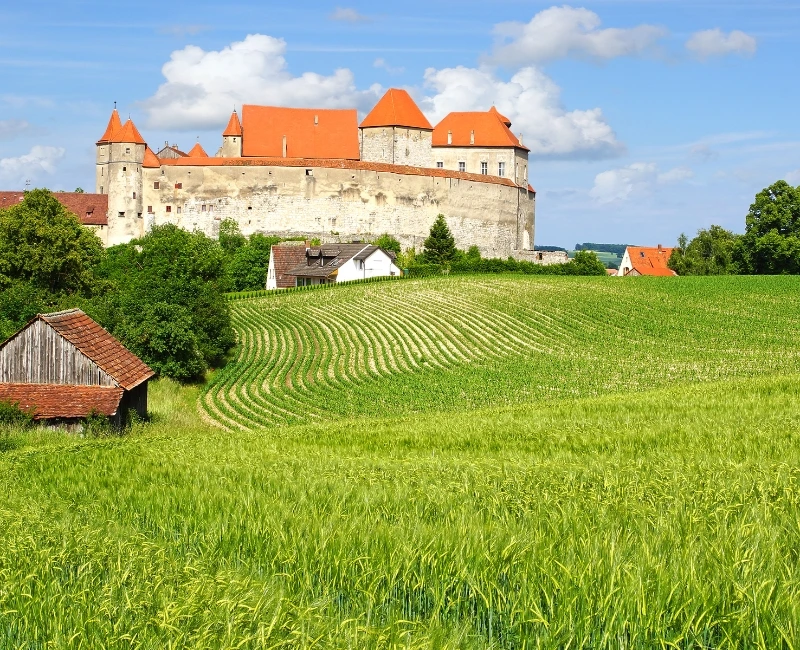
The Romantic Road (Romantische Straße) is a scenic route winding through charming towns and medieval villages south of Munich, ideal for day trips or multi-day tours. Starting near Würzburg and extending toward Füssen, travellers often access segments near Munich for concentrated exploration. Rothenburg ob der Tauber exemplifies well-preserved medieval architecture: walk its cobblestone lanes, visit the town walls for panoramic views, and explore traditional bakeries offering local gingerbread. Dinkelsbühl and Nördlingen provide authentic small-town ambiance with historic town squares and half-timbered houses.Further along, the route includes Harburg Castle perched on a rocky outcrop and Augsburg—one of Germany’s oldest cities—accessible via train from Munich, featuring Renaissance façades and the Fuggerei, the world’s oldest social housing complex. Many segments can be navigated via organized tours or self-drive; public transport connects major stops, though schedules may require planning. Guided bus excursions from Munich offer commentary on history and culture, optimizing time for visits.Continuing toward the Alps, Füssen and Schwangau serve as gateways to Neuschwanstein and Hohenschwangau Castles. These fairytale sites draw crowds but reward with stunning architecture and mountain vistas. To avoid peak crowds, arrive early or visit in shoulder seasons. After castle visits, explore alpine villages’ traditional inns serving local dishes and regional beers. Hiking trails around Forggensee lake or nearby hills offer scenic perspectives of the castles and surrounding peaks.Travelling the Romantic Road segment from Munich provides insight into Bavaria’s medieval heritage, pastoral landscapes, and cultural continuity. Photographers capture storybook scenes; history enthusiasts delve into centuries-old traditions; those seeking tranquillity find less-crowded paths between towns. Whether by guided tour, train plus local transport, or rental car, dedicating a day to a Romantic Road segment enriches a Munich itinerary with timeless vistas and authentic regional encounters.
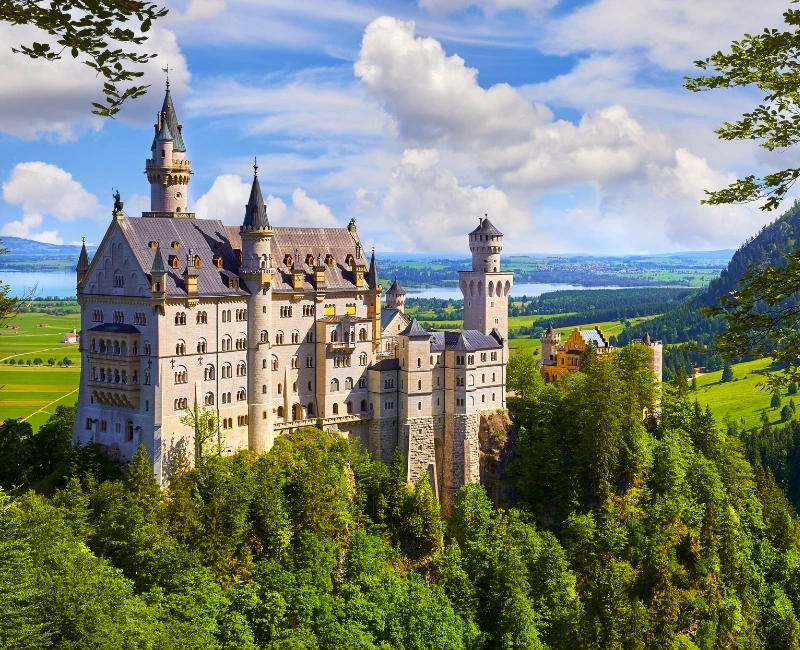
Neuschwanstein Castle is often the crown jewel of Bavarian day trips from Munich. Commissioned by King Ludwig II in the 19th century, its turrets and spires inspired fairy-tale imagery worldwide. Reaching Neuschwanstein involves a first leg by train or guided coach to Füssen, followed by local bus or taxi to the village of Hohenschwangau. From there, a walk or shuttle ascends to the castle entrance. Guided tours reveal lavish interiors—throne room, singer’s hall, and private chambers—though some rooms remain unfinished, reflecting Ludwig’s visionary but costly ambitions.Nearby Hohenschwangau Castle, where Ludwig spent childhood summers, provides complementary historical context. Its modest yet elegant rooms showcase 19th-century royal life against mountainous backdrop. The surrounding Alpsee and Schwansee lakes invite lakeside strolls or boat rentals in warmer months, offering reflective views of castle façades mirrored in water. Hiking trails ascend above the castles, such as Marienbrücke (Mary’s Bridge), providing iconic vantage points over Neuschwanstein and surrounding valleys. For photographers, early morning or late afternoon light enhances the fairytale atmosphere and reduces crowds.Beyond Neuschwanstein, the Bavarian foothills host additional castles and palaces: Linderhof Palace, another Ludwig II creation, exemplifies elaborate gardens and ornate interiors, reachable via longer day trips or overnight stays. Ettal Abbey, with its baroque architecture and monastery distillery, offers cultural immersion and tasting opportunities. Oberammergau, known for woodcarving and Passion Play heritage, displays painted façades and local craftsmanship shops.Practical considerations: Book tickets for Neuschwanstein in advance, especially during high season. Consider guided tours combining transport and entry, reducing logistical stress. Dress in layers for mountain weather changes and wear comfortable shoes for uphill walks. Bring snacks or plan meals in village inns serving hearty Bavarian cuisine. For a more relaxed experience, visit in shoulder seasons (late spring or early autumn), when landscapes are lush or painted with fall foliage.Excursions to Neuschwanstein and nearby attractions deliver quintessential Bavarian fairytale experiences, blending royal history, dramatic scenery, and architectural splendor. Incorporating this day trip into a Munich stay enhances understanding of King Ludwig II’s legacy and Bavaria’s romantic allure, leaving travellers with lasting impressions of this storied region.
No ads. No trails. No commitments


Alice Roses
London, England
51 ST MATTHIAS ROAD
NOTTINGHAM, NOTTINGHAMSHIRE
NG3 2HF
Hours: 8:00 - 17:00, Mon - Sat
support@johnsonholidays.com