 Playa Paraíso Travel
Guide
Playa Paraíso Travel
Guide
Paris is known around the world as the “capital of love,” and even if you don't understand the history of Paris at all

10.7 Hours
£2.22
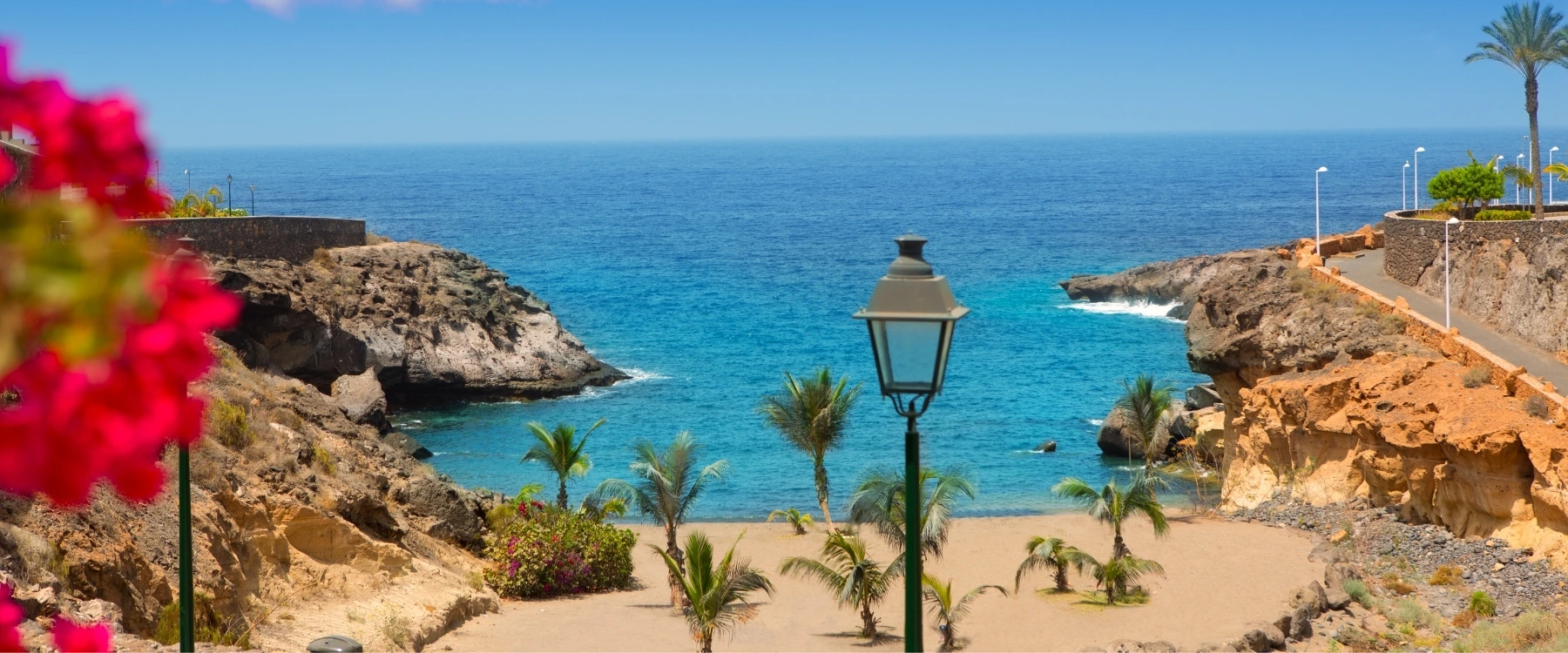
Playa Paraíso stands apart for its unspoiled, gently curving shoreline where soft white sands meet calm turquoise waters. Unlike busier coastal stretches, this destination maintains a tranquil ambiance accentuated by swaying palms and minimal crowds. Visitors can unwind on loungers beneath natural shade, listen to the rhythmic waves, and feel a genuine connection to nature. The clarity of the sea invites leisurely swims and shallow snorkeling, ideal for families and novice swimmers alike. By choosing Playa Paraíso, travellers prioritize authentic relaxation in a setting that retains the essence of a Caribbean paradise, ensuring restorative moments away from frenetic tourist hubs.
Learn More
Eco-conscious travellers will appreciate Playa Paraíso’s commitment to sustainable tourism. Local operators and resorts implement practices such as reef-safe sunscreen guidelines, waste reduction measures, and preservation of adjacent mangroves. Guided snorkeling tours emphasize respectful interactions with marine life, educating participants on coral reef ecosystems and conservation. Nearby cenote excursions and jungle hikes follow responsible protocols that protect freshwater resources and wildlife habitats. By booking activities in Playa Paraíso, visitors support community efforts to maintain environmental integrity while enjoying immersive experiences that foster awareness and appreciation for the Riviera Maya’s natural treasures.
Learn More
Beyond beach bliss, Playa Paraíso offers easy access to emblematic Mayan archaeological sites. Day trips to Tulum’s cliffside ruins overlooking the Caribbean Sea provide a poignant glimpse into ancient civilization. Explorations of inland sites like Coba reveal labyrinthine temples amid lush jungle, often less crowded than coastal ruins. Local guides share stories of Mayan heritage, customs, and historical significance, enriching the travel experience. Additionally, cultural events in nearby Playa del Carmen—such as traditional dance performances or artisan markets—connect guests to contemporary Mexican culture. Booking Playa Paraíso ensures a balance between serene beaches and meaningful cultural discovery.
Learn More
For adventure seekers, Playa Paraíso serves as a launch point for diverse water sports. Snorkeling over vibrant coral reefs reveals colourful fish, rays, and occasional turtle sightings. Scuba diving opportunities extend to deeper reefs, guided by experienced dive operators who prioritize safety and environmental care. Paddleboarding or kayaking along calm mornings grants a peaceful perspective of the coastline. For thrill-seekers, kiteboarding or windsurfing sessions capitalize on consistent breezes during select months. Booking water activities here ensures professional instruction and equipment, allowing travellers to explore the Caribbean’s marine wonders while upholding conservation principles.
Learn More
Culinary experiences around Playa Paraíso range from resort fine dining to casual beachside eateries serving local specialties. Fresh seafood dishes feature catch-of-the-day options, ceviches, and regional preparations like Tikin Xic. Many venues embrace farm-to-table philosophies, sourcing ingredients from nearby producers. Guests can also join cooking classes to learn traditional Mexican recipes, from salsas to desserts. Evening settings often include ambient lighting over the ocean, offering memorable dinners under starlit skies. Booking Playa Paraíso includes opportunities to savor authentic flavours, pairing dishes with local beers or crafted cocktails, all within the context of the Riviera Maya’s vibrant gastronomic scene.
Learn More
Wellness enthusiasts will find rejuvenating spa offerings and holistic retreats in Playa Paraíso’s resorts. Massage therapies often incorporate local ingredients such as coconut oil or Mayan-inspired herbal treatments. Yoga classes on the beach at sunrise or sunset harness natural serenity, promoting mindfulness amid gentle sea breezes. Wellness packages may include detox menus, meditation sessions in jungle settings, and guided breathing exercises by the shore. Booking a wellness-focused stay in Playa Paraíso enables travellers to reset mind and body, combining healthy practices with the therapeutic qualities of ocean views, tropical climate, and soothing natural soundscapes.
Learn More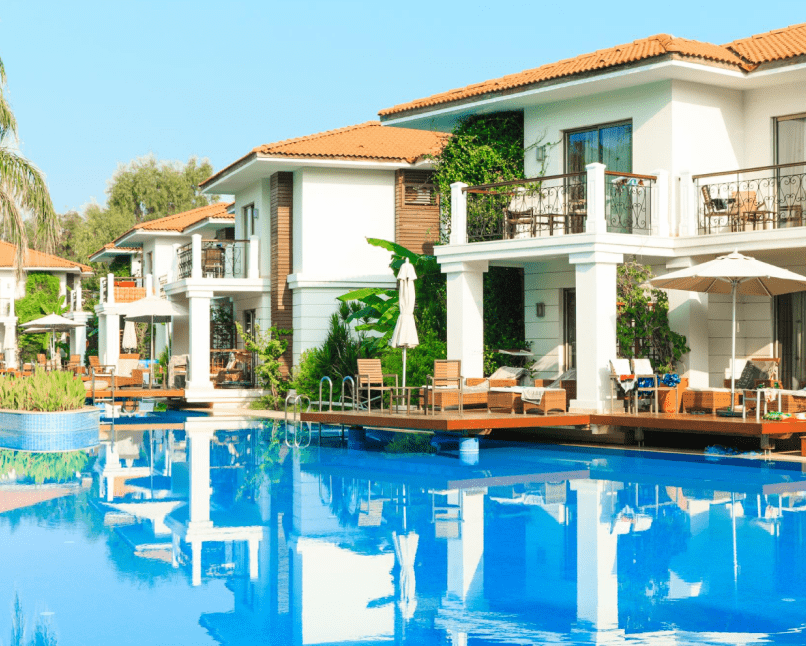
Lorem ipsum dolor, sit amet consectetur adipisicing elit. At illo adipisci iusto
From

Because more than 268 other customers have loved us too

Demonstrates commitment to user data security through encryption and secure payment practices
Learn More
Demonstrates commitment to user data security through encryption and secure payment practices
Learn More
Demonstrates commitment to user data security through encryption and secure payment practices
Learn More
Demonstrates commitment to user data security through encryption and secure payment practices
Learn More
Quality as judged by customers. Book at the ideal price!


/ person
/ person
/ person
Playa Paraíso’s beaches are the cornerstone of any visit, offering expanses of pristine white sand lapped by gentle turquoise waters. This guide details how to maximize your beach relaxation experience, from choosing the ideal spot to unwind to planning light activities that complement rest. Early mornings on the shore provide an almost private setting: arrive at dawn to witness the sunrise casting golden hues across the Caribbean, accompanied by the soft melody of waves. Linger with a favourite book or simply recline on a lounger under natural palm shade, listening to seabirds and breathing in the salty sea air. Throughout the day, seek sheltered coves or quieter stretches away from larger crowds; local beach clubs may offer day passes granting access to comfortable sunbeds, umbrellas, and refreshing beverages—ideal for travellers desiring minimal fuss yet attentive service.For midday comfort, consider shaded lounges beneath palapas or eco-friendly canopies that blend into the tropical landscape. Hydration is key: bring a reusable water bottle or purchase chilled coconut water to stay refreshed. Light snacks, such as fresh fruit or ceviche from nearby vendors, complement the tropical ambiance. Engage in gentle beach walks along the shoreline, feeling fine sand beneath bare feet as you explore natural formations—small tidal pools may reveal starfish or colorful shells. Photography enthusiasts will find endlessly photogenic vistas: the contrast of white sand, green foliage, and azure sea makes for striking compositions.As afternoon breezes rise, consider brief dip sessions in shallow waters. The gentle gradient allows for safe wading and communal floating spots where you can drift with the current. Beach mats or sand-resistant towels enhance comfort. Avoid peak sun hours (typically noon to 3pm); instead, schedule light activities like beach yoga or guided stretching sessions when temperatures are slightly lower. Many resorts offer beachside wellness classes, where certified instructors lead small groups through posture flows against a backdrop of rhythmic waves.As the day wanes, witness the transition to sunset: the sky transforms into pastel shades, and temperatures cool slightly. This time is perfect for a reflective walk along the water’s edge, collecting small souvenirs like unique pebbles or driftwood fragments (while respecting environmental guidelines). Beach bonfires are occasionally organized at select venues, providing opportunities for socializing over light snacks and local beverages. Whatever your style—quiet contemplation or communal gathering—Playa Paraíso sunsets deliver memorable experiences.Finally, plan for an evening that may begin with a casual beach picnic followed by stargazing. With minimal light pollution, the night sky can reveal countless stars and even the Milky Way on clear nights. Bring a light wrap or shawl for cooler breezes. Whether your beach escape is solitary or shared with loved ones, Playa Paraíso’s natural setting supports restorative, sun-kissed relaxation that remains a highlight of any Riviera Maya itinerary.
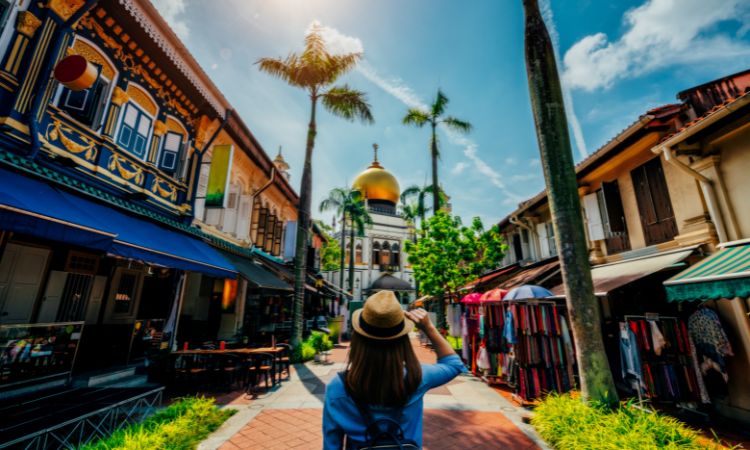
While the primary allure of Playa Paraíso is its serene beaches, gentle water-based activities enhance the leisurely pace without overwhelming novices. This guide focuses on snorkeling, paddleboarding, and kayaking in calm conditions, ideal for families and travellers seeking light adventure. Snorkeling excursions typically launch from shallow entry points just offshore. Local guides provide equipment—masks, snorkels, fins—and briefings on reef etiquette: avoid touching corals, maintain gentle buoyancy control, and respect marine life. The nearby reef formations host vibrant fish schools, sea turtles, and rays; tours often highlight safety protocols, ensuring participants feel confident in the water.For those preferring surface-level exploration, paddleboarding offers a tranquil perspective of the coastline. Equipment rental points along the beach supply stable boards suited for beginners. Instructors may offer short lessons: beginning on knees to master balance, then progressing to standing paddles as participants gain confidence. Early mornings or late afternoons are prime for paddleboarding, when winds are light and water glassy, enabling smooth glides across clear seas. Beyond physical exercise, paddleboarding encourages mindfulness: focus on breath and balance while absorbing panoramic views of palm-fringed shores.Kayaking is another gentle option: sit-on-top kayaks accommodate one or two people, perfect for solo reflection or tandem exploration. Guided kayak tours navigate shallow waters and sometimes venture toward nearby mangrove inlets, revealing hidden birdlife and unique flora. Guides point out ecological insights—how mangroves filter water and provide nurseries for marine species—deepening appreciation for coastal ecosystems. Tour durations vary from short 1-hour loops to half-day outings combined with light snorkeling stops.When planning these activities, consider safety and comfort: apply reef-safe sunscreen to protect delicate habitats; wear protective sun gear; hydrate regularly; and choose guided options when unfamiliar with currents or local conditions. Most operators provide life vests and basic instruction. For families with children, guided tours ensure appropriate supervision and equipment sizing. In resort contexts, complimentary or low-cost introductory sessions may be available for guests, integrating water activities seamlessly into beach stays.Photographers can capture unique angles: underwater shots of colourful fish or paddling silhouettes against sunrise backdrops. Bring water-resistant phone cases or dedicated underwater cameras if available. After activity, rinse gear thoroughly with fresh water to prolong equipment life and prevent sand accumulation.Ultimately, gentle water activities at Playa Paraíso balance relaxation with light physical engagement, allowing travellers to connect with the sea in approachable ways. Whether floating above a reef teeming with life or silently gliding along coastal waters at dawn, these experiences deepen the sense of serenity that defines Playa Paraíso’s charm.
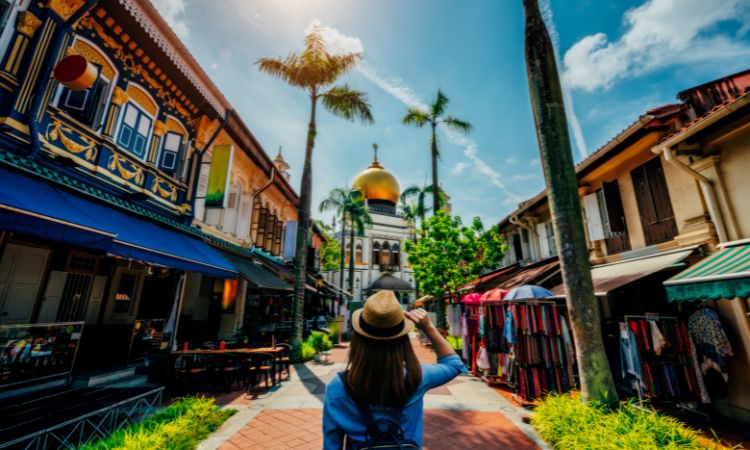
The Riviera Maya region is famed for its cenotes—natural sinkholes revealing subterranean freshwater pools—and Playa Paraíso serves as an excellent base for discovering these geological wonders. This guide covers planning responsible cenote visits and complementary jungle hikes, ensuring visitors benefit from expert guidance while minimizing environmental impact. Cenotes vary from open-air pools surrounded by lush vegetation to cavernous systems requiring basic spelunking. Operators provide options suited for different comfort levels: guided tours include safety briefings, use of life vests, and sometimes snorkeling or diving gear for exploring underwater passages.When selecting cenote excursions, prioritize providers emphasizing conservation: they enforce pool capacity limits, prohibit single-use plastics, and instruct visitors on avoiding chemical contaminants. Many cenotes offer interpretive signage or guide commentary on geological formation processes and local cultural significance—Mayan communities historically regarded cenotes as sacred water sources. Participants may engage in guided shallow snorkeling to observe freshwater fish species and aquatic flora. For certified divers, deeper cenote dive experiences exist under strict supervision; however, beginners can enjoy surface exploration in crystal-clear waters, with light penetrating to reveal submerged rock formations.Beyond cenotes, jungle hikes uncover native flora and fauna: guided walks through tropical forest reveal regional plants used for traditional medicine, birdwatching opportunities, and occasional sightings of small mammals or reptiles. Expert guides share insights into ecosystems, highlighting the interconnectedness of mangroves, cenotes, and coastal reefs as part of a broader environmental tapestry. Hikes may include visits to less frequently toured cenotes, offering a sense of discovery away from crowded sites. Wear appropriate footwear, insect repellent, and lightweight, moisture-wicking clothing; always follow guide instructions to avoid disturbing habitats.Combine cenote visits with cultural elements: some tours incorporate visits to local artisan communities, where travellers learn about traditional crafts or local culinary practices—sampling fresh regional fruits, tasting local aguas frescas, or observing tortilla-making. These experiences deepen understanding of how Mayan heritage and natural resources intertwine. Photographers should bring waterproof cameras for cenote photography and telephoto lenses or binoculars for jungle wildlife observation.For those seeking a more active adventure, consider guided mountain biking routes through jungle trails leading to cenotes or archaeological outposts. These require moderate fitness but reward participants with varied perspectives: pedaling through dappled light, emerging at secluded cenote entrances for refreshing dips. Safety measures include helmet use and hydration packs.After excursions, return to Playa Paraíso beaches for relaxation—floating in the sea offers a soothing contrast to the invigorating freshwater swims. The juxtaposition of beach calm and jungle adventure encapsulates Riviera Maya’s dual nature. By planning eco-conscious cenote and jungle experiences, travellers support sustainable tourism and local communities while creating memorable connections to the region’s natural and cultural heritage.
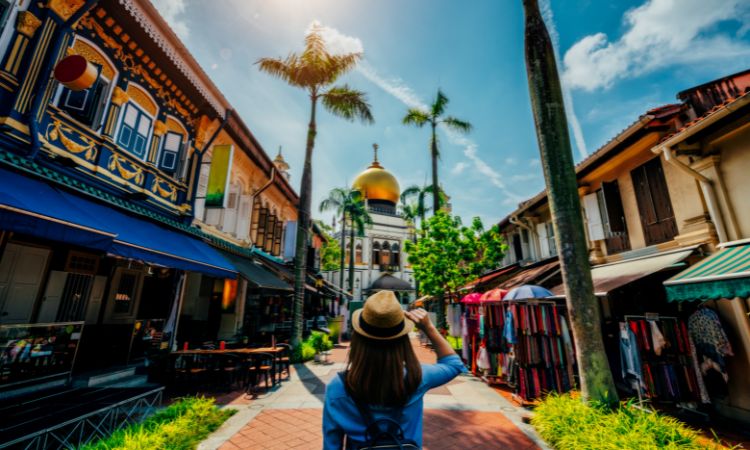
Playa Paraíso’s proximity to iconic Mayan sites makes it an ideal hub for archaeological exploration. This guide outlines how to organize day trips that deliver enriching cultural experiences, balancing comfort with immersive learning. The most renowned site nearby is Tulum, perched on coastal cliffs with panoramic Caribbean views. Early arrival is recommended to avoid crowds and midday heat; guided tours often commence at sunrise, revealing battlements and temples bathed in morning light. Guides narrate Mayan history, architecture, and the site’s spiritual significance, connecting ruins to broader Mesoamerican civilization narratives.Beyond Tulum, Coba lies inland amid jungle, featuring one of the few pyramids visitors can still climb. Guided excursions include bike or tricycle rides along ancient sacbeob (stone causeways) linking structures. Guides interpret glyphs, explain the social organization of Mayan cities, and discuss theories on trade networks extending throughout the Yucatán Peninsula. Accessibility to less-visited sites such as Muyil or Ek’ Balam may require longer travel but reward visitors with quieter atmospheres and insights into diverse regional expressions of Mayan culture.Cultural experiences extend beyond ruins: in nearby communities, travellers can engage in workshops on traditional crafts—textile weaving, pottery, or hammocks—often led by local artisans. Culinary workshops teach preparation of regional dishes, blending Mayan ingredients like achiote and chocolate with modern techniques. Some operators organize visits to local markets in Playa del Carmen or smaller villages, introducing travellers to fresh produce, spices, and street food culture. These visits reinforce connections between past and present, illustrating how cultural heritage influences daily life.Timing and logistics: most operators offer full-day or half-day tours departing from Playa Paraíso or Playa del Carmen. Opt for small-group tours to maximize personalized attention. Transportation may include air-conditioned vans or private vehicles for comfort. Pack essentials: sun protection, comfortable walking shoes, reusable water bottle, light snacks, and a camera. Respectful attire at archaeological sites is important; cover shoulders and knees out of cultural sensitivity, and follow site regulations (e.g., no climbing where prohibited).Language considerations: although guides often speak English and Spanish, learning a few basic Spanish phrases enhances interactions in local communities. Engage respectfully with residents, ask permission before photographing individuals, and consider purchasing souvenirs directly from artisans to support local economies. By merging archaeological visits with cultural immersion activities, travellers gain holistic understanding of the Riviera Maya’s heritage, creating meaningful memories rooted in the ancient foundations of Playa Paraíso’s landscape.
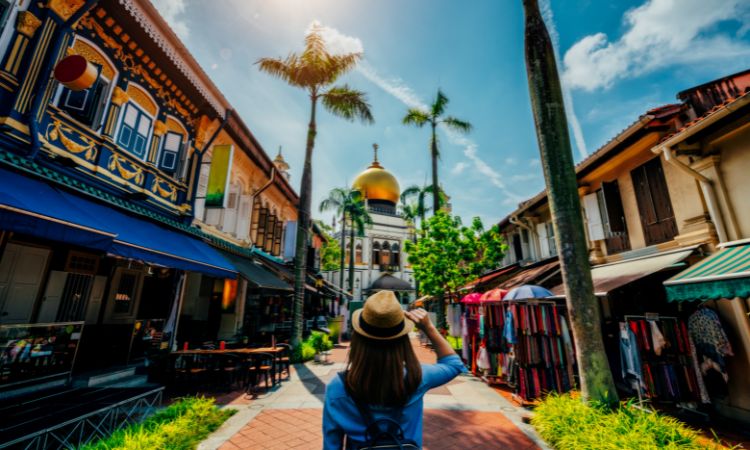
Food is an integral part of Riviera Maya culture, and Playa Paraíso provides a launchpad for gastronomic exploration. This guide highlights ways to savor authentic local cuisine, discover innovative dining concepts, and understand regional culinary traditions. Many resorts feature restaurants that blend international influences with Mexican ingredients: fresh seafood, tropical fruits, chiles, and herbs appear in creative dishes. However, venturing beyond resort walls reveals hidden gems. Local beachside eateries serve tacos al pastor, grilled fish, and empanadas; sampling these staples offers insight into everyday Mexican flavors.For a deeper dive, join guided food tours in nearby Playa del Carmen. These often include visits to local markets, where travellers observe vibrant produce, spices, and street food stalls. Experienced guides explain ingredient origins, seasonal availability, and historical contexts—for example, how corn, beans, and squash form the “Mesoamerican triad.” Tastings may include regional specialties such as cochinita pibil (slow-roasted pork), salbutes (fried tortillas topped with meat and toppings), or marquesitas (crispy crepes filled with cheese and sweet fillings). Pair dishes with aguas frescas—fresh juices often infused with hibiscus, tamarind, or tropical fruits—or sample Mexican craft beers.Cooking classes offer hands-on experiences: learn to prepare salsas, guacamole with fresh avocados, or traditional desserts like flan or churros. Some classes focus on Mayan-inspired dishes using native ingredients; chefs discuss sustainable sourcing and cultural significance. After lessons, participants sit together to enjoy their creations, fostering communal atmosphere.Evening dining in Playa Paraíso or Playa del Carmen includes beachfront dinners under soft lighting. Seafood-focused menus might present catch-of-the-day ceviche, grilled lobster, or octopus dishes, complemented by side servings of rice flavored with coconut or achiote-seasoned vegetables. Wine lists feature regional and international selections; cocktails highlight local spirits like mezcal or tequila, or creative mixes incorporating tropical fruits and herbs. For wine enthusiasts, small wine bars in Playa del Carmen offer tasting flights.Dessert aficionados can sample artisanal chocolates made from local cacao, sometimes combined with chili for a modern twist. Coffee culture thrives: cafés roast beans locally, presenting options from espresso to traditional Mexican coffee preparations. For sweet-tooth cravings, explore street-side churro stands or gelato shops blending local fruit flavors.Pricing: while fine dining may reflect resort rates, many authentic experiences in local venues remain budget-friendly, especially when priced in MXN and converted to GBP. Use average pint price (£2.22) or local meal costs as benchmarks when budgeting. Consider lunch specials at casual restaurants to enjoy quality food at lower costs.Ultimately, gastronomic experiences in and around Playa Paraíso enrich travel by connecting taste to place. By sampling a spectrum from street food to gourmet dining, travellers appreciate the blend of indigenous heritage and contemporary innovation that defines Riviera Maya cuisine.
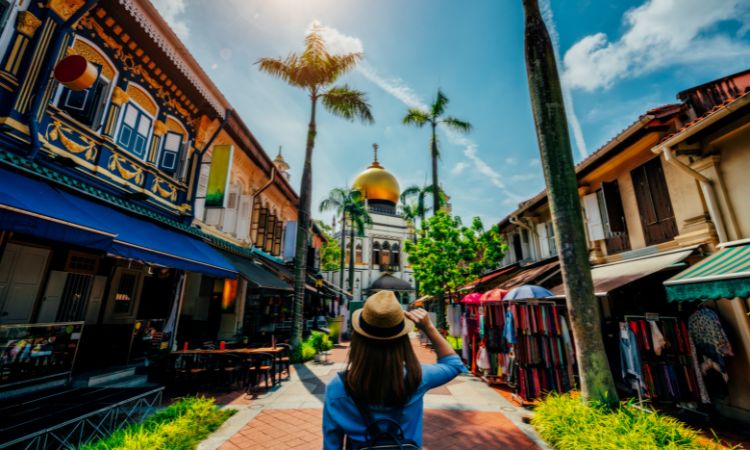
Although Playa Paraíso is celebrated for daytime tranquility, the nearby towns provide vibrant evening entertainment and nightlife options. This guide outlines how to balance laid-back beachfront evenings with occasional excursions to lively venues, ensuring visitors choose experiences aligned with their preferences. In Playa Paraíso itself, many resorts offer live music nights, themed dinners, or sunset cocktail events by the ocean. These are ideal for guests seeking relaxed social atmospheres: acoustic guitar performances, beachfront bonfires with light snacks, and star-lit lounges where conversations flow in gentle breezes.For travellers desiring more active nightlife, short transfers to Playa del Carmen open doors to bustling bars, clubs, and cultural events. Quinta Avenida in Playa del Carmen features bars with live bands playing Latin rhythms, lounges showcasing DJs spinning international and regional beats, and dance clubs that stay open into the early hours. Dress codes vary; some venues permit casual beach attire early in the evening, shifting to smart-casual later. Entrance fees and drink prices are moderate compared to European or North American cities, especially when converted to British pounds. Sample local cocktails featuring mezcal or tequila infusions, or enjoy craft beers at taprooms highlighting Mexican breweries.Cultural evening events include folklore shows combining music, dance, and storytelling, offered at ecological parks or cultural centers. These performances celebrate Mayan and regional traditions, often accompanied by dinner featuring traditional dishes. Attending such events deepens cultural understanding and provides memorable entertainment beyond typical bar scenes.For culinary nightlife, consider late-night eateries serving tacos or comfort foods after evening outings. Many street-food stands operate until midnight, presenting opportunities to savor authentic Mexican flavors when cravings strike post-celebration. Stay mindful of safety: travel in groups or use reputable transport services when moving between Playa Paraíso and Playa del Carmen after dark. Pre-arranged shuttles or ride apps ensure reliable returns to accommodations.Live music lovers may attend beach clubs hosting themed nights, such as reggae or jazz evenings, where the ocean serves as backdrop. Some resorts organize full-moon parties or special events timed with lunar phases, combining music, dance, and festive atmospheres in natural settings. Always check local event calendars during planning to align visits with unique celebrations or festivals in the region.In summary, Playa Paraíso’s evening offerings balance restful resort-based entertainment with accessible nightlife in neighbouring towns. Whether preferring a quiet drink listening to waves or a lively night out dancing, travellers can curate experiences that complement daytime relaxation, rounding out days filled with natural beauty and cultural discovery..
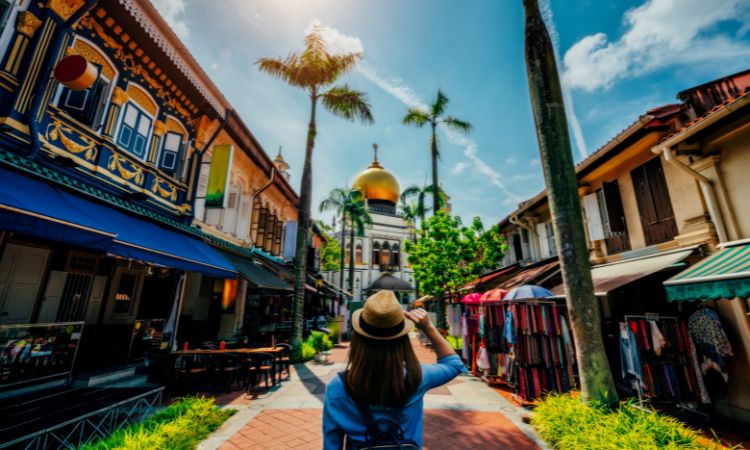
Effective planning ensures a seamless trip to Playa Paraíso. This guide addresses travel logistics—from flights to local transport—and budgeting tips to optimize value. Most international travellers fly into Cancún International Airport (CUN) or Cozumel International Airport (CZM). From Cancún, transfers by shared shuttle or private transport take approximately 1 to 1.5 hours; from Cozumel, a ferry to Playa del Carmen followed by a short drive leads to Playa Paraíso. Pre-book airport transfers to avoid peak-time surcharges and ensure timely pickups. Car rentals are available but consider local driving conditions, parking availability, and fuel costs; alternatively, use reputable taxi or ride-share services for flexibility.Accommodation choices range from boutique eco-lodges to all-inclusive resorts. Early booking, especially for peak season (December–April), secures preferred rooms at competitive rates. For budget-conscious travellers, off-peak months often feature discounts and package deals. Evaluate what each package includes—meals, activities, transfers—to compare real values. Use average costs (e.g., meal prices in MXN converted to GBP) as reference: a mid-range restaurant meal might cost around £15–£25 per person, while resorts may offer half-board or full-board options. Factor in additional expenses: tours (cenote visits, archaeological excursions), water activities, spa treatments, and souvenirs.Daily expenses include local transport for day trips: group tours often include transport, whereas independent visits may require renting a car or hiring a driver. Evaluate group vs. private tours based on group size, budget, and desired flexibility. For independent travellers, apps for ride bookings provide convenience but confirm service availability in the region. Grocery shopping for snacks or water at local supermarkets can reduce daily costs; bring reusable water bottles compatible with refill stations at resorts or filtered water sources.Currency exchange: obtain Mexican pesos either prior to arrival or at authorized exchange points; many vendors accept credit cards, but carrying some cash is advisable for small purchases or local markets. Consider using cards with low foreign transaction fees. Monitor exchange rates to convert GBP to MXN at favorable times. Tipping norms: typically 10–15% in restaurants if service is not included, and small amounts for guides or drivers, expressed in MXN equivalent of a few pounds or pesos accordingly.Health and safety preparations: travel insurance covering medical evacuation is recommended. Bring basic medications and insect repellent. Sunscreen should be reef-safe to minimize environmental impact. Stay hydrated, especially during outdoor excursions, and heed local advisories regarding weather (e.g., hurricane season considerations). Register travel details with relevant authorities if required.Connectivity: many accommodations offer Wi-Fi; consider local SIM cards for mobile data if you need on-the-go access. Communication with local operators via messaging apps works when data is reliable. Power adapters: Mexico uses Type A/B plugs with 127V, but many devices support dual voltages.By planning logistics and budgeting wisely, travellers can focus on enjoying Playa Paraíso’s offerings. Early research, advance bookings for high-demand services, and flexibility in activity choices contribute to smooth experiences. Whether seeking a luxury retreat or a balanced budget trip, this guide equips visitors with the practical knowledge to make informed decisions and maximize the value of their Playa Paraíso holiday.
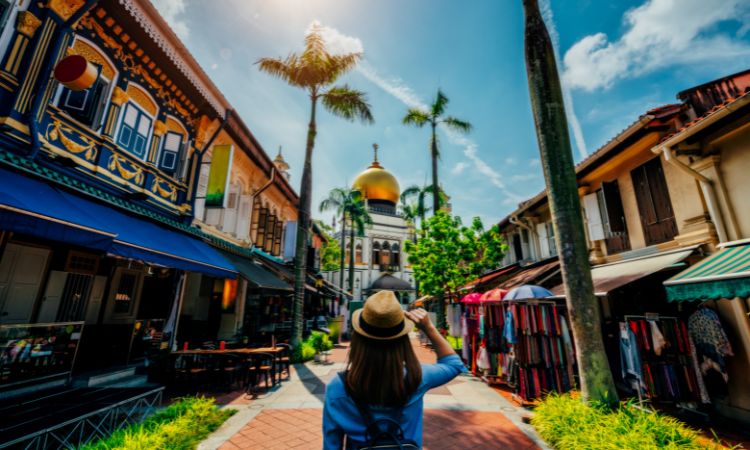
Ensuring safety and practicing responsible tourism are paramount when visiting Playa Paraíso. This guide outlines measures to maintain personal well-being while respecting local communities and environment. First, familiarize yourself with general safety advice: stay aware of surroundings, secure valuables in accommodations, and use hotel safes when available. When venturing on day trips—whether to cenotes, archaeological sites, or jungle excursions—choose reputable, licensed tour operators that adhere to safety protocols, including properly maintained equipment, certified guides, and clear emergency procedures.Health precautions include drinking safe water (bottled or filtered), using reef-safe sunscreen to protect coral ecosystems, and applying insect repellent to guard against mosquito-borne illnesses. Stay updated on any travel advisories for the region and register with your embassy if recommended. Carry a basic first-aid kit with essentials such as bandages, antiseptic wipes, and any personal medications; consider travel insurance covering medical emergencies.Respect local customs and communities: learn a few polite Spanish phrases, greet locals courteously, and ask permission before photographing individuals. When visiting smaller towns or villages, dress modestly and observe cultural norms. Purchase souvenirs directly from local artisans and small businesses to support livelihoods; avoid items made from endangered species or that contribute to environmental degradation. Participate in community-based tourism experiences, such as workshops or homestays, which often reinvest proceeds into local development.Environmental responsibility: Playa Paraíso’s charm relies on its natural beauty—preserve it by disposing of waste properly, minimizing plastic use, and following designated paths to avoid disturbing flora and fauna. In water activities, adhere to guidelines: avoid touching or standing on corals, maintain respectful distances from wildlife, and refrain from feeding animals. Use eco-certified tour operators for activities like snorkeling or cenote diving, ensuring they follow conservation best practices. Many resorts and local businesses participate in beach clean-ups or conservation programs; inquire about volunteering opportunities to contribute positively during your stay.Emergency contacts: note local emergency numbers (e.g., 911 for general emergencies in Mexico), and have contact details for your country’s embassy or consulate. Share itinerary details with someone reliable at home. For remote excursions, confirm communication options (mobile coverage or satellite devices) and inform guides about medical conditions or allergies.Transport safety: when using taxis or ride services, opt for licensed providers; if renting vehicles, inspect for insurance coverage and understand local driving regulations. Avoid driving at night on unfamiliar rural roads. For boat trips, ensure life jackets are provided and lifejacket usage is enforced.By combining personal safety measures with respectful, environmentally conscious behaviors, travellers help preserve Playa Paraíso for future visitors and foster positive relations with local communities. Responsible travel enhances the quality of the experience, allowing guests to enjoy the region’s natural and cultural assets while leaving a minimal footprint and supporting sustainable tourism initiatives.
No ads. No trails. No commitments


Alice Roses
London, England
51 ST MATTHIAS ROAD
NOTTINGHAM, NOTTINGHAMSHIRE
NG3 2HF
Hours: 8:00 - 17:00, Mon - Sat
support@johnsonholidays.com