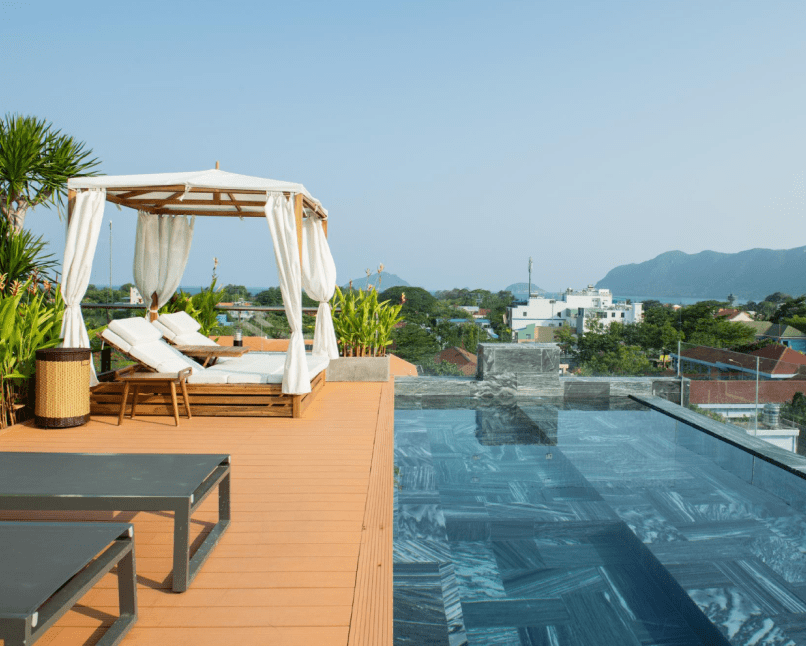
 Ras Al Khaimah Travel
Guide
Ras Al Khaimah Travel
Guide
Paris is known around the world as the “capital of love,” and even if you don't understand the history of Paris at all

7 Hours
£8.10
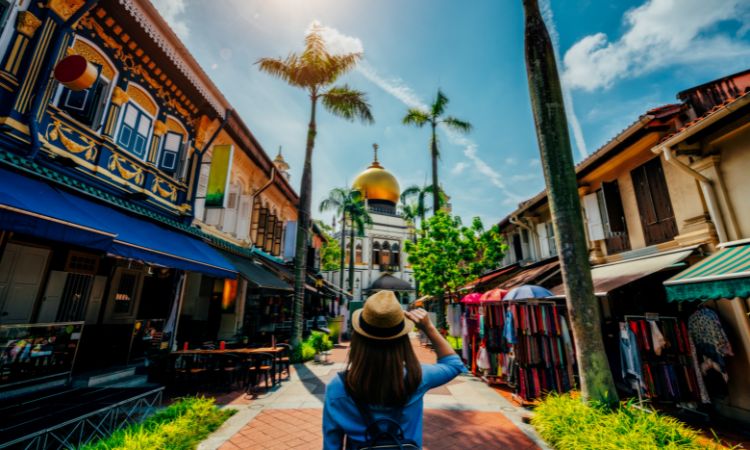
Ras Al Khaimah provides genuine insight into Emirati heritage through visits to restored forts, traditional villages and pearl farms. Guided tours reveal centuries-old trading routes, Bedouin customs and stories of pearl diving that shaped the region. Cultural workshops let you try Arabic calligraphy, henna artistry or pottery under expert instruction, fostering direct engagement with local artisans. Family-run cafés serve Emirati specialities—slow-cooked meats with fragrant rice, date-based desserts—offering warm hospitality away from mass-tourism settings. Festivals and community events in cooler months showcase folk music, dance and crafts. This immersive authenticity, complemented by modern comforts, creates a memorable journey into the UAE’s roots.
Learn More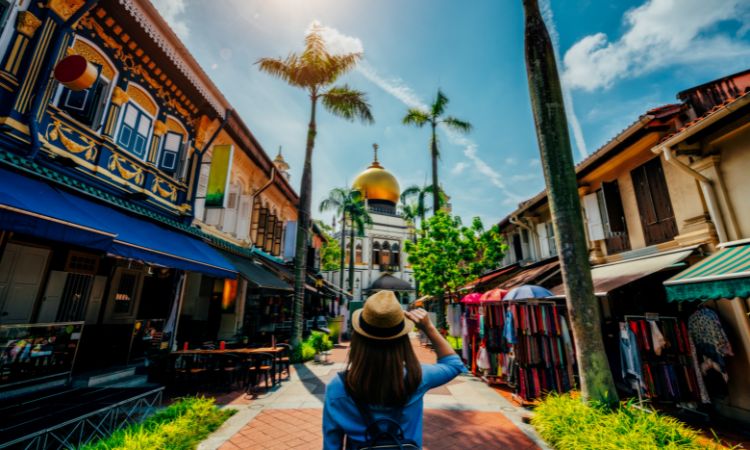
The Hajar Mountains offer a rugged playground for thrill-seekers: trekking into hidden wadis with natural pools; adrenaline-fuelled zip-lines across deep gorges; via ferrata climbing for varied skill levels; mountain biking on scenic trails. Professional guides ensure safety and enrich experiences with insights into geology, flora and fauna. Desert camps at foothills provide starlit overnight stays, with minimal light pollution revealing dazzling night skies. Cooler months (November–April) provide ideal temperatures for full-day mountain pursuits; summer visits focus on early-morning or late-afternoon excursions. These mountain adventures blend challenge, natural beauty and cultural context.
Learn More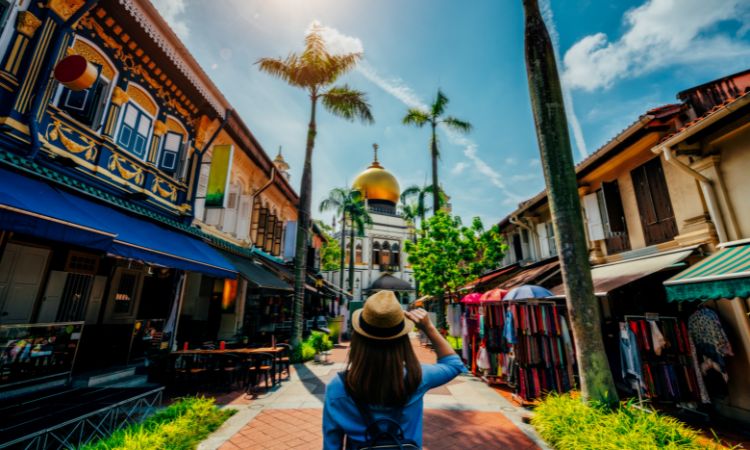
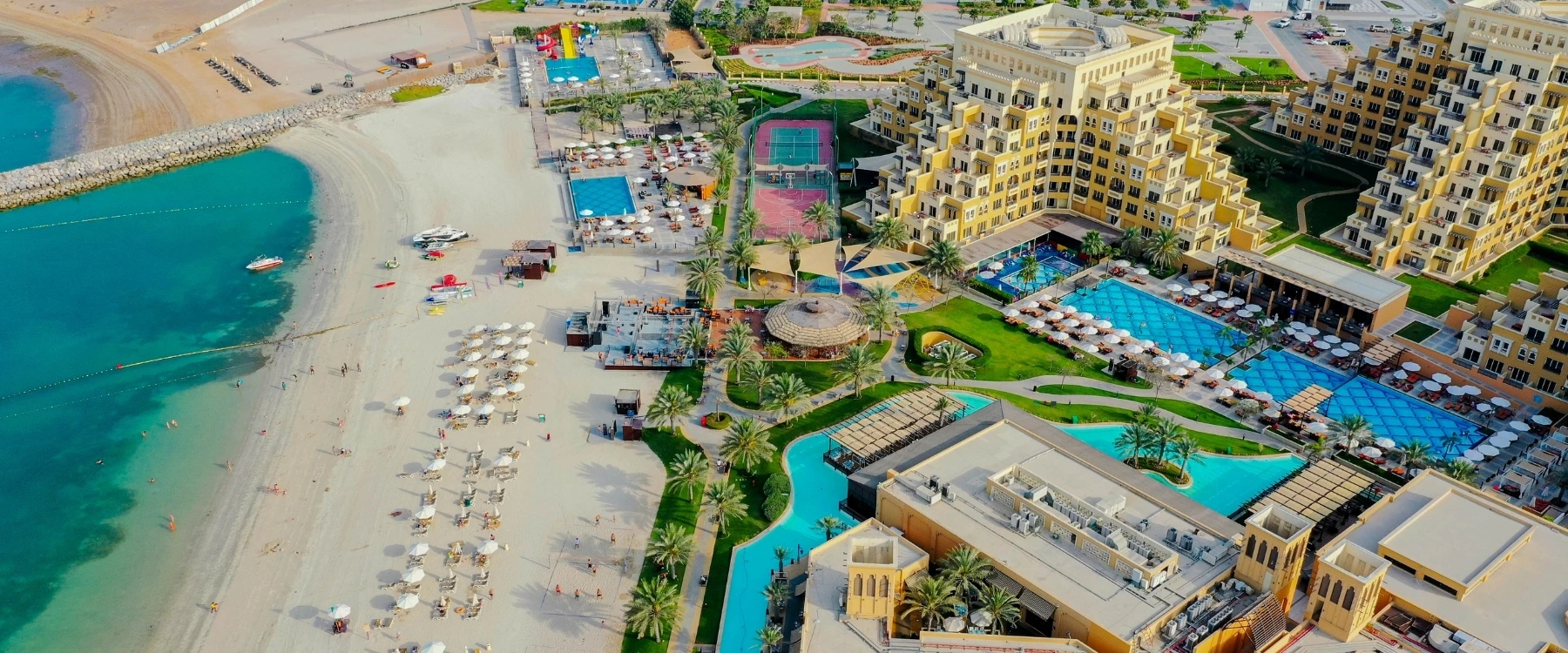
Al Marjan Island and nearby bays feature soft sandy stretches and clear Arabian Gulf waters ideal for snorkelling, kayaking, paddleboarding and stand-up paddle in calm conditions. Family resorts often include water parks, kids’ clubs and beachfront dining with sea views. Couples can choose private beach cabanas at sunset or romantic sunset cruises. Fishing enthusiasts enjoy guided excursions, with fresh catches prepared seaside. Wellness offerings include beach yoga at dawn and spa treatments overlooking the water. The relatively uncrowded coastline delivers a laid-back seaside vibe, providing both activity options and serene relaxation in one place.
Learn More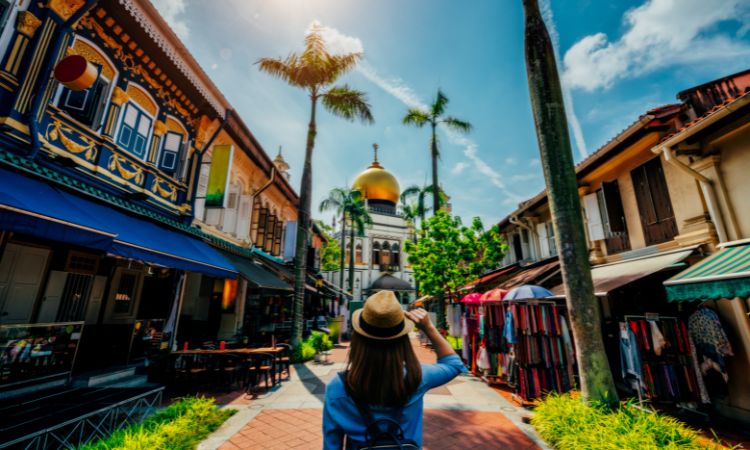
Ras Al Khaimah has many resorts tailored to families, featuring water parks, kids’ clubs with supervised programs, safe pools and spacious family accommodation. Excursions include desert safaris adapted for children (with moderate dune drives and short camel rides), wildlife centre visits, and cultural craft sessions. Safety standards in resorts ensure peace of mind, while babysitting services and family dining options ease parental planning. Educational elements—guided nature walks, eco-workshops—keep young minds engaged. With both adventure and relaxation covered, families can balance thrilling experiences and downtime easily.
Learn More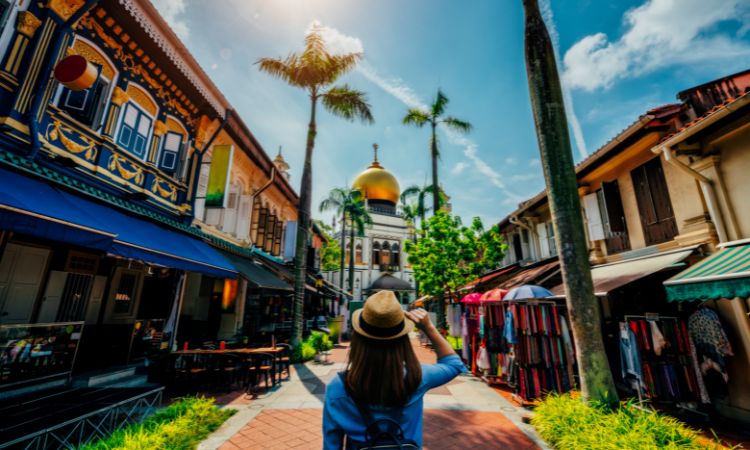
The serene desert and tranquil beaches set the stage for wellness retreats. Spas use local ingredients—dates, herbs—for massages and treatments with mountain or sea vistas. Sunrise yoga sessions on the beach or mountain foothills revitalise body and mind. Healthy dining options focus on fresh produce and hydrating menus suited to the climate. Desert camps promote digital detox, offering meditation under starry skies and gentle nature walks. Wellness packages often combine light adventure—early hikes or guided breathwork in nature—with restorative spa therapies, allowing guests to emerge refreshed and balanced.
Learn More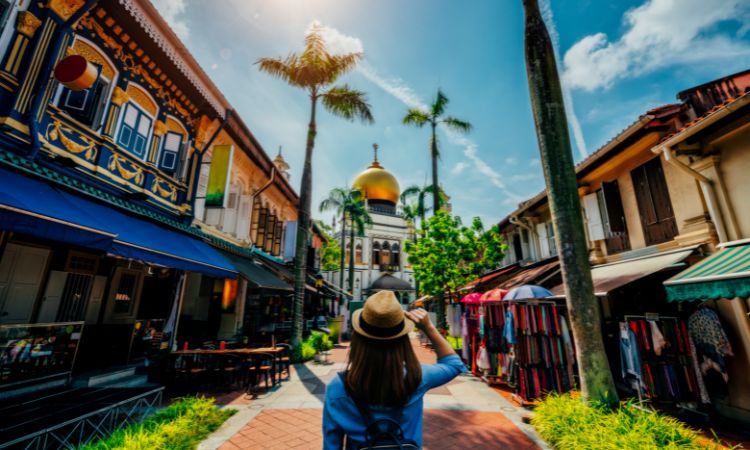
Ras Al Khaimah delivers luxury experiences—mountain adventures, spa retreats, beachfront stays—at prices often lower than in other Emirates. Emerging high-end resorts and boutique desert camps expand options for discerning travellers. Many adventure activities (zip-lines, guided treks) and wellness packages remain competitively priced. This excellent value enables longer stays or inclusion of multiple experiences within a reasonable budget. At the same time, budget-conscious options—3-star hotels, local eateries and eco-tours—provide alternative routes for travellers seeking savings without sacrificing authenticity or safety. The value proposition makes RAK particularly appealing for both luxury seekers and thrifty explorers.
Learn More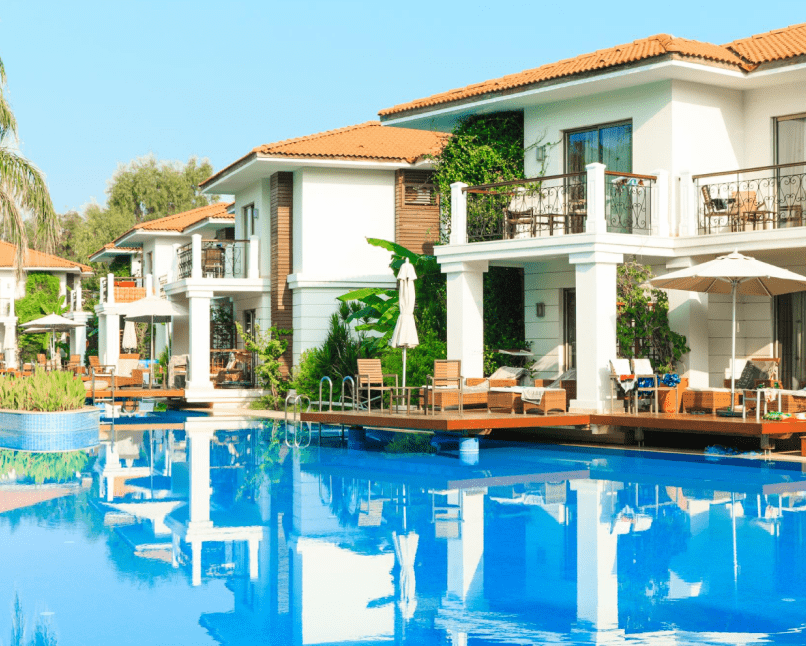
Lorem ipsum dolor, sit amet consectetur adipisicing elit. At illo adipisci iusto
From

Because more than 268 other customers have loved us too

Demonstrates commitment to user data security through encryption and secure payment practices
Learn More
Demonstrates commitment to user data security through encryption and secure payment practices
Learn More
Demonstrates commitment to user data security through encryption and secure payment practices
Learn More
Demonstrates commitment to user data security through encryption and secure payment practices
Learn More
Quality as judged by customers. Book at the ideal price!


/ person
/ person
/ person
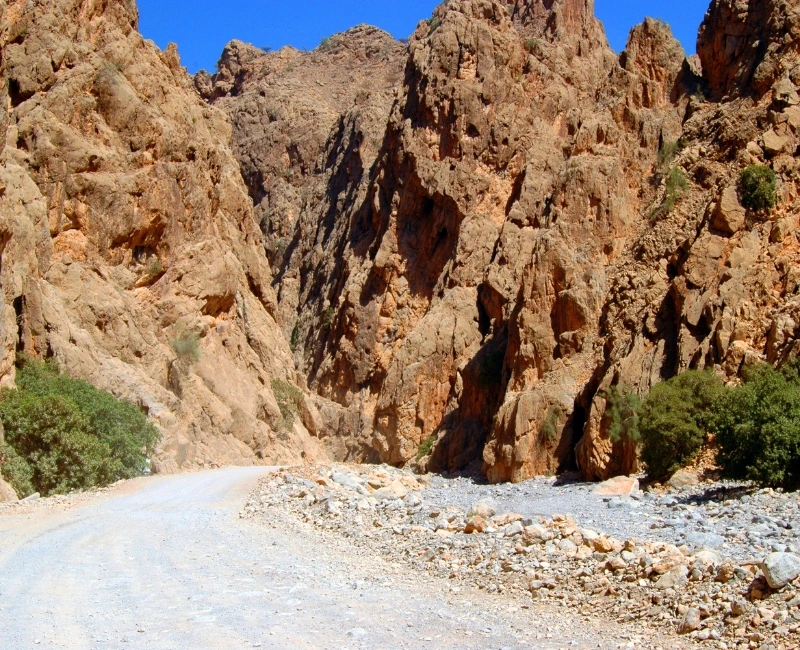
Ras Al Khaimah’s Hajar Mountains form an expansive network of trails and canyons, ideal for hikers seeking either gentle strolls or challenging ascents. Begin at first light to enjoy cooler temperatures and to witness the sun’s rays illuminating rugged peaks. One of the most popular routes follows a wadi—its narrow canyon walls framing a path interrupted by natural rock pools. After scrambling over smooth, water‑worn boulders, hikers are rewarded with a refreshing dip in crystal‑clear water.Guides share geological insights, explaining how tectonic uplift sculpted dramatic ridges and how erosion carved deep gullies over millions of years. They’ll point out resilient native flora—spiny acacias, desert hyacinths, and the rare oleander—and may spot elusive wildlife such as Arabian tahr perched on cliff faces or falcons riding thermal updrafts.For a full‑day challenge, ascents rise more than 800 meters, leading to lookout points with panoramic vistas of desert plains, palm‑fringed oases, and the distant Arabian Gulf. At summits, breaks in shaded ledges become perfect for picnic lunches, yoga stretches, or group reflection amid silence broken only by wind.Camping under a star‑filled sky transforms the trek into a multi‑sensory adventure. Basic eco‑bivouacs suit minimalists, while glamping tents equipped with beds and lanterns provide creature comforts. Without city lights, constellations blaze overhead—guides often lead stargazing sessions, naming Orion, the Summer Triangle, and meteor trails.Seasonal timing is key: from November to April, full‑day hikes with lunch stops in shaded nooks are comfortable; in summer, early‑morning or late‑afternoon treks avoid midday heat, often paired with deeper canyon exploration where gorges provide cooler microclimates.Cultural immersion comes via mountain villages dotting the routes: mud‑brick homes, terraced gardens, and families tending goats. A stop at a village café for sweet mint tea, flatbread, and local dates brings insight into traditional mountain life.Guided hikes emphasize safety—ample water supplies, trekking poles, first‑aid kits, and experienced route‑finding. Photographers delight in dawn’s soft light, casting long shadows that accentuate rock textures and interplay of warm hues.Mountain‑bike options on selected tracks offer an adrenaline‑infused alternative, while conservation‑minded operators adhere to Leave No Trace, minimizing environmental footprints. In sum, trekking and hiking in the Hajar Mountains blends invigorating exercise, natural splendor, cultural insights, and starlit nights—an essential Ras Al Khaimah mountain odyssey.
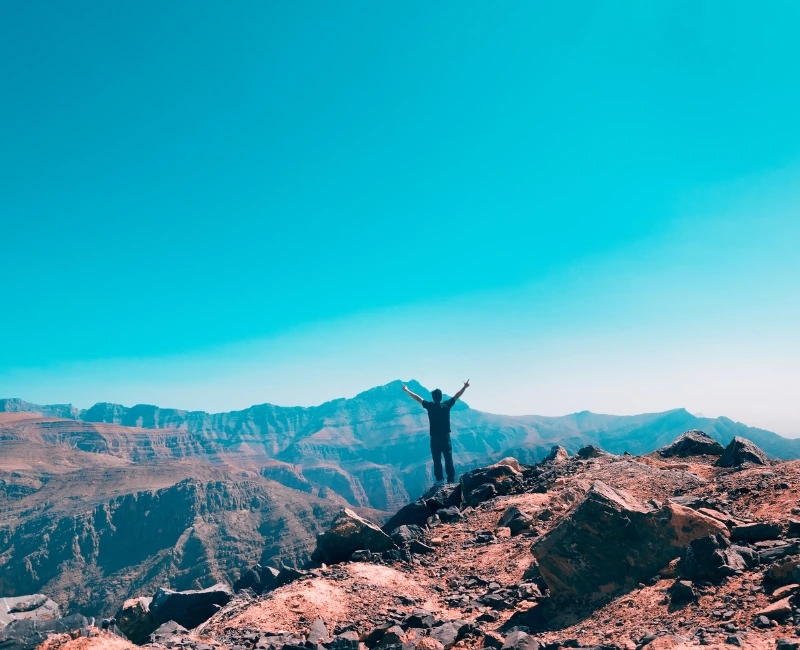
Jebel Jais, Ras Al Khaimah’s highest peak, has become a global adventure destination thanks to its record‑breaking zip‑line and well‑equipped via ferrata. The signature zip‑line propels participants across a vast canyon at speeds exceeding 100 km/h, offering bird’s‑eye panoramas of rugged ridges, deep valleys, and winding mountain roads. After comprehensive safety briefings, harness fittings, and weight checks, riders launch from a platform perched on limestone cliffs. The rush of wind and sweeping vistas combine to create a truly unforgettable thrill.Complementing the zip‑line, the via ferrata transforms sheer rock faces into accessible climbing routes. Fixed steel cables, rungs, and anchors allow those with little technical background to ascend safely under the guidance of certified instructors. Climbers learn proper clipping techniques, body positioning for stability, and pacing strategies to conserve energy. The route features a variety of challenges—from gentle inclines to exposed overhangs—with belay stations doubling as rest points and photo opportunities.Best enjoyed in cooler months (November–April), sunrise sessions deliver crisp air and soft morning light, while sunset slots bathe the landscape in golden hues. In summer, shorter morning or late‑afternoon experiences avoid peak heat, and the Jebel Jais Viewing Deck Park—with cafés, shaded terraces, and observation decks—offers a comfortable vantage for spectators.Nearby accommodations include rustic mountain lodges and luxury glamping tents complete with beds and fire pits, perfect for unwinding after an action‑packed day. Beyond the headline activities, the plateau’s walking trails and birdwatching spots reveal a quieter side of Jebel Jais—keep an eye out for peregrine falcons and endemic flora.Family‑friendly options ensure broader participation: age, height, and weight restrictions keep everyone safe, while alternative attractions like the viewing deck and nature walks welcome non‑participants. Operators adhere to international safety standards, conducting daily equipment checks and employing certified guides.Package experiences often link zip‑lining and via ferrata with light nature treks or cultural insights into the Hajar range’s geology and Bedouin heritage. Whether you crave full‑throttle adrenaline or the fulfillment of summiting a cliff face, Jebel Jais delivers expertly managed thrills against a backdrop of unparalleled mountain scenery—cementing its status as Ras Al Khaimah’s premier high‑altitude playground.
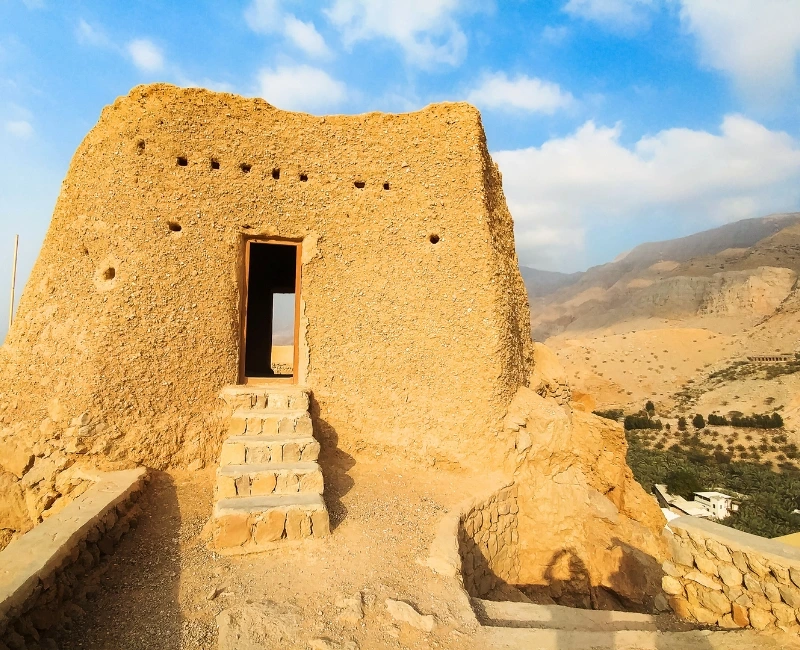
Ras Al Khaimah’s millennia‑rich history is embodied by its ancient forts and heritage villages, weaving tales of trade, defense, and survival in an arid landscape. Dhayah Fort, a UNESCO‑registered site, crowns a low hill above date palm groves and coastal plains. A gentle ascent up stone steps leads to battlements where tribal warriors once defended their tribe against colonial forces. From this vantage, sweeping panoramas of palm‑lined wadis, rugged mountains, and the Arabian Gulf unfold.Beyond forts, preserved mud‑brick villages—like those in Al Jazirah Al Hamra—recreate traditional Emirati life. Narrow alleyways, wind towers for passive cooling, thick walls that buffer desert heat, and central courtyards for family gatherings illustrate ingenious architectural responses to harsh climates. Local guides, often descendants of the original inhabitants, share stories of date cultivation, water‑management systems, and the pearl‑diving economy that once fueled regional prosperity.Pearl‑farming demonstrations revive the diving heritage: skilled divers don period‑style gear to retrieve oysters, underscoring pearls’ historical importance as both a luxury export and social currency. Small interpretive centers display artifacts—ancient pottery shards, pearl necklaces, traditional garments—while multimedia exhibits recount maritime trade routes linking Arabia to India, East Africa, and beyond.Interactive workshops deepen engagement: try your hand at Arabic calligraphy, henna painting, or weaving simple textiles under the tutelage of seasoned artisans. Culinary heritage sessions follow, where hosts guide guests through preparation of Emirati staples like machboos (spiced rice with meat or fish), sweet luqaimat dumplings, and fragrant date‑coffee ceremonies. These meals, served in traditional majlis settings, underscore hospitality rituals central to Emirati culture.As dusk falls, desert camps near heritage sites offer expanded experiences: gentle camel rides over dunes, majlis‑style storytelling around fire pits, and performances of Ayalah—a traditional group dance accompanied by drums and poetry. Under star‑studded skies, the connection between land, history, and community becomes profoundly tangible.Responsible tourism operators collaborate with local communities to reinvest proceeds into site preservation, ensuring that these forts and villages remain vibrant testaments to Ras Al Khaimah’s past for generations to come.

Ras Al Khaimah’s traditional souks (markets) offer an immersive sensory journey: aisles perfumed with cardamom, saffron, and turmeric lead to displays of dried dates, woven textiles, silver jewelry, and handcrafted pottery. Vendors, steeped in generational knowledge, welcome polite haggling—where friendly banter and respectful offers create a communal shopping experience rather than a transactional one.Culinary workshops often begin with a guided souk tour. Under an expert host’s eye, participants select the freshest ingredients: date varieties ranging from soft Medjools to drier barhis; spices measured by sight and scent; and locally caught fish or regional meats. Back in a kitchen or family‑style setting, hosts demonstrate classic Emirati recipes step by step. Dishes like kabsa and machboos—rice simmered with aromatic spices and tender meat—are prepared over open flames or in traditional ovens. Participants measure spices, stir simmering pots, knead dough for flatbreads or luqaimat dumplings, and learn the precise timing that balances flavor.Workshops also explore cultural rituals tied to meals: serving gahwa (Arabic coffee) with dates, understanding its role in hospitality, and mastering tea ceremonies infused with rose water or saffron. Visits to local date plantations illustrate irrigation techniques that sustain palms in arid conditions; guests sample fresh harvests and learn sustainable practices.Some culinary experiences extend to farm‑to‑table tours: strolling through small farms to pick herbs, pluck vegetables, or visit beekeepers, then returning to the kitchen to integrate these fresh elements. Evening gatherings in desert settings offer lantern‑lit dinners around low tables, with performances of traditional music and dance weaving food with folklore.Responsible operators emphasize minimal waste—composting scraps, using seasonal produce, and sourcing from small suppliers—ensuring that culinary exploration supports local economies and respects environmental limits. Participants leave with authentic recipes, newfound appreciation for Emirati flavors, and memories of communal cooking that bridge past and present.
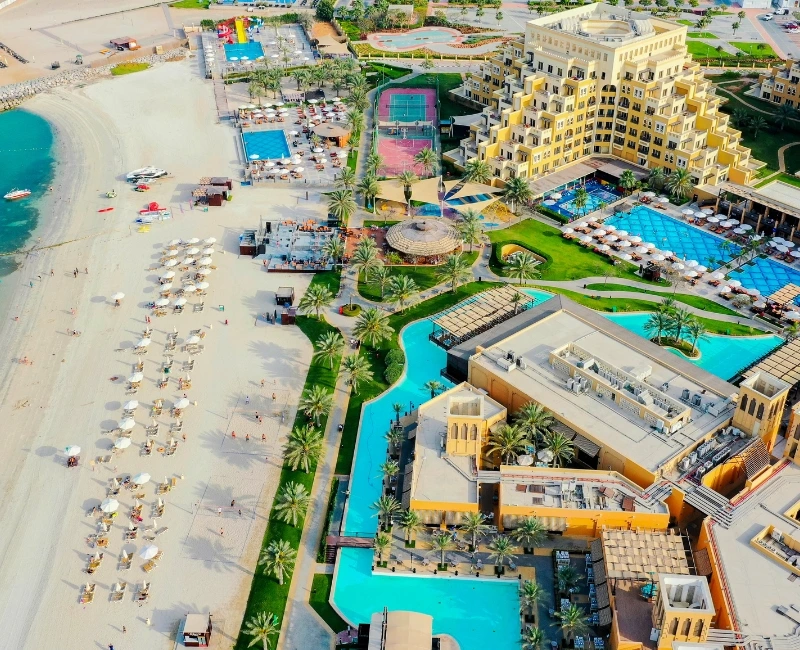
Al Marjan Island’s crescent of man‑made islets hosts beachfront resorts, family villas, and an array of water‑based attractions. Mornings often begin with guided yoga or Pilates on soft sands as the sun rises over the Arabian Gulf. Paddleboarders skim across glassy waters, while guided kayak tours explore gentle coves and reveal marine life beneath crystal surfaces—schools of small reef fish, starfish, and occasional turtles gliding by.Family‑oriented resorts offer water parks with slides and splash zones, keeping children happily engaged as parents relax under shaded cabanas. Fishing charters depart from local marinas, where guests try their hand at catching snapper or barracuda; many tours include seaside cooking demonstrations, where freshly caught fish is grilled with regional spices.Boat excursions navigate hidden mangrove fringes—guided walks unzip the secrets of these nurseries for juvenile fish and migratory birds. Sunset cruises drift past calm waters, serving light refreshments as fiery horizons reflect in the sea. Many resorts feature beachfront restaurants, where menus highlight freshly caught seafood, regional mezze platters, and cooling date‑infused desserts.Wellness offerings extend to seaside spa pavilions: signature massages using local date‑seed oil, soothing body scrubs combining fine sand with essential oils, and aromatherapy sessions featuring distilled desert botanicals. Marine‑themed workshops introduce younger guests to snorkeling basics or simple conservation principles, fostering early awareness of fragile ecosystems.Active travelers can join beach volleyball games or paddle‑tennis matches in cooler months, while thrill seekers book jet‑ski tours or parasailing flights above the water. Leisurely options include strolls along promenades lined with palm trees or sunset photography sessions capturing silhouettes against pastel skies.Infrastructure ensures easy access: well‑maintained roads, shuttle services to nearby shopping centers, and rental facilities for stand‑up paddleboards, kayaks, and snorkeling gear. Lifeguards, safety‑briefed guides, and equipment checks are standard, giving peace of mind to visitors of all ages.Through a seamless blend of relaxation, family fun, wellness, and aquatic adventure, Al Marjan Island delivers a coastal retreat that caters to every traveler—whether seeking serene beachfront serenity or adrenaline‑pumping water sports.
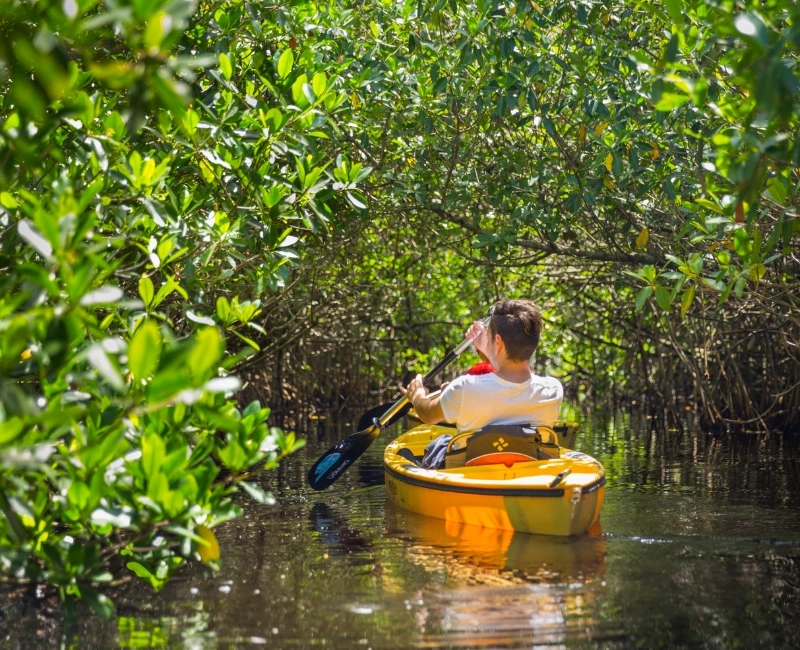
Ras Al Khaimah’s coastline extends beyond sunbathing, encompassing vital mangrove habitats and vibrant marine ecosystems. Guided kayak tours wind through labyrinthine mangrove channels, where the dense root systems cradle juvenile fish and crustaceans. Expert naturalists explain how mangroves protect shorelines from erosion, sequester carbon, and serve as nurseries for commercially important species. Dawn and dusk paddles maximize wildlife encounters—herons and egrets stalk shallows, kingfishers dart between branches, and fiddler crabs scuttle over mudflats.Boat trips venture to protected reefs, where guided snorkeling reveals kaleidoscopic schools of parrotfish, butterflyfish, and the occasional nurse shark patrolling sandy bottoms. Observing sea turtles glide by underscores the region’s ecological richness. Tours strictly enforce “look but don’t touch” protocols, ensuring minimal disturbance.Sport‑fishing excursions combine exhilaration with sustainability. Under licensed guides, anglers use catch‑and‑release methods or adhere to daily quotas if they intend to keep fish—championing best practices that maintain healthy populations. Evening cruises sometimes coincide with bioluminescent plankton blooms; as boats glide over calm seas, the water glows beneath moonlit skies, enchanting guests of all ages.Educational programs for families introduce children to marine conservation through interactive activities—identifying fish species by silhouette, mapping mangrove zones, or participating in shoreline clean‑ups that collect microplastics. These hands‑on experiences foster stewardship long after the trip ends.Culinary tie‑ins reinforce the ecological narrative: seafood tasting menus feature responsibly sourced fish, and resort chefs explain seasonal availability and sourcing partnerships with local fishermen. Visits to coastal villages and fish markets add cultural context, showing how communities have harmonized livelihoods with environmental rhythms for generations.Safety and comfort are prioritized: life jackets, snorkel fittings, hydration, and sunscreen guidance accompany every tour. Morning and late‑afternoon tour slots avoid midday heat, enhancing guest enjoyment.By blending immersive mangrove paddles, reef snorkeling, sustainable fishing, and conservation education, these marine wildlife and mangrove explorations transform a simple beach getaway into an enlightening journey—deepening appreciation for Ras Al Khaimah’s delicate coastal ecosystems..
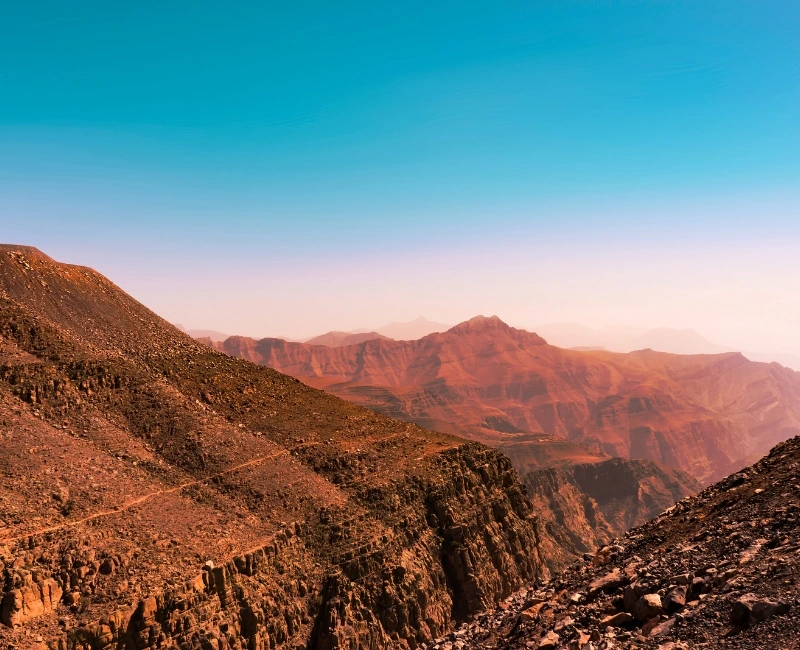
Ras Al Khaimah’s desert expanse becomes a sanctuary for wellness seekers, with luxury camps and eco‑lodges offering immersive retreats. Accommodation ranges from minimalist Bedouin‑style tents to luxurious glamping suites complete with plush bedding, private bathrooms, and minimal light pollution—perfect for stargazing.Days often begin with guided meditation or sunrise yoga atop a dune crest. Instructors lead gentle asanas synchronized with the desert’s quiet awakening, the sands shifting from deep purples to golden hues. Breakfasts embrace regional flavors: date‑and‑almond muesli bowls, herb‑infused flatbreads, and herbal teas featuring desert botanicals like sage or rosemary.Mid‑morning spa rituals draw on local resources. Date‑seed oil massages exfoliate and hydrate skin, while body scrubs blend finely ground sand with aromatic oils. Open‑air pavilions overlook rolling dunes, allowing guests to unwind to the whisper of wind against canvas. Guided nature walks introduce endemic flora—desert hyacinths, acacia pods—and their traditional uses in herbal remedies.After a light, nourishing lunch—think quinoa salads with pomegranate arils and grilled halloumi—free time invites journaling, reading, or napping in shaded lounges. Late‑afternoon sound‑bath sessions use gongs and crystal bowls to facilitate deep relaxation, their resonances echoing across the silent landscape.Evenings bring communal dinners by lantern light: healthy grain bowls, slow‑cooked tagines with lean meats or root vegetables, and date‑sweetened desserts. Storytellers share Bedouin legends beneath a tapestry of stars, and telescopes frame planets and constellations unpreturbed by city glare.Optional sunrise hot‑air balloon rides provide aerial perspective, floating serenely above dunes at dawn. Camel treks offer a gentler pace, tracing ancient desert caravan routes. Digital detox is encouraged—many retreats limit connectivity to designated areas, allowing guests to fully disconnect.Workshops on stress‑management techniques, simple herbal‑infused skincare recipes, and desert‑inspired breathing exercises equip participants with tools to integrate wellness practices at home.By combining mindful movement, herbal‑based spa treatments, nourishing cuisine, and the desert’s elemental stillness, these retreats offer profound rejuvenation—transforming Ras Al Khaimah’s sands into vessels of renewal.
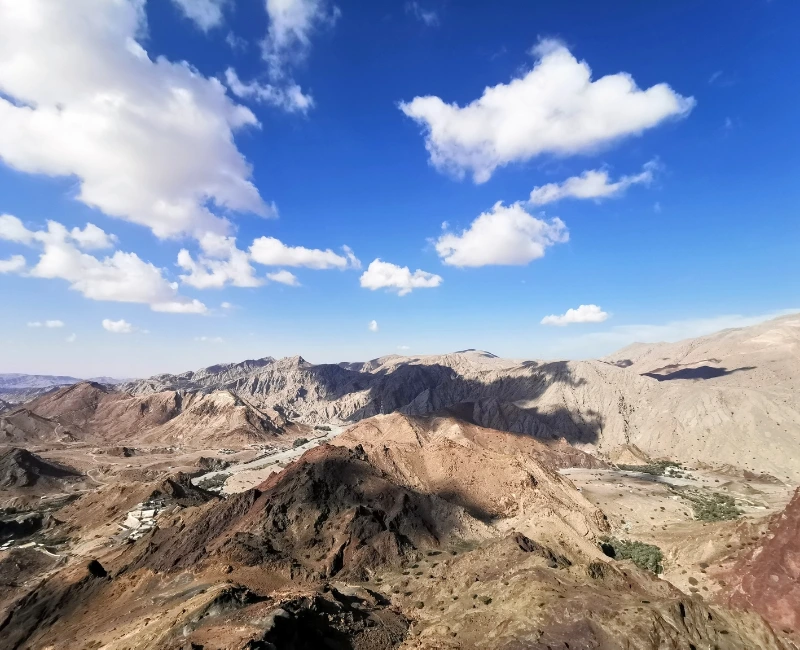
Nestled at the foot of the Hajar range, mountain‑view retreats in Ras Al Khaimah blend panoramic scenery with structured wellness programs. In cooler months, dawn yoga classes on open terraces deliver invigorating asana flows against a backdrop of jagged peaks and verdant wadis. Instructors weave simple pranayama techniques—like alternate nostril breathing—into sessions, drawing parallels between the fresh mountain air and cleansing breathwork.Holistic workshops explore the medicinal properties of native plants: participants identify herbs such as desert lavender and frankincense resin, then learn to craft herbal infusions, salves, and facial steams. Guided hikes along gentle trails incorporate mindful‑walking prompts—encouraging attendees to notice each footfall, the texture of rock under hand, and the birdsong overhead. Small‑group sound‑healing circles use Himalayan singing bowls and chimes, their tonal vibrations harmonizing with the mountains’ natural acoustics.Communal meals in open‑air pavilions feature farm‑to‑table fare: salads brimming with locally grown greens, grilled lean meats seasoned with Emirati spice blends, and nourishing date‑and‑nut energy balls. Nutrition talks highlight simple adjustments—like incorporating more plant‑based proteins or mindful portioning—easily adopted post‑retreat.Evening programs may include journaling workshops beneath starlit skies, where guests reflect on their day and set intentions for returning home with newfound clarity. Optional excursions—such as a guided dip in a cool wadi pool or a sunrise hot‑air balloon flight—balance stillness with gentle adventure.Accommodations range from stone‑clad mountain lodges to eco‑cabins built into the landscape, all designed to blend with their surroundings. Many programs promote digital minimalism, encouraging participants to limit screen time and deepen presence.Personalized wellness consultations offer tailored recommendations, from specific breathing exercises to simple herbal remedies drawn from local traditions. For creative minds, photography‑and‑mindfulness workshops guide participants in observing and capturing the landscape with intention—transforming each shot into a meditative practice.By uniting mountain vistas, mindful movement, botanical exploration, and reflective practices, these retreats craft a comprehensive wellness immersion—nurturing the body, mind, and spirit within the Hajar Mountains’ timeless embrace.
No ads. No trails. No commitments


Alice Roses
London, England
51 ST MATTHIAS ROAD
NOTTINGHAM, NOTTINGHAMSHIRE
NG3 2HF
Hours: 8:00 - 17:00, Mon - Sat
support@johnsonholidays.com