 Mahdia Travel
Guide
Mahdia Travel
Guide
Paris is known around the world as the “capital of love,” and even if you don't understand the history of Paris at all

3.7 Hours
£1
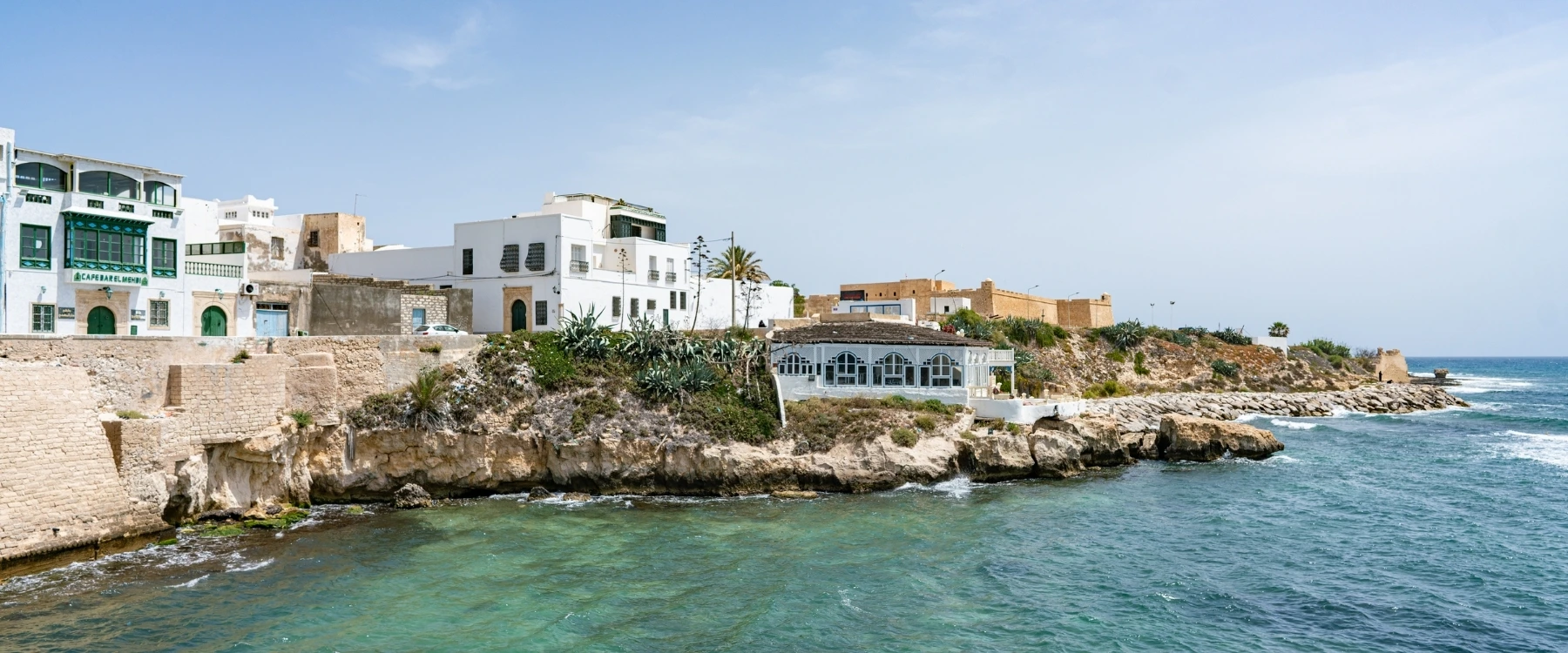
Mahdia’s heritage spans more than a millennium, with roots in the Fatimid era and layers of Phoenician, Roman, and Ottoman influences. Visiting the medina’s winding alleys reveals centuries-old architecture, from intricately carved wooden doors to stone archways. The Borj el-Kebir fortress stands guard over the shoreline, offering panoramic vistas and a palpable sense of history. The ancient fishing port still functions much as it did centuries ago, and observing fishermen at work gives insight into enduring local traditions. Archaeological sites and museums in and around Mahdia display artifacts that trace the town’s evolution. Travelers seeking authenticity will appreciate the chance to immerse themselves in a destination where the past remains woven into daily life, providing a meaningful context for modern experiences.
Learn More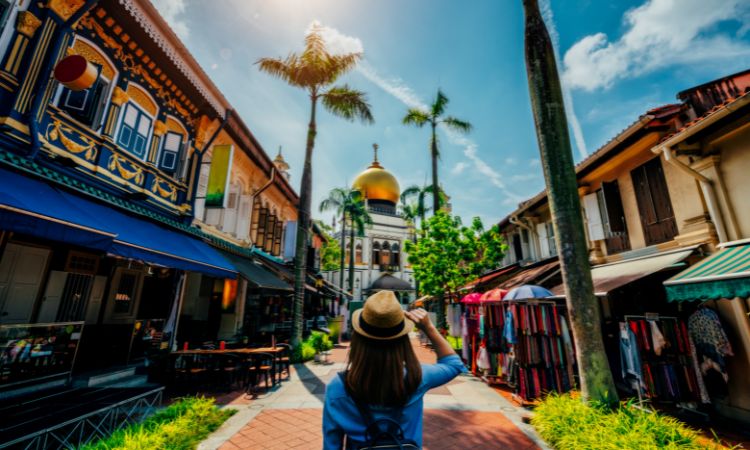
Mahdia’s coastline presents a series of golden-sand beaches framed by calm, clear Mediterranean waters. Unlike larger resort hubs, Mahdia’s beaches retain an unhurried atmosphere, where sunbathing, swimming, and leisurely strolls along the shore can be savored without overwhelming crowds. Families, couples, and solo travelers find spots suited to relaxation or light activity. Shallow waters near the shore are ideal for children, while gentle waves invite snorkeling to observe marine life. Beachfront cafés and small seafood restaurants provide refreshments and freshly caught fish, often served with Tunisian spices and local olive oil. Sunrise or sunset on these shores offers serene moments of reflection, with soft light illuminating ancient ramparts in the distance. For those seeking a relaxed seaside escape, Mahdia’s beaches deliver natural beauty and calm ambiance.
Learn More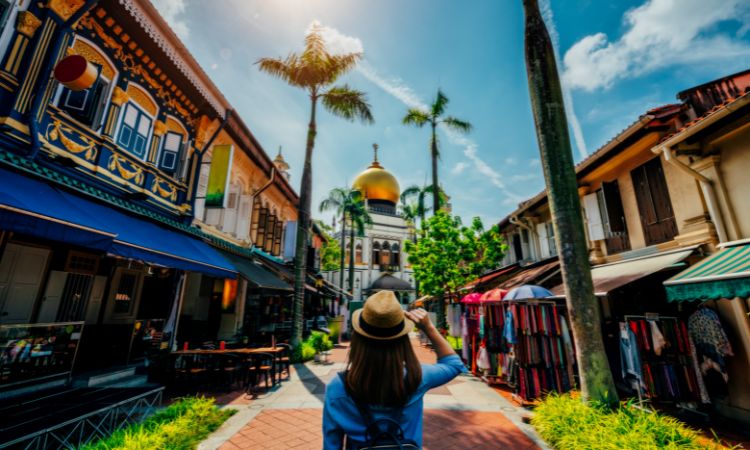
Culinary offerings in Mahdia reflect Tunisia’s coastal bounty and Mediterranean influences. Freshly caught seafood—grilled fish, calamari, prawns—is prepared with olive oil, local spices, and seasonal herbs. Street markets and small eateries serve dishes such as brik (crispy pastry with savory filling), tajine tunisien (baked casserole), and shakshuka with regional twists. Olive groves nearby supply high-quality oil, used liberally in salads and dishes. Local bakeries produce freshly baked bread and pastries flavored with dates or almonds. Cooking workshops and home-hosted meals offer hands-on insight into Tunisian recipes, blending flavors from Arabic, Berber, Ottoman, and European traditions. Complementing meals, mint tea or local wines (where available) provide authentic tastes. Food enthusiasts can explore market stalls to learn about spices, preserves, and regional produce, creating a deeper connection to local culture through taste.
Learn More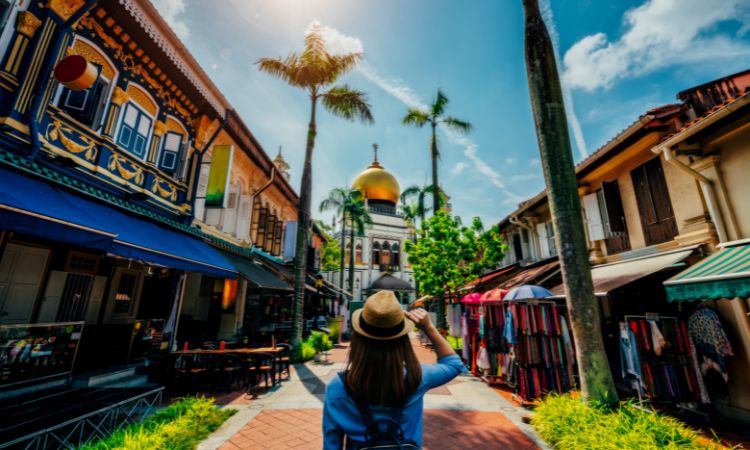
Mahdia’s community-driven spirit shines through festivals, music events, and artisan workshops. Traditional music performances—menghar and folk ensembles—celebrate heritage, often held in public squares or cultural centers. Handicraft artisans demonstrate pottery, wood carving, and textile arts, passing knowledge across generations. Visiting local markets reveals everyday life: vendors selling olives, dates, spices, and handmade goods. Friendly residents often engage visitors in conversation, offering directions or sharing stories about the town’s past. Seasonal festivals highlight olive harvests, religious celebrations, or maritime traditions, inviting travelers to participate. This immersion in local culture fosters genuine connections and insights, distinguishing Mahdia from more commercialized destinations. For culturally curious travelers, Mahdia offers an authentic window into Tunisian coastal life.
Learn More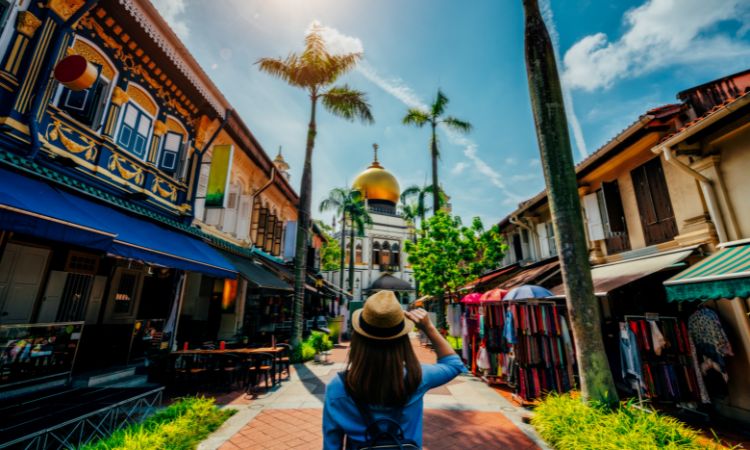
Mahdia’s location enables a variety of day trips to enrich an itinerary. The UNESCO-listed El Jem amphitheatre lies within reach, showcasing one of the world’s best-preserved Roman coliseums. Sfax, a larger city to the north, offers a contrasting urban experience with its own medina and markets. Inland excursions lead to olive groves and rural villages where agritourism experiences include oil tasting and visits to family-run farms. Coastal drives reveal hidden coves and fishing villages. For birdwatchers, nearby wetlands attract migratory species. Practical transport options—car rental, taxis, shared shuttles—facilitate these excursions. Returning to Mahdia’s calm shores and historic streets at day’s end underscores the town’s role as a central base for exploring eastern Tunisia, balancing beach relaxation with cultural and natural discoveries beyond its boundaries.
Learn More
Mahdia’s manageable size and welcoming locals create a stress-free travel environment. The medina and beachfront areas can be explored on foot or via short taxi rides, reducing dependence on complex transport. Signage in English and French alongside Arabic aids orientation. Accommodation providers and local guides are known for friendly service and willingness to assist with recommendations. Safety is generally high, and medical and essential services are accessible. Whether seeking quietly introspective moments on a quiet beach or engaging with elders in the medina over mint tea, visitors find Mahdia’s hospitality genuine and reassuring. This ease of navigation and warm welcome enable travelers to focus on experiences rather than logistics, enhancing enjoyment and fostering return visits.
Learn More
Lorem ipsum dolor, sit amet consectetur adipisicing elit. At illo adipisci iusto
From

Because more than 268 other customers have loved us too

Demonstrates commitment to user data security through encryption and secure payment practices
Learn More
Demonstrates commitment to user data security through encryption and secure payment practices
Learn More
Demonstrates commitment to user data security through encryption and secure payment practices
Learn More
Demonstrates commitment to user data security through encryption and secure payment practices
Learn More
Quality as judged by customers. Book at the ideal price!


/ person
/ person
/ person
Mahdia’s medina is a living chronicle of time, its ochre walls and winding alleys forming a maze of history and daily life. Enter through one of the grand gates at first light, when shafts of golden sun penetrate narrow lanes and vendors arrange mounds of olives, tomatoes, and spices in vibrant displays. As you wander without a map, the air fills with the scent of wood‑fired ovens and the rhythmic hum of pottery wheels.Hidden courtyards reveal artisans at work: master potters shaping clay on wheel‑thrown looms, weavers pulling bright threads into traditional patterns, and woodcarvers chiseling intricate designs into cedar lintels. Family‑run cafés spill onto shaded nooks, offering flaky brik pastries and steaming cups of mint tea. Engage a shopkeeper in conversation, and you might hear tales of corsairs who once patrolled these coasts or legends of Mahdia’s 10th‑century founding under the Fatimids.Pause to admire architectural details: stucco reliefs framing arched niches, carved doorways with Ottoman flourishes, and the skeletal remains of the Great Mosque, its minaret silhouette a testament to centuries gone by. Small mausoleums tucked behind workshops honor local saints beneath simple domes. Photographers delight in sun‑dappled stones, laundry lines fluttering overhead, and the interplay of light and shadow as life bustles around these ancient walls.By midday, the medina pulses with energy: merchants barter for goods, children dart through side streets, and bakers tend wood‑fired ovens that release gentle plumes of steam. In the afternoon, courtyard musicians may play the oud or bendir, while poets recite verses under lantern glow. As night falls, open‑air eateries fill with the aroma of grilled seafood, and lanterns cast warm pools of light on cobblestones.Exploring Mahdia’s medina is more than sightseeing—it’s an invitation to become part of a living tapestry. Each turn reveals new craftsmanship, fresh stories, and the enduring spirit of a town that has thrived on the edge of the Mediterranean for over a millennium.
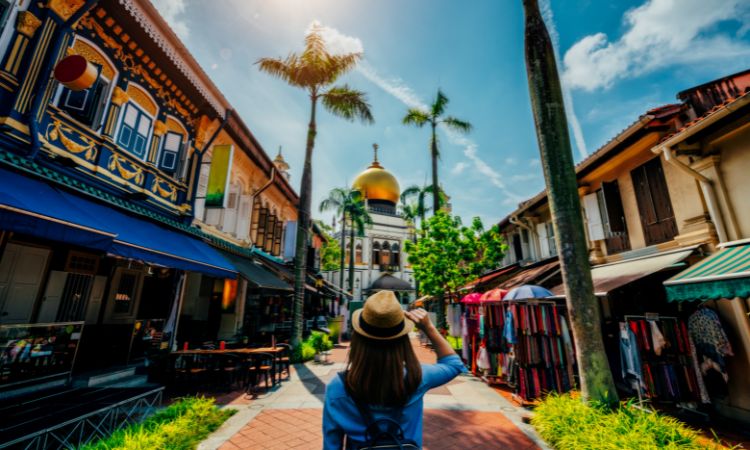
Mahdia’s coastal skyline is punctuated by fortresses and monuments that speak of its storied past as a maritime stronghold. Dominating the seascape is Borj el‑Kebir, a 16th‑century citadel perched on a narrow peninsula. Approach via a causeway flanked by glistening shallows, and step inside thick stone walls whose ramparts offer sweeping views of golden beaches, bustling fishing ports, and the endless Mediterranean horizon.Inside the fortress, vaulted chambers once used for defense stand silent, while interpretive panels—or a local guide—unfold tales of naval skirmishes, pirate raids, and strategic alliances. Adjacent exhibition spaces display recovered ceramics, navigational instruments, and fragments of weaponry, providing tangible links to the daily lives of soldiers and sailors who guarded these shores.At dawn, venture to the nearby fishing port: wooden dhows bob gently as fishermen sort nets and unload the morning catch. This living tableau underscores Mahdia’s enduring connection to the sea. Inland, the exposed foundations of a Fatimid‑era palace and mosque offer a window into 10th‑century urban planning, their stone courses meticulously aligned in archaeological excavations.A short stroll along ancient port walls and watchtowers reveals masonry styles ranging from early medieval blockwork to Ottoman‑era renovations. Small mausoleums and shrines scattered among ramparts honor local saints and community figures, their modest exteriors guarding rich narratives of devotion and social history.Visit at sunset to witness dramatic light and shadow interplay on stone ramparts, perfect for photography or quiet reflection. As torches are lit and the sea breeze carries distant conversation, the fortress transforms into a luminous landmark, reminding visitors that Mahdia’s identity has always been shaped by defense, commerce, and community.
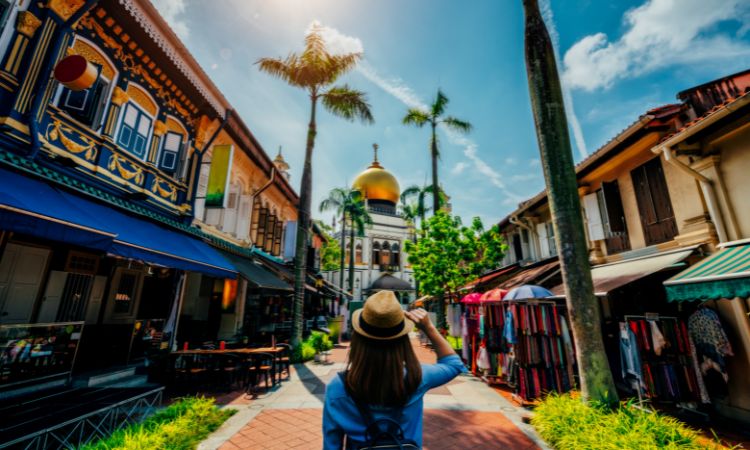
Stretching along the southern edge of town, Mahdia’s beaches are renowned for their soft, golden sands and clear, tranquil waters. The main public beach, a short stroll from the medina, features a gentle slope into the sea—ideal for families, waders, and first‑time swimmers. Sun loungers and umbrellas rent easily, creating comfortable spots for reading, napping, or watching fishing boats drift by.For solitude, explore hidden coves dotted along the coast, where the only soundtrack is the gentle lap of waves and the calls of seabirds. Early mornings are especially serene: pastel skies reflected on the water accompany shell hunts and reflective walks along the tide line. As the sun rises higher, beachfront cafés open their doors, serving chilled mint tea, fresh fruit smoothies, and light salads showcasing local produce—ripe tomatoes, cucumbers, and Kalamata‑style olives.During midday heat, retreat beneath shaded dunes or umbrellas, and cool off with a swim in crystal‑clear waters that reveal the seabed’s patterns. Photographers and wellness enthusiasts may join guided beach yoga sessions as the breeze stirs the surface, while sand between your toes and salt on your skin combine to soothe both mind and body.Late afternoon light softens the landscape into hues of gold and rose. Locals and visitors gather for casual volleyball games, sunset strolls, or simply to capture the vivid sky with their cameras. Spring and autumn bring mild temperatures perfect for extended beach days, while summer pulses with energetic activity and festive atmospheres. In cooler months, brisk walks along the shore invigorate the senses and offer a fresh perspective on the coastline’s enduring beauty.Across seasons, Mahdia’s beaches remain an unhurried sanctuary—places to reconnect with nature, savor simple pleasures, and let the rhythm of the Mediterranean restore your spirit.
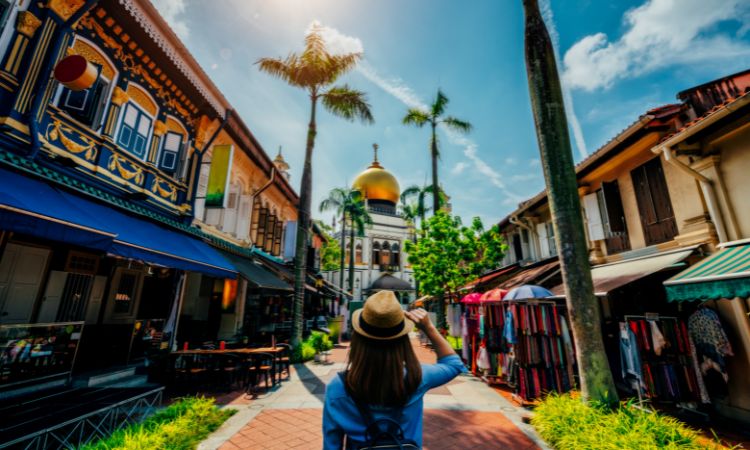
Mahdia’s calm bays and steady sea breezes transform its shoreline into a versatile playground for water and coastal pursuits. In shallow, sheltered inlets, beginner snorkelers glide over seagrass meadows where schools of small fish weave between blades. Local outfitters supply masks, fins, and guided tours that highlight hidden marine treasures, including occasional octopus sightings among rocky ledges.Paddleboarding offers a tranquil alternative: stand atop a buoyant board and glide silently across glassy waters, capturing panoramic coastal vistas. Brief lessons equip newcomers with balance skills, while experienced paddlers may venture farther to explore secluded coves and inlet passages. Kayaking tours—solo or tandem—trace the coastline’s curves, with narrators weaving tales of pirate lore and explaining the delicate ecology of salt‑tolerant flora.When seasonal winds rise, windsurfing and kitesurfing lessons launch enthusiasts into exhilarating glides above the waves. Certified instructors provide hands‑on coaching and safety equipment, ensuring both novices and intermediates find their flow. Traditional fishing excursions begin at dawn: join veteran fishermen on modest boats to learn line‑casting techniques, identify local species, and witness the rhythms of maritime life firsthand. Returns often feature shared fish preparations back onshore.For deeper‑sea thrills, chartered boats venture beyond the bay to snorkel around submerged reefs, swim alongside dolphins, or simply enjoy a refreshing afternoon swim in open waters. Sunset cruises blend sightseeing with chilled beverages and commentary on coastal landmarks as the sun dips below the horizon.On land, coastal hikes traverse low cliffs and sand dunes, revealing panoramic viewpoints, native shrubs, and migratory bird flocks in nearby wetlands. Morning and evening treks bathe the landscape in soft light ideal for birdwatching and photography.Whether you seek adrenaline‑fueled action or peaceful connection with nature, Mahdia’s marine and coastal offerings provide diverse, memorable adventures set against the timeless backdrop of the Mediterranean.
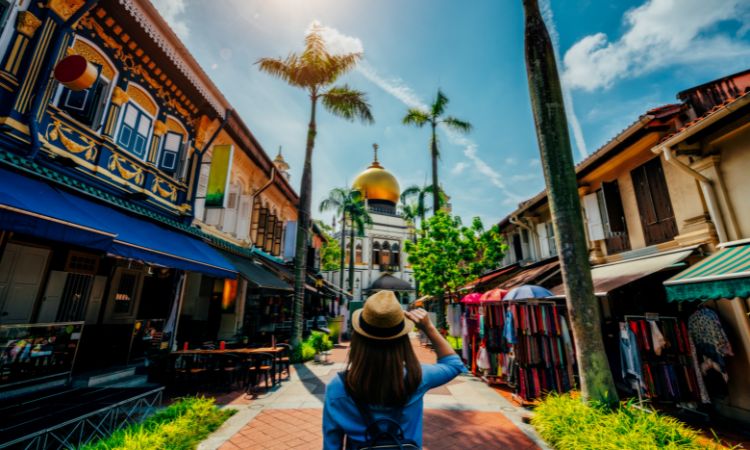
Mahdia’s culinary tapestry weaves together coastal bounty, Mediterranean freshness, and North African spice traditions. Begin your day in bustling bakeries where fragrant khobz tabouna—crisp‑crusted, chewy‑centered bread—emerges piping hot from wood‑fired ovens. Pair a slice with sweet mint tea and bite‑sized pastries filled with dates, almonds, or cheese for an energy‑boosting breakfast.At midday, seaside cafés grill the day’s catch—sea bream, dorade, or mullet—seasoned simply with olive oil, garlic, and regional herbs, accompanied by salads of vine‑ripened tomatoes, cucumbers, and hand‑picked olives. Brik, a hallmark snack, arrives as a thin pastry pouch enveloping a runny egg, tender tuna, capers, and a hint of harissa—best enjoyed hot and crisp. Mezze platters offer shared bites: smoky zaalouk (eggplant dip), chakchouka (pepper‑tomato stew), and golden falafel rounds.Local chefs prepare couscous—steamed semolina crowned with succulent seafood or seasonal vegetables—at family‑run eateries, showcasing the dish’s revered status in local celebrations. For a sweet finale, sample baklawa’s honey‑drizzled layers, makroud’s semolina‑date parcels, and plump figs or pomegranates in season. Refresh your palate with fresh fruit juices, regional wines where available, and traditional mint tea poured from tall silver teapots.To deepen your culinary insight, join a cooking workshop led by local hosts. Tour vibrant markets to select olives, spices, and produce, then learn the art of preparing brik, tajine layers, and couscous steaming techniques in a communal kitchen. Early‑morning visits to the fish market reveal the day’s catch variety and sustainable handling practices. Shared meals emphasize Tunisian hospitality—expect generous offers of sweet tea and friendly invitations to explore family recipes.Through its flavors, Mahdia narrates a story of sea, soil, and shared tradition—an unforgettable feast that connects travelers to the region’s cultural heart, one delicious bite at a time.
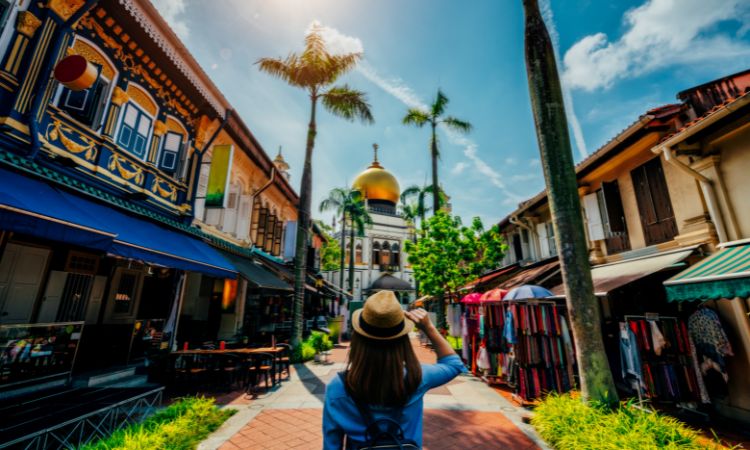
At the core of Mahdia’s culinary culture lie its vibrant markets and immersive food workshops, where the region’s flavors and traditions come to life. Dawn is the ideal time to visit the daily food market, when fishermen deliver the morning catch—silver‑scaled fish, octopus, and shellfish—and vendors arrange piles of produce: plump tomatoes, sweet peppers, glossy olives, and dried dates. Spice merchants display aromatic mounds of cumin, coriander, paprika, and turmeric, inviting curious visitors to taste or inhale each distinct fragrance.Adjacent craft stalls feature hand‑thrown pottery, woven baskets, and artisanal textiles crafted with traditional patterns. Guided tasting tours often begin here, pairing visits to olive groves—where you witness pressing techniques—with sessions at family‑run dairies sampling fresh labneh and rustic cheeses. The culmination is a communal feast highlighting ingredients sourced through the morning’s exploration.Hands‑on workshops let you try your hand at pottery, shaping vessels inspired by local forms, or blend spice mixes under an expert’s guidance to recreate signature Tunisian harissa. Cooking classes teach essential techniques: layering ingredients in tajines, folding brik pastries, and steaming couscous to perfect lightness. Instructors weave cultural context into lessons, explaining mealtime customs, religious festivals, and the etiquette of Tunisian hospitality.Tasting tours may also include visits to coastal salt flats, where you learn traditional harvesting methods, and to small vineyards producing emerging regional wines. Each stop reinforces the field‑to‑table connection, emphasizing sustainability and respect for local producers.Souvenirs gathered—spice jars, olive‑wood utensils, ceramic bowls—serve as tangible mementos of your immersion. Engaging in markets, workshops, and tasting tours transforms a simple visit into an interactive cultural journey, forging connections with artisans and families whose heritage is woven into every flavor and craft..
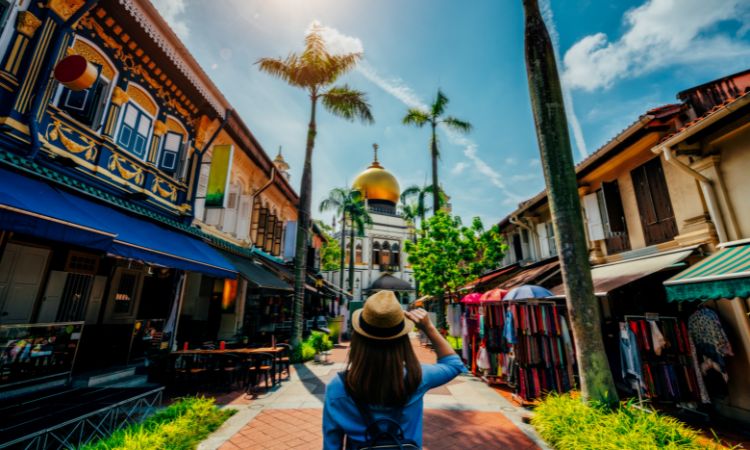
Mahdia’s compact footprint and accessible transport network make navigation straightforward and stress‑free. Upon arrival at Monastir Habib Bourguiba (MIR) or Enfidha–Hammamet (NBE) airports, travelers can choose pre‑booked private transfers, shared shuttle buses, or metered taxis for a 30–60‑minute ride to Mahdia’s center. Booking through your hotel or a reputable local operator ensures transparent pricing and timely pickups.Within town, the medina, beaches, markets, and waterfront cafés lie within comfortable walking distance of most central accommodations—sturdy, comfortable shoes are recommended for exploring cobbled pathways and uneven surfaces. Short taxi rides connect you to outlying attractions such as the Borj el‑Kebir fortress or more secluded coves; confirm fares in advance or insist on using the meter. Knowledgeable drivers often serve as informal guides, suggesting lesser‑known viewpoints or family‑run eateries.Shared minibuses (louages) link Mahdia to El Jem, Sfax, and other coastal towns. Though inexpensive, their schedules can change, so check departure times locally. For maximum flexibility, rent a car—roads in and around Mahdia are generally well‑maintained, though international driving permits and local insurance are mandatory. Bicycle rentals offer a leisurely way to traverse beachfront promenades, but remain mindful of traffic and prioritize designated lanes where available.Guided day tours bundle transport, commentary, and refreshments for excursions to inland ruins, wetlands, or nearby villages. Within Mahdia, mobile networks reliably support navigation apps—download offline maps beforehand as a backup. Practical tips include carrying small‑denomination dinar for taxis, verifying return pickup times for evening activities, and noting prayer‑time closures for shops or attractions. With thoughtful planning, you’ll spend less time in transit and more time immersing yourself in Mahdia’s history, culture, and natural beauty.
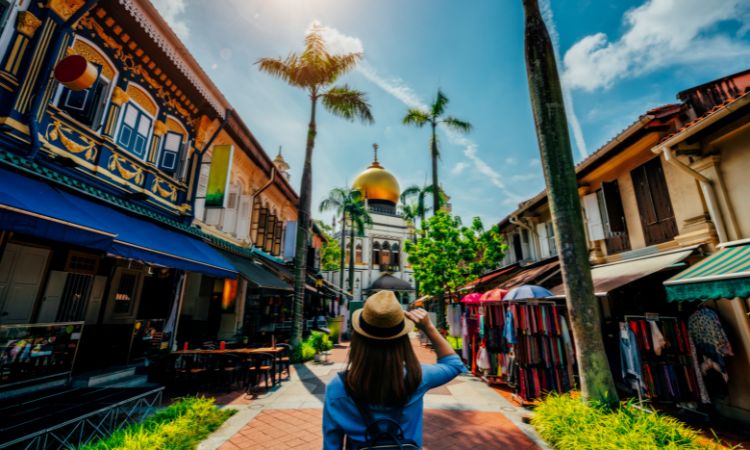
Mahdia welcomes travelers warmly and remains relatively safe, but standard precautions enhance comfort and confidence. Store valuables—passports, extra cash, electronics—in hotel safes, and carry photocopies of key documents separately. In crowded medina alleys or busy beaches, remain aware of your surroundings and use discreet money belts or pouches. Pharmacies and a reputable private clinic cover basic medical needs; pack any prescription medications and consider comprehensive travel insurance that includes medical evacuation for unexpected emergencies.Under the Mediterranean sun, stay hydrated by drinking bottled water—widely available and affordable—and apply high‑SPF sunscreen with regular reapplications. Wear hats or light, breathable clothing during the height of summer, and swim only in designated areas when lifeguard coverage is present. In quieter coves, consult local advice on currents and sea conditions before entering the water.Food safety practices include choosing establishments with visible customer turnover, avoiding ice from uncertain sources, and washing fresh produce when possible. To manage dietary concerns, inquire about spice levels and ingredients in advance—staff are generally accommodating.Budgeting in Mahdia offers exceptional value compared to Western Europe. Allocate daily funds for meals, activities, and modest shopping; withdrawing from reputable ATMs safeguards against card issues—notify your bank before travel to prevent unexpected holds. Monitor exchange rates and carry small‑denomination dinar for markets and tips. Tipping is appreciated but modest: small bills suffice for restaurant servers, taxi drivers, and tour guides.Peak summer brings higher costs for flights, accommodations, and local services; consider visiting in spring or autumn for softer prices and milder weather. Incorporate free or low‑cost activities—self‑guided medina walks, beach days, public garden visits—to balance splurges on guided tours or water sports. Respect local customs by dressing modestly at religious sites, using basic Arabic or French greetings, and negotiating prices politely at markets. Keep emergency numbers handy (police: 197; ambulance: 190) and note the location of the nearest clinic or pharmacy upon arrival.By following these safety, health, and budgeting recommendations, you’ll navigate Mahdia’s charms with confidence, ensuring a memorable, worry‑free journey.
No ads. No trails. No commitments


Alice Roses
London, England
51 ST MATTHIAS ROAD
NOTTINGHAM, NOTTINGHAMSHIRE
NG3 2HF
Hours: 8:00 - 17:00, Mon - Sat
support@johnsonholidays.com