 Seville Travel
Guide
Seville Travel
Guide
Paris is known around the world as the “capital of love,” and even if you don't understand the history of Paris at all

3 Hours
£3.00
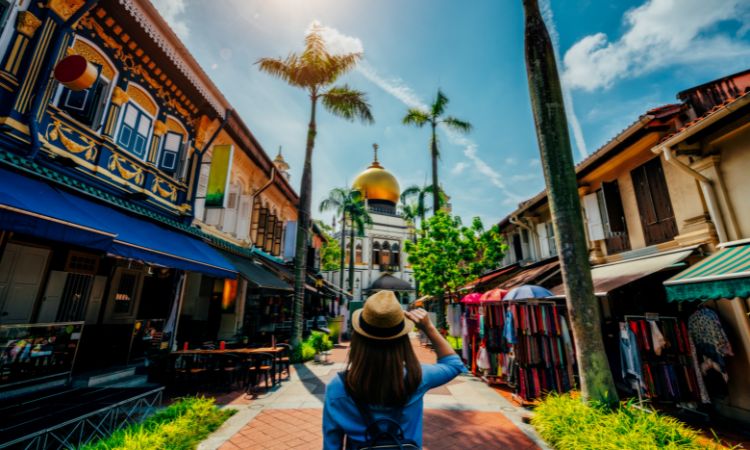
Seville’s heritage shines in world-renowned monuments: the Alcázar’s Mudéjar palaces, the vast Gothic Cathedral with its Giralda tower, and ancient plazas framed by ornate façades. Each offers a journey through Roman, Islamic, and Christian eras. Guided tours or audio guides reveal hidden symbolism in tile patterns, carved woodwork, and architectural transitions. Exploring these sites immerses you in Andalusia’s layered history and artistic achievements. For history enthusiasts and culture seekers, Seville’s architectural tapestry provides endless fascination: every courtyard, chapel, and bell tower tells a story of past civilizations harmonizing to create the city’s unique identity.
Learn More
As flamenco’s cradle, Seville offers genuine performances in intimate tablaos or peñas, where emotion and tradition resonate. Beyond shows, festivals like Feria de Abril and Semana Santa invite participation in local customs, from dancing sevillanas to witnessing solemn processions. Workshops in pottery, cooking, or language exchanges deepen connections with Andalusian traditions. Engaging in these experiences fosters genuine understanding of Seville’s cultural heartbeat. Travelers seeking more than sightseeing will find opportunities to join locals in celebrations, artisan craft sessions, and community gatherings—immersing fully in the vibrant Andalusian way of life.
Learn More
Seville’s culinary scene epitomizes Andalusian flavor: tapas bars serve small plates—salmorejo, pescaíto frito, Iberian ham—paired with local sherries or wines. Markets brim with fresh produce, ideal for guided food tours or self-guided tastings. Cooking classes teach preparing signature dishes, while modern restaurants reinterpret classics with innovation. Dining al fresco under orange trees or on rooftop terraces enhances sensory pleasure. Displaying costs in British pounds aids budgeting: anticipate tapas from £3–£6 each and three-course meals around £20–£30 per person. For food lovers, Seville promises culinary adventures that celebrate regional ingredients and convivial dining culture.
Learn More
Seville’s long, sunny days beckon outdoor exploration: stroll through María Luisa Park’s shaded alleys and fountains, cycle along the Guadalquivir River, or enjoy boat cruises at sunset. Rooftop pools and shaded patios provide relief during hotter months. Spring and autumn offer comfortable weather for walking historic streets or venturing on day trips to white villages, natural parks, and nearby beaches. Riverside cafés and parks invite leisurely breaks, while wellness options—spa treatments in hammam-style settings or yoga in courtyards—balance active sightseeing. Travelers seeking both adventure and relaxation will appreciate Seville’s outdoor appeal under the Andalusian sun.
Learn More
Seville’s well-connected airport and high-speed train links make it an ideal hub for Andalusian exploration: day trips to Córdoba’s Mezquita, Granada’s Alhambra, Cádiz’s beaches, and whitewashed villages are easily arranged. Car rentals or organized tours depart regularly, allowing seamless multi-destination itineraries. After excursions, return to Seville’s vibrant atmosphere—tapas dinners, flamenco shows, and riverside strolls—combining urban energy with rural or coastal adventures. For travelers planning comprehensive Andalusian journeys, basing in Seville ensures logistical convenience and enriching experiences.
Learn More
Seville’s welcoming spirit shines through family-run guesthouses, friendly market vendors, and attentive guides. Engaging with locals in markets, artisan workshops, or home cooking demonstrations reveals genuine Andalusian warmth. Personalized walking tours uncover hidden gems, while chance conversations in tapas bars impart insider tips. This sense of hospitality enriches the journey, transforming a holiday into meaningful cultural exchange. For those seeking authenticity, Seville’s people and traditions offer heartfelt interactions that linger long after the trip.
Learn More
Lorem ipsum dolor, sit amet consectetur adipisicing elit. At illo adipisci iusto
From

Because more than 268 other customers have loved us too

Demonstrates commitment to user data security through encryption and secure payment practices
Learn More
Demonstrates commitment to user data security through encryption and secure payment practices
Learn More
Demonstrates commitment to user data security through encryption and secure payment practices
Learn More
Demonstrates commitment to user data security through encryption and secure payment practices
Learn More
Quality as judged by customers. Book at the ideal price!


/ person
/ person
/ person
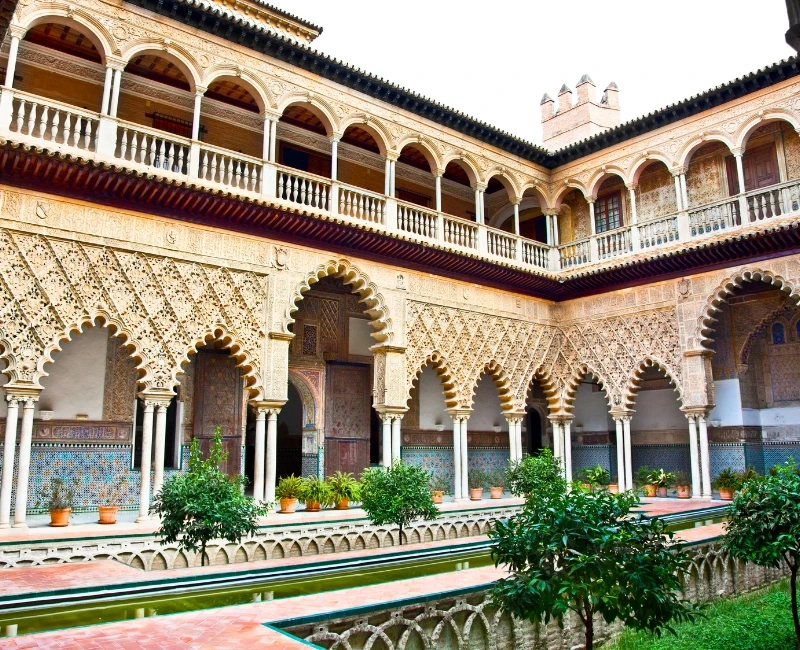
The Alcázar of Seville is a masterpiece of Andalusian architecture and one of Europe’s oldest palaces still in use. Originally constructed as a Moorish fortress in the 10th century, it was later transformed by Christian monarchs, resulting in a breathtaking mix of Mudéjar, Gothic, Renaissance, and Baroque styles. Visitors enter through the Puerta del León, where intricate carvings and geometric tilework instantly set the tone. Inside, the Patio de las Doncellas is the highlight, with its symmetrical design, reflecting pool, and delicately arched galleries showcasing Moorish artistry at its finest. The Salón de Embajadores, used for royal receptions, captivates with its golden dome ceiling and detailed plasterwork, symbolizing Seville’s wealth during the Age of Discovery.Beyond the palace halls, the Alcázar’s gardens feel like a fairytale. Orange and lemon trees perfume the air, fountains bubble softly, and tiled benches provide shaded spots to relax. Hidden paths and vine-draped pergolas lead to secluded corners perfect for photography. Early mornings and late afternoons are ideal for capturing soft sunlight on azulejos and avoiding peak crowds. Guided tours or audio guides bring the palace to life, recounting stories of sultans, kings, and explorers.Allocate at least two to three hours to truly absorb this UNESCO World Heritage Site. Don’t miss the underground baths, the Gothic Palace, and the peaceful Mercury Pond. Whether you’re an architecture enthusiast, a photographer, or simply a curious traveler, the Alcázar embodies Seville’s layered history, artistry, and cultural richness, making it an unmissable highlight of the city.
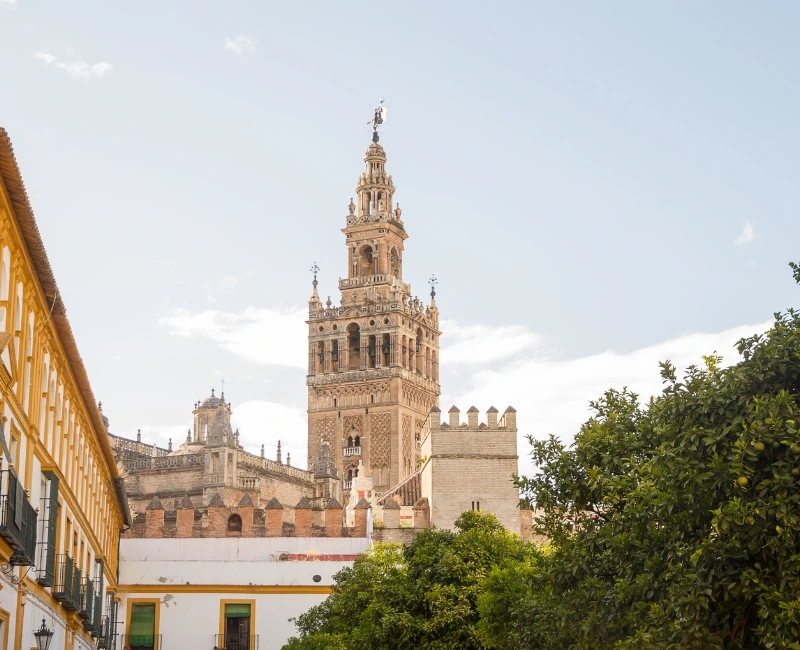
Seville Cathedral is one of the world’s largest Gothic cathedrals and a symbol of the city’s power following the Reconquista. Built over a former mosque, its scale and splendor reflect Seville’s wealth during the Spanish Golden Age. Inside, visitors are greeted by towering ribbed vaults and a golden glow from the Capilla Mayor’s intricate altarpiece—one of the largest in the world, illustrating scenes from the life of Christ in dazzling detail. The cathedral houses numerous chapels filled with sculptures, paintings, and royal tombs, with Christopher Columbus’s tomb being a major draw.La Giralda, the cathedral’s bell tower, offers a unique climbing experience. Instead of stairs, a series of ramps allows visitors to ascend gradually, originally designed for horses. The climb rewards with panoramic views of Seville’s skyline, Alcázar gardens, and the Guadalquivir River. The tower itself blends Moorish and Renaissance design, symbolizing centuries of cultural evolution.Plan your visit early or late in the day to avoid queues and enjoy dramatic lighting through the stained-glass windows. Tickets can be purchased online to save time, and guided tours provide fascinating context about Seville’s maritime history, religious influence, and artistic treasures.Set aside at least 90 minutes to two hours to explore both the cathedral’s interior and climb La Giralda. For an even deeper experience, attend a mass or organ concert to hear music resonate in the cavernous Gothic nave. Visiting this UNESCO landmark is both a spiritual and historical journey, offering unmatched insight into Seville’s past.
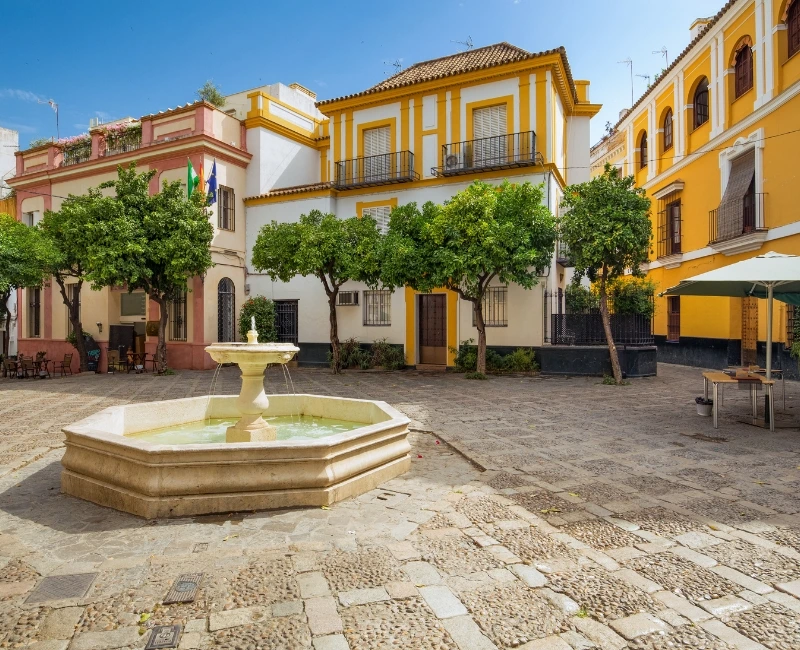
Barrio Santa Cruz is Seville’s most enchanting district, steeped in history and brimming with Andalusian charm. Once the city’s Jewish quarter, this maze of narrow, winding streets feels like a step back in time. Whitewashed houses adorned with colorful flower pots line cobblestone lanes, while hidden squares offer peaceful retreats under the shade of orange trees. The neighborhood is designed for wandering without a plan—every turn may lead to a tranquil patio, a centuries-old church, or a small artisan shop selling handmade ceramics and leather goods.Begin your exploration at Plaza de Doña Elvira, a picture-perfect square with tiled benches, fountains, and music drifting from nearby cafés. Continue to the Hospital de los Venerables, a baroque masterpiece that’s home to art exhibitions and a stunning chapel. Guided tours are recommended to uncover layers of Jewish heritage, Moorish influence, and Christian legends embedded in this district.Photography enthusiasts will love capturing vibrant colors, peeling plaster textures, and wrought-iron balconies. Early mornings are ideal for quiet exploration, while evenings bring lantern-lit charm and soft guitar melodies from hidden flamenco venues. For a taste of local life, stop at a tapas bar for montaditos or churros and chocolate.Santa Cruz invites you to slow down—take breaks in hidden plazas, smell the blooming jasmine, and listen to church bells echoing through alleyways. With its intimate scale and timeless ambiance, this district is the heart of Seville’s romance, offering countless moments of discovery.
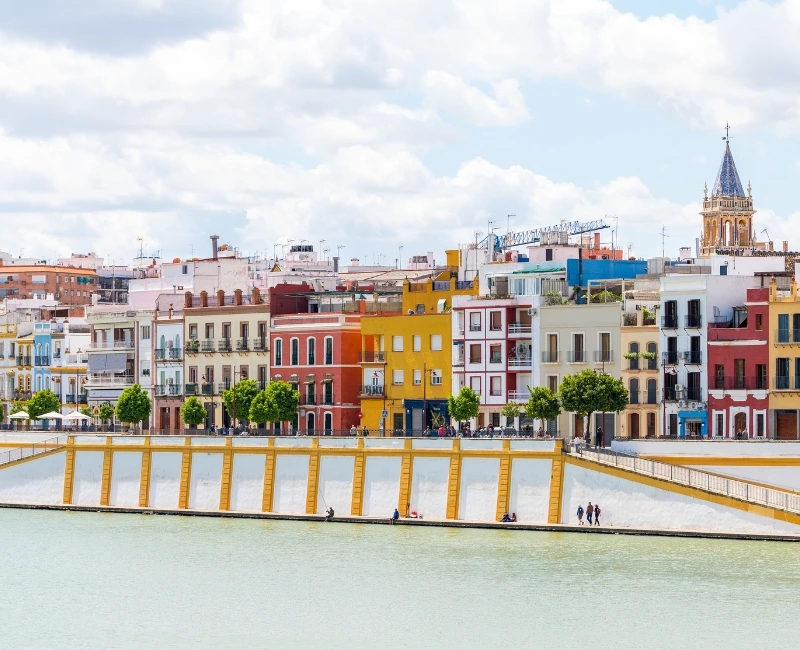
Triana, just across the Isabel II Bridge, is a lively neighborhood celebrated for its flamenco heritage and ceramic artistry. Its riverside promenade, Calle Betis, offers some of the city’s best views, especially at sunset when Seville’s skyline glows golden. This district has long been a cultural hub, home to flamenco performers, bullfighters, and potters. Today, its intimate tablaos and peñas provide authentic flamenco experiences—far removed from tourist spectacles.Start your visit at the Mercado de Triana, built over the remains of a medieval castle. The market offers fresh produce, seafood, and tapas stalls, making it a great spot for lunch. Wander Triana’s streets to find traditional ceramic workshops that still use centuries-old techniques to create vibrant tiles, plates, and mosaics. Many workshops welcome visitors and even offer classes where you can craft your own souvenir.Triana is also rich in religious and architectural landmarks, such as the Church of Santa Ana, known as Seville’s oldest parish church, blending Gothic and Renaissance styles. Cultural walking tours reveal Triana’s historical role as a center for river trade and craftsmanship. For active travelers, cycling or paddleboarding along the Guadalquivir River adds a refreshing perspective.Evenings in Triana are magical: locals gather at tapas bars, flamenco rhythms spill into the streets, and riverside terraces become social hubs. Triana captures Seville’s soul through music, tradition, and creativity, offering visitors a deeper, more authentic understanding of the city.
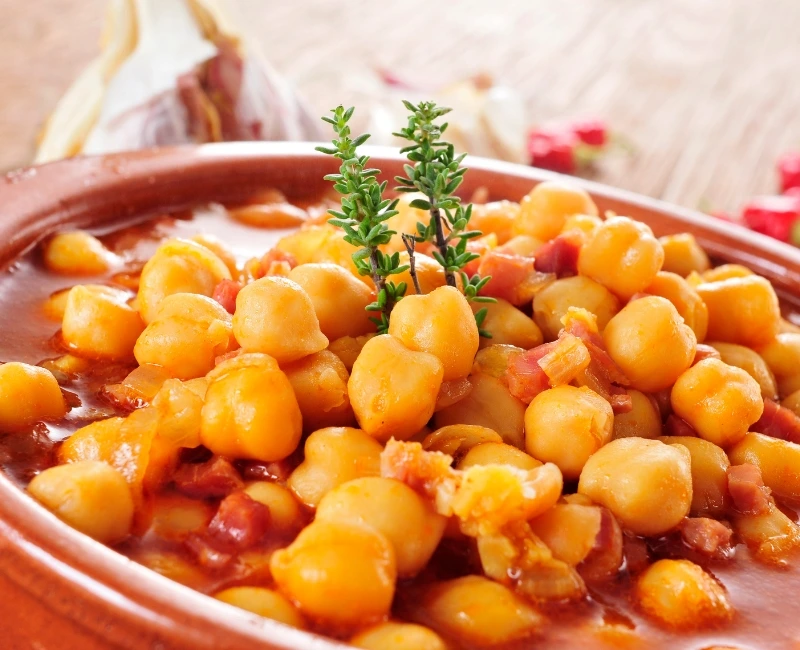
Seville is a paradise for food lovers, with a tapas culture that’s deeply embedded in local life. Dining here is not about sitting down for a single meal but hopping from bar to bar, sampling small plates that showcase Andalusia’s culinary heritage. Begin your day with a traditional breakfast of tostada con tomate (toasted bread with tomato and olive oil) or churros con chocolate at a local café. As lunchtime approaches, explore tapas institutions like El Rinconcillo (Seville’s oldest bar) or hidden neighborhood gems serving specialties like salmorejo (creamy tomato soup), espinacas con garbanzos (spinach with chickpeas), and boquerones en vinagre (marinated anchovies).For adventurous foodies, guided tours provide behind-the-scenes access to bustling markets such as Mercado de Triana or Lonja del Barranco, where you can taste artisanal cheeses, Iberian ham, and fresh seafood while learning about sourcing and preparation. Cooking classes are another highlight, offering hands-on lessons in preparing gazpacho, paella, or classic tortilla española, often in intimate settings like chef’s homes or boutique cooking schools.Budget-conscious travelers can enjoy tapas for as little as £3–£6 per plate, while mid-range dining averages £20–£30 per person. Food lovers seeking upscale experiences can indulge in Michelin-starred restaurants or curated tasting menus featuring innovative takes on Andalusian classics. Pair meals with regional sherries or wines from nearby Jerez and Montilla-Moriles, and don’t miss a visit to local olive oil producers for tastings.Evening tapas trails through the Santa Cruz or Triana districts are unforgettable, with bustling bars, lively conversation, and an authentic social atmosphere. Seville’s dining scene reflects a proud culinary tradition that’s both approachable and endlessly exciting—perfect for casual grazers and dedicated gourmands alike.
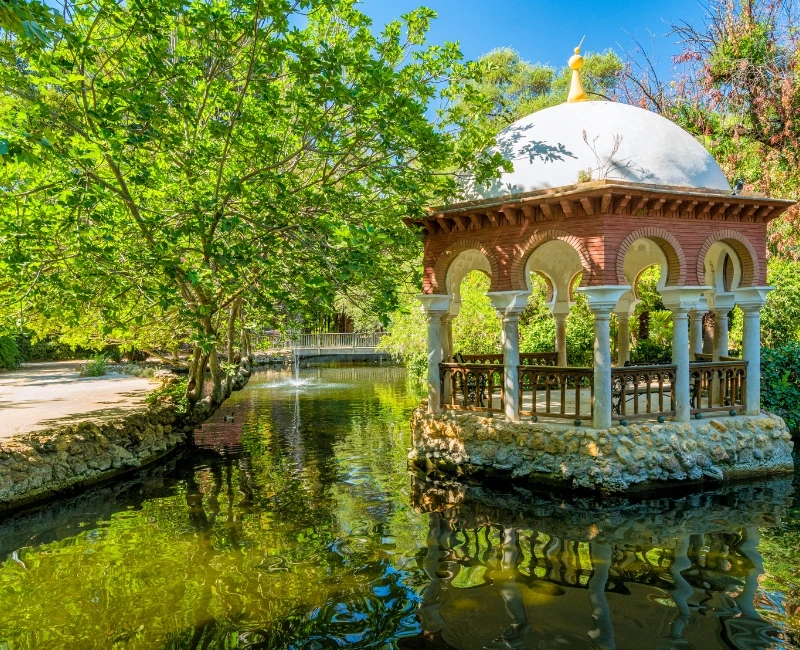
Seville’s vibrant festival calendar offers visitors a window into Andalusia’s cultural soul. Semana Santa (Holy Week), held during Easter, is one of the most spectacular religious events in Spain. Brotherhoods carry massive, ornate floats depicting biblical scenes through candlelit streets, accompanied by soulful music. Experiencing this solemn procession is deeply moving; be sure to respect local customs and arrive early for prime viewing spots.Just two weeks later, Feria de Abril (April Fair) bursts with color and energy. This week-long celebration transforms Seville into a lively carnival of flamenco dresses, horse parades, music, and casetas (private tents) where families and friends gather to eat, drink, and dance. Visitors can rent traditional attire to join in fully, while public tents welcome all.Throughout the year, Seville hosts a variety of smaller festivals, from Corpus Christi processions and neighborhood fiestas to open-air summer concerts in María Luisa Park. Food festivals showcase Andalusian specialties like olive oils, sherries, and Iberian ham, allowing travelers to savor the region’s culinary heritage. Flamenco also takes center stage during the Bienal de Flamenco (biennial festival), featuring world-renowned performers.Practical tips: book accommodations well in advance during Semana Santa and Feria, as prices can rise significantly. Public transport often has altered routes, so walking or cycling may be easier. Photography enthusiasts will find countless opportunities: Feria’s vibrant costumes, Semana Santa’s solemn imagery, and citywide decorations create stunning visuals.These celebrations immerse visitors in Seville’s traditions, offering unforgettable memories and a deeper appreciation for Andalusian identity. Even if your visit falls outside major events, cultural performances and exhibitions ensure Seville feels festive year-round..
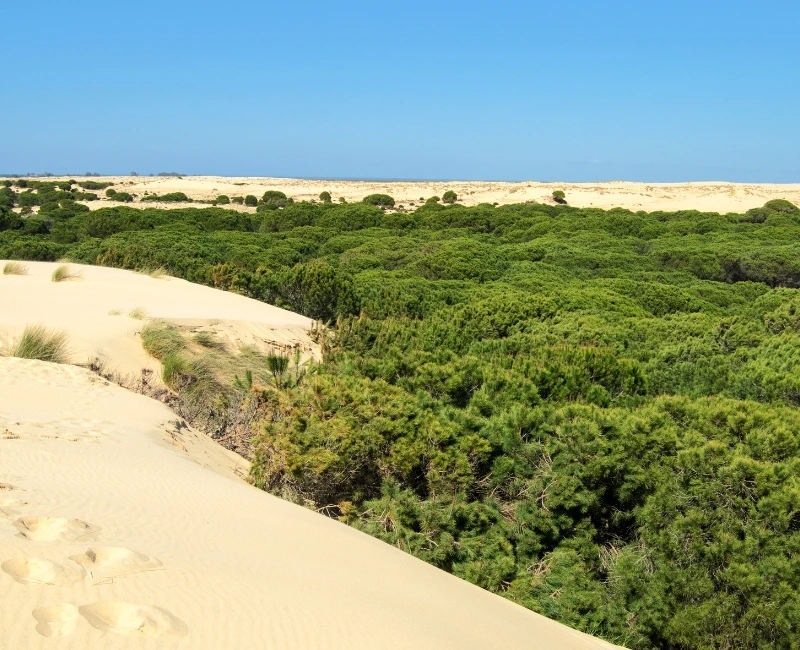
Seville’s central location makes it the perfect base for exploring Andalusia. High-speed trains whisk travelers to Córdoba in under an hour, where the breathtaking Mezquita-Catedral showcases Islamic and Christian artistry under one roof. Granada’s Alhambra, a masterpiece of Moorish design, requires a longer day and early ticket booking but rewards visitors with stunning palaces and gardens.Coastal Cádiz offers golden beaches, seafood restaurants, and historic charm, while Ronda, perched dramatically above deep gorges, reveals whitewashed streets and ancient bridges. For wine enthusiasts, the Rioja Alavesa and Jerez regions offer vineyard tours, sherry tastings, and rustic countryside experiences.Nature lovers can explore Doñana National Park, home to flamingos and Iberian lynx, or hike in Sierra Norte Natural Park, known for cork forests and quiet villages. Car rentals provide flexibility, but organized tours simplify logistics, especially for Alhambra or wine tours.For a scenic cultural day, visit Carmona, a charming town just 30 minutes away, featuring Roman ruins and Moorish architecture. Alternatively, Itálica, an ancient Roman city near Seville, offers incredible amphitheater ruins and mosaics—a must for history buffs.Plan to return to Seville in the evenings to unwind with tapas or a flamenco performance. Whether by train, car, or guided excursion, these day trips highlight Andalusia’s diversity, enriching your stay without the need to change hotels. Each destination offers its own flavor, from Moorish palaces and medieval villages to vineyards and coastal vistas, ensuring a well-rounded Seville itinerary.
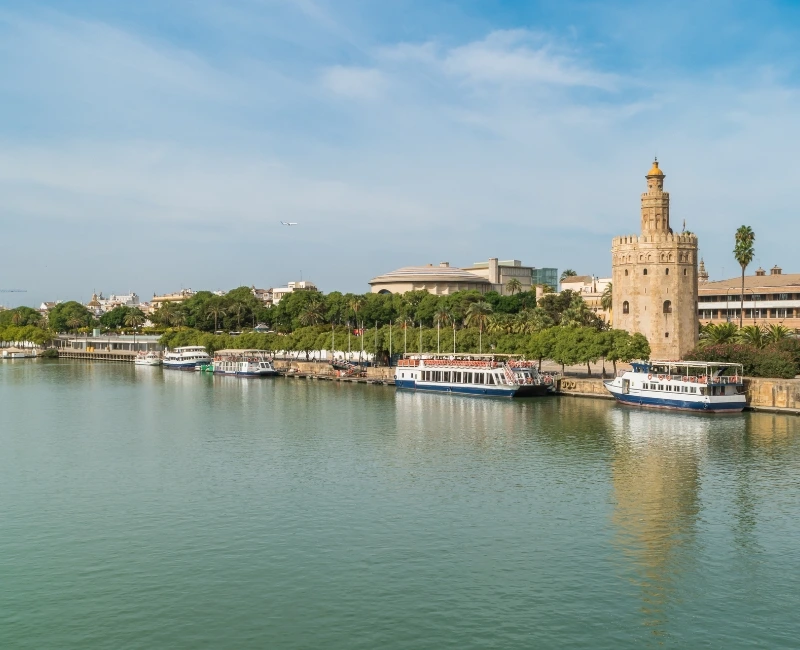
Amid Seville’s lively streets and historic monuments, the Guadalquivir River offers a tranquil escape. Stroll along riverside promenades shaded by palm trees, or rent a bike to cycle scenic paths connecting neighborhoods like Triana and Cartuja. For a different perspective, hop on a river cruise, gliding beneath Seville’s iconic bridges while admiring the Torre del Oro and colorful facades reflected in the water—sunset cruises are especially memorable.Wellness seekers will love Seville’s Arab baths (hammams), where candlelit pools and traditional massages provide rejuvenation after a busy day. Hotels with rooftop pools offer refreshing midday breaks, while parks like Parque de María Luisa invite leisurely picnics, horse carriage rides, or peaceful reading under fragrant orange trees.For an active twist, try paddleboarding or kayaking along the river, guided by instructors who share Seville’s history while you float past landmarks. Families can enjoy riverside playgrounds, ice cream parlors, and wide promenades perfect for stroller-friendly walks. Cafés and terraces along Calle Betis offer scenic spots for drinks and tapas, especially in the evening when lights shimmer on the water.Photography enthusiasts will appreciate golden hour reflections and panoramic views from bridges like Puente de Triana. Plan your riverside day with a balance of activities: start with a morning jog, explore nearby attractions like the Torre del Oro, unwind in a spa, and end with dinner overlooking the river.This slower pace complements Seville’s vibrant cultural offerings, ensuring visitors leave feeling refreshed. Riverside leisure adds a restorative element to any itinerary, making your Seville adventure both dynamic and deeply relaxing.
No ads. No trails. No commitments


Alice Roses
London, England
51 ST MATTHIAS ROAD
NOTTINGHAM, NOTTINGHAMSHIRE
NG3 2HF
Hours: 8:00 - 17:00, Mon - Sat
support@johnsonholidays.com