 Izmir Travel
Guide
Izmir Travel
Guide
Paris is known around the world as the “capital of love,” and even if you don't understand the history of Paris at all

4 Hours
£1.27
Izmir’s history extends over millennia, beginning with ancient Smyrna and encompassing Greek, Roman, Byzantine, and Ottoman periods. Visitors can explore well-preserved ruins like Agora of Smyrna, stroll through archaeological parks, and visit the Temple of Artemis remains nearby. This deep historical layering offers a tangible connection to past civilizations. Museums such as the Izmir Archaeology Museum showcase artifacts spanning ages, while restored Ottoman houses and bazaars preserve the feel of bygone eras. By booking Izmir, travelers access a living history playground where every street and site reveals stories of empires, trade routes, and cultural exchange, making the experience both educational and awe-inspiring.
Learn More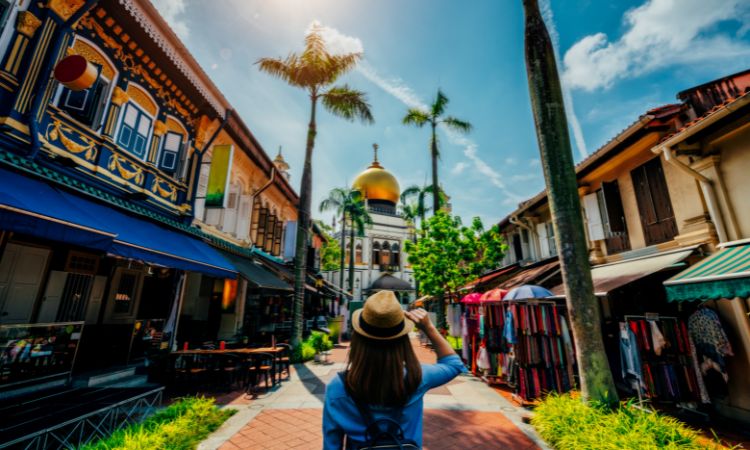
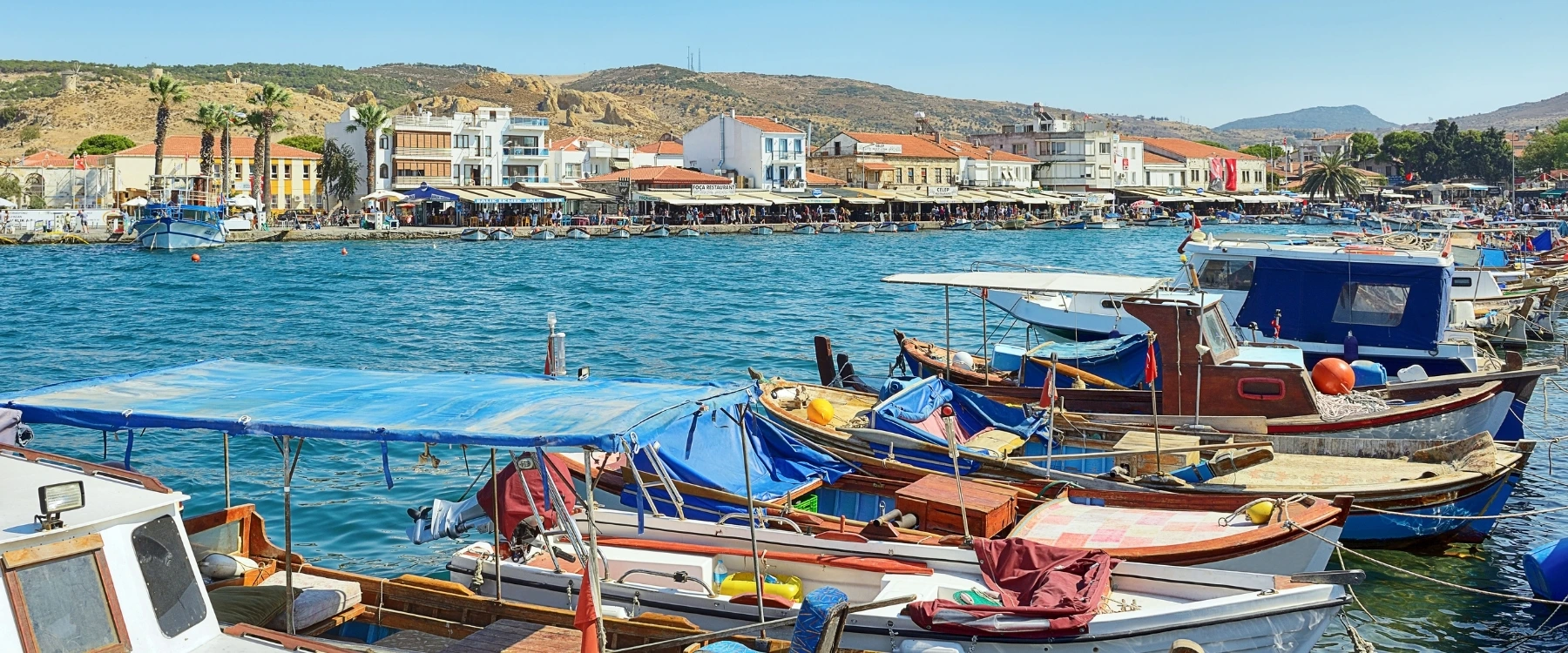
Izmir’s location on the Aegean coast ensures easy access to sandy beaches and turquoise bays. Within a short drive, towns like Çeşme, Alaçatı, and Foça present pristine beaches, windsurfing spots, and seaside promenades dotted with cafés. Crystal-clear waters and vibrant marine life invite swimming and snorkeling, while sunset views over the sea create romantic backdrops. Even within city limits, the Kordon waterfront offers serene walks by the water, with cafés for refreshments. Coastal charm blends with modern amenities: beach clubs, seaside restaurants, and water-sport rentals ensure varied leisure options. Booking Izmir allows blending cultural touring with beach relaxation seamlessly.
Learn More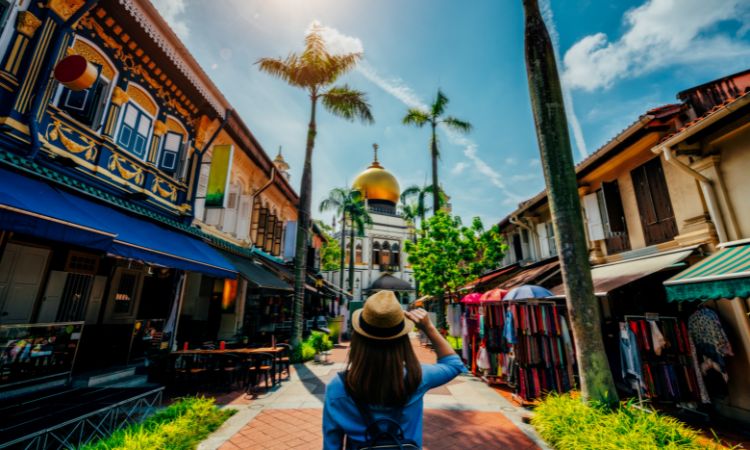
Izmir’s culinary scene is a highlight: fresh seafood from the Aegean, mezes bursting with flavors, and street snacks that reflect local tastes. Enjoy boyoz pastries at dawn, homemade gözleme in markets, and grilled fish by the sea. Olive oil-based dishes, seasonal vegetables, and local wines enhance every meal. Prices are generally lower than in many European destinations, enabling indulgence without overspending. Family-run taverns and upscale restaurants coexist, offering choices suited to diverse budgets. Food tours reveal hidden gems in bazaars and waterfront eateries. For gourmands, Izmir offers authentic flavors at accessible costs, making dining an integral attraction of any trip.
Learn More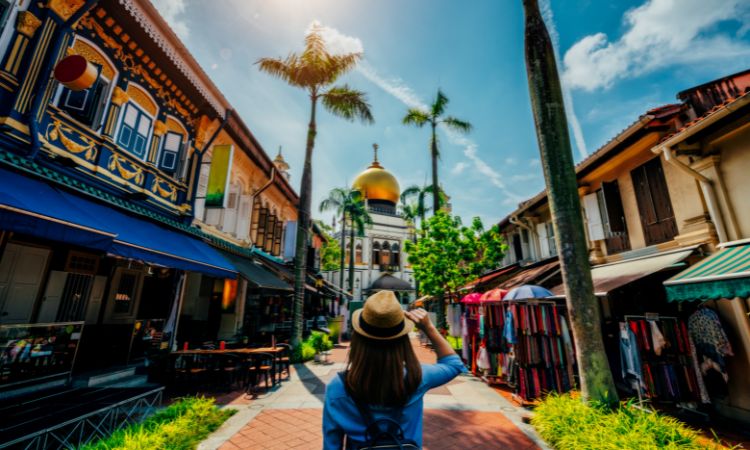
Izmir’s cosmopolitan heritage fosters a relaxed, welcoming culture. Residents are known for friendliness and hospitality. Cultural events—music festivals, art exhibitions, and local fairs—occur year-round. Neighborhoods such as Alsancak buzz with nightlife: live music venues, bars, and cafés. Artsy districts host galleries and workshops. Traditional crafts—textiles, ceramics—can be observed and purchased in bazaars or specialty shops. Festivals celebrating food, wine, and local produce offer immersive experiences. Whether participating in a village harvest festival or attending a concert along the seafront, travelers encounter an authentic, lively local scene that enriches the visit beyond sightseeing.
Learn More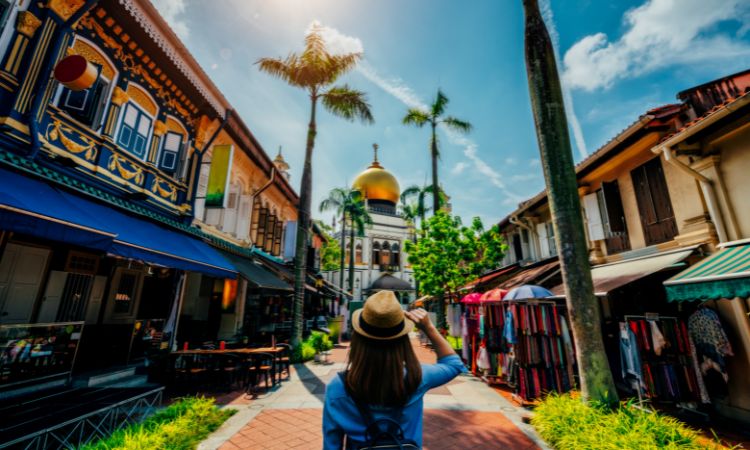
Izmir benefits from a Mediterranean climate: hot, dry summers and mild, wet winters. Spring and autumn present comfortable temperatures ideal for outdoor exploration—hiking in nearby hills, cycling along the coastline, or sailing in the Aegean. Nature enthusiasts can trek in national parks, explore thermal springs in neighboring regions, or join guided boat tours around bays and islands. Birdwatching and photography opportunities abound in wetlands and coastal reserves. Clear skies and warm sunshine most of the year encourage active holidays. Booking in shoulder seasons yields pleasant weather for outdoor adventures combined with cultural visits, making Izmir an all-around destination for nature lovers.
Learn More
Izmir Adnan Menderes Airport connects directly with major European cities, facilitating straightforward travel from the UK and beyond. Within the city, efficient public transport—metro lines, trams, buses—links key districts and nearby attractions. Well-maintained highways enable day trips to historical sites like Ephesus or picturesque coastal towns. Ferries connect to Greek islands during season. Infrastructure improvements ensure comfortable transfers and transfers to resorts. Language barriers are minimal in tourism hubs, with many English-speaking service providers. Ease of access and reliable transport options make planning and exploring Izmir smooth, allowing travelers to maximize time enjoying experiences rather than logistics.
Learn More
Lorem ipsum dolor, sit amet consectetur adipisicing elit. At illo adipisci iusto
From

Because more than 268 other customers have loved us too

Demonstrates commitment to user data security through encryption and secure payment practices
Learn More
Demonstrates commitment to user data security through encryption and secure payment practices
Learn More
Demonstrates commitment to user data security through encryption and secure payment practices
Learn More
Demonstrates commitment to user data security through encryption and secure payment practices
Learn More
Quality as judged by customers. Book at the ideal price!


/ person
/ person
/ person
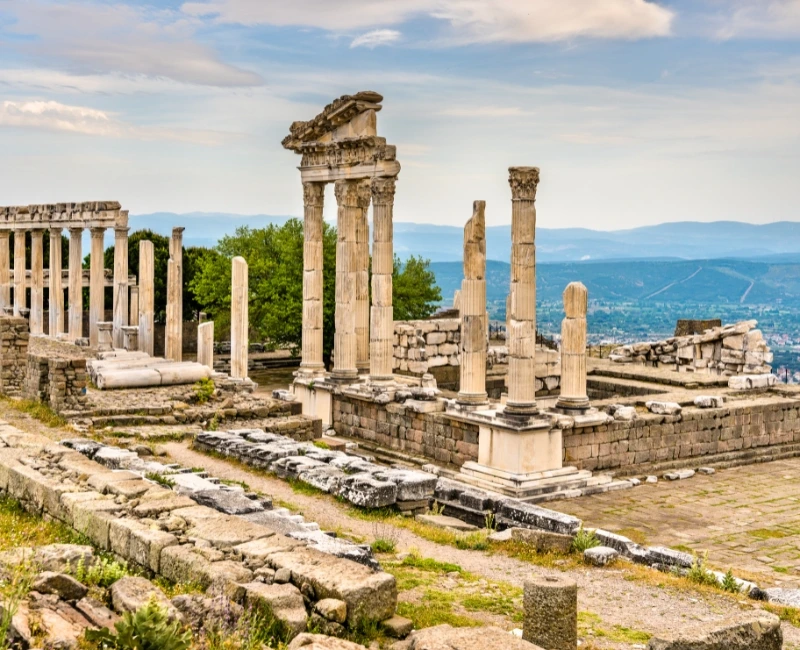
Izmir’s environs are rich in archaeological treasures that transport visitors back through the annals of civilization. The crown jewel is Ephesus, one of the best-preserved ancient cities in the world. A short drive from Izmir, Ephesus reveals grand marble streets flanked by imposing ruins: the Library of Celsus, the Great Theatre where crowds once gathered for performances, and the Temple of Hadrian adorned with intricate reliefs. Walking these stones, travelers imagine merchants, philosophers, and pilgrims crossing through this major Roman port city. Nearby, the Terrace Houses offer insight into affluent domestic life, with mosaic floors and frescoed walls that have withstood centuries. Archaeological tours provide context on the site’s significance in early Christianity and its role on trade routes.Further inland lies Pergamon (Bergama), rising from a hillside overlooking fertile plains. Here, the Acropolis perches dramatically, with remnants of temples and the famed steep theatre that once hosted thousands. A visit to the Asklepion, an ancient healing center, underscores the interplay of medicine, philosophy, and spirituality in antiquity. Historical museums in Izmir city house artifacts unearthed in these sites, from pottery and coins to statues that reflect the artistic mastery of former inhabitants. For those seeking lesser-known ruins, sites like Teos, Klazomenai, and Smyrna’s Agora in central Izmir reveal layered histories in quieter settings, allowing contemplative exploration without large crowds.Cultural immersion extends to local villages preserving Ottoman-era architecture: stone houses with wooden balconies, community hammams, and local artisans practicing crafts passed through generations. Seasonal festivals often include heritage-themed events: reenactments, exhibitions, and workshops showcasing traditional music, dance, and crafts. Culinary heritage ties into this theme: tasting dishes rooted in centuries-old recipes passed down in families around Izmir. By dedicating days to exploring these ancient wonders, travelers gain appreciation for the region’s pivotal role in Mediterranean history, making for an educational and inspiring journey.
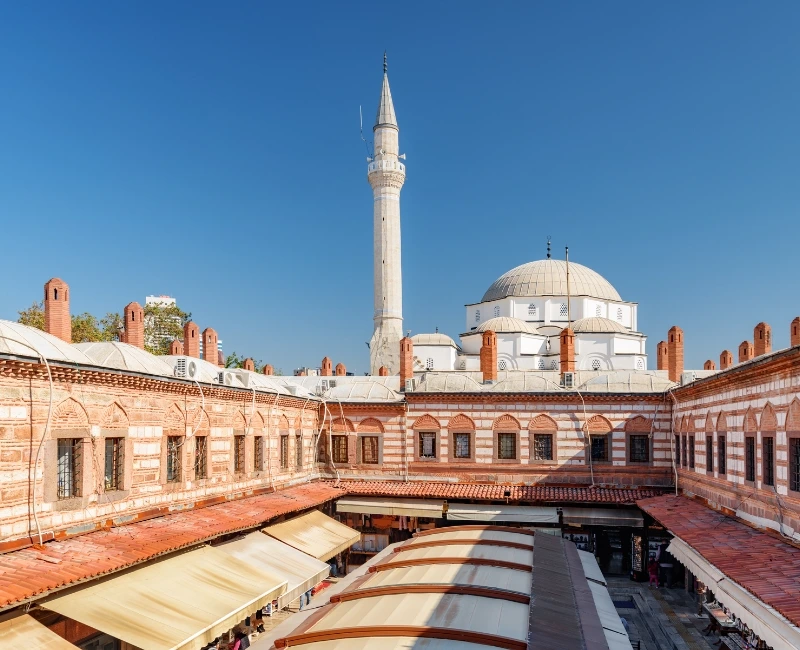
At the heart of modern Izmir lies a dynamic urban tapestry woven from past and present. A guided city walk reveals this blend: starting at the Agora of Smyrna in Konak district, visitors step into a colonnaded marketplace that served as the commercial hub of ancient Smyrna. Well-preserved columns and mosaic fragments evoke daily life centuries ago. From there, the iconic Clock Tower in Konak Square—a symbol of modern Izmir built during the Ottoman era—serves as a meeting point. Surrounding streets hold examples of late Ottoman and early Republican architecture: ornate façades, neoclassical buildings, and narrow lanes hosting boutique shops and cafés.Walking toward the Kemeraltı Bazaar, the labyrinthine market area bursts with color and aroma: spice stalls, textiles, handmade crafts, and local eateries offering gözleme or fresh seafood. The historic Hisar Mosque, with its striking dome and courtyard, invites a moment of reflection. Nearby, Asansör (the historical elevator) built in the early 20th century provides panoramic views over the bay; ascending reveals spectacular city vistas, especially at sunset. Cafés atop the hill serve Turkish coffee alongside local pastries. Museums such as the Ethnography Museum share insights into daily life, clothing, and traditions of the Aegean region.This urban exploration highlights Izmir’s resilience: structures rebuilt after earthquakes, neighborhoods revitalized with contemporary art spaces adjacent to heritage sites. Street art and murals in Alsancak district signal a youthful energy, while waterfront promenades invite restful pauses overlooking ferries crossing the bay. Nighttime brings a different ambiance: eateries come alive with mezes and live music, reflecting the local penchant for social dining. Engaging with local guides offers insider knowledge: hidden courtyards, family-owned workshops, and narratives passed through generations. Such a walking itinerary fosters intimate understanding of Izmir’s evolution from antiquity to a modern Aegean metropolis.
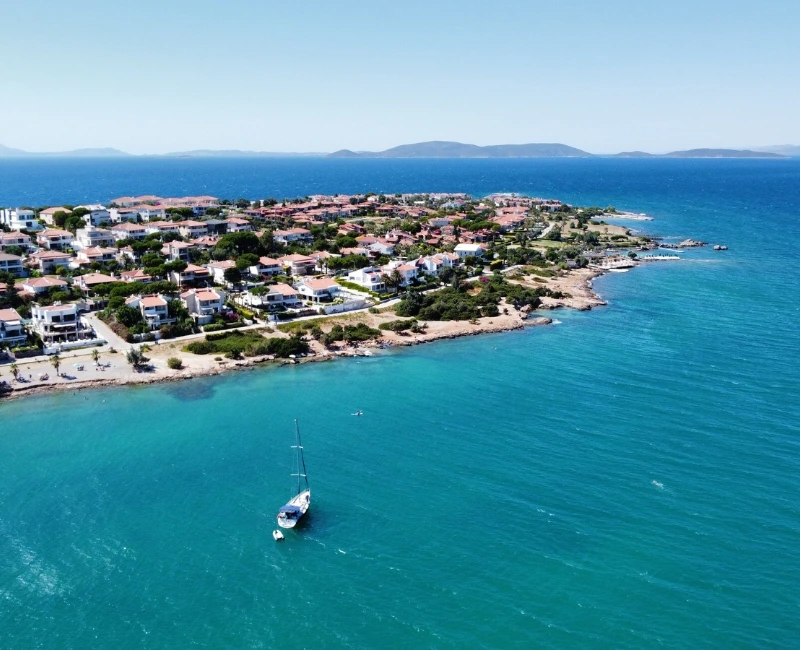
Izmir’s coastal position makes it an excellent base for beach holidays and seaside escapes. Within an hour’s drive lie Çeşme and Alaçatı, famed for crystal-clear waters, sandy beaches, and windsurfing spots. Alaçatı’s charming stone houses, boutique hotels, and narrow streets create an atmospheric retreat; windsurfers flock here for reliable winds, while beginners find schools offering lessons. Çeşme’s beaches—from long sandy stretches to tucked-away coves—cater to families, couples, and solo travelers. Beach clubs provide sunbeds and refreshments; seafood restaurants along the shore serve fresh catches prepared Aegean-style.Further north, Foça offers a more tranquil coastal experience. Dotted with small islands, its calm bays are ideal for swimming and snorkeling. Boat tours around surrounding islets allow spotting marine life. The town’s harbor is lined with cafés where visitors can savor grilled fish as they watch fishing boats return. For a scenic drive, coastal roads connect to Karaburun Peninsula, offering rugged landscapes and secluded beaches; travelers seeking solitude or photography opportunities find hidden coves.Within Izmir metropolitan area, the Kordon waterfront provides a city-side seaside atmosphere. While not a swimming beach, its promenade is perfect for sunset walks, rollerblading, or sipping çay at seaside cafés. Ferries run to nearby coastal spots and islands, enabling day trips. Water-based activities include sailing excursions, scuba diving in designated areas, and kayak tours in sheltered bays. For outdoor enthusiasts, combining beach time with hiking in nearby hills or cycling coastal routes provides varied experiences. With options from lively beach resorts to peaceful coves, Izmir’s coastal escapes satisfy diverse preferences.
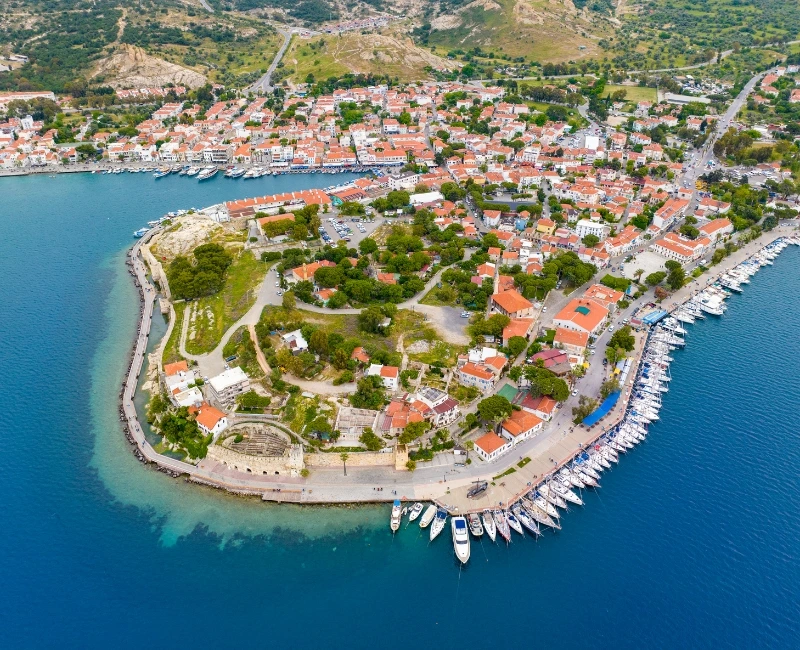
Beyond beaches, Izmir region offers varied outdoor pursuits. Hiking enthusiasts can explore hills inland: trails through pine forests leading to viewpoints overlooking olive groves and the Aegean Sea. Spotted deer and native flora enrich the experience. Mount Sipylus National Park near Manisa presents trails to waterfalls, caves, and myth-linked sites such as the “Weeping Rock,” tied to ancient legends. Guided treks reveal botanical diversity and local stories.Cyclists benefit from coastal and rural routes. Bike rentals in Izmir city and Çeşme enable cycling along scenic roads by the sea or through vineyards and orchards. Mountain biking trails in less-visited areas offer challenge and solitude. Birdwatchers find wetlands and lagoons near the coast hosting migratory species; early-morning visits to these reserves reward keen observers. For water-based adventures, kayaking around Foça’s islands or SUP (stand-up paddleboarding) in calm bays provides exercise and exploration. Diving spots near Karaburun reveal underwater rock formations and marine life.Outdoor enthusiasts can also visit thermal springs in surrounding regions, combining wellness with nature. Horseback riding tours through countryside villages introduce travelers to local rural life. Seasonal activities include grape harvest participation at small wineries, olive harvesting in autumn, and foraging tours to sample wild herbs used in regional cuisine. Photographers will appreciate sunrise and sunset vistas over sea and hills, while stargazers find clear night skies away from city lights. With well-organized tours and self-guided options, Izmir’s natural landscapes cater to adventurers seeking active, immersive experiences beyond urban sightseeing and beach relaxation.
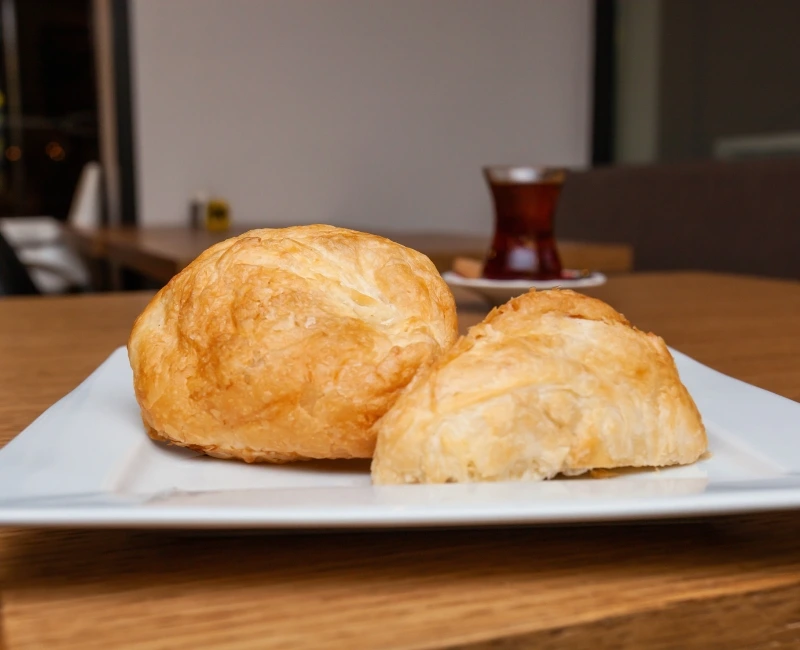
Izmir’s food scene is a tapestry of Aegean flavors, blending fresh produce, seafood, and time-honored recipes. Begin mornings with boyoz, a flaky pastry unique to Izmir, often enjoyed with a boiled egg and strong Turkish coffee. Breakfast spreads in local cafés include olives, cheeses, tomatoes, cucumbers, honey, and freshly baked bread. Markets such as Kemeraltı teem with stalls selling seasonal fruits, vegetables, and spices, inviting travelers to sample tastes at every turn.Lunch may feature gözleme—thinly rolled dough stuffed with spinach, cheese, or potato—cooked on a griddle. Seafood dominates dinners: grilled fish or calamari served alongside mezes like haydari (yogurt dip with herbs), şakşuka (vegetables in tomato sauce), and kofte made with local lamb. Olive oil is central: dishes such as zeytinyağlı dolma (vine leaves stuffed with rice) reflect healthy Mediterranean eating. Pair meals with local wines from nearby vineyards or ayran, a refreshing yogurt drink. Street food offerings include midye dolma (stuffed mussels), kumru sandwiches filled with cheese and sausage, and simit from street vendors.Participating in a cooking class or food tour deepens understanding of ingredients and techniques. Visiting local olive groves or small wineries offers behind-the-scenes perspectives on olive oil production and winemaking traditions in the Aegean region. Seasonal specialties appear at festivals: artichoke dishes in April or grape-based treats during harvest season. Bakery visits reveal pastries such as İzmir bombası (a type of doughnut). Sweet endings include şambali (semolina cake with syrup) or baklava savored with Turkish tea. Izmir’s culinary diversity, affordability, and authenticity make it a destination for food lovers eager to taste regional specialties and learn culinary heritage firsthand.
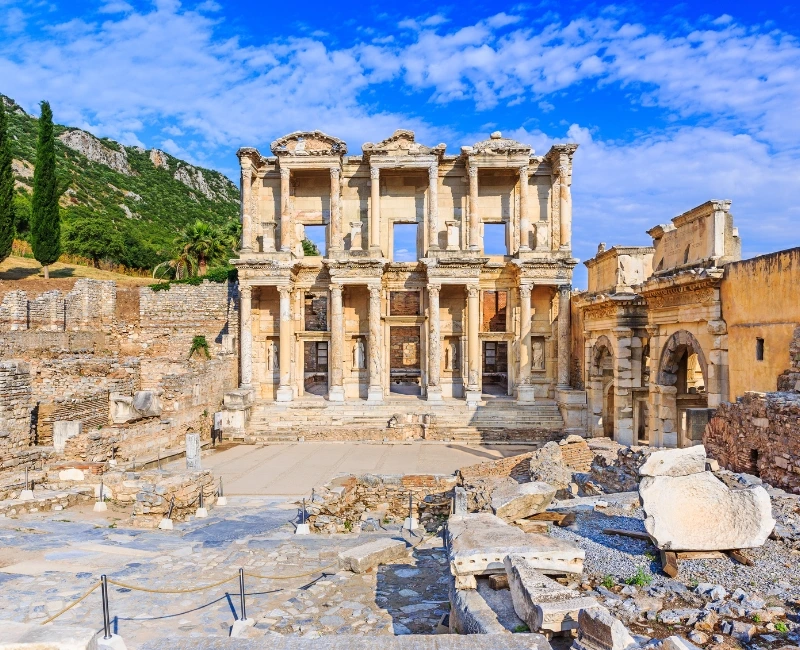
While Izmir itself offers abundant attractions, nearby destinations enrich itineraries with distinct experiences. A prime day trip is to Selçuk and Ephesus: besides the ancient city, Selçuk hosts a lively market, small museums, and Şirince village famed for fruit wines and traditional village ambiance. Tasting locally produced peach or strawberry wine amid rustic surroundings provides insight into regional viticulture.Another food-focused excursion is to Urla Peninsula: emerging as a culinary hotspot, Urla’s vineyards and olive groves welcome visitors for wine tastings and olive oil sampling. Farm-to-table restaurants showcase produce grown onsite, from sea bass to seasonal vegetables. Visiting artisan workshops—cheese producers or jam makers—reveals small-scale food craftsmanship. Combining coastal views with gourmet experiences makes Urla a rewarding side trip.For historic context, consider Pergamon: after touring ruins, enjoy lunch in a town café serving hearty Turkish dishes. Then drive to thermal spas near Bergama for relaxation in mineral-rich waters. Alternatively, head south to Dikili and Çandarlı for quieter beaches and authentic coastal villages where fishermen bring in daily catches. Sampling fresh seafood in a beachfront lokanta (tavern) underscores the connection between sea and local culture.Further afield, an overnight or longer trip to Pamukkale’s travertine terraces and Hierapolis offers a contrast: soaking in warm pools with views of white calcium formations, followed by exploring ancient ruins. Although longer than a day, travel infrastructure permits combining with Izmir base. For a scenic coastal route, drive to Foça, then take a boat to nearby islands for secluded beaches and snorkeling. Each day trip from Izmir brings new culinary and cultural discoveries, making the region’s diversity accessible from a single hub..
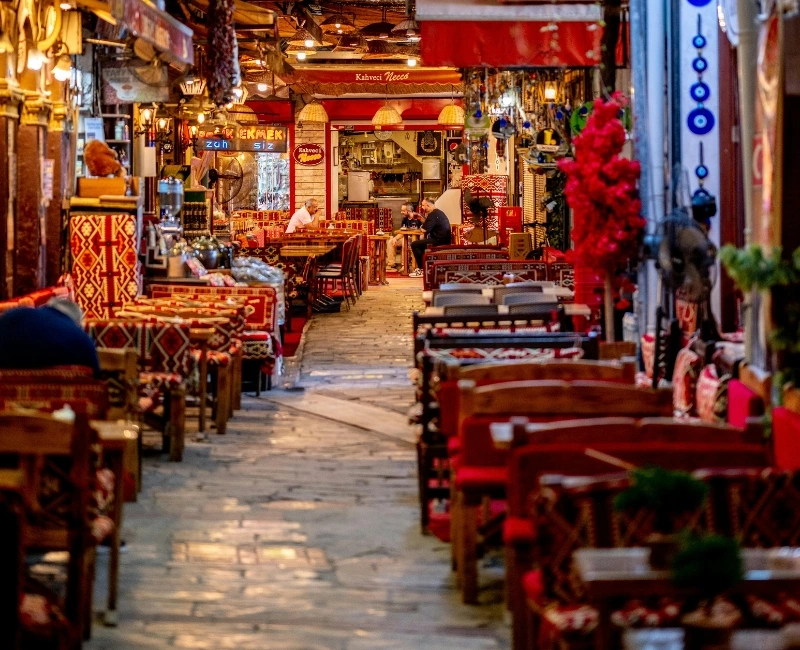
Izmir’s shopping scene balances traditional bazaars and contemporary boutiques. Kemeraltı Bazaar is a sprawling historic market where artisans sell textiles, handcrafted jewelry, ceramics, and leather goods. Wandering its alleys, travelers find unique souvenirs: hand-painted tiles, locally woven scarves, or olive wood kitchenware. Shops in restored caravanserais house workshops where visitors watch artisans at work—potters shaping clay, weavers on looms, or calligraphers designing artistic pieces.In Alsancak and Karşıyaka districts, modern boutiques feature Turkish designers blending traditional motifs with contemporary styles: clothing, accessories, and home décor inspired by Aegean aesthetics. Souvenir shops offer packaged local products such as olive oil, homemade jam, spices, and herbal teas—ideal for gifting. For food-related purchases, specialty stores sell high-quality olive oil from regional groves, dried herbs, or artisanal cheeses. Local markets sometimes let visitors taste before buying, ensuring authentic selection.Antique and secondhand shops in hidden lanes reveal relics from past eras: vintage postcards, coins, and small furniture items. Art galleries showcase contemporary Turkish art—paintings, sculptures, or mixed-media works—reflecting the city’s vibrant creative community. Seasonal craft fairs and festivals present pop-up markets with local designers and artisans. Shopping in Izmir serves both as cultural immersion and support for local economies; bargaining in bazaars or striking up conversation with craftsmen enriches the experience. Carrying home heirloom-quality items ensures lasting memories of Aegean crafts and creativity.
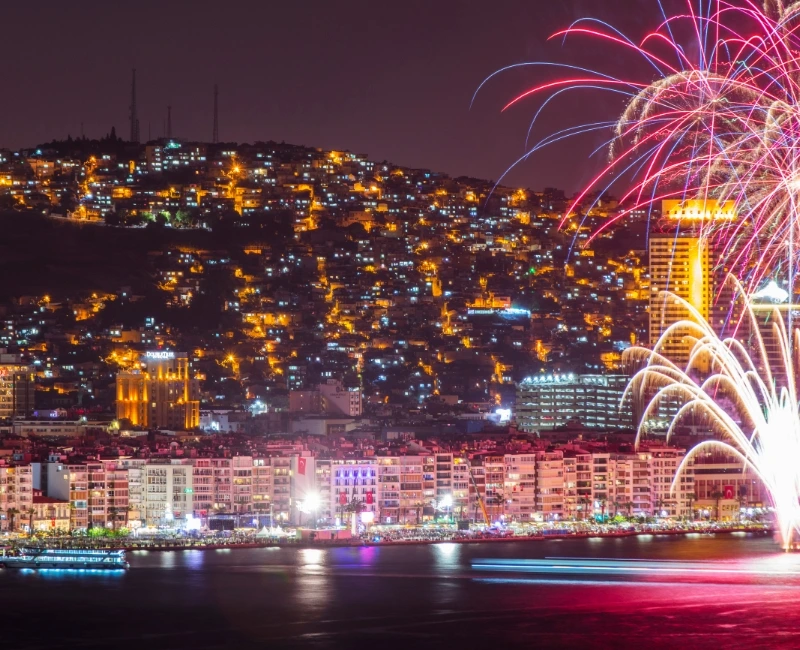
As evening falls, Izmir’s social life shifts toward lively entertainment and cultural performances. The Kordon promenade lights up with cafés and bars where locals gather for raki or Turkish wine alongside mezes. Live music venues in Alsancak and Bornova districts offer genres from jazz and rock to traditional Turkish folk, ensuring varied options for different tastes. Outdoor summer concerts and open-air cinemas appear during festival seasons, providing communal experiences under starlit skies.Theatrical performances—modern plays or traditional shadow puppetry—take place in local theaters. For a cultural evening, attending a performance at the State Opera and Ballet or local art centers showcases Turkey’s performing arts scene. Bars and clubs cater to night owls: some focus on electronic music and dancing, while others maintain a relaxed ambiance with acoustic sets. Terrace bars overlooking the bay offer romantic settings with gentle sea breezes and city lights reflecting on the water. Culinary nights may include meyhane (tavern) experiences where diners enjoy music alongside food, participating in singing or clapping traditions.For a unique cultural touch, periodic festivals celebrate music, film, or arts, bringing international and local acts to stages. Sampling late-night street snacks—simit, roasted corn, or gözleme—from vendors adds a casual element. Safety and friendliness are strengths: Izmir’s residents value social gatherings, and visitors often feel welcome joining tables or striking conversations. Nighttime photography opportunities along illuminated landmarks or waterfront scenes attract enthusiasts. Whether seeking relaxed lounge vibes or energetic club scenes, Izmir’s nightlife and entertainment options reflect its cosmopolitan spirit grounded in Aegean warmth.
No ads. No trails. No commitments


Alice Roses
London, England
51 ST MATTHIAS ROAD
NOTTINGHAM, NOTTINGHAMSHIRE
NG3 2HF
Hours: 8:00 - 17:00, Mon - Sat
support@johnsonholidays.com