 Amalfi Coast Travel
Guide
Amalfi Coast Travel
Guide
Paris is known around the world as the “capital of love,” and even if you don't understand the history of Paris at all

3 Hours
£4.50

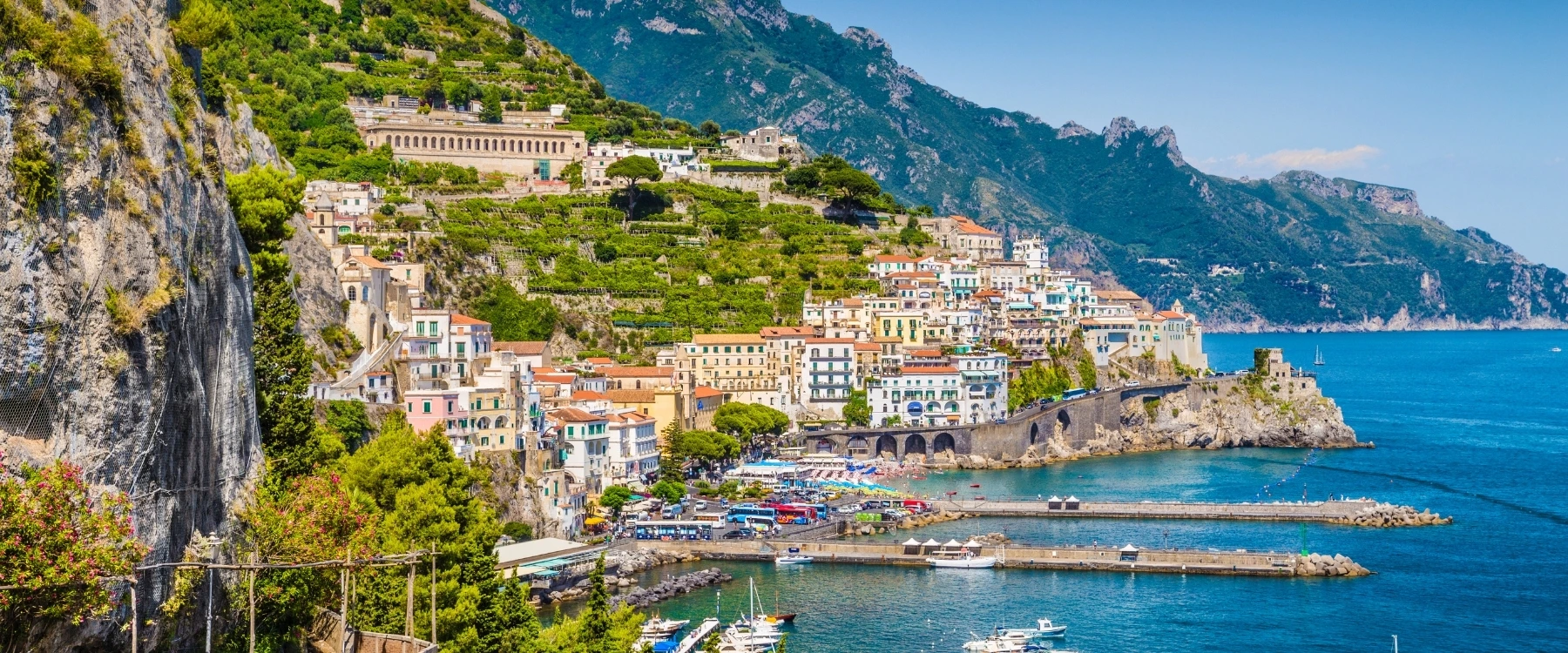
Perched between steep cliffs and the shimmering Tyrrhenian Sea, the Amalfi Coast’s scenery is among the world’s most iconic. Each viewpoint presents a postcard-perfect panorama: pastel villages tumbling toward the water, terraced lemon groves, and rugged headlands framing hidden coves. Whether you sip espresso on a sunlit terrace overlooking the sea or navigate the coastal road as it snakes through tunnels and hairpin turns, you’ll be awed at every turn. The interplay of bright Mediterranean light on colorful facades and deep blue waters creates unforgettable vistas. Photographers, painters, and travellers alike are drawn here for its dramatic landscapes. Even simple moments—walking along a cliff-top trail at dawn, watching fishing boats bob in the harbor at sunset—become extraordinary. Booking a stay here ensures immersion in a backdrop that defines “Mediterranean beauty” more than almost any other destination.
Learn More
Each Amalfi Coast town has its own distinct personality rooted in centuries of history. In Amalfi, the grand 9th-century Duomo di Sant’Andrea and its cloister reflect the town’s past as a maritime republic. Positano, once a humble fishing village, now charms with cascading stairways, boutique shops, and vibrant bougainvillea. Ravello, perched high above the sea, is famed for Villa Rufolo’s gardens and summer concerts that echo across the cliffs. Praiano and Minori offer quieter authenticity: pastel houses, family-run trattorias, and serene beaches. Wandering narrow alleys reveals artisanal workshops, centuries-old churches, and hidden viewpoints. This historic tapestry enriches any beach holiday, allowing travellers to step back in time while indulging in modern comforts. Booking here means embracing both seaside relaxation and cultural exploration in towns that feel both timeless and alive.
Learn More
The Amalfi Coast’s cuisine showcases the finest of Mediterranean flavours: succulent seafood caught daily, locally grown produce, and lemons so aromatic they define regional specialties. Sample spaghetti alle vongole on a terrace overlooking the water, taste fresh anchovies, or enjoy fried seafood fritto misto served with crisp white wine. Desserts abound in lemon-infused treats: lemon sorbet, tarts, and the famous limoncello liqueur made from Amalfi lemons. Hillside olive groves produce fruity olive oils that enhance salads and grilled vegetables. Dining ranges from Michelin-starred restaurants with panoramic views (with prices shown here in British pounds for reference—expect main courses roughly £25–£40) to informal family-run eateries where pasta dishes may cost around £12–£18. Cooking classes let you learn to prepare fresh pasta and sauces steeped in local tradition. Booking ensures a journey through flavors that encapsulate coastal Italy’s essence.
Learn More
For active travellers, the Amalfi Coast offers spectacular outdoor pursuits. The famed Path of the Gods trail stretches along cliffs above Positano, rewarding hikers with sweeping sea vistas and glimpses of terraced vineyards. Guided or self-led hikes vary in difficulty but consistently deliver dramatic panoramas. Sea-based activities include boat tours to explore hidden grottos, kayaking along the coastline, and stand-up paddleboarding in calm bays. Cycling enthusiasts can ride in nearby Sorrento or explore quieter inland roads through lemon orchards. Paragliding (where available) offers an aerial perspective of the coastline’s contours. Even a casual coastal walk—such as the scenic promenade linking towns—reveals abundant beauty. Booking here suits travellers seeking to blend relaxation with invigorating experiences surrounded by some of Europe’s most photogenic landscapes.
Learn More
Beyond its natural allure, the Amalfi Coast pulses with culture and traditions. Towns host religious processions, local festivals, and concerts—Ravello’s summer music festival draws international talent in settings overlooking the sea. Artisans continue age-old crafts: ceramics in Vietri sul Mare, paper-making traditions in Amalfi, and hand-painted tiles that decorate facades. Historic villas and gardens open for visitors, offering a glimpse into aristocratic retreats of centuries past. Seasonal grape harvest events or lemon festivals celebrate local produce. Even wandering markets or local bakeries reveals flavors handed down through generations. Booking during festival periods adds an enriching layer to your holiday. Yet even off-season, museum visits, historic site tours, and cultural workshops ensure deeper connection to the region’s heritage while avoiding peak crowds.
Learn More
Despite its steep terrain, the Amalfi Coast features pebbled and rocky beaches tucked into bays, each with its own charm. From the bustling Spiaggia Grande in Positano (expect to pay around £20–£30 per day for sunbed hire in high season) to quieter coves near Praiano or Atrani accessible by foot or boat, there’s an option for everyone. The crystalline water invites swimming and snorkelling; boat rentals allow exploration of secluded inlets. Seaside bars serve refreshing drinks—iced limoncello spritz or local beer priced around £4–£5 per pint equivalent. Even simply lounging on a terrace with a sea breeze and panoramic view feels restorative. Booking here ensures ample opportunities to unwind by the water, whether you prefer lively beach clubs or peaceful hidden spots that feel almost private.
Learn More
Lorem ipsum dolor, sit amet consectetur adipisicing elit. At illo adipisci iusto
From

Because more than 268 other customers have loved us too

Demonstrates commitment to user data security through encryption and secure payment practices
Learn More
Demonstrates commitment to user data security through encryption and secure payment practices
Learn More
Demonstrates commitment to user data security through encryption and secure payment practices
Learn More
Demonstrates commitment to user data security through encryption and secure payment practices
Learn More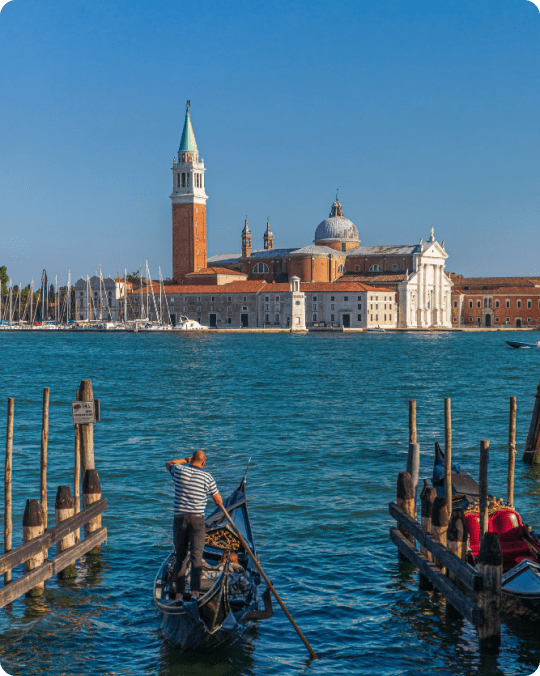
Quality as judged by customers. Book at the ideal price!


/ person
/ person
/ person
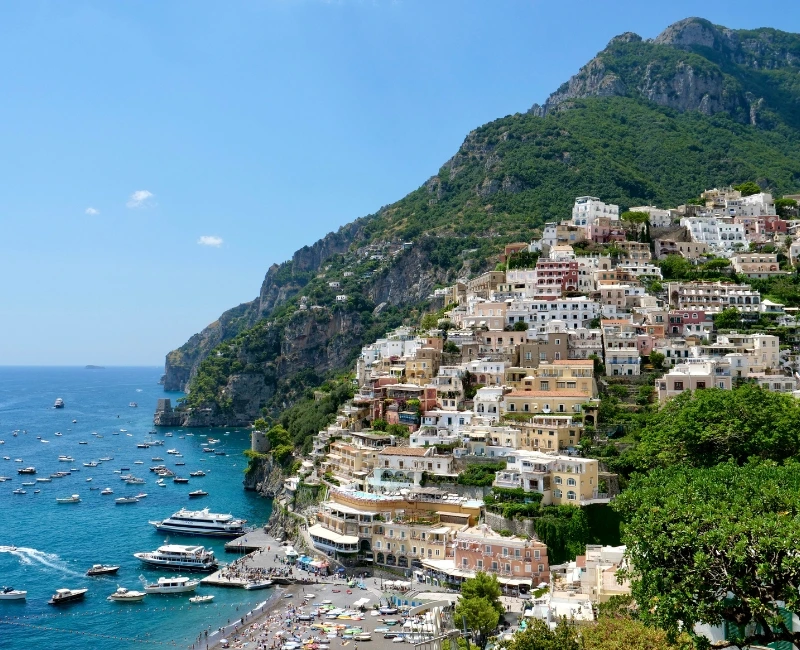
Positano is the poster child of the Amalfi Coast: a cascade of pastel-hued buildings tumbling down steep cliffs toward a busy pebble beach. Exploring Positano begins with winding alleyways lined with boutiques offering linen clothing, handmade sandals, and ceramics reflecting local craftsmanship. Climbing the narrow staircases reveals hidden terraces with panoramic sea views. In the early morning, when day-trippers have yet to arrive, wander to the church of Santa Maria Assunta to admire its majolica-tiled dome and historic icon of the Black Madonna. As the sun climbs, head to Spiaggia Grande: sunbeds and umbrellas line the shore, where you can relax, swim in crystalline waters, or dry off on warmed pebbles. Boat excursions depart from here, offering a fresh perspective of Positano’s cliffside cluster and nearby coastal caves.Culinary discoveries in Positano blend sophistication and tradition: seaside restaurants serve freshly caught fish, spaghetti alle vongole, and local vegetable dishes. Lunch on a terrace may cost around £20–£30 per person including a glass of crisp local white wine. For a local treat, sample lemon granita or gelato infused with Amalfi lemons. As evening falls, the town’s lights sparkle on the cliff face; rooftop bars provide cocktails priced at roughly £8–£12, paired with sweeping sea vistas. Photographers will find endless inspiration: sunrise light softens pastel walls into warm hues, while sunset casts golden reflections on the water.Beyond beach and dining, attend a local workshop: Positano artisans sometimes offer pottery or painting classes, reflecting coastal motifs. Alternatively, join a short hike: from Nocelle (above Positano) the Path of the Gods begins, leading to mountain vistas that extend beyond the coast. Though Positano can be busy in high season, staying here allows you to step into Amalfi Coast glamour while still accessing quieter spots: early mornings in narrow lanes feel intimate before crowds gather. Accommodation ranges from boutique cliffside hotels to intimate guesthouses; many feature terraces overlooking the sea. Booking Positano in shoulder season yields more space to savor its charm. Whether you’re drawn by iconic views, seaside relaxation, or vibrant local life, Positano embodies Amalfi Coast allure and makes a fitting introduction to this spectacular region.
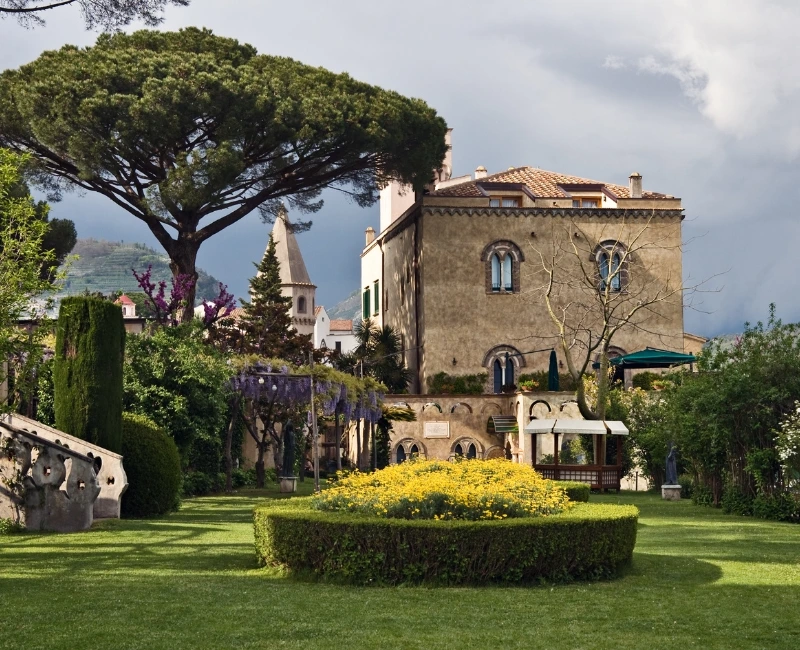
Perched high above the sea on a hilltop, Ravello offers a tranquil contrast to busier coastal towns. Known for its historic villas and music festivals, Ravello’s atmosphere is one of refined elegance and cultural depth. The jewel of Ravello is Villa Rufolo, with gardens that inspired Wagner’s Parsifal; winding terraces showcase lush blooms and panoramic sea views that stretch along the coastline and across to Capri on clear days. Nearby, Villa Cimbrone’s Terrace of Infinity offers arguably the most spectacular viewpoint on the Amalfi Coast: a balustrade seemingly suspended over the sea. Exploring these villas reveals centuries of aristocratic taste and horticultural artistry.Ravello’s cultural calendar is highlighted by the annual Ravello Festival (usually May–July), drawing classical musicians, orchestras, and soloists to perform in historic settings—concerts held in cliffside terraces or medieval courtyards create magical experiences. Even outside festival dates, local churches (such as the Cathedral of Ravello) contain artworks reflecting regional traditions. Small museums and galleries display ceramics, religious artifacts, and local crafts. Wandering Ravello’s narrow lanes, you encounter artisan studios offering hand-painted ceramics or textiles.Dining in Ravello includes refined trattorias perched on hillsides: sample regional specialties like scialatielli ai frutti di mare for roughly £18–£25 per dish, accompanied by local wines. Cafés serve pastries infused with lemon zest and aromatic coffee. Accommodation often comprises boutique hotels or converted villas with panoramic terraces; prices vary widely—shoulder season stays may range around £100–£150 per night for comfortable options, while luxury suites climb higher.Outdoor opportunities around Ravello include gentle walking routes through olive groves and lemon terraces, offering a quieter side of the coast. A short taxi or bus ride connects to Amalfi or Maiori for additional exploration. For photography, morning light filters through cypress and bougainvillea, illuminating terracotta roofs against deep-blue sea backdrops. Booking Ravello appeals to travellers seeking serene cultural immersion, musical experiences, and postcard panoramas without the bustle of busier beaches. Its elevated position ensures cooler breezes in summer and a sense of retreat high above the Mediterranean coast.
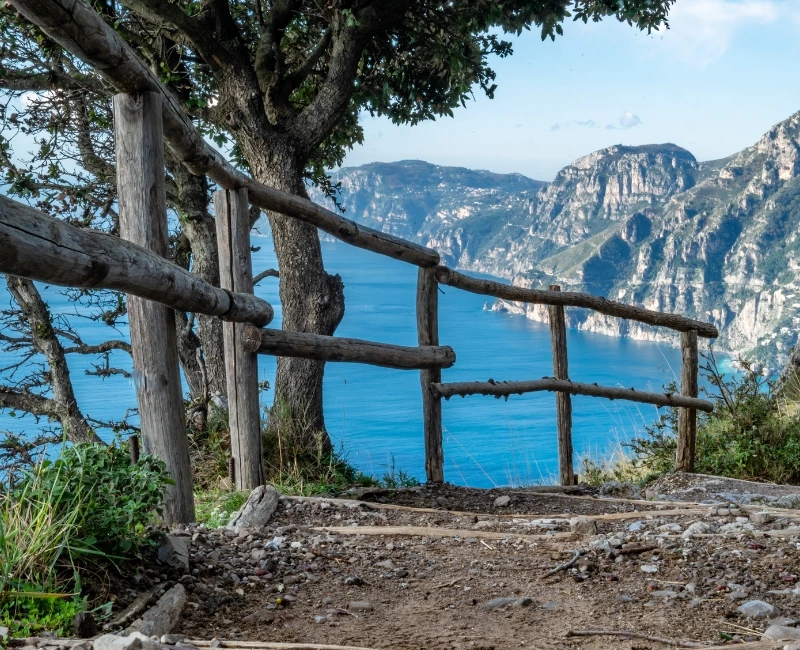
For active travellers, the Path of the Gods (Sentiero degli Dei) is the Amalfi Coast’s signature hike—a high-elevation trail linking the hilltop villages of Nocelle (above Positano) and Agerola/Massarosa, offering astonishing panoramas. This path winds along cliff edges, through fragrant Mediterranean shrubland and rocky outcrops, with sweeping sea vistas at nearly every turn. Hikers typically start early to avoid midday heat; the trail can take 3–5 hours round-trip depending on pace and return route. Although the terrain includes uneven surfaces and some steep sections, it is manageable for moderately fit walkers with proper footwear and water. Guided hikes (approx. £20–£30 per person) provide local insights on flora, history, and geology.The route begins in Nocelle: reach it via bus or by climbing from Positano (stairways). From Nocelle, the trail ascends gently before traversing ridges. Look out for views of Positano’s rooftops below, Amalfi town further along the coastline, and distant islands like Capri shimmering on the horizon. Along the way, benches or natural vantage points invite rest and photography. Wild herbs and flowers scent the air—rosemary, thyme, and lavender flourish on sun-drenched slopes. Birdsong accompanies the journey, and if timing aligns, you may spot migrating raptors soaring overhead.At the end point near Bomerano or Agerola, celebrate with a meal at a local trattoria: hearty pasta dishes like ravioli stuffed with ricotta and lemon zest, accompanied by mountain-grown wines, priced around £15–£20. Return options include bus back to Amalfi or Positano, or arranging a transfer. Many hikers combine this experience with an overnight stay in a hilltop guesthouse, enjoying sunrise views over the coast before descent. For safety, carry sufficient water, sun protection, and check weather conditions—summer sun can be intense, while spring and autumn offer milder temperatures.The Path of the Gods encapsulates Amalfi Coast’s dramatic fusion of rugged landscape and sea vistas. It appeals to adventurers seeking active immersion in nature, away from crowded beaches. Each step along narrow ridges reveals new angles on terraced cliffs. Even non-hikers can appreciate parts of the trail via shorter walks or viewpoints accessible by car or footpaths from nearby villages. Booking a guided hike enhances understanding of local ecology and history; solo hikers can also follow well-marked sections. Ultimately, this iconic trek transforms your holiday into an unforgettable journey through one of Europe’s most spectacular coastal landscapes.
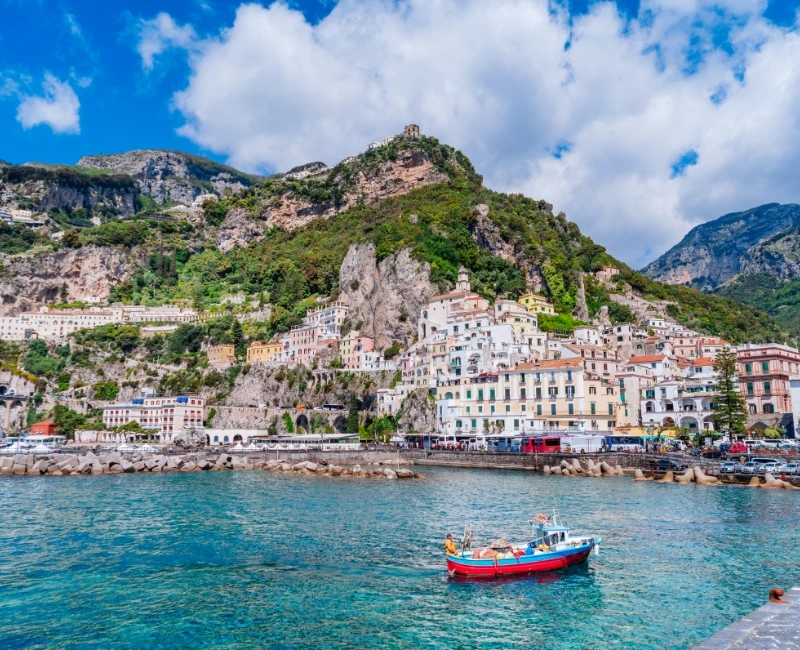
Exploring the Amalfi Coast from the sea reveals its full majesty: sheer cliffs rising from turquoise waters, hidden grottoes, and secluded beaches accessible only by boat. Boat tours depart from Positano, Amalfi, and Maiori, offering half-day or full-day excursions. A typical half-day private boat hire may cost around £150–£200 (splittable among a small group), including skipper; shared group tours are more budget-friendly (approx. £60–£80 per person). Tours often include stops for swimming in crystal-clear bays, snorkelling around underwater rock formations, and visits to sea caves such as the famous Emerald Grotto near Conca dei Marini.Island hopping is another highlight: Capri’s Blue Grotto, Marina Piccola, and Anacapri’s cliffside vistas enchant visitors. Boat itineraries may include a stop in Capri for a few hours: ferrying you to iconic landmarks like the Faraglioni rock formations or informal cliffside lunches in Marina Grande. Procida and Ischia offer quieter alternatives, with thermal springs in Ischia or colorful seafront in Procida. Costs for ferry crossings vary (approx. £15–£25 return from Amalfi/Positano to Capri), while private day trips may include multiple islands.In addition to sightseeing, consider sunset cruises: departing mid-evening, these trips serve light aperitifs—sparkling wine or limoncello spritz (£6–£8 per drink)—while you watch the sun dip behind cliffs, illuminating villages in warm light. Photographic opportunities abound as coastline lights reflect on calm seas. Some tours combine cultural commentary on local history, geology, and maritime traditions; hiring a knowledgeable skipper enriches the experience.Safety and comfort: choose reputable operators, ensure life jackets and safety briefings are provided, and check sea conditions (summer generally calm). Bring sun protection, swimwear, and waterproof camera. Many operators offer optional onboard refreshments or can arrange picnic lunches featuring local specialties (sandwiches with mozzarella, prosciutto, and Amalfi lemons). Booking in advance during peak months (June–August) is advisable to secure preferred times.Whether seeking active snorkelling, romantic sunset vistas, or island exploration, boat tours transform your Amalfi Coast stay. The region’s dramatic cliffs, hidden coves, and nearby islands are best appreciated from the water. Including a sea-based day in your itinerary ensures a balanced holiday: after hiking or town visits, relaxing on a boat with sea breeze and panoramic views provides the perfect counterpoint. It’s an essential component of any Amalfi Coast adventure.
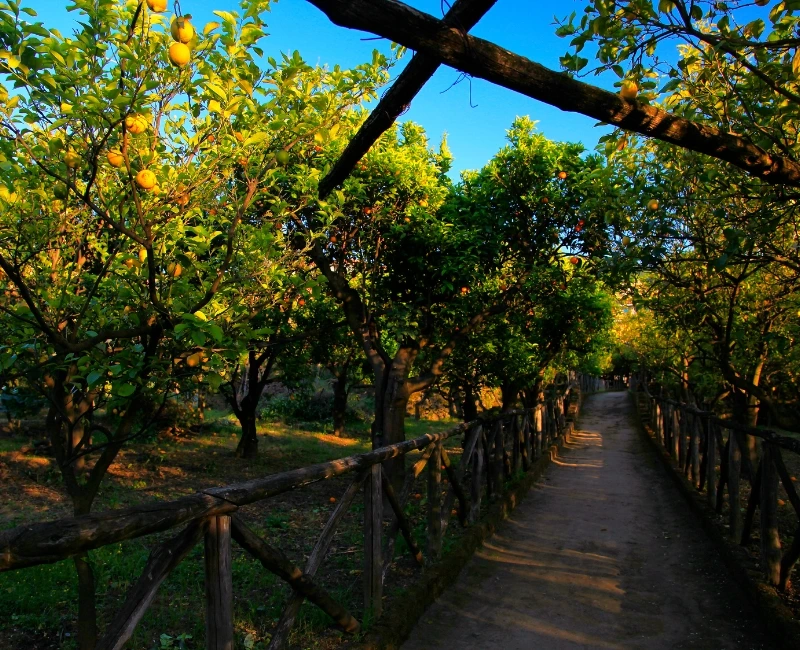
The Amalfi Coast’s cuisine is inseparable from its iconic lemons: fragrant fruits grown on terraced cliffs infuse dishes and drinks with bright citrus notes. A visit here invites you to taste signature specialties: limoncello, generated from Amalfi lemons’ zest, is sipped after meals as a digestive; lemon granita offers refreshing respite on warm afternoons; desserts like lemon panna cotta or tartlets showcase local zest. Many small producers welcome visitors to lemon groves, explaining cultivation on steep terrain and offering tastings—participation fees or guided tours may range around £10–£15 per person.Seafood is equally central: daily catches include anchovies, sea bass, and shellfish, often prepared simply to highlight freshness. Try spaghetti alle vongole (£12–£18 per plate), frittura di paranza (mixed fried seafood), and grilled fish served with seasonal vegetables. Olive oil from local groves enhances salads and bruschetta. Cheese and cured meats from nearby regions accompany aperitivo spreads; a typical aperitivo in a bar may cost around £8–£12, including drinks and small bites. Wine produced on terraced slopes offers crisp, mineral-driven whites that pair beautifully with seafood; a bottle might cost £15–£25 in restaurants.Culinary experiences extend beyond dining: cooking classes teach preparation of pasta from scratch (e.g., scialatielli or gnocchi), fresh sauces with tomatoes, basil, olive oil, and seafood. Classes often include market visits to select ingredients, typically priced around £50–£70 per person for half-day sessions. Participating connects you with local traditions, recipes passed through generations. Farm-to-table visits allow sampling olive oil, wine, cheese, and honey produced in hillside estates.Food markets in Amalfi or Maiori offer opportunities to buy local specialties—dried pasta, preserves, limoncello bottles—to bring home. For a deeper dive, join a guided food tour: visiting multiple eateries, tasting signature dishes, and learning regional food history (guided tours around £40–£60 per person). Even casual street food, such as sfogliatella pastries or pizza slices in roadside stands, delivers authentic flavors at modest cost (around £3–£5).Booking Amalfi Coast culinary experiences ensures you don’t merely eat meals but connect with culture through taste and tradition. Whether raising a glass of local wine overlooking the sea, crafting your own pasta in a rustic kitchen, or exploring lemon groves, these activities enrich your holiday with sensory memories. Food here is not just sustenance but expression of place—vibrant, fresh, and tied to the land and sea that define the region.
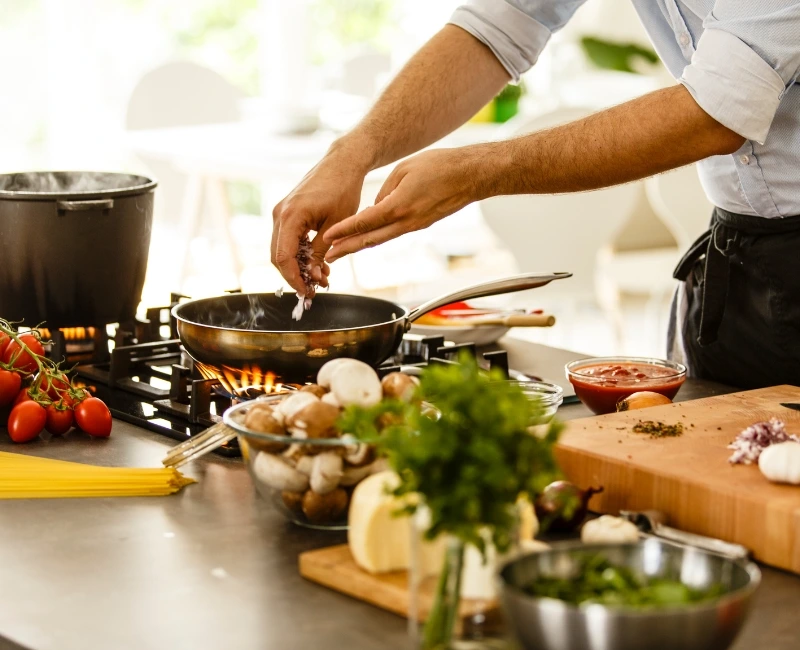
Immersing yourself in a cooking class on the Amalfi Coast transforms holiday dining into hands-on discovery. Classes are often held in family-run homes or small culinary schools, where local chefs or home cooks demonstrate traditional recipes—hand-rolled pasta, seafood sauces, and desserts infused with Amalfi lemons. A typical session begins with a short visit to a local market or specialty shop to select fresh ingredients: ripe tomatoes, basil, olive oil, fresh seafood or local cheeses, and, of course, lemons. This market experience offers insight into ingredient selection and seasonal produce, reinforcing Italy’s farm-to-table ethos.Back in the kitchen, instructors guide you through each step: mixing and kneading dough for pasta; mastering shapes like scialatielli or fusilli; preparing sauces combining garlic, olive oil, fresh herbs, and catch-of-the-day fish or shellfish. You’ll learn proper techniques—timing pasta cookery so it remains al dente, balancing flavors with salt, pepper, lemon zest, and finishing dishes with drizzle of local olive oil. Beyond recipes, instructors share anecdotes about family traditions, the importance of quality ingredients, and tips for replicating Mediterranean flavors at home. Classes often include preparation of a starter (e.g., bruschetta or salad with local mozzarella), main course (pasta or fish dish), and dessert (lemon-based treat or tiramisu variation), ensuring a complete meal.After cooking, you sit down together to savor your creations, paired with regional wine: crisp white from nearby vineyards or light reds if appropriate. The convivial atmosphere encourages conversation with fellow participants and instructor, making the experience both educational and social. Expect to pay around £50–£70 per person for a half-day class including ingredients, instruction, and lunch/dinner. Many classes provide printed recipes to take home, so you can recreate dishes after returning.Some experiences extend to hands-on limoncello production: zesting lemons, macerating peel in alcohol, and learning proper resting time before bottling. You may bottle a small sample as a souvenir. Others include olive oil tastings—sampling oils from different groves to discern flavor nuances. These extras deepen appreciation for local produce and culinary culture.A cooking class in Amalfi Coast suits travellers seeking immersive cultural engagement: rather than merely dining, you become part of the process, learning skills you carry forward. It’s ideal for food enthusiasts, families wanting interactive activities, or couples seeking a memorable shared experience. Classes are scheduled throughout the year, but booking in advance—especially in peak season—is advisable. Whether you’re a novice cook or experienced foodie, the hands-on approach and scenic backdrop of coastal Italy ensure the session is inspiring and delicious..
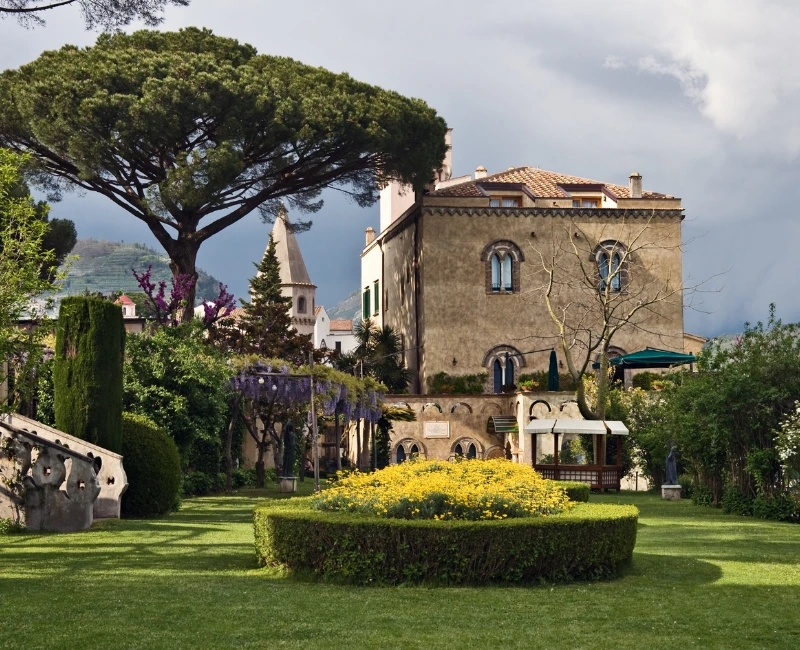
Ravello’s elevated position above the Amalfi Coast makes it a haven for culture and serenity. Its historic villas—Villa Rufolo and Villa Cimbrone—feature lush gardens that provide both botanical delights and spectacular vistas over the Mediterranean. Villa Rufolo’s Moorish-inspired cloisters and terraces, dotted with bougainvillea and wisteria, evoke a timeless romance; legend holds that Wagner was inspired here. Villa Cimbrone’s Terrace of Infinity is famed for its seemingly endless view over cliffs dipping into the sea. Strolling through these gardens, you feel transported: birdsong mingles with sea breezes, ancient stone pathways guide you among cypresses and overhanging vines, and each viewpoint reveals new angles of the coastline’s drama.Beyond gardens, Ravello’s cultural scene peaks during the Ravello Festival (typically May through early July), when the town’s historic auditoriums and terraces host classical concerts, chamber music, and orchestral performances. Attending a concert under the stars, with lights twinkling on the coastline, creates a magical ambiance. Local churches also host recitals, and smaller venues may feature jazz or contemporary music events. The festival attracts international artists yet retains an intimate atmosphere due to Ravello’s compact scale. Outside festival season, art exhibitions, workshops, and lectures sometimes take place, reflecting the town’s long-standing association with artists and writers drawn by its inspiration.Culinary and artisan elements complement cultural offerings: after a performance, enjoy dinner at a hilltop restaurant overlooking the stage lights and coastline—dishes often priced around £25–£35 per main course, paired with fine local wines. Artisan shops in Ravello sell ceramics, textiles, and food souvenirs like limoncello or preserves, reflecting local craftsmanship. Small galleries display works inspired by the coast’s beauty.Visitors can also join guided tours focusing on Ravello’s history: learn about its role in medieval maritime trade, the aristocratic families who built villas here, and legends tied to its landscapes. Photography workshops sometimes leverage the dramatic lighting at dawn and dusk. Walking paths from Ravello lead through olive groves down toward Amalfi or Minori, offering quieter trails and glimpses of rural life.Booking a stay in Ravello appeals to travellers seeking refined cultural experiences amid serene surroundings. The town’s elevation ensures cooler summer temperatures and a sense of retreat after busy coastal visits. Whether attending a concert in a medieval courtyard or sipping a lemon-scented aperitivo on a garden terrace, you immerse in an atmosphere where natural beauty and artistic expression intertwine. Ravello exemplifies the Amalfi Coast’s capacity to nourish both senses and soul.
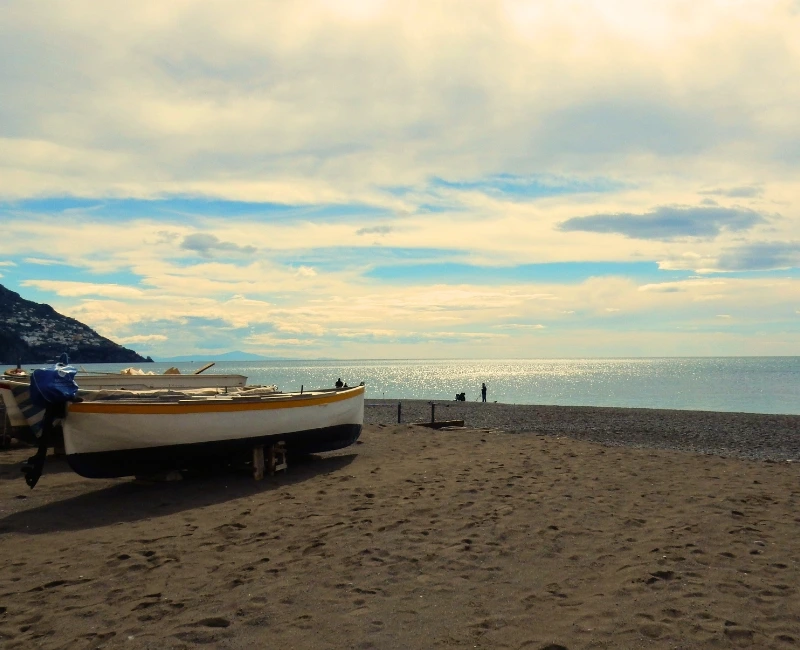
Beach experiences on the Amalfi Coast range from bustling main beaches to secluded rocky coves, each offering a distinct vibe. Spiaggia Grande in Positano is perhaps the most famous: a long stretch of pebbles backed by colourful cliffside buildings. Here, sunbeds and umbrellas can be rented (around £20–£30 per day in peak season), and the lively beachfront lined with cafés invites people-watching and refreshment breaks. Early morning visits reward you with quieter sands before crowds arrive; swimming in clear water reveals underwater rock formations near the shore.Beyond Spiaggia Grande, lesser-known beaches await exploration. For example, Fornillo Beach in Positano is accessible via a scenic coastal path, offering fewer crowds and laid-back beach bars where a drink may cost around £4–£5 per pint equivalent. In Amalfi, Marina Grande provides a central beach with easy access to town amenities; shuttle boats depart from here for boat tours. Nearby Atrani’s small beach feels intimate, flanked by pastel houses and offering authentic local atmosphere.Hidden coves near Praiano, such as Marina di Praia, require a short walk or boat ride. These secluded spots feature dramatic cliffs and pebbled stretches; some host small beach clubs with basic facilities, while others remain untouched. Boat hire or guided sea excursions can drop you at coves accessible only from water; snorkelling equipment reveals colourful marine life around rocky underwater terrain. Evening visits to quieter beaches let you hear only waves and cicadas as the sun sets.For a change of scenery, a boat trip to nearby islands (Capri, Ischia, Procida) provides alternative beach experiences: Capri’s Marina Piccola with views of Faraglioni rocks; Ischia’s thermal beaches; Procida’s colorful harbourfront. Ferry prices typically £15–£25 return. Back on the Amalfi Coast, post-beach dining might include fresh seafood served in beachfront trattorias—expect mains around £18–£30 paired with local wine. Beach hopping also highlights how the coastline’s steep topography shapes its seaside: each beach feels enclosed by cliffs or promontories, creating a sense of discovery when you arrive.Plan your beach days by combining popular beaches (for atmosphere and amenities) with quieter coves (for solitude and natural beauty). Bring sun protection, water shoes (pebbles can be hard underfoot), and a waterproof bag for belongings. Renting a small boat for a half-day (approx. £150–£200) allows maximum flexibility to hop between hidden spots. Alternatively, local water taxis provide point-to-point transfers. Whether you prefer lively beach scenes with cafés and sunbeds or tranquil coves where nature reigns, beach hopping on the Amalfi Coast ensures varied seaside experiences framed by iconic cliffs and shimmering waters.
No ads. No trails. No commitments


Alice Roses
London, England
51 ST MATTHIAS ROAD
NOTTINGHAM, NOTTINGHAMSHIRE
NG3 2HF
Hours: 8:00 - 17:00, Mon - Sat
support@johnsonholidays.com