 Tangier Travel
Guide
Tangier Travel
Guide
Paris is known around the world as the “capital of love,” and even if you don't understand the history of Paris at all

3.5 Hours
£1.50
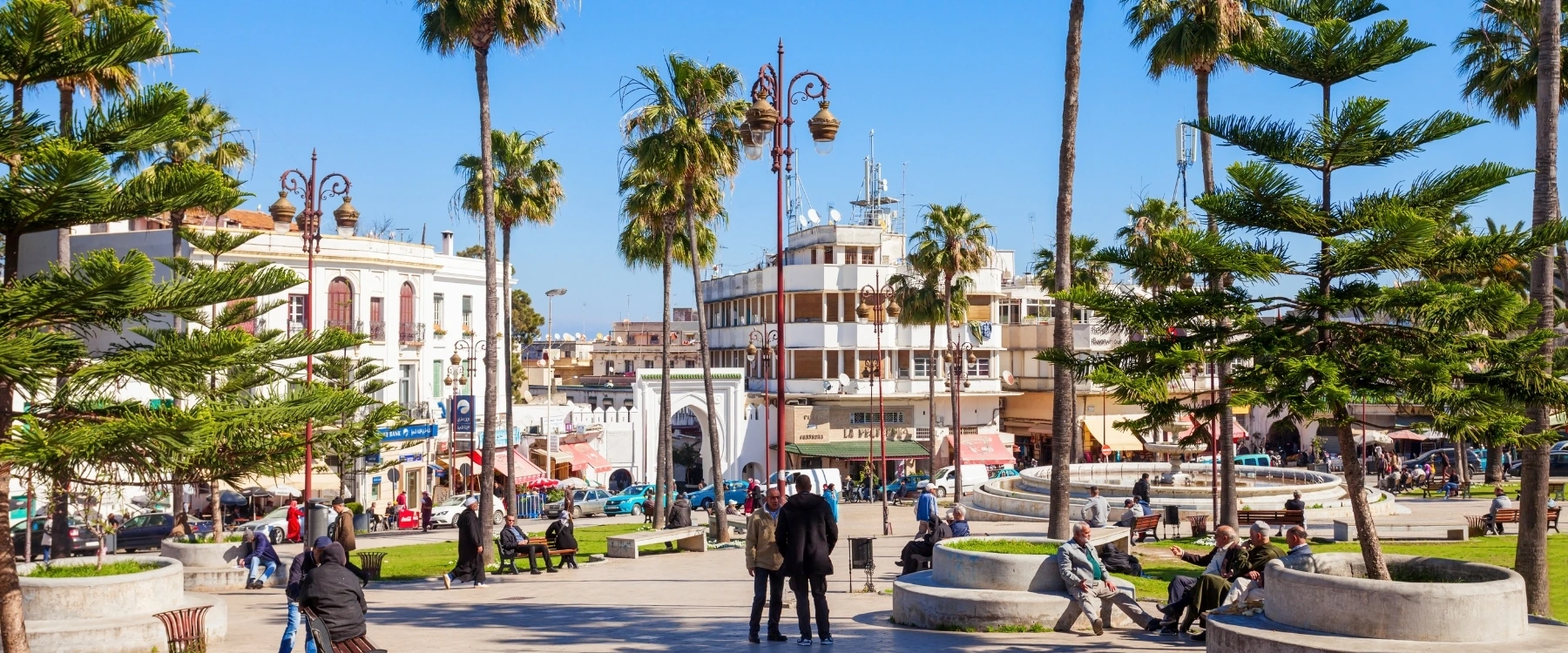
Tangier’s unique history as a meeting point between Africa and Europe offers travellers a chance to immerse in a rich cultural tapestry. Explore the medina’s alleys, visit the Kasbah Museum and see where diverse influences converge in architecture, art and daily life. The city has long inspired artists and writers; you’ll walk in their footsteps among historic cafés and galleries.
Learn More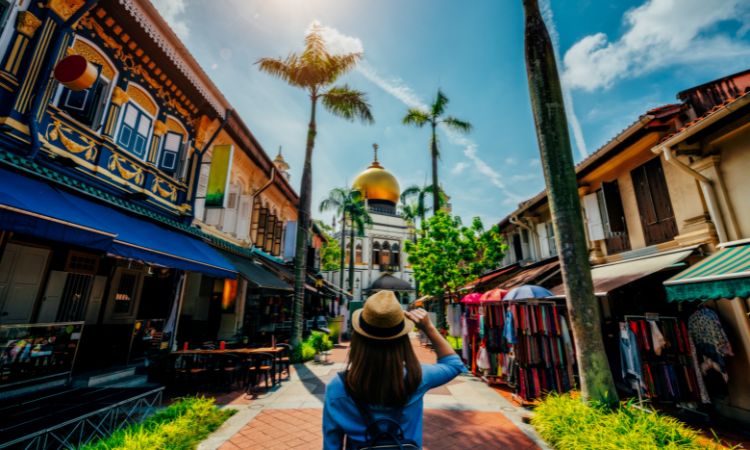
From panoramas over the Strait of Gibraltar to sandy beaches within easy reach, Tangier combines urban energy with seaside relaxation. Enjoy morning strolls along the Corniche, watch fishing boats in the harbor, or unwind at nearby coastal villages. The blend of Atlantic and Mediterranean climates ensures pleasant weather for much of the year.
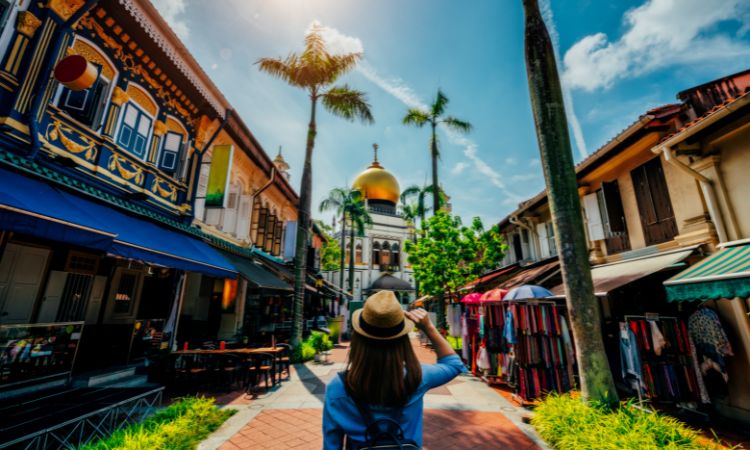
Ferries link Tangier to southern Spain, making it an ideal stopover for travellers exploring Morocco and Europe in one trip. Direct flights from the UK and other European cities simplify planning. Use Tangier as a launch point for journeys into the Rif Mountains or onward through Morocco’s imperial cities.
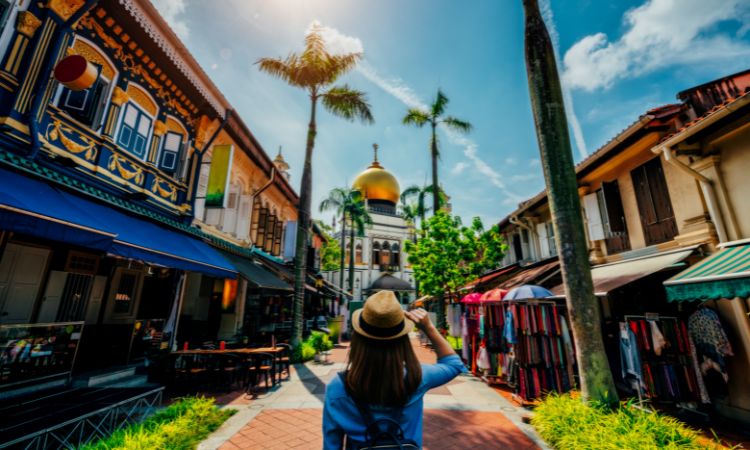
Tangier’s food scene ranges from traditional tagines and street food to modern fusion cafés. Savour fresh seafood by the port, sip mint tea in a riad courtyard, sample pastries and local specialties in bustling markets. Cooking classes and food tours offer hands-on insights into Moroccan cuisine’s flavors and techniques.
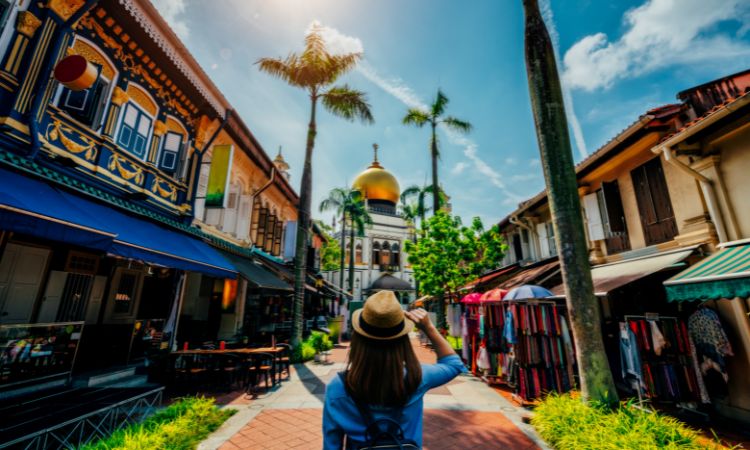
The Rif Mountains are a short drive away, offering hiking trails, waterfalls and remote Berber villages for day trips. Birdwatchers and nature enthusiasts can explore diverse flora and fauna. Coastal activities include swimming, sunbathing and water sports, while city parks and seaside promenades invite leisurely exploration.
With favourable exchange rates, Tangier provides good value accommodation, dining and experiences priced in Moroccan dirhams but often costing less when converted to British pounds. Enjoy boutique riads, quality meals and guided tours at competitive prices compared to many European destinations.
Lorem ipsum dolor, sit amet consectetur adipisicing elit. At illo adipisci iusto
From

Because more than 268 other customers have loved us too

Demonstrates commitment to user data security through encryption and secure payment practices
Learn More
Demonstrates commitment to user data security through encryption and secure payment practices
Learn More
Demonstrates commitment to user data security through encryption and secure payment practices
Learn More
Demonstrates commitment to user data security through encryption and secure payment practices
Learn More
Quality as judged by customers. Book at the ideal price!


/ person
/ person
/ person
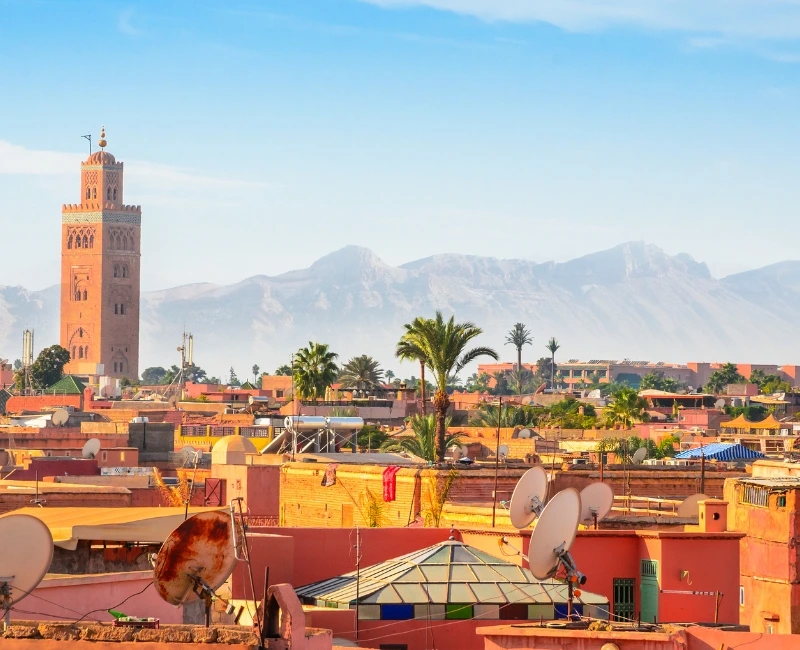
Tangier’s medina is a labyrinth of history, culture, and everyday life. Begin at the Grand Socco, a vibrant square marking the threshold between old and new, where cafés spill onto sidewalks and vendors display spices, textiles, and crafts. Enter the narrow lanes: alleys open into hidden courtyards, each with its own character. Look for ornate doorways carved with geometric patterns or painted in jewel tones, signaling riads tucked behind modest façades. Engage a local guide or explore at leisure: you’ll find artisans practicing leatherwork, pottery, and weaving, offering insight into traditional crafts.As you ascend toward the Kasbah district—Tangier’s elevated quarter—note how the architecture shifts: whitewashed walls, remnants of Andalusian influence, and glimpses of sea from vantage points. Visit the Kasbah Museum housed in the former sultan’s palace to view artifacts spanning Roman, Arab, and European eras. Nearby, the old palace gardens provide a tranquil break under olive and banana trees. Pause at the Mosque of Sidi Bou Abib to admire its minaret and learn about its role in local worship. The Mendoubia Gardens, with ancient trees and shaded paths, offer respite from the sun and a space where locals gather for tea.Wander to Petit Socco, a smaller square once known for diplomatic meetings; today it feels more intimate, with coffeehouses where you can savor sweet pastries and mint tea while observing medina life: shopkeepers arranging wares, murmurs of bargaining, and calls to prayer drifting through alleys. Seek out historic cafés where writers once congregated, imagining the bohemian past when expatriate artists and authors found creative freedom here. In late afternoon, notice how the light softens masonry surfaces, and as lanterns ignite after dusk, the medina transforms into a quieter, atmospheric realm.Exploring on foot is essential: many corners reveal unexpected scenes—a hidden fountain, a courtyard garden, or a viewpoint overlooking rooftops and the sea. Respect local customs by dressing modestly (covered shoulders and knees) and removing shoes when entering religious sites. Engage respectfully with vendors and residents; simple Arabic or French greetings foster warmth. Whether you linger over a cup of tea in a secluded riad courtyard or photograph tiled mosaics in the Kasbah, wandering Tangier’s medina and Kasbah weaves history and daily life into a memorable tapestry that reveals the city’s soul.
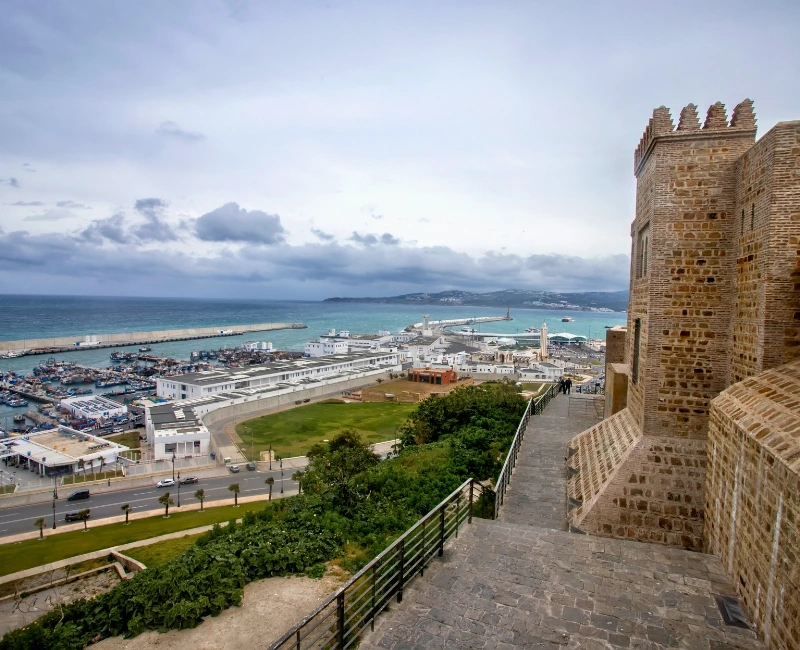
Tangier’s architecture and museums chart its role as a crossroads of civilizations. Start at the American Legation Museum in the old medina: the building itself embodies early diplomatic ties, and inside, exhibits trace Moroccan-American relations alongside rotating art displays. Nearby, smaller cultural spaces like local foundations or galleries often occupy restored traditional houses, where photography, crafts, or contemporary art exhibitions illustrate Tangier’s evolving creative scene.Architecture enthusiasts will appreciate Moorish and Andalusian influences in riads and palaces: seek out Dar el Makhzen, whose gardens and interior courtyards showcase decorative tilework, carved wood, and sculpted plaster. In contrast, Art Deco-era façades along wider boulevards reveal early 20th-century European trends embraced by the city. Notice colonial-era villas with distinctive balconies or decorative ironwork. Religious architecture tells another layer: the Mosque of Sidi Bou Abib displays local Islamic design, while the Church of Saint Andrew stands as an Anglican reminder of Tangier’s international past. Vestiges of the Jewish mellah (old Jewish quarter) signal a once-thriving community; while many buildings no longer serve their original purpose, exploring those areas evokes stories of coexistence.Venturing slightly beyond the core, visit Cape Spartel and the Caves of Hercules: natural formations on rugged coastline, these sites blend geological interest with folklore. The lighthouse at Cape Spartel offers panoramic views where Atlantic meets Mediterranean. Though not a built structure in the city, it ties into Tangier’s identity as a meeting point of waters and cultures.Seek guided architectural walks if available: local experts point out carved cedar ceilings, mosaic patterns, and the interplay of light and shade in courtyards. In converted heritage buildings now serving as cultural centers or cafés, observe how old structures adapt to modern functions. Photography lovers find contrasting scenes: narrow, shaded alleys versus wide, sunlit squares; ancient walls next to contemporary art installations.Throughout, respect that many sites remain active community spaces—visit museums during opening hours, observe signage in historic buildings, and ask permission before photographing individuals or private courtyards. By exploring Tangier’s museums and architectural gems, you connect with layers of history and ongoing cultural expression, gaining a deeper appreciation for a city shaped by varied influences yet forging its own identity.
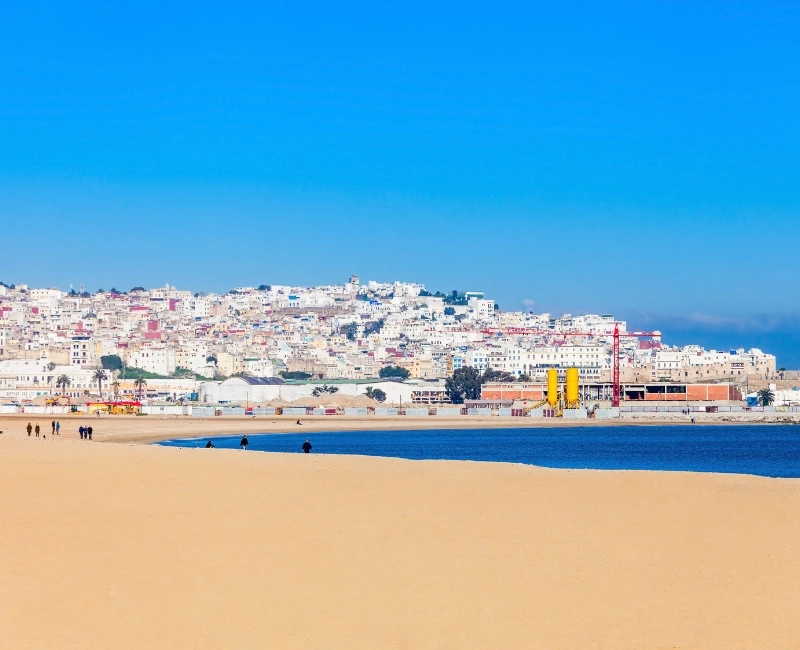
Tangier’s coastline provides a refreshing complement to medina explorations. Begin with the Corniche promenade: a paved walkway tracing the harbor, where you can observe fishing boats, watch ferries arriving, and feel sea breezes against historic buildings. Early morning strolls reveal fishermen mending nets or unloading catches; evenings showcase sunset hues over water.For beach time, the city’s municipal beach sits near the center: a sandy stretch for sunbathing or a quick dip when weather permits. Facilities may be basic—bring swimwear and water—but local cafés nearby serve mint tea or light snacks. A short drive or taxi ride leads to Plage Malabata: wider sands, clearer water, and beachside cafés offering fresh seafood and cold drinks. Windsurfing or paddleboarding can be arranged through local operators; equipment rental varies by season. For a quieter experience, explore hidden coves along rocky stretches: some require a short walk from main roads but reward with relative solitude and photo opportunities.Cape Spartel and the Caves of Hercules lie along the coast: natural rock formations shaped by waves and wind over centuries. The caves feature openings framing sea views; at low tide, you may venture inside shallow passages (exercise caution, check local guidance). The lighthouse atop Cape Spartel marks where Atlantic meets Mediterranean—ideal for panoramic photography, especially at sunrise or sunset. Coastal trails link viewpoints: hiking along cliffs yields sweeping vistas of sea, cliffs, and distant shores of southern Spain on clear days. Wear sturdy footwear, carry water, and heed safety around cliffs.Along the shore, beachside eateries serve grilled fish—sardines, calamari, or other fresh catch—paired with salads and bread; prices in dirhams equate to modest British pounds amounts, reflecting local value. Evening dinners by the water create atmospheric experiences with sea sounds and lantern-lit seating. Birdwatchers may spot migratory species in coastal wetlands nearby, especially during seasonal movements.Whether seeking active pursuits—water sports, coastal hikes—or leisurely relaxation—sunset drinks, beach lounging—Tangier’s seaside escapes enhance the travel experience. Plan visits according to tides and weather: spring and autumn offer mild temperatures, while summer can be busy but still pleasant with sea breezes. Embrace the contrast: after medina’s winding alleys and historic sites, the open horizon and rhythmic waves provide balance and rejuvenation, reminding travelers of Tangier’s dual identity as city and coastal gateway.
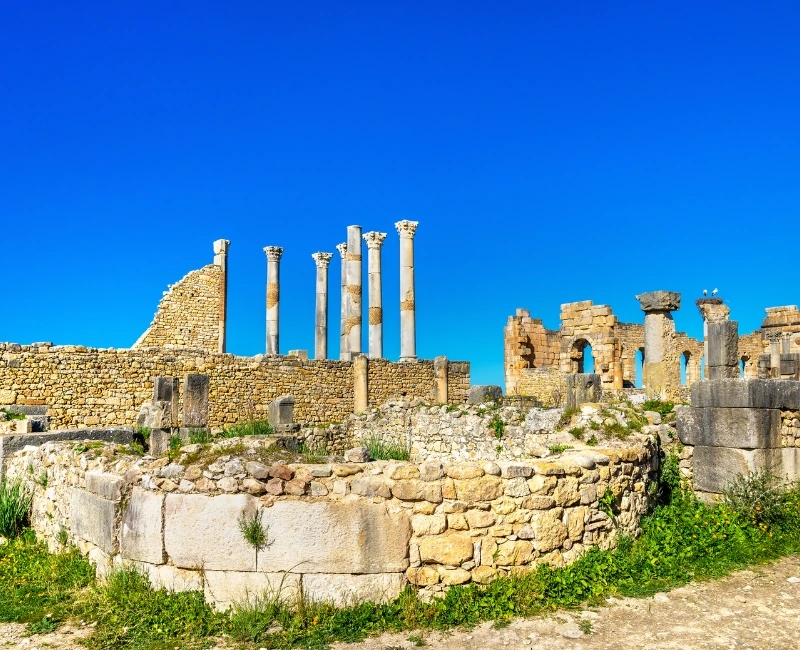
Tangier’s strategic position opens gateways to varied landscapes beyond the city. A popular excursion is Chefchaouen in the Rif Mountains: famous for its blue-painted alleys, this village combines photogenic scenery with mountain air. The drive takes a few hours; once there, wander through labyrinthine lanes framed by vivid walls, browse local markets offering wool garments and goat cheese, and hike nearby trails for panoramic views of mountains and valley. Plan an early departure to maximize daylight and avoid afternoon heat in summer.Historic and rural explorations include the Roman ruins of Volubilis, typically reached via Meknes: ancient mosaics set against rolling plains evoke imperial history, and nearby Moulay Idriss adds cultural context. Guided tours often combine both sites in a day, though schedules depend on distance and road conditions. For wildlife and nature, Talassemtane National Park in the Rif region features forested trails, waterfalls, and endemic flora; suitable for moderate hikes and picnics. Birdwatchers visit coastal wetlands or marshes where migratory species gather seasonally, often arranged via local nature groups or guides.Coastal town visits: Asilah, a small seaside town south of Tangier, boasts restored medina walls decorated with murals by visiting artists. Its compact center and relaxed cafés make for a leisurely half-day trip. Larache offers traditional markets and riverfront views. Ferry crossings to southern Spain (e.g., Tarifa) provide a cross-border experience: disembark in Europe for a few hours, enjoy Spanish ambiance, then return to Tangier in the evening, witnessing changing seascapes. Note passport and visa requirements when planning.Rural and cultural excursions can include olive grove visits and village stays: some tour operators arrange immersive experiences: learn olive harvesting (seasonal), taste local olive oil, and see traditional Berber hospitality. Mountain treks in nearby hills reveal rural lifestyles and scenic panoramas. When planning day trips, consider transport: shared grand taxis or private transfers; booking via reputable operators ensures reliability. Seasonal factors matter: spring and autumn offer comfortable temperatures; summer heat may make inland trips strenuous, and winter rains can affect road access. Pack essentials: water, sun protection, layered clothing, snacks, and any required documents.Day trips from Tangier reveal Morocco’s diversity: from mountain villages to ancient ruins, coastal towns to natural parks. Each destination enriches understanding of regional culture, history, and landscapes, making Tangier an ideal hub for exploration beyond its city limits.
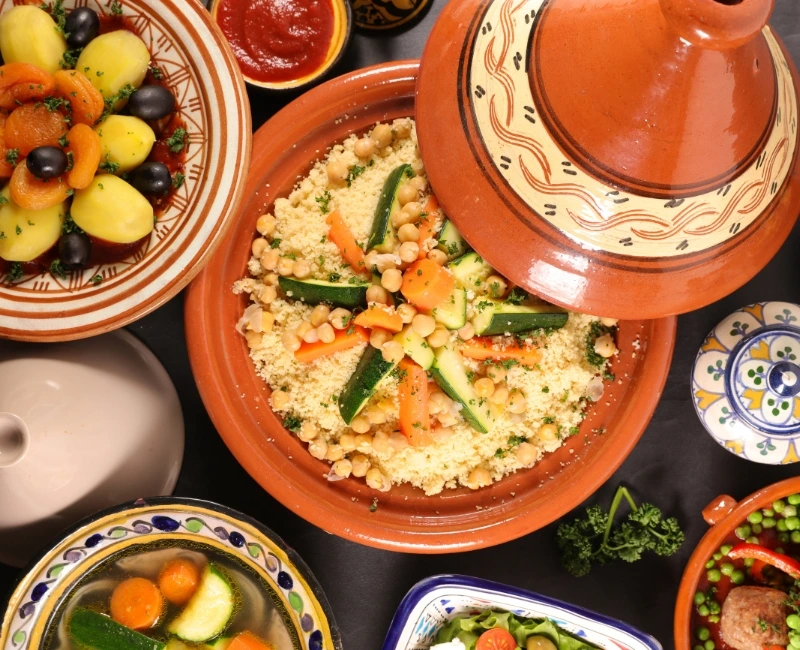
Tangier’s culinary tapestry blends coastal bounty, inland traditions, and multicultural influences. Begin in market areas like Grand Socco and Petit Socco: stalls brim with spices—saffron, cumin, paprika—and preserved lemons, inviting you to inhale aromatic scents. Street snacks appear alongside: msemen flatbreads folded with honey or cheese, warm harsha semolina pancakes, and fresh fruit juices. Engage vendors respectfully, observe preparation, and sample small bites to gauge flavor profiles.Seafood plays a starring role. Near the harbor and beachfront eateries, grilled sardines on skewers sizzle over charcoal, served simply with olive oil and lemon; calamari or fish tagines offer tender textures infused with local spices. Dining spots range from modest stalls to mid-range family-run restaurants overlooking water. Seasonally, catch varieties change; inquire about daily specials. Pair seafood with salads featuring tomatoes, cucumbers, and olives dressed lightly, reflecting Mediterranean influence.For heartier fare, try tagines of lamb or chicken with preserved lemon and olives; couscous dishes with vegetables; or pastilla—crispy layered pastry combining savory meat and sweet spices, dusted with sugar and cinnamon for a distinctive contrast. In cooler months, harira soup warms diners, featuring lentils, chickpeas, and herbs. Many dishes cost modest dirham amounts, equating to a few British pounds—Tangier offers good value compared to many coastal destinations.Cafés and tea houses dot medina lanes and modern districts: mint tea rituals accompany pastries like chebakia (sesame honey cookies) or almond briouats. Sit in shaded courtyard cafés to observe daily life: locals playing board games, sharing conversation over tea, or reading in quiet corners. For a deeper dive, enroll in cooking classes: local chefs demonstrate building flavors—layering spices, choosing ingredients, and presenting dishes. This hands-on approach enriches appreciation for Moroccan culinary techniques.As evening arrives, Tangier’s nightlife centers on convivial dining and relaxed venues. Rooftop terraces offer panoramic views of medina rooftops and sea, ideal for sipping cocktails infused with local citrus or argan oil elements. Live music venues feature Gnawa ensembles, jazz nights, or acoustic sets in intimate settings. Many spots remain low-key rather than high-energy clubs, emphasizing cultural immersion over loud nightlife. Sample small plates—meze-style offerings—to accompany drinks. Local etiquette: tipping modestly, dressing smart-casual in nicer venues, and respecting closing times, which may vary seasonally.Overall, Tangier’s gastronomy invites exploration through markets, street stalls, restaurants, and workshops. From first aromatic spice aromas to tasting fresh-caught seafood by the water, every meal reveals layers of history and cultural exchange. Embrace leisurely dining, ask questions of cooks and vendors, and let flavors guide your understanding of the city’s identity.
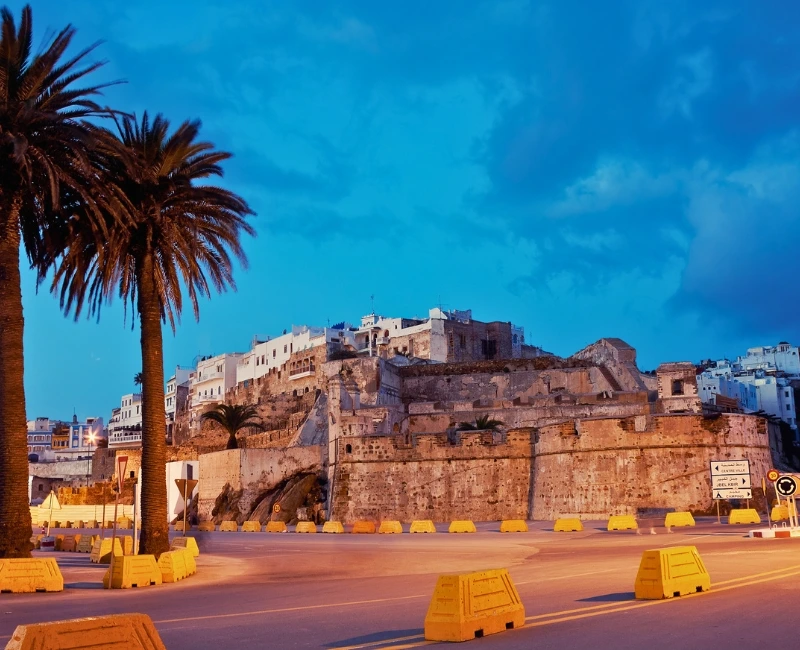
Tangier’s evening scene emphasizes atmosphere and cultural expression rather than high-octane party culture. Begin at dusk with a rooftop bar overlooking the medina and sea: gentle breezes, soft lighting, and panoramic views set a relaxed tone. Many rooftop spots serve mocktails, cocktails, or mint tea accompanied by small plates or nuts. As night deepens, live music venues showcase traditional Gnawa performances: hypnotic rhythms with percussion, bass, and chanting invite listeners into Morocco’s soulful heritage. These events often occur in dedicated cultural spaces or intimate cafés; seating may be limited, so arrive early or reserve if possible.For those seeking contemporary sounds, some lounges host jazz nights or acoustic sessions featuring local and visiting musicians. Performances range from soft jazz renditions of familiar tunes to original compositions blending Moroccan scales with modern arrangements. Such settings usually welcome small groups and foster conversation. Dress smart-casual, and arrive in time for set times, which can vary. Many venues serve light bites—olive mixes, nuts, or small pastries—to accompany drinks.Café terraces remain open into evening: locals gather over mint tea or coffee, playing board games or discussing news. Joining such scenes offers insight into everyday life. While alcohol is available in many hotels, bars, and some restaurants, consumption tends to be moderate; respect local norms and venue policies. Cocktail bars may infuse drinks with Moroccan ingredients—citrus, herbs, or argan-infused elements—offering inventive flavors in elegant glasses. Prices reflect imported spirits and venue ambiance, translating to modest British pounds amounts.For a quieter night, consider evening walks along the Corniche: illuminated paths, gentle sea breezes, and the sound of waves create serene ambiance. Some beachside cafés remain open late, allowing you to enjoy a drink by the water. Cultural events—film screenings, poetry readings, or art exhibitions—occasionally take place in galleries or cultural centers; check local listings ahead. During festival periods or special events, evening programs may include outdoor concerts or performances in historic courtyards.Safety and comfort: Tangier is generally safe after dark in popular areas; use official petit taxis for late-night returns, avoid poorly lit alleys alone, and stay aware of surroundings. Engage with locals and venue staff for recommendations on current events. Overall, Tangier’s nightlife invites relaxed enjoyment of music, conversation, and views, blending tradition and modernity in evenings that enrich daytime discoveries..
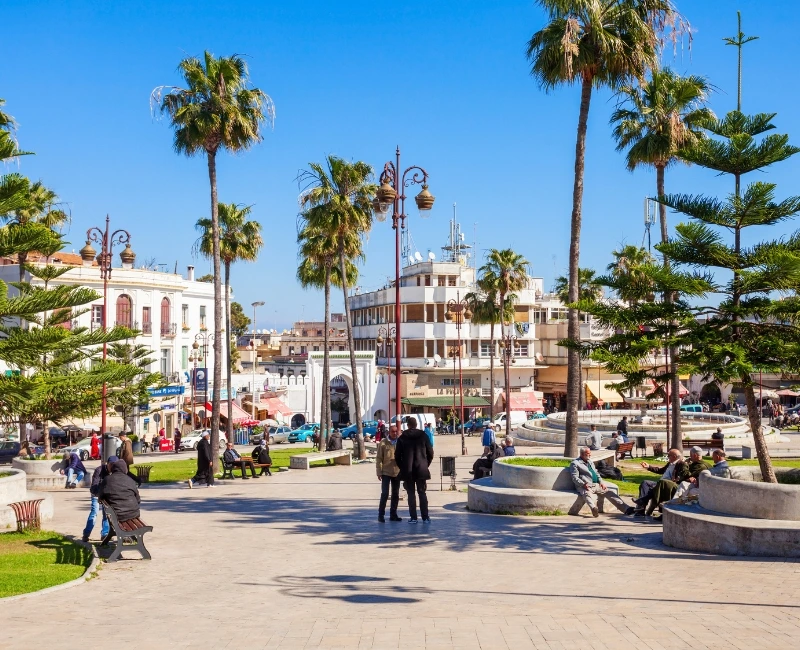
Effective planning ensures a smooth Tangier visit. Begin with accommodation selection: medina riads deliver authentic ambiance—small guesthouses around courtyards—while beachfront or city-center hotels offer modern amenities and convenient access to transport. During peak months (April–June, September–October), book early to secure preferred rooms at reasonable rates. Tangier Ibn Battouta Airport (TNG) lies about 15 km from central areas; arrange airport transfer in advance via hotel or reputable taxi service to avoid haggling on arrival.Within the city, learning basic French or Arabic greetings eases interactions; English is often understood in tourist zones, but locals appreciate simple local phrases. Dress modestly—cover shoulders and knees—especially when visiting religious or traditional neighborhoods. Carry a lightweight scarf for sun protection and modesty. For daily excursions, pack layers: coastal mornings and evenings can be cool even in warmer seasons; midday sun may be strong, so include sunhat, sunglasses, and sunscreen.Currency: Moroccan Dirham (MAD). Exchange some dirhams on arrival at airport or banks; use ATMs in city for additional cash. Many establishments accept cards, but cash is preferred in markets and small vendors. Budget according to travel style: basic daily costs (budget accommodation, street food, local transport) equate to modest British pounds figures; mid-range and higher-end budgets allow comfortable stays and activities. Always check current exchange rates before travel.Transport: Petit taxis serve short city trips; ensure meter use or agree on fare beforehand. For day trips, shared grand taxis or arranged private transfers provide access to surrounding destinations. Walking is ideal for medina exploration and Corniche strolls—shoes with good grip help on uneven surfaces. Public buses run on fixed routes but may be crowded; plan accordingly.Health and safety: Tap water in hotels is generally treated; many travelers prefer bottled water for drinking. Carry a basic medical kit with any personal medications. Tangier is considered safe for tourists; practice usual precautions: secure valuables, avoid isolated areas at night, and use official transport services. When exploring remote areas on day trips, travel with reputable guides or in groups.Connectivity: Free Wi-Fi commonly available in hotels and cafés; for more reliable data, purchase a local SIM card with data plan. Inform family or friends of your itinerary; share contact details. Learn local emergency numbers. Respect local customs: greetings, etiquette in markets, and during religious periods (e.g., Ramadan) adjust schedules—daytime activities may be quieter, evenings livelier.Plan itinerary with a balance: medina exploration, coastal relaxation, cultural visits, and day trips. Reserve tours or activities in advance for popular excursions. By preparing thoughtfully, you maximize enjoyment of Tangier’s rich offerings without stress.
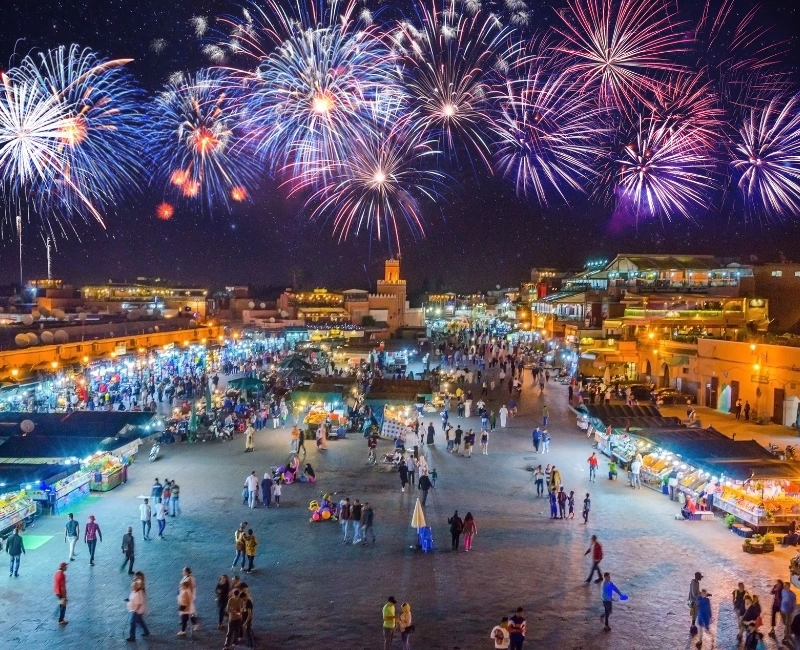
Tangier’s cultural calendar offers year-round attractions tied to seasons and traditions. Spring (April–June) brings mild weather, blooming gardens, and outdoor events: open-air concerts, art exhibitions in galleries or historic courtyards, and food fairs showcasing regional produce. Ramadan shifts daily rhythms: although daytime activity slows, evenings come alive with communal iftars, markets extending into night, and family gatherings. Non-Muslim visitors can respectfully observe fasting hours and partake in evening hospitality when invited, gaining cultural insight.Summer months feature coastal activities: beach festivals or seaside screenings under stars may occur; sunset events along the Corniche offer relaxed vibes. While daytime heat warrants scheduling outdoor explorations in mornings or late afternoons, summer evenings invite rooftop dining and live music. Some cultural centers host workshops or performances; check local listings for temporary exhibitions or concerts by Moroccan and visiting artists.Autumn (September–October) sees harvest-related celebrations in surrounding regions: olive picking festivals or rural fairs open to visitors, allowing participation in agricultural traditions and tasting fresh olive oil, honey, or local produce. Cooler temperatures suit hiking in nearby mountains or nature reserves, and birdwatching in coastal wetlands during migration periods appeals to wildlife enthusiasts. Literary events occasionally honor Tangier’s writer legacy: readings or discussions in cafés or cultural spaces, celebrating local and international authors.Winter offers mild temperatures compared to many regions, though occasional rain occurs; museums and indoor cultural venues remain accessible. Some festivals may take hiatus or move indoors; this quieter season suits travelers seeking a more local pace, lower accommodation rates, and authentic daily life rhythms. Culinary workshops or language classes often operate year-round, providing immersive experiences when outdoor events are fewer.Throughout the year, Tangier’s art galleries and cultural centers rotate exhibitions: photography, painting, crafts highlighting Moroccan heritage and contemporary creative expressions. Music venues schedule varied performances: traditional Gnawa sessions, Andalusian music recitals, or fusion projects blending global influences. Check local event calendars via hotel concierge or cultural institutions upon arrival. Seasonal highlights include whale-watching boat trips off the Atlantic coast in certain months and migratory birdwatching in nearby wetlands during spring and autumn.Festivals and events deepen engagement: participating respectfully, dressing appropriately during religious observances, and learning about local customs enrich the visit. Even outside major events, Tangier’s neighborhoods often host small gatherings, pop-up markets, or community performances. Embrace spontaneity: ask locals about upcoming activities, and remain flexible to seize unexpected cultural opportunities. In doing so, you experience Tangier as a living city, where heritage and contemporary life converge across seasons to create memorable travel moments.
No ads. No trails. No commitments


Alice Roses
London, England
51 ST MATTHIAS ROAD
NOTTINGHAM, NOTTINGHAMSHIRE
NG3 2HF
Hours: 8:00 - 17:00, Mon - Sat
support@johnsonholidays.com