 Lantau Island Travel
Guide
Lantau Island Travel
Guide
Paris is known around the world as the “capital of love,” and even if you don't understand the history of Paris at all

12–13 Hours
£5
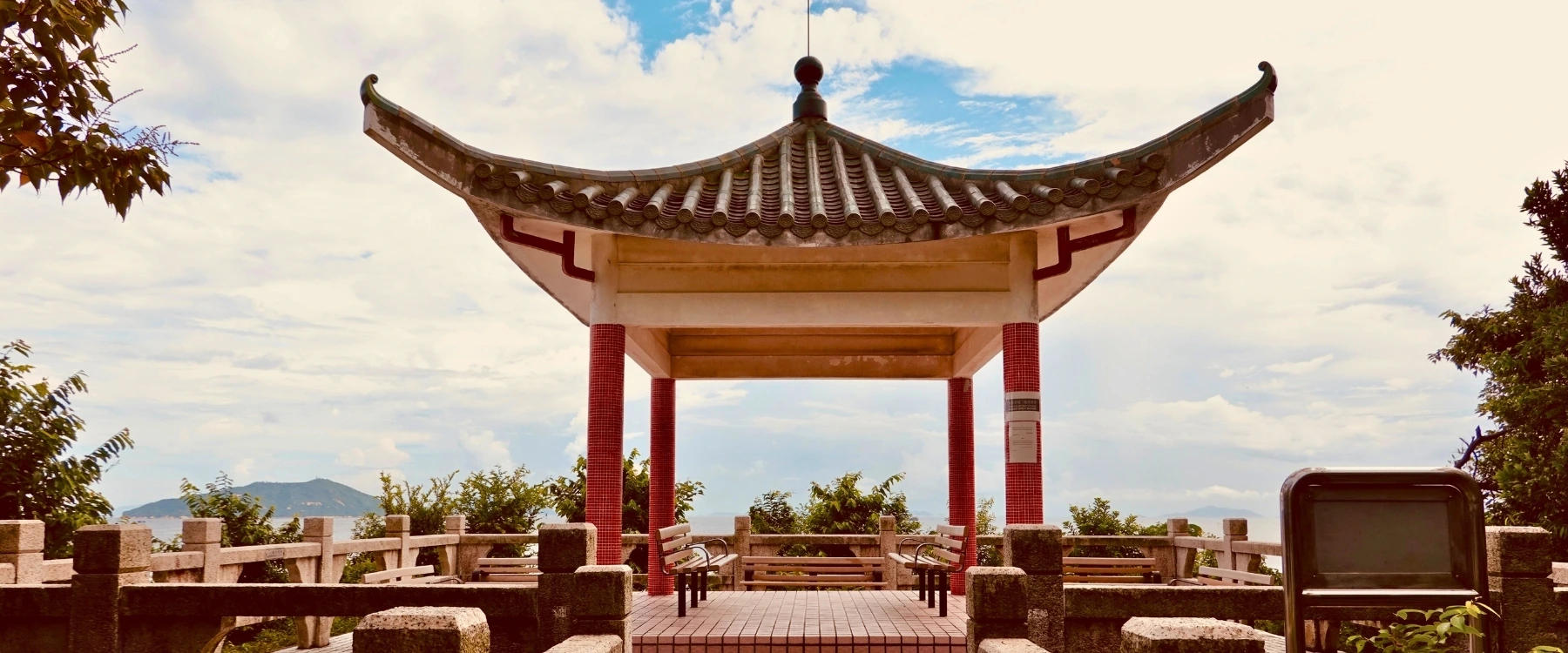
Lantau Island’s scenic vistas are among Hong Kong’s most spectacular. From the ascent to Lantau Peak—Hong Kong’s second-highest point—to the rolling ridges of Sunset Peak, each trail offers rewarding panoramas of sea vistas, harbours, and distant skyscrapers. The island’s coastal fringes reveal golden beaches with gentle surf, while hidden coves and wetlands support diverse wildlife. Travellers can explore mangrove-lined waterways in Tai O or discover secluded waterfalls along lesser-known paths. The varied topography ensures that each day on Lantau brings a fresh natural encounter: sunrise over misty mountains, midday beachside relaxation, and dusk spent watching the horizon. Adventurers and nature lovers alike find endless inspiration amidst the island’s landscapes, making it a top choice for those craving natural beauty.
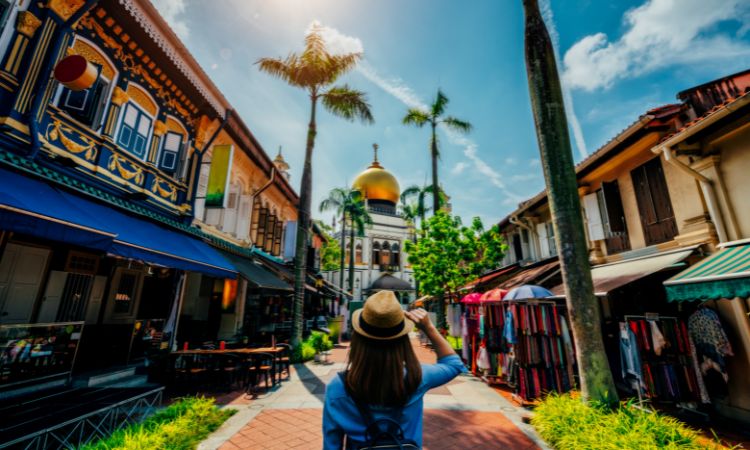
At Ngong Ping, the majestic Tian Tan Buddha statue invites contemplation beneath open skies. Ascending the 268 steps to reach the bronze Buddha is both symbolic and physically invigorating, culminating in expansive views of the monastery complex and distant sea. Po Lin Monastery, adjacent to the statue, offers serene halls, ornate architecture, and vegetarian cuisine rooted in Buddhist tradition. Festivals at the monastery, such as Buddha’s Birthday ceremonies, provide immersive cultural experiences. In contrast, Tai O fishing village preserves older Hong Kong ways: stilt houses, early-morning markets, and boat tours to spot pink dolphins. Engaging with village life introduces travellers to local customs, artisanal crafts, and regional culinary delights. For those interested in heritage and spirituality, Lantau Island offers authenticity often rare in densely urban destinations.
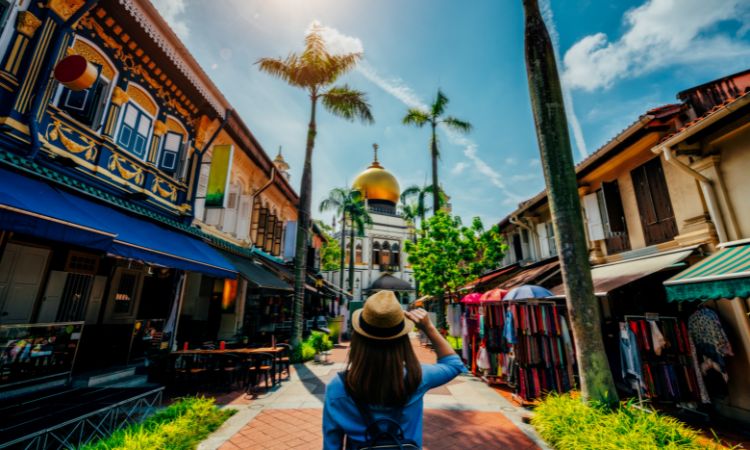
Lantau Island caters to families with varied interests. Hong Kong Disneyland offers magical attractions, parades, and live shows that delight children and adults alike. The park’s proximity to Lantau means families can combine theme-park excitement with nature outings in a single trip. The Ngong Ping 360 cable car journey itself is an adventure: glass-bottom cabins reveal lush valleys below. Educational opportunities abound at the monastery, while gentle hikes on well-marked trails suit families with older children. Beaches like Cheung Sha and Pui O provide safe swimming areas and water activities such as paddleboarding. Resorts often offer child-friendly amenities and family rooms. With seamless transport links from airport to attractions, planning a family holiday on Lantau Island is straightforward, ensuring both ease and enjoyment for all ages.
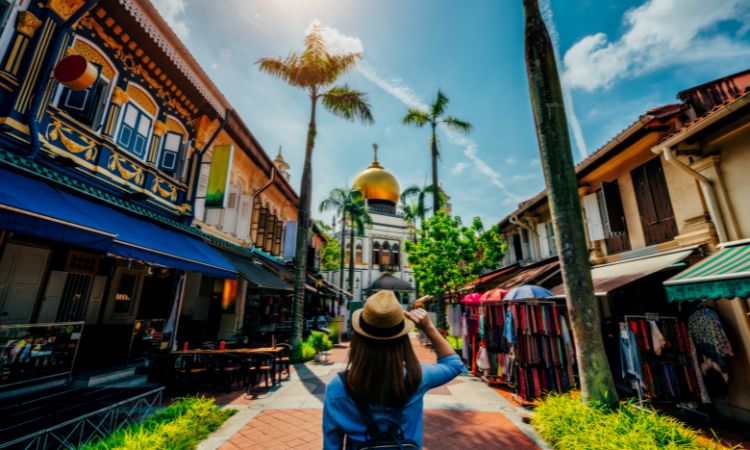
For those seeking respite from busy city life, Lantau Island presents tranquil retreats. Beachside spas and wellness centres near Cheung Sha offer massages and holistic treatments amid sea breezes. Yoga sessions at sunrise on quiet beaches set a peaceful tone for the day. Nature lodges tucked in villages like Mui Wo or Pui O allow guests to wake to bird-song and sea views. Picture enjoying a leisurely vegetarian meal at Po Lin Monastery or sipping herbal tea overlooking green hills. Sunset cruises departing Tai O harbour create calming evenings on gentle waters. The overall pace on Lantau encourages mindfulness: strolls along coastal paths, watching fishermen at work, and observing wildlife. Wellness-focused travellers appreciate the restorative ambience that permeates the island’s retreats.
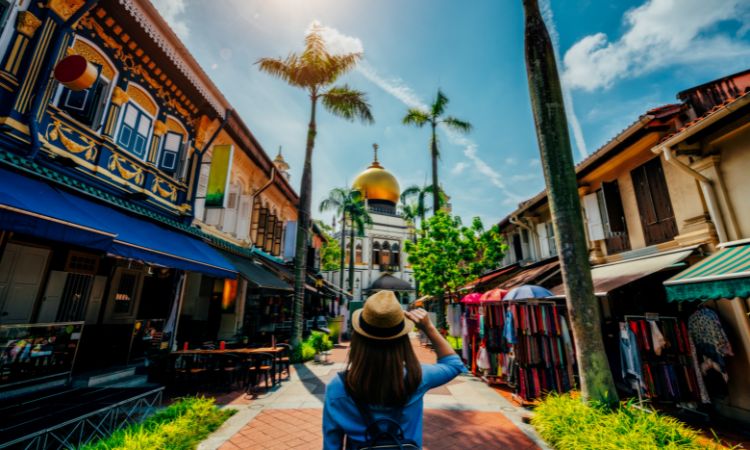
Active travellers will relish Lantau’s extensive trail network. The Lantau Trail spans diverse sections—from forested ridges to coastal paths—suited for both day-hikes and multi-day treks. Cycling routes on quieter roads reveal rural scenery and local villages. Water-based adventures include kayaking around sheltered bays, stand-up paddleboarding at Pui O, and windsurfing when conditions allow. Rock-climbing spots and wilderness camping (with permits) offer further thrills. The island’s biodiversity also invites guided eco-tours and birdwatching excursions. Adventure operators provide equipment rental and guided safety briefings, catering to varying skill levels. With each outing, travellers engage deeply with Lantau’s landscapes, making it an ideal destination for those eager to push boundaries and embrace outdoor challenges.
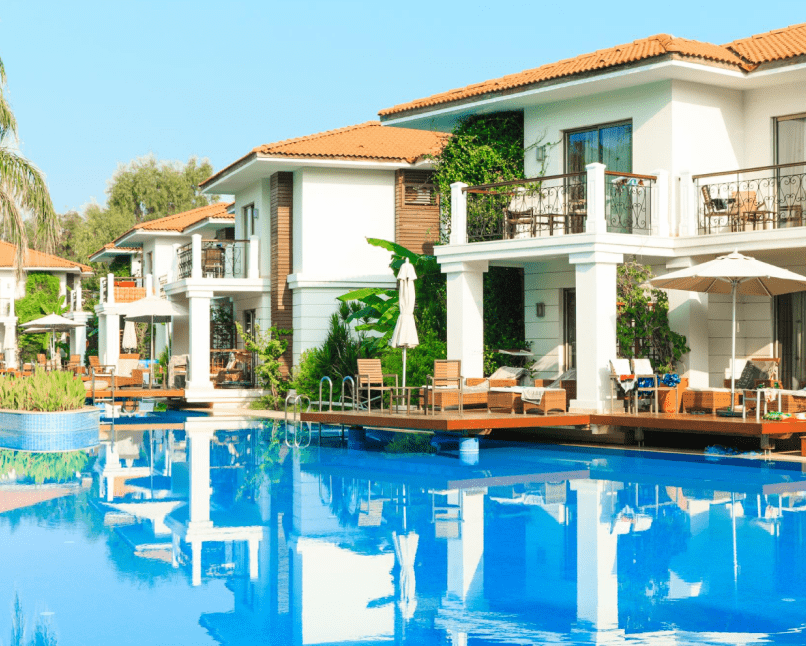
Accommodation on Lantau ranges from boutique eco-lodges in villages to luxury resorts near Tung Chung and beachside hotels at Cheung Sha. Many properties blend modern comforts with natural surroundings, featuring sea-view rooms, spa services, and sustainable design. Dining options reflect local flavours: fresh seafood in Tai O, vegetarian fare at Po Lin Monastery, café-style brunches in Mui Wo, and casual eateries serving Cantonese snacks. For budgeting, note that typical meal prices vary; for instance, a casual meal might equate to around £10–£20 per person, while a pint at a beachside bar or café averages around £5. Using British pounds for reference helps travellers estimate costs while the local currency remains HKD. This diversity ensures all travellers find lodging and dining suited to their preferences and budgets.
Lorem ipsum dolor, sit amet consectetur adipisicing elit. At illo adipisci iusto
From

Because more than 268 other customers have loved us too

Demonstrates commitment to user data security through encryption and secure payment practices
Learn More
Demonstrates commitment to user data security through encryption and secure payment practices
Learn More
Demonstrates commitment to user data security through encryption and secure payment practices
Learn More
Demonstrates commitment to user data security through encryption and secure payment practices
Learn More
Quality as judged by customers. Book at the ideal price!


/ person
/ person
/ person
Embarking on the Lantau Trail is the quintessential way to experience the island’s natural breadth. This 70-km-long trail loops around Lantau, divided into 12 sections that vary in difficulty and scenery. Hikers can select segments based on fitness level and interests: for a moderate day-hike, Section 2 (Pak Kung Au to Wisdom Path) offers forested slopes and serene viewpoints; Section 3 leads to Ngong Ping Plateau, culminating at the Tian Tan Buddha via a cultural reward. For a more challenging trek, Section 4 to 7 traverses ridges between Tai O and Shek Pik, featuring uphill climbs to peaks like Lantau Peak (934 m) and Sunset Peak (869 m). Sunrise hikes to Lantau Peak are especially popular: starting in darkness with headlamps, hikers reach the summit by dawn, greeted by golden light over the South China Sea—a transformative experience. Along the route, varied flora includes native trees, wild orchids, and seasonal blooms; birdlife sightings—bulbuls, egrets—add to the immersion.Preparation is key: bring sufficient water (reusable bottles help sustainability), snacks or light meals, sun protection, and sturdy footwear. Check weather forecasts: autumn and winter months provide clearer trails and cooler temperatures, while summer hikes demand early starts to avoid midday heat. Trail markers are generally clear, but carrying a map or GPS app is recommended. Accommodations such as guesthouses in Mui Wo or campsites (with permits) allow multi-day exploration. Guided hiking tours are available, offering local insights into ecology and safety support.Beyond physical challenge, hiking the Lantau Trail fosters mindfulness: the rhythmic pace, fresh air, and scenic vistas encourage reflection. Rest at viewing platforms to absorb panoramic landscapes—rolling hills meeting coastline—and to photograph memorable scenes. Post-hike, visitors can reward themselves with a meal at a village café, sampling local dishes amid relaxed atmosphere. Whether tackling a full section or combining multiple segments over days, the Lantau Trail provides an authentic engagement with the island’s topography, making it a highlight for adventure travellers and nature enthusiasts alike.
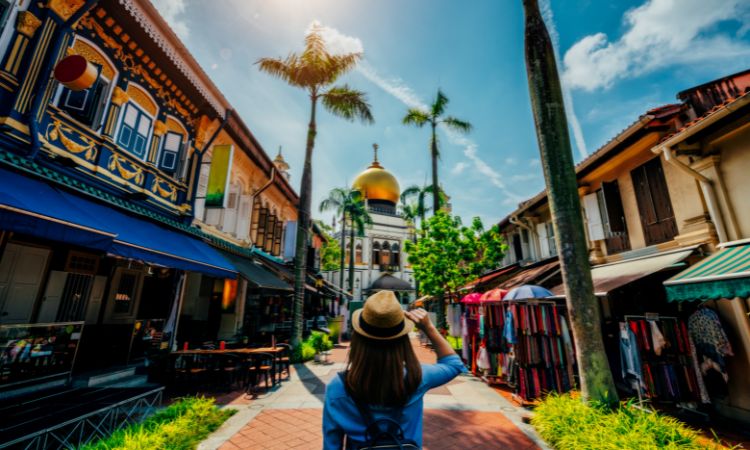
Lantau Island’s coastline is dotted with inviting beaches that cater to sun-seekers and water-sport enthusiasts. Cheung Sha Beach is the longest stretch of sand in Hong Kong, divided into Upper and Lower sections. Its wide sands and gentle waves make it ideal for sunbathing, casual beach games, and leisurely strolls. Pui O Beach, with its tidal flats and mangrove fringes, is a favourite for family picnics; shallow waters allow children to paddle safely. Shui Hau Beach, known for its rustic charm, serves as a hub for watersports: paddleboarding and kiteboarding sessions draw adventure seekers. Equipment rental shops on-site provide boards and safety gear, while instructors offer lessons for beginners, ensuring a fun yet secure experience.Seasonal conditions matter: summer months bring warmer seas suited for swimming and paddleboarding, while spring and autumn offer moderate temperatures for extended beach days. Winds may pick up in certain seasons, and local operators monitor conditions to ensure safety. Visitors should pack sun protection, quick-dry attire, and waterproof bags for valuables. Beachside eateries and food stalls serve refreshments—fresh juices, light snacks, and local specialties. For budgeting reference in British pounds: a watersport lesson might cost around £30–£50 per session; beachside snacks around £5–£10.Sunset at Cheung Sha is particularly enchanting: as the sun dips, hues of orange and pink reflect on the water, creating a serene backdrop. Many travellers choose to stay until dusk, capturing photographs or enjoying a sunset picnic. Nighttime beach gatherings (where permitted) can include simple barbecues—check local regulations and practice leave-no-trace principles. Eco-conscious travellers can join beach-cleanup initiatives occasionally organized by community groups.For those seeking marine exploration, guided kayaking tours around quieter coves reveal hidden inlets and occasional wildlife sightings—herons, mudskippers in tidal flats. Boat excursions from Tai O may include paddle-boat trips along canals. While swimming beyond designated zones is discouraged for safety, supervised activities ensure visitors enjoy the sea responsibly. After a full day at the beach, accommodation options nearby range from guesthouses in Mui Wo to boutique resorts with sea-view rooms, allowing easy morning returns for sunrise views or early water-sport sessions.Whether craving adrenaline from kiteboarding or desire for laid-back sunbathing, Lantau’s beaches and water sports deliver. The combination of natural settings, community spirit, and available facilities makes the coastline a key part of any Lantau itinerary. Embrace coastal days here for memorable seaside moments in Hong Kong’s island paradise.
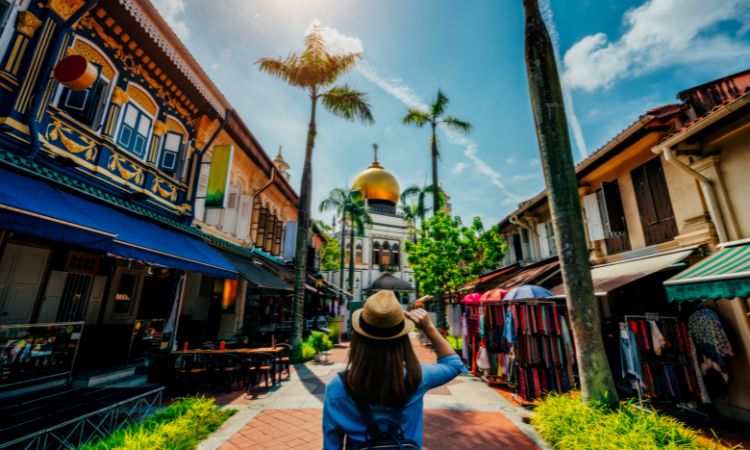
Ngong Ping Plateau is the spiritual heart of Lantau Island, dominated by the Tian Tan Buddha—a monumental bronze statue seated atop a lotus. To reach Ngong Ping, travellers often board the Ngong Ping 360 cable car at Tung Chung station. The 25-minute journey soars above verdant valleys and reservoirs, building anticipation as the Buddha’s silhouette emerges against the sky. For extra thrill, the Crystal Cabin with glass floor panels offers transparent views into tree canopies below.On arrival at Ngong Ping Village, a culturally themed area, visitors encounter shops offering local crafts and vegetarian treats. The site is designed to evoke traditional architecture harmonized with the natural environment, though without external links, it’s best to focus on the onsite ambience: wooden facades, tiled roofs, and open plazas that invite leisurely exploration. Ascend the 268 steps to pay homage to the Tian Tan Buddha. At the summit, take time to absorb the serene expression of the Buddha, contemplate the surrounding panoramic views of mountains and sea, and observe smaller bronze statues of “Offering of the Six Devas,” each symbolizing virtues like generosity and patience.Adjacent Po Lin Monastery, founded in 1906, is renowned for its ornate halls, gilded statues, and lush gardens. Visitors can join lunch at the monastery’s vegetarian cafeteria: a peaceful dining experience where dishes celebrate simplicity and nourishment. Meals here offer a moment of reflection, and the food is prepared according to Buddhist principles, free of meat and MSG. Seasonal events such as Buddha’s Birthday bring ceremonies and lantern offerings; travellers aligning visits with such occasions witness vibrant celebrations steeped in tradition.Beyond the main attractions, quieter corners of Ngong Ping reveal smaller temples and prayer halls. Meditation sessions or vegetarian cooking demonstrations (when available on-site) deepen cultural insight. Photography enthusiasts find many striking compositions: statues framed by rolling hills, prayer flags fluttering in wind, and interplay of light on bronze surfaces. To respect local customs, visitors should dress modestly when entering temple areas and observe silence in prayer halls.Exploring Ngong Ping and Tian Tan Buddha is not just about sightseeing; it’s an invitation to slow down, reflect, and connect with the island’s spiritual heritage. Whether arriving early to avoid crowds or staying into late afternoon light, travellers leave with impressions of tranquility contrasting Hong Kong’s urban energy. This guide recommends allocating at least half a day here: combine the cable car ride, statue visit, monastery lunch, and brief hike on nearby paths (e.g., the Wisdom Path walkway) for a fulfilling cultural expedition on Lantau Island.
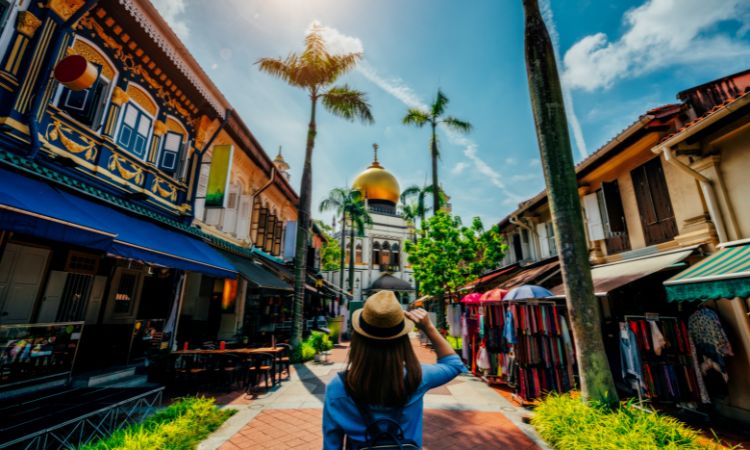
Nestled on Lantau’s western shores, Tai O Fishing Village preserves a slice of old Hong Kong where stilt houses line waterways and traditional livelihoods persist. Reaching Tai O involves a scenic bus ride from Ngong Ping or Mui Wo ferry, winding through mountain passes and verdant landscapes. Upon arrival, the village’s distinctive architecture greets visitors: wooden houses on stilts built over tidal flats, interconnected by narrow walkways and bridges. This setting evokes images of a bygone era, offering a stark contrast to Hong Kong’s skyscrapers.A boat excursion through the narrow channels provides an up-close look at stilt houses and fishing boats. During such trips, keep an eye out for the rare pink dolphins (Chinese white dolphins) that sometimes surface near mangrove mouths. Local boat operators guide visitors respectfully, sharing stories of village life and ecology. On land, morning markets brim with local produce and dried seafood: salted fish, shrimp paste, and oyster products—though this guide refrains from linking external sources, sampling these delicacies at simple stalls enriches cultural immersion. Traditional craftsmanship persists: vendors selling handmade snacks or artisanal souvenirs carved from local materials exemplify resilient traditions.Walking through Tai O, travellers notice community landmarks: a small Tin Hau Temple overlooking waterways, dedicated to the goddess of the sea, reflecting fishermen’s devotion for safe voyages. Quiet alleys lead to family-run workshops where salted fish is sun-dried on bamboo racks. Engaging with local residents—respectfully, via simple greetings—reveals insights into generational continuity and challenges: younger generations may move to urban areas, yet many remain to maintain heritage. Photography must be considerate: ask permission before capturing intimate scenes of daily life.Dining in Tai O ranges from rustic eateries serving fresh seafood dishes to cafés offering light refreshments. A meal here often includes dishes such as fish congee or steamed fish, with prices referenced in British pounds for convenience (e.g., around £15–£25 per person for a simple seafood meal). Enjoying a meal overlooking tidal flats at sunset creates memorable ambience. After dining, stroll along wooden walkways as lanterns glow, and the ebbing tide reveals mudflats teeming with life.For further exploration, nearby Lantau villages like Sham Wat or Sha Lo Wan can be reached via coastal paths, offering quieter trails and coastal vistas. Hikers combining the Tai O section of the Lantau Trail encounter both natural beauty and cultural touchpoints. If visiting during festivals such as the Tai O Dragon Boat Water Parade, travellers witness communal celebrations where boats parade on waterways, accompanied by music and rituals honoring local deities.Tai O Fishing Village is not merely a tourist spot; it embodies traditions under pressure from modernization. Visiting with respect and curiosity supports heritage preservation, as tourism revenue helps sustain local businesses. This guide advises setting aside a full morning or afternoon for Tai O: boat ride, market exploration, temple visit, meal, and optional short hike. Through this cultural journey, travellers appreciate the depth of Hong Kong’s traditions on Lantau Island, enriching their understanding beyond surface sightseeing.
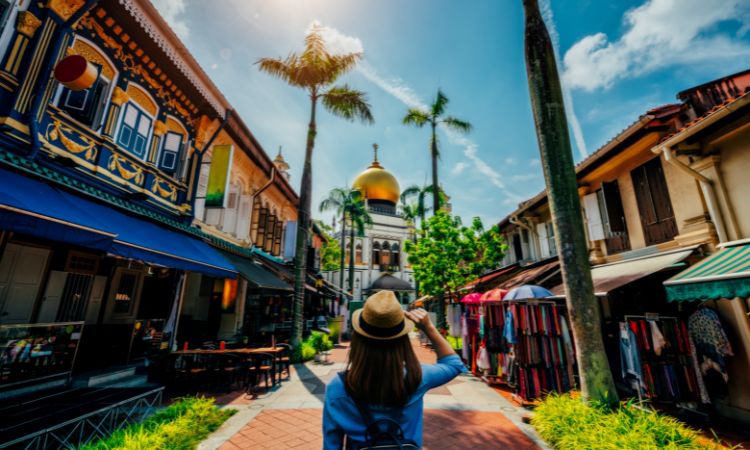
Hong Kong Disneyland, located on northeastern Lantau Island, offers a magical experience blending beloved Disney themes with local flair. Easily accessible via MTR from central Hong Kong, the park welcomes families and fans to seven themed lands: Main Street, U.S.A.; Adventureland; Fantasyland; Tomorrowland; Mystic Point; Grizzly Gulch; and Toy Story Land. Each area features signature rides, shows, and character interactions. Highlights include “Hyperspace Mountain” for thrill-seekers, “It’s a Small World” for younger visitors, and nightly fireworks over the castle that enchant guests of all ages.Plan visits by checking park hours and show schedules in advance (refer to official sources directly when booking). Early arrival helps minimise queue times; FastPass or similar systems (where available) optimise ride access. Dining within the park spans quick-service snacks (Mickey-shaped treats, popcorn) to themed restaurants offering family-friendly menus; budgeting reference: meals may average around £10–£20 per person. Souvenir shops carry exclusive items—budget accordingly if planning purchases.During peak seasons—public holidays or school breaks—expect larger crowds; visiting on weekdays or off-peak periods yields shorter waits. For families with toddlers or seniors, stroller rentals and wheelchair access ensure comfort. Character meet-and-greets provide memorable photo opportunities; capture these moments respectfully, mindful of others waiting.Beyond rides, live performances such as parades and stage shows highlight Disney storytelling. Seasonal events—Halloween, Christmas—transform park ambience with decorations and limited-time attractions. Visitors may combine Disneyland with other Lantau experiences in a multi-day itinerary: for instance, morning at Disneyland and afternoon hike or beach visit, though allow sufficient rest and travel time.Accommodation options near Disneyland include on-site Disney hotels (offering early park entry or themed benefits) and nearby lodgings in Tung Chung or Mui Wo. Staying close minimises transit after full park days. Transport from airport is direct via Hong Kong Disneyland Resort Line; families arriving with baggage find this convenient.Safety and health: adhere to park guidelines, use sun protection, and stay hydrated. Rest areas and child-care facilities are available. For international travellers using British pounds budgeting: factor in entrance fees, dining, and souvenirs in GBP terms to plan overall holiday cost.Hong Kong Disneyland on Lantau Island is more than a theme park; it’s a gateway to family bonding and nostalgic delight. Mixing global Disney magic with Hong Kong hospitality ensures a unique experience. Whether it’s a child’s first encounter with beloved characters or an adult revisiting childhood memories, the park creates joyful moments. Incorporate Disneyland into a broader Lantau itinerary for balanced experiences—nature, culture, and entertainment converging on Hong Kong’s largest island.
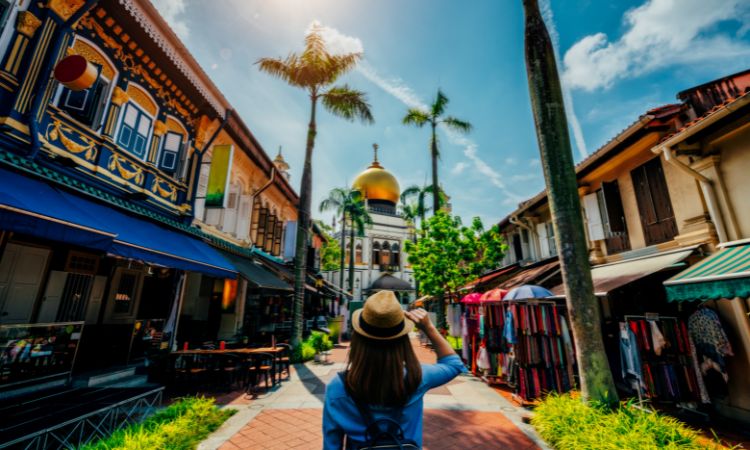
The Ngong Ping 360 cable car journey is an iconic Lantau attraction, offering both transit and spectacle. Departing Tung Chung, the cable car ascends over landscaped reservoirs and lush valleys, revealing the island’s topography from an aerial perspective. Two cabin types exist: Standard Cabin with panoramic windows, and Crystal Cabin featuring a transparent glass floor, providing adventurous travellers with a thrilling view of the terrain below. The ride lasts approximately 25 minutes each way; early morning or late afternoon slots often have fewer queues and different light conditions, ideal for photography.Upon arrival at Ngong Ping Village, a thoughtfully designed cultural-themed complex awaits. Without linking external sites, focus on its ambience: open plazas with subtle architectural cues reflecting Chinese heritage, gentle pathways guiding visitors toward key landmarks. The village provides informative displays about Lantau’s ecology and heritage, though content may vary; travellers can spend an hour exploring exhibits and sampling vegetarian snacks in cafés. Seating areas allow for rest before ascending to the Tian Tan Buddha.Beyond the main cable car experience, consider round-trip or one-way tickets: combining cable car with a bus or hiking return enriches the journey. For instance, take the cable car up to Ngong Ping, then hike part of the Lantau Trail down toward Tung Chung or bus onward to Mui Wo. This flexibility suits varied fitness and time constraints. Keep in mind weather conditions: strong winds or low visibility may suspend operations, so check schedules on arrival day.Facilities at Ngong Ping include shops offering local crafts and souvenirs, but budgeting references in British pounds help plan: snacks around £5–£10, small souvenirs £10–£20. While no direct bookings here, purchasing tickets in advance through official channels ensures availability during peak periods. Caption-worthy photo spots abound: cabin views, village architecture framed by mountains, and distant sea glimpses.The cable car experience is family-friendly, with safe cabins and seating; child-friendly commentary often available. For those interested in conservation, observe how the cable car system minimizes ground disturbance compared to road construction, aligning with Lantau’s ecological preservation ethos. Combining this journey with visits to Po Lin Monastery and Wisdom Path creates a full Ngong Ping excursion, balancing spiritual reflection and scenic wonder.Return journeys at dusk offer dramatic skies as the sun sets behind mountains. Travellers desiring a unique view may time the ride for sunset, though ensure sufficient daylight for safe boarding. Overall, Ngong Ping 360 is not merely transport but a gateway to cultural and natural highlights on Lantau Island. Integrate it into itineraries for seamless transitions between urban access points and the island’s tranquil core..
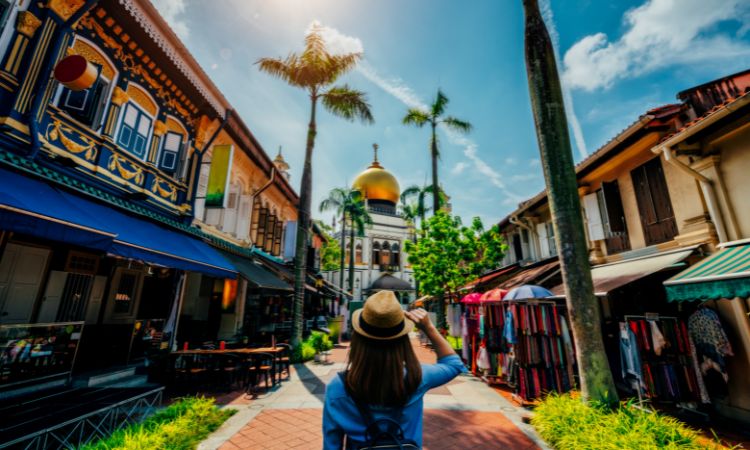
For travellers seeking restorative experiences, Lantau Island’s beachside wellness offerings blend sea breezes with holistic treatments. Several resorts and boutique wellness centres located near Cheung Sha and Pui O beaches provide spa services: traditional massages, aromatherapy, reflexology, and yoga sessions at sunrise or sunset. These treatments often use locally sourced ingredients—herbal infusions, natural oils—reflecting a connection to the island’s environment. Scheduling a morning beach yoga session followed by a nourishing brunch sets a calming rhythm for the day.Accommodations emphasizing wellness feature rooms with expansive windows overlooking sea or green hills, encouraging relaxation through natural light and sounds. Some guesthouses in Mui Wo offer meditation classes or guided walks in nearby woodlands, fostering mindfulness through immersion in nature. Spa menus reference local traditions: Chinese herbal therapies or foot reflexology rooted in regional practices. Pricing references in British pounds help with budgeting: a full-body massage might cost around £60–£80; yoga classes around £10–£20 per session.Wellness travellers may combine treatments with gentle hikes on easier trail sections—such as the Wisdom Path walkway—balancing movement and rest. Post-hike, a spa session rejuvenates tired muscles. Alternatively, sunrise beach walks at Pui O provide quiet contemplation as tides shift. Healthy dining options include vegetarian meals at Po Lin Monastery or fruit-based smoothies at local cafés; approximate costs £5–£15 per meal. Emphasis on hydration is key: carry refillable water bottles and enjoy coconut water or herbal teas available locally.Wellness retreats often incorporate mindfulness workshops or brief seminars on stress management, sometimes organized by local practitioners; travellers can inquire upon booking. Evening relaxation under starlit skies on quieter beaches offers a sense of space rare in metropolitan areas. For extended stays, consider multi-day wellness packages combining accommodation, meals, spa treatments, and guided nature activities. Even a single-day retreat invigorates body and mind, leveraging Lantau’s tranquil environment.Booking in advance during peak travel months (October–December) secures preferred slots; off-peak stays may offer more availability and quieter ambience. Transportation logistics: resorts typically arrange transfers from Tung Chung or Mui Wo ferry pier. Embrace tech-free intervals: limit device use to appreciate natural surroundings fully. This wellness guide underscores Lantau’s potential as a refuge: sea, sand, trails, and mindful practices converge to restore balance and leave visitors refreshed and inspired.
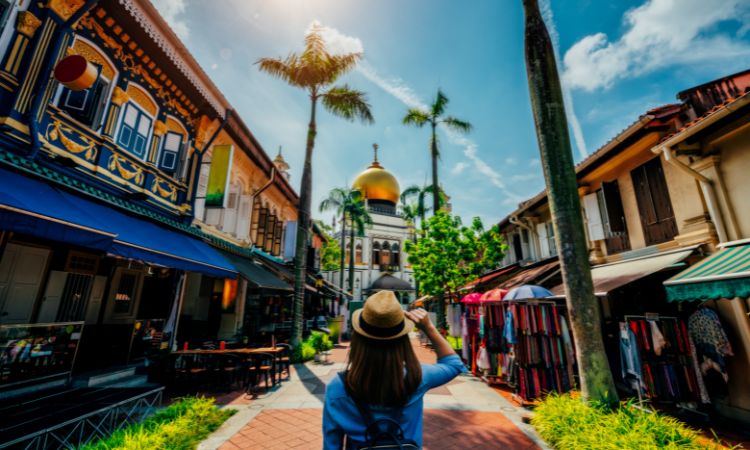
Lantau Island’s culinary scene reflects its coastal character and evolving tourism. Central to this is seafood, fresh from local catches in Tai O and other fishing communities. Dining at rustic eateries overlooking waterways serves dishes such as steamed fish, salted shrimp fried rice, and shrimp paste-based sauces. While specific menus and outlets change over time, travellers can expect locally inspired fare at moderate prices: budgeting in British pounds, a typical seafood meal may cost around £15–£25 per person. Sampling local snacks—fish balls, dried seafood snacks—adds variety to the gastronomic journey.Beyond seafood, dining at Po Lin Monastery introduces vegetarian cuisine crafted with creativity: vegetable stir-fries, tofu dishes, and mock-meat preparations offer nourishing, meat-free options. Meals are often simple yet flavorful, aligning with monastic values. For breakfast or brunch, cafés in Mui Wo and Tung Chung serve international-style dishes—sandwiches, salads, pastries—catering to diverse tastes. Prices in GBP range around £8–£15 per meal. Beachside stalls may offer light refreshments: cold drinks, iced coffee or tea, and small bites, ideal after water activities.Local markets in Mui Wo present fresh produce—tropical fruits, vegetables, and herbs—allowing self-catering in guesthouse kitchens. For travellers staying in self-catered accommodations, preparing simple meals with local ingredients deepens cultural connection. Nearby supermarkets stock essentials, with pricing referenced: expect vegetable bundles around £3–£5; fruits like mangoes or lychees around £2–£4 per portion.Dining experiences extend to sunset cruises or seaside picnic setups. Some operators offer seafood barbecue packages on beaches (where permitted), combining fresh grill options with ocean views. When planning such outings, confirm local regulations and practice eco-friendly habits: dispose of waste responsibly and choose sustainable seafood options if information available.Tea culture on Lantau includes both modern cafés serving artisan teas and traditional teahouses in village areas. Sampling local teas—oolong, pu-erh—alongside snacks provides insight into regional tastes. For those interested in cooking, occasional cooking workshops (subject to availability) teach simple local dishes such as stir-fried morning glory or steamed taro cakes, enhancing appreciation for Cantonese cooking. Costs for such workshops may vary; budgeting reference in GBP helps travellers allocate funds.For beverage enthusiasts, trying a pint or local craft beer at beach bars or cafés is part of the experience; average pint price around £5. Non-alcoholic options include fresh fruit juices and coconut water. Dining timings: lunch and dinner peak periods align with local habits; arriving slightly earlier or later avoids crowds. Embrace communal dining at shared tables in village eateries for social interaction with locals and fellow travellers.In summary, culinary exploration on Lantau Island weaves together fresh seafood, vegetarian monastic fare, international café options, and local snacks. Budgeting with British pounds simplifies trip planning. Whether savouring steamed fish by tidal flats, enjoying vegetarian dishes at Po Lin Monastery, or preparing self-catered meals with market produce, travellers gain a taste of Lantau’s diverse flavours. This guide encourages mindful eating—respecting local customs and sustainability—ensuring memorable gastronomic experiences amid island surroundings.
No ads. No trails. No commitments


Alice Roses
London, England
51 ST MATTHIAS ROAD
NOTTINGHAM, NOTTINGHAMSHIRE
NG3 2HF
Hours: 8:00 - 17:00, Mon - Sat
support@johnsonholidays.com