 Nakhon Ratchasima Travel
Guide
Nakhon Ratchasima Travel
Guide
Paris is known around the world as the “capital of love,” and even if you don't understand the history of Paris at all

11.5 Hours
£1.36
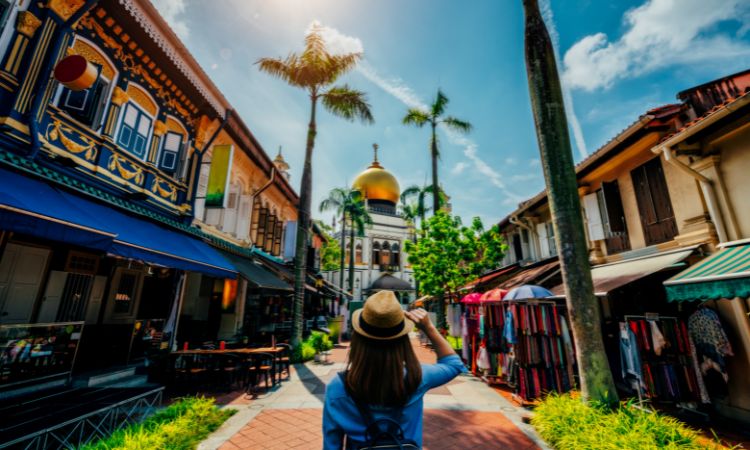
Nakhon Ratchasima’s history spans from Khmer rule to Ayutthaya stronghold, reflected in landmarks like Lady Mo Monument, ancient city walls, and Phimai Historical Park . Exploring these sites offers insight into pivotal moments of Thai history—rebellions, border dynamics, and architectural evolutions. Travelers keen on heritage experiences find Korat rewarding, with on-site museums and guided tours enriching understanding of Isan’s cultural tapestry.
Learn More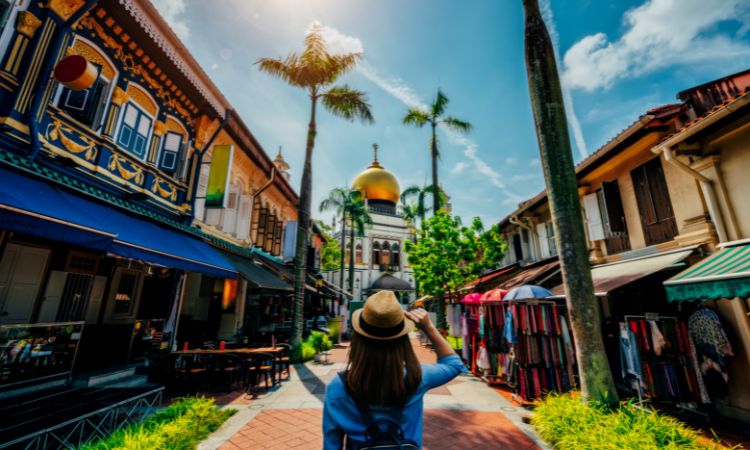
Sample fiery som tam, grilled kai yang, and sticky rice at bustling markets and local eateries. Korat’s food scene remains true to regional flavors, with street stalls and family-run restaurants serving recipes passed down generations. Participating in cooking classes introduces Thai herbs and techniques, while night markets offer tasting adventures. Food lovers appreciate both traditional dishes and emerging café culture blending Thai coffee with modern twists.
Learn More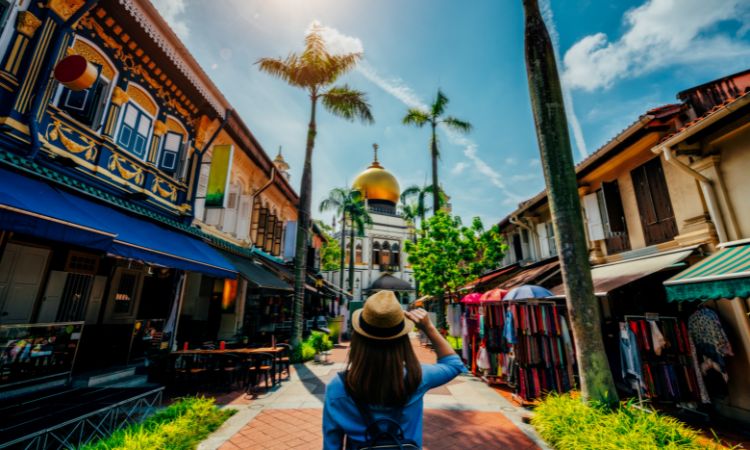
Nakhon Ratchasima province includes parts of Khao Yai National Park, UNESCO World Heritage–listed for its biodiversity. From Korat, day trips or overnight stays lead to trekking trails, waterfalls, and wildlife spotting—elephants, gibbons, hornbills. Seasonal patterns influence visits: dry season yields clearer trails, while green season enhances waterfall flows. Nature enthusiasts and photography buffs find ample opportunities for immersive jungle experiences.
Learn More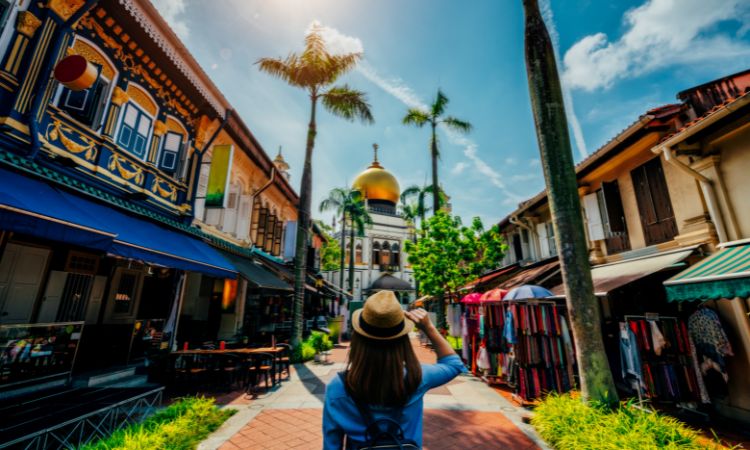
Local festivals showcase Isan spirit: traditional music performances, dance, and communal ceremonies. Events like temple fairs (annual celebrations at local wats) and regional festivals (e.g., Songkran, Khmer New Year) bring colorful processions, food offerings, and rituals. Visitors can join workshops on traditional crafts or see folk dances, experiencing warm local hospitality.
Learn More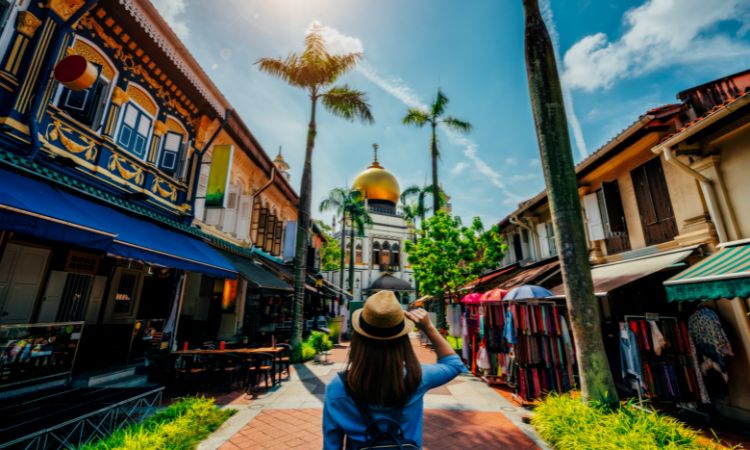
Compared to Bangkok or Chiang Mai, Korat offers lower accommodation, dining, and activity costs without sacrificing quality. Budget travelers find guesthouses and local eateries plentiful; mid-range travelers enjoy comfortable hotels at competitive rates. Transport costs within and around the city remain modest.
Learn More
From Korat, exploring northeastern Thailand is convenient: rail or road journeys to other Isan destinations (Khon Kaen, Ubon Ratchathani, Buriram) operate regularly. Cultural itineraries can include rural homestays, temple visits, and nature reserves across the region. Korat’s infrastructure supports multi-destination trips, making it an ideal base.
Learn More
Lorem ipsum dolor, sit amet consectetur adipisicing elit. At illo adipisci iusto
From

Because more than 268 other customers have loved us too

Demonstrates commitment to user data security through encryption and secure payment practices
Learn More
Demonstrates commitment to user data security through encryption and secure payment practices
Learn More
Demonstrates commitment to user data security through encryption and secure payment practices
Learn More
Demonstrates commitment to user data security through encryption and secure payment practices
Learn More
Quality as judged by customers. Book at the ideal price!


/ person
/ person
/ person
Nakhon Ratchasima’s cultural heart is evident in its historic landmarks and temples, which trace the city’s evolution from Khmer frontier to Ayutthaya stronghold and modern municipality. Central among these is the Lady Mo Monument, honoring Thao Suranari’s defense against Lao forces in the early 19th century; visitors often begin here to appreciate Korat’s local pride and resilience . Nearby, the remnants of the old city gate and moat offer a glimpse of 19th-century defensive design influenced by French engineers, illustrating how Korat safeguarded Siam’s northeastern frontier under King Rama I and successors .A short drive leads to Phimai Historical Park, one of Thailand’s most impressive Khmer temples. The central prang (tower) reflects Khmer architecture at its zenith, with intricately carved lintels and corbelled gates that rival the Angkor complexes but with fewer crowds. Guided tours reveal insights into the Khmer empire’s regional influence and the later assimilation under Siamese rule. Timing visits during early morning or late afternoon light enhances photography, while on-site interpretive signage and local guides enrich understanding of mythological narratives carved in stone.Within the city, Wat Phayap and Wat Sala Loi demonstrate local temple architecture blending Khmer influences with Thai aesthetics. Festivals at these wats, such as the annual Buddhist Lent ceremonies, feature candle processions and community offerings, allowing visitors to observe traditional rituals. Local museum exhibits, like at the Korat City Museum, display archaeological finds, textiles, and folk art from the Isan region, contextualizing everyday life across centuries.For those interested in intangible heritage, Korat hosts occasional workshops on traditional crafts—textile weaving using local silk, pottery reflecting regional styles, and woodcarving. Participating in a class offers hands-on appreciation of skills passed down generations and supports community artisans. Evening cultural performances, often held in cultural centers or during festivals, feature mor lam music—a traditional Isan genre characterized by poetic singing and khaen reed-pipe accompaniment. Experiencing live mor lam connects visitors to the rhythms and stories of northeastern Thailand.Seasonal celebrations, such as Songkran (Thai New Year) and Loy Krathong, blend national traditions with local variations; in Korat, ceremonies often take place at major temples, where making merit and community gatherings emphasize harmonious traditions. Visiting during festival periods provides immersive opportunities but requires advance booking for accommodations.Historic walking tours in downtown Korat reveal colonial-era architecture and markets where local foods and crafts congregate. The junction near the old City Pillar Shrine marks the core of old Korat; navigating surrounding streets reveals hidden alleyways with street-food vendors and small shrines. Combining visits to major temples with exploration of lesser-known community shrines highlights the layered cultural fabric.Korat’s heritage extends to nearby rural areas: visiting Sung Noen District uncovers archaeological sites of ancient towns Sema and Khorakapura, with preserved sema boundary stones illustrating early religious practices . These excursions require coordination with local guides or community tourism projects, promoting sustainable engagement with villagers.In summary, exploring Nakhon Ratchasima’s historic landmarks and temples provides a comprehensive cultural immersion. From grand Khmer ruins to local wats and community crafts, visitors gain understanding of Isan’s heritage and Korat’s pivotal role in Thai history. Planning visits during comfortable weather months and engaging guided experiences ensures meaningful connections with local traditions.
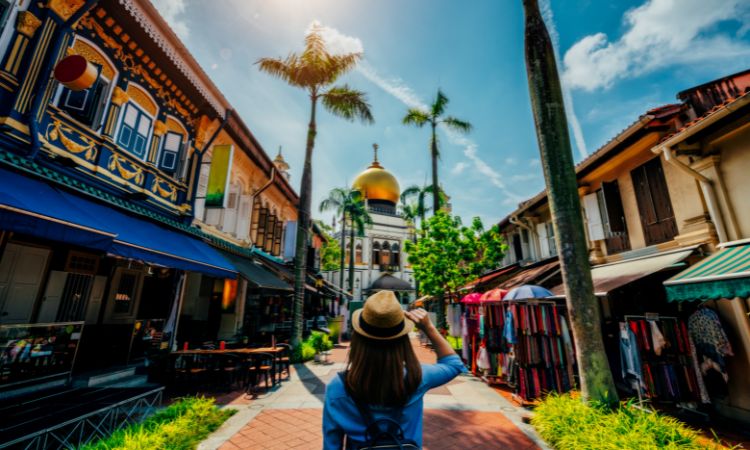
Khao Yai National Park, partly within Nakhon Ratchasima province, is Thailand’s first national park and a UNESCO World Heritage site celebrated for its biodiversity and scenic beauty. From Korat, travelers arrange day trips or overnight stays in lodges near park entrances, embarking on guided treks through evergreen forests where gibbons, hornbills, and elephants roam. Seasonal variations affect the experience: the dry season (December–February) offers clearer trails and comfortable conditions for hiking, while the green season (May–October) brings lush foliage and spectacular waterfall flows, though rain gear and careful planning are essential.Popular hiking routes within Khao Yai include trails to Haew Narok and Haew Suwat waterfalls. Haew Narok cascades dramatically over multiple tiers, requiring a moderate trek through forested terrain; early departures increase chances of wildlife sightings at dawn. Haew Suwat, made famous by a film scene, is more accessible, with boardwalks and viewpoints ideal for photography. Ranger-led night safaris and tree-top canopy walks provide unique perspectives: nocturnal wildlife emerges after dusk, and canopy trails offer bird’s-eye views above the jungle floor. Permits are required for certain activities; booking through official park channels ensures compliance and supports conservation.Beyond hiking, Khao Yai’s viewpoints—such as Pha Diew Dai Cliff—offer panoramic vistas of rolling hills and mist-laden valleys. Sunrise visits yield ethereal scenes as morning light filters through mist. Birdwatchers find Khao Yai a premier destination, with over 300 species recorded; hiring a local ornithologist guide enhances chances of spotting rare or endemic birds. Photographers appreciate early-morning light and diverse habitats, from grasslands to dense forests.Wildlife spotting requires patience and respect: maintaining safe distances, avoiding feeding animals, and following ranger guidelines protect both visitors and wildlife. Elephant sightings are best viewed from secure vantage points or via organized tours ensuring minimal disturbance. Conservation initiatives in the park allow visitors to learn about efforts to protect endangered species and habitats; some lodges offer educational programs highlighting community-based conservation.Outside Khao Yai, Nakhon Ratchasima province features other natural attractions: Phu Laenkha National Park offers hiking trails, limestone caves, and scenic viewpoints; Chulabhorn Dam area provides boating and lakeside relaxation; and local waterfalls such as Tat Ton and Khao Luang. Cycling tours in rural areas traverse rice paddies and sugarcane fields, offering insight into agricultural rhythms and scenic landscapes. Early-morning rides avoid midday heat and reveal local markets where farmers sell produce.Adventure seekers may arrange rock-climbing or kayaking in designated areas, though these require local operator coordination for safety and equipment. Horseback riding through rural trails or guided ATV tours in permitted zones give alternative ways to explore countryside. For spa and wellness, some resorts near Korat incorporate herbal treatments using local plants.When planning outdoor activities, consider weather patterns: the hottest months (March–May) can be intense; hydration, sun protection, and flexible itineraries are crucial. Booking accommodations near park entrances in advance during peak season (December–February) ensures availability. Guided tours not only facilitate navigation but also support local communities through employment and sustainable tourism practices.Overall, Nakhon Ratchasima’s natural wonders offer diverse experiences: from world-class park treks in Khao Yai to rural cycling, waterfall visits, and wildlife encounters. Balancing adventure with respect for ecosystems and communities creates rewarding trips that contribute to conservation and local livelihoods.
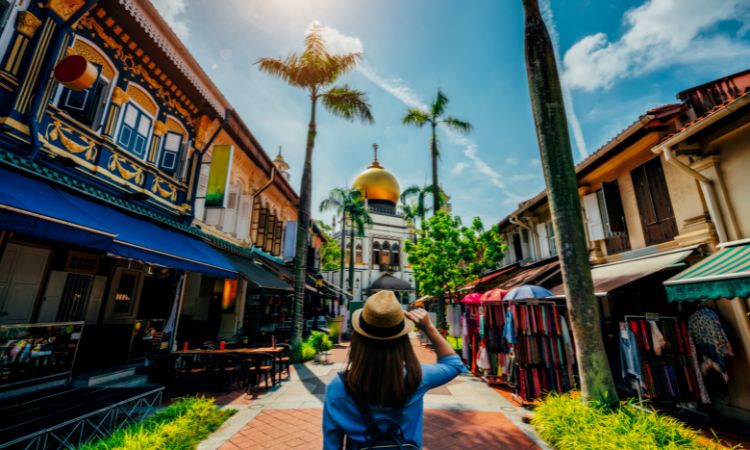
Isan cuisine is celebrated for its bold, spicy, and tangy profiles, and Nakhon Ratchasima excels in presenting authentic dishes that define northeastern Thai gastronomy. The foundation is sticky rice (khao niaow), often eaten by hand alongside grilled meats and salads. Som tam (green papaya salad) in Korat often features local varieties of fermented fish sauce (pla ra) imparting a distinctive depth, balanced by lime, chili, and palm sugar. Kai yang (grilled chicken) marinated in local herbs is succulent when paired with spicy dipping sauces and sticky rice. Regional sausages (sai krok Isan) offer fermented tanginess, ideal as snacks or accompaniment to rice dishes.Local markets are central to culinary exploration. Talat Phra Narai and Talat Thanon Chira bustle with stalls selling fresh produce—chilis, herbs, vegetables—and ready-to-eat items. Morning markets serve breakfast staples: khao tom (rice soup), jok (rice porridge), and grilled sticky rice treats. Street vendors often prepare dishes to order; sampling small portions allows tasting multiple specialties. Night markets feature expanded offerings: barbecued skewers, noodle soups, fried insects (for adventurous eaters), and sweet desserts like khanom wan (traditional sweets made from coconut, rice flour, or taro).Korat’s growing café scene merges Thai coffee traditions with modern influences. Specialty coffee shops roast local beans or import beans to craft lattes and cold brews, often served with fusion snacks. Relaxing in a café offers respite from heat and insight into urban lifestyles. Tea houses occasionally offer herbal infusions using local ingredients—ginger, lemongrass, pandan—reflecting wellness trends.Cooking classes in Korat let visitors learn essential Isan recipes: preparing sticky rice in bamboo baskets, mastering som tam variations, and grilling techniques. Classes typically include market visits to select fresh ingredients, offering hands-on cultural immersion. Participating supports local chefs and home cooks, who share family recipes and stories.Food festivals and events in Korat celebrate local produce: festivals highlighting durian, sugarcane, or seasonal fruits bring stalls, cooking demonstrations, and tasting competitions. Timing visits to coincide with such events provides deeper appreciation of agricultural cycles and community pride.For beverage exploration, sample local rice wines (sato) or beer brewed regionally. While safety and moderation apply, tasting these beverages reveals traditional fermentation methods. Some homestays or local gatherings offer controlled tastings with explanations of production processes.Dietary considerations: Isan cuisine can be very spicy; requests for milder versions are generally accommodated. Vegetarian or vegan options are available at some restaurants, focusing on coconut-based curries or vegetable stir-fries, though less common than in major tourist hubs—planning ahead is advisable.Practical tips: Carry small change for market purchases; learning basic Thai phrases (e.g., “phet nit noi” for “a little spicy”) aids communication. Market visits early morning yield freshest produce and fewer crowds; night markets come alive after dusk when temperatures cool. Respect cultural norms: some food areas may separate seating by gender or require removing shoes.In summary, Korat’s culinary landscape invites exploration beyond familiar Thai dishes, revealing spicy, sour, and umami-rich Isan flavors. Markets, street stalls, cooking classes, and specialty cafés combine to offer a comprehensive food journey. Engaging with local vendors and chefs ensures authentic experiences while contributing to community livelihoods.
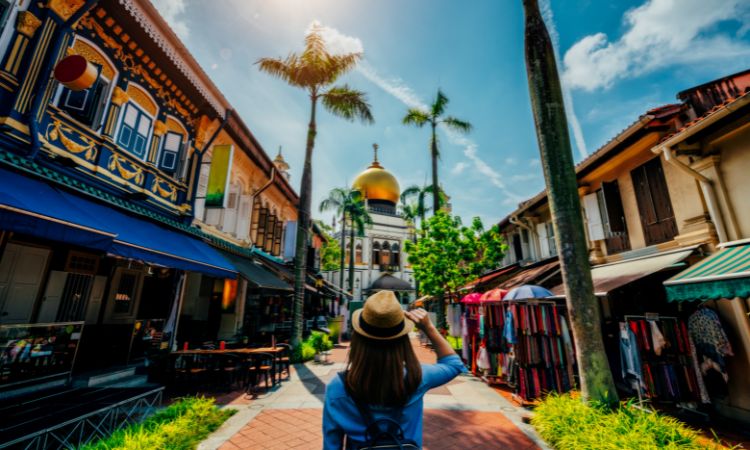
Korat and surrounding areas host festivals reflecting Isan traditions and Thai national celebrations. The biggest events attract locals and informed visitors, offering insight into community life. Songkran (Thai New Year in April) brings water splashing, temple visits for merit-making, and family gatherings. In Korat, Songkran involves street festivities around major temples, where locals and tourists join water fights symbolizing cleansing and renewal. Participating respectfully—using water gently on elders and monks—is important.Loy Krathong (November) features floating baskets on rivers or lakes to pay respect to water spirits. At local waterways, crafting krathongs from banana leaves and flowers and releasing them at dusk creates a serene atmosphere. Some events combine Loy Krathong with Yi Peng lantern releases in nearby provinces, but in Korat, focus remains on communal rituals at temple grounds and parks.Temple fairs (wat fairs) occur at various times, often tied to temple anniversaries or Buddhist holy days. Fairs include merit-making activities, local food stalls, performances of mor lam music and folk dances, and games or small rides. These gatherings allow visitors to mingle with residents, taste homemade dishes, and see traditional arts showcased.Regional events such as the Thai Horse Racing Festival in nearby provinces or agricultural fairs display livestock, handicrafts, and competitions, celebrating rural livelihoods. Visiting these events provides context on Isan agriculture and community innovations. Participation supports local economies and provides unique photo opportunities.For cultural performances, some venues host mor lam or lam tat performances year-round. Booking shows in advance or attending during festivals ensures seat availability. Local theaters occasionally stage traditional dance dramas or music recitals, offering air-conditioned comfort and curated presentations.Planning for events: Check local tourism websites or inquire at hotel concierge for festival dates, which may follow lunar calendar or regional schedules. Peak festival periods may coincide with higher accommodation demand, so early booking is recommended.
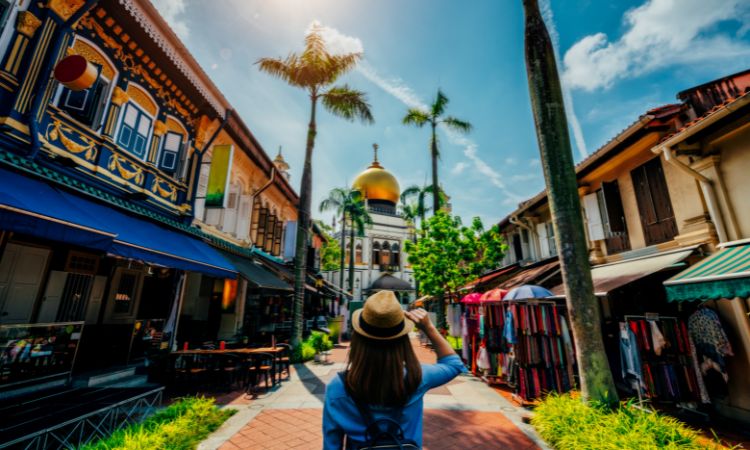
Phimai Historical Park, about 60 km north of Korat, is a must-visit day trip. Featuring one of Thailand’s finest Khmer temples, its layout and architecture reflect Angkorian design adapted for local religious practices . The central sanctuary’s sandstone blocks, carved motifs, and surrounding galleries evoke an atmosphere of antiquity. Interpretive displays and local guides elucidate the temple’s role in linking Khmer and Siamese histories. Timing visits early morning or late afternoon avoids midday heat, enhances lighting for photography, and reduces crowds. Nearby Phimai Museum houses artifacts unearthed during restorations, offering deeper context.Beyond Phimai, lesser-known sites like Prasat Hin Phanom Wan and Prasat Hin Phimai Noi provide insight into smaller Khmer outposts. Exploring with a local guide ensures safe navigation of rural roads and access to villages practicing traditional crafts. The drive through scenic countryside reveals rice fields, orchards, and occasional roadside stalls selling fresh produce.Another excursion is to Prasat Hin Khok Phanom Di, offering archeological interest and community-based tourism initiatives. Some villages host homestays, where guests participate in daily routines—rice planting (seasonal), weaving, or cooking local dishes—fostering cultural exchange.For those interested in colonial-era history, visits to small towns along the old railway line reveal historic stations and architecture from the early 20th century. Train journeys from Korat to nearby towns allow scenic views of rural landscapes; booking tickets in advance is advisable for specific classes or times.Seasonal considerations: the wet season may render some rural roads less accessible; scheduling trips during dry months ensures smoother travel. Hiring a private car with driver or joining small-group tours organized by reputable operators balances convenience and support for local enterprises.Overall, day trips from Nakhon Ratchasima to Phimai and surrounding heritage sites enrich understanding of the region’s layered history, architecture, and local life, making for memorable cultural excursions.
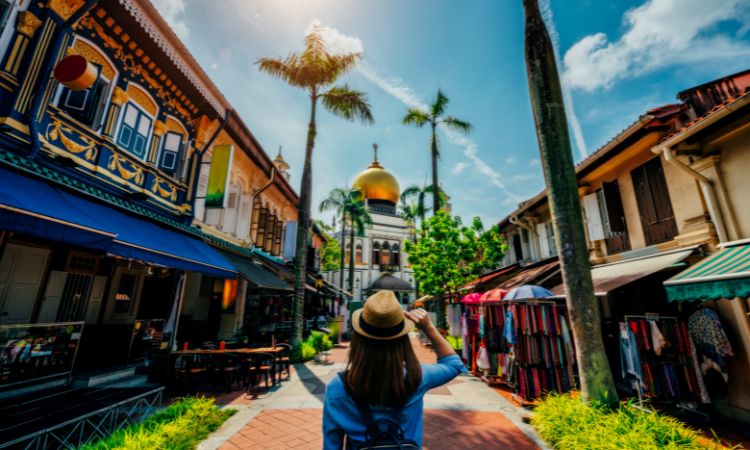
Venturing beyond Korat’s urban center leads to rural adventures highlighting Isan’s agricultural rhythms and community-based tourism. Cycling routes thread through rice paddies, sugarcane fields, and small villages, revealing daily routines—from morning market setups to afternoon field work. Guided cycling tours often include stops at local farms where visitors learn about rice cultivation cycles and seasonal crop management. Engaging with farmers fosters appreciation for the region’s agricultural backbone.Homestays in villages around Korat offer immersive experiences: accommodations in local homes, shared meals, and participation in cooking traditional dishes using homegrown ingredients. Hosts may demonstrate weaving, basketry, or pottery, and guests can try crafting under guidance. Such stays support local incomes and preserve cultural practices.For wildlife and natural scenery, excursions to Phu Laenkha National Park include hiking to viewpoints, exploring limestone caves, and observing birdlife. The park is less crowded than Khao Yai, offering tranquil settings for nature walks. Boating at Chulabhorn Dam presents scenic panoramas and potential fishing opportunities. Seasonal flowering events, such as blooming fields near Korat, attract photographers and nature lovers.Adventure activities—ATV tours on designated trails, ziplining in forested areas, or horseback riding along rural paths—require booking with licensed operators prioritizing safety and environmental stewardship. These experiences suit travelers seeking adrenaline alongside cultural insights.Community festivals in villages—harvest celebrations, local religious events—provide chances to witness rituals, sample homemade specialties, and join communal activities. Coordination through community tourism networks or local tourism offices ensures respectful engagement and benefit-sharing with communities.Practical tips: respect local customs—dress modestly when visiting villages or religious sites, ask permission before photographing individuals, and follow hosts’ guidelines. Road conditions can vary; using sturdy bicycles or transport options suited to rural terrain is recommended. Carry sufficient water, snacks, and sun protection on outdoor excursions.In summary, rural adventures and community tourism around Nakhon Ratchasima offer authentic connections with Isan life, combining active exploration with cultural immersion. Travelers leave with deeper understanding of local livelihoods, traditions, and natural landscapes, contributing positively to community wellbeing..
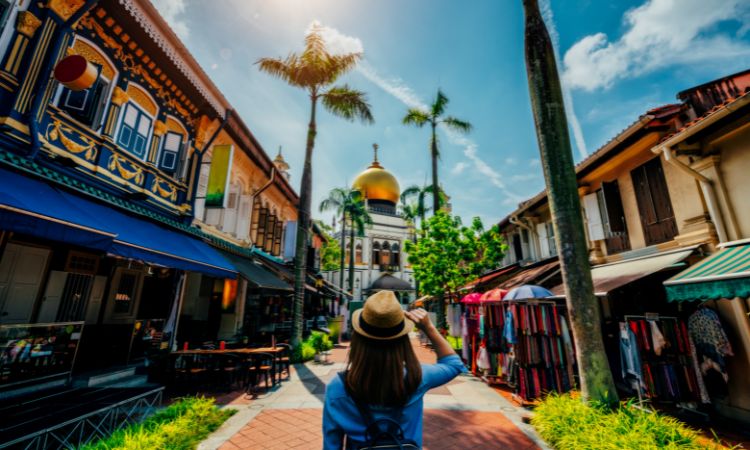
After active exploration, relaxation options in and around Korat cater to wellness-focused travelers. Some resorts offer spa treatments featuring local herbal remedies—compresses with lemongrass, ginger, tamarind, or turmeric—reflecting traditional Thai healing practices. Yoga and meditation retreats in rural settings provide serene environments for mindfulness, often combined with healthy Isan-inspired cuisine. Natural hot springs, if accessible nearby, afford restorative soaks; research local sources or spa facilities offering mineral baths.Wellness also extends to leisurely activities: serene temple visits at dawn for meditation or alms-giving experiences promote cultural insight and inner calm. Cafés serving herbal teas and light snacks enable reflective downtime. Parks such as Bueng Kaen Nakhon Lake offer walking paths, paddle boating, and birdwatching in tranquil surroundings.Retreat centers outside the city may combine yoga, organic farming participation, and cooking classes emphasizing nutritious versions of Isan dishes. These immersive packages support physical and mental wellbeing while fostering sustainable tourism. Seasonal retreats timed during cooler months (December–February) enhance comfort.Health facilities in Korat include clinics and hospitals with international standards for travelers needing medical services; travel insurance covering health emergencies is recommended. Pharmacies are common in the city, providing over-the-counter remedies and Thai herbal supplements for minor ailments.Timing wellness activities: mornings and late afternoons avoid midday heat; scheduling spa treatments after active hikes or festivals helps recovery. Booking in advance for popular wellness programs during holiday periods ensures availability.In essence, Nakhon Ratchasima supports wellness travelers through spa treatments rooted in Thai herbal traditions, meditation and yoga retreats, and calm natural settings—complementing adventure-focused itineraries with restorative experiences.
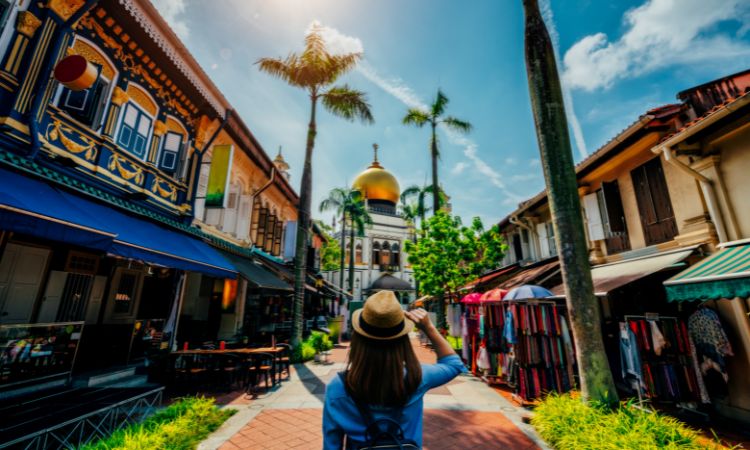
While Korat is not known for bustling nightlife like Bangkok, it offers pleasant evening activities and shopping opportunities. Night markets such as Korat Night Bazaar present stalls selling handcrafted souvenirs, local snacks, clothing, and decorative items. Walking between stalls under the evening sky, visitors taste grilled meats, desserts, and beverages, and can pick unique keepsakes reflecting Isan culture.Shopping malls—Central Korat and The Mall Korat—feature international and local brands, cinemas, and food courts offering both Thai and international cuisines. These venues provide air-conditioned comfort for shopping during hot afternoons and host occasional events or fairs showcasing local products.For a relaxed nightlife vibe, rooftop bars in some hotels offer views over the city skyline, serving cocktails infused with Thai ingredients like lemongrass or ginger. Live music venues sometimes feature local bands playing Thai pop or folk tunes. Karaoke bars remain popular among locals; visiting with friends or hosts can be a sociable cultural interaction, though language barriers may apply.Coffee shops open late cater to digital nomads or travelers seeking quiet workspaces or reading nooks. Some themed cafés feature traditional Isan décor or local art displays. For families, evening parks such as Bon Kaeng attract locals gathering for walks, exercising, or socializing; joining these communal spaces offers insight into daily life rhythms.Shopping for local crafts includes silk textiles, pottery, and woodwork. Visiting small workshops or cooperative stores ensures purchases support artisans. Markets sometimes host weekend craft fairs where artisans display handmade products.Safety at night in Korat is generally good; standard urban precautions apply. Transport via ride-hailing apps or registered taxis ensures reliable returns to accommodations.In summary, Nakhon Ratchasima’s shopping and nightlife blend local markets, modern malls, casual bars, and community gatherings. Though more low-key than major tourist hubs, it offers authentic evening experiences and opportunities to shop for regional products in comfortable settings.
No ads. No trails. No commitments


Alice Roses
London, England
51 ST MATTHIAS ROAD
NOTTINGHAM, NOTTINGHAMSHIRE
NG3 2HF
Hours: 8:00 - 17:00, Mon - Sat
support@johnsonholidays.com