 Adriatic Riviera Travel
Guide
Adriatic Riviera Travel
Guide
Paris is known around the world as the “capital of love,” and even if you don't understand the history of Paris at all

2.5 Hours
£3.00

The Adriatic Riviera is famed for its clear, turquoise waters and a coastline dotted with over a thousand islands, many of which boast pristine beaches and secluded coves. From the sandy stretches of Italy’s Emilia-Romagna coast to pebbly bays on Croatian islands like Hvar and Korčula, each beach offers unique scenery and atmosphere. Island-hopping ferries and local boat tours allow travelers to discover hidden pearls—tranquil beaches accessible only by sea. Snorkeling and diving enthusiasts can explore underwater caves and marine protected areas teeming with biodiversity. Relaxing on sun loungers, exploring beach bars at sunset, or finding a private cove for peaceful solitude, visitors experience the Adriatic’s famed seaside charm.
Learn More
Coastal towns along the Adriatic Riviera preserve layers of history: Roman amphitheaters, medieval fortresses, Byzantine mosaics, and Venetian palaces. Cities like Ravenna, with its UNESCO-listed mosaics, and Dubrovnik’s ancient city walls showcase remarkable heritage. Charming old towns feature narrow cobblestone streets, local markets, and centuries-old traditions. Many towns host annual festivals celebrating local music, dance, and culinary arts, allowing travelers to engage authentically with local culture. Museums and galleries highlight regional art and maritime history. Architectural landmarks—from Renaissance churches to Ottoman-influenced coastal fortifications—tell stories of the Adriatic’s strategic importance. For history buffs and culture seekers, the Riviera offers a mosaic of experiences rooted in past civilizations.
Learn More
The Adriatic Riviera’s culinary scene is defined by fresh seafood, local produce, and time-honored recipes. Italian coastal towns serve seafood risottos, pasta with fresh catch, and gelato for dessert. Further east, Dalmatian specialties include grilled fish seasoned with olive oil and herbs, black risotto, and local prosciutto. Olive oils pressed on Istrian hills and wines from coastal vineyards—such as Plavac Mali in Croatia or Verdicchio in Italy—complement meals perfectly. Simple seaside konobas (taverns) and upscale restaurants alike showcase farm-to-table freshness. Olive groves and vineyards often offer tours and tastings. Food festivals celebrate seasonal delicacies like truffles, grapes, and seafood. Whether dining seaside or in a historic piazza, the Riviera delights gourmets and casual diners alike.
Learn More
Beyond sunbathing, the Adriatic Riviera invites active travelers to hike rugged coastal trails, cycle scenic routes through olive groves and vineyards, and kayak along hidden coves. Mountain ranges near the coast offer viewpoints over islands and sea, and national parks like Paklenica (Croatia) present thrilling climbing and canyoning. Sailing excursions connect islands, while diving reveals underwater caves and shipwrecks. Water sports such as windsurfing or paddleboarding are popular in breezy bays. Inland adventures include river rafting, zip-lining in forested valleys, and exploring karst caves. Guided eco-tours highlight local flora and fauna. From adrenaline-packed days to gentle scenic walks, the Riviera caters to varied adventure levels.
Learn More
The Riviera features charming coastal towns that transform at night: seaside promenades bustle with cafés, bars, and summer festivals. Historic centers host al fresco concerts and cultural events, while beach clubs offer sunset cocktails and dance until late. Visitors can sample regional wines at waterfront lounges or join boat parties around islands. Even smaller villages stage traditional evenings with live music and local cuisine. For those seeking laid-back evenings, a stroll along illuminated city walls or a seaside dinner under stars provides romance. The mix of relaxed coastal vibes and occasional vibrant nightlife ensures something for every preference.
Learn More
The Adriatic Riviera is home to spa towns and wellness retreats leveraging thermal springs, Mediterranean herbs, and sea-air therapies. Guests can indulge in spa treatments overlooking the sea, yoga sessions on quiet beaches at sunrise, and wellness programs combining local cuisine with guided nature excursions. Tranquil coves and hidden beaches offer serene spots for meditation and relaxation. Coastal resorts often include sauna facilities, thalassotherapy centers, and massage therapies using regional oils. Wellness-oriented day tours might explore aromatic countryside or botanical gardens. For travelers seeking rejuvenation, the Adriatic Riviera’s balance of natural beauty and quality wellness offerings provides a restorative escape.
Learn More
Lorem ipsum dolor, sit amet consectetur adipisicing elit. At illo adipisci iusto
From

Because more than 268 other customers have loved us too

Demonstrates commitment to user data security through encryption and secure payment practices
Learn More
Demonstrates commitment to user data security through encryption and secure payment practices
Learn More
Demonstrates commitment to user data security through encryption and secure payment practices
Learn More
Demonstrates commitment to user data security through encryption and secure payment practices
Learn More
Quality as judged by customers. Book at the ideal price!


/ person
/ person
/ person

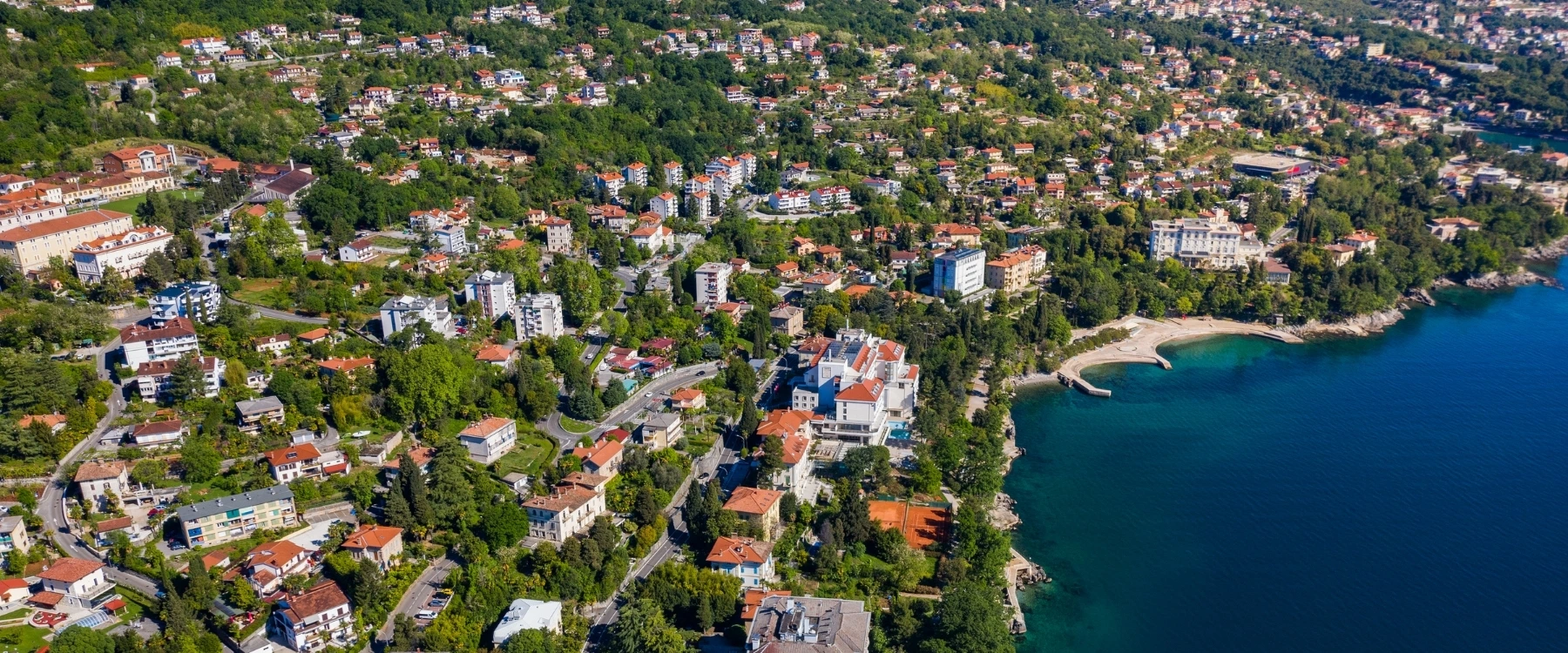
The Adriatic Riviera’s beaches span from Italy’s golden sands to the pebbly coves of Croatia’s islands. In Emilia-Romagna, Rimini and Riccione showcase long, family-friendly stretches outfitted with umbrellas, loungers, and beach clubs—ideal for gentle swims, sunbathing, and seaside promenades. Moving east, the Istrian Peninsula mixes sandy coves with rocky inlets; smaller beaches like Koversada near Vrsar reward visitors seeking quieter spots amid olive groves.Dalmatia’s islands—Hvar, Brač, Korčula—feature pebbly bays with crystalline water perfect for snorkeling. Iconic Zlatni Rat on Brač shifts shape with currents, offering memorable photo ops. Many hidden coves require a short hike or boat ride, but promise near-private tranquility. Summer sea temperatures reach 25–28 °C, inviting families and water-sport enthusiasts alike.Scattered beach bars and cafés serve light bites—local gelato, fruit platters, simple salads—alongside refreshing drinks. Sunrise yoga sessions on empty sands and sunset aperitifs overlooking the horizon epitomize coastal serenity. Ferries and organized boat tours enable beach hopping between towns and islands, while water shoes enhance comfort where pebbles give way to deeper waters.Most popular beaches hold Blue Flag status, ensuring cleanliness and safety, and many promenades include cycling paths linking towns. Paddleboarding, kayaking, and windsurfing are widely available where conditions allow. For families, shallow entry points and nearby playgrounds make days stress-free; romantic visitors relish candlelit dinners by the shore. Whether you chase hidden retreats or organized resort stretches, the Adriatic’s beaches deliver unforgettable seaside experiences.

Historic coastal towns dot the Adriatic, each reflecting layers of maritime heritage. On Italy’s coast, Ravenna—though slightly inland—enchants with UNESCO-listed Byzantine mosaics in early Christian basilicas. Cesenatico’s canal-lined harbour streets echo Italian maritime traditions, while fishing villages in Marche and Emilia-Romagna preserve local customs amid seaside settings.Crossing into Slovenia, Portorož exudes Venetian elegance with pastel façades and seaside promenades. Further south, Croatia’s Dalmatian coast offers walled gems: Dubrovnik’s fortifications plunge into the sea, Trogir’s medieval core occupies a small island linked by bridges, and Split’s Diocletian’s Palace fuses Roman architecture with modern life. Lesser-known Šibenik boasts St. James Cathedral—another UNESCO site—and Zadar juxtaposes ancient forums with a modern sea organ that plays with passing waves.In Montenegro, Kotor’s fjord-shaped bay is encircled by medieval walls climbing steep slopes, and Budva combines sandy beaches with Venetian ramparts. Bosnia & Herzegovina’s small Neum strip provides a quieter coastal perspective. Albania’s Riviera features Himara’s Ottoman-era town center and Greek-influenced architecture, while hilltop villages across the region produce olive oil, wine, and artisanal crafts.Exploring these towns involves wandering narrow alleys, visiting local markets, touring churches and forts, and dining in stone-paved squares overlooking azure waters. Seasonal festivals—open-air concerts in amphitheaters, film nights on beaches, folklore events in town squares—bring streets to life. Guided tours explain strategic battles, maritime trade routes, and architectural influences from Illyrian to Austro-Hungarian eras.Boutique hotels housed in restored palaces offer authentic stays within ancient walls. Early morning or shoulder-season visits let you explore ramparts and chapels without crowds. Photographers find golden-hour light dancing on limestone façades irresistible. Historic coastal towns along the Adriatic Riviera blend cultural immersion with seaside leisure, creating experiences that linger long after departure.

The Adriatic Riviera pulses with festivals celebrating music, heritage, and cuisine. From late spring through early autumn, ancient amphitheaters host open-air concerts—classical ensembles in Roman arenas and jazz nights by the sea in Emilia-Romagna. Slovenia and Croatia’s islands stage electronic music gatherings alongside traditional klapa singing—acapella groups performing coastal folk tunes in stone-walled venues.Film festivals screen movies under starlit skies: coastal courtyards and fortress walls become natural cinemas. Literary events convene authors in seaside cafés, with readings and workshops that explore regional narratives. Folklore festivals fill town squares with dancers in traditional costume, live craft demonstrations, and storytelling sessions that bring legends to life.Culinary celebrations highlight local produce: Istrian truffle fairs invite guests to join foraging tours and tasting menus; olive oil festivals in coastal groves feature cold-press demos and pairings with pane carasau or cheese. Wine harvest events let visitors stomp grapes in wooden vats and sample varietals such as Malvasia and Plavac Mali. Seafood festivals showcase nightly fish barbecues, grilled octopus salads, and seafood risottos, often accompanied by local wines.In Montenegro, Kotor’s cultural week mixes theatre, dance, and art exhibitions, while religious processions in seaside chapels blend faith and maritime heritage. Street markets sell lacework from Poreč, ceramics from Italy’s coast, and wooden crafts from Balkan villages. Workshops teach mosaic making in Ravenna, lace-making in Slovenia, and pottery in Dalmatia.Family-friendly programs include puppet shows, traditional dance and music workshops, and interactive craft sessions. Eco-culinary tours immerse travelers in olive groves and vineyards, teaching sustainable harvesting and farm-to-table cooking. Sailing events—regattas, historic ship parades, and fishermen’s gatherings—celebrate the Riviera’s maritime roots.Planning around festival dates enriches any itinerary. Early bookings secure accommodation and festival passes, ensuring you partake in headlining events. Whether drawn by music, food, or heritage, the Adriatic Riviera’s vibrant cultural calendar offers diverse, immersive experiences that reflect centuries of coastal traditions.

The Adriatic Riviera showcases architectural gems spanning ancient to modern times. Ravenna’s early Christian basilicas display UNESCO-listed Byzantine mosaics—intricate tesserae shining in vaulted interiors. Italy’s coastal towns feature Venetian palaces and Baroque churches lining grand piazzas, testifying to centuries of maritime republic influence.Slovenia’s Piran captivates with its terracotta rooftops tumbling to the sea and the St. George’s Cathedral perched above a narrow peninsula. Croatia’s Dalmatian jewel, Split, integrates Diocletian’s Palace—a living Roman relic—into daily life, where cafés and boutiques nestle between ancient columns. Dubrovnik’s imposing walls encircle limestone streets, palaces, and medieval monasteries; walking the ramparts offers sweeping coastal views.In Istria, hilltop towns like Motovun retain medieval walls and gates overlooking vineyards and olive groves. Kotor in Montenegro sits within a fjord-like bay, its medieval fortifications scaling steep limestone cliffs. Inland olive terraces and Ottoman-era forts along Albania’s Ionian coast hint at Byzantine and Venetian overlap. Bosnia’s Neum corridor, though small, reflects Austro-Hungarian-era buildings in its modest streets.Heritage tours guide visitors through Roman amphitheaters in Pula, Venetian fortresses in Šibenik, and Gothic palaces in Dubrovnik’s Old Town. Many historic buildings now host museums: maritime artifacts, ancient amphorae, and local art fill restored palaces. Religious architecture ranges from Orthodox monasteries on islets to basilicas adorned with frescoes and mosaics.Contemporary interventions—waterfront promenades, museum extensions, and adaptive reuse of warehouses—respect historic character while offering modern amenities. Preservation projects protect fragile mosaics and coastal fortresses; visitors are encouraged to follow site guidelines to help safeguard these treasures.Photographers and history buffs find endless inspiration: sunrise light on crenellated walls, carved capitals atop Roman columns, and glimmering mosaics in chapel interiors. Architectural walking tours led by local experts reveal hidden symbols, patron inscriptions, and construction techniques passed down through generations. The Adriatic Riviera stands as an open-air museum, showcasing how diverse civilizations have shaped its coastal heritage against the timeless backdrop of the sea.

Beyond sunlit shores, the Adriatic Riviera unfolds into mountains, karst plateaus, and national parks ripe for hiking and nature exploration. Croatia’s Paklenica National Park lies near the coast, its steep canyons and limestone peaks offering trails for all levels—from gentle forest walks to challenging ascents of Vaganski Vrh, which rewards climbers with panoramic sea views.Dalmatia’s Biokovo Nature Park dominates the Makarska Riviera. Trails wind through Mediterranean shrubs to the Biokovo Skywalk—a glass platform jutting from a cliff edge—offering vertiginous vistas of islands and open sea. Along the path, endemic herbs and orchids thrive in rocky soils.Istria’s rolling hills dotted with olive groves and vineyards beckon trekkers on scenic routes between hilltop villages like Grožnjan or Motovun. These quiet paths pass truffle-rich forests and family-run wine estates where hikers can pause for tastings.Slovenia’s coastal-adjacent karst region features the Škocjan Caves—a UNESCO site—where guided tours explore vast underground chambers and river canyons. Aboveground, karst hiking trails lead to cliff-top vistas over Piran Bay.Montenegro’s Lovćen and Durmitor National Parks, though further inland, make rewarding day trips: Lovćen’s mausoleum trail ascends to Njegoš’s monument, while Durmitor’s glacial lakes and Black Lake shore paths immerse visitors in high-mountain landscapes. Both parks offer birdwatching opportunities for raptors and alpine species.Coastal footpaths link coves accessible only on foot, revealing hidden swim spots. Early-morning or late-afternoon hikes avoid heat and capture stunning sunrises or sunsets over the Adriatic. Many trails intersect heritage sites—ancient hillforts or abandoned villages—adding cultural depth to outdoor adventures.Local guides lead eco-tours focused on endemic flora, migratory bird watching, and geology of karst formations. Mountain refuges and agriturismo guesthouses along longer routes offer overnight stays, blending hospitality with wilderness immersion.Trail maps and mobile apps simplify planning; spring and autumn provide ideal conditions—milder temperatures and fewer crowds. Whether ascending cliff-top panoramas or wandering through olive groves, the Adriatic Riviera’s diverse landscapes offer unforgettable hiking and nature experiences.

The Adriatic’s clear waters and favorable breezes create perfect conditions for water sports. Sailing charters depart from marinas in ports like Split, Zadar, and Koper, traversing archipelagos of islands—Brač, Hvar, Vis—for day trips or multi-day cruises. Onboard crews anchor in secluded bays, offering snorkeling stops in marine reserves.Kayaking and stand-up paddleboarding let adventurers explore hidden sea caves, quiet inlets, and turtle-inhabited zones at their own pace. Guided paddling tours captain visitors through labyrinthine coastlines, combining instruction with environmental education.Wind- and kitesurfers flock to breezy hotspots like Bol on Brač and Montenegro’s Ulcinj lagoon. Rental centers provide gear and lessons for beginners, while advanced riders challenge themselves on stronger winds.Scuba diving reveals submerged worlds with visibility often exceeding 30 meters. Dive centers on islands like Vis guide enthusiasts to WWII wrecks, ancient reef structures, and underwater caves, introducing divers to Mediterranean species—from groupers to octopuses.Snorkeling near shallow reefs and rocky outcrops offers family-friendly marine encounters. Fishing excursions—sea angling charters—target seasonal catches such as mackerel and sea bass; some trips include onboard cooking of fresh catch.Jet skiing, wakeboarding, and waterskiing are available at resort beaches, while parasailing offers aerial views of the coastline. Safety regulations are enforced during high season, with lifeguards patrolling Blue Flag beaches.Eco-friendly providers champion minimal-impact tours—electric boats for wildlife watching, plastic-free snorkeling equipment, and educational briefings on preserving marine habitats. Families enjoy paddleboat rentals and floating obstacle courses in shallow bays.Evening sunset sails—complete with local wine and snacks—provide romantic backdrops. Competitive spirits can join coastal regattas or spectate amateur sailing races from shore or marina terraces.Whether seeking adrenaline-charged thrills or tranquil sea exploration, the Adriatic Riviera’s marine playground supports diverse water-based adventures set against historic coastal scenery..

The Adriatic Riviera’s culinary scene celebrates fresh seafood, olive oils, wines, and regional specialties born of centuries of Mediterranean exchange. Guided food tours begin at fish markets—Split’s Riva or Venice’s Rialto-inspired stalls—where fishermen sell octopus, sea bream, and shellfish. Cooking classes teach techniques for seafood risotto, cuttlefish ink pasta, and simple grilled fish drizzled with cold-pressed olive oil.Olive oil tastings in Istria and Dalmatia reveal harvest nuances: early-season extra-virgin oils boast peppery notes, while later presses offer milder flavors. Tastings pair oils with rustic breads and local cheeses—sheep’s milk varieties from Krk or Pag.Vineyard tours traverse terraced coastal hills, vineyards tracing the contours of karst landscapes. Indigenous grapes—Malvasia Istriana in Slovenia and Istria, Plavac Mali along Dalmatia—are sampled in boutique cellars overlooking the sea. Winemakers describe terroir influences from limestone soils, Adriatic breezes, and traditional fermentation methods.Seasonal festivals spotlight regional produce: Istria’s truffle fairs invite foraging tours in oak forests, followed by truffle risotto tastings. Wine harvest celebrations in September involve grape stomping, communal feasts, and folk music. Seafood festivals—such as Korčula’s mussel and oyster carnivals—feature nightly grill-ups paired with local white wines.Street food scenes offer fritule (Croatian doughnuts), arancini (Italian rice balls), and burek pastries in bakeries. Healthy, farm-to-table restaurants emphasize vegetables from coastal gardens, legumes, and grilled fish—embodying Mediterranean diet principles.“Dine with locals” programs host travelers in family homes, sharing recipes passed through generations. Market visits let visitors sample olives, cured meats, artisanal honey, and sweets like biscotti or nougat.Local breweries and distilleries round out the experience: craft ales flavored with regional botanicals and rakija (fruit brandy) distilled from plums or grapes. Wellness retreats incorporate culinary workshops—beach yoga followed by nutritious brunches of Greek yogurt drizzled with local honey and berries.Culinary souvenirs—olive oil bottles, wines, preserved seafood—support small producers. Sharing meals against a backdrop of sun-lit terraces or hidden coves forms some of the richest memories of the Adriatic Riviera’s gastronomic tapestry.

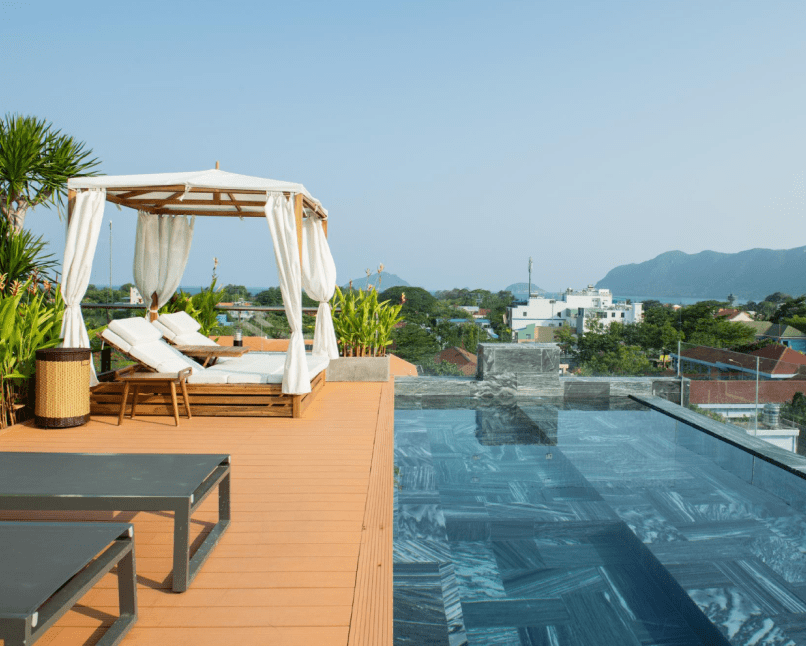
The Adriatic Riviera’s serene coastline and natural resources have spawned a thriving wellness sector. Thermal springs—found in areas like Grado and Lovran—feed spa complexes offering mineral-rich soaking pools and therapeutic mud treatments known to soothe muscles and improve circulation. Thalassotherapy centers harness seawater’s natural minerals in hydrotherapy baths, marine mud wraps, and inhalation rooms enriched with sea-air aerosols.Yoga and meditation retreats often take place on secluded beaches or within olive groves. Sunrise sessions on sand mats segue into guided breathing exercises and mindful coastal walks. Many resorts integrate holistic programs: daily spa treatments (massages, body scrubs, facials), nutritional counseling rooted in Mediterranean diet principles, and light exercise classes such as Pilates or tai chi overlooking the sea.Herbal therapies utilize local botanicals—lavender from Istria, sage from Dalmatia—infused into oils and bath blends for aromatherapy benefits. Massages incorporate these regional oils alongside techniques inspired by ancient traditions. Wellness facilities frequently occupy renovated historic villas or seaside hideaways; guests enjoy infinity pools overlooking the Adriatic, steam rooms, and saunas built into rock formations.Culinary wellness complements spa offerings: classes teaching anti-inflammatory recipes, olive oil tastings highlighting polyphenol-rich blends, and farm-to-table meals abundant in vegetables, legumes, and fish. Nutrition workshops explore the health advantages of the local Mediterranean diet.Alternative therapies—acupuncture, reflexology, traditional herbal remedies—are available through local practitioners. Group retreats foster community: shared yoga sessions, spa evenings, and beach clean-up activities strengthen bonds among participants. Solo travelers receive personalized wellness plans tailored to stress relief, detox, or fitness goals.Sustainable practices—eco-certified spa products, solar-heated pools, organic gardens—underscore many retreats’ commitment to minimal-impact operations. Between treatments, guests can explore quiet coves for mindful swims or hike coastal trails at dawn. Comfortable accommodations feature sea views, blackout curtains, and soundscapes mimicking gentle waves, enhancing sleep quality.Combining natural beauty, quality amenities, and Mediterranean lifestyle traditions, the Adriatic Riviera’s wellness retreats offer holistic rejuvenation and a balanced escape. Whether seeking thermal therapies, spiritual renewal, or healthy cuisine, visitors leave restored in body and mind.
No ads. No trails. No commitments


Alice Roses
London, England
51 ST MATTHIAS ROAD
NOTTINGHAM, NOTTINGHAMSHIRE
NG3 2HF
Hours: 8:00 - 17:00, Mon - Sat
support@johnsonholidays.com