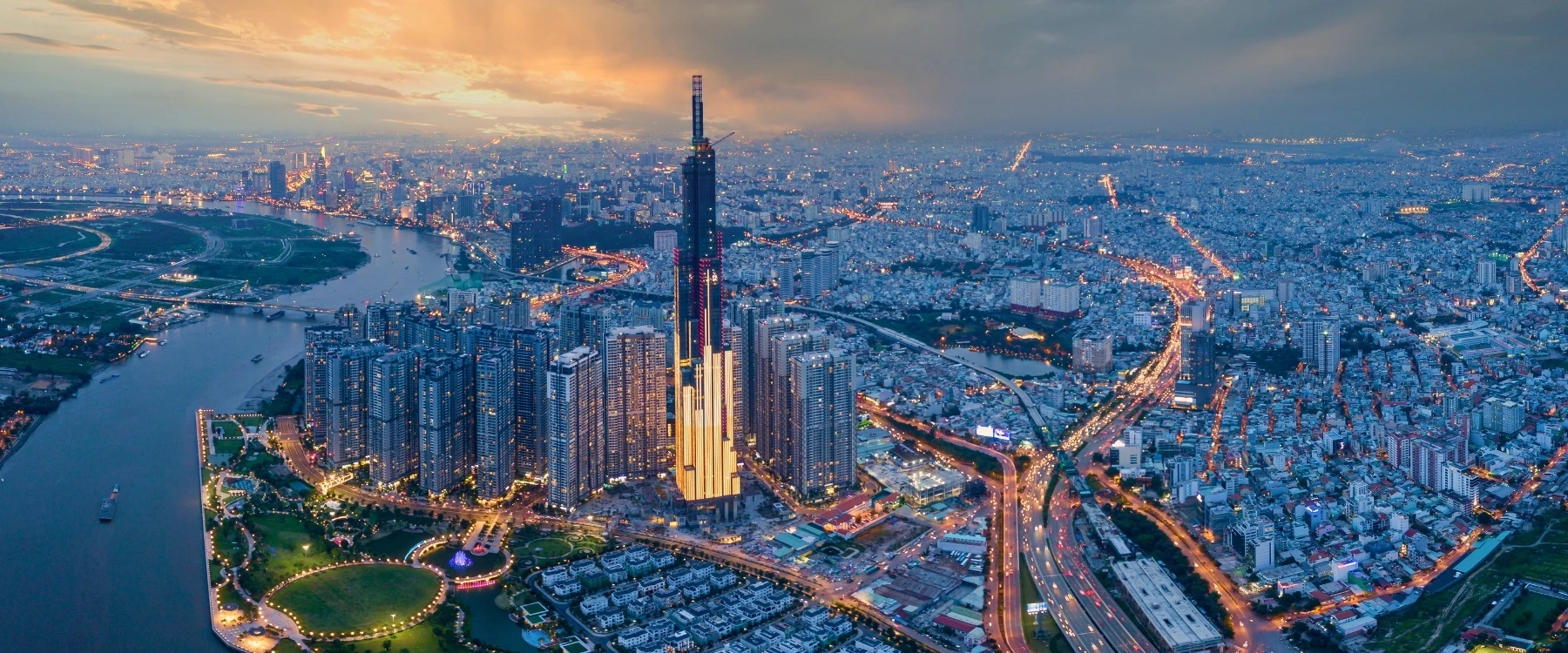
 Ho Chi Minh City Travel
Guide
Ho Chi Minh City Travel
Guide
Paris is known around the world as the “capital of love,” and even if you don't understand the history of Paris at all

12.5 Hours
£0.85
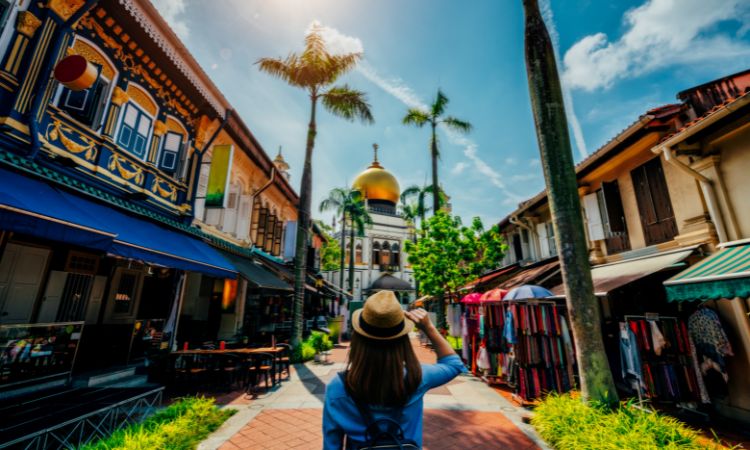
Ho Chi Minh City’s street-food scene is legendary, offering a kaleidoscope of flavours just steps from bustling sidewalks. From early-morning bowls of pho steaming with aromatic broth to late-night banh mi sandwiches packed with savoury fillings, each bite tells a story of local traditions and culinary ingenuity. Travellers can indulge in fresh spring rolls at hidden alley stalls, sample grilled seafood at weekend night markets, or sip robust Vietnamese coffee concoctions. The wide variety reflects the city’s diverse heritage—Chinese, Khmer, and French influences combine in iconic dishes. Guided food tours or independent explorations encourage sampling beyond comfort zones, creating memorable gastronomic adventures.
Learn More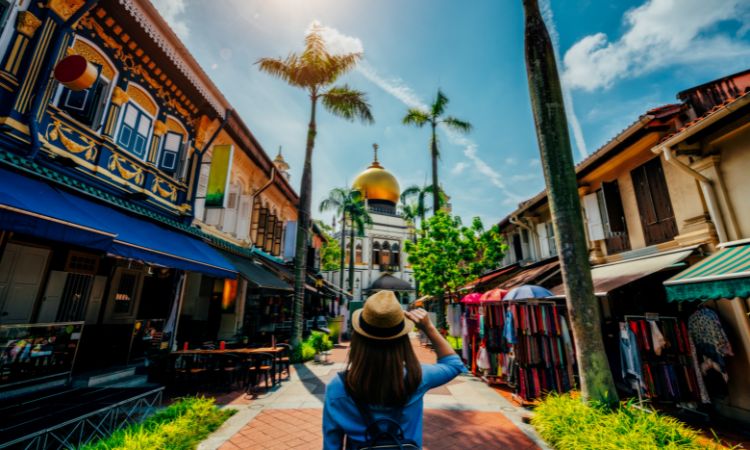
History enthusiasts will appreciate Ho Chi Minh City’s layered past, showcased in landmarks such as the Reunification Palace, where Vietnam’s modern history pivoted; the War Remnants Museum, offering candid perspectives; and the labyrinthine Cu Chi Tunnels on the city’s outskirts, revealing guerrilla ingenuity during wartime. Colonial-era architecture—tree-lined boulevards, French-built post offices, and historic pagodas—adds architectural charm. Cultural immersion extends to temples, markets, and traditional performances like water puppetry. Each site provides insight into Vietnam’s resilience and transformation, connecting travellers with narratives that shaped the nation.
Learn More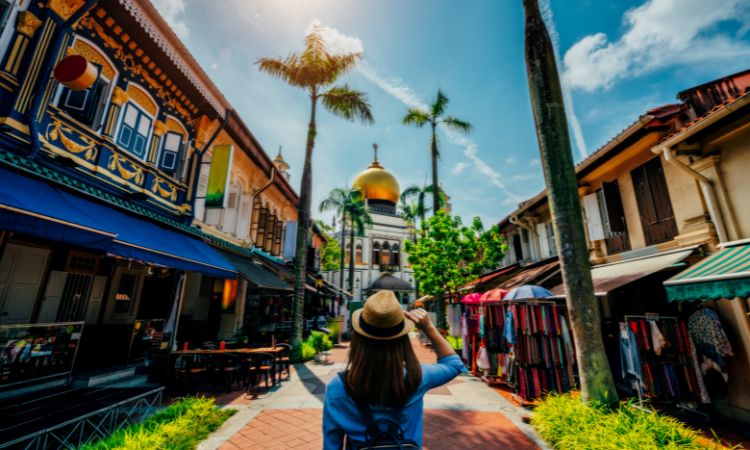
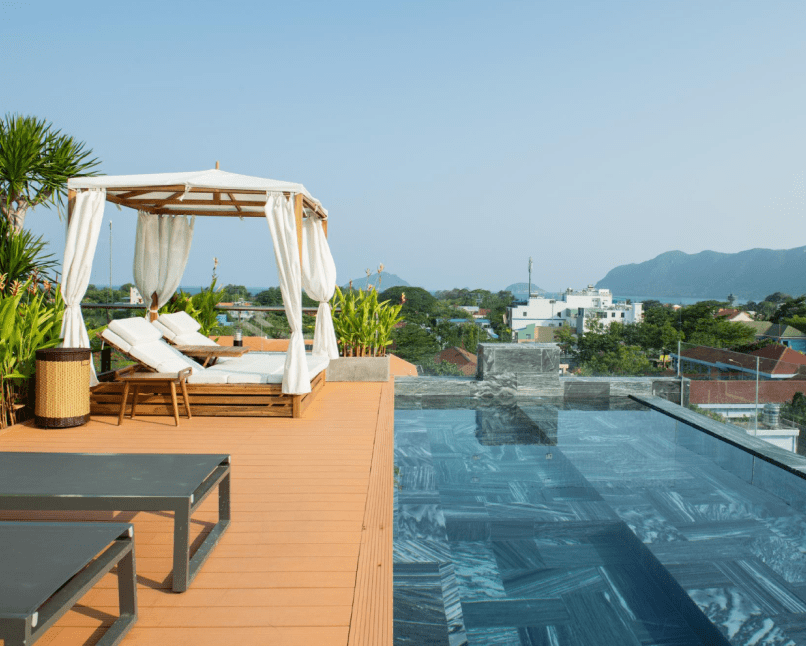
As dusk falls, Ho Chi Minh City transforms into a playground of lively bars, rooftop lounges, and late-night markets. Visitors can choose from sophisticated cocktail bars with skyline vistas, jazz clubs nestled in historic buildings, or bustling nightclubs pulsing with energy. Night markets like Bui Vien offer street performances, local crafts, and casual dining under neon lights. For a cultural evening, traditional water-puppet shows and live music venues present Vietnamese artistry. The city’s 24-hour vibrancy ensures that every traveller finds entertainment that suits their mood—whether seeking relaxed ambience or energetic celebrations.
Learn More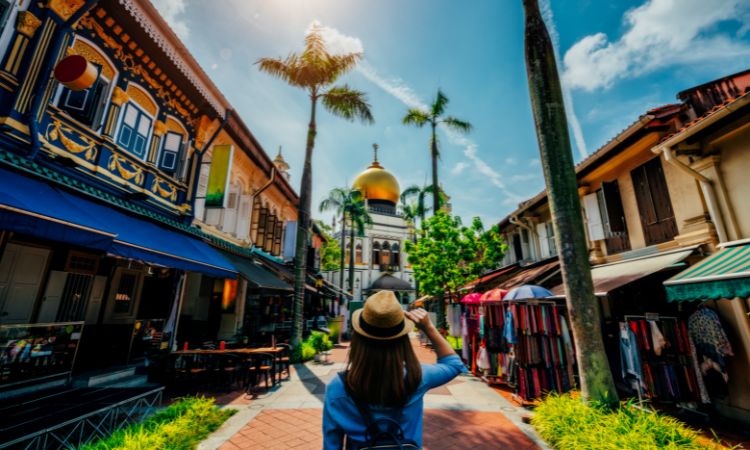
Ho Chi Minh City serves as a strategic base for exploring Southern Vietnam’s highlights. Day trips to the Mekong Delta reveal lush waterways, floating markets, and riverside villages. The Cu Chi Tunnels offer immersive historical exploration. Coastal getaways, such as Phu Quoc Island, are reachable via short domestic flights, presenting beach relaxation after urban adventures. Wellness retreats in nearby highland areas provide serene contrasts. Well-connected transport options—buses, boats, flights—simplify logistics, enabling travellers to tailor itineraries that blend city life with natural and cultural discoveries beyond urban limits.
Learn More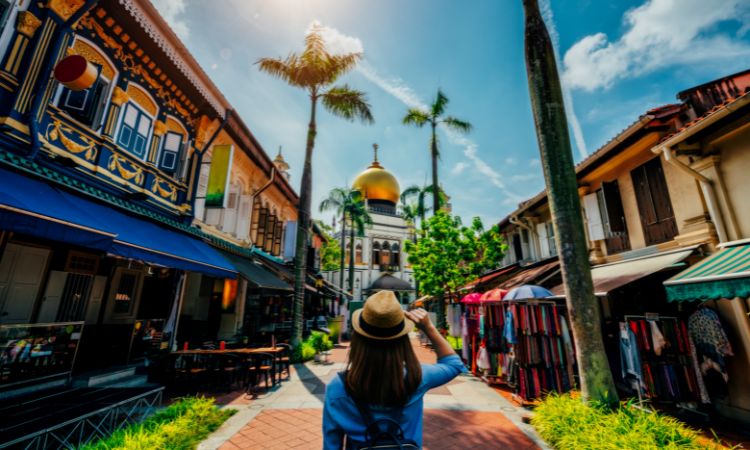
Vietnam’s favourable value proposition makes Ho Chi Minh City attractive for budget-conscious travellers without compromising quality. Accommodation options range from affordable guesthouses to luxury riverside hotels at competitive rates. Dining in local eateries offers delicious meals at modest costs, with a pint of local beer costing under £1. Transport within the city—ride-hailing apps, cyclos, buses—remains inexpensive. Even guided tours, spa treatments, and day excursions deliver high value. The combination of affordability and diverse experiences allows travellers to maximise their trip within budget constraints, making extended stays and repeated visits appealing.
Learn More
Ho Chi Minh City embodies a seamless fusion of traditional Vietnamese culture and rapid modernization. Ancient pagodas and bustling street markets coexist alongside gleaming shopping malls and avant-garde coworking spaces. Contemporary art galleries and tech start-up hubs flourish amid historic neighborhoods. This juxtaposition appeals to travellers seeking authentic cultural encounters while enjoying modern comforts. Witnessing motorbikes weaving past colonial landmarks, sampling modern interpretations of classic dishes, and engaging with the city’s entrepreneurial spirit offers a holistic travel experience that resonates with both heritage appreciation and forward-looking curiosity.
Learn More
Lorem ipsum dolor, sit amet consectetur adipisicing elit. At illo adipisci iusto
From

Because more than 268 other customers have loved us too

Demonstrates commitment to user data security through encryption and secure payment practices
Learn More
Demonstrates commitment to user data security through encryption and secure payment practices
Learn More
Demonstrates commitment to user data security through encryption and secure payment practices
Learn More
Demonstrates commitment to user data security through encryption and secure payment practices
Learn More
Quality as judged by customers. Book at the ideal price!


/ person
/ person
/ person
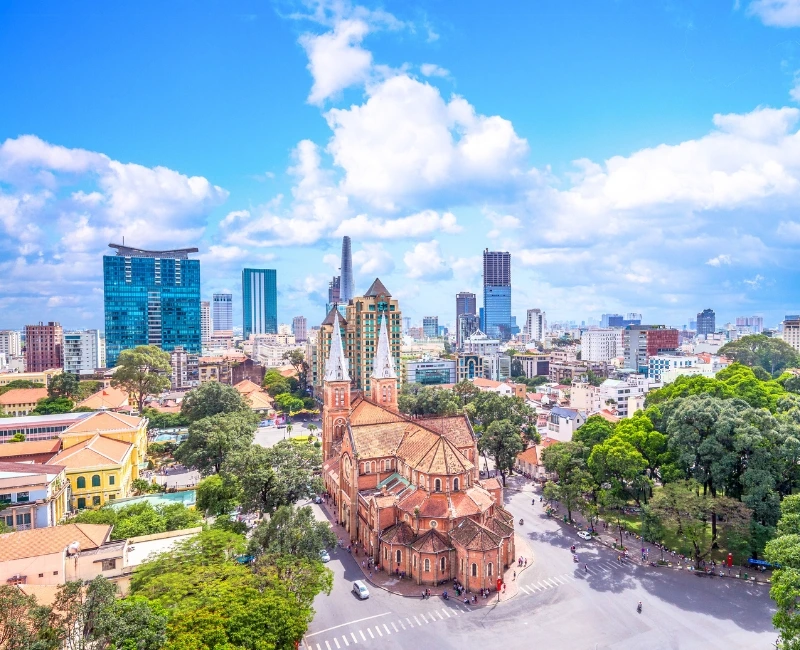
Ho Chi Minh City’s rich history is etched into its landmarks, inviting travellers to explore narratives of colonial influence, wartime resilience, and post-war transformation. Start at the Reunification Palace, where the end of the Vietnam War was symbolically marked by a tank breaching its gates; this intact presidential headquarters offers period décor, war-era rooms, and guided tours that contextualize Vietnam’s modern political journey. Nearby, the War Remnants Museum provides candid exhibits—photographs, military equipment, and testimonies—that confront visitors with the human cost of conflict, fostering a deeper understanding of the nation’s past.Wander through District 1’s French colonial architecture: the Central Post Office, with its ornate interior and vaulted ceilings; Notre-Dame Cathedral Basilica of Saigon, constructed from materials imported from France; and the Saigon Opera House, hosting cultural performances against a backdrop of classical European design. These buildings reflect 19th- and early 20th-century legacies, juxtaposed against the city’s rapid 21st-century growth.For immersive history, venture to the Cu Chi Tunnels located about 1.5 hours from the city center. Exploring narrow tunnels used by Viet Cong fighters offers hands-on insight into guerrilla warfare tactics and life underground. Guides demonstrate original trapdoors, hidden chambers, and reconstructed tunnel segments, illustrating resourcefulness under adversity. Combine this with visits to nearby villages to observe rural life, contrasting with the metropolis’s urban hustle.Pagodas and temples further reveal cultural layers: the Jade Emperor Pagoda, an atmospheric shrine with intricate carvings and incense-filled halls; Giac Lam Pagoda, among the oldest temples, reflecting Chinese-Vietnamese spiritual practices; and Mariamman Hindu Temple, showcasing the Indian influence on Saigon’s multicultural tapestry. Each site provides moments of reflection amid urban energy.Walking tours through historic neighborhoods, led by local guides, uncover hidden stories: former trading houses along backstreets, traditional shophouses juxtaposed with modern facades, and community-run projects preserving heritage. Photography enthusiasts will find endless subjects—from ornate rooftops to lively market scenes—capturing the city’s evolving identity. Whether exploring these sites independently or via guided experiences, understanding Ho Chi Minh City’s heritage grounds travellers in its rich narrative, fostering appreciation that extends beyond surface-level sightseeing.
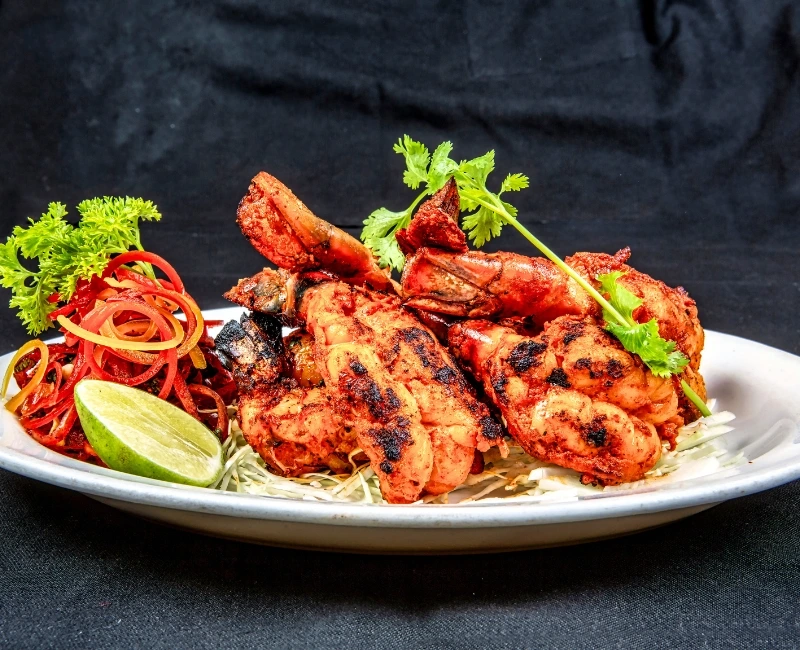
Ho Chi Minh City is a gastronomic paradise where street-food stalls and upscale eateries coexist in a dynamic culinary ecosystem. Begin at bustling morning markets such as Ben Thanh Market, where vendors serve steaming bowls of pho, delicate rice noodle soups simmered in fragrant broth, garnished with fresh herbs and thinly sliced beef or chicken. Venture to lesser-known corners for banh mi—French-inspired baguette sandwiches filled with pâté, pickles, cilantro, and grilled meats—offered by vendors whose recipes are often family secrets passed through generations.Coffee culture is integral: try traditional ca phe sua da (Vietnamese iced coffee with sweetened condensed milk) at street-side stalls, where the robust brew is filtered slowly through phin filters. For a modern twist, visit specialty coffee shops experimenting with single-origin beans, cold brew, and inventive coffee cocktails. Café hopping reveals how coffee intertwines with local rhythms—from relaxed morning gatherings to late-afternoon meetups.Seafood lovers should explore riverside and coastal influences. Sample grilled prawns and fish at open-air eateries along the Saigon River, savouring flavours enhanced by local spices and dipping sauces. Don’t miss fresh spring rolls (goi cuon) and crispy fried rolls (cha gio) paired with nuoc cham dipping sauce. Sidewalk vendors offer che desserts—sweet concoctions of beans, jellies, and coconut milk—refreshing on warm days.Fine-dining venues reinterpret Vietnamese classics, blending local ingredients with contemporary techniques. Book a dinner at a chic restaurant housed in a renovated colonial building, where tasting menus highlight regional specialties with modern plating. For craft beer enthusiasts, microbreweries and brewpubs serve local and international-style beers; pairing these with bar snacks or fusion dishes showcases the city’s evolving palette.Participate in cooking classes led by local chefs, starting with market tours to select fresh produce, then hands-on preparation of iconic dishes such as bun cha, pho, and banh xeo. These immersive experiences deepen appreciation for ingredient selection, regional variations, and culinary traditions. Food tours conducted by expert guides lead visitors through hidden vendors and street corners otherwise overlooked, providing context about food origins, cultural significance, and etiquette.Dining in Ho Chi Minh City transcends mere sustenance; it’s a cultural journey. Whether sampling supper from a motorbike cart at midnight, indulging in a refined tasting menu over skyline views, or enjoying a casual coffee break in a leafy café, every culinary encounter reveals facets of Vietnamese heritage, creativity, and hospitality. This guide ensures travellers navigate the city’s flavours confidently, maximizing enjoyment in varied settings, from humble street stalls to elegant dining rooms.
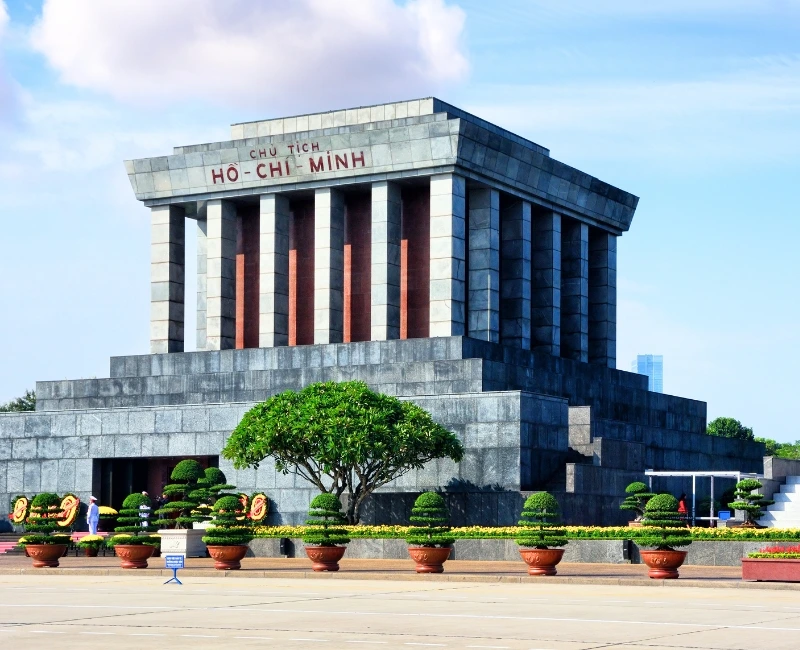
While Ho Chi Minh City’s urban allure is undeniable, its surroundings offer contrasting experiences in nature and local life. A popular excursion is the Mekong Delta, reachable via guided tours or independent travel. Early-morning departures lead to riverboat rides through tributaries, where floating markets buzz with activity: vendors on boats trading fresh produce, local specialties, and handmade goods. Stopping at riverside villages, travellers observe traditional crafts—coconut candy production, rice-paper making—and sample home-cooked meals in family-run homestays. Cycling through orchards and rice paddies provides immersive insight into rural Vietnamese rhythms.For historical reflection, the Cu Chi Tunnels form an essential half-day trip. Guided visits include crawling through reconstructed tunnel sections and encountering original artifacts, combined with briefings on guerrilla tactics. Combine this with visits to nearby coconut groves and local workshops producing traditional handicrafts, enriching understanding of countryside livelihoods.Nature enthusiasts can head to the Ba Ria–Vung Tau region for coastal relaxation. Although slightly farther, full-day or overnight trips to beaches like Vung Tau offer sun, sand, and seafood feasts along the shoreline. For those seeking waterfalls and forested escapes, day tours to highland areas such as Da Lat require longer travel but reward with cooler climates, pine forests, and unique agricultural landscapes (e.g., coffee plantations, flower farms).Within the city limits, green spaces like Tao Dan Park and Saigon Zoo & Botanical Gardens provide tranquil respites from traffic noise. Early-morning tai chi sessions or outdoor yoga classes in parks offer wellness experiences. River cruises on the Saigon River at sunset present a different perspective on the skyline, combining relaxation with city views. For adventurous travellers, guided motorbike tours venture to lesser-known outskirts—fishing villages, pepper farms, or eco-tourism sites—showcasing diverse ecosystems and local industries.Photography-focused travellers benefit from sunrise shoots at landmarks before crowds gather or golden-hour sessions along riverbanks. Birdwatching in nearby mangrove areas and wildlife sanctuaries can be arranged via eco-tours, highlighting conservation efforts. Volunteer opportunities, such as community-based tourism projects in surrounding regions, enrich visits with meaningful engagement.Whether seeking cultural immersion in river communities, adrenaline-fuelled bike rides on rural paths, beachside chill-outs, or serene nature retreats, Ho Chi Minh City’s proximity to varied environments ensures day trips and short escapes complement the city experience, offering travellers a holistic view of southern Vietnam’s landscapes, traditions, and lifestyles.
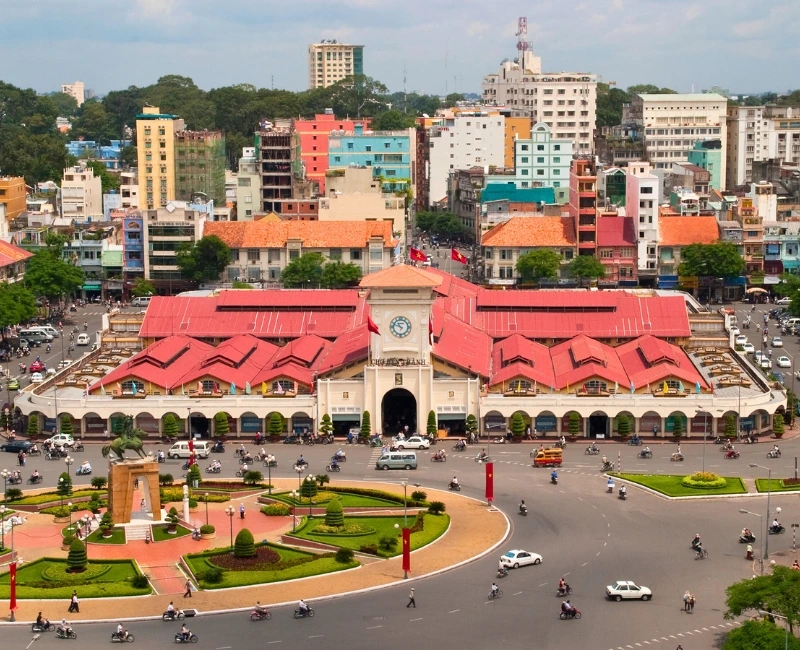
Shopping in Ho Chi Minh City ranges from vibrant street markets to upscale malls, reflecting local craftsmanship and modern retail. Start at Ben Thanh Market, a bustling hub where stalls sell textiles, handicrafts, souvenirs, and local specialties. Bargaining is customary: engaging respectfully with vendors enhances the experience, often resulting in memorable interactions and better deals. Nearby, Binh Tay Market in Cholon (Chinatown) offers wholesale goods—spices, dried herbs, fabrics—providing insight into the city’s trading heritage.For artisanal finds, explore boutiques in District 1 and District 3 showcasing Vietnamese design: handcrafted jewelry, contemporary clothing featuring local prints, and home décor items combining traditional motifs with modern aesthetics. Galleries often stock ceramics, lacquerware, and artwork by emerging Vietnamese artists, ideal for collectors seeking authentic pieces. Coffee roasters frequently sell beans and brewing equipment for enthusiasts keen to recreate Vietnamese coffee rituals at home.Modern shopping malls like Vincom Center and Saigon Centre cater to international brands, electronics, and lifestyle outlets, offering air-conditioned respite from the tropical weather. Gourmet supermarkets stocked with imported goods coexist alongside sections for local produce and packaged snacks, enabling travellers to sample local ingredients or purchase edible souvenirs. Cinemas, entertainment zones, and rooftop dining within malls provide all-in-one leisure experiences.Night markets such as the weekend Bui Vien Night Market and Artinus 3D Art Museum area combine evening shopping with street performances, food stalls, and interactive attractions, creating lively nocturnal atmospheres. Bookstores and co-working cafés tucked in quieter streets appeal to longer stays, blending leisure with productivity. Tech markets in District 10 offer electronics and accessories at competitive prices, frequented by locals and visitors alike.Eco-friendly and fair-trade shops are emerging, selling ethically sourced products and supporting social enterprises. Visiting these supports local communities and introduces travellers to alternative narratives behind consumer goods. Custom tailoring services allow visitors to commission bespoke clothing or accessories within days, a distinctive Vietnamese offering.Overall, Ho Chi Minh City’s shopping spectrum—from traditional markets preserving cultural practices to contemporary retail spaces—provides enriching experiences. Whether hunting for unique souvenirs, indulging in modern conveniences, or engaging with local artisans, shoppers gain both tangible mementos and deeper appreciation for Vietnam’s creative and commercial spirit.
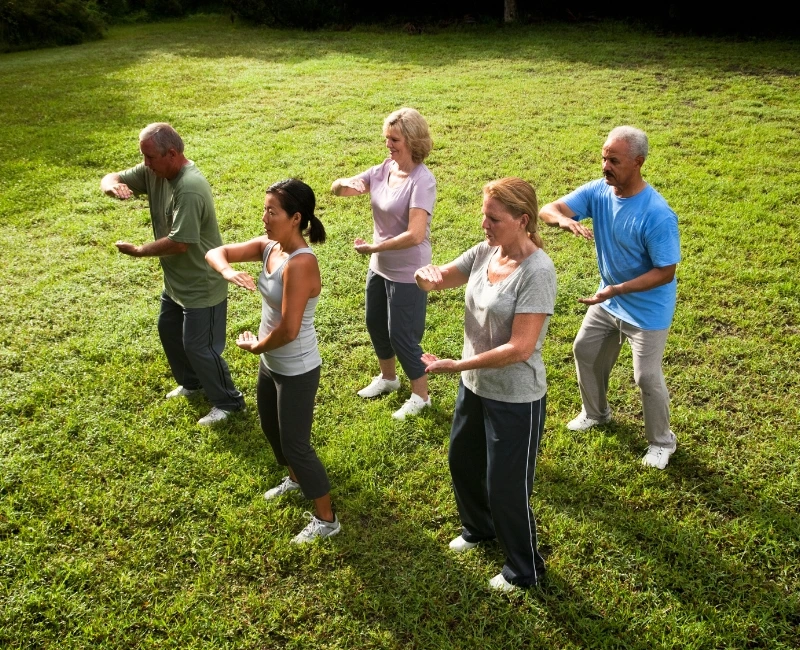
Amid Ho Chi Minh City’s energetic pace, dedicated wellness venues offer restorative escapes. Spa treatments incorporate local ingredients such as lotus, coconut oil, and herbal remedies, blending traditional Vietnamese healing practices with modern techniques. Day spas and high-end hotel wellness centres provide massages—Thai, hot-stone, reflexology—and facials tailored to tropical skin needs. Booking a multi-hour spa package allows travellers to unwind after days of exploration, rejuvenating body and mind.Yoga studios and fitness centres are increasingly popular, offering drop-in classes from Vinyasa yoga to pilates. Some parks host early-morning tai chi or meditation sessions, inviting visitors to join locals in mindful routines under tree canopies. Wellness retreats slightly outside the city combine guided meditation, healthy Vietnamese vegetarian cuisine, and nature walks, though these often require advance booking and transport arrangements.Healthy eating options are plentiful: juice bars serving fresh fruit smoothies, salad cafés focusing on nutrient-dense bowls, and vegetarian restaurants highlighting plant-based Vietnamese dishes. Cooking workshops can include lessons on crafting balanced meals using local produce, benefiting travellers seeking to maintain wellness routines while immersing in culinary culture. Coffee shops serving alternative milk options and organic blends cater to health-conscious visitors.Holistic therapies such as traditional herbal medicine consultations or acupuncture sessions are available through licensed practitioners, providing insight into Vietnamese approaches to well-being. Some wellness centres incorporate group activities—sound healing, breathwork workshops, or mindfulness seminars—creating community among travellers and locals. Retreat packages may combine spa treatments with guided cultural excursions, offering integrated experiences.For active travellers, bike tours along quieter suburban routes or guided hiking excursions in nearby highland areas combine fitness with scenic appreciation. Evening walking tours focusing on mindfulness practices in urban settings encourage seeing the city through a different lens. Many hotels feature gym facilities or partner with local studios, ensuring continuity for those with established fitness habits.Wellness in Ho Chi Minh City balances cultural authenticity with contemporary options, enabling travellers to maintain health priorities while enjoying local flavours and activities. Whether indulging in a signature herbal massage, attending sunrise yoga by the river, or incorporating nutritious Vietnamese cuisine into daily meals, visitors find multiple pathways to holistic rejuvenation amid a vibrant urban backdrop.
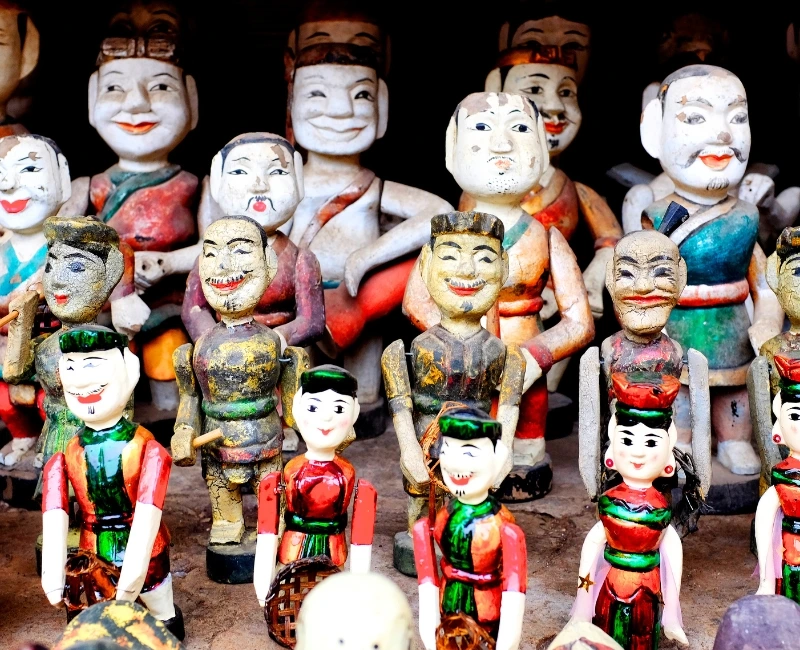
When the sun sets, Ho Chi Minh City pulses with myriad entertainment options. Rooftop bars in District 1 offer panoramic city views: sip creative cocktails while watching neon-lit skyscrapers and river reflections. Venues range from chic lounges with live DJs to sophisticated bars featuring mixologists crafting bespoke drinks using local ingredients like lemongrass or passionfruit. Budget-conscious visitors can find casual rooftop spots serving beers and simple bites without hefty price tags.Live music abounds: jazz clubs present talented local and international performers in intimate settings; indie venues host acoustic acts or themed nights; and larger venues occasionally bring touring bands. Traditional performances, such as Vietnamese water-puppet shows, are staged nightly at cultural centers, offering a glimpse into folk art traditions. Theatre productions in English or bilingual shows may be available, appealing to expatriates and global travellers.Night markets like Bui Vien and Nguyen Hue pedestrian street buzz after dark with street food, performers, and social gatherings. Karaoke lounges, popular among locals, welcome tourists to join in karaoke culture. Dance clubs vary from electronic music hotspots to venues showcasing K-pop or regional hits, reflecting Ho Chi Minh City’s international influences. Craft beer bars offer local brews alongside imported selections, often hosting tasting events or taproom gatherings.Cinema experiences include modern multiplexes showing international blockbusters, as well as independent cinemas screening art-house films or local productions. Some bars and cafés host open-mic nights, poetry slams, or board-game evenings, fostering community and creative exchange. For a scenic evening, river cruises with dinner and live music provide a relaxed alternative to land-based nightlife.Security and convenience: ride-hailing apps operate late into the night, making transfers between venues straightforward. Many establishments accommodate international payment methods. Dress codes vary: casual attire suits most rooftop bars and markets, while upscale venues may require smart-casual. Language staff often speak English, easing communication for reservations or inquiries.This nightlife landscape ensures every traveller’s preference is met—whether seeking relaxed socialising over craft cocktails, immersive cultural shows, energetic dance floors, or chilled evenings on river decks. Ho Chi Minh City’s after-dark offerings exemplify its dynamic spirit, extending the day’s adventures into memorable nocturnal experiences..
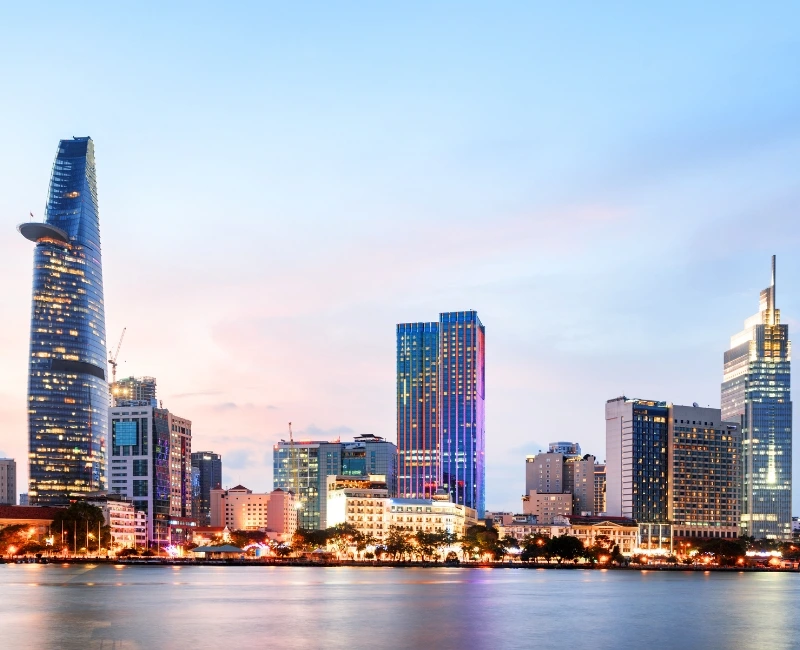
Ho Chi Minh City is not only a travel destination but also a thriving business hub attracting expatriates and digital nomads. Modern coworking spaces equipped with high-speed internet, networking events, and startup incubators reflect the city’s entrepreneurial energy. Travellers considering longer stays for work or remote projects will find communities organizing meet-ups, workshops, and professional gatherings, facilitating connections across industries.Accommodation options for longer-term stays include serviced apartments and extended-stay hotels offering kitchenettes and communal facilities. Local SIM cards with data packages are affordable, enabling seamless remote work. Cafés with stable Wi-Fi and comfortable seating cater to digital nomads seeking variety in work environments. Many establishments blend café culture with coworking features, such as quiet zones, power outlets, and drink-inclusive packages.Understanding local business etiquette is essential: Vietnamese culture places importance on respect, relationship-building, and indirect communication. Expat communities often organize cultural orientation sessions and language classes to assist newcomers. Networking events bring together local entrepreneurs, foreign investors, and professionals, offering insights into market opportunities across sectors like technology, manufacturing, and tourism.Beyond work, expats and long-term travellers can immerse in local life by learning basic Vietnamese phrases, participating in community service projects, or joining hobby clubs—for example, cycling groups exploring suburban routes or cooking classes highlighting regional dishes. Weekend getaways to nearby provinces provide relief from urban intensity, while cultural festivals and local celebrations offer opportunities to experience Vietnamese traditions firsthand.While Ho Chi Minh City’s pace can be fast, many expatriates appreciate its affordability, warm climate, and welcoming communities. Healthcare services, international schools (for families), and modern amenities are increasingly available. Exploring local markets, attending art exhibitions, and indulging in wellness activities contribute to a balanced lifestyle. For business travellers, combining meetings with cultural exploration enriches understanding of Vietnam’s market dynamics and societal nuances, fostering more effective collaboration and lasting connections.
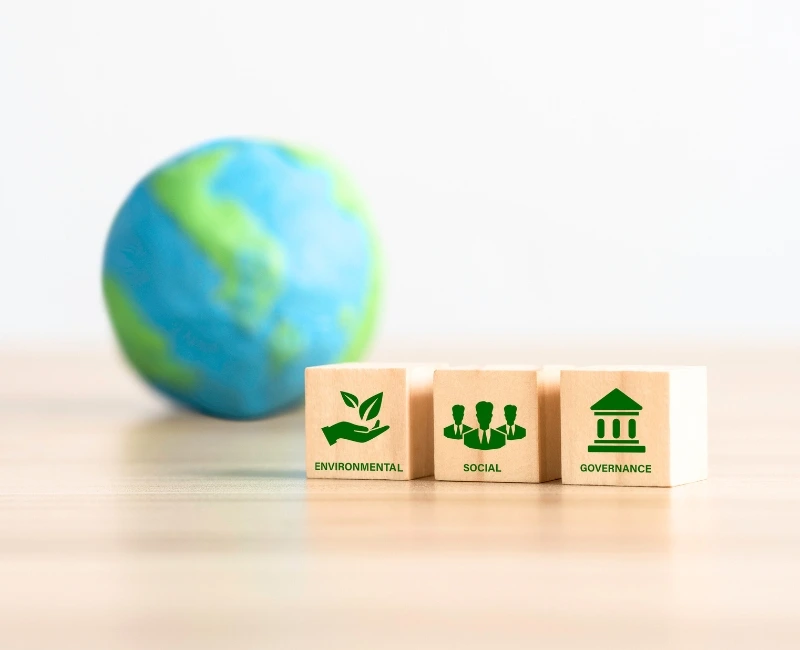
Sustainable travel in Ho Chi Minh City is gaining momentum as travellers seek responsible ways to engage with local communities and reduce environmental impact. Eco-tourism operators offer bicycle tours through lesser-known neighborhoods, highlighting community projects such as urban gardens or waste-reduction initiatives. Supporting social enterprises—cafés employing disadvantaged youth or craft cooperatives empowering artisans—ensures traveller contributions benefit local well-being.Dining with purpose: seek restaurants prioritizing locally sourced ingredients, organic produce, or fair-trade coffee. Some establishments collaborate with social programs, donating proceeds to education or environmental causes. Participating in cooking classes that source ingredients from community farms connects travellers directly to sustainable food practices and rural livelihoods. Shopping ethically involves choosing handicrafts made by cooperatives ensuring fair wages, instead of mass-produced souvenirs.Accommodation choices matter: boutique guesthouses managed by local families or eco-friendly hotels implementing water-saving and energy-efficient measures reduce carbon footprints. Responsible behaviour in crowded areas—minimizing plastic use, respecting local customs, and engaging respectfully—enhances positive traveller impact. Many tour operators now include carbon offset options or partner with conservation organizations for reforestation or wildlife protection projects.Community-based tourism extends to home-stays in villages near Ho Chi Minh City, offering immersive cultural exchange while providing direct income streams to hosts. Educational visits to social projects—such as orphan support centers or educational initiatives—should be arranged through reputable organizations ensuring ethical engagement and avoiding inadvertent harm. Volunteering opportunities for short-term travellers, coordinated by trusted NGOs, can align personal interests with community needs, whether in education, environmental conservation, or healthcare outreach.Transportation choices also reflect sustainability: using public transport or electric vehicle options, rather than private taxis for every trip, reduces emissions. Some districts promote walking tours designed to avoid congested roads, highlighting heritage sites and local enterprises. Travellers can support recycling programs by choosing accommodations and eateries with clear recycling practices.By integrating sustainable practices into itineraries, travellers not only experience Ho Chi Minh City’s vibrant culture and flavours but also contribute positively to local communities and environmental preservation. This mindful approach enriches the journey, creating deeper connections and lasting benefits for both visitors and hosts.
No ads. No trails. No commitments


Alice Roses
London, England
51 ST MATTHIAS ROAD
NOTTINGHAM, NOTTINGHAMSHIRE
NG3 2HF
Hours: 8:00 - 17:00, Mon - Sat
support@johnsonholidays.com