 Occitanie Travel
Guide
Occitanie Travel
Guide
Paris is known around the world as the “capital of love,” and even if you don't understand the history of Paris at all

2 Hours
€6
Occitanie’s cultural heritage spans millennia, from Roman ruins and medieval Cathar castles to UNESCO-listed sites such as the Canal du Midi. Historic cities like Toulouse and Montpellier blend classical architecture with modern vibrancy, while fortified towns such as Carcassonne transport visitors to bygone eras. Regional traditions persist through Occitan language festivals, folk music events, and local artisan crafts. Museums dedicated to Toulouse-Lautrec, aerospace history, and regional art provide enriching experiences. Visiting Occitanie means immersing in layers of history—from ancient hilltop villages to maritime influences—making every journey a discovery that deepens understanding of southern France’s past and present.
Learn More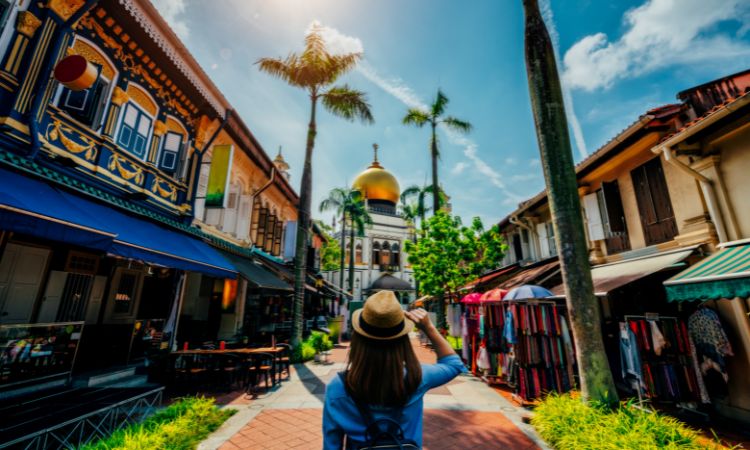
The geographic diversity of Occitanie is remarkable: the Pyrenees mountains offer skiing in winter and hiking, canyoning, and mountaineering in summer; the Massif Central’s plateaus and valleys invite adventure and exploration; the Mediterranean coastline presents sun-drenched beaches, water sports, and coastal villages; river valleys and lakes provide opportunities for kayaking, fishing, and boating. Scenic drives and cycling routes reveal vineyards, sunflower fields, and medieval villages. This variety within one region allows travellers to combine mountain adventure, seaside relaxation, and rural tranquility in a single itinerary, catering to multiple interests and ensuring repeat visits remain fresh and engaging.
Learn More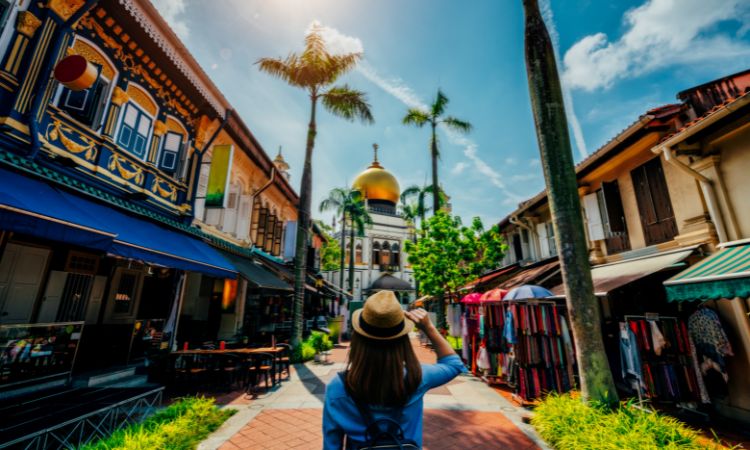
Occitanie is celebrated for its gastronomy: hearty cassoulet from Toulouse, truffle-infused dishes, foie gras, artisanal cheeses, and olive oils reflect local ingredients and culinary traditions. Vibrant markets across towns showcase seasonal produce, encouraging self-catering stays or cooking classes. Wine routes in Languedoc, Cahors, and other appellations allow tastings at family-run estates and larger domaines, offering insights into winemaking traditions. Dining ranges from rustic bistros and farm-to-table restaurants to Michelin-recommended establishments. Pairing local wines with regional dishes elevates the experience. For food and wine enthusiasts, Occitanie delivers a rich palette of flavors tied to the land, making it a gastronomic destination not to be missed.
Learn More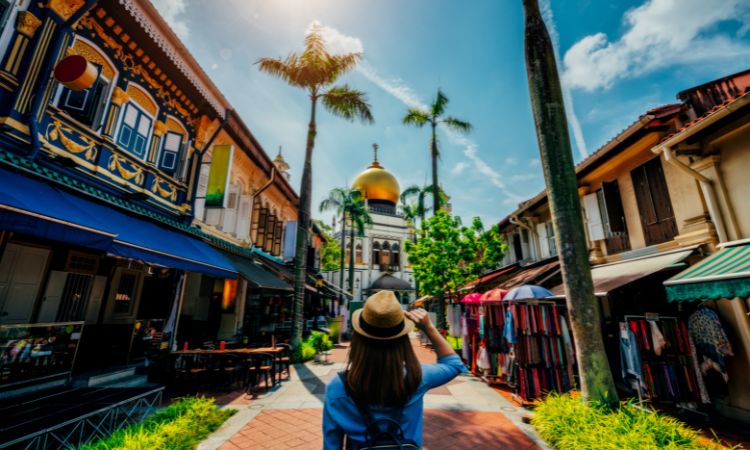
Adventure seekers find plenty in Occitanie: the Pyrenees beckon with hiking trails, via ferrata routes, and white-water rafting; the Canal du Midi and Mediterranean coast suit kayaking, paddleboarding, and sailing; cycling paths thread through vineyards and rural landscapes; rock climbing and caving are available in limestone plateaus. In winter, ski resorts in the Pyrenees provide alpine and cross-country skiing. Guided tours, equipment rental, and experienced guides make activities accessible to beginners and seasoned adventurers alike. The region’s varied terrain supports active itineraries, from day trips to multi-day expeditions, ensuring travellers can tailor experiences to fitness levels and interests for memorable outdoor exploration.
Learn More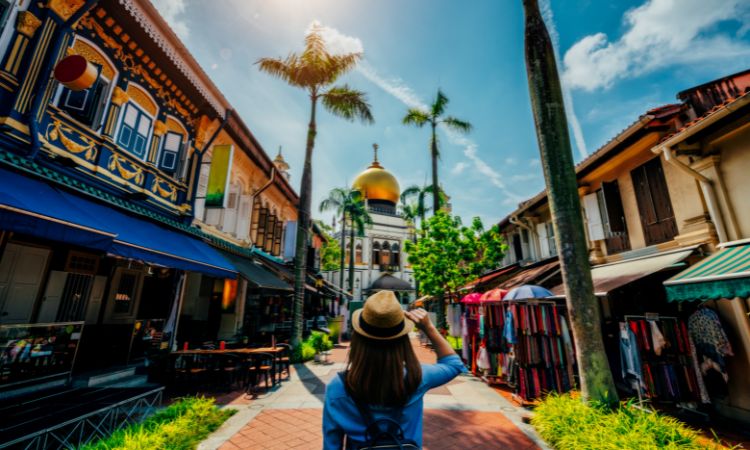
Occitanie hosts diverse festivals year-round: music events like Toulouse’s Rio Loco and Montpellier’s Festival de Radio France; film festivals; traditional Occitan celebrations; gastronomic fairs; medieval reenactments; and local fêtes celebrating harvests and saints’ days. Coastal towns stage summer events with concerts and fireworks; mountain villages hold winter festivals linked to ski culture. Cultural calendars brim with performances of classical music, jazz, dance, and theatre. These events offer immersive insight into regional identity, connecting travellers with local communities. Planning trips around festival dates enriches travel experiences, allowing participation in unique celebrations that highlight Occitanie’s dynamic cultural life.
Learn More
Beyond major cities, Occitanie’s countryside reveals authentic village life: staying in gîtes, visiting family-run farms and vineyards, and engaging in workshops (cheese making, olive harvesting) foster genuine connections. Rural tourism networks facilitate stays in restored farmhouses or small guesthouses, often including home-cooked meals. Exploring small markets, attending village festivals, and hiking in less-visited areas create off-the-beaten-track discoveries. Agritourism experiences deepen appreciation of local traditions and sustainable practices. For travellers seeking authenticity and slower-paced experiences, Occitanie’s rural heartlands offer an enriching contrast to urban and coastal highlights, underscoring the region’s warm hospitality and cultural depth.
Learn More
Lorem ipsum dolor, sit amet consectetur adipisicing elit. At illo adipisci iusto
From

Because more than 268 other customers have loved us too

Demonstrates commitment to user data security through encryption and secure payment practices
Learn More
Demonstrates commitment to user data security through encryption and secure payment practices
Learn More
Demonstrates commitment to user data security through encryption and secure payment practices
Learn More
Demonstrates commitment to user data security through encryption and secure payment practices
Learn More
Quality as judged by customers. Book at the ideal price!


/ person
/ person
/ person
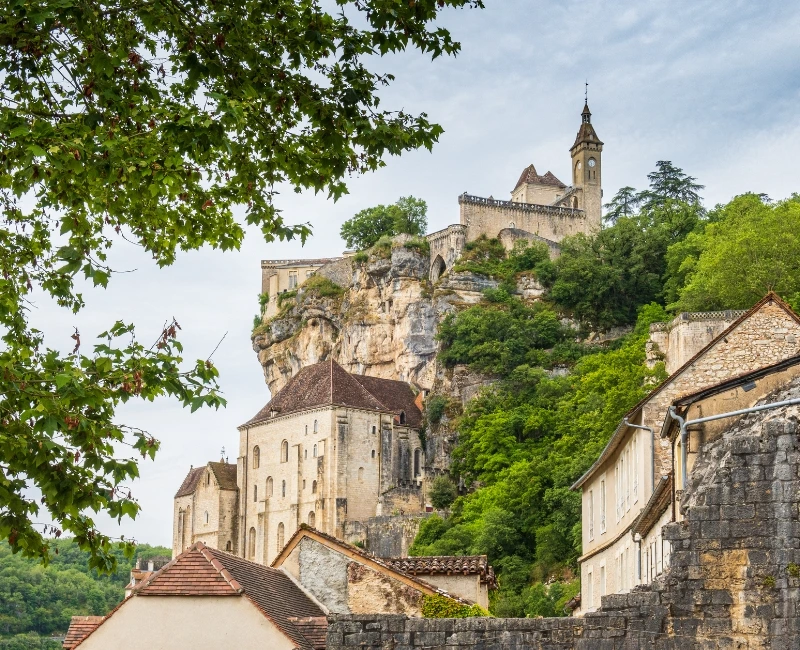
Occitanie’s medieval and heritage cities immerse travelers in living history, where ancient walls, narrow lanes, and vibrant traditions coexist with modern life. At Carcassonne, the double-walled citadel—its concentric ramparts and 52 towers—rises dramatically above the Aude Valley. Walk the chemin de ronde at dawn to witness soft light on stone battlements, then explore interior streets lined with artisan stalls demonstrating weaving, pottery, and traditional crafts. Inside, interpretation centers recount Carcassonne’s strategic role during the Albigensian Crusade and its 19th-century restoration by Viollet-le-Duc. Below, the Bastide Saint-Louis showcases a 13th-century grid plan; its covered market brims with regional charcuterie, cheeses, and wines.Albi, with its massive brick Sainte-Cécile Cathedral, exemplifies Gothic ambition. Its intricate interior frescoes and sculpted portals contrast with warm red exteriors. Nearby, the Palais de la Berbie houses the Toulouse-Lautrec Museum, tracing the painter’s life against a backdrop of Tarn-river vistas. Stroll Albi’s half-timbered streets and plane-tree promenades, and catch summer concerts in cloistered courtyards.Perched above misty plains, Cordes-sur-Ciel floats at dawn—its Gothic façades, arrow-slit windows, and fortified gates narrate a 13th-century merchant uprising. Galleries and ateliers fill its stone lanes, where glassblowers, weavers, and textile artists reveal how medieval forms inspire contemporary work. Lantern-lit night tours transport visitors back to medieval pageantry.Toulouse, “La Ville Rose,” glows with terracotta brick. Capitole square’s neoclassical frontage conceals Baroque-style halls. Walk to the UNESCO-listed Basilica of Saint-Sernin, a Romanesque marvel with soaring barrel vaults, then explore the Couvent des Jacobins—its palm-tree column and radiating chapels epitomize Gothic lightness. Museums like the Musée des Augustins chart regional art from medieval altarpieces to Renaissance portraits.Montpellier balances student energy with medieval charm. Around Place de la Comédie, l’Écusson’s labyrinthine streets reveal hidden fountains and Renaissance mansions. The Musée Fabre connects local heritage to European art movements. Evening gas-lamp walks during summer festivals enliven stories of medieval guilds and mercantile families.Nearby, Pézenas—Molière’s favorite staging ground—offers fine Renaissance façades and candlelit opera nights. Foix’s hilltop château, with its sturdy keep and ramparts, evokes borderland feuds and Cathar resistance; local museums display artifacts of daily medieval life.Across these cities, dining in centuries-old inns and staying in restored townhouses deepen connections to the past. Heritage workshops—masonry, manuscript illumination, traditional crafts—and period festivals fuse history with living culture, ensuring Occitanie’s medieval legacy resonates long after departure.
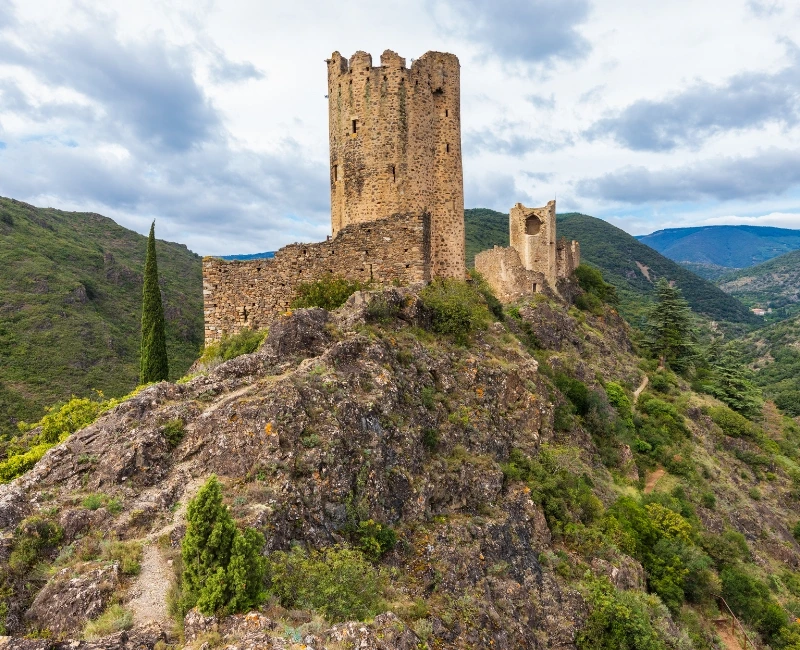
Occitanie’s Cathar castles and religious sites stand as poignant testaments to faith, conflict, and resilience. Clinging to rocky summits, Peyrepertuse, Quéribus, Montségur, and Puilaurens reveal strategic medieval fortifications set against sweeping Pyrenean foothills. Trails ascend through aromatic garrigue and pine forests; each switchback heightens anticipation until fortress ruins emerge—crumbling walls, partial keeps, and chapel remnants that once protected the Cathar “pure ones.”Montségur, the “holy mountain,” commands reverence for its 1244 siege ending in martyrdom. The hike begins in the village below, where a small museum details archaeological digs, Cathar dualist beliefs, and Albigensian Crusade politics. At the summit, panoramic views over valleys and peaks reinforce the site’s spiritual solitude. Interpretive plaques recount how over 200 Cathars chose death over renouncing faith.Peyrepertuse impresses with multi-tiered defenses: successive gateways climb the peak, showcasing medieval military engineering. On clear days, you glimpse Mediterranean hills in the distance. Nearby villages offer hearty mountain fare—cured meats, stews, and rich cheeses—paired with local wines. Seasonal medieval reenactments and candlelit night tours transform ruins into atmospheric stages.Quéribus stands as another sentinel at Occitanie’s border, its ramparts framing vistas of both French and Catalan landscapes. Along the winding trail, stops explain communication methods—signal fires linking castles—and life in exposed high-altitude garrisons.Beyond castles, religious heritage flourishes in abbeys like Saint-Guilhem-le-Désert, nestled in a dramatic gorge. Founded in 804, its Romanesque nave and cloistered courtyards speak to monastic devotion. Pilgrims historically passed through here en route to Santiago de Compostela; today’s guided visits explore manuscript traditions and monastic architecture.Hands-on workshops deepen comprehension: medieval masonry demonstrations show how masons shaped stones for walls; manuscript-illumination classes highlight vibrant inks and gold leaf techniques. Lectures on Cathar texts (in translation) reveal their spiritual worldview. Multi-day itineraries combine hikes between fortresses, rural guesthouse stays, and communal meals echoing medieval feasting.Photography opportunities abound—sunrise light on weathered stone, clouds drifting below mountaintops, and silent chapels isolated in valleys. Quiet contemplation at cliff-edge chapels invites reflection on perseverance and belief. A journey through Occitanie’s Cathar and religious heritage is as much an inner pilgrimage as a historical exploration, connecting visitors to narratives of conviction, conflict, and cultural memory that continue to shape the region’s identity.
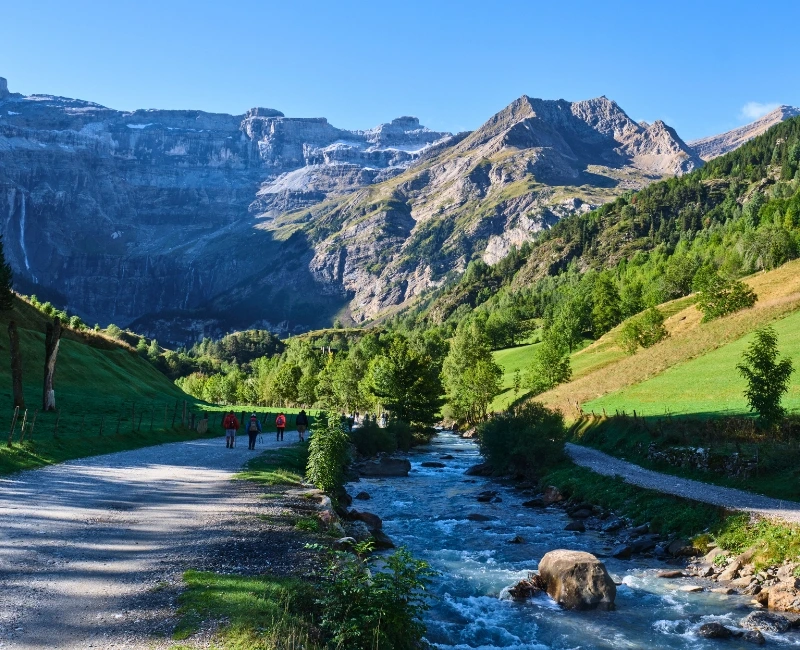
Occitanie’s Pyrenees deliver year-round mountain thrills, blending high-adrenaline sports, serene nature, and cultural immersion. In summer, Parc National des Pyrénées unfolds with hundreds of kilometers of marked trails, leading to glacial lakes, wildflower meadows, and towering summits. Family-friendly loops around Lac de Gaube or Cirque de Gavarnie showcase alpine waterfalls and UNESCO-protected cirques. For seasoned hikers, multi-day treks such as the Haute Route offer rugged high-pass crossings and overnight stays in rustic refuges, where simple dormitories and communal meals fuel the journey.Via ferrata routes—iron rungs and cables secured to limestone cliffs—provide thrilling vertical climbs accessible to novices under guide supervision. Canyoning excursions in turquoise mountain streams combine rappelling, cliff jumps, and natural slides, guided by experts ensuring safety and environmental respect. Paragliding jumps from Col de Peyresourde or Pic du Midi grant aerial perspectives over valleys and villages, while mountain-bike trails carve forest paths and ridge-line singletracks. Local outfitters rent gear and tailor guided adventures to ability levels.Winter transforms resorts like Font-Romeu, Les Angles, and Ax-les-Thermes into snowy playgrounds. Skiers and snowboarders navigate groomed pistes and backcountry powder; beginners learn on gentle nursery slopes. Cross-country tracks traverse tranquil forests, and snowshoe hikes reveal silent, snow-clad landscapes. Thermal spas in Ax-les-Thermes offer therapeutic hot springs—soak amid snowy peaks for restorative comfort.Spring and autumn shoulder seasons highlight seasonal spectacle: melting snow feeds cascades, while autumn paints woodlands in fiery hues. Mountain villages celebrate transhumance festivals, herds moving to high pastures accompanied by music, dance, and regional dishes like garbure soup. Workshops on alpine cheese-making at highland farms demonstrate traditional production of Tomme and Bethmale.Wildlife-watching tours seek marmots, chamois, and bearded vultures, while birders track migratory shorebirds at lakeshore reserves. Mountain refuges and chalets under star-filled skies make ideal photography subjects at dawn and dusk. Sustainability is woven into adventures: guides emphasize Leave No Trace, local ecology, and cultural heritage.Whether chasing adrenalin on via ferrata, savoring tranquility beside a glacial lake, or relaxing in thermal waters after a day’s ascent, Occitanie’s Pyrenees offer multifaceted mountain adventures that forge deep connections to nature, tradition, and personal endurance.
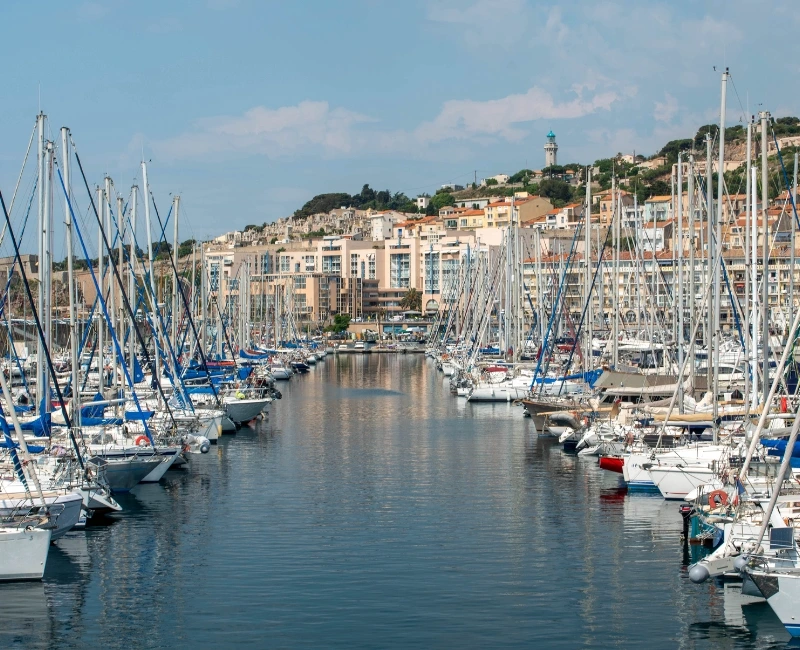
Occitanie’s Mediterranean coastline extends from Camargue’s marshes to Côte Vermeille’s cliffs, offering beach leisure, wildlife encounters, and cultural depth. In the Camargue, guided tours on horseback or bicycle traverse wetlands where pink flamingos, wild white horses, and black bulls roam. Salt pans glisten under the sun, and rice paddies attest to agricultural heritage. Birdwatching enthusiasts find spring and autumn migrations especially rewarding, with experts explaining conservation efforts.Eastward, Montpellier’s nearby beaches—Palavas-les-Flots and La Grande-Motte—feature golden sand, gentle slopes, and family amenities: lifeguards, showers, paddle-board rentals, and beachfront cafés serving grilled sardines, seafood paella, or light salads for £12–£18. Summer evenings come alive with open-air concerts and film screenings; shoulder seasons invite peaceful shoreline walks amid driftwood and migrating seabirds.Cap d’Agde blends beach resorts with marina life: sailing charters explore hidden coves; scuba-diving centers guide certified divers through underwater gorges; coastal bike paths link villages, offering panoramic sea views. Accommodations range from spa hotels to self-catering apartments—off-peak stays yield discounted rates.Étang de Thau, a vast coastal lagoon near Sète, sustains centuries-old oyster and mussel farming. Boat tours glide past oyster parks; onboard tastings pair mollusks with Picpoul or Muscat de Frontignan. Sète’s canal-lined streets, fish markets, and Fête de la Saint-Louis in August celebrate maritime traditions.Côte Vermeille’s cliffs and vineyards meet the sea in Collioure and Banyuls-sur-Mer. Coastal hikes on GR® paths trace cliff-edge routes between secluded beaches. Collioure’s fortified ramparts, pastel façades, and artist legacy—Matisse and Derain—enrich visits to galleries showcasing Fauvist works. Banyuls’ fortified wines and Catalan-inspired cuisine—seafood stews, anchovy tapenade—complement shoreline scenery.Sea-kayaking tours navigate sea caves and hidden inlets; snorkeling reveals Posidonia meadows teeming with fish. Sunset boat cruises offer romantic settings, with charcuterie and cheeses served onboard (prices in euros, easily converted to pounds). Medieval fortresses—such as in Sète and Collioure—frame coastal panoramas.Seasonal seafood festivals celebrate squid in Sète or anchovies in Collioure, with live music and communal dinners. Accommodations in fishing villages, beachfront resorts, or vineyard guesthouses yield varied coastal experiences. Off-season visits reward solitude and mild 16–20 °C weather, perfect for hiking, cycling, and birdwatching.Occitanie’s Mediterranean coast blends sun, sea, and culture: from Camargue wetlands to rocky coves, inviting beachgoers, nature lovers, and history buffs to discover its multifaceted shoreline.
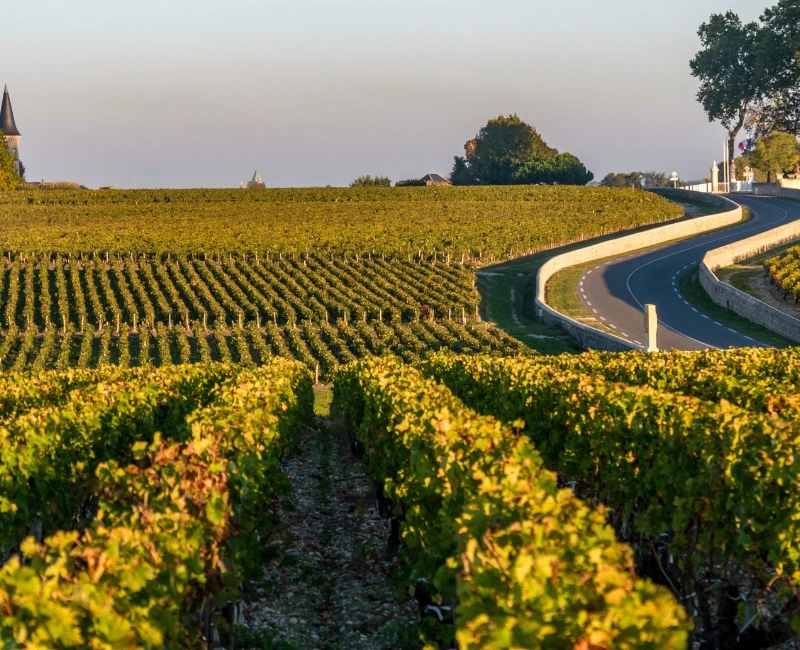
Occitanie’s wine routes span diverse appellations—Languedoc’s sun-drenched plains, Cahors’ river valleys, and Gaillac’s ancient terroirs—offering immersive viticultural experiences. In Languedoc, vineyards undulate toward the Mediterranean and scrubland. Family-run domaines invite cellar tours explaining pruning tailored to hot summers, fermentation in oak or stainless steel, and aging profiles. Tastings commonly feature vertical flights—comparing young and mature vintages—to reveal seasonal influence.The Lot Valley’s Cahors appellation, famed for its Malbec (“black wine”), leads visitors into limestone cellars hewn from cliffs. Atmospheric tastings here recount the region’s resilient recovery from phylloxera and showcase modern organic or biodynamic practices. Vineyard-side lunches pair robust reds with cassoulet or duck confit, illustrating food–wine harmony.Gaillac, one of Europe’s oldest wine regions, highlights indigenous grapes like Mauzac and Duras. Guided tours may include traditional press demonstrations or harvest-time celebrations where guests assist in grape picking and stomp in vats, followed by communal meals under vine pergolas.Less-known routes in Fronton or Minervois reveal boutique producers crafting artisanal blends of Syrah, Grenache, and Carignan. Many vineyards now offer on-site gîtes and chambres d’hôtes, enabling overnight stays among rowed vines, morning tastings, and al fresco breakfasts paired with estate whites.Culinary pairings extend wine experiences: olive oil mills demonstrate harvest-to-press techniques; mountain cheese dairies showcase Tomme and Laguiole’s alpine flavors; truffle markets in winter connect tuber aromas to regional reds. Cycling routes—such as Bordeaux’s Médoc or Languedoc’s coastal vineyards—offer scenic pedaling between estates.Seasonal events enrich visits: spring’s budburst scenery, outdoor summer concerts in vineyards, autumn’s vibrant harvest festivals, and winter’s cozy cellar tours. Wine fairs in regional towns bring dozens of producers together, offering seminars on sustainable viticulture, organic certification, and trends in natural wines.For oenophiles seeking depth, blending workshops guide guests in crafting personal cuvées; masterclasses cover oak-aging impact and blind-tasting techniques. Photography opportunities include dawn mist over vines, grape clusters at peak ripeness, and barrel-filled cellars aglow in torchlight.Occitanie’s wine routes deliver sensory immersion in terroir-driven flavors, centuries of tradition, and innovative practices, forging enduring appreciation for southern France’s viticultural tapestry.
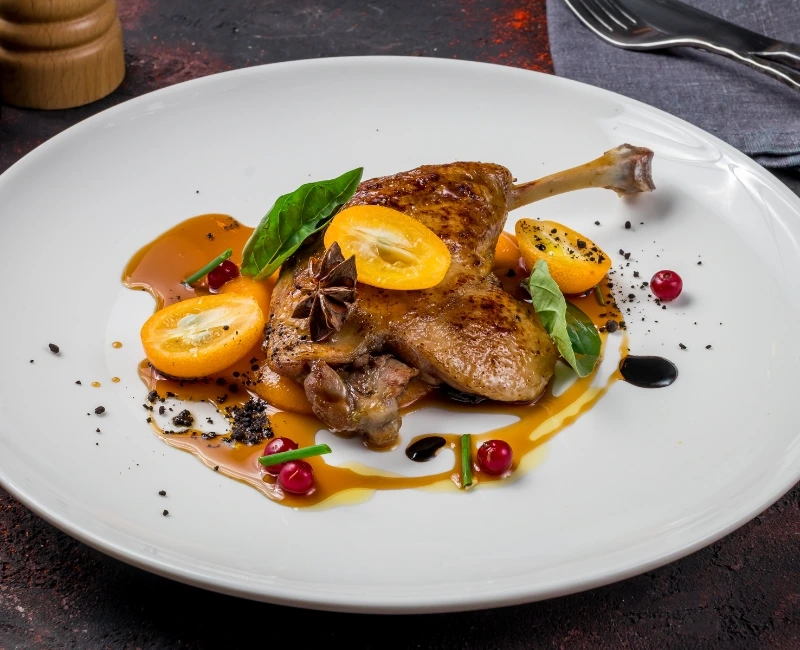
Occitanie’s local cuisine unfolds through vibrant markets, interactive workshops, and dining venues celebrating regional ingredients and culinary traditions. Toulouse’s Marché Victor Hugo and Marché des Carmes burst with seasonal produce—ripe tomatoes, garrigue herbs, and autumn mushrooms—alongside charcuterie like saucisse de Toulouse and artisanal cheeses including Roquefort. Engaging vendors share provenance stories and selection tips.Cooking classes, held in urban kitchens and rural estates, teach emblematic dishes. Cassoulet workshops demonstrate layering white beans, confit duck, and Toulouse sausage, slow-cooked to creamy perfection. Participants learn rendering duck fat and achieving crispy gratinés—skills transferrable to home kitchens. Other classes focus on duck confit, truffle-infused risottos (February–March), or croustade aux pommes, highlighting pastry techniques.Farm visits deepen context: duck and goose farms reveal humane rearing and foie gras production standards. Mountain cheese dairies showcase milk curdling, molding, and aging methods yielding Tomme de Lozère or Laguiole. Olive oil mills near the coast conduct tastings—bitter, fruity, peppery notes elucidated by producers. Beekeeping farms offer honey-tasting flights, with flavor profiles from lavender, chestnut, or rosemary.Coastal seafood experiences link daily catches to cuisine: join dawn fish-market tours in Sète to select sea bass or monkfish; taste oysters and mussels aboard Étang de Thau boat tours, learning aquaculture practices.Gastronomic festivals—foie gras fairs in winter, truffle markets in late winter, chestnut festivals in autumn—feature vendor stalls, cooking demos, and communal banquets. Recipes shared include mushroom ragouts and honey-glazed chestnuts.Dining ranges from village bistros serving market-driven lunch “formules” (€15–€20) to Michelin-starred tables where chefs reinterpret local flavors with modern techniques. Wine pairings enhance dishes, underscoring regional viticulture ties.For immersive stays, agritourism properties offer harvest participation—grape or olive picking—followed by cooking sessions using freshly gathered ingredients. Evenings around communal tables foster camaraderie and cultural exchange.Through markets, workshops, and communal meals, Occitanie’s cuisine becomes an interactive narrative—of land and sea, of seasonal rhythms, and of culinary artistry—leaving travelers with skills, stories, and flavors to cherish..
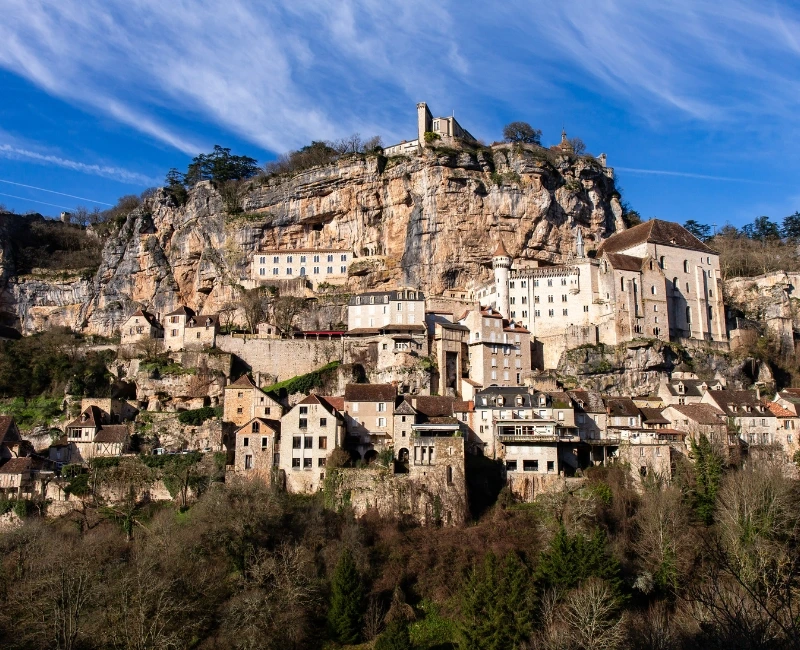
Occitanie pulsates with festivals year-round, celebrating music, heritage, gastronomy, and artistic innovation. Spring heralds flower festivals—Saint-Guilhem-le-Désert’s spring garden tours and floral installations—and Easter processions blending devotion and local customs.Summer ignites outdoor festivals: Rio Loco in Toulouse animates Garonne riverbanks with world music; Montpellier’s Festival Radio France presents classical concerts in historic cloisters; electronic and jazz festivals attract global talents. Open-air cinemas screen under stars in amphitheaters and town squares, forging communal bonds. Medieval fairs in Mirepoix and Minerve revive 13th-century markets, complete with costumed artisans, jousts, troubadours, and tastings of period-inspired dishes.Gastronomic celebrations dot the calendar: foie gras fairs in winter allow tastings and chef demos; truffle markets in late winter pair hunts with cooking showcases; harvest festivals in September unite vineyard communities for grape picking, live music, and festive dinners under vine pergolas. These events often include vineyard tours detailing fermentation and sustainability.Film festivals spotlight regional and Mediterranean cinema: Cinemed in Montpellier screens works from around the Mediterranean, fostering cultural exchange; Toulouse’s Cinélatino highlights Latin American film, with director Q&As deepening insights. Theatre, dance, and contemporary art intersect in castle courtyards and abbey cloisters—performances blend ancient venues with modern expression. Workshops let participants learn traditional dances or collaborate on public art projects.Autumn’s chestnut festivals and honey fairs celebrate foraging traditions; mushroom-identification walks culminate in communal stews. Winter brings Noël markets in Toulouse and Montpellier, offering handcrafted gifts, spiced treats, and mulled wine. Mountain resorts host winter-sports events and après-ski concerts.To participate fully, check festival calendars months ahead for accommodation and event tickets. Each festival—whether medieval, musical, culinary, or cinematic—illuminates Occitanie’s evolving identity, where traditions are both preserved and reinvented, inviting travelers to celebrate alongside locals and craft indelible memories.
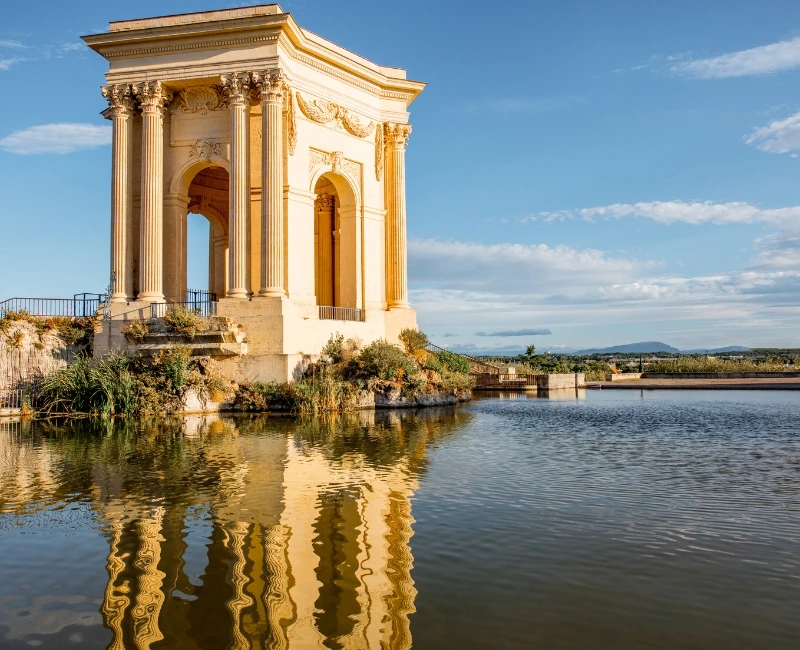
Occitanie’s creative spirit thrives in hands-on workshops where travelers learn traditional crafts and contemporary arts alongside local artisans. Pottery studios, especially near Toulouse and Montpellier, offer courses in wheel-throwing and glazing, using regional clay and mineral pigments that yield Mediterranean-inspired hues. Beginners shape vessels under master potters’ guidance; seasoned participants refine techniques in multi-day residencies.Textile workshops in villages leverage Occitan weaving patterns and natural dyes from madder, indigo, or weld. On small looms, travelers create scarves or wall hangings featuring stylized floral and geometric motifs. Embroidery and lace-making sessions preserve age-old skills once vital to rural economies, with instructors demonstrating intricate stitch work.In the Pyrenean foothills, wood- and metal-working ateliers introduce blacksmithing and knife-making. Under expert supervision, participants forge simple blades, hammering heated steel and carving wooden handles from local timber. Leather workshops teach basic tooling techniques to craft belts or journal covers, reflecting pastoral traditions.Glassblowing studios near historic glassmaking centers allow guests to gather molten glass, shape beads or small bowls, and explore color blending. Lampwork workshops focus on glass rod manipulation over torches, producing ornamental beads. Stained-glass sessions demonstrate cutting colored panes, soldering lead cames, and designing light-catching panels—skills rooted in medieval church restoration.Artistic workshops extend to plein-air painting and photography. Guided painting sessions in vineyard landscapes or coastal cliffs teach observation of light and composition; critique gatherings foster creative exchange. Photography tours capture medieval towns, wetlands, or mountain vistas at golden hour, with instructors advising on exposure and framing.Culinary arts merge craft and flavor: chocolate tempering classes in Toulouse produce ganaches infused with local honey; pastry workshops explore croustade aux pommes or regional cakes flavored with almonds and orange blossom.Workshops often pair with artisan market visits, where travelers observe makers at work—potters shaping clay, weavers operating looms, blacksmiths forging metal—and purchase one-of-a-kind pieces. Multi-day creative retreats combine crafting sessions with cultural excursions: morning material gathering in garrigue for dye pigments, afternoon studio work, and evenings sharing communal meals infused with regional flavors.By engaging directly with artisans, participants gain practical skills, appreciation for craftsmanship, and tangible souvenirs embodying Occitanie’s artistic legacy. These immersive experiences forge connections to local culture, ensuring travelers depart with not only handcrafted treasures but also lasting creative inspiration.
No ads. No trails. No commitments


Alice Roses
London, England
51 ST MATTHIAS ROAD
NOTTINGHAM, NOTTINGHAMSHIRE
NG3 2HF
Hours: 8:00 - 17:00, Mon - Sat
support@johnsonholidays.com