 Dalaman Travel
Guide
Dalaman Travel
Guide
Paris is known around the world as the “capital of love,” and even if you don't understand the history of Paris at all

4 Hours
£1.40
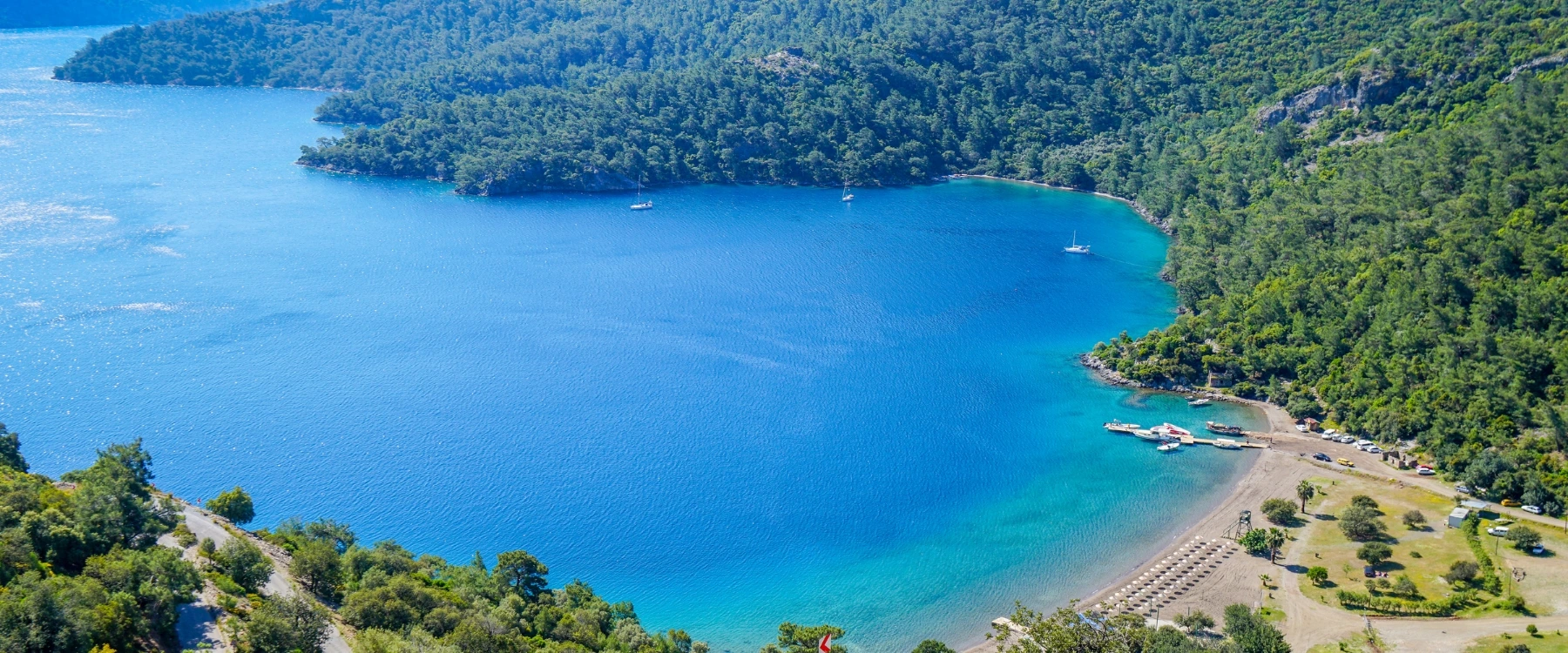
Dalaman’s coastline features an array of beaches with golden sand and crystalline waters. From the acclaimed Iztuzu Beach—vital nesting grounds for endangered loggerhead turtles—to tranquil coves like Sarsala Koyu and Sarigerme Beach, there’s a seaside spot suited to every traveller. These beaches offer facilities for sunbed rentals, watersports (snorkelling, paddleboarding, jet-skiing), and family-friendly swimming zones. The combination of pine-fringed backdrops, clear shallow waters, and ecological significance makes Dalaman’s beaches both beautiful and meaningful destinations. Opting to book here means embracing responsible tourism alongside relaxation, knowing many beaches are protected or monitored for environmental preservation.
Learn More
Dalaman Airport (DLM) offers frequent charter and scheduled flights from major European cities, including direct routes from the UK taking around 4 hours 10 minutes. Transfers from the airport to resorts such as Göcek, Marmaris, or Fethiye typically range between 30 to 90 minutes by well-serviced shuttles or private transfers. This accessibility enables efficient holiday planning, maximising time on the ground rather than in transit. Flight schedules peak during summer months but shoulder season options still provide convenient connections. For travellers seeking multi-destination itineraries along Turkey’s Turquoise Coast, Dalaman serves as a strategic hub with reliable transport infrastructure, making it easy to combine beach relaxation with cultural or adventure excursions inland.
Learn More
Beyond beaches, Dalaman region is steeped in history. Short drives lead to the ancient Lycian city of Kaunos, where rock-cut tombs perched above the Dalyan River reveal stories from Hellenistic to Roman eras. Boat trips along the river pass by classical ruins and traditional mud baths, linking relaxation with cultural discovery. Nearby Fethiye boasts the tomb of King Amyntas and the UNESCO-listed rock tombs of the Lycian necropolis. Inland, small villages preserve traditional Turkish architecture and local crafts. Choosing Dalaman means combining sun-drenched beaches with deep dives into Anatolia’s layered past, appealing to travellers who value meaningful cultural encounters alongside leisure.
Learn More
For active travellers, Dalaman region offers canyoning, rafting on nearby rivers, paragliding over coastal vistas, horseback riding through pine forests, and mountain biking on scenic trails. Boat safaris reveal hidden coves and snorkeling spots, while scuba diving excursions connect explorers with underwater marine life. Early mornings can be spent hiking to panoramic viewpoints in the hills, and evenings enjoying sunset cruises along the turquoise bay. This diversity caters to families, groups, and solo adventurers seeking adrenaline or gentle outdoor pursuits. Booking Dalaman ensures access to certified guides and operators offering safe, well-organized adventure experiences that showcase the region’s natural assets.
Learn More
Dalaman’s thermal mud baths near Dalyan are famed for therapeutic properties, attracting visitors seeking wellness treatments. Spa resorts and boutique hotels integrate Turkish hammam rituals, massage therapies, and yoga sessions overlooking sea or pine-clad hills. The tranquil setting, combined with wholesome Mediterranean cuisine featuring fresh produce and olive oil, supports rejuvenation. Many accommodations offer pools, wellness packages, and fitness facilities for a balanced holiday. Choosing Dalaman for wellness travel taps into a tradition of healing waters and natural environments conducive to stress relief, making it ideal for those wanting to unwind yet remain active in nature.
Learn More
Turkey’s favourable exchange rate means accommodation, dining, and activities in Dalaman often cost less when converted to British pounds compared to many Mediterranean destinations. Domestic beer pints average around 140 TL (£2.62) and meals for two at mid-range restaurants average about 1,500 TL (£28). Hotel rates for 3–5 stars typically range from 1,000–10,000 TL (~£19–£188) per night depending on season and facilities. This affordability extends to transfers, tours, and local services. Booking Dalaman allows UK travellers to enjoy a high-quality holiday—luxury resorts, guided excursions, authentic cuisine—while optimising budgets.
Learn More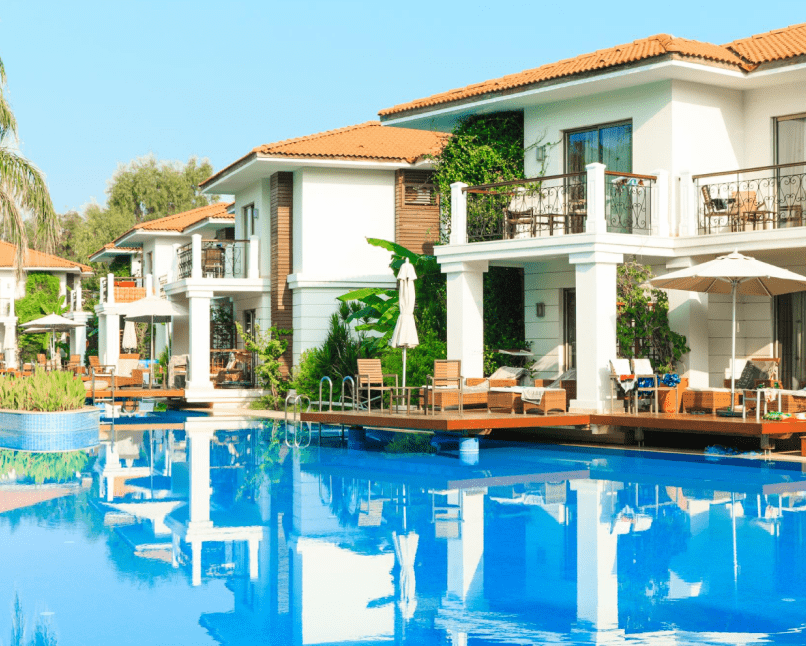
Lorem ipsum dolor, sit amet consectetur adipisicing elit. At illo adipisci iusto
From

Because more than 268 other customers have loved us too

Demonstrates commitment to user data security through encryption and secure payment practices
Learn More
Demonstrates commitment to user data security through encryption and secure payment practices
Learn More
Demonstrates commitment to user data security through encryption and secure payment practices
Learn More
Demonstrates commitment to user data security through encryption and secure payment practices
Learn More
Quality as judged by customers. Book at the ideal price!


/ person
/ person
/ person
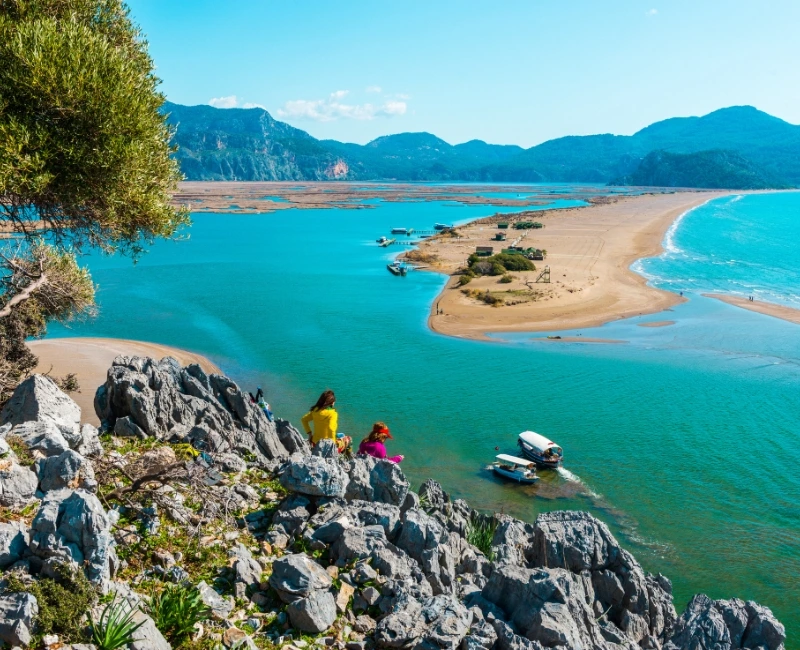
Dalaman’s two headline beaches—Sarigerme and Iztuzu—offer a study in coastal contrasts that delight families, couples and eco-travelers alike. Sarigerme Beach begins a mere 15 minutes from Dalaman Airport, presenting a seven-kilometre arc of powdery golden sand that gently slopes into calm, turquoise waters. Lifeguards keep watch over the safe, shallow swim zone, while beach clubs rent sunbeds, umbrellas and pedal boats. Parents can sip freshly squeezed fruit juices or cold ayran at palm-shaded cafés while children build sandcastles and paddle in the shallows. As the day warms, adrenaline junkies line up jet-ski rides or parasailing flights above the bay; those seeking serenity can claim quieter corners beneath tamarisk trees, reclining with a good book or simply soaking in the sun. Toward dusk, the beach transforms into a photographer’s dream, as the low sun throws long shadows and bathes the sands in a golden glow.By contrast, Iztuzu Beach, also called Turtle Beach, is a protected wildlife haven where development stops at the dune line to safeguard the nesting grounds of endangered Caretta caretta turtles. Between May and September, you can join guided walks along raised boardwalks past sensitive dune ecosystems, culminating at viewing platforms where hatchlings bravely make their first crawl toward the sea. Dalyan-based eco-tours combine the river journey through fragrant reed beds with mud-bath therapy at Sultaniye: floating effortlessly in mineral-rich, saline lagoons is said to relieve ailments and rejuvenate the skin. After cleansing in warm thermal springs, many travelers enjoy a riverside lunch of freshly grilled sea bass, accompanied by piyaz (white-bean salad) and local flatbread. As evening falls, the hush over Iztuzu is palpable—no loud music, no beach bars, just the lapping waves and the soft calls of night herons.Visiting either beach requires minimal planning: Sarigerme’s amenities—restaurants, market stalls and water-sports offices—mean you can arrive empty-handed and still find everything you need. For Iztuzu, booking a boat transfer in advance ensures you depart early enough to catch the cool morning breeze and avoid peak crowding. Reef-safe sunscreen, a refillable water bottle and respect for wildlife zones help preserve these shores for generations to come. Whether you chase thrills under the midday sun or witness a newborn turtle’s first dash toward the ocean at dawn, Sarigerme and Iztuzu epitomize Dalaman’s coastal magic—merging relaxation, adventure and environmental stewardship into one unforgettable experience.
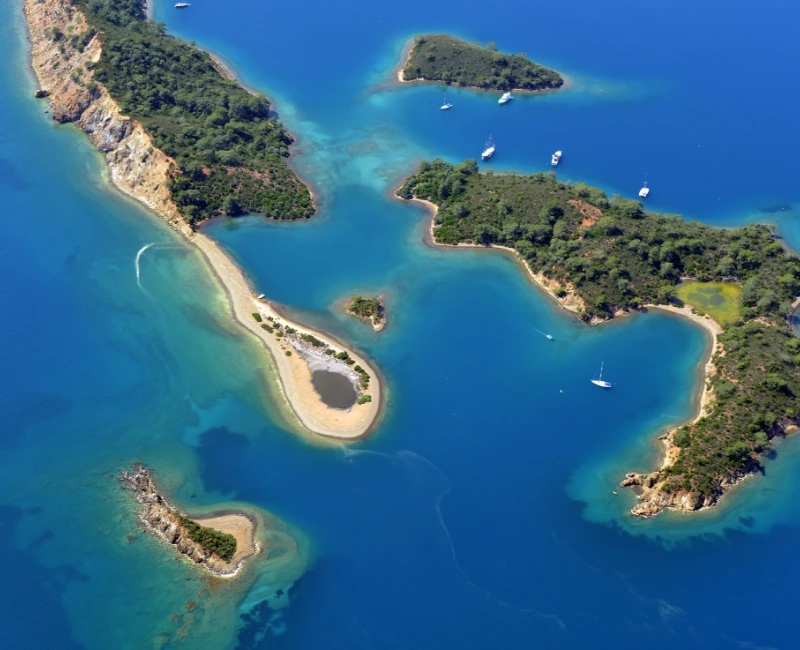
Just beyond Dalaman’s main beaches lies a network of secluded coves and forest-clad islets that beckon adventurous souls—and boat is the only way in. Sarsala Koyu and Karnıyarık Cove hide behind sheer limestone promontories, their emerald waters so clear you can watch schools of parrotfish weave through underwater gardens. Accessed by private charter or small-group boat tour, these coves reward early risers with near-empty shores and the hush of pine-scented air. With no facilities beyond a few mooring buoys, pack a picnic of local cheeses, fresh bread and fruit, then spend the day snorkeling, cliff-jumping or simply drifting on a rented paddleboard beneath a vaulted blue sky.A short cruise east brings you to the Göcek Archipelago, a constellation of twelve islets ringed by crystalline bays. Boats leave Göcek Marina at sunrise, cutting across glass-flat seas to anchor in hidden coves fringed by umbrella pines. Guests dive into calm water, paddle through narrow channels or explore sea caves by kayak. Crew serve mezze platters—dolma, babaganoush, olives and warm pide—alongside chilled local white wine. As midday heat wanes, shaded deck chairs and nets strung over the water become the perfect platforms for siesta naps with the gentle rock of the gulet.Sunset cruises through Göcek’s sheltered waters are legendary: as the sky deepens from coral to indigo, you sip a raki cocktail and watch fishing lights blink on along distant shorelines. Professional skippers share legends of pirate treasure hidden on uninhabited islets, and pointed out nesting pairs of Audouin’s gulls wheeling overhead. For sailors, Göcek’s calm marinas—Gocek Yacht Club and Club Marina—offer full service, water and electricity alongside alfresco cafés where skippers swap weather lore over espresso. Whether you charter a private gulet or join a social day cruise, exploring Dalaman’s hidden coves and Göcek’s archipelago unveils a maritime world of turquoise bays, dramatic rock formations and serene seclusion.
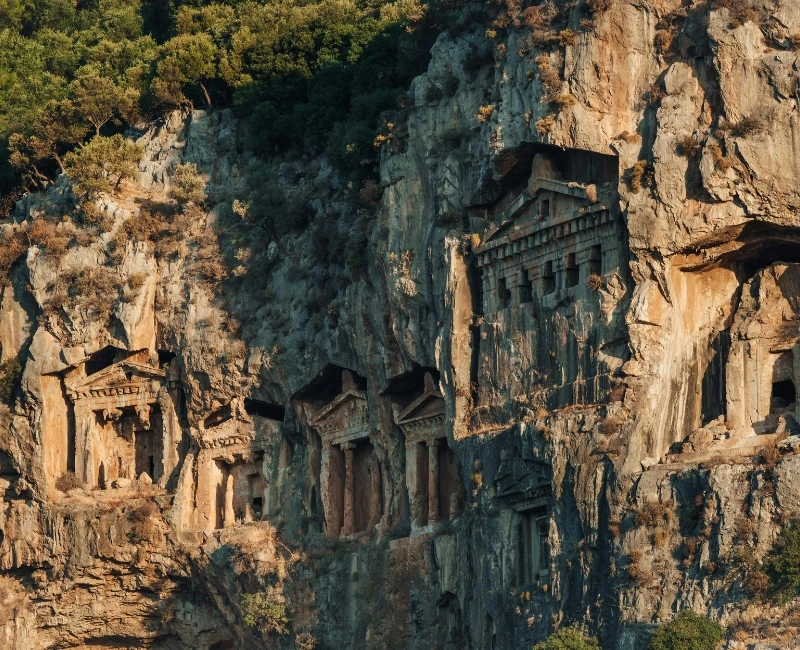
Set among fragrant reed beds and ribboned by the Dalyan River, the ancient city of Kaunos ranks among Turkey’s most atmospheric archaeological sites. Each morning, traditional wooden riverboats push off from Dalyan village, carrying visitors through a labyrinth of bulrushes toward towering Lycian cliff tombs hewn into sheer rock faces. The largest tomb—the so-called “Royal Tomb”—features an ornate pediment and Ionic columns carved directly into the limestone. Below, the necropolis stretches along the hillside, its façades capturing the midday sun in dramatic silhouette.Downriver, the ruins of Kaunos’s Roman theatre seat up to 5,000 spectators; recent restoration has made it possible to walk among the vaulted corridors beneath the stage and imagine ancient dramas echoing across the valley. The agora’s marble slabs, once trodden by merchants and senators, still bear grooves from chariot wheels, while fragments of mosaic flooring hint at once-lavish bath complexes. A hilltop trail leads to city walls and a small on-site museum where Lycian sarcophagi, jewellery and inscriptions flesh out the story of a city that thrived from the Hellenistic through Byzantine periods.In contrast to the grandeur of Kaunos, Dalyan village exudes rustic charm. Tea gardens spill into narrow lanes where locals barter for produce—juicy figs, pomegranates, goat cheese—and artisans carve olive-wood keepsakes or weave reed baskets. Small cafés serve gözleme piped straight from the griddle and strong Turkish coffee in tulip-shaped cups. A highlight is the Sultaniye mud baths: after a therapeutic marinade in mineral-rich clay, you float effortlessly in salt-enriched thermal pools, emerging with soft, exfoliated skin.Combine a dawn-light visit to Kaunos with a midday mud-bath ritual, then linger riverside for fresh-grilled sea bass and piyaz under a canopy of tamarisk trees. In shoulder seasons (April–June, September–October), cooler temperatures make extended walking tours more pleasant, and you’ll often have the ruins nearly to yourself. Guided by archaeologists or experienced local historians, you’ll uncover hidden inscriptions, hydraulic remains of ancient aqueducts and tales of Kaunos’s role as a Lycian river port. By weaving culture, wellness and nature into one seamless day, the Kaunos-Dalyan experience showcases Dalaman’s capacity to marry historical discovery with authentic village life.
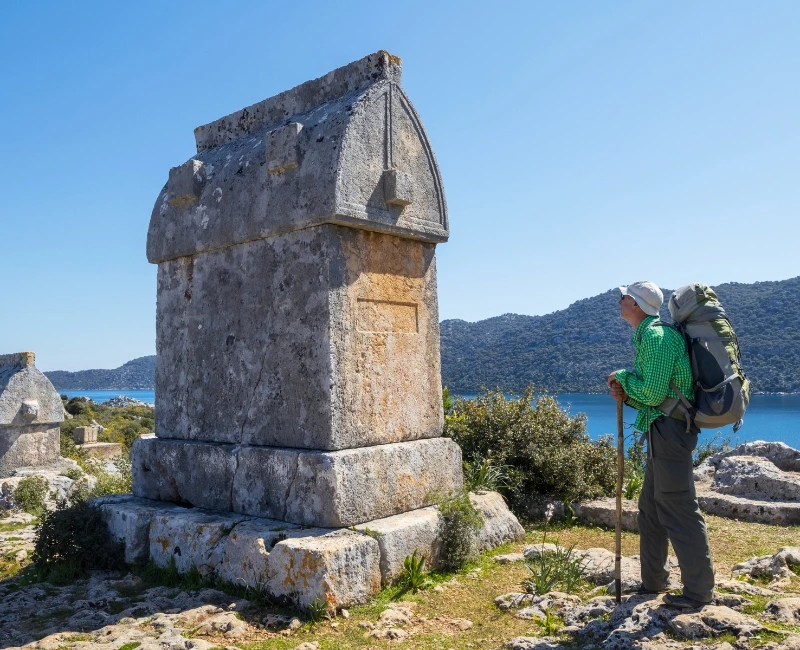
Dalaman Province is the gateway to the world-renowned Lycian Way, a 540-kilometre trail tracing sunlit coasts, pine-shrouded ridges and ancient ruins. While many trekkers tackle the entire route over three weeks, day-hike segments around Faralya, Kabak Valley and Ölüdeniz deliver concentrated bursts of scenery and history, all within comfortable reach of Dalaman.From Faralya—a remote hillside hamlet overlooking the Mediterranean—the trail descends 14 kilometres through olive groves and juniper forests to Kabak Valley’s hidden beach cove. Along the way, you’ll pass Lycian rock tombs carved into cliffs and terraced vineyards that have yielded grapes since antiquity. At the valley’s mouth, eco-lodges and glamping sites welcome hikers with fresh mezes and mountain-herb teas, while infinity-edge plunge pools overlook the bay below. Extended hikes can continue south to Butterfly Valley, a steep canyon famed for rare swallowtail butterflies fluttering among oleander blossoms.For those preferring mechanical assistance, the Tahtalı cable car (Olympos Teleferik) glides you from sea level to 2,365 metres in under 10 minutes. From the summit station, short summit loops reward walkers with panoramic views stretching from the Taurus Mountains to the horizon of the Mediterranean. Sunrise and sunset tours—booked in advance—frame the sea in gold or rose hues, while informational displays explain the region’s geological formation and endemic flora.Trail conditions vary: spring (April–May) brings wildflowers carpeting the hillsides; summer months can be hot, so early-morning departures are advisable; autumn (September–October) offers mild temperatures and fewer crowds. Hikers should equip themselves with sturdy boots, sun protection, at least two litres of water per person and trail maps (available from tourist offices). Local guides and gear rental services in Ölüdeniz and Faralya provide pack animals for gear transport, ensuring you can travel light and relish every vista. Whether you seek a half-day wilderness escape or the thrill of summiting a high mountain peak, the Lycian Way day-hikes around Dalaman stitch together nature, history and adventure into each unforgettable step.
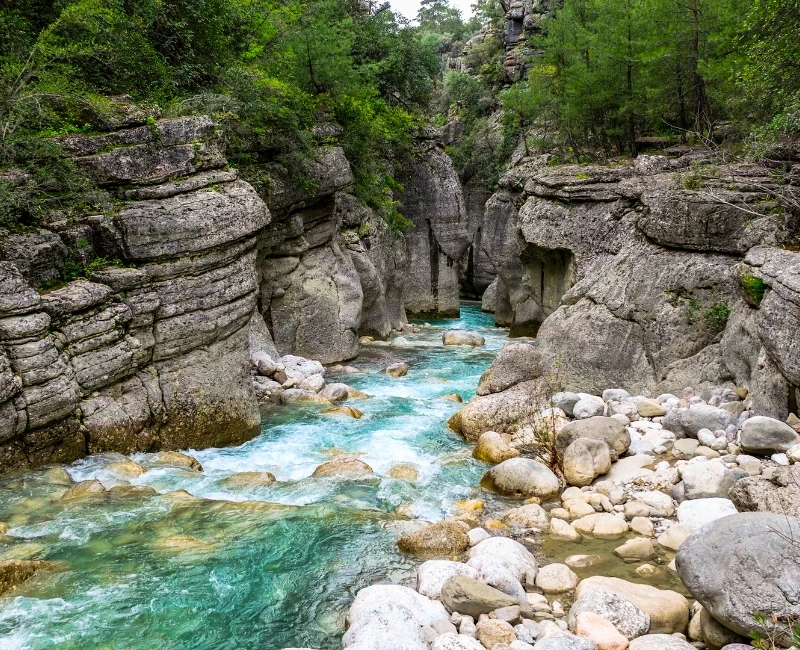
For travelers craving both serenity and adrenaline, the rivers around Dalaman promise a gamut of aquatic exploits. The Dalaman River, fed by pristine mountain springs, swells with snowmelt in spring—creating Grade II–III rapids suitable for families, beginners and casual rafters. Certified guides lead inflatable rafts down emerald channels framed by cedar-clad cliffs, pausing at tranquil pools for cliff-side picnics and cliff-jumping into cool waters. Between Class III drops, there’s time to drift beneath overhanging pines, spot kingfishers skimming the surface and uncover hidden coves accessed only from the river.Northeast lies Köprülü Canyon National Park, whose namesake river carves a deep gorge through Jurassic limestone. Here, adventure operators offer canyoning excursions that blend rappelling down waterfalls, scrambling through wet chutes and plunging into jade-green plunge pools. Rafting on the Köprüçay River can escalate to Grade IV rapids—an electrifying ride for thrill-seeking groups. Land-based trails trace the canyon rim, leading to scenic lookouts and picnic areas where you can watch rafters navigate roiling rapids below.Seasonal considerations are key: late spring (April–May) sees robust flows perfect for rafting, while summer months (June–August) moderate the rapids, making them safer for novices. Autumn (September–October) returns stronger currents after seasonal rains, offering another window for high-octane runs. All operators follow strict safety protocols—providing helmets, life jackets and wetsuits—and are licensed by Turkey’s rafting federation. Eco-responsible practices ensure minimal impact on river ecosystems: no-glitter sunscreen, leave-no-trace principles and respectful wildlife observation.For those seeking gentler experiences, guided nature floats on the Köprüçay meanders through slow-moving backwaters, ideal for birdwatching and photography. Seasonal wildflowers carpet riverbanks in spring, and autumn foliage paints the canyon walls in amber and russet. Whether you chase rapids or drift in tranquil pools, Dalaman’s rivers deliver heart-pounding excitement and immersive natural beauty in equal measure.
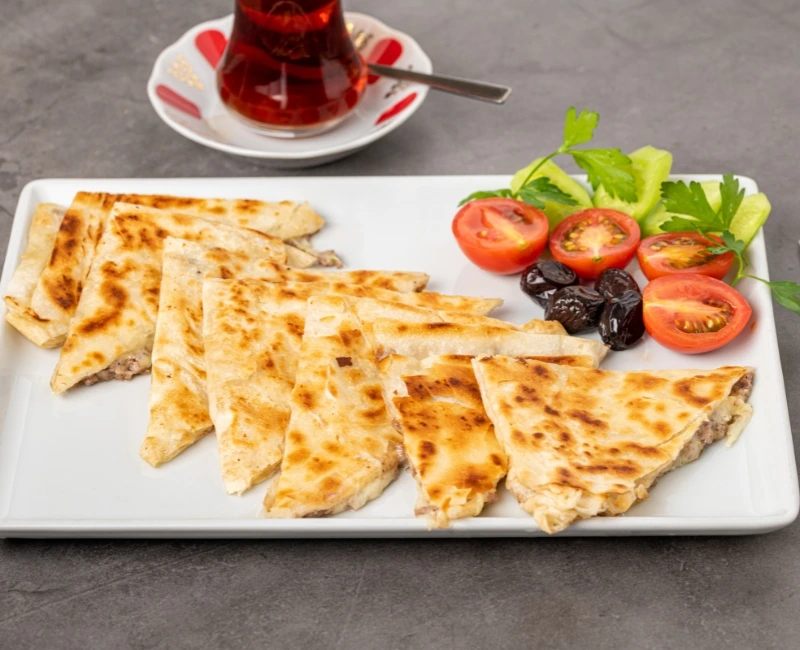
Dalaman’s culinary tapestry weaves together the region’s bountiful produce, coastal harvests and centuries-old Anatolian traditions. Begin at Dalyan’s morning markets, where stalls brim with sun-ripened oranges, crimson pomegranates, figs and quince. Artisanal cheeses—made from goat, sheep and cow’s milk—sit alongside jars of pine honey and tangy olive pastes. Here, you can assemble a picnic of seasonal fruits, fresh bread and homemade börek before setting off on a beach or hike.Street-food stalls beckon with sizzling gözleme, paper-thin flatbreads stuffed with spinach, cheese, minced lamb or potato, cooked tableside on a hot sac griddle. Pair your gözleme with a glass of strong Turkish tea or ayran, the cooling yoghurt drink preferred by locals. For a heartier meal, seek out roadside pide ovens where wood-fired boats of dough arrive topped with eggs, kaşar cheese and spicy sucuk sausage.On the waterfront, family-run tavernas showcase the day’s catch—sea bream, red mullet and calamari grilled over charcoal and dressed simply with lemon and olive oil. Seafood mezes such as midye dolma (rice-stuffed mussels) and hamsi tava (crispy anchovies) complement main dishes like levrek buğulama (steamed sea bass with vegetables). Inland lokantas specialize in slow-cooked lamb with okra or eggplant, gypsum-slow braises that melt on the tongue, accompanied by vasos (bulgur pilaf) and refreshing shepherd’s salad.Hands-on cooking workshops—offered in village homes or boutique kitchens—immerse you in Anatolian food culture. Under expert guidance, you learn to roll dough for gözleme, extract oil from pressed olives, and balance spices in köfte (meatballs) and muhallebi (milk pudding). Olive-oil tastings reveal subtle flavor profiles—herby mid-green sprays or buttery, creamy textures—paired with crusty bread and local figs.Wine enthusiasts can venture to vineyards near Kaş and Demre, tasting Anatolian varietals such as Narince (crisp and floral) and Kalecik Karası (lightly tannic). Expert vintners guide you through barrel-aging rooms and historic stone cellars while sharing stories of rediscovered indigenous grapes.As night falls, Göcek’s marina comes alive with live-jazz bars, rooftop terraces and craft-cocktail lounges. Try a signature pomegranate-mint spritzer or sample local microbrews alongside mezze and mezcal-inspired Turkish twists. For a more intimate evening, join villagers at backgammon tables in a Mehmet’s café, sipping Turkish coffee by starlight and forging connections over friendly banter. Whether you’re sampling market specialties or mastering regional recipes, Dalaman’s culinary scene promises a feast of flavors grounded in hospitality and tradition..
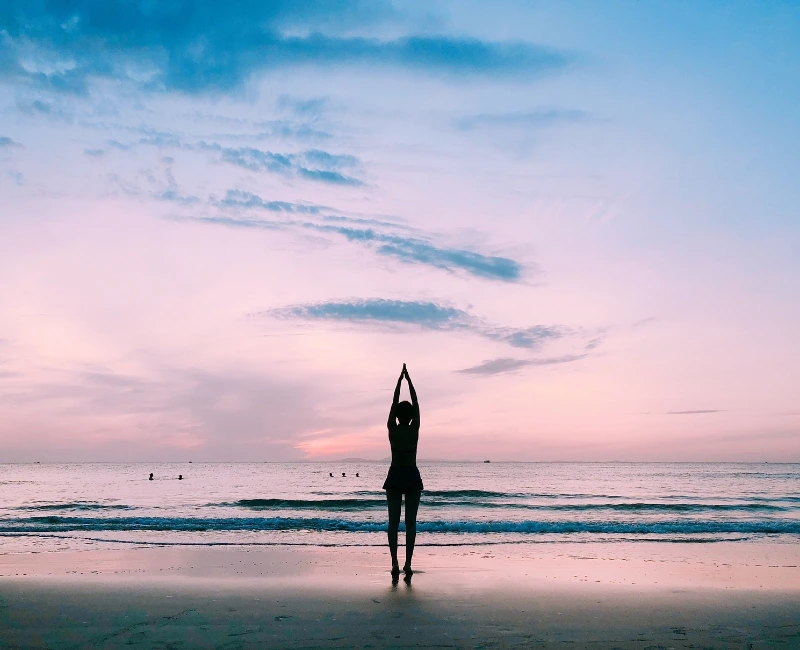
Dalaman offers a spectrum of wellness experiences—from ancient mud baths to contemporary spa sanctuaries—framed by the region’s rich natural resources. The crown jewel is the Sultaniye Mud Baths, reached via a leisurely riverboat ride through reed-lined waterways from Dalyan. Here, mineral-rich thermal waters bubble up from subterranean springs, carrying fine mud reputed to detoxify, reduce inflammation and soften skin. Visitors slather themselves from head to toe, let the mud dry under the sun, then rinse in buoyant salt pools where palm fronds drift overhead. Post-mud rituals often include a cooling dip in nearby freshwater springs and a light lunch of meze and ayran under tamarisk shade.Complementing these natural therapies, several boutique spa retreats cluster around Sarigerme and the hills above Ölüdeniz. Drawing on Ayurvedic principles, therapists employ warm olive-leaf oils infused with local herbs—rosemary, laurel, lavender—for deep-tissue massages and lymphatic drainage. Turkish hammam treatments unfold in authentic marble chambers: a vigorous kese (exfoliation) removes dead skin, followed by foam massage and fragrant soap suds that leave you renewed.Mind-body practices feature prominently: sunrise and sunset beach yoga sessions stretch under cotton skies, led by instructors adept at blending Vinyasa flows with breathwork. In pine-shaded gardens, sound-bath ceremonies use crystal bowls and Tibetan gongs to induce meditative states, while guided forest-bathing hikes invite quiet reflection amid cedar and juniper groves.Nutrition workshops at eco-lodges emphasize farm-to-table dining: seasonal salads of heirloom tomatoes, cucumber, red onion and locally pressed olive oil; grilled eggplant drizzled with tahini-yogurt sauce; and citrus-infused water with fresh mint. Herbal tea tastings showcase endemic plants—sage, thyme, rosehips—explaining their traditional medicinal uses.Retreat packages often bundle multiple modalities—mud baths, spa rituals, yoga and healthy cuisine—into multi-night stays. Whether you’re battling travel fatigue or simply craving a digital detox, Dalaman’s wellness offerings harness time-honored therapies and natural landscapes to soothe body and mind.
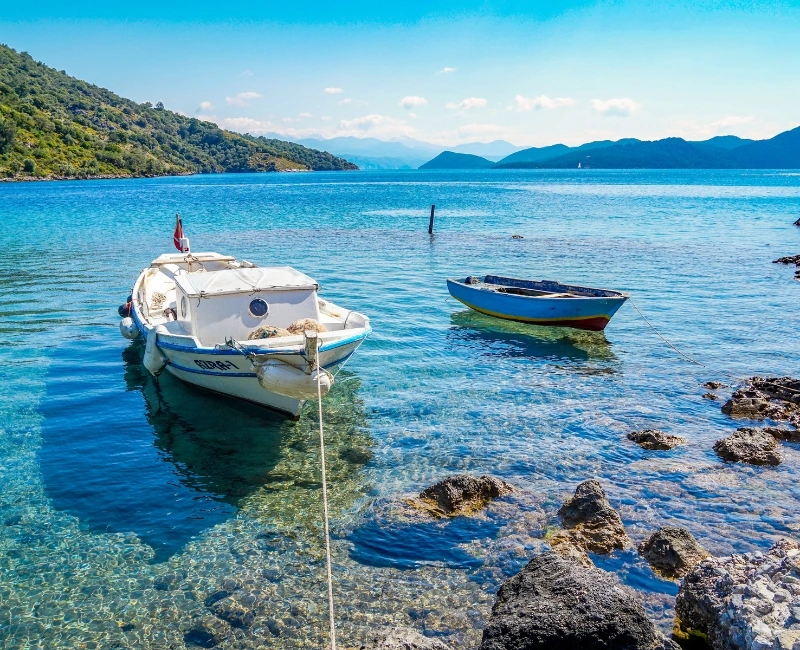
Dalaman’s cultural calendar and after-dark scene deliver a convivial blend of tradition, commerce and modern entertainment. Each summer, the Dalyan Culture & Tourism Festival transforms village squares into open-air stages for folk-dance troupes, saz musicians and camel-ride parades. Artisan stalls showcase ceramics, textiles and hand-woven baskets, while local food producers tempt visitors with seasonal specialties—fig jam, chestnut honey and walnut-stuffed pastries. Evenings culminate in outdoor film screenings beneath the stars or concerts of Anatolian rock and jazz fusion.Weekly farmers’ markets in Ortaca and Dalyan draw crowds at dawn, when vendors unload crates of peaches, cherries, olives and heirloom beans. Shoppers haggle over small batches of goat cheese, jars of spicy pepper paste and baskets of aromatic herbs. Market-goers sip steaming çay as they browse handmade jewelry, embroidered scarves and leather sandals, finding authentic souvenirs far from glossy tourist trinkets.After sunset, Göcek’s marina pulses with live music and cocktails. Yacht clubs host themed parties—80s throwbacks, foam discos or silent-headphone nights—while beachfront lounges along Sarigerme and Dalyan offer laid-back vibes, fire-dancer performances and DJ sets mingled with traditional drums. Rooftop bars in Dalyan serve signature pomegranate-ginger martinis alongside panoramic views of illuminated Lycian tombs.For a more intimate evening, small village cafés open late for backgammon tournaments and Turkish coffee readings under paper lanterns. Occasional night markets spring up around key holidays—Ramadan evenings feature communal iftars, while Republic Day (October 29) sees fireworks lighting up Dalaman’s skies.Whether dancing to live music by the water’s edge, bargaining for fresh produce at sunrise or sampling midnight gözleme under a full moon, Dalaman’s festive spirit and nightlife blend authenticity, warmth and modern flair—ensuring that every hour, from dawn’s first light to the witching hour, holds the promise of discovery.
No ads. No trails. No commitments


Alice Roses
London, England
51 ST MATTHIAS ROAD
NOTTINGHAM, NOTTINGHAMSHIRE
NG3 2HF
Hours: 8:00 - 17:00, Mon - Sat
support@johnsonholidays.com