 Puglia Travel
Guide
Puglia Travel
Guide
Paris is known around the world as the “capital of love,” and even if you don't understand the history of Paris at all

3 Hours
£3.50
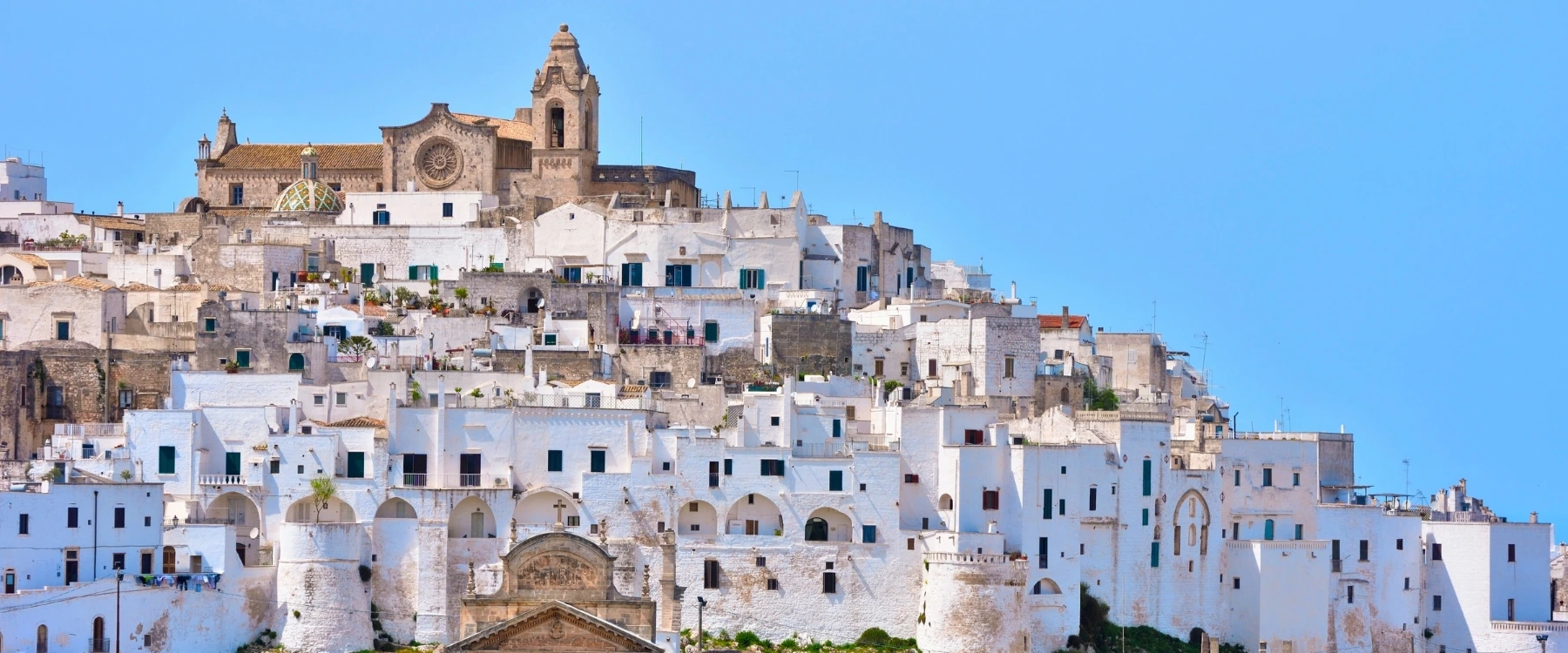
Puglia’s history spans millennia, reflected in its UNESCO-recognized trulli dwellings in Alberobello and the baroque splendor of Lecce. Visitors can explore ancient Roman ruins in Egnazia, wander through medieval hill towns like Ostuni, and discover Norman castles in the Gargano. Each locale reveals layers of influence—from Byzantine mosaics to Spanish fortifications—offering an immersive journey through time. Guided walking tours uncover hidden chapels, historic squares, and artisanal workshops preserving centuries-old crafts. Museums and heritage sites showcase artifacts that tell Puglia’s unique story, while local festivals celebrate traditions passed down through generations. For culturally curious travelers, Puglia offers a tapestry of experiences that go beyond surface sightseeing, weaving history into every meal, village, and scenic overlook.
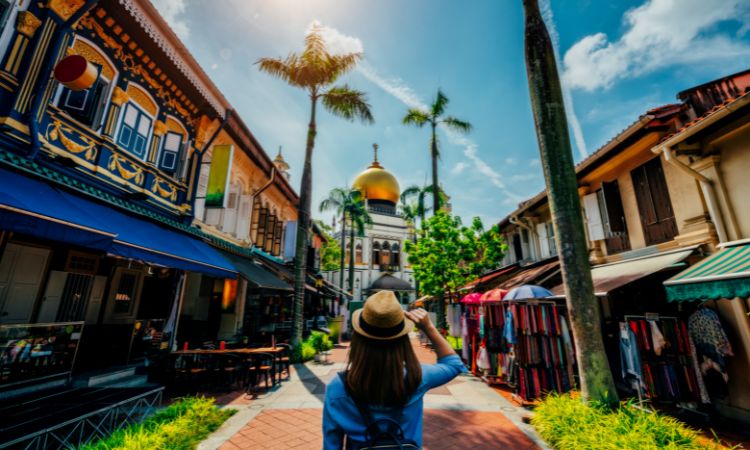
Puglia boasts over 800 kilometers of coastline, with both Adriatic and Ionian shores presenting a range of beach experiences. In the Salento peninsula, white-sand beaches and turquoise waters invite sunbathing and swimming, while rocky coves and sea caves along the Gargano coast offer adventurous snorkeling and boat excursions. Many beaches remain unspoiled, allowing travelers to find secluded spots; beach clubs provide comfortable lounges and local refreshments where desired. Coastal towns like Polignano a Mare perch dramatically atop cliffs, delivering spectacular vistas and memorable seaside dining. Whether seeking lively beach scenes with water sports or tranquil stretches for relaxation, Puglia’s shoreline caters to diverse preferences and rewards exploration from dawn’s soft light to sunset’s golden hues.
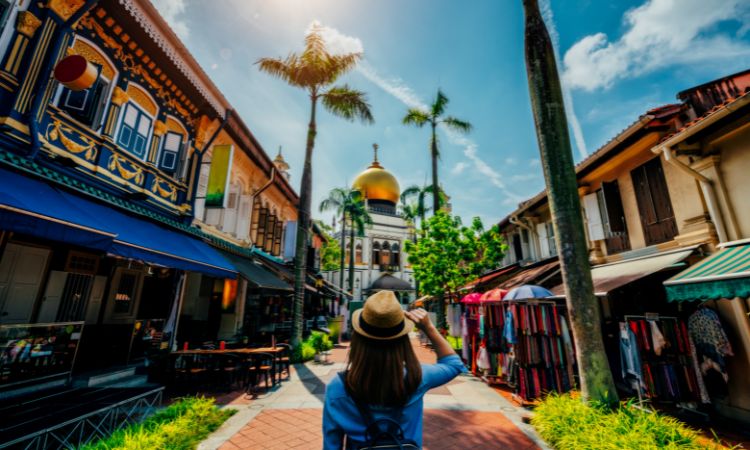
Puglian cuisine celebrates simple, high-quality ingredients: freshly made orecchiette pasta, creamy burrata, extra-virgin olive oil pressed from ancient groves, and seafood caught daily along the coasts. Travelers can join olive oil tastings at family-run masserie, sample wines like primitivo and negroamaro at local vineyards, and dine in trattorie where traditional recipes have been refined over generations. Street food experiences include focaccia barese and panzerotti, while cooking classes teach hands-on preparation of classic dishes. Farmers’ markets brim with seasonal fruits, vegetables, and cheeses, enabling self-catering visitors to create authentic meals. For food lovers, Puglia offers an immersive culinary journey rooted in centuries-old rural traditions, served with warm hospitality in scenic settings.
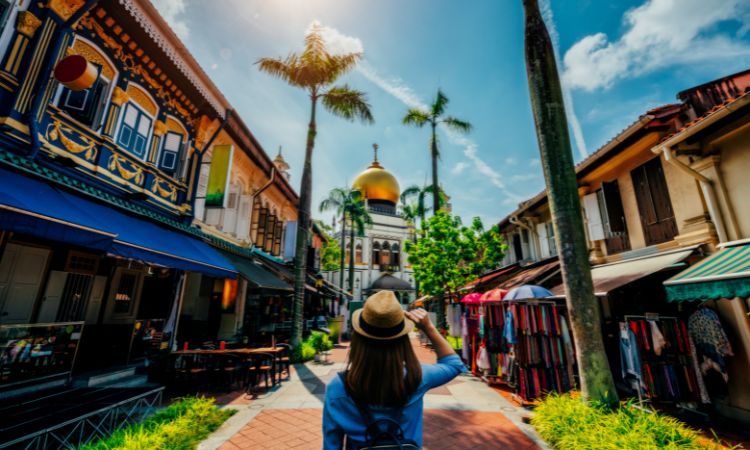
Compared with Italy’s more frequented regions, Puglia delivers exceptional quality at more accessible prices. Accommodation in charming masserie, boutique B&Bs, and seaside hotels often costs less than comparable options elsewhere. Meals in authentic trattorie and osterie offer generous portions of regional specialties without luxury price tags. Guided tours and excursions—boat trips, cooking classes, wine tastings—are competitively priced. Car hire and local transport remain affordable, making multi-destination itineraries feasible within budget. This value proposition allows travelers to extend stays, indulge in premium experiences (luxury spa at a restored farmhouse, private boat charters), and explore off-the-beaten-path areas without stretching finances. For budget-conscious yet quality-seeking travelers, Puglia presents an ideal balance.
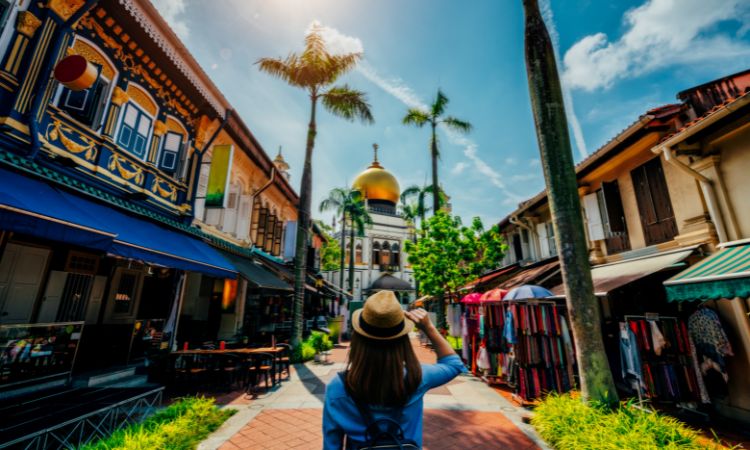
Puglia’s varied landscapes invite outdoor pursuits: cycling routes weave through olive groves and vineyards in Valle d’Itria, hiking trails traverse Gargano’s forests and coastline, and kayaking tours reveal hidden sea caves. Inland, the Alta Murgia National Park offers rugged terrain for hiking and wildlife spotting, while coastal areas host water sports like paddleboarding and snorkeling. Many masserie and resorts incorporate wellness facilities—spa treatments using olive oil products, yoga sessions overlooking rolling hills, and thermal baths near natural springs. Active travelers and wellness seekers alike find opportunities to blend movement, nature immersion, and relaxation in settings that emphasize healthful living rooted in local traditions.
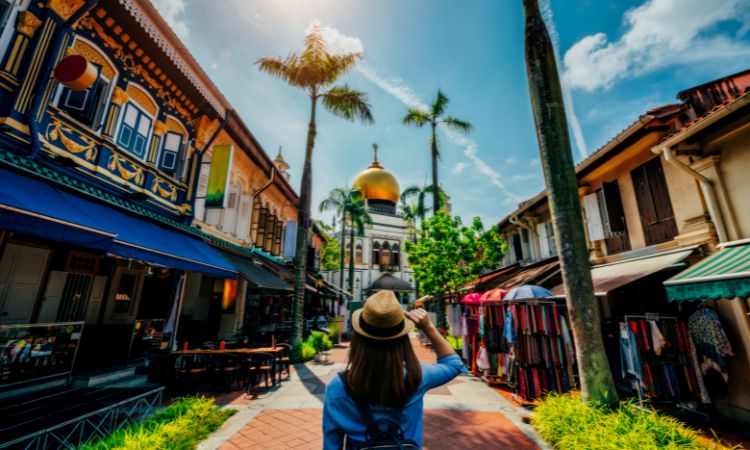
Puglia’s calendar features festivals celebrating patron saints, harvest seasons, and culinary specialties. From olive harvest gatherings in autumn to religious processions in spring, visitors can participate in vibrant local events. Food festivals spotlight cheeses, wine, and seasonal produce; music festivals bring folk and contemporary sounds to historic squares. Engaging with local artisans—ceramic makers, lace weavers, and olive oil producers—reveals everyday traditions. Agritourism stays often include hands-on experiences like grape picking or cheese-making. These immersive encounters foster genuine connections with Puglian culture and community, allowing travelers to experience life as locals do, rather than mere observation.
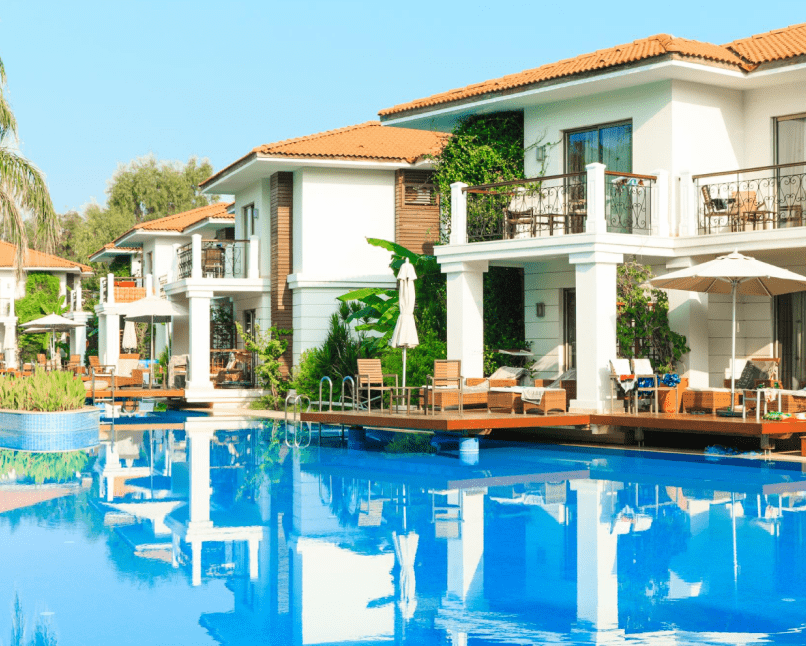
Lorem ipsum dolor, sit amet consectetur adipisicing elit. At illo adipisci iusto
From

Because more than 268 other customers have loved us too

Demonstrates commitment to user data security through encryption and secure payment practices
Learn More
Demonstrates commitment to user data security through encryption and secure payment practices
Learn More
Demonstrates commitment to user data security through encryption and secure payment practices
Learn More
Demonstrates commitment to user data security through encryption and secure payment practices
Learn More
Quality as judged by customers. Book at the ideal price!


/ person
/ person
/ person
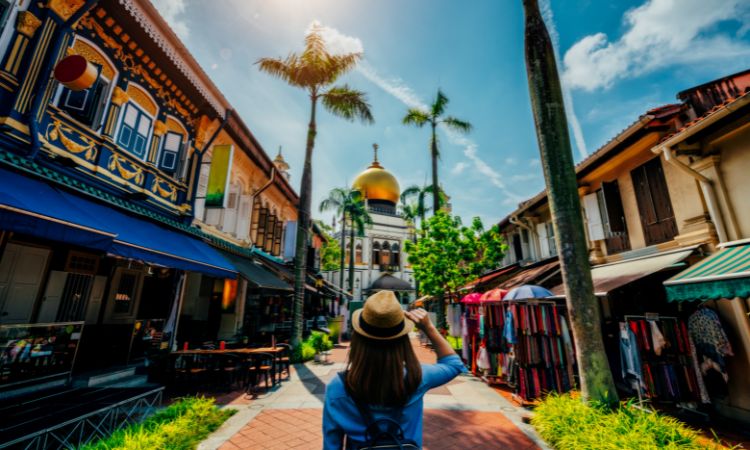
Puglia’s Valle d’Itria, the “Valley of Waters,” is renowned for its rolling landscapes punctuated by conical trulli and hilltop towns steeped in history. This guide explores the most emblematic settlements—Alberobello, Martina Franca, Locorotondo, and Cisternino—each offering a distinct window into Puglian culture.Alberobello’s trulli district is a UNESCO World Heritage Site: clusters of whitewashed dry-stone huts with conical roofs create a fairytale-like setting. Stroll through winding lanes, admire decorative pinnacles that crown each roof, and learn about construction techniques dating back centuries. Local museums explain the origin and purpose of trulli, while artisan shops showcase handcrafted souvenirs. Early morning walks here reveal soft light filtering across the roofs, while evening illuminations lend a magical ambiance.Martina Franca perches on a hill overlooking the valley. Its baroque architecture shines in facades of palazzi and churches—don’t miss the Basilica di San Martino and Palazzo Ducale. Wander the historic center’s labyrinthine alleys, where white-washed buildings reveal balconies adorned with flowers. The town buzzes with life: cafes spill onto squares, offering people-watching amid architectural splendor. Martina Franca’s festival scene is vibrant, hosting music events that draw both locals and visitors.Locorotondo, famed for its circular historic core, offers panoramic vistas over olive-covered hills. Its narrow streets open into small piazzas, where locals gather at cafés to enjoy local white wines like Locorotondo DOC. Spectacular during spring when bougainvillea blooms cascade over white walls, the town also hosts a wine festival in late summer, celebrating indigenous varieties.Cisternino exudes a relaxed charm: its centro storico features labyrinthine alleys, white cottages, and panoramic terraces. Known for “fornelli pronti,” small butcher shops where meat is grilled to order, it invites culinary discovery alongside exploration of medieval passages. Early risers may join locals for coffee and pasticciotto pastries, while evenings reveal lively squares where families and friends gather.Each town in Valle d’Itria embodies a facet of Puglian identity—architecture harmonizing with landscape, traditions preserved through festivals and local crafts, and gastronomy rooted in the land. Travelers benefit from combining guided walking tours that explain historical context with free exploration that allows serendipitous discoveries—a hidden church fresco, a local artisan’s workshop, or a panoramic lookout over olive groves. Photographers find endless inspiration in interplay of light on whitewashed walls, while culinary enthusiasts delight in pairing regional specialties with local wines in authentic trattorie.Practical tips: visit early in the morning or late afternoon to avoid midday heat and crowds; wear comfortable shoes for cobblestone streets; consider staying in a masseria or agriturismo nearby to experience rural life; and check festival calendars for opportunities to witness local celebrations. Whether arriving by rental car or guided excursion, dedicating a few days to Valle d’Itria ensures a deep appreciation for Puglia’s cultural heritage and scenic beauty, leaving travelers with enduring memories of this storied valley.
Lecce, often dubbed the “Florence of the South,” is a baroque jewel whose honey-colored stone buildings glow in warm light. This guide delves into Lecce’s architectural marvels and extends to Salento’s broader baroque heritage, revealing artistry carved in stone and the historical forces behind this rich legacy.Begin in Lecce’s historic center: the Basilica di Santa Croce showcases ornate facades adorned with floral motifs, cherubs, and mythical creatures—all in local Lecce stone that softens as it weathers. Behind the façade, a hidden cloister awaits, providing quiet refuge among arches and columns. Nearby, Piazza del Duomo encompasses cathedral buildings arranged around a secluded square, its baroque details evident in column capitals, statues, and decorative cornices. Guided tours explain how local craftsmen mastered pietra leccese carving techniques, using malleable limestone to create intricate designs.Beyond Lecce, smaller towns in Salento display baroque influences blended with local vernacular. Galatina’s Church of Santa Caterina features frescoed interiors and baroque altars; Nardò’s cathedral square exemplifies harmonious proportions; and Martina Franca’s baroque touches echo across facades. Exploration can include lesser-known chapels with gilded altarpieces, or private palazzi whose doorways reveal hidden courtyards.Learning the historical context enriches appreciation: the baroque flourishing in Puglia followed Spanish rule and counter-reformation influences, leading to a unique southern Italian interpretation. Local artisans integrated classical elements with imaginative motifs drawn from nature and regional symbolism. Many workshops passed skills through generations, preserving carving traditions into modern times.Photography opportunities abound: early morning light accentuates sculpted details, while evening illuminations highlight reliefs against twilight skies. Art historians and architecture enthusiasts may join specialized walking tours or workshops demonstrating stone-carving basics. Cultural programs sometimes offer lectures in historic venues, exploring restoration efforts that safeguard these treasures.Practical advice: wear comfortable footwear for uneven pavements; plan visits outside midday heat; consider combining Lecce with day trips to nearby baroque towns; and include a break for iced coffee or gelato in a historic piazza. Many guided tours culminate in tasting local treats—pasticciotto (a custard-filled pastry) or gelato flavored with almond or fig. Shopping for handcrafted souvenirs—ceramics, textiles, or small carved stone items—supports local artisans.Ultimately, Lecce and Salento’s baroque heritage epitomize Puglia’s blend of artistry, history, and living culture. By tracing carved facades, ornate churches, and hidden courtyards, travelers connect with centuries-old craftsmanship and the region’s enduring spirit, returning home enriched by stories etched in stone.
The Salento peninsula, forming Puglia’s “heel,” is famed for its idyllic coastline, where white-sand beaches and turquoise waters beckon travelers throughout summer months. This guide navigates the best beach destinations, seaside villages, and coastal experiences that define Salento’s seaside allure.Start in Gallipoli: the old town sits on a limestone island, accessed by a narrow bridge. Beaches here range from lively stretches with beach clubs offering sunbeds, umbrellas, and refreshments, to quieter coves accessible via short drives. The crystal-clear Ionian Sea invites swimming and snorkeling around rocky outcrops, where marine life thrives in underwater seagrass meadows. Sunset here is spectacular: golden light on ancient walls, followed by seaside dining featuring freshly caught seafood.Otranto, on the Adriatic side, combines historic charm with scenic beaches. The town’s cathedral and castle overlook the harbor, while sandy beaches extend along the coastline. Boat trips from Otranto reveal hidden grottos and cliffs; divers and snorkelers explore underwater caves. For more secluded spots, continue east toward Porto Badisco or Baia dei Turchi, where natural settings and fewer crowds reward adventurous travelers.Leuca, at Salento’s southern tip, offers panoramic views where the Adriatic and Ionian Seas meet. The lighthouse area and rocky coves invite exploration by kayak, while nearby beaches provide sunbathing opportunities. Boat excursions transport visitors to remote bays accessible only by sea. Along the coast, small fishing villages like Santa Maria di Leuca and Marina di Pescoluse (the “Maldives of Salento” for its shallow, clear waters) showcase local life and seaside hospitality.Beach season extends from late May to early October. Early summer sees milder crowds and pleasantly warm water; peak summer attracts sunseekers but planning around busy weekends helps avoid congestion. Practical tips: arrive early for popular beaches, bring reef shoes for rocky entry points, and consider renting a boat or joining guided tours to access lesser-known coves. Beach clubs vary in amenities—from basic sun loungers to full-service options with restaurants serving local specialties. For a budget-friendly day, pack a picnic from local markets: bread, cheese, olives, and fresh fruit.Beyond sun and sea, coastal hiking trails along cliffs and headlands offer dramatic viewpoints. Birdwatchers may spot migratory species along marshy coastal areas near wetlands. Water sports include paddleboarding, windsurfing, and sailing, available at larger beach hubs. Evening activities often revolve around al fresco dining, enjoying seafood dishes paired with crisp local white wines, followed by gelato or granita by the waterfront.Overall, the Salento coast delivers diversity: from vibrant beach clubs to tranquil hidden bays, historic harbors to natural reserves. This guide encourages travelers to balance popular highlights with off-the-beaten-path exploration, ensuring memorable days under Puglia’s sun and beside its enchanting seas.
Northern Puglia’s Gargano region, often termed the “spur” of Italy’s boot, encompasses dramatic landscapes—from forested mountains to azure seas. This guide explores Gargano National Park and neighboring Tremiti Islands, offering adventurous outings, wildlife encounters, and scenic tranquility.Gargano National Park covers diverse terrain: dense beech and pine forests in mountainous interior, ancient oak and olive groves on lower slopes, and coastal cliffs plunging into the Adriatic. Hiking trails range from gentle walks to challenging treks: the Umbra Forest trail leads through UNESCO-recognized woodland rich in flora and fauna, while higher-altitude paths reveal panoramic vistas over the sea. Wildlife includes deer, wild boar, and numerous bird species; guided nature walks help identify endemic plants and animal tracks.Coastal excursions uncover sea caves and hidden beaches: boat tours from Vieste or Peschici navigate limestone cliffs, stopping at secluded coves for swimming. Vieste’s historic center perches atop a rocky promontory, offering scenic viewpoints and seaside dining. Peschici’s whitewashed houses cascade down hillsides toward beaches below. Both towns serve as gateways for exploring the coastline by boat, kayak, or paddleboard.Tremiti Islands, a short ferry ride from mainland Gargano, comprise an archipelago of small islets set in crystalline waters. San Domino, the largest, features pine-shaded coves ideal for snorkeling; San Nicola hosts a medieval abbey and fortress ruins; Capraia and Pianosa welcome day-trippers seeking isolation. Boat tours around the islands reveal sea caves, archways, and underwater biodiversity. Accommodation is limited, so day trips from Gargano towns are common; those staying overnight experience serene evenings beneath starry skies.Cultural aspects intertwine: fishing villages preserve maritime traditions, and local cuisine highlights seafood—octopus stewed in tomatoes, grilled fish, and anchovy specialties. Inland trattorie serve hearty dishes reflecting mountain produce: mushrooms, wild herbs, and cheeses. Seasonal festivals celebrate patron saints and local harvests, offering immersive glimpses into community life.Practical advice: plan hiking with appropriate gear and water supplies; check ferry schedules early in the season as services may be limited; book guided boat tours in advance during peak months; respect conservation rules in protected areas; bring snorkeling gear to appreciate underwater landscapes. For wellness seekers, forest bathing in Umbra Forest or seaside yoga sessions can rejuvenate body and mind. Photography enthusiasts find dramatic compositions in cliff vistas, forest light filtering through trees, and underwater scenes around Tremiti.Overall, Gargano National Park and Tremiti Islands showcase Puglia’s wild side: a blend of mountain and sea, adventure and serenity, local traditions and natural wonders. This guide equips travelers to experience the region’s highlights responsibly and memorably, creating lasting connections with its unique landscapes.
Puglia’s culinary heart beats in its olive groves, vineyards, and family kitchens. This guide leads travelers through immersive food and wine experiences, from olive oil tastings to vineyard visits and cooking classes that reveal Puglia’s gastronomic soul.Olive oil is central: some groves feature millennia-old trees producing oil with rich, fruity aromas and peppery finishes. Visitors can tour family-run mills (masserie) during harvest season (autumn), learning pressing methods and tasting fresh oil paired with local bread, cheeses, and vegetables. Conversations with producers illuminate sustainable practices passed through generations. Many masserie offer accommodation, allowing multi-day immersion in rural life—walks among ancient trees at dawn, participating in olive picking, and evening meals built around freshly pressed oil.Wine routes traverse rolling vineyards producing robust reds like primitivo and negroamaro, and crisp whites such as fiano and verdeca. En primeur tastings and cellar tours introduce winemaking techniques, barrel-aging processes, and blending philosophies. Vineyards often situate on scenic hillsides; tasting sessions may include local cheese, cured meats, and olive oil, showcasing harmonious pairings. Seasonal events, such as vendemmia celebrations, invite visitors to join grape harvests and communal meals in rustic settings.Cooking classes offer hands-on preparation of signature dishes: from orecchiette pasta shaped by hand to savory focaccia and seafood stews. Instructors typically source ingredients from local markets or on-site gardens. Participants learn regional recipes—carpaccio di polpo (octopus), fava bean puree with chicory, burrata-centered appetizers—and understand the cultural context behind each dish. Enjoying creations in convivial group settings fosters connections among travelers and hosts.Markets in towns such as Bari and Lecce buzz with fresh produce: tomatoes, peppers, artichokes, and seasonal fruits. Visiting markets early yields the best selection; engaging with vendors reveals tips on selecting ripe ingredients. For self-caterers, renting a masseria kitchen allows experimenting with market finds under guidance from hosts. Alternatively, agriturismo dinners offer multi-course menus showcasing the best of each season—spring vegetables, summer seafood, autumn truffles and mushrooms, winter citrus.Sweet traditions include pasticciotto (custard-filled pastry), gelato with local flavors like almond or fig, and seasonal desserts using almonds and honey. Coffee culture is strong: espressos and cappuccinos accompany morning pastries in bustling cafés. Local bakeries produce pane di Altamura, a bread with protected designation of origin—crusty, flavorful, ideal for dipping in olive oil or pairing with cheese.Travelers should plan visits around harvest seasons: olive harvest (October–November) and grape harvest (August–September) offer the richest experiences. Book tastings and classes in advance during peak times. Respect local rhythms: midday breaks (riposo) may close small businesses briefly; evening meals often begin later. Embrace leisurely dining, savoring each course with regional wine.In sum, Puglian cuisine and olive oil routes invite sensory exploration and cultural insight. Through tastings, hands-on classes, and market visits, travelers discover how local ingredients shape traditions and daily life. This guide equips food and wine enthusiasts to plan memorable gastronomic journeys rooted in authenticity.
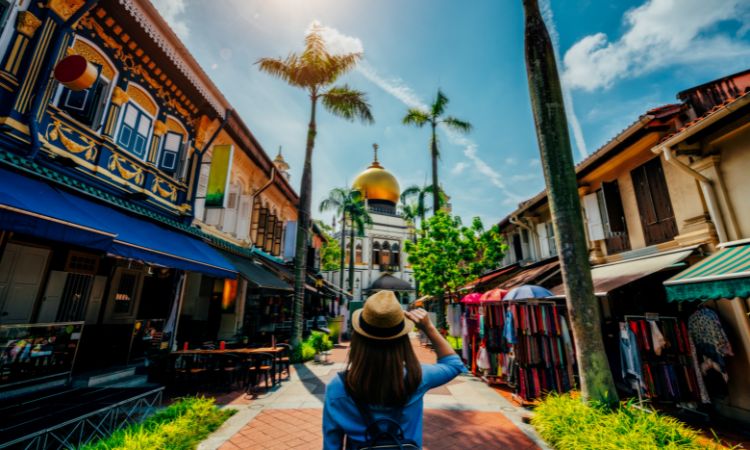
Puglia’s flat plains, rolling hills, and scenic coastal roads make it an ideal region for cycling and outdoor exploration. This guide outlines recommended routes, cycling tours, and nature activities for active travelers seeking to discover Puglia on two wheels or by foot.Valle d’Itria cycling routes wind through olive groves and vineyards, passing trulli clusters and hilltop towns. Self-guided itineraries range from easy rides between Alberobello and Locorotondo to more challenging loops around Martina Franca, offering panoramic views and stops at local cafés. Bike rentals and guided cycling tours cater to various fitness levels; e-bikes are available for those preferring assistance on inclines. Early morning rides allow cooler temperatures and serene landscapes before midday heat.Coastal cycling along Salento’s shores combines seaside vistas with cultural stops. Routes from Lecce to Otranto follow quiet roads through olive groves, with occasional detours to beaches for cooling dips. Cycling enthusiasts can join guided tours exploring hidden coastal trails and fishing villages, learning local history along the way. Bike-and-boat excursions offer combined experiences: cycle part of a peninsula, then board a boat to explore sea caves or nearby islands.Inland, the Alta Murgia National Park features rugged terrain for experienced cyclists and hikers. Mountain biking trails traverse karst plateaus, offering off-road challenges amid dramatic landscapes. Guided excursions introduce geological features—sinkholes, rocky outcrops—and local wildlife. Hikers can choose trails of varying difficulty, from gentle forest walks in Umbra Forest (Gargano) to steeper ascents with rewarding views.Nature lovers may also kayak along coastal areas: paddle through sea caves in Gargano or around Tremiti Islands, witnessing marine biodiversity and unique rock formations. Kayak rentals and guided tours provide equipment and safety guidance. Birdwatching is fruitful in wetlands near coastal reserves, where migratory species rest during seasonal journeys. Guided nature walks highlight endemic flora, medicinal plants, and traditional uses in local remedies.For those preferring gentler outdoor pursuits, countryside walks between masserie reveal rural life: olive harvest preparations, beekeeper operations, and visits to small-scale farms producing cheese. Many agriturismi organize sunrise yoga sessions amidst olive groves or sunset meditation overlooking the sea. Picnic spots can be arranged with local produce, offering scenic pauses during excursions.Practical considerations: plan routes according to season—spring and autumn offer ideal temperatures; summer midday may be hot, so schedule early starts or late-afternoon rides. Carry water, sun protection, and basic repair kits when cycling independently. When booking guided tours, confirm group size, difficulty level, and equipment included. Respect private property—stay on designated paths—and follow environmental guidelines in protected areas.This guide empowers active travelers to tailor outdoor adventures in Puglia, from leisurely countryside rides to challenging mountain trails, combining physical activity with cultural encounters and natural immersion. Cycling and outdoor routes reveal Puglia’s diverse landscapes in an engaging, sustainable way..
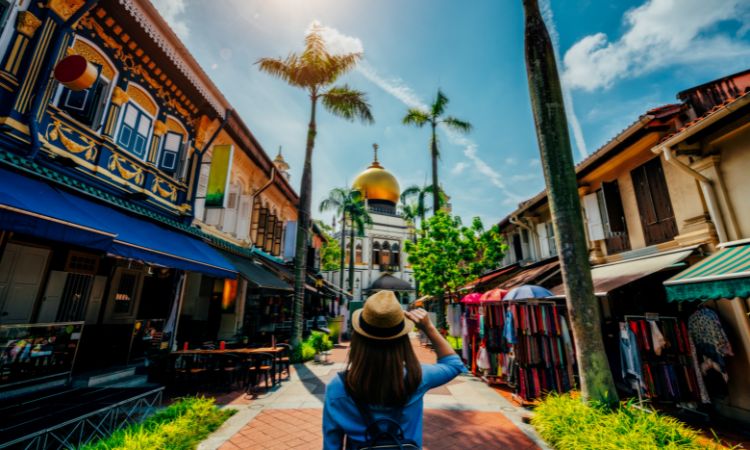
Puglia’s tranquil landscapes and mild climate create an ideal setting for wellness retreats and relaxation experiences. This guide highlights spa offerings, yoga and meditation programs, and peaceful stays among olive groves for travelers seeking rejuvenation.Many masserie have been restored into boutique wellness retreats, combining rustic charm with modern amenities. Spa treatments often incorporate olive oil-based products, local herbs, and natural ingredients. Therapies may include massages using scented oils, mud wraps, and hydrotherapy pools. Facilities sometimes feature panoramic terraces overlooking vineyards or olive groves, where guests can practice sunrise yoga or meditation. Professional instructors lead sessions tailored to individual levels, focusing on stress relief, flexibility, and mindful breathing. Retreat packages may include guided nature walks in surrounding landscapes, combining gentle exercise with mindfulness.Thermal baths and natural springs near Puglia provide another wellness dimension. While not as famous as other Italian regions for hot springs, certain areas offer thermal facilities or thalassotherapy centers by the sea. Treatments harness mineral-rich waters and sea elements to promote circulation and relaxation. Combined with seaside walks or guided coastal meditations, these experiences rejuvenate body and mind.Nutrition-focused programs celebrate Puglian cuisine’s healthful elements: extra-virgin olive oil, fresh vegetables, legumes, and seafood. Retreats may include cooking workshops emphasizing balanced, seasonal meals, teaching participants to integrate healthy Puglian recipes into daily life. Nutritionists guide guests through mindful eating practices, highlighting the benefits of Mediterranean diet principles. Farm-to-table dining ensures freshness, while small-group settings foster community among participants.Mindfulness and wellness events sometimes coincide with local festivals focused on harvest or seasonal transitions, allowing participants to engage with Puglian culture in mindful ways. For example, olive harvest experiences can include reflective activities among ancient trees, learning about ecological cycles and sustainability. Evening gatherings under olive trees may feature gentle music and discussions on well-being traditions passed through generations.Outdoor relaxation complements indoor treatments: scenic picnic spots in Valle d’Itria, beaches for leisurely swims and mindful walks, and forest glades in Gargano for quiet reflection. Wellness itineraries often integrate light physical activity—cycling, hiking, paddleboarding—balanced with restorative practices. Customized retreat programs can be designed for solo travelers, couples, or small groups, ensuring personalized attention.Practical advice: book retreat stays in advance, especially during spring and autumn when weather is ideal; communicate dietary preferences to hosts; pack appropriate attire for yoga, spa treatments, and outdoor activities; and embrace unhurried schedules that prioritize rest. Disconnecting from digital distractions enhances the experience—many retreats encourage limited device use to deepen mindfulness.By combining authentic Puglian hospitality, natural settings, and health-focused programs, wellness and relaxation retreats in Puglia offer a holistic approach to travel: nourishing body, mind, and spirit amidst landscapes that inspire calm and connection.
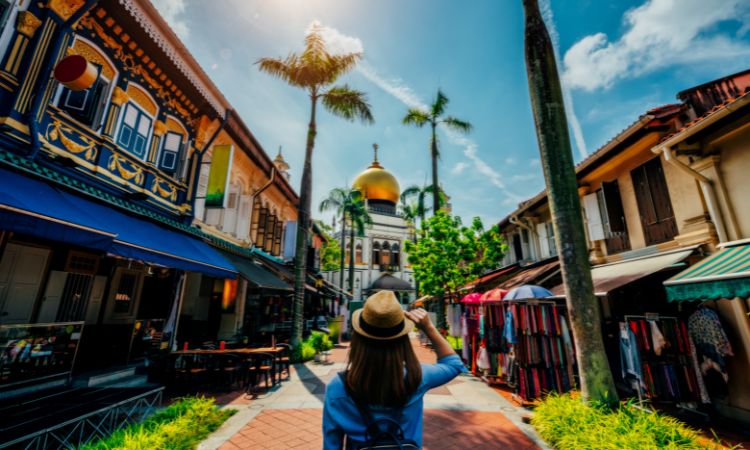
Puglia’s vibrant calendar of festivals and deep-rooted traditions offers travelers immersive cultural experiences. This guide explores key events, artistic expressions, and community gatherings that animate Puglian life year-round.Spring brings religious processions honoring patron saints: towns animate with elaborate parades, traditional music, and communal feasts. Witnessing a festa includes admiring devotional floats, listening to brass bands, and tasting dishes prepared for celebrations. In some villages, participants wear traditional attire, and ancient rituals reflect centuries-old beliefs woven into daily life. Experiencing these events provides insight into local identity and community bonds.Summer hosts music festivals spanning classical concerts in historic venues to contemporary performances in open-air settings. Lecce’s baroque squares often serve as stages for chamber music or jazz under the stars. Coastal towns host beachside concerts featuring local and international artists. Film festivals and cultural fairs may spotlight regional talent, crafts, and storytelling traditions. Travelers can combine performances with visits to architectural sites by day and gatherings in lively piazzas by night.Harvest festivals in autumn celebrate olives, grapes, and chestnuts. Olive oil festivals feature tastings, educational workshops, and communal meals highlighting new-season oil. Wine harvest events invite participation in grape picking and winemaking demonstrations, followed by long communal dinners savoring regional specialties paired with freshly pressed wines. These celebrations embody Puglia’s agricultural rhythms and emphasize communal sharing.Artisanal crafts remain thriving: ceramics from Grottaglie display vibrant glazes and traditional shapes; handmade lace and embroidery in select towns preserve age-old techniques. Workshops offer hands-on experiences where visitors learn basic methods and create souvenirs to take home. Artisan markets provide opportunities to support local makers while discovering unique decorative items reflecting Puglian style.Culinary events extend beyond markets: pop-up dinners in masserie bring chefs together to showcase modern interpretations of Puglian cuisine; street food festivals highlight regional snacks and sweets; and olive oil route tours include visits to producers accompanied by thematic tastings—spicy oil pairings, olive leaf infusions, or artisan bread baking demonstrations. These events deepen understanding of how food intertwines with culture.Religious architecture and art are central: guided visits to lesser-known churches reveal frescoes, carved altars, and local legends behind them. Some towns host exhibitions of contemporary art in historic settings, blending tradition and modernity. Photography tours focus on capturing architectural details and festival moments, guided by local experts.Practical advice: check regional calendars for festival dates, which may shift annually; reserve tickets or spots for popular events in advance; dress respectfully for religious ceremonies; and be mindful of local customs (e.g., communal dining etiquette). Engage with locals by learning a few Italian phrases, such as greetings or expressions of thanks during hospitality encounters.By participating in festivals, exploring arts, and engaging with local traditions, travelers experience Puglia’s living culture: a tapestry of history, creativity, and community spirit. This guide helps plan timings, suggests authentic experiences, and encourages respectful involvement, ensuring memorable cultural immersion in the heel of Italy.
No ads. No trails. No commitments


Alice Roses
London, England
51 ST MATTHIAS ROAD
NOTTINGHAM, NOTTINGHAMSHIRE
NG3 2HF
Hours: 8:00 - 17:00, Mon - Sat
support@johnsonholidays.com