 Hamburg Travel
Guide
Hamburg Travel
Guide
Paris is known around the world as the “capital of love,” and even if you don't understand the history of Paris at all

2 Hours
£4

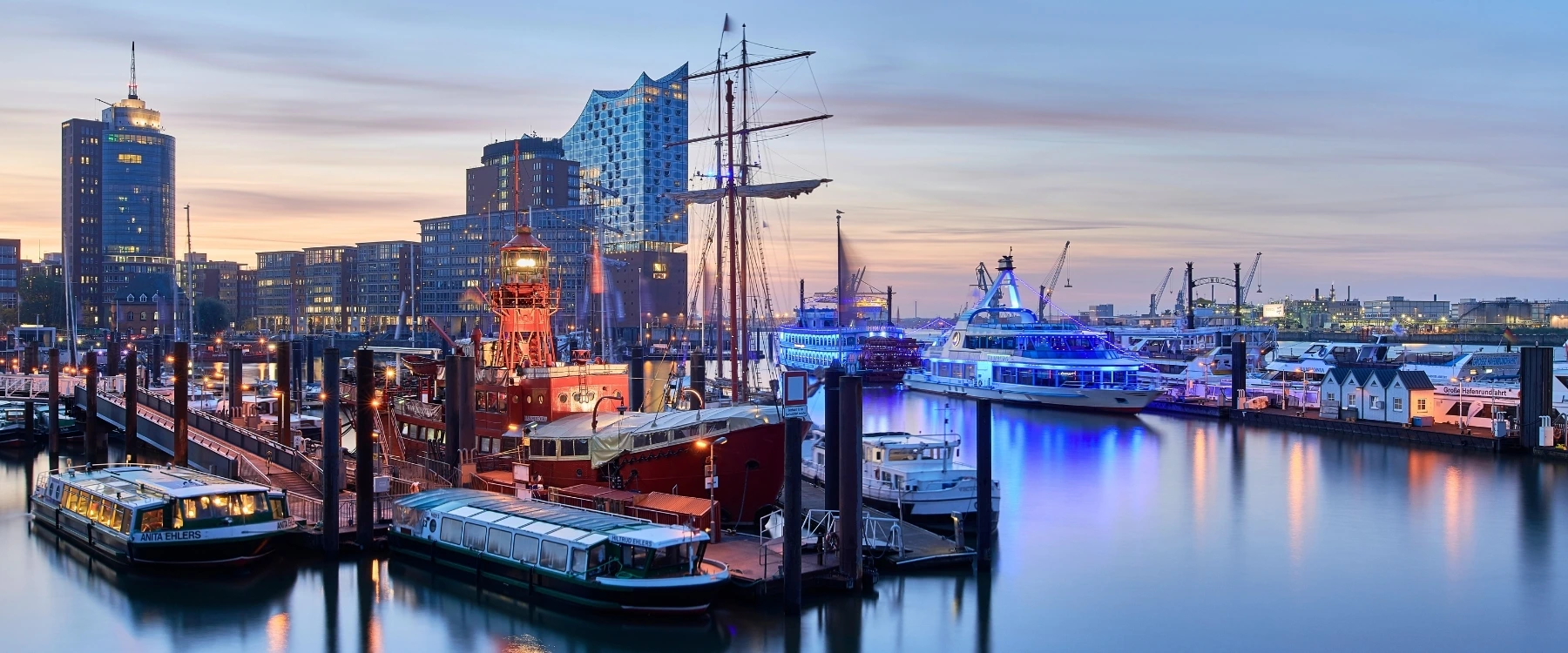
Hamburg’s port is Europe’s third-largest, and the city pulses with maritime tradition. Visiting Landungsbrücken piers or taking a harbour cruise immerses travellers in the working port’s energy—cargo ships, historic vessels and modern cruise liners create a captivating panorama. The Speicherstadt’s red-brick warehouses, once bustling with trade, now house museums, shops and cafés, retaining authentic character. This blend of living heritage and contemporary adaptation means visitors can wander along canals, explore restored docks, and feel part of a vibrant seafaring story. Expect to spend around £10–£15 for a harbour boat tour, giving excellent value for insight into Hamburg’s maritime soul.
Learn More
From the acclaimed Elbphilharmonie concert hall to theatre productions and underground music venues, Hamburg’s cultural offerings span classical to avant-garde. The Elbphilharmonie’s striking architecture hosts orchestral performances with tickets ranging from £20 to £100 depending on seating. Theatre aficionados can enjoy dramatic productions in German or international shows with English surtitles at prices around £25–£60. Smaller clubs in St. Pauli and Sternschanze feature live bands and DJs, often with modest entry fees (£5–£20). Art galleries and contemporary exhibition spaces showcase both established and emerging artists. By booking Hamburg, you tap into a calendar that rarely rests, offering an enriching experience across performing and visual arts.
Learn More
Hamburg surprises with lush parks and waterways woven into its urban fabric. Planten un Blomen features themed gardens, fountains and seasonal water-light shows—entry is free, making it perfect for leisurely afternoons. The Alster lakes provide opportunities for boating or paddleboarding; hiring a kayak for an hour costs around £12–£18. Cycle paths around the Binnen- and Außenalster offer scenic loops ideal for exploring by bike (bike rental ~£8–£12 per day). Families can picnic in Stadtpark or rent pedal boats. These spaces provide respite from city bustle, enabling visitors to reconnect with nature without leaving urban convenience, ensuring active days and serene moments alike.
Learn More
Hamburg’s food scene blends traditional North German specialities with global influences. Sample fresh Fischbrötchen by the harbour for around £4–£6, enjoy hearty labskaus or regional fish dishes in local eateries (~£15–£25 per main). Trendy neighbourhoods like Ottensen offer fusion bistros and vegan cafés with mains around £10–£18. Fine-dining venues interpret seasonal produce, with tasting menus starting near £60 per person. Craft beer lovers find microbreweries serving pints at approximately £4–£5. Markets such as Isemarkt (Wednesdays and Fridays) brim with local produce, cheeses and baked goods, encouraging self-catered picnics in nearby parks. This mix ensures every palate and budget is catered for, with prices in British pounds aiding planning.
Learn More
Hamburg’s public transport network is comprehensive: U-Bahn, S-Bahn, buses and ferries connect all major districts. A day pass costs about £7–£10, offering unlimited travel and easy exploration from the city centre to outskirts. English signage and helpful staff simplify navigation for international visitors. Biking is popular with dedicated lanes; rentals average £8–£12 per day. For harbour views, ferries double as public transport at similar fares. This efficiency means you spend minimal time commuting and more time enjoying attractions, ensuring seamless transitions between sightseeing, dining and leisure activities, all while sticking to a clear budget in British pounds.
Learn More
Hamburg shines in every season: summer invites open-air concerts and al fresco dining; spring sees parks in bloom; autumn offers cosy cafés and hearty regional fare; winter presents festive Christmas markets with mulled wine costs around £4–£6 per cup. Seasonal events like Harbour Birthday Festival in May draw crowds, while quieter months reveal authentic local life. Hotel rates vary: summer mid-range rooms ~£80–£120 per night; off-peak autumn or early winter can be ~£60–£90. This year-round draw ensures that whenever you book, Hamburg has tailored experiences, and pricing in British pounds aids travellers from the UK to choose optimal times for budget and interests.
Learn More
Lorem ipsum dolor, sit amet consectetur adipisicing elit. At illo adipisci iusto
From

Because more than 268 other customers have loved us too

Demonstrates commitment to user data security through encryption and secure payment practices
Learn More
Demonstrates commitment to user data security through encryption and secure payment practices
Learn More
Demonstrates commitment to user data security through encryption and secure payment practices
Learn More
Demonstrates commitment to user data security through encryption and secure payment practices
Learn More
Quality as judged by customers. Book at the ideal price!


/ person
/ person
/ person

Hamburg’s Speicherstadt, the world’s largest contiguous warehouse district built on timber-pile foundations, embodies centuries of maritime trade. Wandering its narrow canals reveals red-brick façades reflecting in the water, interspersed with wrought-iron footbridges. Begin at the Baumwall area, crossing into Speicherstadt via Königsbrücke, where the district’s distinctive architecture emerges. Here, former warehouses now house museums, artisanal workshops and cafés. While avoiding external links, note that visits to local exhibitions delve into port history, logistics and the silk-trading era. Photography enthusiasts find abundant moody scenes framed by early-morning mist over canals or golden-hour light on brick arches, capturing Hamburg’s industrial-romantic synergy.Transition to HafenCity, a modern extension adjacent to Speicherstadt. The architectural dialogue between heritage warehouses and avant-garde structures reflects Hamburg’s forward-looking ethos. Walk along promenades overlooking the Elbe, observing cranes and container terminals merging with contemporary residential complexes. Art installations dot public spaces, encouraging spontaneous discovery. Consider an early-evening stroll across Magdeburger Hafenbrücke for panoramic views of the Elbphilharmonie rising above historic docks. Time your visit so that fading daylight accentuates the glass façade’s curves and the water’s shimmer beneath. This area exemplifies Hamburg’s ability to preserve heritage while embracing innovation. It invites travellers to reflect on past trade significance and present-day urban regeneration, making Speicherstadt and HafenCity a must-visit duo for culture aficionados.

Hamburg’s cultural tapestry extends well beyond its maritime roots. The city offers diverse museums and performing venues that cater to varied interests. Begin at interactive attractions that appeal across ages: though no direct website references, one finds detailed miniature railway layouts meticulously crafted, depicting international landscapes complete with day-night cycles and moving trains—ideal for families and model enthusiasts. Nearby, theatrical experiences dramatize local history with immersive storytelling, combining actors, sets and special effects to enliven Hamburg’s past in engaging formats. These attractions often have modest entry fees, making them accessible additions to any itinerary.For art lovers, galleries in the Kunstmeile (art mile) showcase both classical and contemporary works. Exhibitions rotate seasonally, inviting repeat visits to witness evolving creative dialogues. Quiet contemplation in gallery cafés provides respite before exploring next displays. Music enthusiasts must include an Elbphilharmonie concert: its acoustics and design set global benchmarks. Booking in advance ensures availability; tickets range widely, so budgets can flex between affordable gallery concerts and premium orchestral performances. Smaller venues in St. Pauli and Sternschanze host jazz nights, indie bands and experimental acts. These live-music spots cultivate Hamburg’s vibrant underground scene, often with no-cover or low-cost entry, fostering authentic local connections.Additionally, guided walking tours (with local guides) delve into specific themes—architecture, street art, or neighbourhood histories—offering insider perspectives and anecdotes unavailable in guidebooks. Evening performances in historic theatres present plays in German or with English sur-titles, extending cultural understanding. Altogether, Hamburg’s museums and performing arts scene enriches visits through layered experiences: interactive installations, world-class concerts, rotating exhibitions and intimate venue discoveries. Travellers depart with deeper insight into Hamburg’s creative heartbeat, making this guide segment essential for culture-driven journeys.

At the core of Hamburg lies the Binnenalster and Außenalster—two connected lakes offering rejuvenating escapes within city limits. Begin at Jungfernstieg promenade on the Binnenalster’s shore, where locals gather for waterside strolls. For an active approach, hire a pedal boat or kayak to glide across calm waters—hourly rentals average £12–£18. Paddling reveals elegant villas, tree-lined quays and graceful swans. Photographers capture reflective vistas of church spires against shimmering water, particularly during sunrise when the city awakens.Cyclists can circumnavigate the Außenalster via dedicated bike lanes spanning roughly 7–8 km. Bike rentals cost around £8–£12 per day. The route passes through leafy parks, open meadows and cafés ideal for coffee breaks. Joggers use the same loop for scenic runs. During warmer months, lakeside cafés offer iced drinks and light bites priced around £5–£10, making breaks affordable. For a different perspective, join a small-group sailing excursion on the Außenalster—local operators provide basic instruction and sailing gear, with costs from approximately £25 per person for a shared experience.Families appreciate playgrounds dotted along the banks and picnic spots beneath mature trees. In winter, if conditions permit, sections may freeze for spontaneous skating—though safety depends on weather, so check local advice. Year-round, birdwatchers spot migratory species among reeds. Ferries crossing the Alster extend public transport options, blending sightseeing with practical transit. Combining active pursuits and tranquil pauses, this guide segment ensures travellers experience Hamburg’s unique aquatic heart, forging memorable connections with its waterways and surrounding green spaces.

Hamburg’s cityscape integrates expansive parks and gardens, offering respite and seasonal charm. Planten un Blomen, located centrally, features themed gardens—Japanese water gardens, rose terraces and tropical greenhouses. Entry is free, inviting leisurely exploration. In summer evenings, water-light concerts combine music with illuminated fountains, creating a magical ambience; seating along the water’s edge provides prime viewing. Bring a light jacket; temperatures can dip after sunset.Adjacent parks host open-air theatres and ice-skating rinks in winter. Seasonal events include outdoor film screenings and festivals celebrating local music and cinema. Visitors can check local listings once on-site to align schedules, but this guide emphasises planning to coincide with major seasonal happenings: for example, summer water-light shows from June to August; Christmas markets from late November, where mulled wine around £4–£6 helps stave off cold.Beyond the centre, Stadtpark offers vast lawns, woodlands and a planetarium. Families picnic under trees, rent pedal boats on a small lake (~£10/hour) or visit playgrounds. Jogging trails weave through greenery, appealing to fitness-minded travellers. In spring, cherry blossoms line certain paths, creating picturesque scenes. Photographers and nature lovers find ample subjects: butterflies in flower beds, reflections in ponds or families enjoying leisure time.Urban gardening initiatives and community allotments sometimes welcome visitors for guided tours of sustainable projects. Cycling between parks on dedicated lanes (~£8 rental) reveals hidden green pockets. These green spaces complement Hamburg’s dynamic urban life, ensuring visitors balance bustling city exploration with restorative nature experiences. This guide segment shapes itineraries around seasonal highlights and year-round park-based recreation, vital for well-rounded Hamburg visits.

Hamburg’s gastronomic identity owes much to its port: fresh seafood is central. Sample classic Fischbrötchen—crisp roll filled with pickled herring or smoked salmon—costing about £4–£6, available at harbour stalls near Landungsbrücken. For heartier fare, try regional dishes such as Labskaus (corned beef mash with beetroot and fried egg) in traditional eateries, around £12–£18 per portion. Seek out family-run restaurants to experience authentic preparations paired with local beer (£4 per pint).Beyond seafood, Hamburg embraces multicultural influences. Districts like Ottensen feature bistros serving Middle Eastern mezze, Asian fusion spots and vegan cafés; mains range from £10–£18. For artisanal coffee and pastries, cafés in Sternschanze offer relaxed atmospheres (£3–£5 for coffee, £2–£4 for pastries). Food markets provide self-catering opportunities: local farmers’ markets (e.g., weekend markets, though days vary) sell cheeses, breads and produce; assembling a picnic for Alster lakes can cost around £15 for two.Fine-dining establishments interpret seasonal North German produce—menu tasting experiences start at approximately £60–£80 per person, excluding drinks. Reservations advisable for weekend evenings. Craft beer aficionados explore microbreweries in St. Pauli, sampling flight tastings (£10–£15). Wine bars present German and international selections; a glass about £5–£7. Cocktails in trendy lounges cost around £8–£12. This culinary guide encourages budgeting in British pounds for transparency, ensuring travellers can plan meals from casual harbour snacks to elevated dining with clarity and confidence.

Hamburg’s markets are hubs of flavour and local culture. While specifics vary by day, one can anticipate stalls offering seasonal fruits, vegetables, baked goods, cheeses and artisanal products. Pricing in British pounds aids visitors: expect fresh produce bundles for £3–£7, cheeses priced around £5–£10 per portion, and local pastries at £2–£4 each. Sampling regional specialties or assembling a picnic for a park visit combines economy and authenticity.Food festivals occur between spring and autumn, celebrating local crafts, street food and international cuisines. Expect entry or tasting tokens priced modestly (e.g., £5 for entry, additional token costs around £1–£2 per tasting). These events showcase mobile kitchens serving burgers, vegetarian street fare, desserts and beverages. Keep an eye on city announcements on arrival to align schedules, though this guide refrains from external links. Seasonal harvest festivals highlight products from surrounding regions—apple ciders, jams and local meats—offering souvenirs and tasting experiences around £10–£15.In winter, beyond Christmas markets with mulled wine (£4–£6) and roasted chestnuts (£3–£5), occasional indoor food fairs spotlight chefs and producers, with tasting portions around £3–£6. Visiting such festivals provides insight into Hamburg’s community spirit and culinary creativity. For travellers wanting hands-on activities, some markets or cooking schools offer workshops—costing roughly £40–£60 for half-day sessions where participants learn to prepare regional dishes. Including market visits and festivals in the itinerary ensures immersion in local rhythms and flavours, making Hamburg travel richer and more memorable..

While Hamburg itself offers endless exploration, nearby Lower Saxony towns provide complementary experiences. Lüneburg, approximately 50 km southeast, is a historic salt-trading town with medieval architecture and charming streets. Reachable by regional train in around 30–40 minutes; a return ticket costs approximately £15–£20. Wander cobblestone lanes lined with half-timbered houses, visit salt museum exhibits explaining the town’s salt-mining heritage, and relax at cafés serving local pastries and coffee (£3–£5). Photographers appreciate sunset reflections on the Ilmenau river.Further afield in Lower Saxony are heathlands and nature reserves ideal for hiking or cycling. Bike rental near Hamburg (£8 per day) allows self-guided outings through scenic villages. For guided tours, local operators offer full-day packages (£60 per person) including transport and commentary on regional history. Seasonal events—flower fields in spring or harvest celebrations in autumn—add value to these trips. Budget travellers can organize independent day trips by train or bus, while those preferring convenience may choose small-group tours including hotel pickup; costs vary but generally start around £50–£70.This guide encourages including Lüneburg or heathland excursions as refreshing breaks from urban rhythms, deepening understanding of northern Germany’s landscapes and traditions. Planning with British pound pricing ensures clear budget expectations, and flexible transport options suit diverse preferences. Returning to Hamburg by evening leaves ample time to enjoy dinner in the city, merging countryside and cosmopolitan experiences within a single holiday.

Northern Germany’s coastline along Schleswig-Holstein invites a scenic day away from the city. Towns like Lübeck (around 1 hour by train; round-trip fare £25–£30) offer UNESCO-listed old towns with Gothic brick architecture, suitable for history-focused travellers. Continuing to Baltic seaside resorts (e.g., Travemünde) provides sandy beaches, maritime promenades and fresh seafood eateries. A day trip combining Lübeck’s heritage with a beach visit offers contrast: stroll medieval streets in the morning, enjoy seafood lunch (£15–£25) then relax by the sea in the afternoon.For nature lovers, Wadden Sea National Park lies further north; guided mudflat walks require booking in advance, costing about £20–£30 per person. These excursions reveal unique tidal ecosystems and migrating birdlife. Regional train and bus connections facilitate such trips, though schedules vary—plan early departure. Cycling tours along coastal routes showcase dunes, lighthouses and fishing villages; bike hire plus occasional ferry crossings may total ~£20–£30 for the day.Seasonally, summer beach activities include watersports rentals (£20–£30 for equipment hire) and seaside festivals featuring open-air concerts and local crafts markets. In autumn, brisk seaside walks reward visitors with crisp air and evocative landscapes; warm café stops serving regional cakes and hot drinks (£4–£6) provide comfort. Including Schleswig-Holstein coast or Lübeck day trips enhances Hamburg itineraries by presenting northern Germany’s maritime and natural diversity. Pricing in British pounds supports transparent planning, enabling travellers to balance city exploration with coastal or countryside discoveries on multi-day trips.
No ads. No trails. No commitments


Alice Roses
London, England
51 ST MATTHIAS ROAD
NOTTINGHAM, NOTTINGHAMSHIRE
NG3 2HF
Hours: 8:00 - 17:00, Mon - Sat
support@johnsonholidays.com