
 Nevada Travel
Guide
Nevada Travel
Guide
Paris is known around the world as the “capital of love,” and even if you don't understand the history of Paris at all

10.5 Hours
£4.50
Nevada’s crown jewel, Las Vegas, delivers world-class shows, casinos and nightlife. Visitors can enjoy headline performances, themed resorts and diverse dining from celebrity chefs. Beyond the Strip, immersive experiences abound, from high-speed thrill rides to unique art installations. Las Vegas offers unparalleled excitement and memorable moments for first-time and returning travellers alike.
From hiking in Red Rock Canyon to boating on Lake Tahoe, Nevada features dramatic landscapes ripe for exploration. Desert expeditions, mountain trails and off-road routes reveal a state of contrasts. Adventurers can kayak, ski, mountain-bike or simply soak in stunning vistas. Whether seeking adrenaline-pumping activities or peaceful nature retreats, Nevada delivers variety and awe-inspiring scenery.
Nevada’s past comes alive in historic mining towns such as Virginia City and ghost towns scattered across the Silver State. Museums and guided tours recount the Wild West era, silver rush stories and pioneer life. Indigenous cultural centres and tribal events provide insight into Native American traditions. This blend of history and living culture offers depth beyond typical tourist paths.
Throughout the year, Nevada hosts conventions, music festivals, sporting spectacles and cultural gatherings. Plan visits around iconic events in Las Vegas or seasonal celebrations near Reno and Lake Tahoe. Even off-peak months feature smaller-scale local festivals and community events, ensuring there’s always something to experience regardless of timing.
Well-maintained highways connect major destinations, but lesser-known byways reveal tranquil desert valleys, secluded hot springs and photogenic vistas. Road-trippers can discover unique spots like Valley of Fire or remote petroglyph sites. Nevada rewards those who venture off the beaten path with authentic experiences and postcard-worthy landscapes.
Regular promotions and off-season rates make Nevada accessible for many budgets. Luxury resorts, boutique lodges and budget-friendly accommodations often feature attractive package deals. Flexible travel windows—especially outside major conventions—can yield significant savings. Currency is USD, with prices frequently shown in GBP equivalents for international travellers.

Lorem ipsum dolor, sit amet consectetur adipisicing elit. At illo adipisci iusto
From

Because more than 268 other customers have loved us too

Demonstrates commitment to user data security through encryption and secure payment practices
Learn More
Demonstrates commitment to user data security through encryption and secure payment practices
Learn More
Demonstrates commitment to user data security through encryption and secure payment practices
Learn More
Demonstrates commitment to user data security through encryption and secure payment practices
Learn More
Quality as judged by customers. Book at the ideal price!


/ person
/ person
/ person
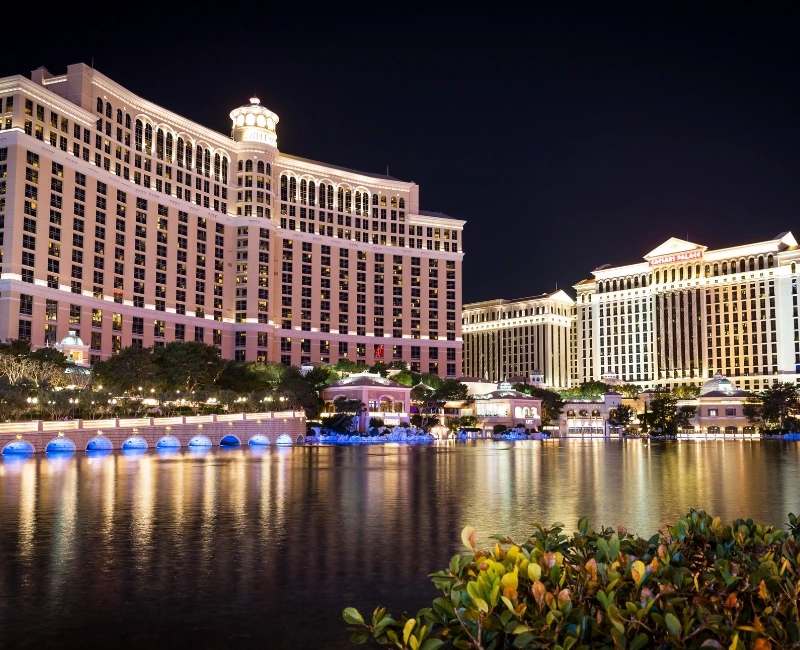
Las Vegas’s reputation as the world’s premier entertainment playground is built upon its dazzling Strip, where neon signs flash around the clock and every evening promises a new adventure. At the heart of the action are the headline shows: from the mind-bending illusions of David Copperfield and Penn & Teller to the gravity-defying acrobatics of Cirque du Soleil productions such as “O”, which transforms a water-filled stage into a surreal aquatic theater, or “Ka”, a multimedia spectacle blending martial arts and pyrotechnics. Musical residencies draw A-list performers—Lady Gaga, Adele and Bruno Mars have all held multi-year runs, delivering concert-level productions in intimate settings within opulent theaters.Between shows, the city’s clubs ignite. Omnia at Caesars Palace pairs dramatic chandelier installations with world-renowned headliners, while XS at Encore offers poolside luxury by day and a pulsating dance floor by night. Rooftop bars like Drai’s at The Cromwell or VooDoo atop Rio All-Suite Hotel provide panoramic views of the illuminated skyline, craft cocktails and live DJ sets. For a retro vibe, the Downtown Container Park on Fremont Street showcases local mixologists and indie bands in reclaimed metal shipping containers.Gaming floors hum 24/7: high-limit table games sit alongside multi-denomination slot machines, and sports books broadcast every big game on colossal LED screens. Whether you’re chasing jackpots or trying your hand at poker, the casino pulse complements the city’s broader nightlife energy.Foodies stay late too. Bacchanal Buffet at Caesars reinvents the all-you-can-eat concept with live cooking stations; celebrity chef restaurants—Gordon Ramsay’s Hell’s Kitchen or Giada De Laurentiis’s Pronto by Giada—keep kitchens open into the early hours. For a quick bite, food trucks line the Strip offering late-night tacos, sliders and sweet treats.Off-Strip, Fremont Street Experience draws a more local crowd. Under the Viva Vision light canopy, free concerts and street performers entertain beneath old-school neon classics like the Golden Nugget’s iconic orange. Nearby, vintage casinos like El Cortez recall Vegas’s mid-century heyday.Seasonal pool parties, such as Marquee Dayclub at The Cosmopolitan, transition into night-time raves with flame cannons and choreographed light shows. Practical tips: reserve show tickets and table service VIP passes well in advance, especially on weekends; dress codes vary from casual lounge wear to upscale cocktail attire; ride-share apps (Uber, Lyft) are the safest way to navigate between clustered venues.Whether your focus is spectacular stage productions, all-night dancing under strobe lights, high-stakes gaming or late-night culinary exploration, Las Vegas delivers a 24/7 spectacle. Each night unfolds a new chapter in the city’s electrifying narrative—one you’ll recount long after the neon fades.
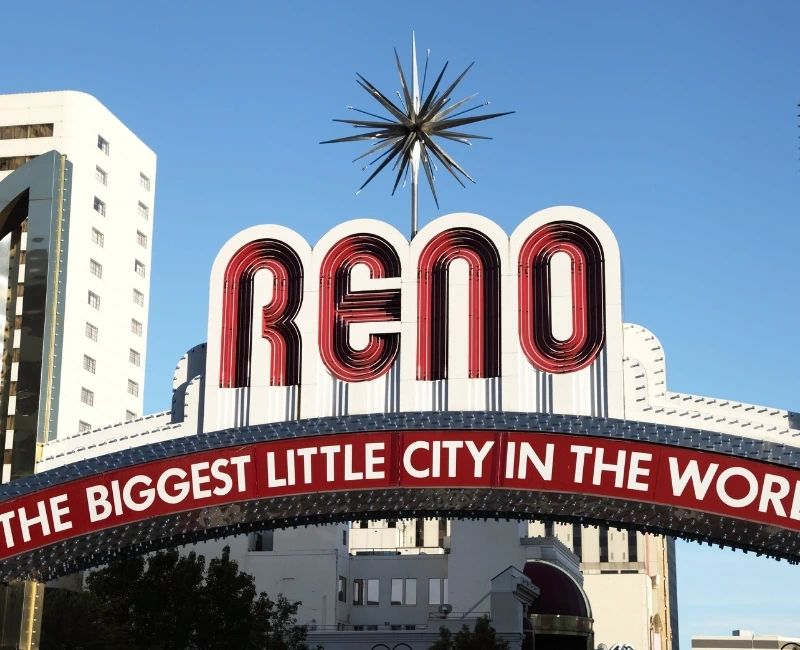
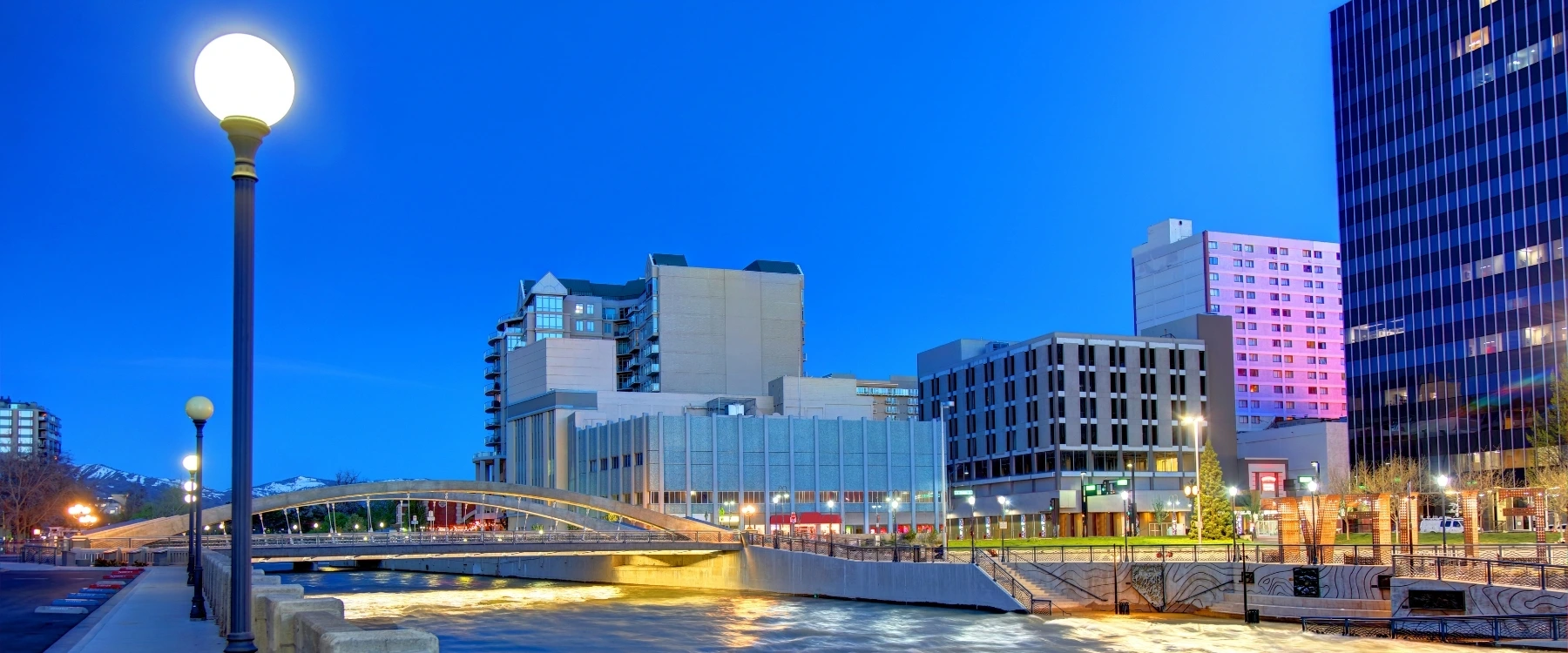
Reno, the “Biggest Little City in the World,” marries its storied gambling past with a surprisingly dynamic urban culture. Along the Truckee River, downtown casinos—Grand Sierra, Peppermill, and the historic Riverside—feature vintage neon signage and ornate lobbies harking back to mid-20th-century glamour, alongside modern gaming floors stocked with high-limit table games, video poker and the latest slot innovations. Each resort doubles as an entertainment venue: the Grand Sierra Theater draws touring musical acts and comedians, while the Peppermill’s Flamingo Showroom hosts tribute bands and variety reviews.Beyond the tables, the Reno Riverwalk District has blossomed into a cultural corridor. Art galleries like the Nevada Museum of Art Annex spotlight local and national artists, while boutiques and coffeehouses line riverside sidewalks. Seasonal rotating public art installations and the annual Artown festival in July flood the streets with live performances, open-air concerts and interactive workshops.Microbrew culture pulses through the city. Breweries such as Revision, Great Basin and Wild Island produce award-winning IPAs and stouts; taprooms host trivia nights and food-truck pop-ups, creating casual gathering spots for locals and visitors. Farm-to-table restaurants—The Lake House and Orchard House—spotlight Sierra-Nevada produce and fly-fished trout, complemented by farmstead cheeses and artisan breads from regional purveyors.Culinary tours reveal hidden gems: Sushi Pier offers fresh poke bowls downtown, while Siena Bistro in Midtown blends Italian classics with seasonal Nevada ingredients. For nightlife, bars like The Saint host live rock bands and DJs set amidst retro decor, and Eden Lounge transforms into a subterranean dance club after dark.Seasonal hot-air balloon events, including Hot August Nights celebrations of classic cars, infuse northern Nevada’s summer calendar with nostalgia and high-octane fun. In winter, the nearby Mt. Rose and Sierra-at-Tahoe resorts draw skiers and snowboarders; Ted’s Montana Grill offers hearty elk burgers and bison chili for après-ski sustenance.Daytrips enrich the Reno visit: the historic mining town of Virginia City, a 30-minute drive up the hill, preserves wooden boardwalks and restored saloons from the Comstock Lode era. Nearby Lake Tahoe beckons with alpine beaches and Casinos at Stateline. Practical considerations: Reno’s downtown is notably walkable, but renting a car or using rideshares expands your radius. Midweek hotel rates are often discounted, and booking flights through Reno–Tahoe International Airport avoids the longer drives from Sacramento or San Francisco.Blending heritage gaming halls, craft-drinking culture and year-round festival energy against the backdrop of the Sierra Nevada, Reno invites exploration beyond clichés—rewarding visitors with an authentic, approachable taste of Nevada’s urban-arts frontier.
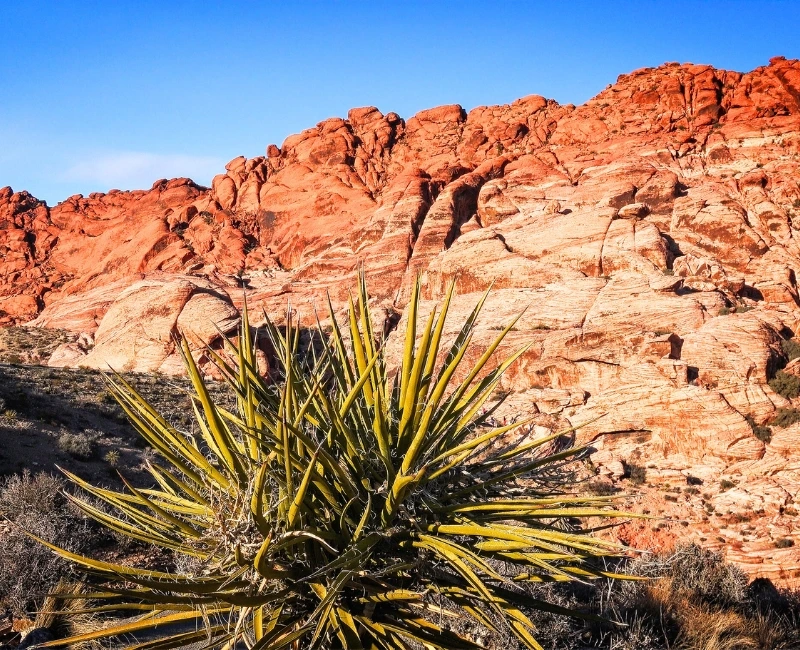
Just a 30-minute drive west of the Las Vegas Strip lies the Red Rock Canyon National Conservation Area, a 200,000-acre canvas of red and tan sandstone peaks carved over eons. The 13-mile scenic loop offers pull-outs at dozens of trailheads. For beginners, the 1.5-mile Calico Hills viewpoint trail—Calico Tanks—provides sweeping views of the Las Vegas Valley against vibrant shale walls. Hikers ascend through colorful banded sandstone to small water pockets once used by Native Americans, revealing panoramic desert vistas.Intermediate adventurers tackle the Keystone Thrust Trail, a 2.6-mile out-and-back route tracing an ancient geological fault line. The hike begins beneath towering limestone cliffs, then ascends to a rugged ridge where dramatic formations loom overhead. Advanced hikers of the Pine Creek Canyon trek explore remote wash systems, scrambling over boulders and navigating slot canyons amid creosote and Joshua trees.Safety is paramount: summers deliver extreme heat—daytime highs above 38 °C—so carry a minimum of 3–4 liters of water per person, wear UV-rated clothing, a wide-brimmed hat and sturdy hiking boots. Plan hikes at sunrise or late afternoon, avoiding midday. Check the NPS website for seasonal closures and trail conditions.Beyond Red Rock, desert corridors beckon. A 1–2-hour drive northeast unlocks Valley of Fire State Park, where the Fire Wave’s undulating white and red stripes reward photographers at dawn golden hour. Further afield, guided jeep expeditions into the Eldorado Mountains and the fringes of the Mojave National Preserve reveal ghost-town remnants, basalt lava flows, and endemic brittle bush ecosystems.Kick-off desert immersion with educational eco-tours that focus on flora like the resilient beavertail cactus and fauna including desert bighorn sheep. Birdwatchers track roadrunners and Gambel’s quail along rocky washes. Leave-no-trace principles govern all exploration: pack out trash, avoid disturbing cryptobiotic soil crusts and minimize noise.For multi-day backpackers, permits are required for overnight sites. Essential gear includes a GPS or map and compass, headlamp, first-aid kit, emergency shelter and high-energy ration bars. Satellite beacons or personal locator beacons add a safety layer in remote sectors.Whether you seek sunrise solitude on a sandstone knob, strenuous canyon routes or guided backcountry adventures, Red Rock Canyon and Mojave trails deliver an unforgettably rugged contrast to Las Vegas’s neon spectacle—revealing Nevada’s wild, ancient heart.
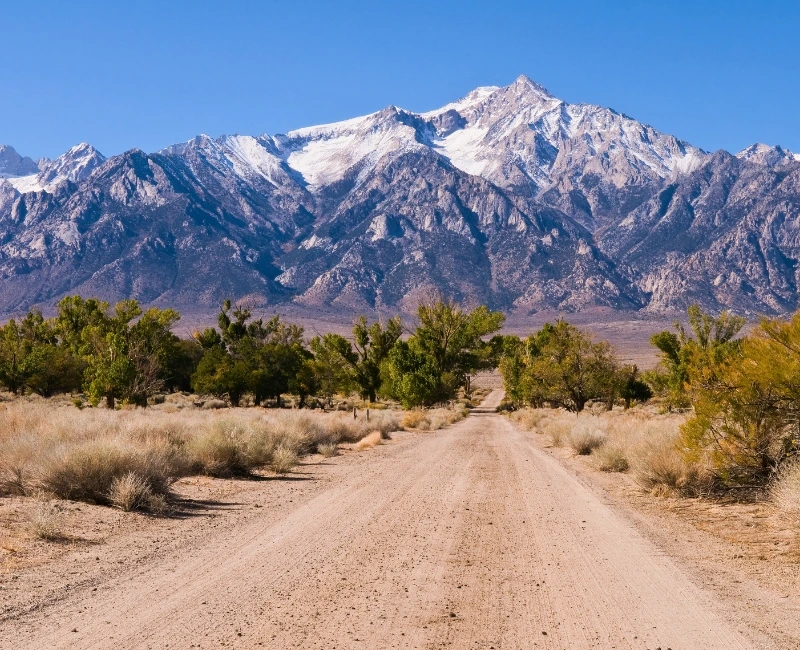
Nevada’s expansive desert hinterlands open up to those craving off-road thrills and far-flung discoveries. Professional operators—licensed by the Bureau of Land Management—run 4×4 jeep expeditions and overland truck convoys into backcountry territories where pavement ends. Popular departures out of Las Vegas or Reno venture into the Lake Mead National Recreation Area’s labyrinth of washes and ridges, visiting hidden canyons and ancient petroglyph panels.Gold Butte National Monument, recently protected from mining claims, stands as an off-road highlight east of the Virgin Mountains. Expert guides follow GPS-marked routes through sculpted sandstone, stopping at Whitney Pockets to examine Native American rock art. Highlights include the ghost-town remains of St. Thomas, submerged and re-exposed by fluctuating Lake Mead levels, offering a surreal encounter with the past.Self-guided adventures require highly capable vehicles—full-time 4WD, skid plates, off-road tires—and recovery gear: shovel, traction boards, tow straps and a dual-battery system. Routes like the Old Ore Road into the Eldorado Mountains traverse basalt flows and cinder cones, demanding low-range gearing and careful navigation. Backcountry maps (e.g., those by NVBLM) and GPS units with topo overlays are essential; cellphone coverage is minimal.Permit requirements vary: some areas of the Mojave Desert necessitate free BLM off-road permits, while designated dispersed camping sites allow overnight stays under a clear Milky Way sky. Campsites often have no amenities, so pack ample water (5+ liters per person per day), fuel reserves in jerry cans, high-calorie rations and sun-protected shelters.Desert exploration pairs with cultural visits: guided tours can arrange stops at Fort Pearce, a 19th-century Mormon outpost, or remote Apache Maid wild horse habitats. In spring, ephemeral washes burst into wildflower carpets—golden desert primrose and scarlet globemallow—while autumn cools temperatures into the high 20s °C.Photographers chase sunrise light on eroded hoodoos and sunset silhouettes across sand dunes near the Arizona border at Grand Canyon West. Night-time sky tours leverage minimal light pollution for stargazing sessions, with telescopes pointed at the Milky Way’s core and planets.Safety briefings cover off-road driving techniques—rock crawling, sand driving, water crossing—and emergency protocols, including first-aid and communication via satellite messaging. By blending mechanical skill, environmental respect and cultural awareness, off-road and desert expedition tours unlock Nevada’s remote wilderness—transforming intrepid travelers into true desert pioneers.
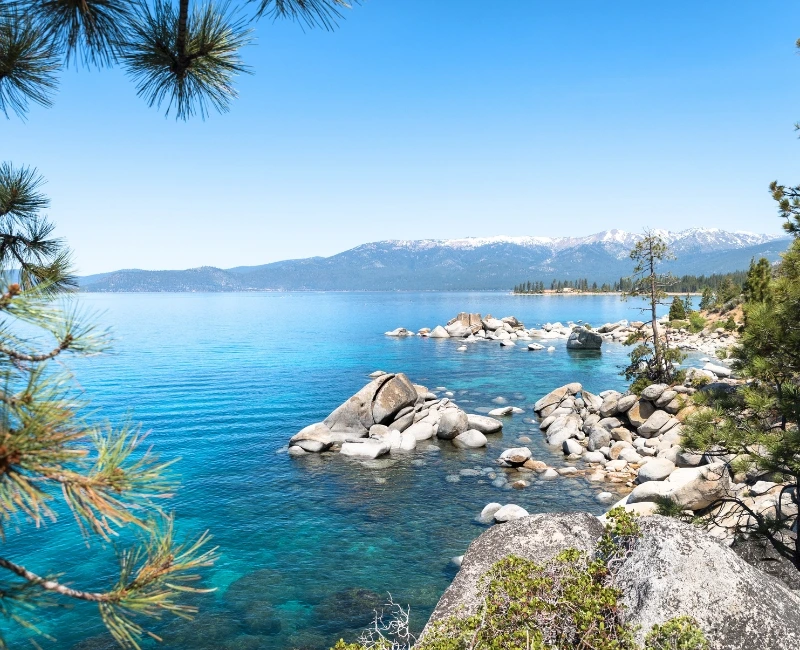
Straddling the California–Nevada border, Lake Tahoe is a 191-square-mile alpine jewel ringed by the Sierra Nevada mountains. Its crystalline waters—among the clearest in North America—invite a host of summertime and wintertime pursuits.Summer Activities: Paddleboarding and kayaking launch from sandy beaches like Sand Harbor on the Nevada side or Kiva Beach on the California shore. Scenic boat tours offer narrated cruises, pointing out historic sites such as the Fallen Leaf Lodge and Emerald Bay’s ruined Vikingsholm Castle. Hikers have options ranging from the 1.5-mile Eagle Falls Trail, which ascends to cascading waterfalls, to the strenuous Mount Tallac circuit (10 miles, 5,600-foot elevation gain) that rewards summit views of the lake’s aquamarine expanse. Cyclists can tackle sections of the Flume Trail, perched on a cliff 1,000 feet above the lake, for a heart-stopping mix of sweeping panoramas and granite switchbacks.Winter Sports: When snowfall blankets the peaks from December through March, Tahoe morphs into a ski destination. Five major resorts on the Nevada side—Diamond Peak, Mt. Rose—and multiple on the California flank—Squaw Valley (now Palisades Tahoe), Heavenly, Northstar—offer runs for every ability. Cross-country trails at Tahoe Cross-Country in Truckee and the Tahoe Donner network carry skiers through fir-clad valleys.Wildlife & Conservation: Mule deer, black bears and bald eagles share the region. Keep a respectful distance and secure all food. Invasive species programs ensure that boats are inspected before launch to protect the lake’s clarity. Tahoe’s clarity is monitored annually at Emerald Bay where Secchi disk readings often exceed 60 feet.Lakeside & Mountain Dining: Local restaurants merge Sierra ingredients with global influence. Christy Hill near Tahoe City overlooks the lake, serving line-caught trout, while The Loft at Heavenly—a revolving restaurant—pairs gondola rides with panoramic dining. Breweries like Alibi in Incline Village and Tallac Creek in Meyers craft mountain-spring IPAs.Accommodations: Options range from rustic cabins and B&Bs—many dating to the 1930s—to five-star resorts like The Ritz-Carlton, Lake Tahoe and Resort at Squaw Creek. Book ski-season stays at least six months ahead; summer bookings fill by spring.Logistics: Reno–Tahoe International Airport (RNO) lies 35 miles north; shuttle services and car rentals connect to the lake. Winters can close Tioga Pass and Donner Summit; always check Caltrans and NDOT for road conditions.By balancing water sports, peak-bagging hikes, ski expeditions and lakeside leisure, Lake Tahoe and its Sierra surroundings deliver a four-season playground where alpine needles meet crystal waters—and every traveler can find their perfect vista.
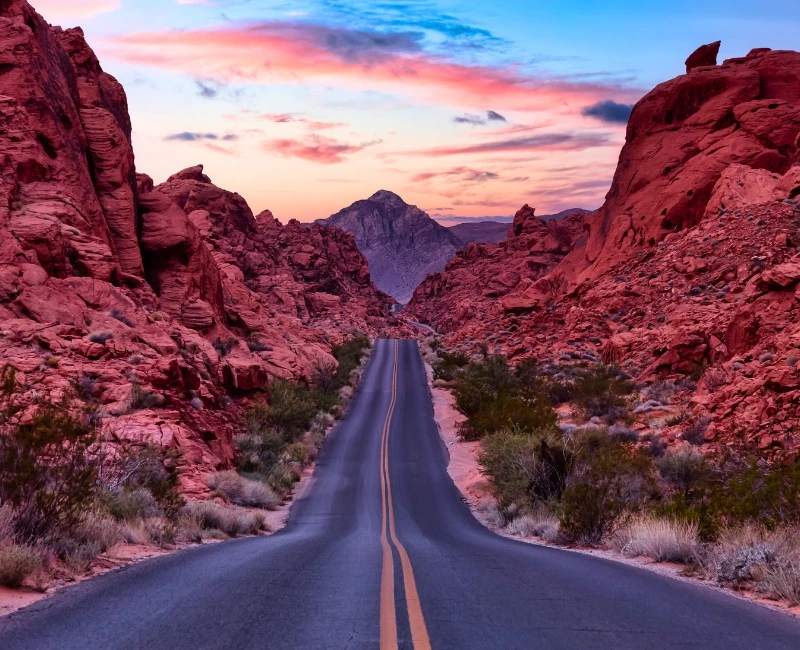
Just 55 miles northeast of Las Vegas, Valley of Fire State Park unveils one of Nevada’s most arresting landscapes. Named for its vibrant red Aztec sandstone formations—etched by wind and water over 150 million years—Valley of Fire provides accessible yet profound desert immersion.Scenic Drive & Overlooks: The 10-mile Valley of Fire Loop Road begins at the Visitor Center (open daily, interpretive exhibits on geology and Paiute heritage). Pullouts include Elephant Rock, a sandstone outcrop shaped like its namesake, and Atlatl Rock, where you can climb to see ancestral petroglyphs. The twisting highway arc reveals shifting sandstone layers ranging from fiery crimson to pale cream.Hiking Trails:Fire Wave Trail (1.5 miles round trip): A moderate trek over rippled sandstone fins leading to undulating white and red stripes.White Domes Trail (1.1 miles loop): Pass slot canyons, historic movie-set remains (from “Star Trek” and “Total Recall”), and a 100-foot wash.Mouse’s Tank Trail (0.75 miles): Leads to a naturally occurring water basin amid towering walls; interpretive signs recall outlaw Mouse Davis who evaded pursuit here.Photography: Sunrise photography at Arch Rock bathes the sandstone in gold; sunset sessions at Rainbow Vista highlight the full color spectrum. Bring polarizing filters and extra batteries—desert heat drains power quickly.Beyond Valley of Fire:Cathedral Gorge State Park (Battle Mountain area): Channels and slot canyon hikes among spires of bentonite clay, best in spring or fall—summer temperatures can soar above 100 °F.Great Basin National Park (eastern Nevada): Bristlecone pine groves above 10,000 feet, the Lehman Caves marble caverns, and one of the darkest night skies in the contiguous U.S.—perfect for stargazing via night sky festival events.Planning Tips:Permits & Fees: Valley of Fire charges a $10 per vehicle day-use fee; Great Basin requires no day-use fee but a $10 fee for backcountry camping permits.Timing: Visit in spring (March–May) for wildflower blooms; autumn (September–October) offers mild highs (70s–80s °F); avoid mid-summer heat.Safety: Carry 1 gallon of water per person, wear sun-resistant clothing, and protect against sudden monsoon-season showers in late summer.Conservation: Stay on marked trails to avoid damaging cryptobiotic soils; pack out all trash.Whether you seek fiery sandstone vistas, ancient pinyon forests or nocturnal celestial shows, Valley of Fire and Nevada’s state and national parks deliver raw desert majesty—accessible from Las Vegas yet worlds away in scope and silence..
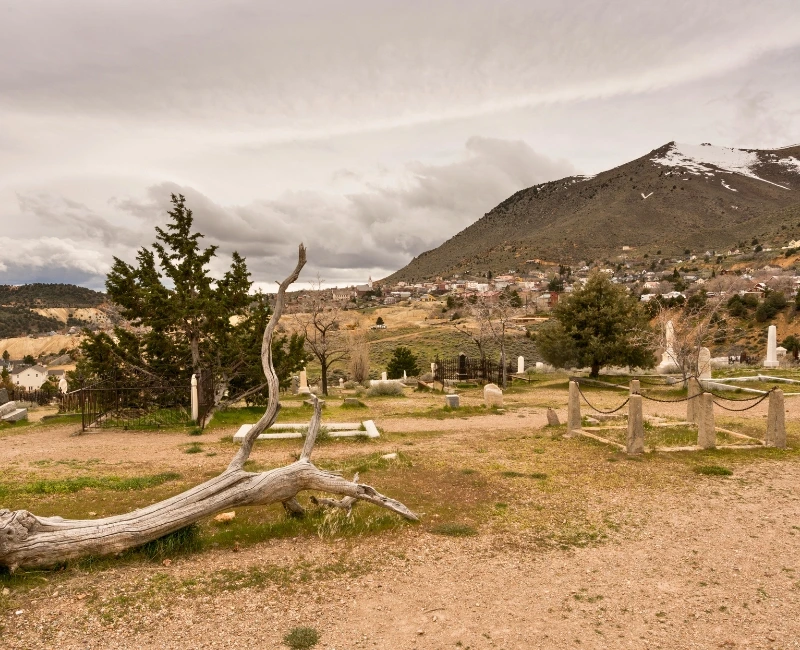
Atop the rugged hills east of Reno, Virginia City preserves the spirit of the Comstock Lode silver rush, which transformed Nevada into a bustling territory in the 1860s. This guide delves into Virginia City’s historic core and its enduring legacy.Main Street & Museums: Boardwalks line C Street, flanked by false-fronted saloons and wooden storefronts dating back 150 years. Enter the Fourth Ward School Museum for reconstruction classrooms and prison cells once used to discipline unruly miners. At the Pioneer Saloon, engraved sawdust floors preserve dusty footprints of Old West characters; inside, vintage gambling tables—one with a bullet hole from a gunfight—sit amid period photographs.Mine Tours: Descend into the depths on the Chollar Mine Tour, a guided expedition via a mine car into preserved stopes, where safety rails and helmet-mounted lamps reveal the tools and techniques silver-seekers used. Interpretive guides explain the mine’s geology and the human cost of extracting “white gold.”Cultural Events & Reenactments: In summer, Virginia City’s Medieval Festivals and Bluegrass Festivals transform the town with music and crafts. Posses stage mock gunfights twice daily, reliving the rowdy interplay of lawmen and outlaws on C Street.Ghost Towns & Scenic Drives: A 20-mile drive north along NV-341 explores ghost towns like Gold Hill and Gold Canyon, where dilapidated wooden shacks and silent stamp mills stand as weathered testaments to boom-and-bust cycles. Guided 4×4 tours navigate boulder-strewn backroads to reach Silver City, another Civil War–era boom town.Artisan Shops & Dining: Local craftspeople produce silver jewelry inspired by Comstock finds; studios sell hand-blown glass and wrought-iron candlesticks. Rachel’s Kitchen on C Street whips up hearty “miner’s breakfasts,” while Bucket of Blood Saloon (despite its name) offers BBQ and local brews on tap.Accommodations: Stay in meticulously restored Victorian inns such as the Mackay Mansion, where stained-glass windows and antique furnishings evoke Gilded Age opulence. Cross the street in morning to the Virginia City Territorial Museum, then sip espresso on the porch as the day’s sunlight illuminates Stanley Hotel’s turret.Practical Advice:Access: Virginia City is a 30-minute drive from Reno; shuttle services operate seasonally.Seasons: Summer (June–September) offers daytime highs of 25 °C–30 °C; shoulder seasons bring fewer crowds but cooler evenings.Preservation: Follow designated walking paths; refrain from entering structurally unsound ruins.By weaving together mine tours, living-history performances, ghost-town expeditions and artisan culture, Virginia City offers a richly layered glimpse into Nevada’s silver-strike origins—an experience both educational and evocative.
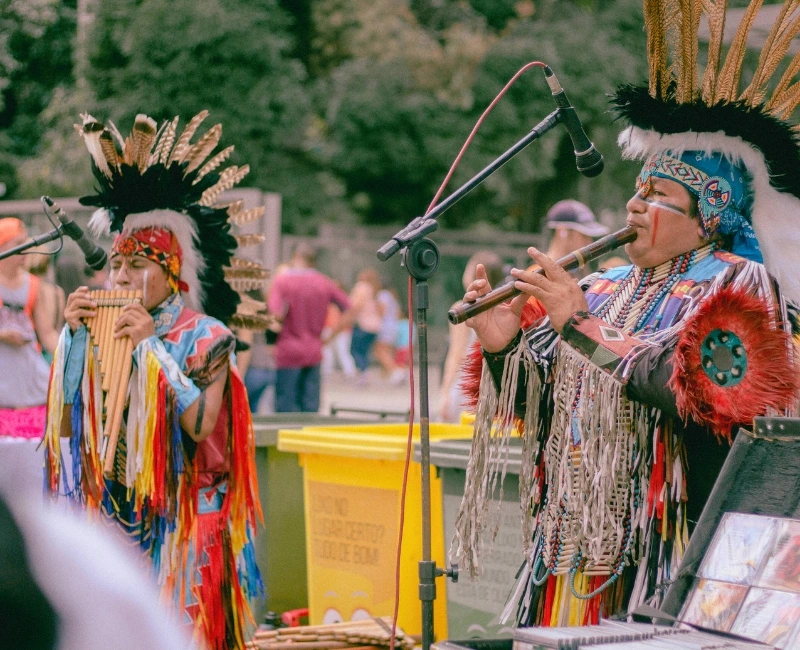
Long before silver struck and casinos rose, Nevada’s lands were the ancestral territories of Paiute, Shoshone and Washoe peoples. This guide highlights where visitors can respectfully engage with indigenous heritage through cultural centres, exhibits and community events.Tribal Cultural Centres & Museums:Walker River Paiute Tribal Museum & Cultural Center (Schurz): Showcases basketry, beadwork and seasonal plants used for food, medicine and rituals. Docents share oral histories and traditional environmental knowledge.Thompson Pavilion & Museum (Reno–Sparks Indian Colony): Rotating exhibits focus on Paiute-Shoshone artwork and contemporary issues.Ancestral Sites & Rock Art:Grimes Point Petroglyphs (near Fallon): A 1.5-mile loop among low hills reveals bowl mortars and hundreds of petroglyphs—some dating back 10,000 years—etched into basalt. Interpretive signs explain the symbols’ possible ceremonial meanings.Cold Springs Pictograph Site: Rare red-pigment images on limestone walls, accessible via guided tour arranged through the U.S. Forest Service.Community Events & Powwows: Annual gatherings—such as the ** Reno–Sparks Indian Colony Powwow** in July—feature dance competitions, drum groups and intertribal feast days. Visitors can observe elaborate ribbon skirts, buffalo-hide tents and traditional foods like pemmican and sweetgrass-smoked salmon (when available).Language & Craft Workshops: Some tribes offer short workshops in Western Shoshone or Northern Paiute language basics, alongside hands-on classes in willow basket weaving or tule-reed mat making. Participation fees support community education programs.Cuisine & Traditional Foods: Farmers’ markets on reservation lands sell wild-harvested pine nuts (piñón), edible desert seeds and Indian tacos—a frybread base topped with venison chili or wildgreen salad. Respect harvest seasons and purchase only from authorized vendors.Sacred Landscapes: Certain mountain peaks and springs remain sacred, with access restricted. Always consult tribal tourism offices and honor posted guidelines. Ely’s Ward Charcoal Ovens State Historic Park lies on Western Shoshone land; rangers offer insights into traditional charcoal-making methods once co-opted by 19th-century smelters.Cultural Preservation & Support: Purchasing authentic artwork directly from tribal artisans—coco beads, buckskin bags, hand-woven baskets—ensures fair compensation and cultural continuity. Donations to tribal historical societies fund language revitalization and youth programs.By approaching these experiences with respect, humility and curiosity, travelers not only gain deeper insights into Nevada’s indigenous heritage but also contribute to the preservation and celebration of living Native American cultures.
No ads. No trails. No commitments


Alice Roses
London, England
51 ST MATTHIAS ROAD
NOTTINGHAM, NOTTINGHAMSHIRE
NG3 2HF
Hours: 8:00 - 17:00, Mon - Sat
support@johnsonholidays.com